Top 20 Lakes around Gottmadingen
Best lakes around Gottmadingen are found in a region situated between the Hegau and the vast Lake Constance. Gottmadingen's location provides access to one of Central Europe's largest lakes, approximately 36 kilometers from Konstanz. The area offers diverse natural landscapes, from local forests with tranquil ponds to the expansive shores of Lake Constance. This geographic position makes it a starting point for exploring significant natural and recreational hubs.
Best lakes around Gottmadingen
- The most popular lakes is Old Swiss-German border…
Last updated: May 31, 2026
Old Swiss-German border post near Stein am Rhein
Highlight • Monument
Translated by Google •
Tip by

Wooden bridge to Werd Island
Highlight • Bridge
Translated by Google •
Tip by

Sign up now to discover places like this
Get recommendations on the best single tracks, peaks, & plenty of other exciting outdoor places.
Sign up for free
Enge Pond
Highlight • Lake
The artificially created pond was the …
Translated by Google •
Tip by

Heinz Sielmann Pond
Highlight • Lake
Source: Südkurierartkel from 10/13/20
Translated by Google •
Tip by

Lake Constance Water Level Gauge
Highlight • Monument
Translated by Google •
Tip by

Sign up for free to discover even more lakes around Gottmadingen.
Sign up for free
Already have an account?
Start today with a free account
Your next adventure awaits.
Login or Signup
Tips from the Community

Lake Constance is an inland body of water in southwestern Central Europe. It consists of the Upper Lake with Überlingen Lake and Constance Funnel and the Lower Lake with Rhine Lake, Zeller Lake and Gnadensee including Markelfinger Winkel as well as the Seerhein from the Upper Lake to the Lower Lake in the urban area of Constance. Lake Constance lies in the Lake Constance basin, which is traversed by the Rhine, a part of the northern Alpine foothills; the inflow is called Alpine Rhine, the outflow High Rhine. The three countries of Germany, Austria and Switzerland border Lake Constance. A recognized border exists only in the Lower Lake between Germany and Switzerland. No consensual border has been established in the area of the Upper Lake. Lake Constance is the largest inland body of water in Germany, the largest inland body of water in Austria, and the second or third largest inland body of water in Switzerland, depending on the area considered. In addition to Lake Constance itself, this article also deals with the surrounding Lake Constance region, which extends far into the hinterland depending on the spatial definition. After the end of the last ice age around 10,000 years ago, the Upper and Lower Lakes were still connected in one lake. The deep erosion of the High Rhine gradually lowered the lake level and caused the Constance threshold to emerge. In ancient times, the two lakes had different names, after which the common name developed for unknown reasons. Source: https://de.wikipedia.org/wiki/Bodensee
1
0

Interesting if you are traveling by boat. Go there and take a look :-)
1
0

Lake Constance is one of the few unregulated Alpine lakes. Because there are different inflows and outflows, the water level fluctuates. He cannot be controlled. During floods, up to three times as much water flows into the lake than can flow out. This happened in 2005, when 1,450 m3 flowed into the lake from the Bregenzerach catchment area alone, although only 1,300 m/s can flow out at Konstanz. Within 24 hours the water level rose by 50 cm. The mean summer peak level v. Lake Constance (approx. June 28th - July 4th) is 433 cm. The average winter rainfall level (2nd half of February) is 286 cm. The last extreme flood in Bregenz occurred on June 11, 1999 and was 567 cm. The water level was only higher in 1890 and in the disaster year 1817. The lowest water level, only 231 cm, occurred on February 15, 2006. The water level zero point is 392.14 m above sea level. The water level in Bregenz can be several centimeters higher than in Konstanz if long-lasting westerly winds push the water towards Pfände. The maximum inflow is reached in June and the minimum in January. As a rule, the water level fluctuates by around 1.5 m per year, and in extreme years by more than 3 m. The water level has been measured in Bregenz since 1864. Today The data from the measuring points at the port of Bregenz and on the Mili lands on the Internet via radio. Worth knowing: You cannot see the Konstanz Minster with its 78m high tower from Bregenz. The curvature of the earth is 41.5m. The area of Lake Constance is 536 km, the length of the shore of Lake Constance is 273 km long and Lake Constance has 48 billion liters of water, enough to put the whole of Austria 60 cm under water! (from the information board of the Vorarlberg State Government, Water Management Department)
2
0

Very nice old Swiss border sign... a great photo opportunity.
3
0

small artificial pond with benches to rest.
2
0

In 2004, Prof. Dr. Peter Berthold together with Prof. Heinz Sielmann the project "Sielmanns Biotopeverbund Bodensee" in the districts of Lake Constance and Constance. In cooperation with municipalities, citizens and land users, new biotopes for animals and plants are created and existing ones upgraded. 34 biotope sites with around 110 individual measures have already been implemented in 15 municipalities. The focus is on Establishment of still waters, the maintenance of large orchards and the establishment of extensive pasture areas. In the reed meadows above the Aachtal natural swimming pool in Worblingen, the still water is the 34th biotope location in Sielmann's Biotope Association of Lake Constance. The project was realized by the Heinz Sielmann Foundation and funded by seven other nature conservation organizations, including the Baden-Württemberg Nature Conservation Fund Foundation.
3
0

The Engeweiher, also called Engiweier, is located in the area of the city of Schaffhausen at an altitude of 544 meters above sea level. The artificially created pond was the first pumped storage plant in Switzerland in 1907 and was practically created by hand at the time.
3
1

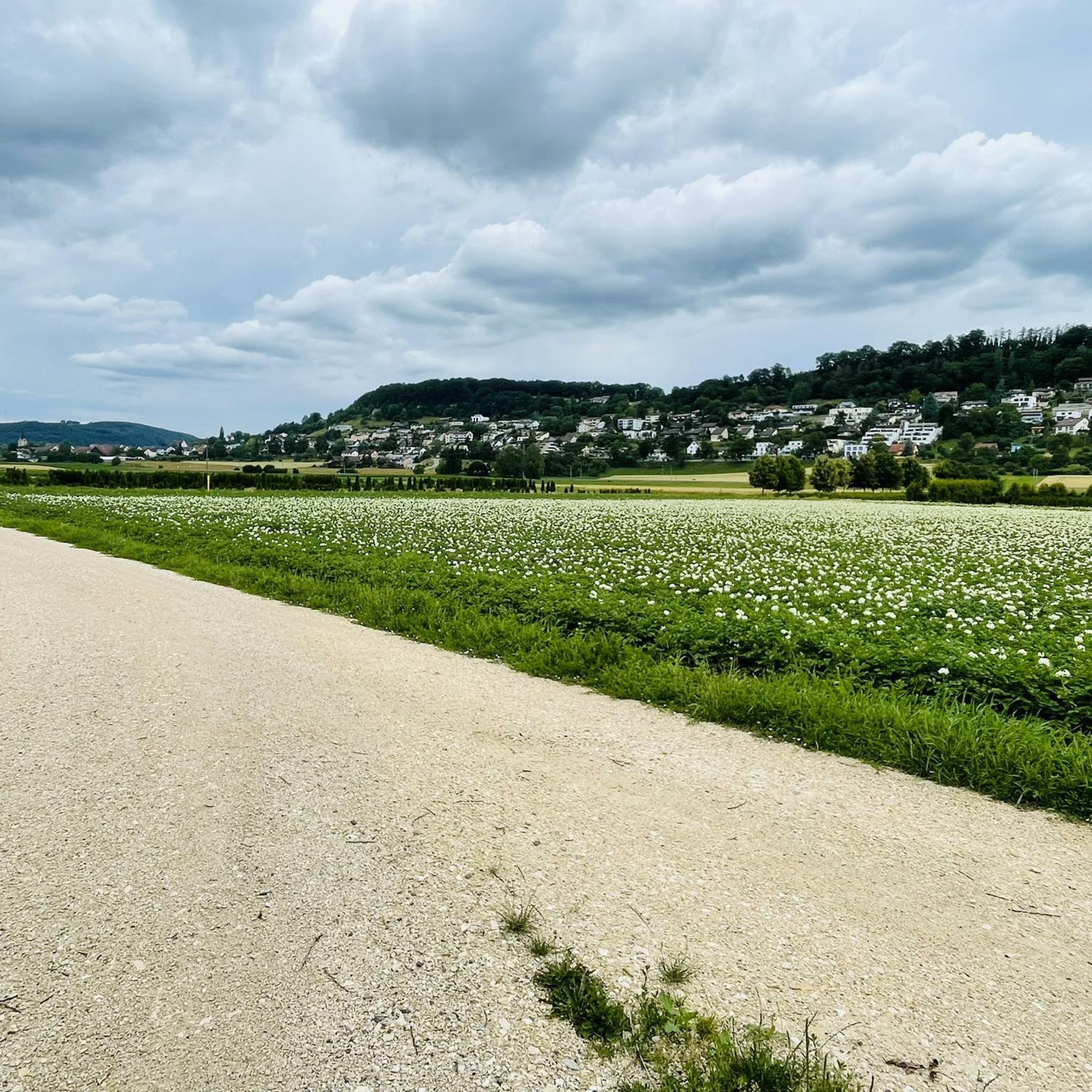
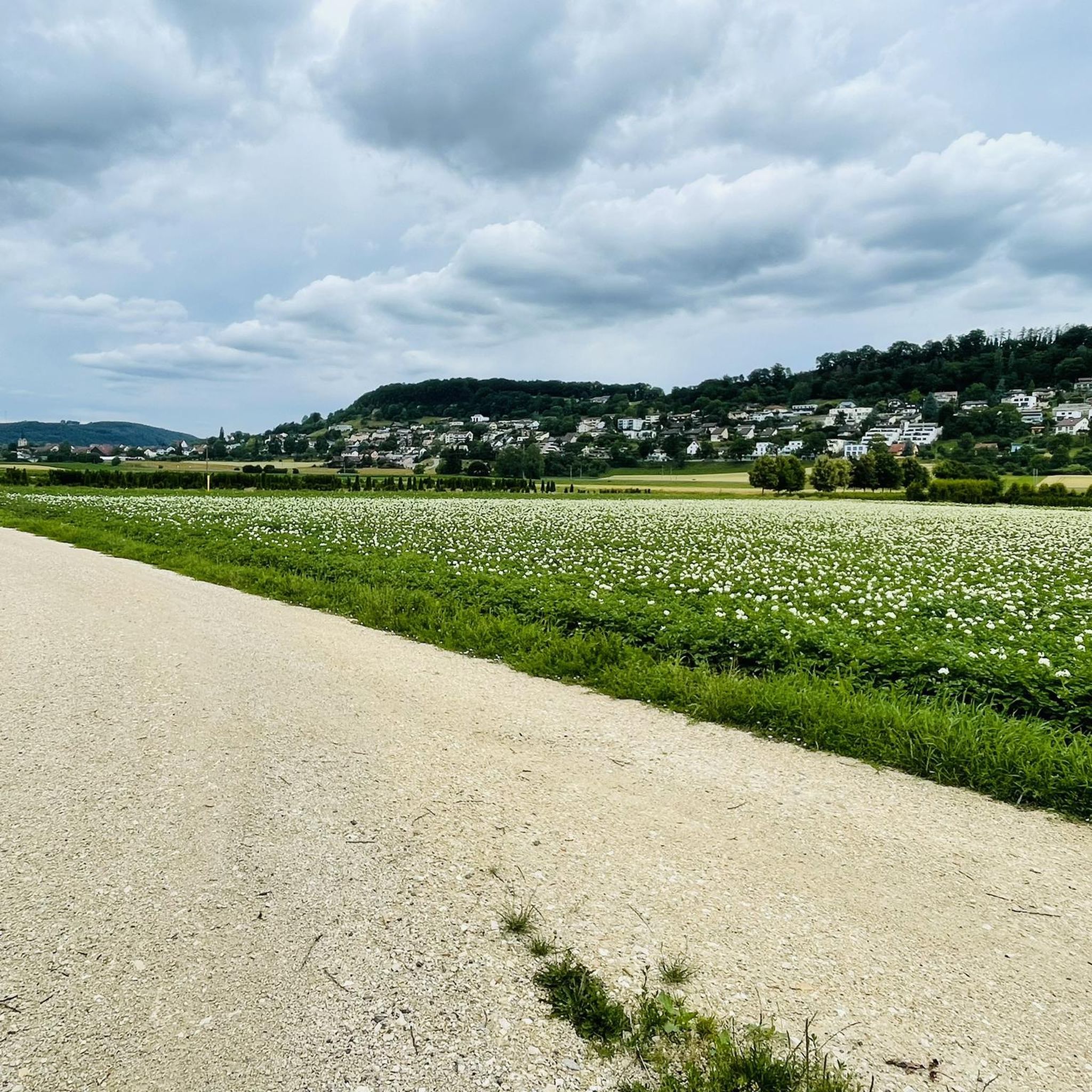
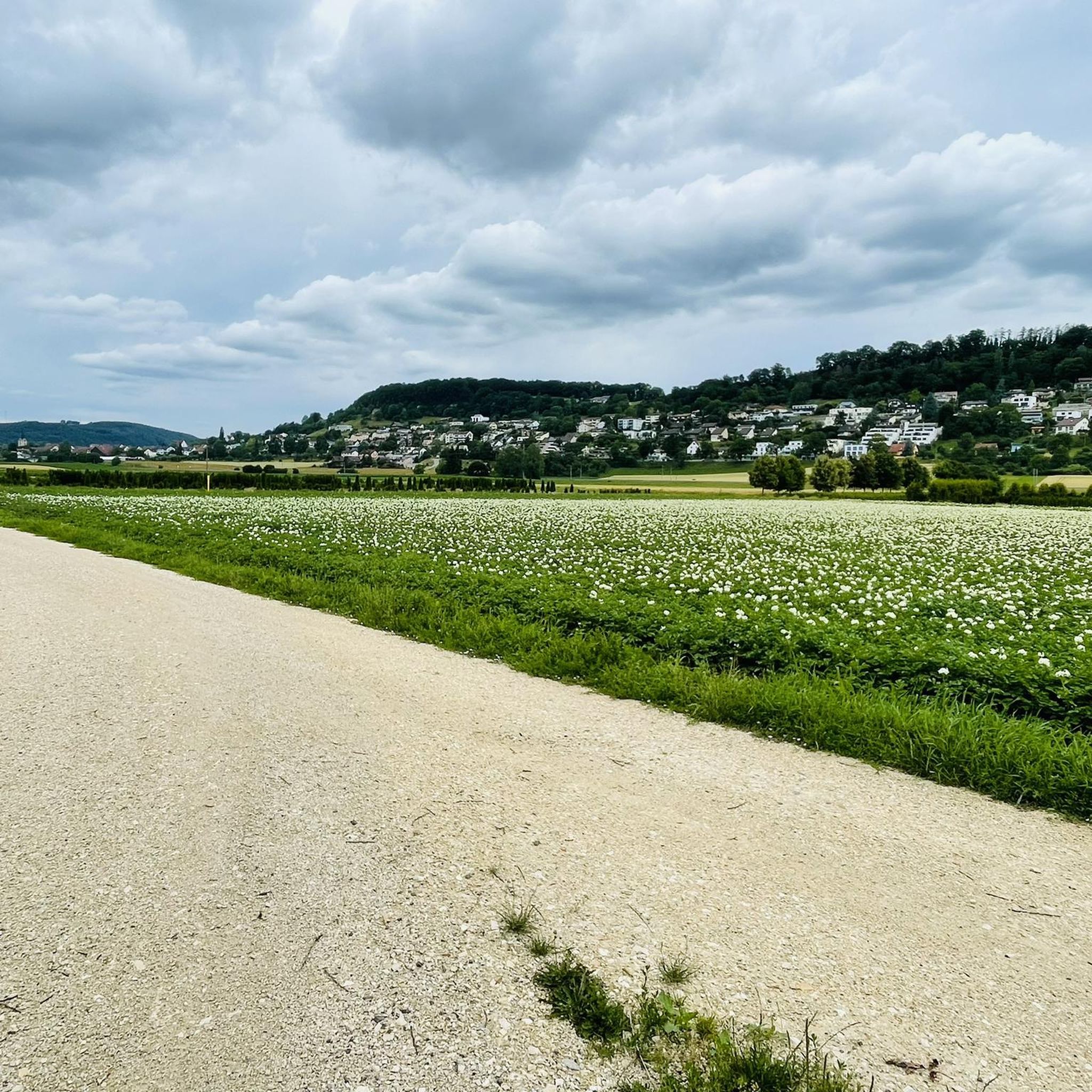
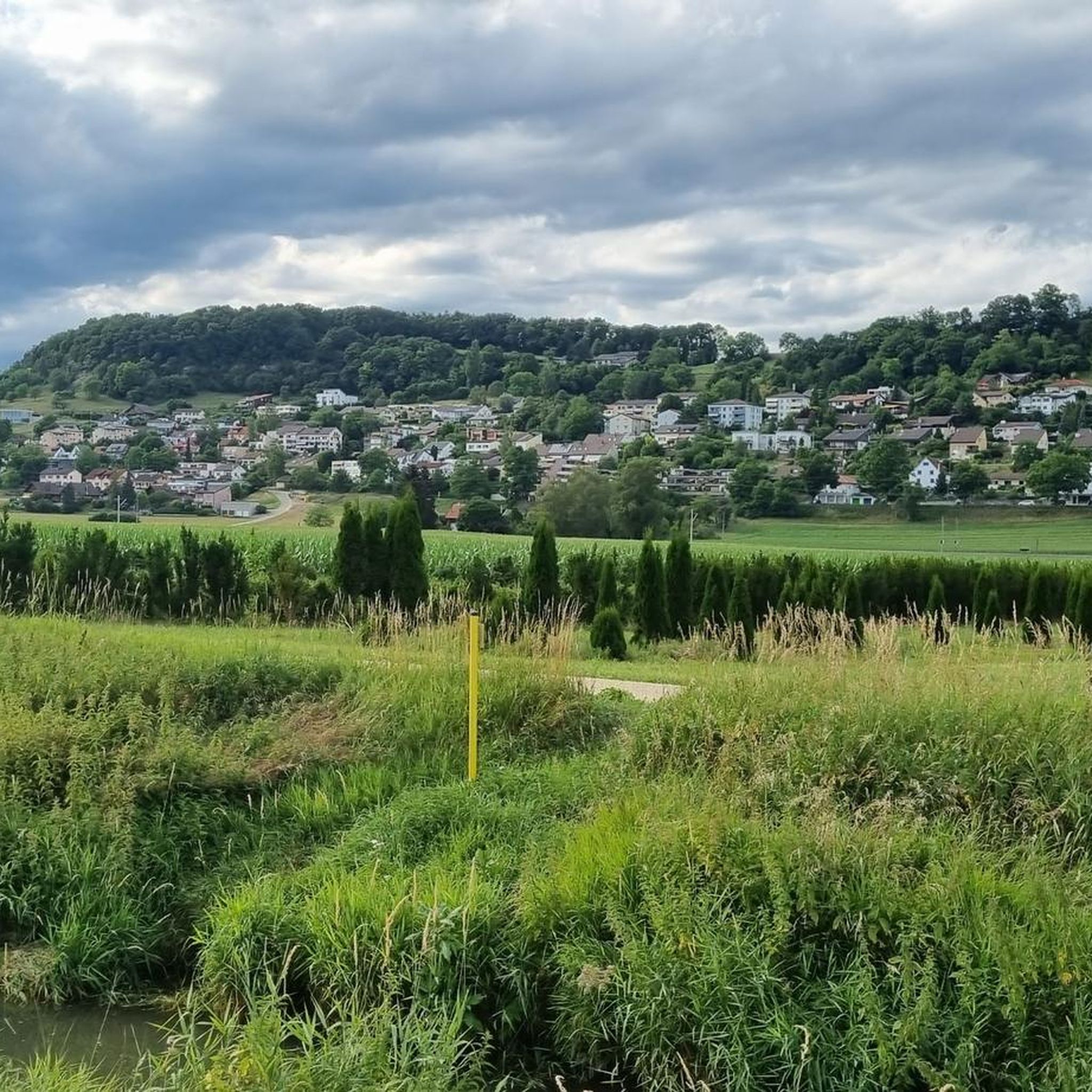
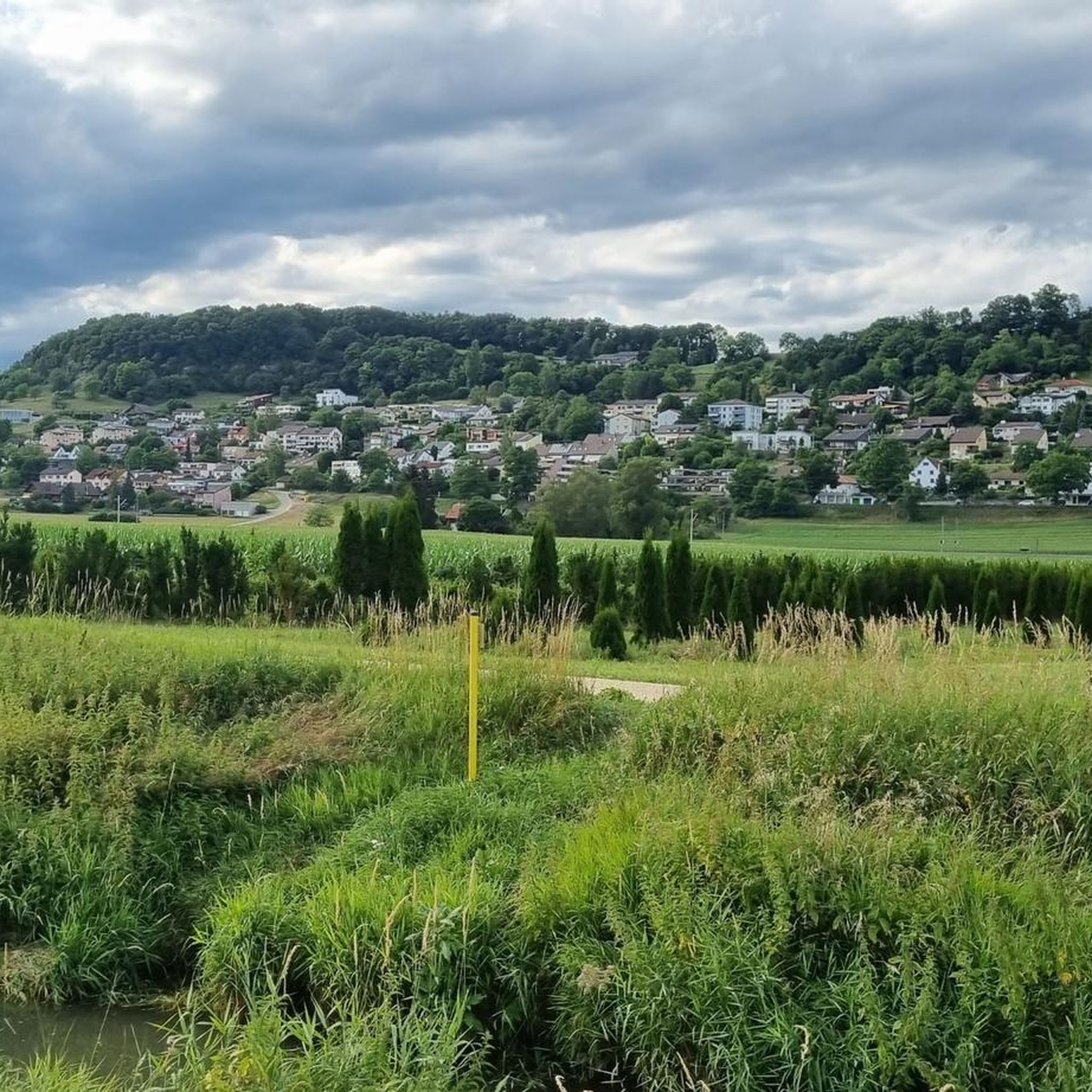
Beautiful, large pond that has its own magic, especially when it is foggy.
2
0
Frequently Asked Questions
What are the main lakes to explore around Gottmadingen?
While Gottmadingen itself features smaller, picturesque bodies of water like the Hardt Lakes, the primary large lake in the region is the magnificent Lake Constance (Bodensee). It offers expansive waters and diverse activities, serving as a significant natural and recreational hub.
Are there any family-friendly lakes or spots near Gottmadingen?
Yes, several spots are great for families. The Bridge to Werd Island offers beautiful views and opportunities to observe fish and water birds. Enge Pond, near Schaffhausen, has a covered seating area, barbecue facilities, and a children's playground nearby. The Heinz Sielmann Pond is also family-friendly, offering a chance to observe local wildlife.
What kind of natural features can I expect to see around the lakes?
Around Lake Constance, you'll find expansive waters, scenic views, and often the snow-capped Alps on clear days. The smaller local lakes, such as the Hardt Lakes, are integrated into tranquil forest landscapes, offering opportunities to observe local flora and fauna. The Heinz Sielmann Pond, for example, is part of a biotope network supporting around 80 species of birds and other wildlife.
Are there historical or cultural sites near the lakes?
Yes, the region around Lake Constance is rich in history. The Werd Island and Wooden Footbridge leads to a monastery island with a history spanning over 1200 years, including traces of pile builders from 5000 BC. The island is also associated with St. Otmar. Additionally, the Old Swiss-German border post near Stein am Rhein is a historical marker directly on the Rhine.
What outdoor activities can I do near these lakes?
The area offers a variety of outdoor activities. Around Lake Constance, you can enjoy boat trips, sailing, kayaking, paddleboarding, and swimming. There are also extensive cycling paths, including the 270-kilometer Bodensee Rundwanderweg. For hiking and cycling, you can explore routes like those found in the Cycling around Gottmadingen guide or the MTB Trails around Gottmadingen guide.
Are there hiking trails around the local lakes in Gottmadingen?
Yes, the smaller Hardt Lakes near Gottmadingen are often part of local hiking trails, such as the 'Hardt Lakes – Afra Spring loop from Gottmadingen.' These trails are generally easy and suitable for all fitness levels, offering tranquil walks through forests and past small streams. You can find more hiking options in the Lakes around Gottmadingen guide.
What do visitors enjoy most about the lakes around Gottmadingen?
Visitors particularly appreciate the scenic beauty and tranquility. Many enjoy the views from the Bridge to Werd Island, especially watching fish and water birds, and experiencing the sunset over the Rhine. The historical significance of Werd Island and its peaceful atmosphere are also highly valued.
Is Lake Constance easily accessible from Gottmadingen?
Gottmadingen's location makes it an excellent starting point for exploring Lake Constance. While not directly on its shores, it's situated between the Hegau region and the lake, allowing for convenient access by car or public transport to various lakeside towns and attractions.
Can I find places to swim in the lakes near Gottmadingen?
Lake Constance offers numerous opportunities for swimming, with clear waters and lakeside beaches. The Old Swiss-German border post near Stein am Rhein highlight mentions a great swimming area with views of Werd Island. For smaller, local ponds, swimming access may vary and is often less formal.
Are there cycling routes that pass by the lakes?
Absolutely. Lake Constance is famous for its extensive network of cycling paths, including the 270-kilometer Bodensee Rundwanderweg that encircles the entire lake. You can find various cycling routes around Gottmadingen that incorporate lake views and riverside paths, such as those listed in the Cycling around Gottmadingen guide.
What is the best time of year to visit the lakes?
The lakes are beautiful year-round, but the best time depends on your preferred activities. Spring and summer (May to September) are ideal for water sports, swimming, cycling, and enjoying the vibrant lakeside towns. Autumn offers stunning foliage, while winter provides opportunities for tranquil walks, though water activities are limited.
Are there any unique natural attractions besides the lakes?
Yes, a short drive from Lake Constance, near Schaffhausen, you can visit the impressive Rhine Falls, Europe's largest waterfall. This natural spectacle is a must-see attraction in the vicinity and complements a visit to the lakes.
Most popular routes around Gottmadingen
Most popular attractions around Gottmadingen

Get inspired with the komoot mobile app


Explore more
Still not found your perfect lake around Gottmadingen? Check out the guides of these regions to see even more beautiful places.
