Top 3 Caves around Burgjoß
Caves around Burgjoß are primarily associated with the geological features of the Hessian Spessart Nature Park. The region is characterized by its diverse natural landscapes, including the Beilstein, a basalt cone formed by volcanic activity 10 to 20 million years ago. This area features basalt formations contrasting with the surrounding red sandstone. While extensive cave systems are not prominent, the landscape offers natural rock formations and grottoes.
Best caves around Burgjoß
- The most popular caves is Beilstein Trail, a…
Last updated: August 7, 2026
Beilstein Trail
Highlight • Trail
Showing Translation
Tip by

Beilstein Rock Formation
Highlight • Natural Monument
Translated by Google •
Tip by

Sign up now to discover places like this
Get recommendations on the best single tracks, peaks, & plenty of other exciting outdoor places.
Sign up for free
Beilstein Basalt Formation
Highlight • Natural Monument
Translated by Google •
Tip by
Beilstein Nature Reserve Plaque
Highlight • Natural Monument
Translated by Google •
Tip by
Marian Grotto
Highlight • Religious Site
Translated by Google •
Tip by

Start today with a free account
Your next adventure awaits.
Login or Signup
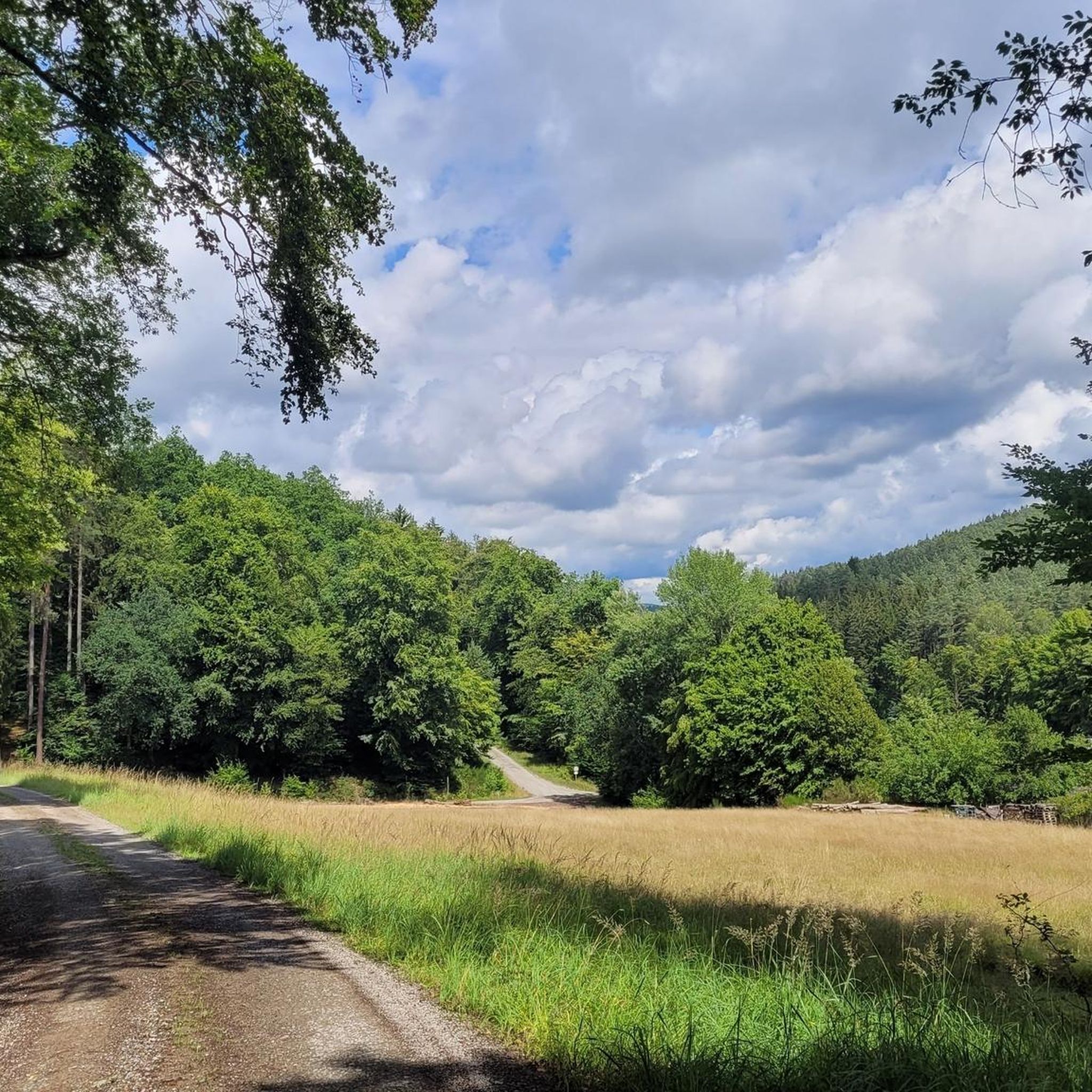
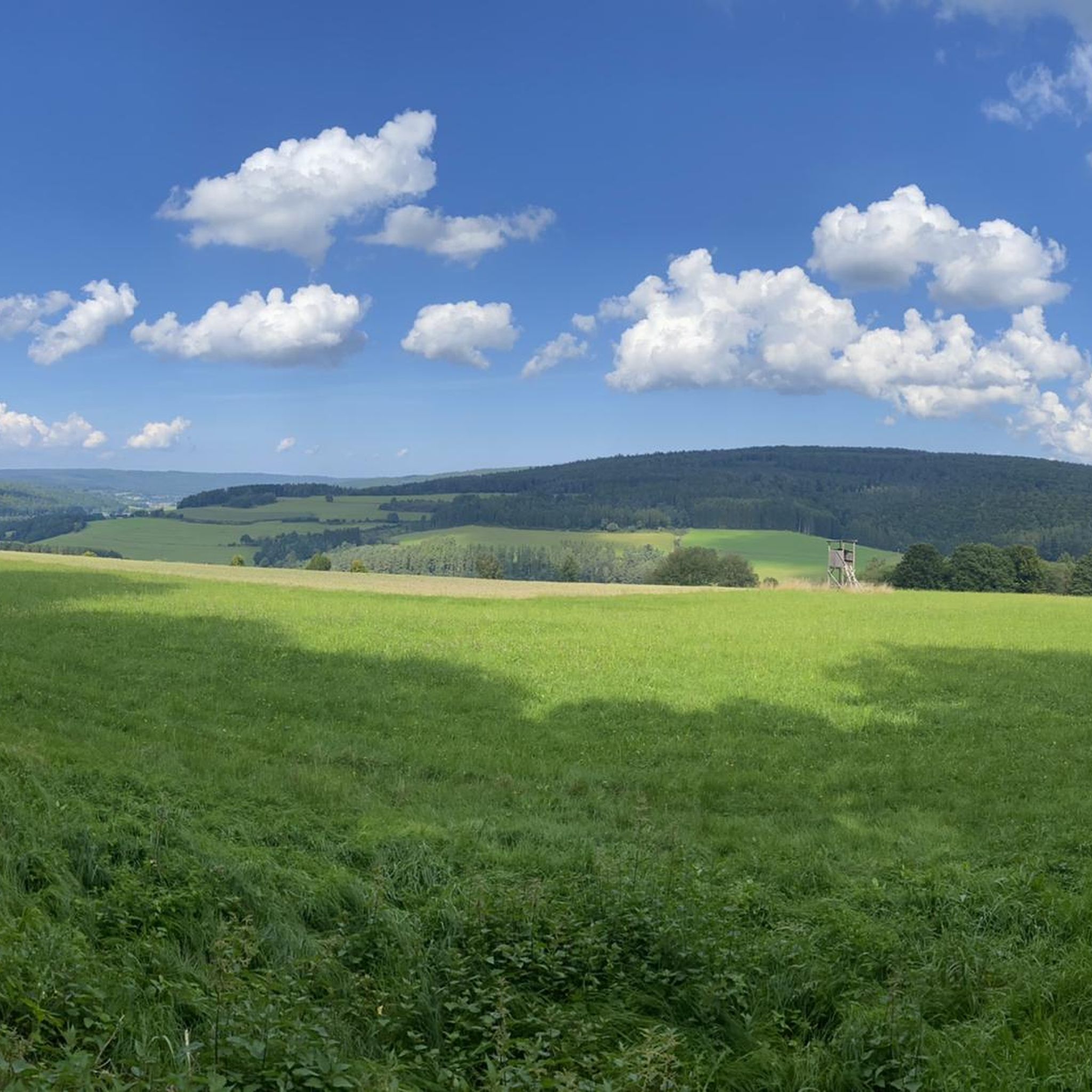
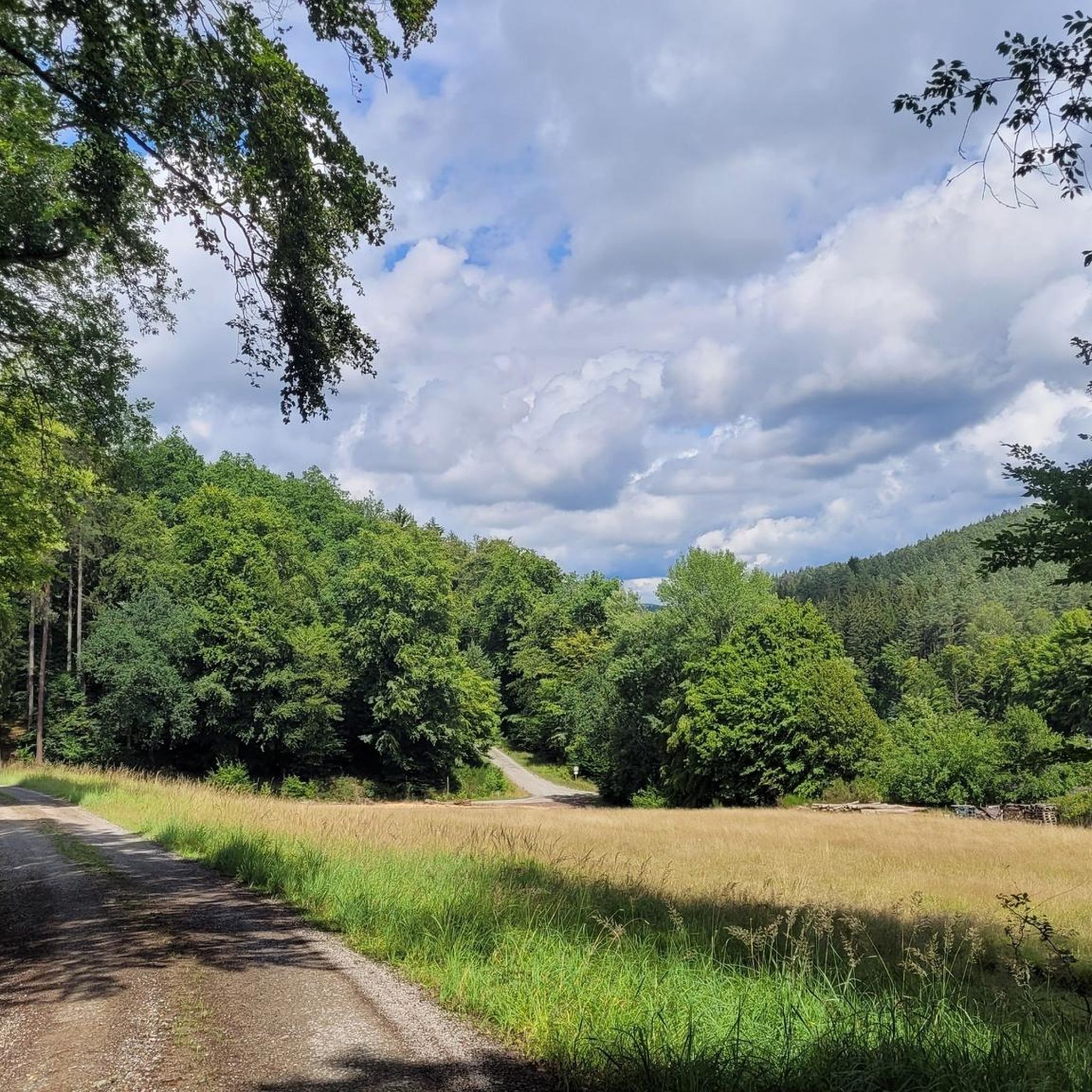
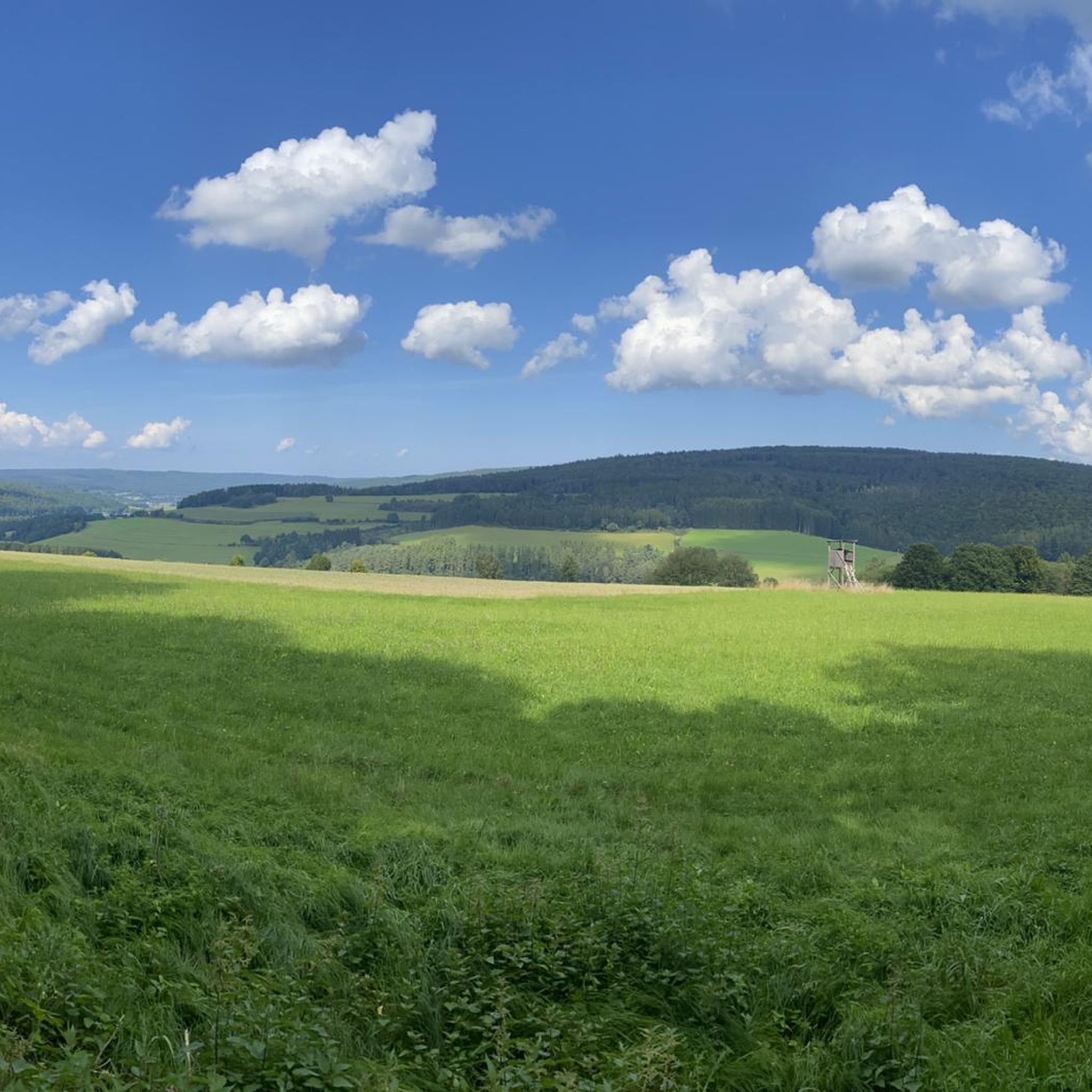

Tips from the Community

The Beilstein is a large basalt rock. Remains of a former hilltop castle can still be seen on the summit plateau.
1
0

There is no cave at Beilstein. It is the remains of an old volcano.
4
2
A castle ruin, of which there is not much left to see, but still interesting.
2
0

Remains of ruins made of sandstone walls and inexplicable to me... reinforced concrete parts... don't expect anything special.. however, the view is quite nice
13
0
You should not enter the caves, firstly they are very slippery, secondly they are the home of bats
14
0
Currently well cleared of young trees... nice view of a quite unexpected basalt formation in the otherwise existing federal sandstone
17
0

In any case, go up to the rock and enjoy the distant view from Beilstein!🤩 Playful trail.😊 Increasingly overgrown towards the end - "enchanted character"😉
5
1

The Beilstein is a basalt cone with the largest basalt cave in the Main-Kinzig district. The formation was formed by volcanic eruptions 10 to 20 million years ago; the surrounding red sandstone, which otherwise characterizes the Spessart, is around 200 million years older. The basalt breach was exposed by erosion; The typical basalt columns and smaller, spherical structures can be seen on the rock walls. On the mountain, which was first mentioned in a document in 1059, are the remains of the small, medieval hilltop castle of Beilstein. It was built to protect the possessions of the archbishopric of Mainz and to control an old road, and was first mentioned in 1343. It was also intended to protect the first glassworks that were established. When rule passed to the Counts of Hanau, the castle probably lost its importance and has since fallen into disrepair. Due to the poor source situation, little is known about the castle. Source: Wikipedia
5
1
Frequently Asked Questions
What kind of caves can I explore around Burgjoß?
The caves around Burgjoß are primarily natural rock formations and historical sites, rather than large show caves. The most notable is the Beilstein Rock Formation, which features a walkable cave within granite rocks, though it can be steep and narrow. The Beilstein area also boasts a significant Basalt Formation, which includes the largest basalt cave in the Main-Kinzig district, formed by volcanic eruptions millions of years ago. Additionally, you can find the Marian Grotto, a charming religious site built into the mountain.
Are there any family-friendly caves or grottoes near Burgjoß?
Yes, the Marian Grotto is considered family-friendly. It's a peaceful religious building built into the mountain, offering a pleasant spot to visit and linger. While the Beilstein formations are interesting, some parts can be steep and narrow, and visitors are advised not to enter the deeper sections due to slippery conditions and bat habitats.
What natural features can I see at the Beilstein caves?
The Beilstein area is rich in unique natural features. You can observe impressive basalt prisms at the Beilstein Basalt Formation, a rare rock type in the Spessart region. The area is also a nature reserve, offering scenic views and a chance to see the geological history of the region, including formations from volcanic activity 10 to 20 million years ago.
Are there historical sites associated with the caves around Burgjoß?
Yes, the Beilstein area has significant historical connections. The mountain, first mentioned in 1059, features the remains of a small, medieval hilltop castle. A plaque at the Beilstein Nature Reserve provides information about these ruins and the area's past, including its role in protecting early glassworks and controlling ancient roads.
What outdoor activities can I do near the caves around Burgjoß?
The region around Burgjoß offers various outdoor activities, especially hiking and cycling. You can explore the Beilstein Trail, which is a cooler, partly very steep path that leads to the rock formations. For more extensive adventures, consider the numerous routes available in the area. You can find options for gravel biking, cycling, and MTB trails, with routes ranging from moderate to difficult.
Are there hiking trails that include the caves around Burgjoß?
Yes, the Beilstein Trail is a notable hiking route that takes you directly to the Beilstein rock formations and associated caves. It's described as a cool, sometimes very steep trail that offers rewarding views. Be aware that caution is advised on certain sections due to the terrain.
What should I know about accessibility and safety when visiting the Beilstein caves?
When visiting the Beilstein caves, especially the Beilstein Rock Formation, be aware that the walkable cave sections can be steep and narrow. Visitors are advised not to enter the deeper parts as they can be very slippery and are home to bats. Always exercise caution on the trails, particularly on the steeper sections of the Beilstein Trail.
What is the geology of the caves around Burgjoß?
The geology around Burgjoß, particularly at the Beilstein, is quite unique for the Spessart region. The Beilstein Basalt Formation is a basalt cone, which is a rare rock type in an area otherwise characterized by red sandstone. This basalt was formed by volcanic eruptions 10 to 20 million years ago, while the surrounding sandstone is much older. Erosion has exposed these basalt columns and spherical structures, making them visible today.
What do visitors enjoy most about the Beilstein area?
Visitors appreciate the unique geological formations, such as the basalt prisms, and the unexpected views from the Beilstein Basalt Formation. The Beilstein Trail is enjoyed for its challenging yet rewarding nature. The historical elements, including the castle ruins and the information provided by the nature reserve plaque, also add to the appeal.
Are there any other significant cave systems in Germany that are worth visiting?
While Burgjoß offers unique local formations, Germany is home to several impressive show caves. Notable examples include the Baumannshöhle and Hermannshöhle in the Harz Mountains, known for their stalactites and unique wildlife. The Barbarossa Cave in Kyffhäuser Nature Park is unique for its anhydrite rock formations, and the Atta Cave in Sauerland is famous for its extensive dripstone formations. These offer a different caving experience compared to the natural rock formations around Burgjoß.
Most popular attractions around Burgjoß

Get inspired with the komoot mobile app


Explore more
Extend your search for the best caves by checking out these guides of the top ones around Burgjoß:
