Top 5 Caves around Wettin-Löbejün
Best caves around Wettin-Löbejün are primarily historical sites and man-made structures, reflecting the region's past mining activities rather than extensive natural cave systems. The area, situated in the Saale valley, features remnants of historical excavations such as adits and shafts. Visitors will find locations with historical significance and smaller rock formations. The landscape around Wettin-Löbejün offers a mix of cultural heritage and geological interest.
Best caves around Wettin-Löbejün
- The most popular caves is Seven Brothers Caves, a cave located…
Last updated: May 15, 2026
Jahn Cave
Highlight • Cave
1878
Donor:
Halle gymnasts
whereabouts:
available
Friedrich Ludwig Jahn (* August 11, 1778 Lanz; † October 15, 1852 Freyburg (Unstrut)) is considered the initiator of the German gymnastics movement, …
Translated by Google •
Tip by

Seven Brothers Caves
Highlight • Cave
Translated by Google •
Tip by

Sign up now to discover places like this
Get recommendations on the best single tracks, peaks, & plenty of other exciting outdoor places.
Sign up for free
Cellar of the Heideförsterei
Highlight • Historical Site
Translated by Google •
Tip by

Stone grotto in the palace park
Highlight • Cave
Translated by Google •
Tip by
Small cave on the rock
Highlight • Cave
Translated by Google •
Tip by

Start today with a free account
Your next adventure awaits.
Login or Signup
Popular around Wettin-Löbejün
The National Natural Landscapes in Saxony-Anhalt
Nature trails for big & small in the nature park "Unteres Saaletal"
Alpine panoramas and summits – high up in the MDV in Germany
Castles, museums and more — pure culture in Germany’s MDV network
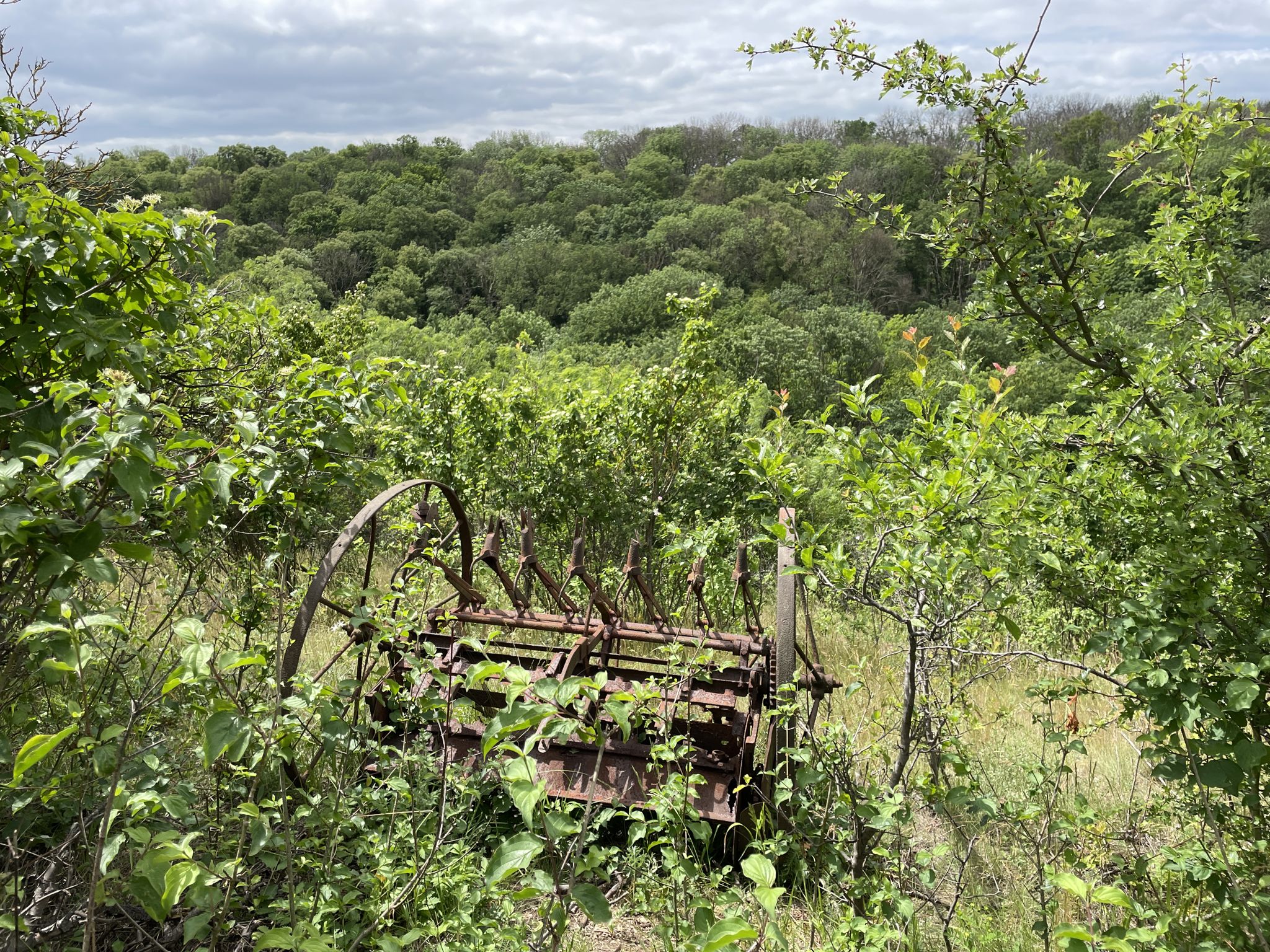
Wanderungen in der Agrarkulturlandschaft zwischen Salzmünde und Kloschwitz
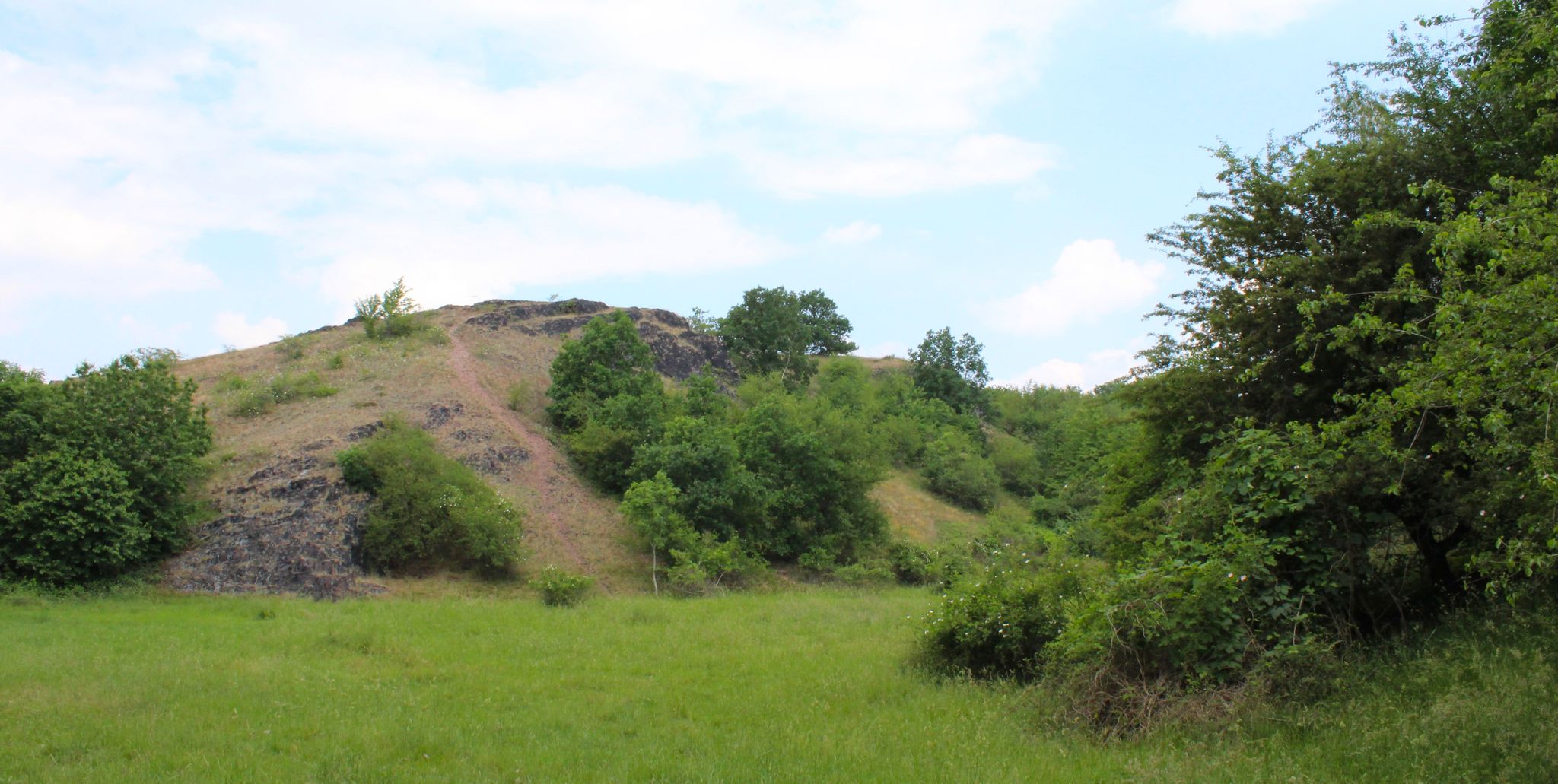
Radwanderungen in der Porphyrlandschaft zwischen Halle und Wettin im Naturpark Unteres Saaletal
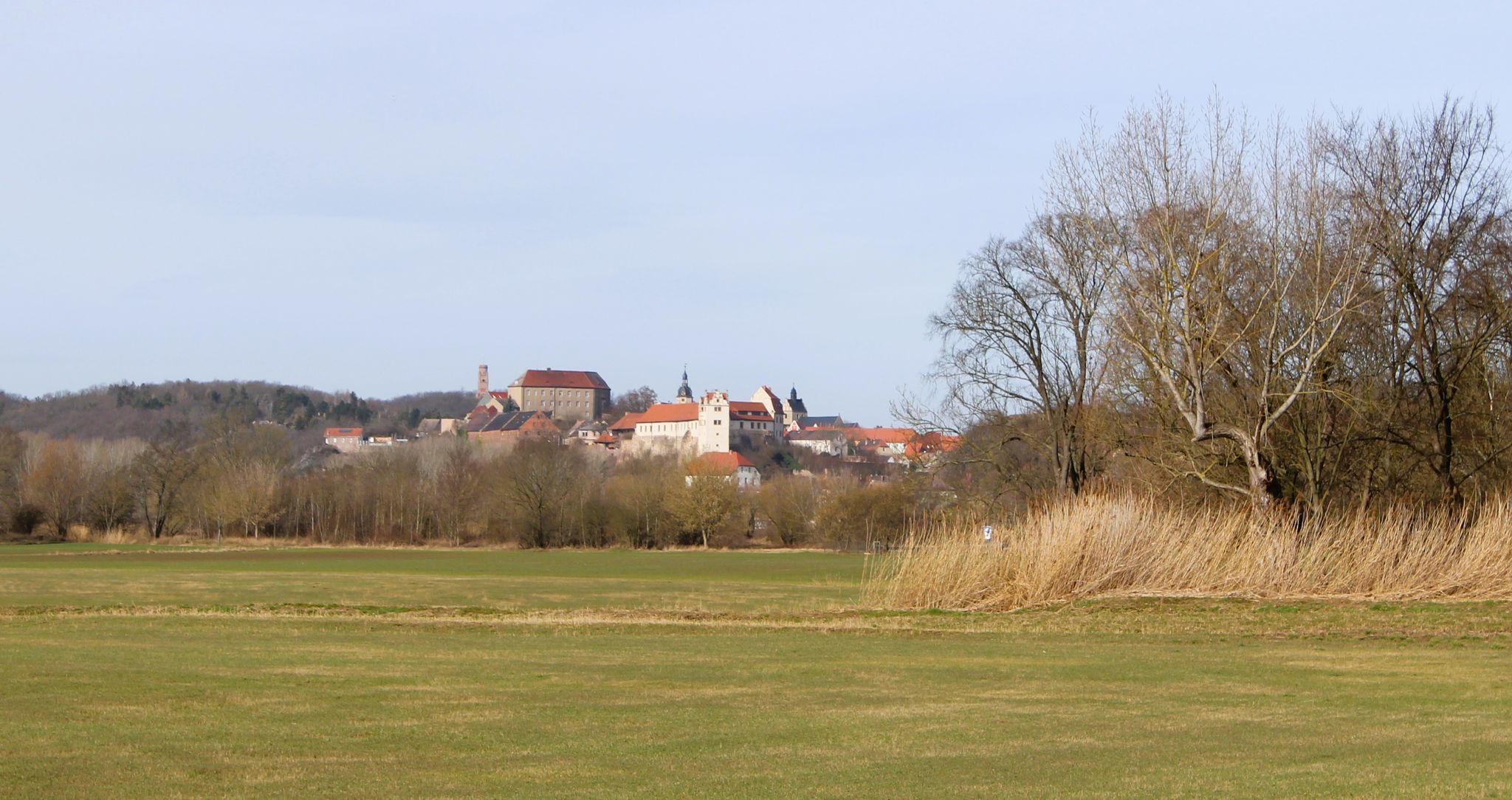
Radwanderungen im Naturpark Unteres Saaletal rund um das Durchbruchstal der Saale bei Rothenburg
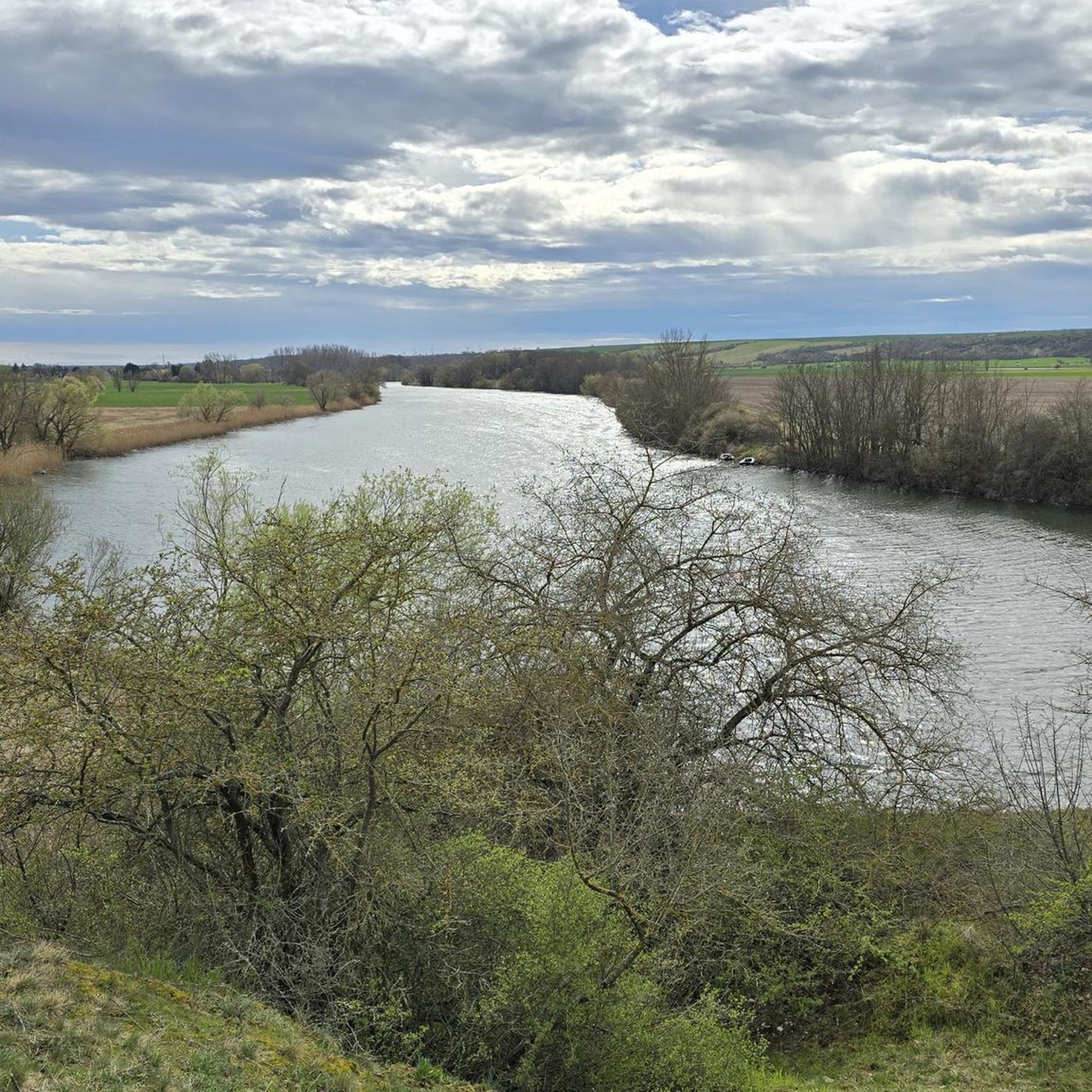
Hiking around Wettin-Löbejün
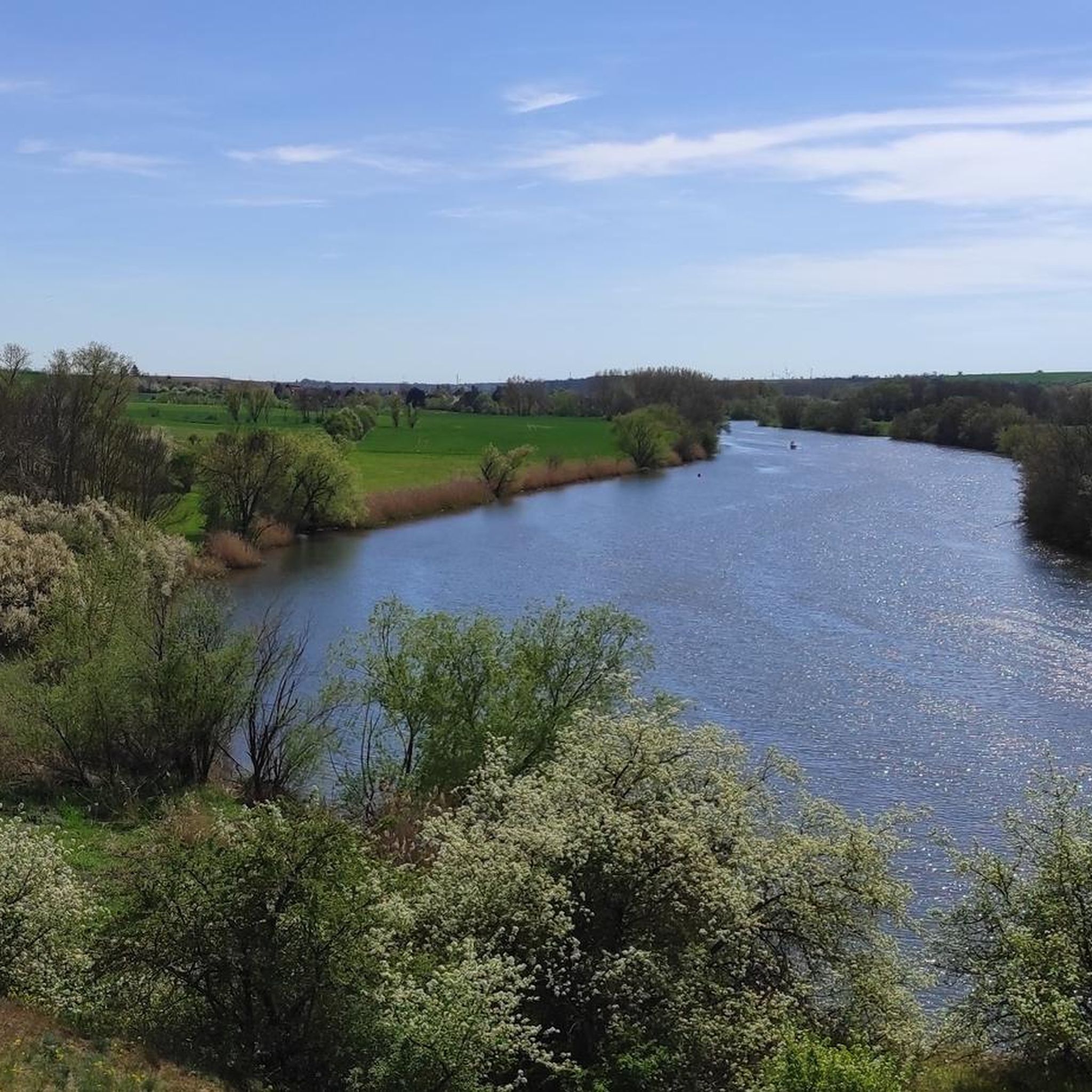
Cycling around Wettin-Löbejün
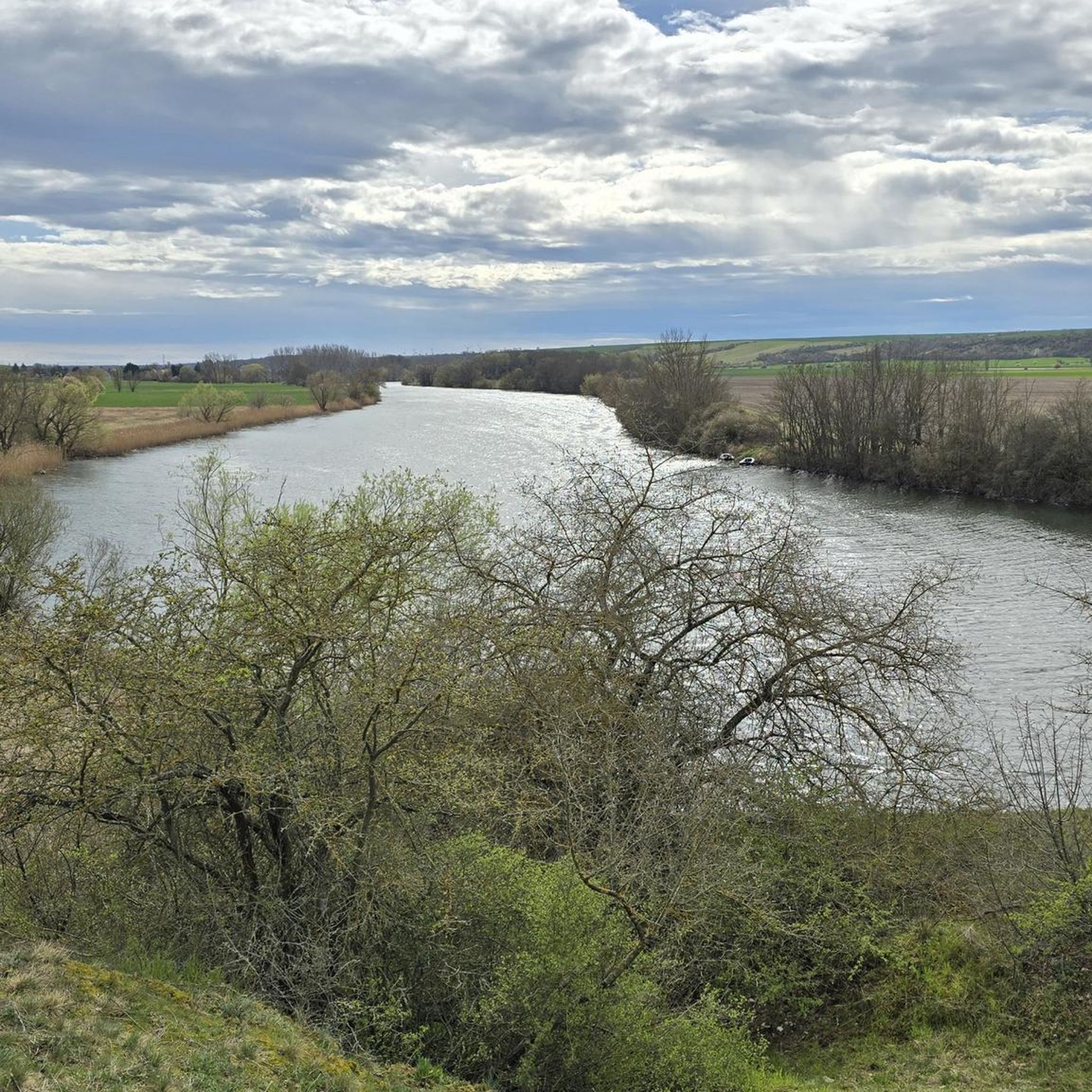
Road Cycling Routes around Wettin-Löbejün
Other adventures around Wettin-Löbejün


Tips from the Community

"The Seven Brothers Cave is a small cavity on a steep rock face on the western edge of the Saale Valley. It is made of porphyry conglomerate that was deposited by a river in the Rotliegend (approx. 290 million years ago) and slopes gently towards the southwest. The boulders are poorly rounded, meaning they were only transported over short distances. The largest boulder is located approx. 2 m to the right of the cave entrance and is 80 cm high. According to legend, seven brothers once lived here." Source: Information board
3
0


Hello she discovered 😃 but it is only very small
0
0

Unfortunately a bit small for curious people.
5
0

Stone grotto from the Wilhelminian era. Tip: Park festival in summer.
0
0

Stone weather protection in the castle park
10
0


inhabited by some small animals
2
0
Frequently Asked Questions
What kind of "caves" can I expect to find in Wettin-Löbejün?
The Wettin-Löbejün area is primarily known for historical mining activities and man-made structures rather than extensive natural cave systems. You will encounter remnants of human-made excavations like adits, shafts, and historical tunnels, alongside smaller rock formations and grottoes. These sites offer a glimpse into the region's industrial past.
Are there any natural caves in the Wettin-Löbejün area?
Prominent natural cave systems are not a feature of Wettin-Löbejün. The region's geological interest lies more in its historical mining operations, which created numerous man-made tunnels and shafts. You might find small natural rock formations, but not large, naturally formed caves.
Which historical sites related to "caves" are notable in Wettin-Löbejün?
Several sites combine historical interest with cave-like structures. The Jahn Cave is a historical site and man-made monument named after Friedrich Ludwig Jahn. Another significant location is the Cellar of the Heideförsterei, a historical site founded around 1615. The region also features historical mining tunnels and man-made grottoes.
Can I visit the historical mining tunnels in Wettin-Löbejün?
The Wettin-Löbejün area has a rich history of coal mining, with numerous 'Verhaue, Stollen, Schächte, Halden' (cuts, adits, shafts, and heaps). While many are remnants, some historical mining tunnels and shafts can be explored, offering insight into the region's industrial heritage. Specific access might vary, so local information is recommended.
Are there family-friendly "caves" or grottoes to visit with children?
Yes, there are options suitable for families. The Seven Brothers Caves is a small cavity on a steep rock face that is considered family-friendly. Additionally, the Stone grotto in the palace park is a man-made grotto that can be an interesting stop for families.
What is the <a href="https://www.komoot.com/highlight/4056936" target="_blank" rel="noopener">Seven Brothers Caves</a>?
The Seven Brothers Caves is a small cavity located on a steep rock face on the western edge of the Saaleufer. It's formed from porphyry conglomerate and is known for a local legend about seven brothers who once lived there. It's easily accessible, often found directly on a bike path.
What is the history behind <a href="https://www.komoot.com/highlight/1084705" target="_blank" rel="noopener">Jahn Cave</a>?
The Jahn Cave is named after Friedrich Ludwig Jahn, known as 'Turnvater Jahn,' the initiator of the German gymnastics movement. During his student years in Halle (1796-1800), Jahn reportedly hid here and wrote one of his first writings, 'On the Promotion of Patriotism in the Prussian Empire.' A memorial plaque was erected near the cave in his honor.
What outdoor activities can I combine with a visit to these sites?
The region around Wettin-Löbejün offers various outdoor activities. You can explore numerous hiking trails, such as those found in the Hiking around Wettin-Löbejün guide, including the 'Naturpark "Unteres Saaletal" - Geopfad Wettin'. There are also options for gravel biking and MTB trails, with routes like the 'Brachwitzer Alps' loop.
What is the best time of year to visit the "caves" and historical sites in Wettin-Löbejün?
The historical sites and grottoes in Wettin-Löbejün can generally be visited year-round. Spring and autumn offer pleasant temperatures for exploring the surrounding landscape and trails. Summer provides shaded spots like the Cellar of the Heideförsterei, while winter visits can offer a unique, quiet experience, though some paths might be less maintained.
What should I wear when exploring these sites?
Given that many sites are historical or involve outdoor exploration, comfortable walking shoes are recommended. Layers of clothing are advisable to adapt to changing weather conditions, especially if you plan to hike or cycle in the area. For any deeper historical mining sites, if accessible, appropriate safety gear might be necessary, though most 'caves' here are more open grottoes or shallow structures.
Are there guided tours available for the historical mining sites or "caves"?
While the guide data does not specify organized guided tours for individual 'caves' or mining sites, local tourist information centers in Wettin-Löbejün might offer details on guided walks focusing on the region's history and geological features. It's best to check with local authorities for current offerings.
Where can I find more information about the historical ground monuments in Wettin-Löbejün?
For more detailed information on the historical ground monuments and archaeological sites in the Wettin-Löbejün area, you can consult resources like the Wikipedia list of ground monuments: Liste der Bodendenkmale in Wettin-Löbejün. This can provide context on the broader historical landscape beyond just the 'caves'.
Are dogs allowed on trails near these sites?
Generally, dogs are welcome on public hiking and walking trails in the Wettin-Löbejün region, including those leading to the various historical sites and grottoes. However, it's always advisable to keep dogs on a leash and to check for any specific local regulations or signage at individual sites, especially nature reserves or protected areas.
Most popular routes around Wettin-Löbejün
Most popular attractions around Wettin-Löbejün

Get inspired with the komoot mobile app


Explore more
Extend your search for the best caves by checking out these guides of the top ones around Wettin-Löbejün:
