Top 7 Caves around Ronnenberg
Best caves around Ronnenberg are found within the broader Hannover Region, including the Leinebergland and Kleiner Deister low mountain range. This area is characterized by its geological formations and a rich history of mining. While natural caves are present, many accessible subterranean sites are historical mines and man-made structures. The region offers a blend of industrial heritage and natural habitats for exploration.
Best caves around Ronnenberg
- The most popular caves is Mögebier Adit, a cave and historical site that…
Last updated: October 28, 2026
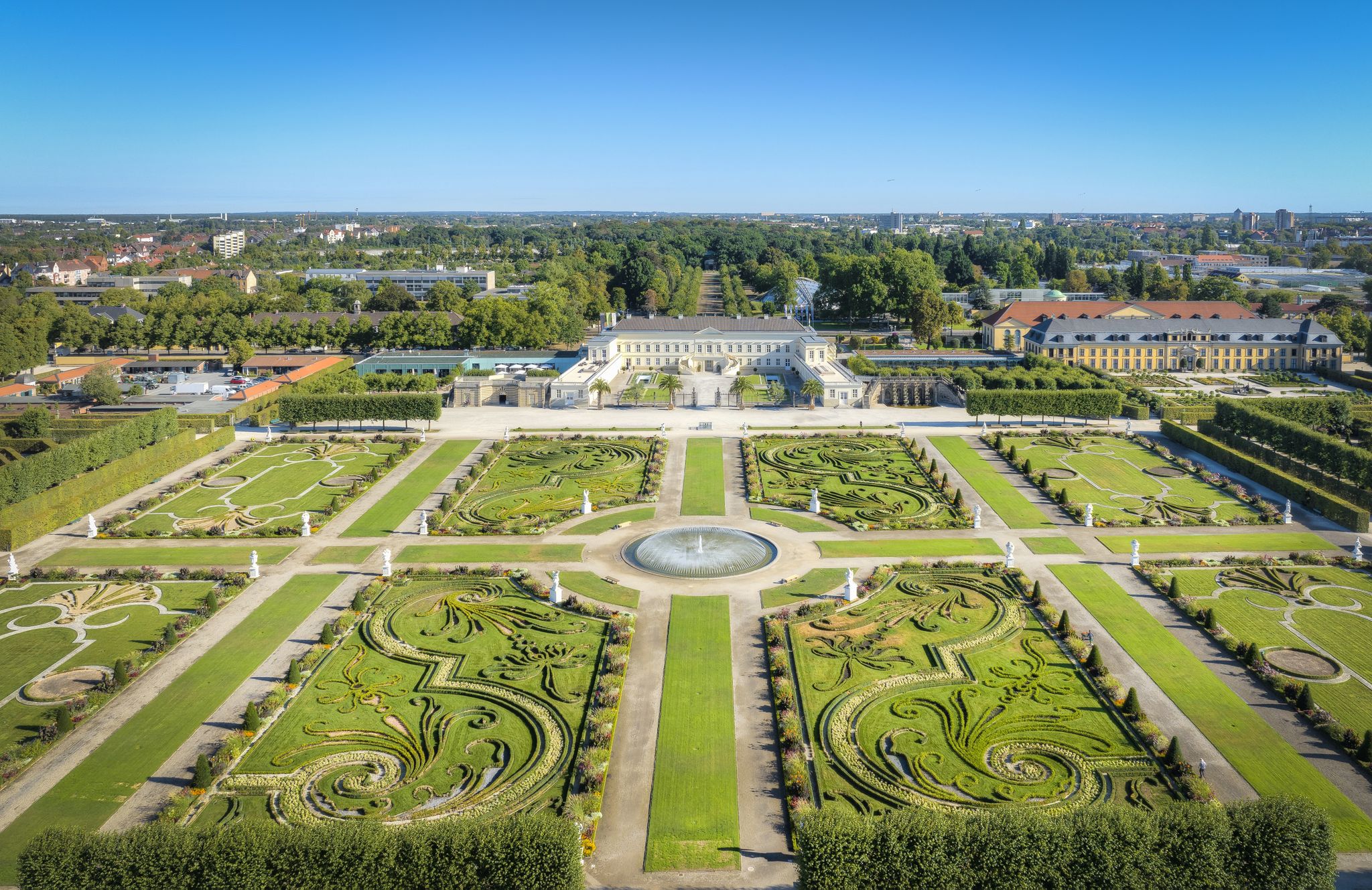
Niki de Saint Phalle's Grotto (Herrenhausen Gardens)
Highlight • Cave
Translated by Google •
Tip by

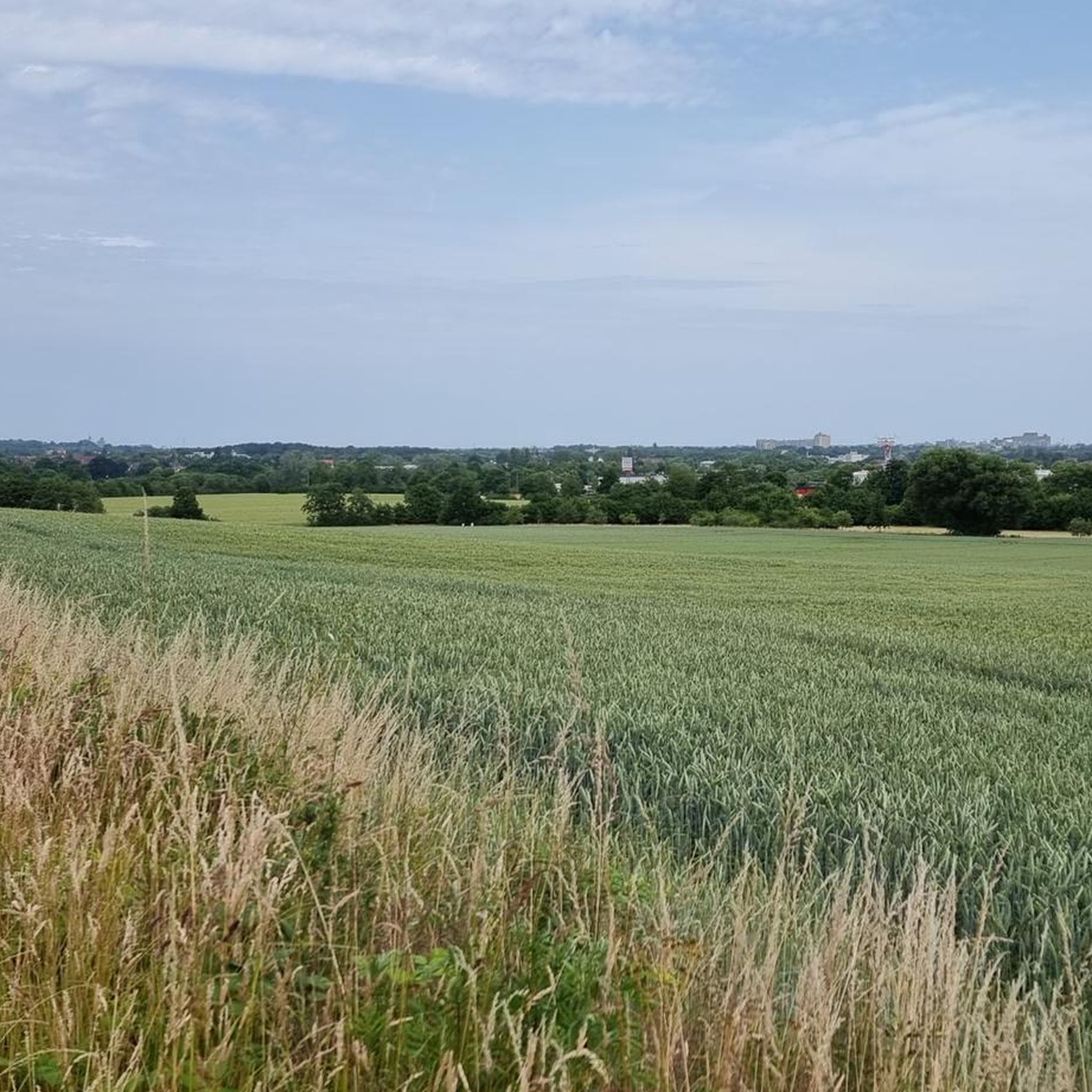
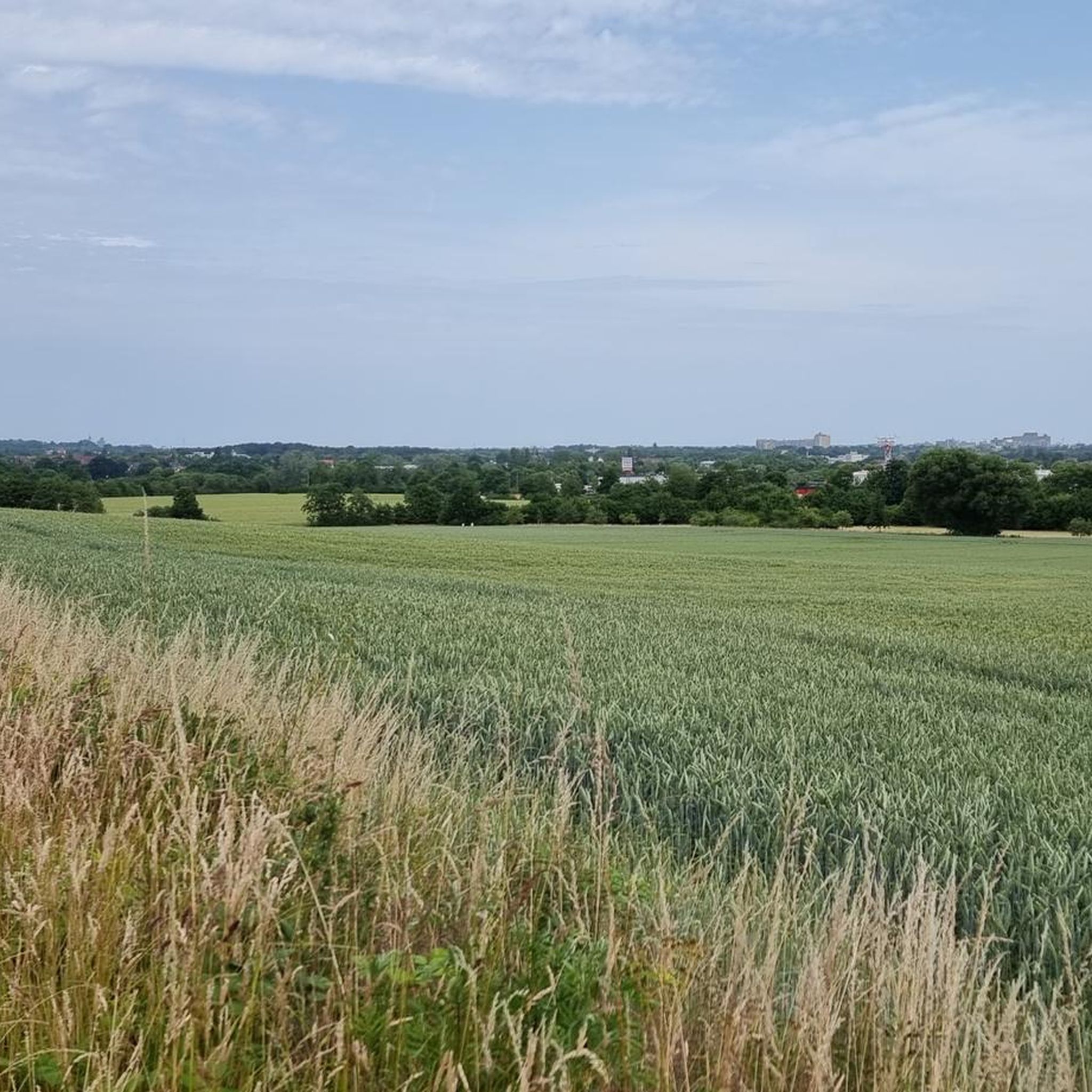
Ice Cellar on Lindener Berg
Highlight • Historical Site
Translated by Google •
Tip by

Sign up now to discover places like this
Get recommendations on the best single tracks, peaks, & plenty of other exciting outdoor places.
Mögebier Adit
Highlight • Cave
Translated by Google •
Tip by

Entrance to the Egestorfer Stollen
Highlight • Historical Site
Translated by Google •
Tip by

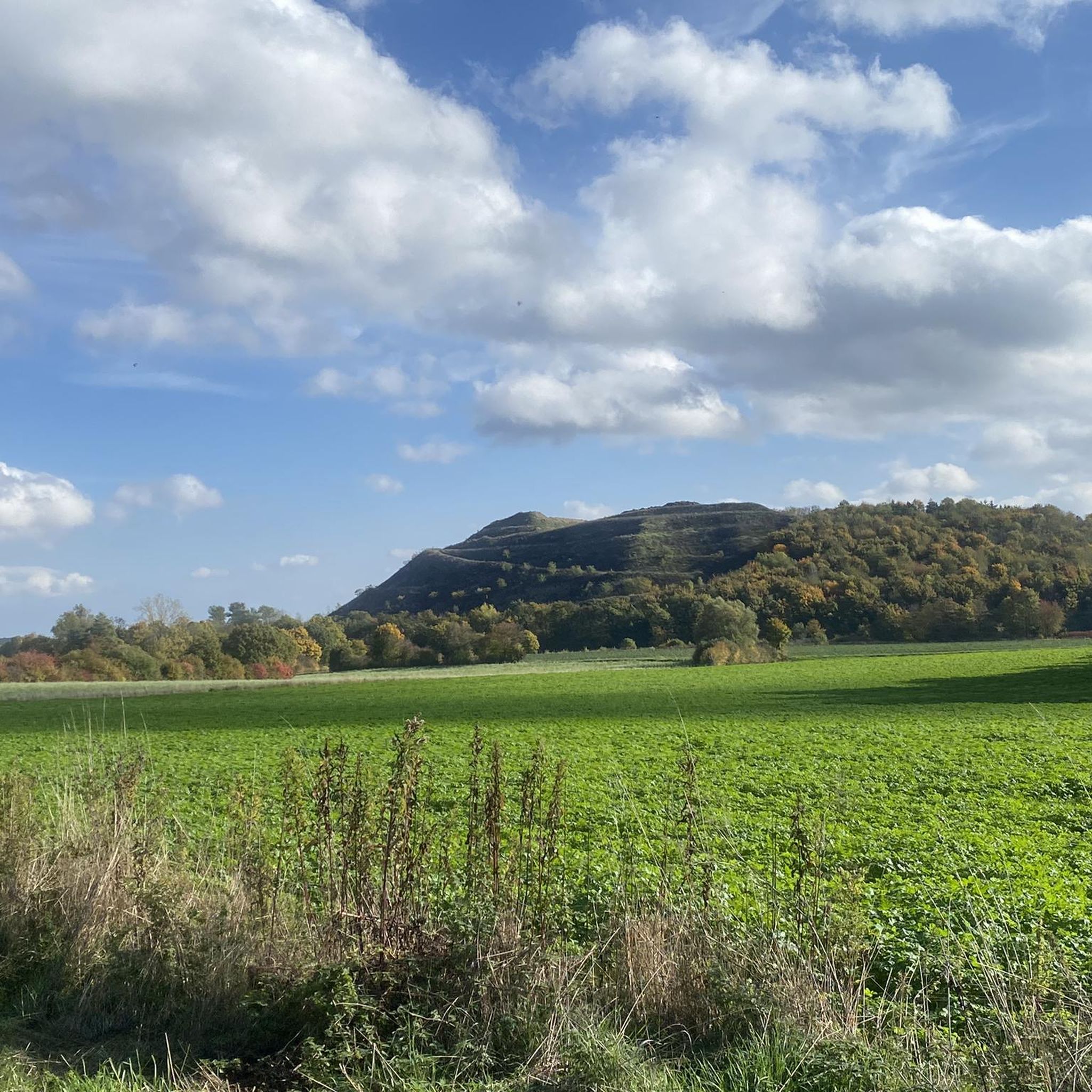
König-Wilhelm-Stollen
Highlight • Historical Site
Translated by Google •
Tip by
Sign up for free to discover even more caves around Ronnenberg.
Already have an account?
Start today with a free account
Your next adventure awaits.
Other adventures around Ronnenberg

Tips from the Community

a piece of mining history with a very informative panel in front of the tunnel
1
0

The grotto was reinstalled by the artist Niki de Saint Phalle. A fascinating discovery of her art, which she unfortunately never saw completed.
2
0

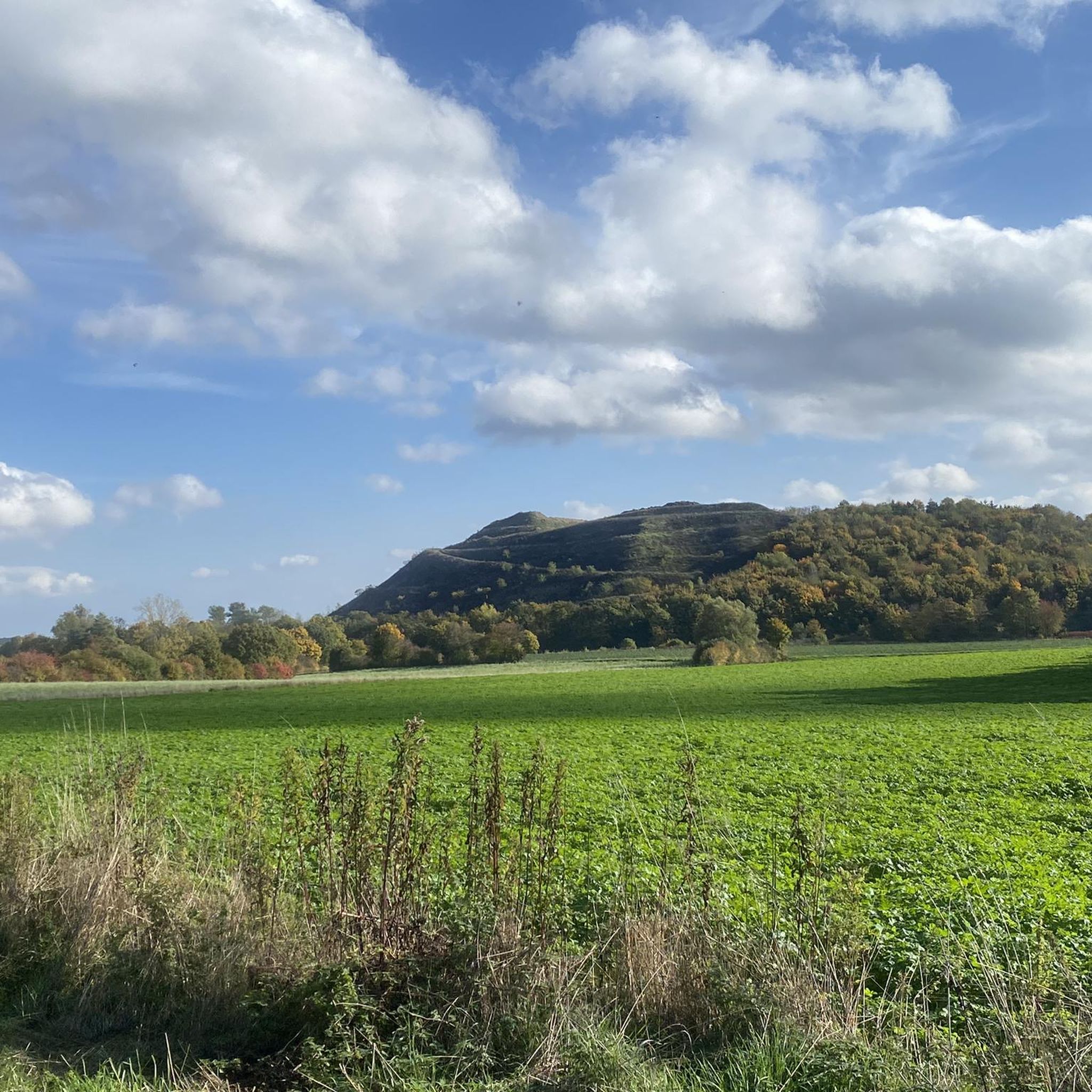
The information board is very well done and provides you with some information about the tunnel here and the coal mining in the Deister. On the other side of the path you can walk a bit along the spoil heap. The stream that carries the water from the old tunnel also runs along there.
1
0

Don't forget. Definitely go in. We almost ran past.
1
1

If Hanover, then also Herrenhausen Gardens, and then of course this, quite unique grotto.
4
0

She is the creator of the world-famous Nanas and Hanover's first and, so far, only honorary citizen. Niki de Saint Phalle and Hanover enjoyed a friendship spanning over 30 years: Niki de Saint Phalle – born on October 29, 1930, in Paris, died on May 21, 2002, in San Diego. The world-renowned artist most recently expressed her affection for the city on the Leine River in a single sentence in the fall of 2000: "I have a very special feeling for Hanover," said the then 70-year-old. Niki de Saint Phalle achieved her artistic breakthrough in the 1950s with her participation in exhibitions by the international group "Nouveaux Réalistes." In the following decades, in addition to her films "Daddy" and "Camélia et le Dragon" and exhibitions in all major museums around the world, numerous extraordinary art projects garnered considerable attention: for example, the giant Nana "Hon - en katedral" for the Moderna Museet in Stockholm (1966), the "Paradies Fantastique" for the French EXPO Pavilion in Montreal (1967), which she designed together with her long-time partner Jean Tinguely, the "Golem" monster house with slides in Jerusalem (1972), and the "Giardino dei Tarocchi" in Tuscany, which was based on an idea from 1974 and finally completed in 1996. The installation of the three colorful, voluminous polyester Nanas on the banks of the Leine River in Hanover in 1974 sparked storms of protest among some Hanoverians, but also sparked a lively and profound discussion—the first of its kind—about art in public street space. The Nanas, which quickly became landmarks of the EXPO city, are now beloved. Niki de Saint Phalle worked on the redesign of the grotto for Hanover since 1998. The honorary citizen of the city of Hanover died one year before the completion of the impressive grotto in the Great Garden. The detailed plans she drew up and the wealth of information provided by her staff made its completion (in) the (redesigned) grotto possible. The grotto in Herrenhausen is thus the last major art project that Niki de Saint Phalle completed before her death. Source: https://www.hannover.de/Herrenhausen/Herrenh%C3%A4user-G%C3%A4rten/Grotte/Niki-de-Saint-Phalle
3
0
The grotto was built in 1676. Its three rooms, originally decorated with shells, crystals, glass, and minerals, served as a place of enchantment and a cool retreat from the heat. However, the decorations were removed in the 18th century, and the building subsequently served as a storage room for a long time. https://www.hannover.de/Herrenhausen/Herrenhäuser-Gärten/Grotte/Die-Entstehung-des-Kunstwerks Since 1998, Niki de Saint Phalle worked on the redesign of the grotto for Hanover. The honorary citizen of the city of Hanover died one year before the completion of the impressive grotto in the Great Garden. The detailed plans she produced and the extensive information provided by her staff made its completion (in) the (redesigned) grotto possible. The grotto in Herrenhausen is thus the last major art project that Niki de Saint Phalle completed before her death. https://www.hannover.de/Herrenhausen/Herrenhäuser-Gärten/Grotte/Niki-de-Saint-Phalle
7
0

Unfortunately, driving is forbidden because it is not a trail
0
0
Frequently Asked Questions
What types of caves can I explore near Ronnenberg?
The area around Ronnenberg offers a mix of historical mining tunnels and natural rock formations. You can explore sites like the Mögebier Adit and König-Wilhelm-Stollen, which provide insights into the region's coal mining history. There are also natural cave systems like the Lippoldshöhle, known for its historical significance and legends, and cliff formations in the Kleiner Deister that serve as important bat habitats.
Are there any historical mines or tunnels open to visitors?
Yes, the region has several historical mining tunnels. The Mögebier Adit offers an exciting piece of mining history with an informative panel. The König-Wilhelm-Stollen also provides an experience of mining history with an information board detailing coal mining in the Deister area. Further afield, the Hüttenstollen Osterwald is a historical coal mine open to visitors, offering a glimpse into 19th-century mining conditions.
Can I visit the Ice Cellar on Lindener Berg?
The Ice Cellar on Lindener Berg features two 100-meter-long galleries dug around 1760. It was later used as ice cellars for a brewery and as bunkers during World War II. Today, it is privately owned and can only be visited with a guide.
What is the Lippoldshöhle and what makes it special?
The Lippoldshöhle is a natural cave system in the Leinebergland, southwest of Brunkensen. It consists of several chambers and passages, and was historically expanded to serve as a fortified castle in the Middle Ages. It's steeped in local legend, particularly the tale of the robber Lippold, and offers a mix of natural exploration and historical intrigue. Visitors are advised to bring a flashlight.
Are there any caves important for wildlife conservation?
Yes, the Kleiner Deister, a low mountain range close to Ronnenberg, features cliff formations and numerous niches and caves. These are not developed for tourism but serve as crucial habitats for various animal species, especially bats, including the strictly protected greater mouse-eared bat. The Egestorfer Stollen also became a bat habitat, which led to plans for its expansion into a visitor mine being abandoned.
Are there family-friendly options for exploring caves near Ronnenberg?
While specific caves may have age restrictions or require guided tours, historical sites like the Mögebier Adit and König-Wilhelm-Stollen with their informative panels can be engaging for families interested in history. The Lippoldshöhle, with its legends, also offers an adventurous experience. For a meal, the Bärenhöhle Restaurant is noted as family-friendly.
What outdoor activities can I do near these caves?
The areas around these caves, particularly the Deister and Kleiner Deister, offer various outdoor activities. You can find numerous cycling routes, including those for touring bicycles, gravel biking, and road cycling. For example, you can explore routes like 'The Green Ring' for cycling or 'View of the Deister' for gravel biking. Many of these routes are detailed in guides like Cycling around Ronnenberg and Gravel biking around Ronnenberg.
What should I know about visiting the Hüttenstollen Osterwald?
The Hüttenstollen Osterwald is a historical coal mine where visitors can explore a 450-meter section of the tunnel. It provides an authentic look into manual underground mining and offers educational insights into industrial history and regional geology. An accompanying museum provides further information. It is Germany's only publicly accessible vertical cave and has received a museum seal of approval.
Do I need special equipment to explore these caves?
For developed historical sites like the Hüttenstollen Osterwald, specific safety gear might be provided or required. For natural caves like the Lippoldshöhle, it is advised to bring a flashlight. For undeveloped areas like the cliffs in Kleiner Deister, which are primarily conservation areas, typical caving equipment is not necessary as they are not for general exploration, but appropriate hiking gear is recommended for the surrounding trails.
Are there any cafes or restaurants near the cave attractions?
Yes, for example, the Bärenhöhle Restaurant is a family-friendly option that serves food and drinks. It's known for its friendly landlord and good food, and is conveniently located close to transport links but off the main road.
What is the best time of year to visit the caves around Ronnenberg?
Many of the historical mining tunnels and natural cave systems can be visited year-round, though specific opening hours for guided tours may vary by season. For exploring the surrounding natural areas and hiking trails, spring and autumn offer pleasant weather. If you are interested in wildlife, particularly bats, it's important to respect their habitats and any seasonal restrictions, especially during hibernation periods.
Most popular routes around Ronnenberg
Most popular attractions around Ronnenberg

Get inspired with the komoot mobile app


Explore more
Extend your search for the best caves by checking out these guides of the top ones around Ronnenberg:
