Top 6 Caves around Umkirch
Best caves around Umkirch are situated within the broader Freiburg District, an area characterized by its proximity to the Black Forest and the Rhine plain. This region features diverse geological formations, including loess deposits and historical mining areas. The landscape offers a mix of natural and man-made subterranean structures, reflecting both geological processes and human activity over centuries. These sites provide insights into local history and natural geology.
Best caves around Umkirch
- The most popular caves is Löss Cave Tunnel…
Last updated: September 30, 2026
Erleloch Tunnel
Highlight • Cave
Translated by Google •
Tip by

Löss Cave Tunnel
Highlight • Cave
Translated by Google •
Tip by

Sign up now to discover places like this
Get recommendations on the best single tracks, peaks, & plenty of other exciting outdoor places.
Oberes Steingrüble Natural Monument
Highlight • Natural Monument
Translated by Google •
Tip by

Loess cellar
Highlight • Cave
Translated by Google •
Tip by

Loess Cave in Kaiserstuhl
Highlight • Cave
Translated by Google •
Tip by
Sign up for free to discover even more caves around Umkirch.
Already have an account?
Start today with a free account
Your next adventure awaits.
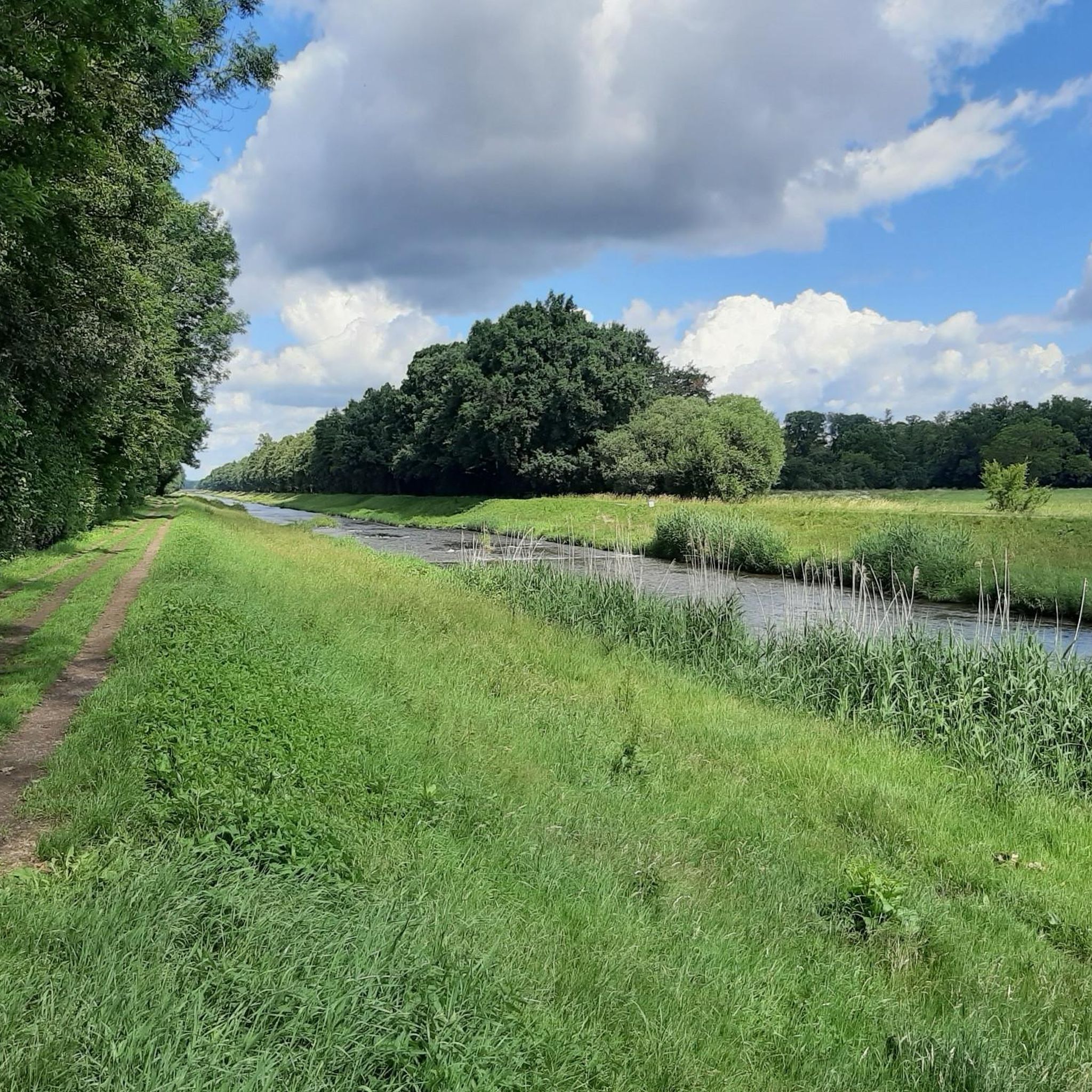
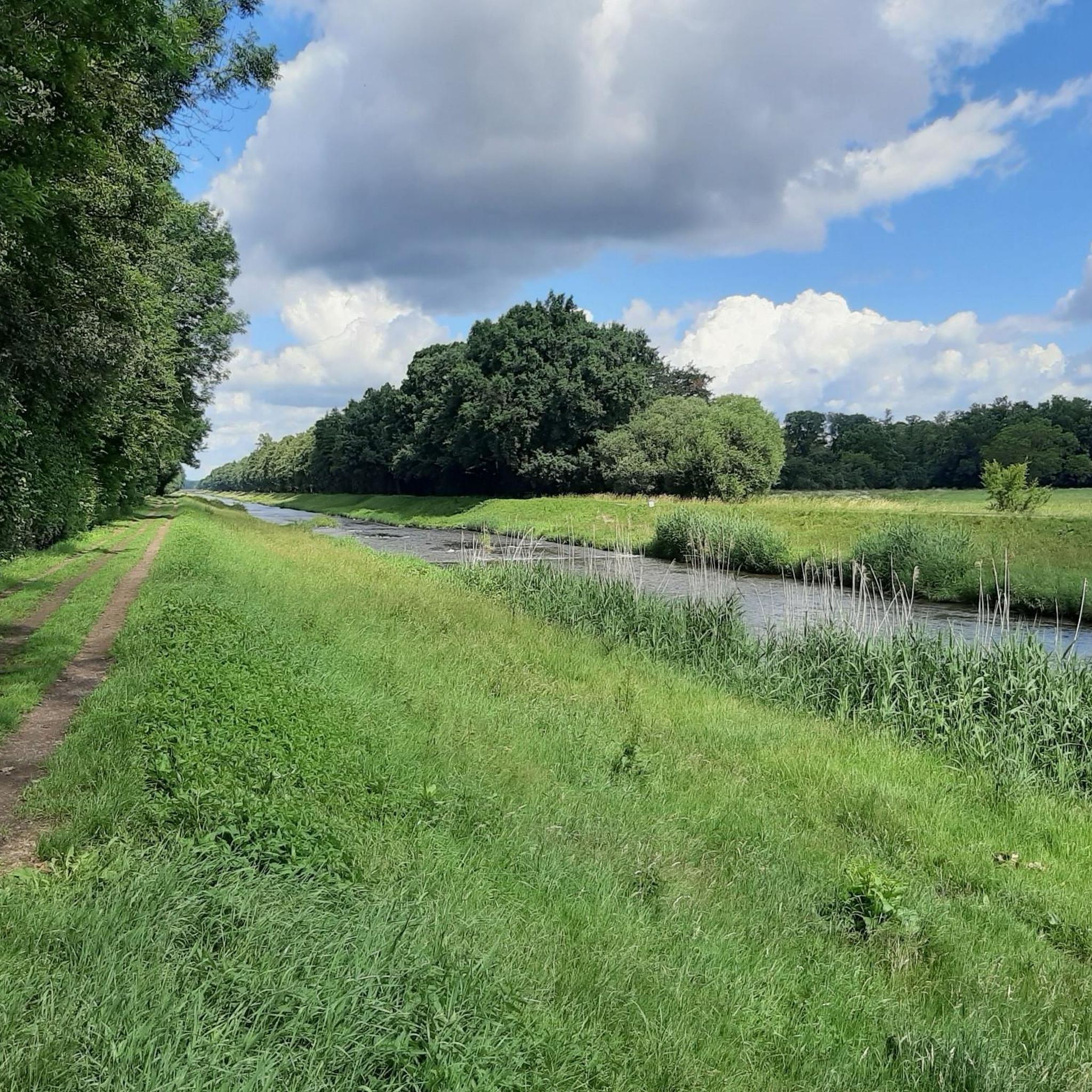
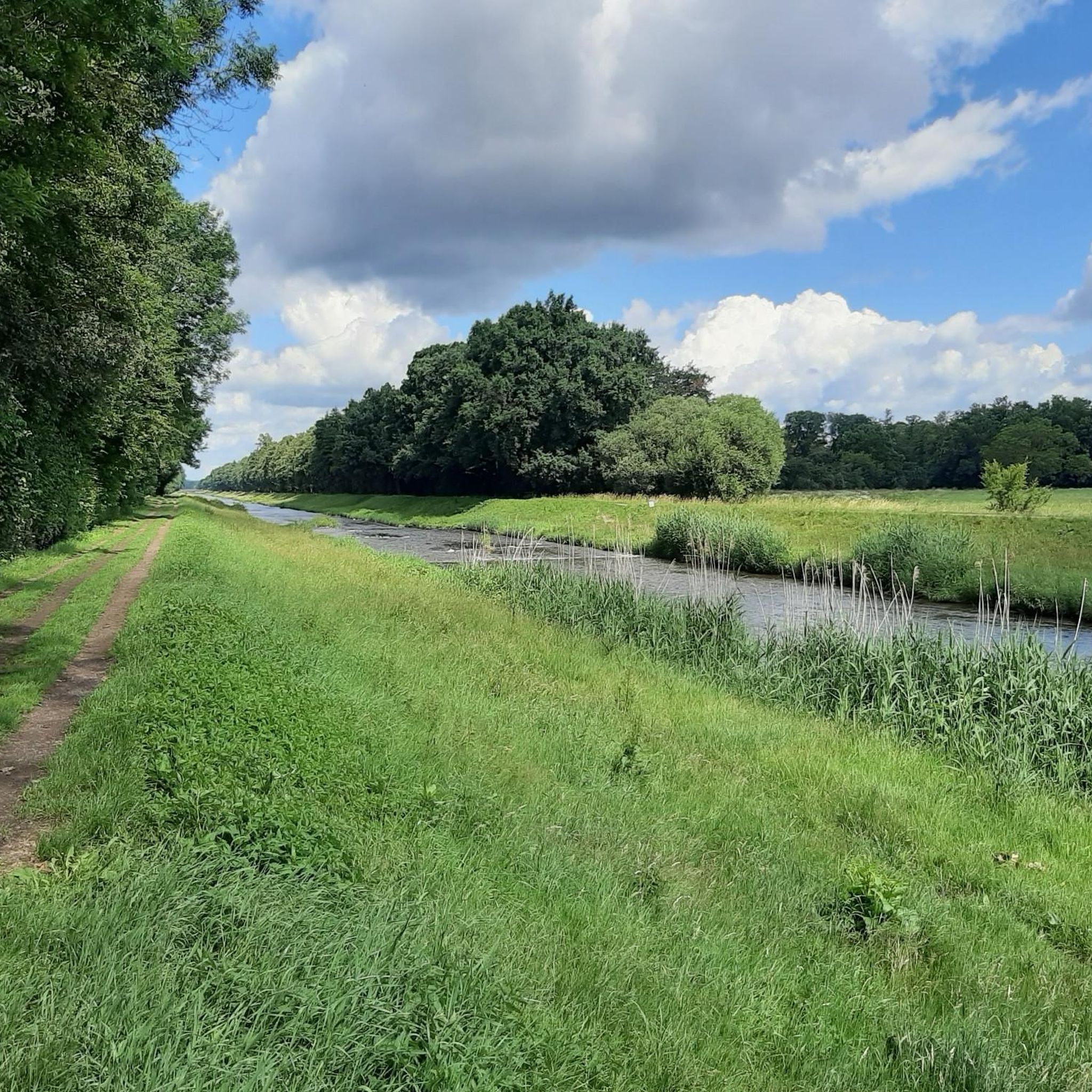
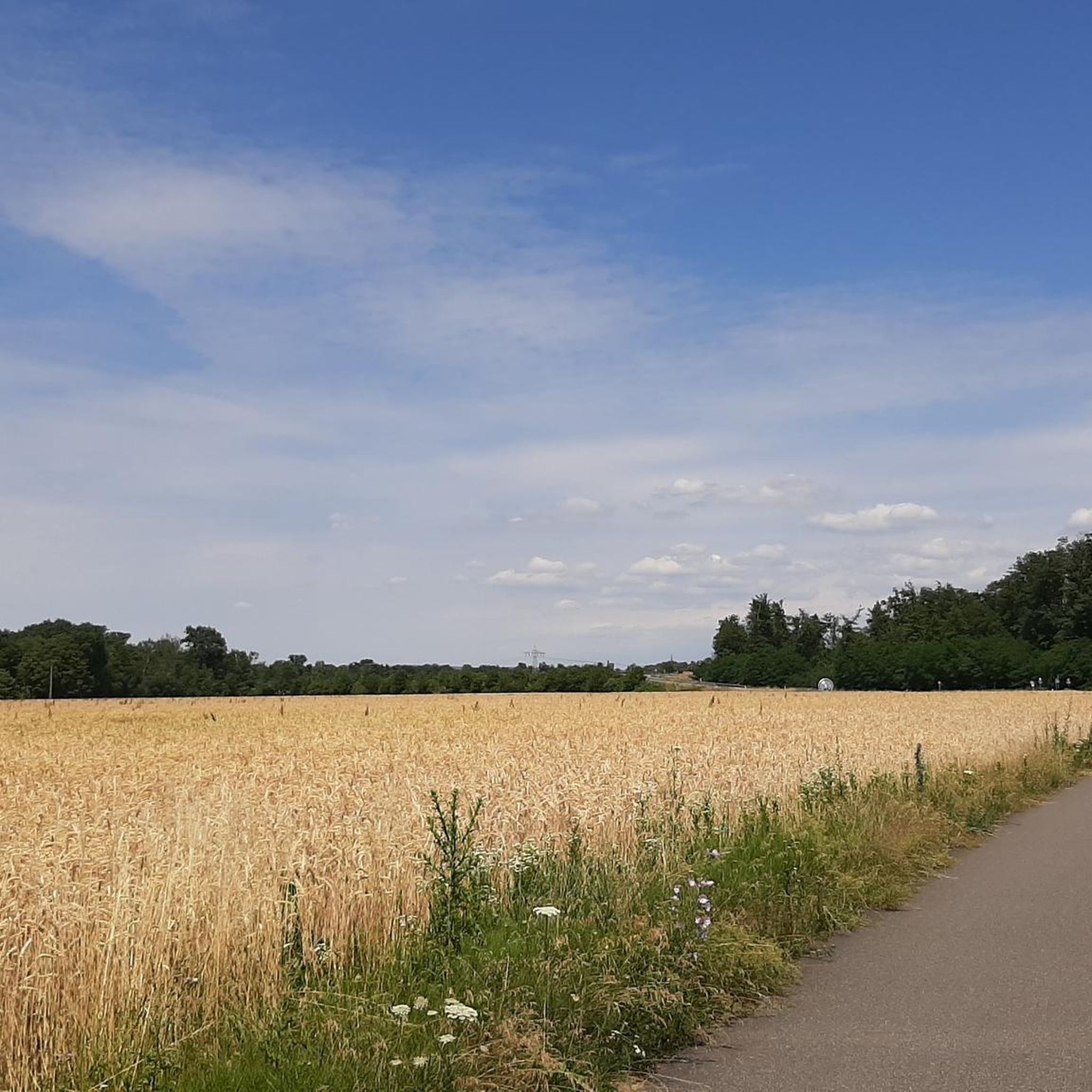
Tips from the Community

You can walk upright into the Loss Cave. It's a wonderful experience.
0
0

"The Hole" is an experience even without children. With children it is a must. It is pitch black at times, but with a "cell phone flashlight" it is possible in a pinch.
1
0
"The Hole" is definitely worth a visit, even if you don't have children with you. A must with children.
1
0

The designated Burgundy Trail (starting in Breisach am Rhein - Oberrimsingen district) takes you to the natural monument "Oberes Steingrüble", Tuniberg vineyard (Baden Wine Route), near the SV Munzingen sports restaurant. Wine educational trail Tuniberg https://www.komoot.com/de-de/highlight/6417369 Burgundy Trail Opfingen theme trail Lizard Trail Tuniberg Höhenweg https://www.komoot.com/de-de/tour/957742038 Tour guide at Tuniberg Recognized wine consultant RALF KUHTZ 0170 2830944
0
0

It is a large cave or chamber in the loess in a loess hollow way. These hollow ways in the thick loess layers in the Kaiserstuhl were created by constant use as a path (especially with heavy carts). The resulting depressions were made worse by erosion in wind and weather (especially rain). In many places, holes were dug into the loess walls for various purposes (storage of material, "cooling chamber"). Loess is a calcareous, silty sediment, i.e. rock powder with lime components. The lime structure gives loess a high level of stability. This means that stable caves can easily be dug into them. Here, two such holes are connected by a tunnel that can also be easily walked through.
1
0
It is a large cave or chamber in the loess in a loess hollow way. These hollow ways in the thick loess layers in the Kaiserstuhl were created by constant use as a path (especially with heavy carts). The resulting depressions were made worse by erosion in wind and weather (especially rain). In many places, holes were dug into the loess walls for various purposes (storage of material, "cooling chamber"). Loess is a calcareous, silty sediment, i.e. rock powder with lime components. The lime structure gives loess a high level of stability. This means that stable caves can easily be dug into them. Here, two such holes are connected by a tunnel that can also be easily walked through.
3
0

The Lössholweg trail is worth a hike. What is particularly special is that there is a cave or tunnel in the seemingly loose loess.
0
1

Tunnel with two entrances to the path. The building is open and accessible. There is no indication of the purpose.
1
1
Frequently Asked Questions
What are some unique caves to explore near Umkirch?
Beyond the popular loess tunnels, you can explore the Erleloch Tunnel, a historical brick-lined passage that once supplied drinking water. For a natural loess experience, visit the Löss Cave Tunnel, a large chamber formed in a loess hollow way. The Lösstollen with View of the Black Forest Ridge offers a nearly 50-meter-long tunnel with a scenic resting spot at its exit.
Are there any caves with historical significance around Umkirch?
Yes, several caves and sites offer a glimpse into history. The Stone Age Caves on the Ölberg near Ehrenkirchen are significant as one of Southern Baden's oldest known settlements, with archaeological finds dating back over 130,000 years. The Erleloch Tunnel is a man-made tunnel from 1788, originally built to supply drinking water. Additionally, the Alte-Mann-Felsen near Badenweiler features caves and shafts from Roman-era mining, and the Historic Mining Tunnel at Schönberg dates back to iron ore mining between 1937 and 1942.
Which caves near Umkirch are suitable for families with children?
The Stone Age Caves on the Ölberg (also known as "Devil's Kitchen") near Ehrenkirchen are highly recommended for families, offering an engaging exploration experience. Sperberloch Cave in the Freiburg District is also a great option for children. The Heiden Caves in Zizenhausen provide a sense of adventure with their unique carved tunnels and chambers, making them a popular family-friendly destination. The Erleloch Tunnel is also considered exciting for children due to its curved, dark passage.
What kind of natural formations can I expect to see in the caves around Umkirch?
You'll encounter diverse geological features. The Löss Cave Tunnel and Lösstollen with View of the Black Forest Ridge are examples of loess formations, which are calcareous, silty sediments known for their stability. The Heiden Caves in Zizenhausen are carved into Molasse rock, rich in sandstone and ancient fossils. The Stone Age Caves on the Ölberg are formed in calcareous clay, part of a scenic area with varied paths through forests and vineyards.
What is the best time of year to visit the caves near Umkirch?
Many caves are best visited from spring through early autumn. Be aware that some natural caves, such as the Stone Age Caves on the Ölberg and the Heiden Caves, are typically closed from mid-October onwards until mid-April to protect hibernating bats. Always check local information before planning a visit, especially outside of peak seasons.
What should I bring when visiting caves in the Umkirch area?
For many of the caves, sturdy footwear is essential, as paths can be slippery, narrow, or steep, especially after rain. A torch or flashlight is highly recommended for exploring caves like Sperberloch Cave and the Heiden Caves, as they can be dark inside.
Are there any caves near Umkirch that are closed during certain seasons?
Yes, the Stone Age Caves on the Ölberg (Ehrenkirchen/Bollschweil) and the Heiden Caves (Zizenhausen) are typically closed from October or mid-October until mid-April. This seasonal closure is implemented to protect hibernating animals, particularly bats, which use these caves as winter quarters.
What outdoor activities can I do near these caves?
The region around Umkirch offers various outdoor activities. You can find numerous hiking routes, such as those around the Stone Age Caves on the Ölberg, which are part of a scenic circular trail. For more structured options, explore the hiking routes around Umkirch. There are also road cycling routes and MTB trails available in the wider area.
Can I find wildlife in or near the caves?
Yes, some caves serve as important habitats for wildlife. Bats are known to hibernate in caves such as the Stone Age Caves on the Ölberg and the Heiden Caves. This is why these caves are often closed during the winter months to protect these animals.
Are there viewpoints near any of the caves?
Yes, the Lösstollen with View of the Black Forest Ridge offers a bench at its exit with views of the Black Forest chain, including Feldberg and Kandel. Near the Alte-Mann-Felsen in Badenweiler, there's a viewing platform that provides extensive views of the Rhine plain and the Vosges.
What makes the Heiden Caves in Zizenhausen unique?
The Heiden Caves are unique because they are artificially carved tunnels and niches within the Molasse rock formation. They offer a fascinating blend of geological history, showcasing rich sandstone and ancient fossils, and human history through their construction. Exploring the various chambers provides a distinct sense of adventure.
What is the 'Loess cellar' and its historical significance?
The Loess cellar is a small cave that has served various purposes throughout history. During the Second World War, its aisles in the loess wall were used as hiding places for women and children. Later, it functioned as a cellar for storing potatoes and other goods, making it a witness to local history.
Most popular routes around Umkirch
Most popular attractions around Umkirch

Get inspired with the komoot mobile app


Explore more
Extend your search for the best caves by checking out these guides of the top ones around Umkirch:
