Top 20 Lakes around Stedesand
Best lakes around Stedesand are found in the Nordfriesland district of Schleswig-Holstein, Germany. Stedesand is characterized by its proximity to the North Frisian Wadden Sea, green fields, and picturesque villages. While the immediate area focuses on the coastal environment and the Wadden Sea, the broader region offers opportunities for exploring various bodies of water. Visitors can engage in activities such as cycling along dikes and experiencing the unique natural landscapes.
Best lakes around Stedesand
- The most popular lakes is Wehle…
Last updated: September 30, 2026
Fish Ponds in the Langenberg Forest
Highlight (Segment) • Lake
Translated by Google •
Tip by

Fething Rainwater Pond
Highlight • Monument
Translated by Google •
Tip by

Sign up now to discover places like this
Get recommendations on the best single tracks, peaks, & plenty of other exciting outdoor places.
Old Ponds of Bordelumer Heide
Highlight • Lake
see pictures.
Translated by Google •
Tip by

Old Fish Ponds in Langenhorner Heide Nature Reserve
Highlight • Lake
Translated by Google •
Tip by

Bottschlotter Lake
Highlight • Lake
Translated by Google •
Tip by

Sign up for free to discover even more lakes around Stedesand.
Already have an account?
Start today with a free account
Your next adventure awaits.
Tips from the Community

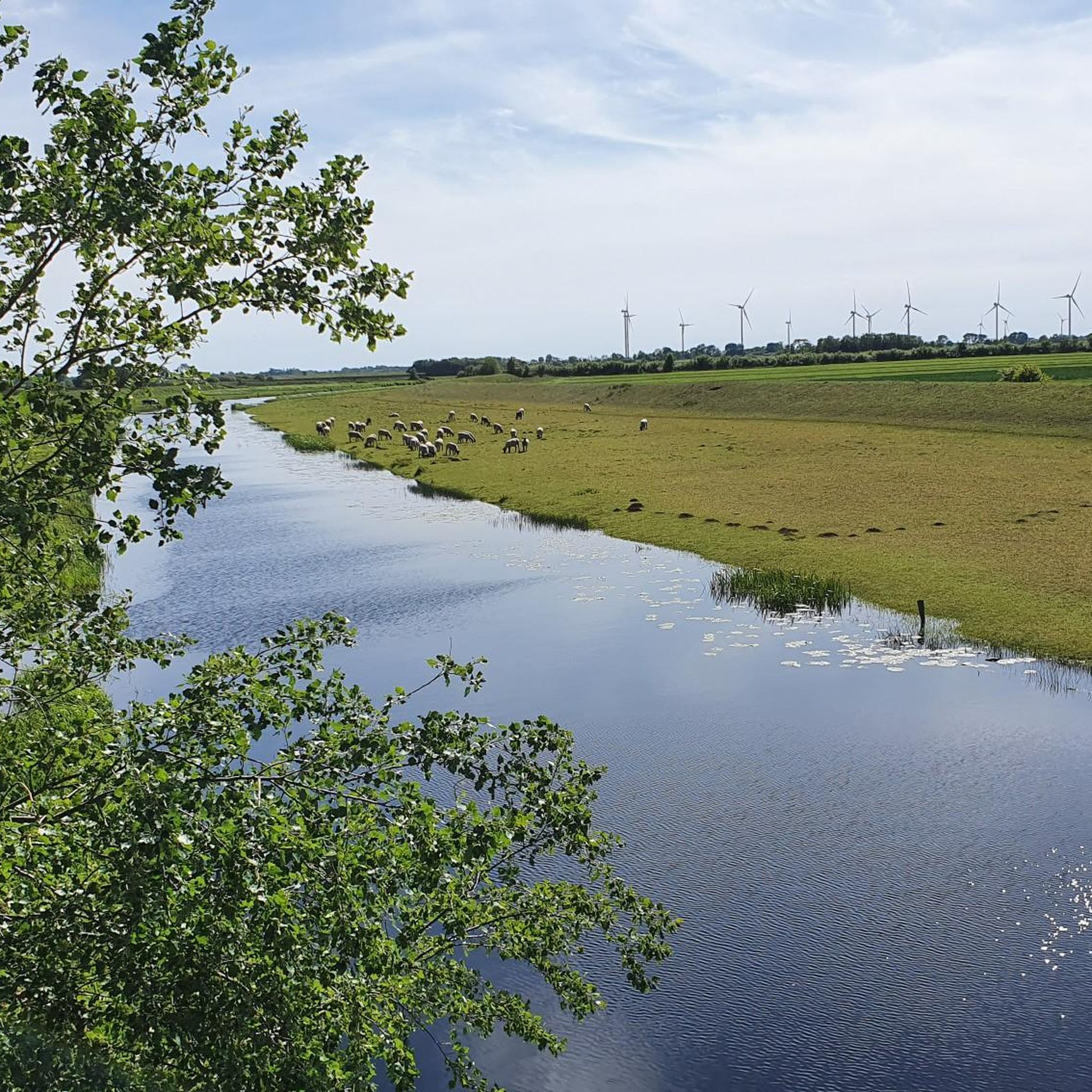
Lots of mosquitoes in September but nice view
0
0


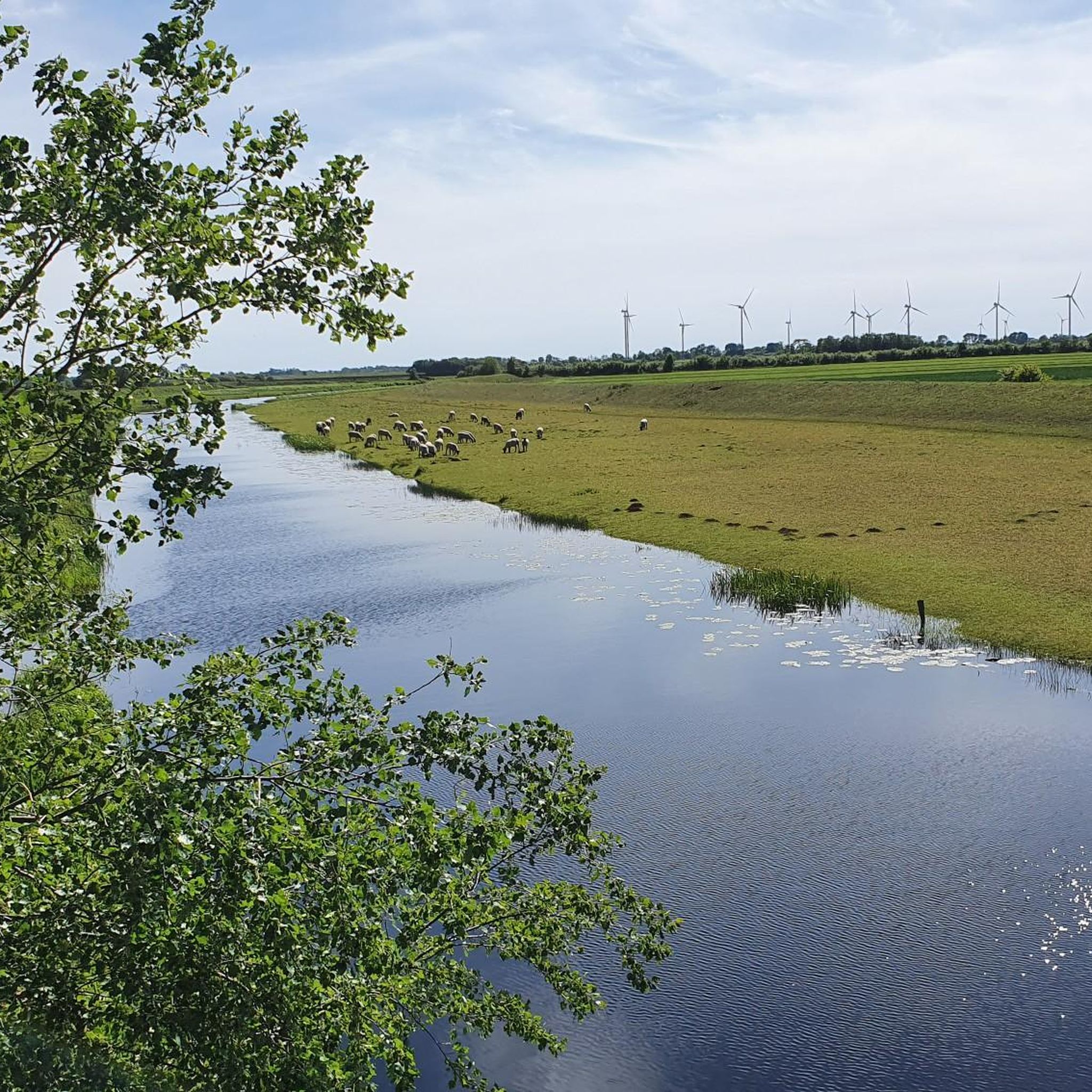
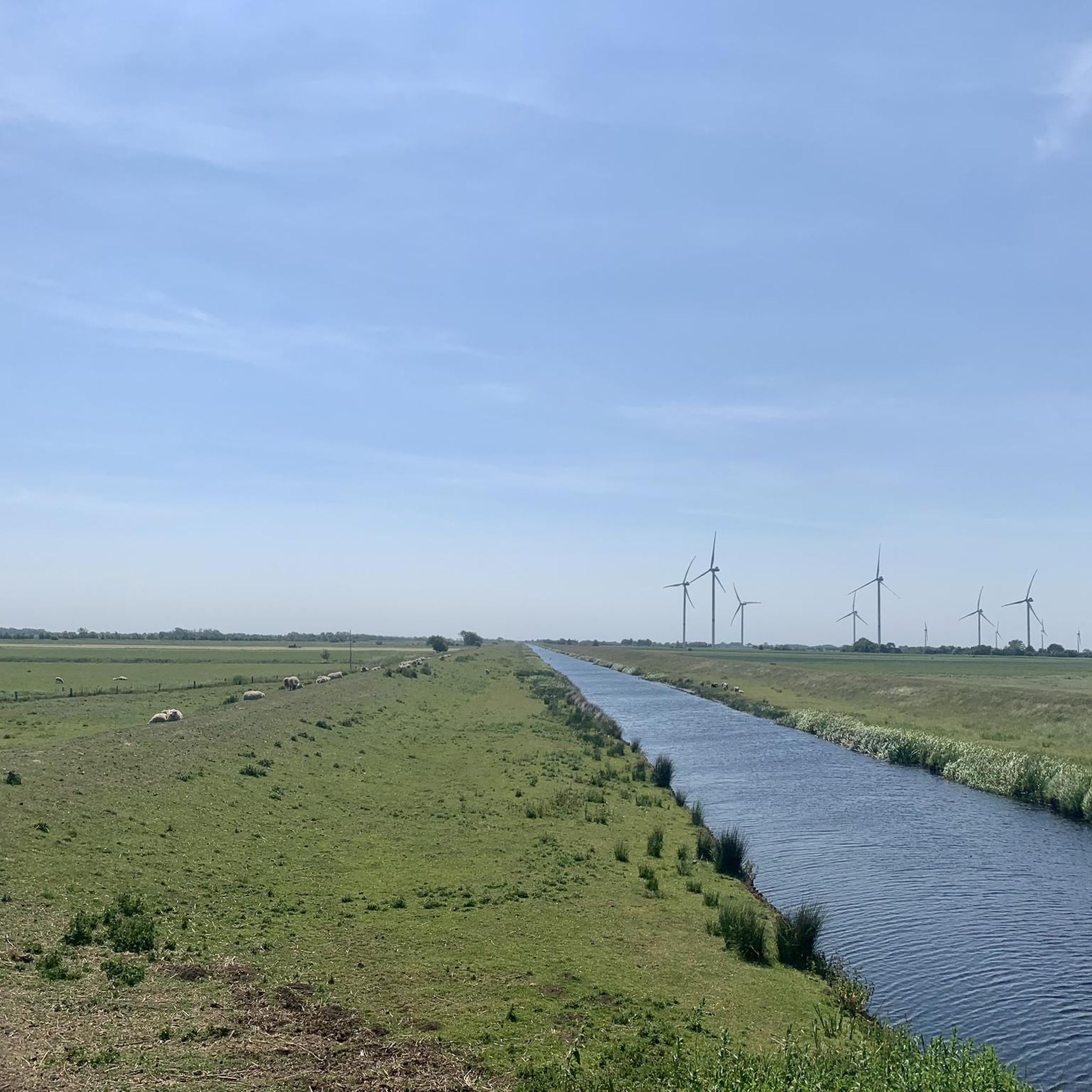
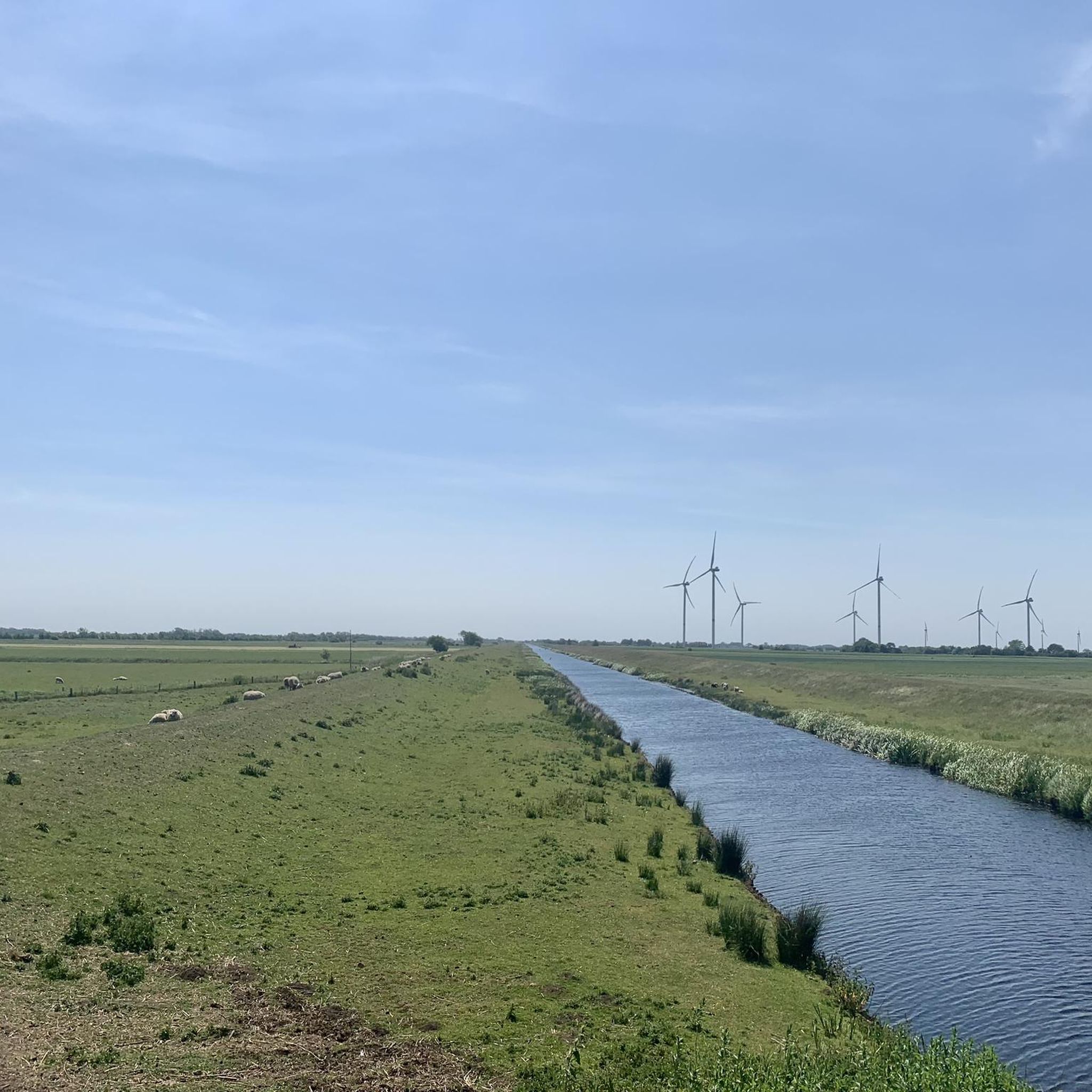
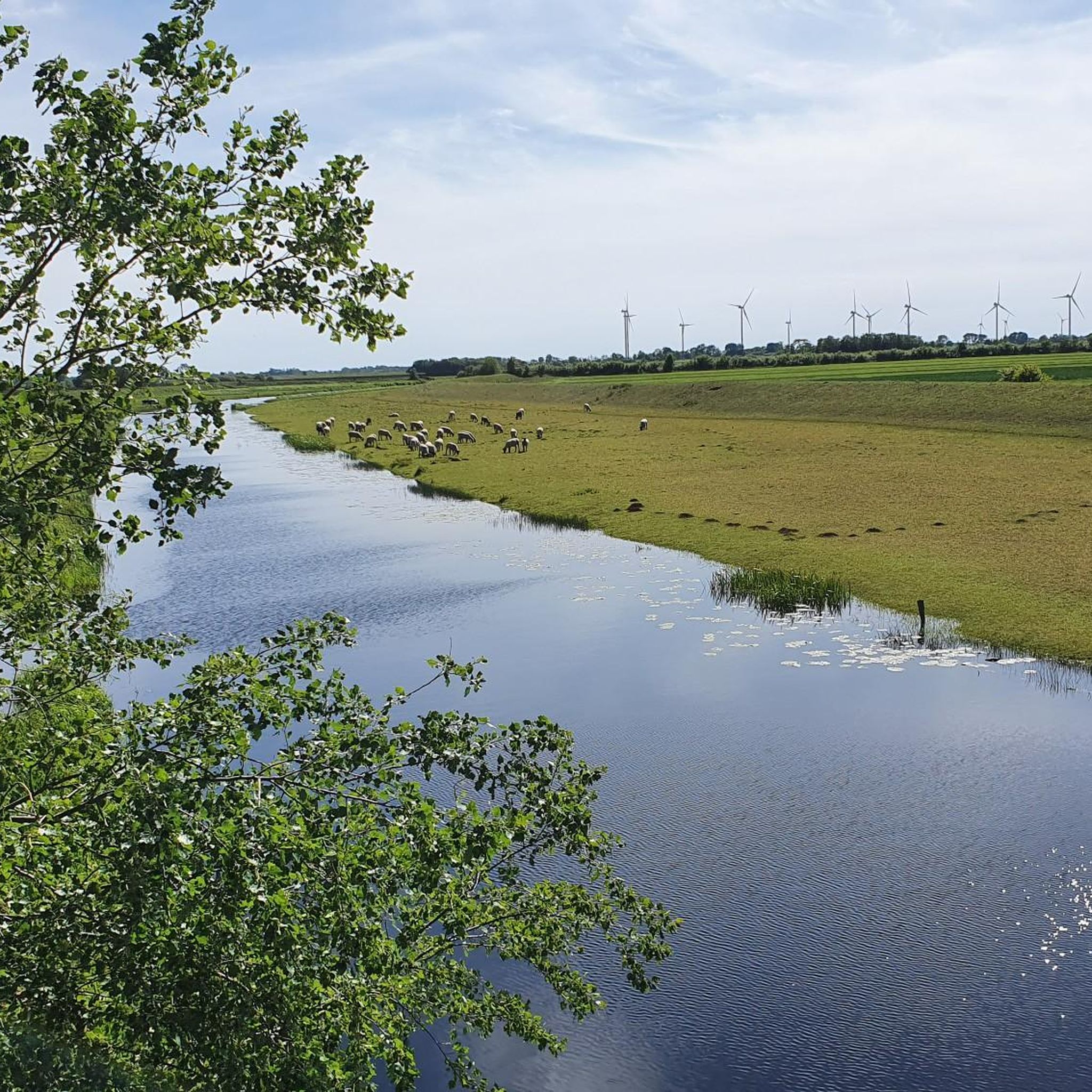
It is only a few kilometers from Dagebüll harbor and you reach a district of Dagebüll: Fahretoft. A lovely place with lots of little thatched-roof houses on mounds. Lots of nature awaits you and if you drive a little further you will reach the Bottschloter Lake. This little spot on earth is wonderfully recommended for hikes and bike tours. https://www.dagebuell-tourismus.de/vor-ort-umgebung/orte/fahretoft
3
0

This two lane trail still exists and it runs through beautiful moorland. At the Hochstand, follow the small path slightly to the right, which then widens again immediately. The wider path, slightly to the left, ends in the reeds.
1
0

Nicely located
1
1

Fething (North Frisian: di / jü Feeding) is a special water storage basin on the Halligen and terps in the marshland on the German and Dutch North Sea coasts. Fethinge are rainwater collecting basins that were usually used as cattle troughs and give the impression of a normal pond. Mostly they were created at the highest point, i.e. in the middle of the Hallig or Terft. Since the surface water of the meadows and thus possibly also dung could get into Fethinge, they were usually not suitable as reservoirs for drinking water. For this purpose, a separate cistern, the so-called Sood, was created, in which the rainwater from the roofs could collect. Drinking water was a precious commodity on the Halligen and in the marshland. Due to the island location and the small size of a Hallig, even the groundwater consists of salt water. The Fethinge only lost its task in the middle of the 20th century when the water supply was gradually expanded. In the meantime, the still existing fethings have been placed under monument protection. Source: Wikipedia
4
0
Frequently Asked Questions
What are the most popular water features and lakes around Stedesand?
Visitors frequently enjoy the Wehle Natural Swimming Area, a natural pool formed by a dike break, and the Wild Goose Observation at the North Sea Coast for wildlife viewing. Another favorite is Badekuhle Pond, known for its forest setting and trails.
Are there family-friendly lakes or water areas near Stedesand?
Yes, several spots are great for families. The Wehle Natural Swimming Area offers a natural pool with surrounding lawns, perfect for a day out. Wild Goose Observation at the North Sea Coast is also family-friendly, providing opportunities to see various goose species. Additionally, Bottschlotter Lake is recommended for its natural beauty and suitability for gentle hikes.
Where can I go for wild swimming around Stedesand?
The Wehle Natural Swimming Area is a popular spot for wild swimming. It's a natural pool with large lawns, offering a refreshing experience in a unique natural setting.
What kind of wildlife can I observe near the lakes and water features?
For birdwatching, the Wild Goose Observation at the North Sea Coast is excellent, where you can spot Barnacle, Brent, and Greylag geese throughout the year. Bottschlotter Lake is also known for attracting migratory birds.
Are there historical water features or landmarks to visit?
Yes, the Fething Rainwater Pond is a significant historical water feature. These special rainwater collecting basins were once crucial for water storage on Halligen and terps and are now under monument protection.
What outdoor activities can I do near the lakes around Stedesand?
You can enjoy various activities. For cycling, there are routes like the 'Schlüttsiel Harbor – Bongsieler Canal loop' or the 'Soholmer Au Canal – St. Marien Church Bargum loop'. Mountain biking is popular around Badekuhle Pond, which has single trails. Hiking and walking are also popular, especially around Bottschlotter Lake. You can find more details on routes in the Cycling around Stedesand, MTB Trails around Stedesand, and Running Trails around Stedesand guides.
Are there trails for mountain biking near any of the lakes?
Yes, Badekuhle Pond is known for its small forest area with single trails that are perfect for mountain biking, especially for beginners. You can find more MTB routes in the MTB Trails around Stedesand guide.
What is the best time to visit the lakes and water features near Stedesand?
The region offers natural beauty year-round. For birdwatching, geese can be seen at the Wild Goose Observation at the North Sea Coast throughout the year, with specific species appearing at different times. Summer is ideal for swimming at the Wehle Natural Swimming Area. Generally, spring and autumn offer pleasant temperatures for hiking and cycling.
What makes the lakes and water features around Stedesand unique?
The area is characterized by a mix of natural and man-made water features. You'll find unique formations like the Wehle Natural Swimming Area, which formed from a dike break, and historical rainwater ponds like the Fething Rainwater Pond. The proximity to the North Frisian Wadden Sea also influences the coastal observation points.
What do visitors say about the lakes and water areas in the Stedesand region?
Visitors appreciate the natural beauty and tranquility. For instance, the Wehle Natural Swimming Area is described as a 'wonderful small natural pool with large lawns around it.' Bottschlotter Lake is noted as a 'lovely place with lots of nature' and a great spot for seeing migratory birds. Badekuhle Pond is praised as an 'ideal stop' with fun single trails for mountain biking.
Can I find places for quiet relaxation near the water?
Yes, Badekuhle Pond offers a peaceful resting spot with benches within a small forest area. Bottschlotter Lake is also described as a quiet, natural area perfect for unwinding.
Most popular attractions around Stedesand

Get inspired with the komoot mobile app


Explore more
Still not found your perfect lake around Stedesand? Check out the guides of these regions to see even more beautiful places.
