Top 8 Castles around Boitzenburger Land
Best castles around Boitzenburger Land are found in the Uckermark district of Brandenburg, Germany. This region is characterized by its historical estates and natural landscapes, offering a blend of cultural significance and outdoor exploration. The area features prominent historical sites, including impressive manor houses and well-preserved architectural examples. Visitors can explore a variety of historical structures set amidst idyllic natural surroundings.
Best castles around Boitzenburger Land
- The most popular castles is Gerswalde Castle, a castle that is a medieval…
Last updated: July 24, 2026
Boitzenburg Castle
Highlight • Castle
Behind the castle in a westerly direction there is a public football and soccer field for children!
Parts of the castle are u.a. rented for weddings.
Translated by Google •
Tip by

Gerswalde Castle
Highlight • Castle
Translated by Google •
Tip by

Sign up now to discover places like this
Get recommendations on the best single tracks, peaks, & plenty of other exciting outdoor places.
Sign up for free
Owl Tower
Highlight • Historical Site
In the Middle Ages …
Translated by Google •
Tip by
Kröchlendorff Castle Church
Highlight • Religious Site
Translated by Google •
Tip by

Herzfelde Castle
Highlight • Castle
templin-info.de/templin_ortsteile/herzfelde/herzfelde_gut.htm
Translated by Google •
Tip by

Sign up for free to discover even more castles around Boitzenburger Land.
Sign up for free
Already have an account?
Start today with a free account
Your next adventure awaits.
Login or Signup
Popular around Boitzenburger Land
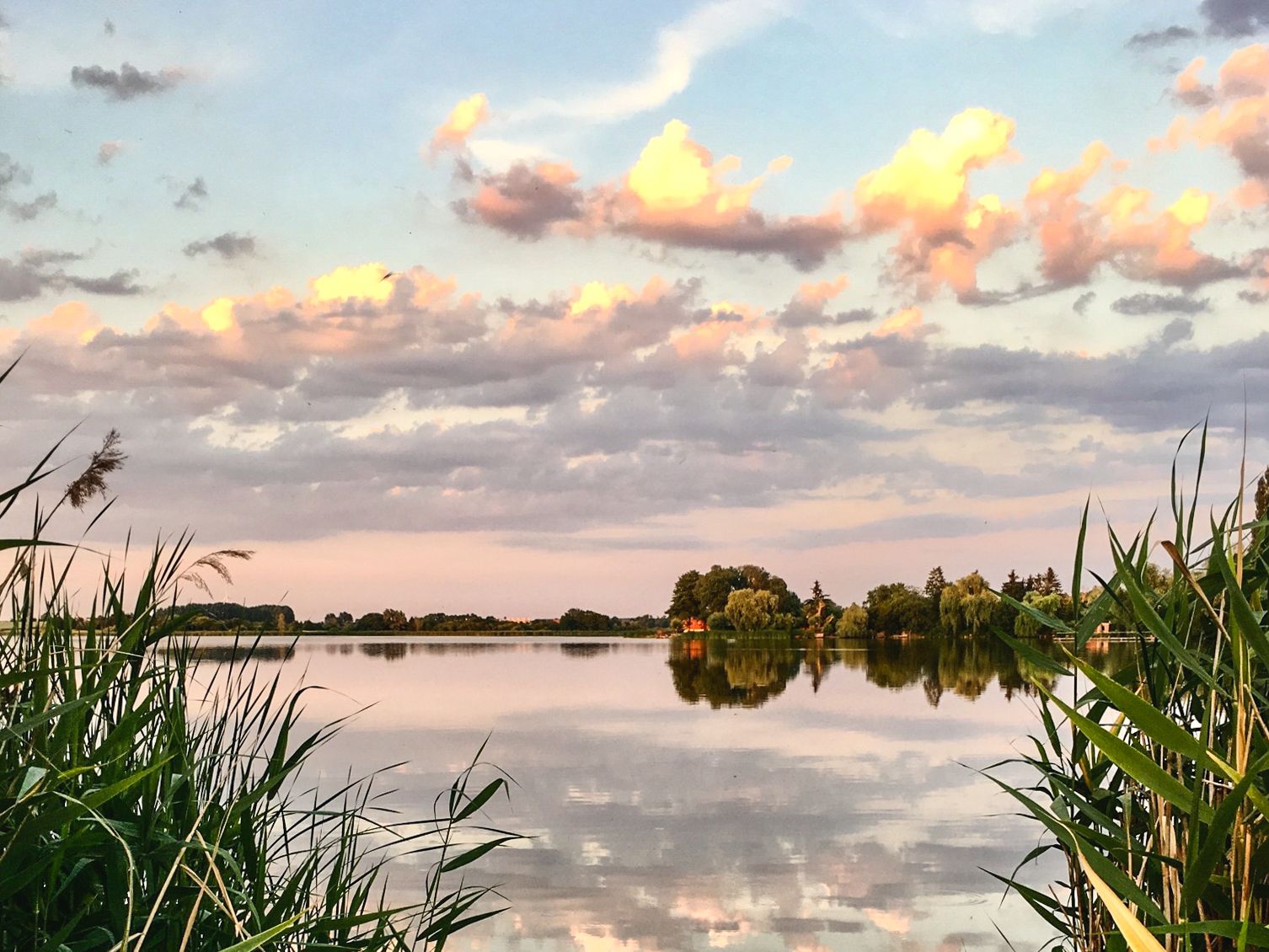
Uckermärker Landrunde — Hiking in the Uckermark over 9 stages: open countryside & quiet nature
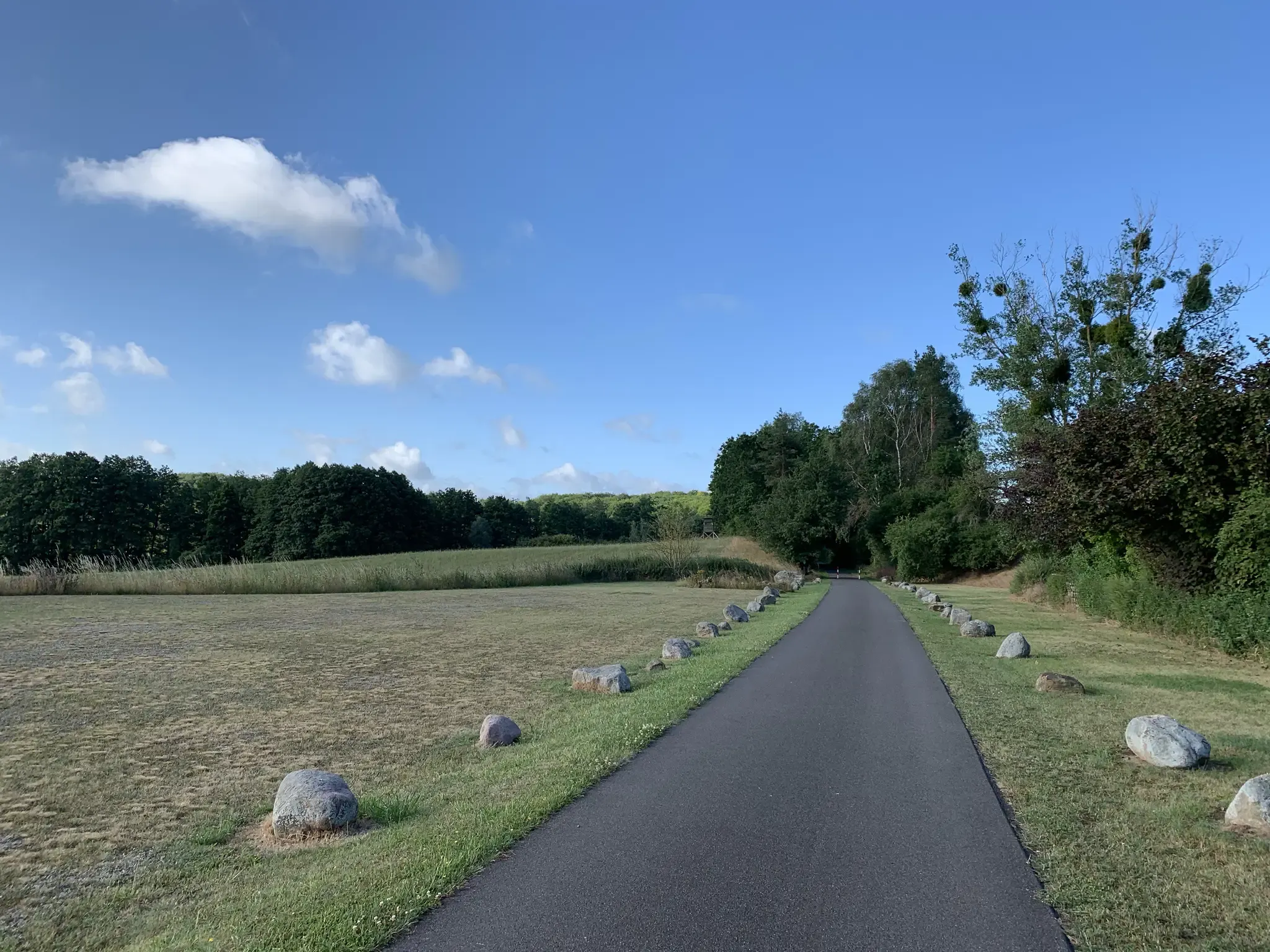
Ride an old railway line through the Uckermark – Cycle Path of Stones
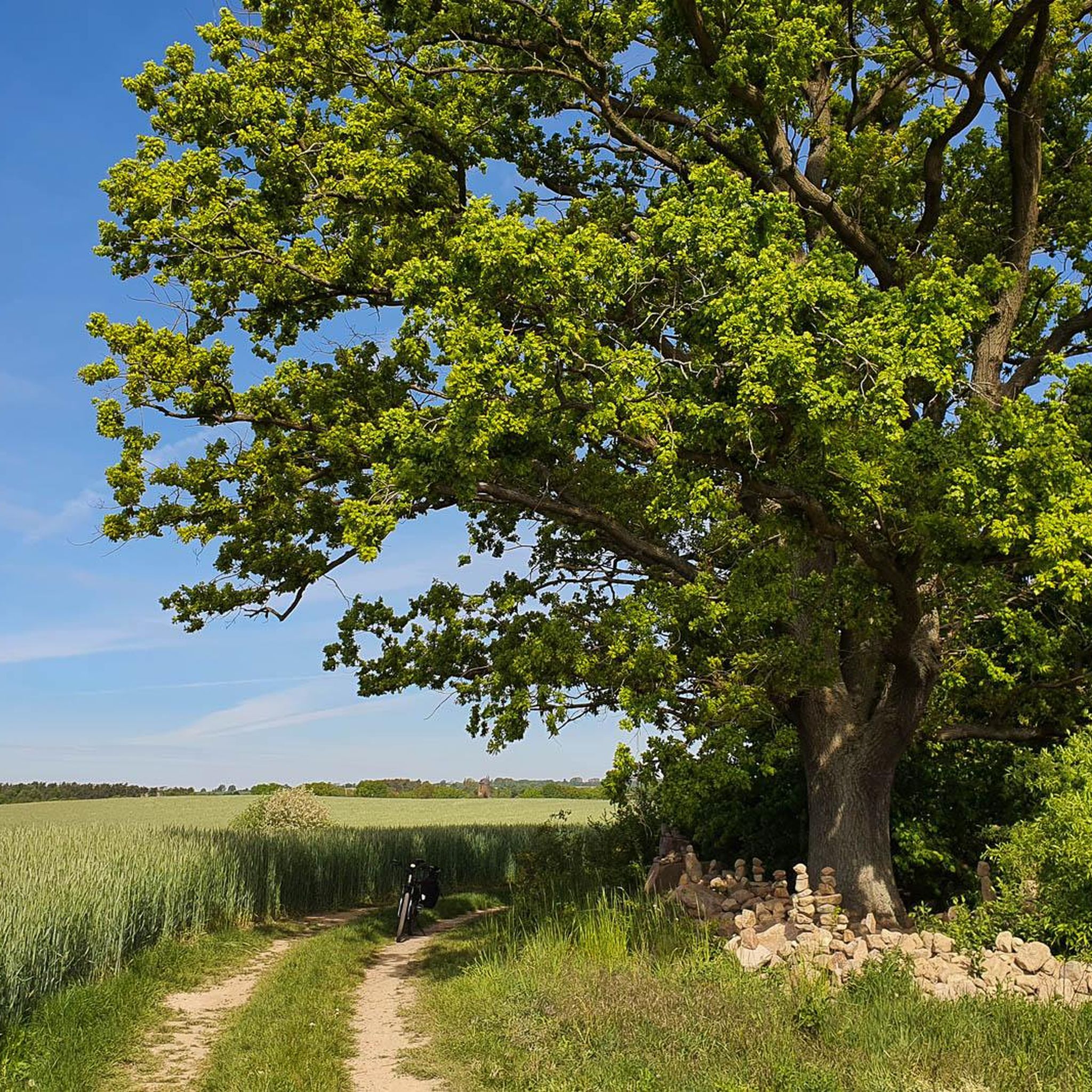
Hiking around Boitzenburger Land
Cycling around Boitzenburger Land
Road Cycling Routes around Boitzenburger Land
MTB Trails around Boitzenburger Land
Running Trails around Boitzenburger Land
Gravel biking around Boitzenburger Land


Tips from the Community

The Owl Tower, part of the fully preserved Templin city wall, built or rebuilt in the 14th century, strangely has a door high up at a height of 6 meters. From there, prisoners were lowered and forced to eke out their existence in the narrow, windowless room – absolutely gruesome! But the structure also had other functions. It served, of course, as a place of observation and also as a defense against attacks.
0
0


Herzfelde Castle in the town of the same name in Brandenburg is a former manor that dates back to the Middle Ages. It was first mentioned in 1375, when the estate belonged to Ritter Henning von Berlyn. The estate itself was probably founded more than 100 years earlier by the von Herzfelde noble family. There was already a manor house at that time, the dimensions of which are not known. It is unclear when the castle building as it still exists today was built. After the Second World War, the former owners were expropriated and the castle fell into disrepair over the coming decades. It was only after the fall of the Berlin Wall in 1994 that it was bought and restored by a company from Berlin
0
0

Kröchlendorff Castle was built in 1848 by Prussia's first freelance architect Eduard Knoblauch on behalf of Baron Oskar von Arnim. The castle is surrounded by a beautiful park. The first gardens were laid out around 1700 and were expanded and redesigned in the course of building the castle according to the ideas of the landscape designer Peter Joseph Lenné. Adapted from Lenné Park, the architect Knoblauch designed the castle in the English Gothic style. He mainly used tracery rosettes in the windows, Tudor arches, a crenellated wreath and other Gothic decorative elements. Above the entrance is the von Arnim and von Bismarck family coat of arms. A banner below the coat of arms bears the year 1848. This coat of arms is also based on a design by Knoblauch. The current appearance of the castle is determined by the squat tower domes, the large window openings and the flat-looking facade. Source and further information: https://www.reiseland-brandenburg.de/poi/uckermark/schloesser-und-parks/schloss-kroechlendorff/
0
0
The Kröchlendorff Castle Church was built between 1864 and 1868 according to plans by Ferdinand von Arnim and was then used as an Evangelical Reformed church. The members of the von Arnim family buried in the crypt, including Malwine von Arnim (1827–1908), Otto von Bismarck's sister, were reburied in the neighboring cemetery after the family was expropriated in 1950. The last service took place in 1961 and the church was de-dedicated in 1968. During a long period of neglect and decay in the church, the neo-Gothic furnishings were destroyed, with the exception of the remains of the pulpit. In 1992, the political community of Gollmitz, now Nordwestuckermark, took over the building. Between 1993 and 2002 the church was restored and inaugurated as a communication and cultural center. Since then, it has served, among other things, as an event room and an exhibition building. It is also used for civil weddings and occasionally for church services of the Evangelical Church of Potzlow-Lindenhagen in the Uckermark parish of the Evangelical Church of Berlin-Brandenburg-Silesian Upper Lusatia.[2] It shows the forms of the French High Gothic, the Rayonnant style, which were unusual for the German Neo-Gothic of the mid-19th century. The entire structure stands on a crypt with flat ridge vaults, the floor plan of which is similar to that of the church. The walls with plastered blocks are structured by buttresses. Source and further information: Wikipedia
0
0


The castle park on the island is practically non-existent. The entrance to the museum (entrance fee 1 euro) is in the inner courtyard area.
4
0

Frequently Asked Questions
Which castles in Boitzenburger Land are particularly family-friendly?
Several castles in the region offer family-friendly experiences. Gerswalde Castle, a medieval moated castle, is freely accessible and has tables and benches for picnics. The Owl Tower, a historical site that once served as a city prison, is also noted as family-friendly. Kröchlendorff Castle Church offers a spacious courtyard ideal for relaxing with family.
What kind of architecture can I expect to see among the castles in Boitzenburger Land?
The castles in Boitzenburger Land showcase a range of architectural styles. Schloss Boitzenburg, the most prominent, features a blend of Neo-Renaissance, Baroque, and Neo-Gothic elements. Schloss Retzow stands out with its pure Classicist design from 1800, characterized by Tuscan columns and a triangular pediment. Other sites like Kröchlendorff Castle Church display a gothic style, while Gerswalde Castle represents medieval fortification ruins.
Are there opportunities for outdoor activities near the castles?
Yes, the region offers numerous outdoor activities. Schloss Boitzenburg is surrounded by the Lenné Park, perfect for walks, and visitors can enjoy canoeing on nearby lakes. Schloss Retzow is set within a 7-hectare English castle park and provides access to hiking, biking, and water sports on surrounding lakes. For more structured activities, you can find various running trails, gravel biking routes, and easy hikes around Boitzenburger Land.
What historical significance do the castles in Boitzenburger Land hold?
The castles in Boitzenburger Land are rich in history. Schloss Boitzenburg, first documented in 1276, was the ancestral seat of the von Arnim family for centuries and has undergone significant architectural transformations. Gerswalde Castle dates back to 1256 and played a role in protecting Ascanian areas. Owl Tower served as an ammunition depot and city prison in the Middle Ages. Herzfelde Castle, a former manor, also dates back to the Middle Ages with its first mention in 1375.
Can I find food and drink options near the castles?
Yes, there are options for food and drink. At Schloss Boitzenburg, the Marstall (former stables) houses a chocolate factory, a show bakery, a coffee roasting facility, and a brewery restaurant. Kraatz Castle offers fine regional cuisine, coffee, and homemade cakes, along with apple wines from its own production.
What is the best time of year to visit the castles in Boitzenburger Land?
The region's castles and surrounding natural areas are enjoyable throughout the year. Spring and summer offer pleasant weather for exploring the parks and outdoor activities like canoeing. Autumn provides beautiful foliage in the castle parks, while winter can offer a unique, serene experience, especially around Schloss Boitzenburg with its restored buildings.
Are there any unique features or attractions at the castles?
Schloss Boitzenburg is notable for its Peter Joseph Lenné-designed park, featuring an Apollo Temple and the von Arnim family burial ground. Its Marstall complex offers unique experiences like a chocolate factory and brewery. Schloss Retzow allows visitors to stay in historic holiday apartments. Gerswalde Castle provides freely accessible medieval ruins with picnic spots, and Owl Tower is part of a remarkably intact medieval city wall.
What kind of accommodation is available near the castles?
Schloss Boitzenburg operates as a hotel, including a youth hotel, and an event venue, offering a direct historical stay. Schloss Retzow has been carefully restored and now functions as a complex of 13 holiday apartments, providing an intimate experience in a historic setting.
Are there any specific tours or guided visits available for the castles?
Public guided tours of Schloss Boitzenburg are regularly offered, providing insights into its rich history and architectural evolution. For other sites, it's advisable to check their individual websites or local tourist information for specific tour availability.
What are some natural landmarks or viewpoints near the castles?
The castles are often set amidst beautiful natural landscapes. Schloss Boitzenburg is surrounded by the extensive Lenné Park and is near lakes and ponds suitable for canoeing. Schloss Retzow is located between idyllic natural areas with an English castle park. The broader Boitzenburger Land region is known for its natural beauty, offering many opportunities for scenic walks and views.
How can I get to Schloss Boitzenburg by public transport?
While specific public transport routes can vary, Schloss Boitzenburg is located in the municipality of Boitzenburger Land in the Uckermark district. It's recommended to check local bus schedules or regional train connections to nearby towns and then local transport options to Boitzenburg. For detailed and up-to-date information, you can consult local transport providers or the Uckermark tourism website: tourismus-uckermark.de.
Are the castle grounds generally accessible for visitors?
Many castle grounds and parks are freely accessible. For example, the remains of Gerswalde Castle are freely accessible at all times. Schloss Boitzenburg's Lenné Park is also freely accessible for walks. For specific accessibility details regarding interiors or specific areas, it is best to check with the individual castle or site directly.
Most popular routes around Boitzenburger Land
Most popular attractions around Boitzenburger Land

Get inspired with the komoot mobile app


Explore more
Looking for the best castles somewhere else? Discover other guides around Boitzenburger Land:
