Top 20 Lakes around Crostwitz
Lakes around Crostwitz offer diverse natural attractions within a reasonable distance of the municipality. The region, part of the Lusatian Lakeland, features landscapes transformed from former mining areas into recreational zones. Visitors can find various water bodies, from natural bathing lakes to large reservoirs. These areas provide opportunities for outdoor activities and appreciating the local environment.
Best lakes around Crostwitz
- The most popular lakes is Döbra Fish Ponds, a lake that offers a quiet area for cyclists. It is…
Last updated: August 7, 2026
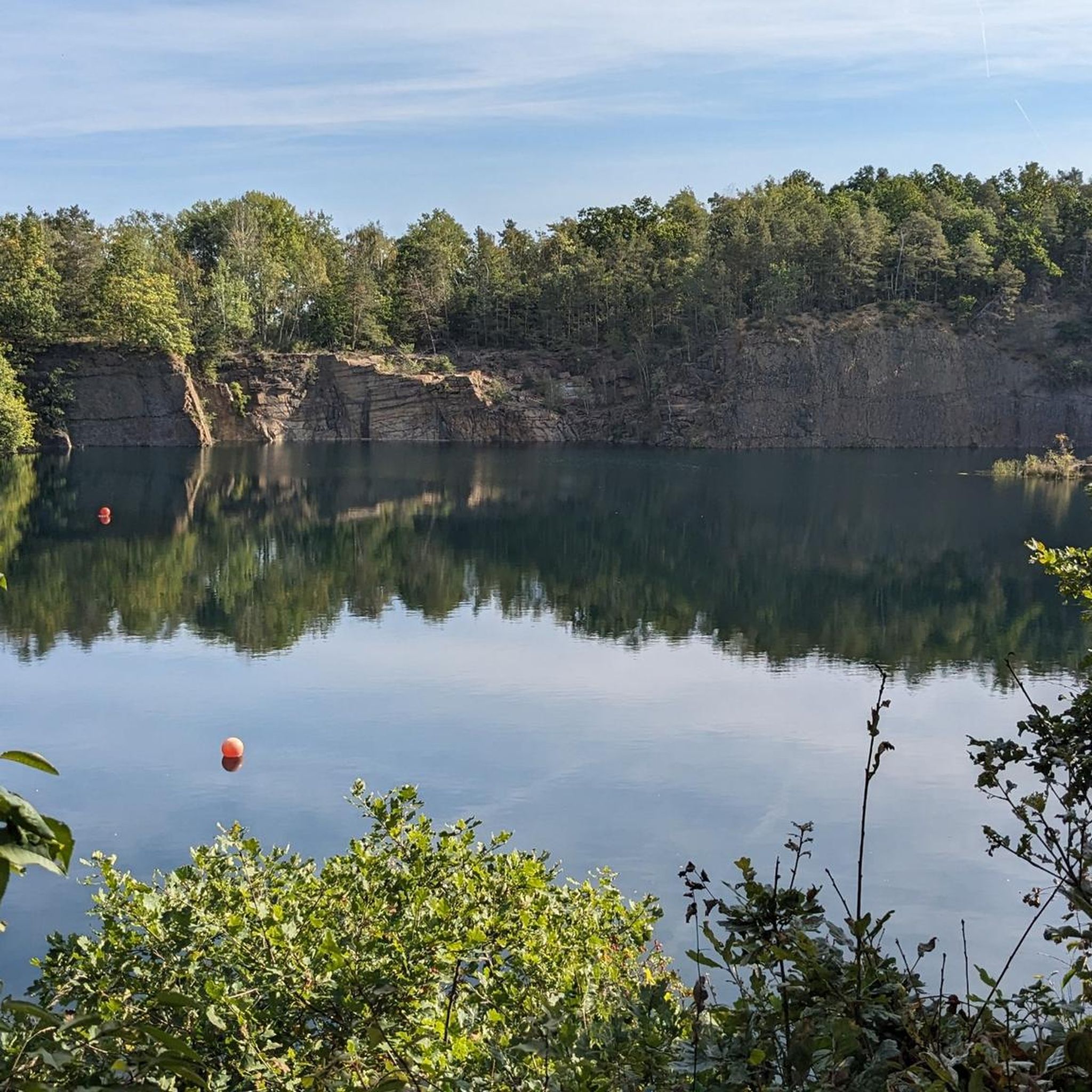
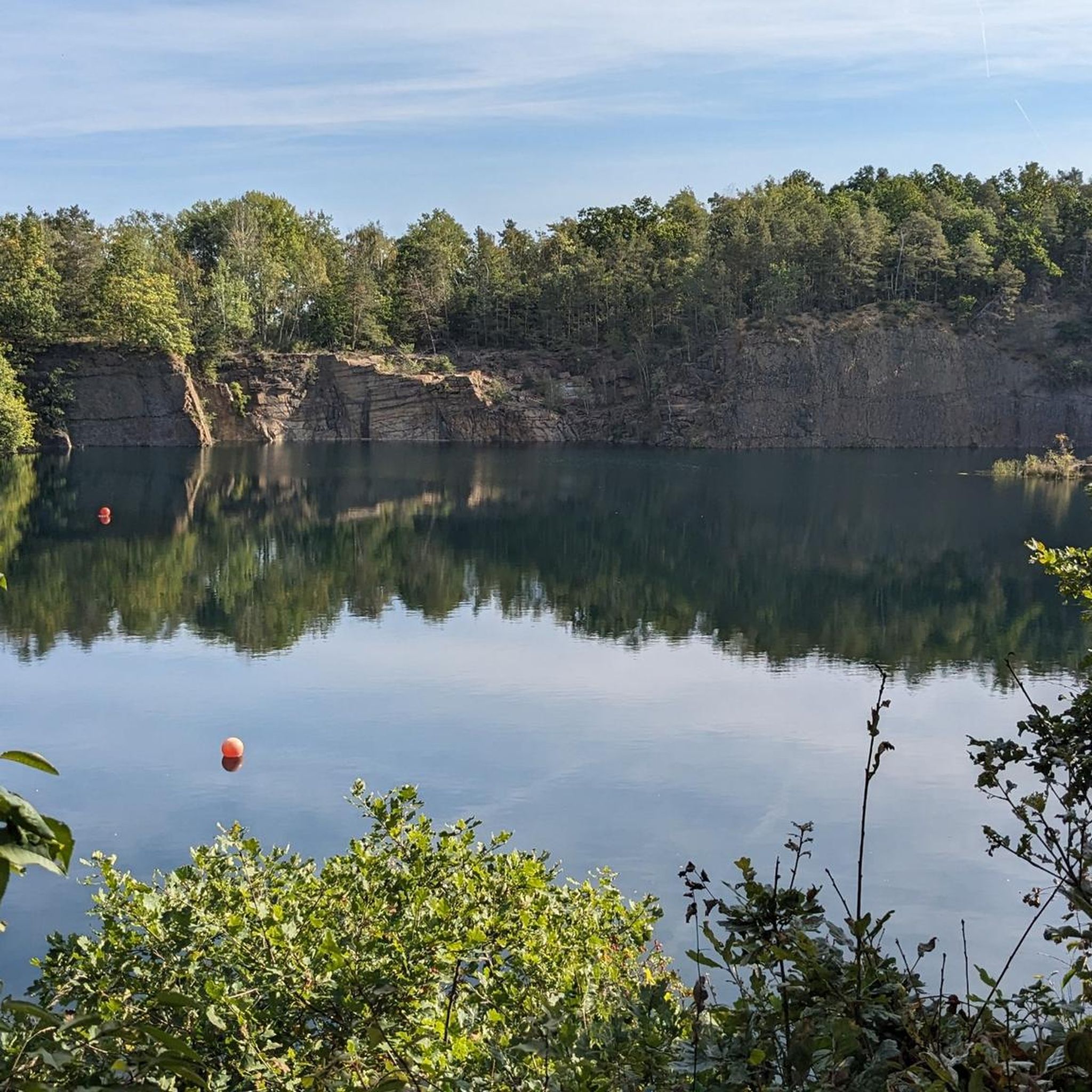
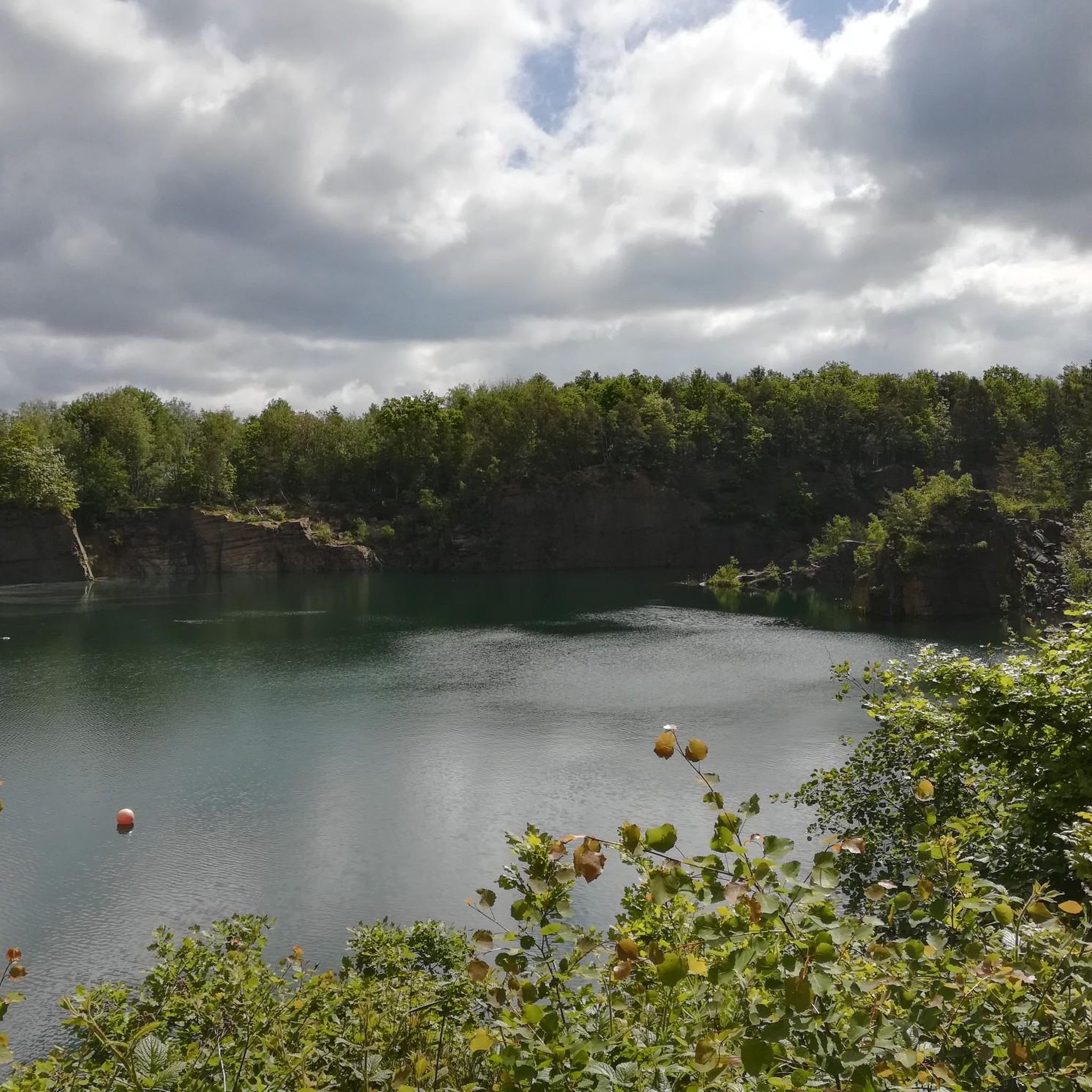
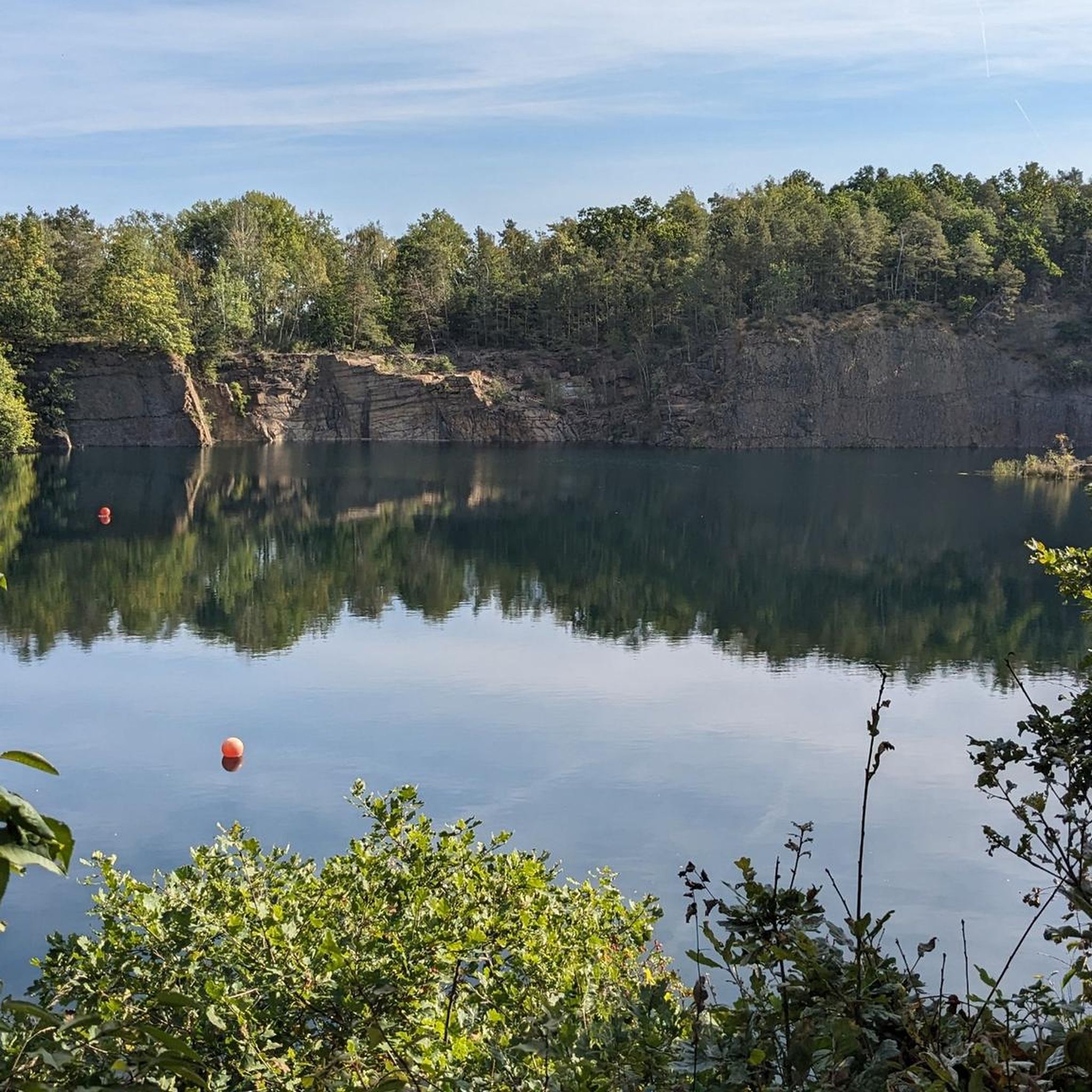
Demitz-Thumitz Quarry Lake
Highlight • Lake
Translated by Google •
Tip by

Deutschbaselitz Adventure Camp
Highlight • Rest Area
Translated by Google •
Tip by

Sign up now to discover places like this
Get recommendations on the best single tracks, peaks, & plenty of other exciting outdoor places.
Sign up for free
Deutschbaselitz Great Pond
Highlight • Lake
Translated by Google •
Tip by

Dubringer Moor Heath and Pond Landscape
Highlight (Segment) • Natural
Translated by Google •
Tip by

Döbra Fish Ponds
Highlight (Segment) • Lake
Translated by Google •
Tip by

Sign up for free to discover even more lakes around Crostwitz.
Sign up for free
Already have an account?
Start today with a free account
Your next adventure awaits.
Login or Signup

Tips from the Community

A wonderful 1,000 hectare pond landscape with countless species of water birds, such as whooper and mute swans, herons, swimming and diving ducks and sea eagles. Unfortunately, this idyll is marred by the fact that the private owner regularly organizes "waterfowl hunts" here, especially for mallards.
0
0

A lake with everything your heart desires: beach, playground and swimming. A great destination on a hike.
0
0


It's a wonderfully quiet area. Very pleasant for cyclists and a detour to the right and left of the ponds is good for the soul.
1
0

The Deutschbaselitzer Großteich, Upper Sorbian Pazličanski wulki hat, is a pond in Saxony that was created between 1532 and 1542. The pond is located northeast of Kamenz near Deutschbaselitz in Upper Lusatia. The pond initially consisted of three individual ponds. It was not until around 1800 that Karl Heinrich and Friedrich Christlieb von Zezschwitz (see also memorial plaque picture 4) converted it into its current form by removing the intermediate dams.
0
0

Hardly any other nature reserve (NSG) in Lausitz preserves so many rare evidence from the last 10,000 years as the Dubringer Moor. The landscape is a 3000 year old cultural landscape. It offers friends of home and nature as well as historians an interesting refuge. Im There are stone, bronze and pre-Roman Iron Age settlement finds, references to an approximately 3000 year old Rajino and legends of a haunted knight in the middle of the moor. Already in the Middle Ages, areas were used for forestry by the Cistercians. The Neudorf fishponds are also declining. (Source: Lausitzer Rundschau of July 10, 2018)
2
0

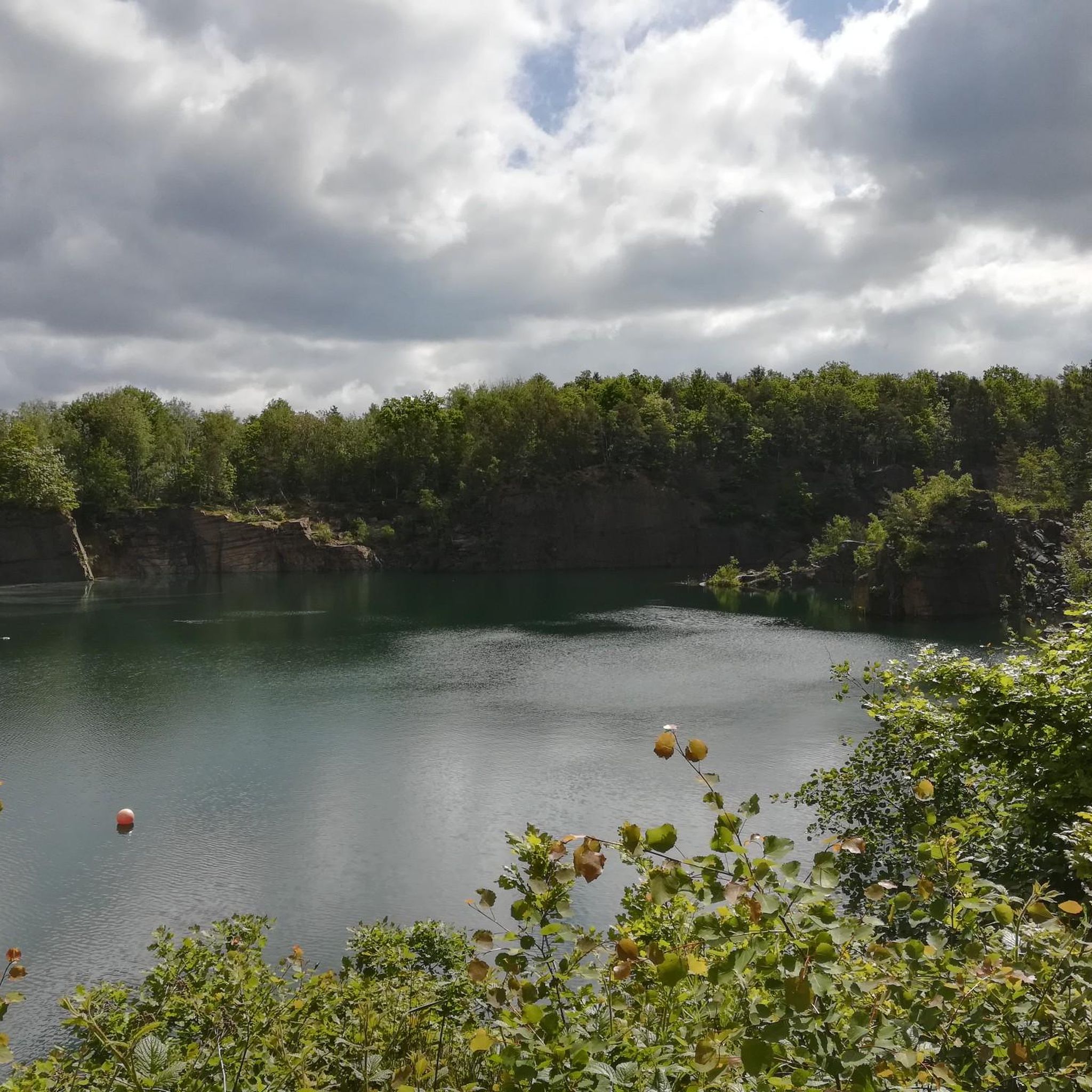
"Feldspar, quartz, and mica, I'll never forget those three," a schoolmaster once rhymed to help his students memorize the components of this plutonic rock. From the mid-19th century onward, granite had become a building material with steadily increasing demand. Building construction required bricks, window and door frames, steps and landings; road construction required paving stones and curbs; and railways required ballast and stones for bridge construction. Granite covers an area of 4,600 km² in Lusatia alone. This is the reason why countless quarries emerged between Kamenz and the Königshainer Hills. The area around the Klosterberg between Demitz-Thumitz and Schmölln quickly developed into the most important and largest mining area in Saxony. The steadily increasing demand for granite products led to the development of many quarries. These, in turn, attracted workers who settled in the villages surrounding the Klosterberg. In the 100 years between 1850 and 1950, the population of Demitz-Thumitz increased nearly tenfold. Source: https://www.demitz-thumitz.de/
2
0
Our adventure camp We offer class and educational trips as well as “active holidays” for everyone who enjoys activities in nature and who want to spend their holidays as a time of adventure. Here you can experience creative freedom and use it creatively! The Adventure Camp Deutschbaselitz is located on the edge of the old Lessing town of Kamenz and directly on the bank of the largest East Saxon pond with almost 100 hectares of water. It has a quiet and natural location near the forest. For everyone who wants to experience “PUR” nature. Suitable for groups, school classes, but also families and companies. Furnishing: Campsite for about 20 tents rustic group accommodation with your own sleeping bag on the sleeping lofts of both houses (capacity for about 50 people) Common rooms with stoves separate modern sanitary building Inflatable boats, canoes and SUP boards on the jetty Adventure course in the forest large campfire area, also for cooking and baking various seating and communication areas Large tents as a rain variant Many bookable offers to supplement the program Support from specialist staff Full board, half board and packed lunches For those traveling by train, we offer a transfer of passengers or luggage from the Kamenz train station to the camp. All program variants can be found on the homepage under Offers! You can find directions to the camp here! Contact Sebastian Mikus Tel .: 03594/707461 Mob .: 0162/2783837 Source: https://aktiv-erlebnis-lausitz.de/
0
0
Frequently Asked Questions
What types of lakes can I find near Crostwitz?
Near Crostwitz, you'll find a diverse range of water bodies, including natural bathing lakes, dammed lakes, and former mining areas that have been transformed into recreational zones. These are part of the broader Lusatian Lakeland region.
Which lakes are suitable for swimming?
For swimming, consider Deutschbaselitz Adventure Camp, which has a pond, or Waldbad Niesendorf, known for its excellent water quality. The Bautzen Reservoir also features a beautiful sandy beach, and Partwitzer See offers a swimming beach, though it lacks sanitary facilities and supervision.
Are there family-friendly lakes around Crostwitz?
Yes, several lakes are great for families. Demitz-Thumitz Quarry Lake, Deutschbaselitz Adventure Camp, Dubringer Moor Heath and Pond Landscape, Döbra Fish Ponds, and Karlsdorf Reservoir are all noted as family-friendly destinations.
What activities can I do at Bautzen Reservoir?
The Bautzen Reservoir is a popular recreation area. You can enjoy its sandy beach for swimming and relaxing, or take a walk along the pedestrian-only circular path around the lake. A beach bar is also available for refreshments.
What activities are available at Partwitzer See?
Partwitzer See offers a variety of water sports. It also has a 23 km asphalt loop around it, perfect for cycling, inline skating, or running. There's also a swimming beach for relaxation.
Are there opportunities for cycling around the lakes?
Yes, cycling is a popular activity. Partwitzer See features a 23 km asphalt loop ideal for cycling. Additionally, you can find various cycling routes in the area, such as those listed in the Cycling around Crostwitz guide, which includes routes like the 'Deutschbaselitz Village Square – Top paved cycle path loop'.
Where can I find quiet places for walks or nature observation?
For quiet walks and nature observation, Döbra Fish Ponds offer a peaceful area with a beautiful spectacle of birds, frogs, and jumping fish. The Dubringer Moor Heath and Pond Landscape is another natural reserve appreciated for its scenic flat terrain and quiet environment.
Are there hiking trails near the lakes?
Yes, there are hiking opportunities. Demitz-Thumitz Quarry Lake is a beautiful hiking area, and the Karlsdorf Reservoir has a nice hiking trail along its shore. You can also explore various running and walking routes in the region, detailed in guides like Running Trails around Crostwitz.
What historical insights can I find near the lakes?
Near Demitz-Thumitz Quarry Lake, you'll find an information board detailing the region's granite mining history. The Dubringer Moor Heath and Pond Landscape is a 3000-year-old cultural landscape preserving rare evidence from the last 10,000 years, including Stone, Bronze, and pre-Roman Iron Age settlement finds.
Is there an adventure camp near any of the lakes?
Yes, the Deutschbaselitz Adventure Camp is located directly on the bank of the largest East Saxon pond, offering activities for groups, school classes, families, and companies. It provides facilities like campsites, rustic accommodation, and various outdoor programs.
What do visitors enjoy most about the lakes around Crostwitz?
Visitors particularly appreciate the quiet natural areas, the beautiful spectacles of birds and wildlife, and the opportunities for cycling and hiking. The transformed landscapes from former mining areas into recreational zones also offer unique scenery.
When is the best time to visit the lakes near Crostwitz?
The lakes are enjoyable year-round, but for swimming and water sports, the warmer months are ideal. Spring and autumn offer pleasant temperatures for hiking and cycling, with beautiful natural scenery. Winter can provide opportunities for quiet walks, especially around lakes like Döbra Fish Ponds.
Most popular routes around Crostwitz
Most popular attractions around Crostwitz

Get inspired with the komoot mobile app


Explore more
Still not found your perfect lake around Crostwitz? Check out the guides of these regions to see even more beautiful places.
