Top 6 Caves around Deesbach
Caves around Deesbach are situated in the Thuringian Forest, a region known for its diverse geological formations and historical mining activities. The area features a variety of subterranean sites, ranging from natural caverns to former mining tunnels. These locations offer insights into both natural geology and the industrial heritage of the region. Deesbach itself serves as a base for exploring these unique underground environments.
Best caves around Deesbach
- The most popular caves is Güldene Kirche, a cave that is…
Last updated: May 30, 2026
Güldene Kirche
Highlight • Viewpoint
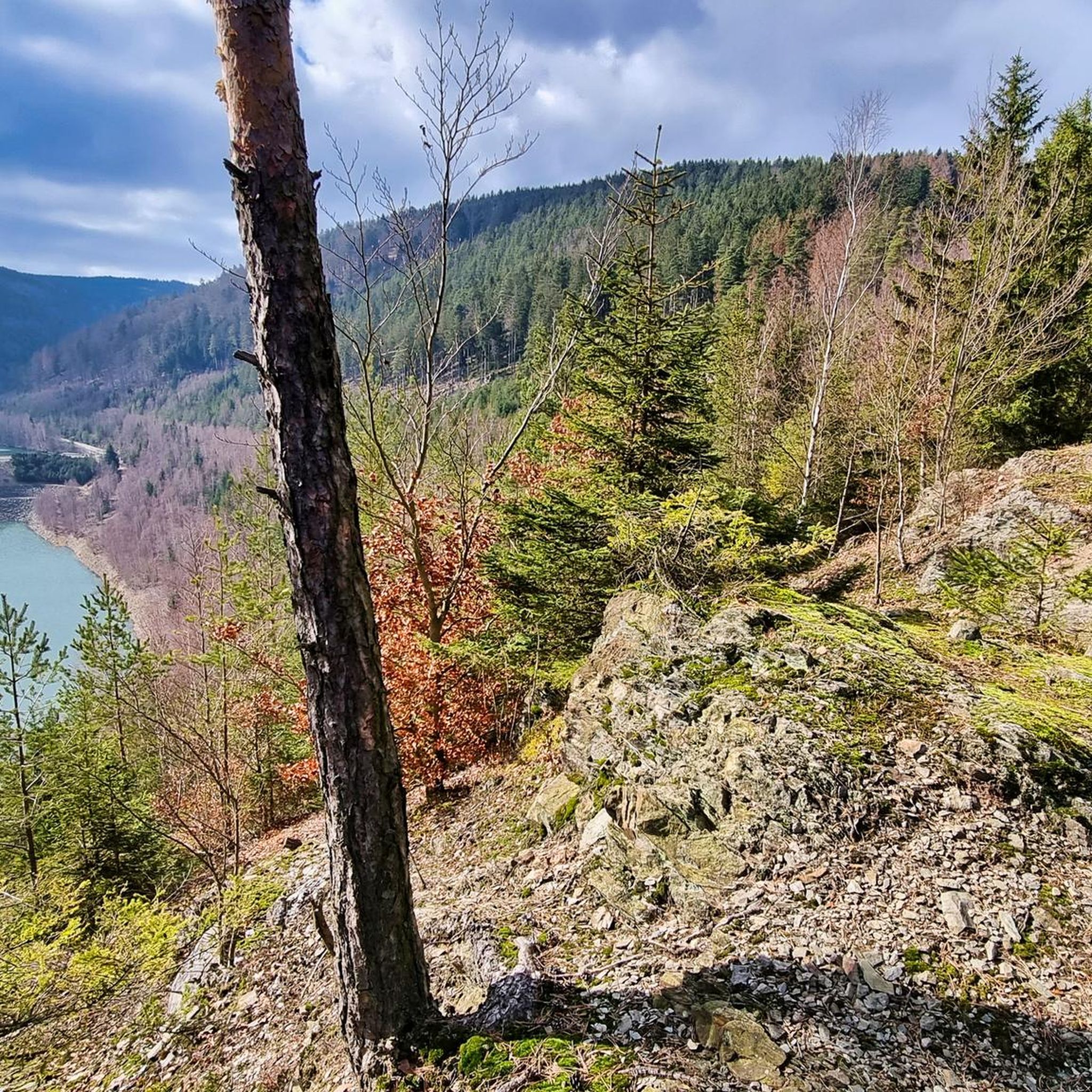
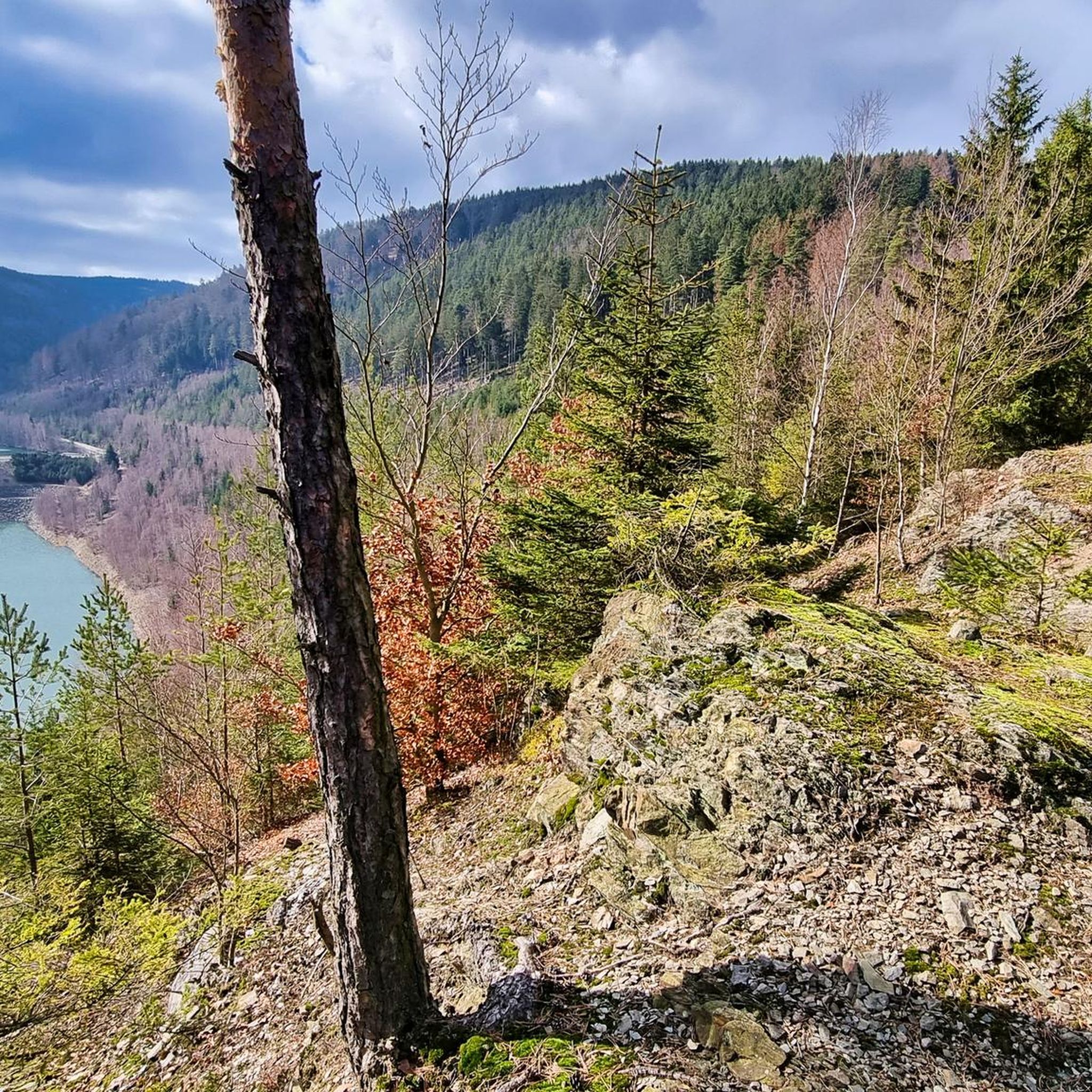
A granite crest on the Steinberg, in which an ancient tunnel is located, was once dug for gold, is called the "Güldene Church".
A boy …
Translated by Google •
Tip by

Morassina Show Cave and Mining Museum
Highlight • Cave
Translated by Google •
Tip by

Sign up now to discover places like this
Get recommendations on the best single tracks, peaks, & plenty of other exciting outdoor places.
Sign up for free
Leuchtmoosgrotte (Tunnel Entrance)
Highlight • Cave
Translated by Google •
Tip by

Prehistoric Cave Below Bärenkeller
Highlight • Cave
Translated by Google •
Tip by

Overhead Loader in Naturpark Thüringer Wald
Highlight • Structure
Translated by Google •
Tip by

Sign up for free to discover even more caves around Deesbach.
Sign up for free
Already have an account?
Start today with a free account
Your next adventure awaits.
Login or Signup
Tips from the Community

Some technical tools are still in the mountain. I didn't see some of them last time. It's more than twice as large as the last time I explored.
2
0
Various pieces of technology are still underground. Rubber boots are probably mandatory for the lower shaft.
5
0

Looked interesting but looking inside isn't my thing.
2
0
I think the Morasina is almost more beautiful than the Ferngrotten in Saalfeld. It's very spacious and if you're here it's a must.
1
0

We arrive at a buried entrance to the Leuchtmoosgrotte, named after a very rare moss, where red iron stone was once mined.
1
0

Small inconspicuous cave with seating. If you are nearby you can have a look. Unfortunately, the Bärenkeller, which is located next to it, is not always open.
0
0

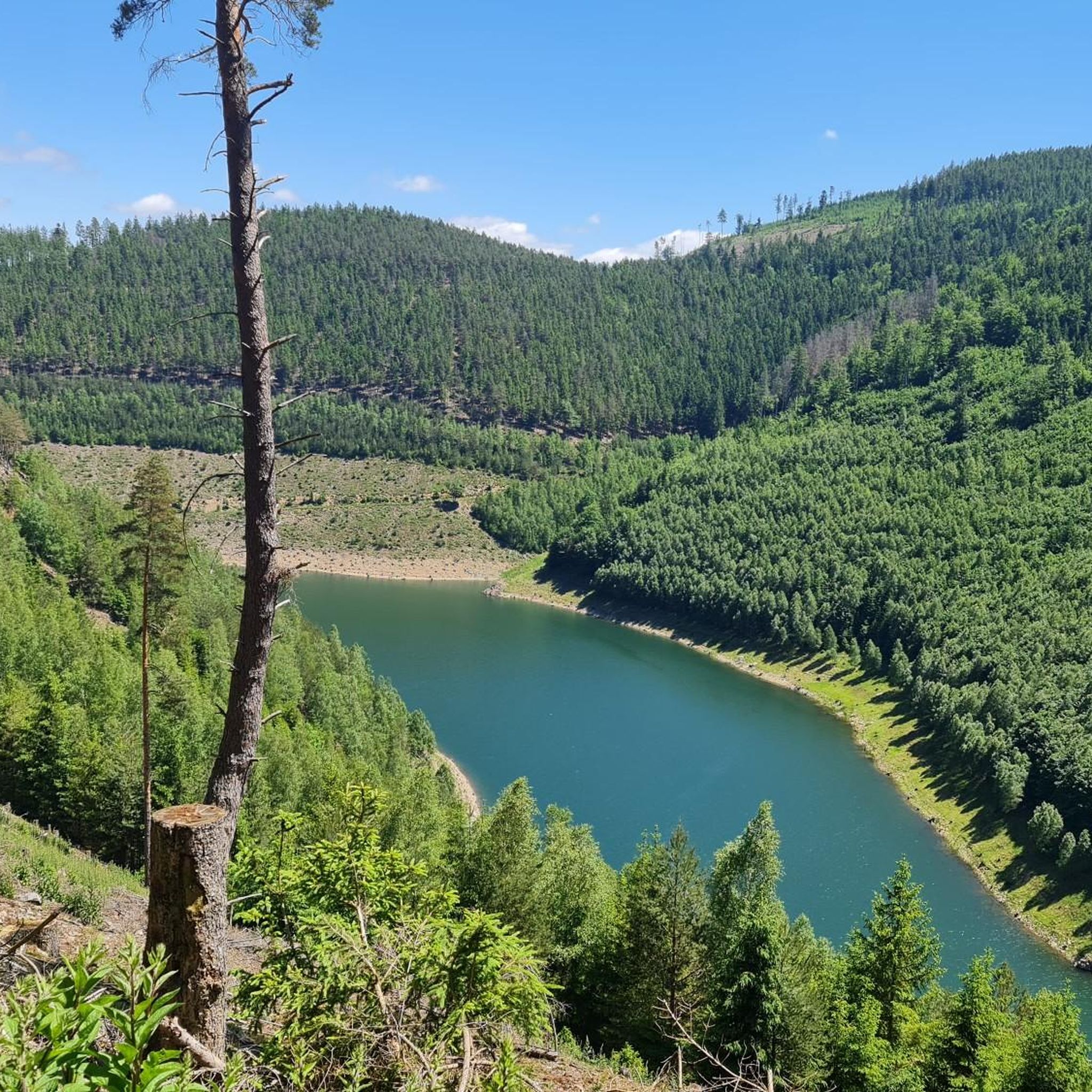
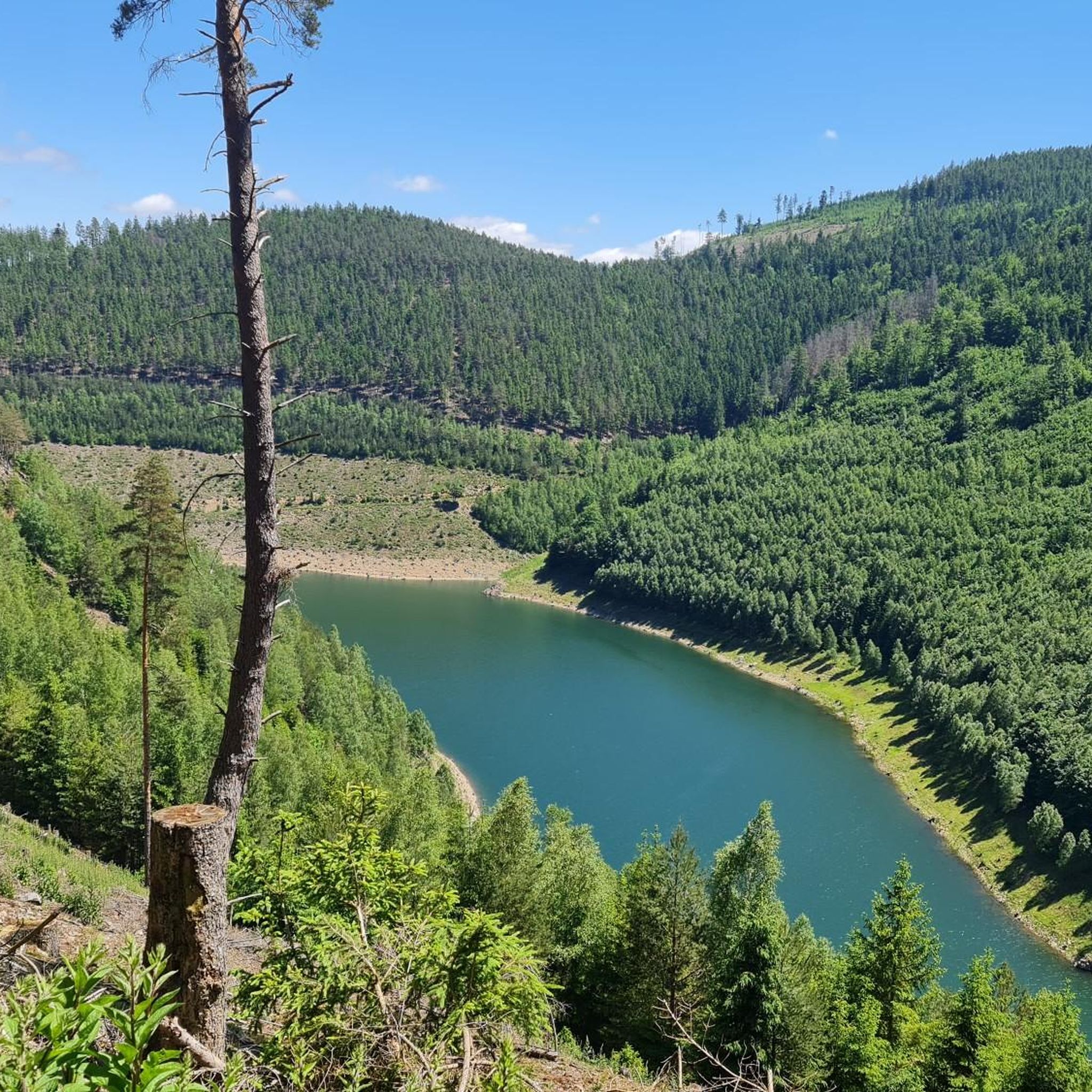
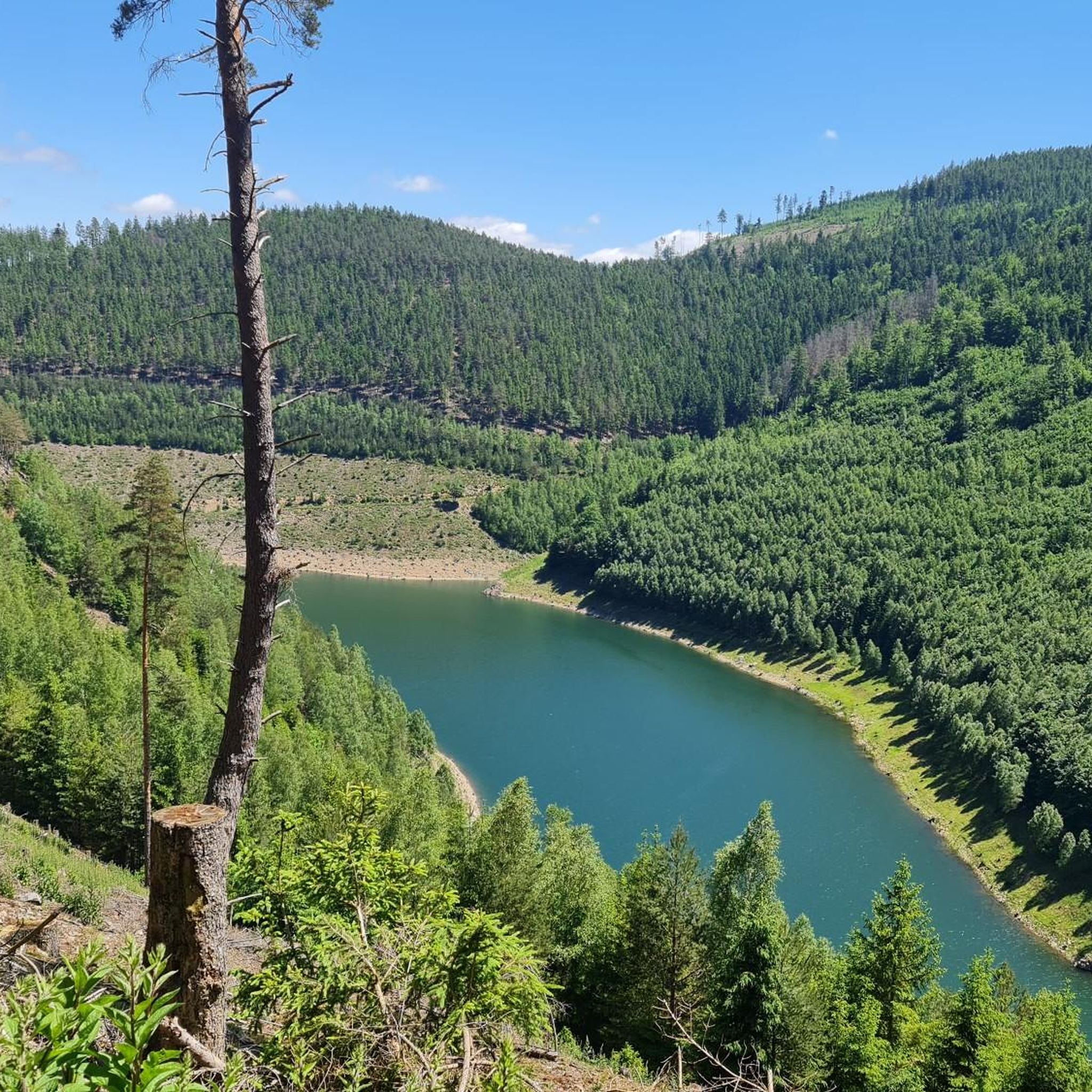
Very nice view of the Schwarzatal. The trail there and further into the Schwarzatal is only for experienced bikers.
1
0
Frequently Asked Questions
What kind of geological formations can I expect to see in the caves around Deesbach?
The region around Deesbach, situated in Thuringia, offers a diverse range of geological formations. You can find caves formed from former alum shale mines, like the Saalfeld Fairy Grottoes, known for their vibrant, multi-colored stalactites and mineral formations. Other caves, such as the Marienglashöhle, feature impressive gypsum crystal druses. The Barbarossa Cave is particularly unique as one of only two accessible anhydrite caves in the world, showcasing multi-layered anhydrite rock.
Are there any caves near Deesbach with historical mining significance?
Yes, several caves in the area have a rich mining history. The Morassina Show Cave and Mining Museum is a spacious show cave that also functions as a mining museum. The Saalfeld Fairy Grottoes emerged from a former alum shale mine, and the Marienglashöhle combines natural caverns with cavities from historical gypsum and copper mining. The Leuchtmoosgrotte (Tunnel Entrance) is a former tunnel where red iron stone was mined until 1821.
Which caves around Deesbach are suitable for families?
The Morassina Show Cave and Mining Museum is explicitly categorized as family-friendly. The Saalfeld Fairy Grottoes also offer a Grottoneum Adventure Museum with interactive insights into nature, geology, and mining, making it an engaging experience for families.
Can I find any rare natural phenomena in the caves near Deesbach?
Absolutely. The Saalfeld Fairy Grottoes are famous for being the 'most colorful show grottoes in the world' due to their vibrant mineral formations. The Marienglashöhle boasts one of Europe's largest and most beautiful gypsum crystal druses. The Barbarossa Cave is a geological rarity as one of only two accessible anhydrite caves globally. Additionally, the Leuchtmoosgrotte (Tunnel Entrance) is known for a rare, blue-shining moss that thrives in very low light.
Are there opportunities for hiking or other outdoor activities near the caves?
Yes, the region around Deesbach and the Thuringian Forest offers numerous outdoor activities. You can find various routes for running, cycling, and hiking. For example, there are easy hikes like the 'Rest Area with Trail Signs – View of Leibis dam loop from Oberweißbach' or more challenging running routes such as the 'Talsperre Leibis-Lichte loop from Deesbach'. You can explore more options on the Easy hikes around Deesbach, Running Trails around Deesbach, and Cycling around Deesbach guide pages.
What makes the Saalfeld Fairy Grottoes a special destination?
The Saalfeld Fairy Grottoes are often called the 'most colorful show grottoes in the world.' They are renowned for their incredibly vibrant, multi-colored stalactites and mineral formations, which create a unique, fairytale-like atmosphere. The grottoes originated from a former alum shale mine, and visitors can learn about their formation and history through guided tours. The Grottoneum Adventure Museum also provides interactive exhibits.
What is unique about the Marienglashöhle near Friedrichroda?
The Marienglashöhle is unique for its combination of natural caverns and historical mining tunnels, primarily for gypsum and copper. A major highlight is one of Europe's largest and most beautiful gypsum crystal druses, featuring transparent 'Marienglas' crystals. The cave is also known for its exceptional acoustics and regularly hosts concerts, offering a distinctive auditory experience in an underground setting. More information can be found on Wikipedia.
Is there a cave near Deesbach known for its geological rarity?
Yes, the Barbarossa Cave in Kyffhäuser is a geological rarity. It is one of only two accessible anhydrite caves in the world and the only anhydrite show cave in Europe. Its unique charm comes from the distinctive, multi-layered play of colors of its white to gray anhydrite rock, spanning an impressive 13,000 square meters.
What is the longest cave in the Thuringian region?
The Altenstein Cave, located near Bad Liebenstein, holds the distinction of being the longest cave in Thuringia, with a surveyed length of 2.8 km. This natural cave, discovered in 1799, features impressive formations and has a rich history, including its use as an air-raid shelter during wartime.
What should I know about visiting the Leuchtmoosgrotte?
The Leuchtmoosgrotte (Tunnel Entrance) is a former tunnel entrance where red iron stone was mined until 1821. It is notable for a rare, blue-shining moss that thrives in very low light conditions. You can reach it via a narrow footbridge through dense forest on the mountain flank of the Meuselbacher Kuppe.
Are there any caves that offer insights into prehistoric times?
Yes, the Prehistoric Cave Below Bärenkeller is a small, inconspicuous cave that offers a glimpse into ancient natural formations. It's worth a visit if you are in the vicinity.
What kind of experiences can I expect at the Morassina Show Cave and Mining Museum?
The Morassina Show Cave and Mining Museum is known for being very spacious and impressive. Visitors often find it to be a beautiful and engaging experience, combining the natural beauty of a show cave with the historical context of mining.
What is the best time of year to visit the caves around Deesbach?
Caves generally maintain a consistent cool temperature year-round, making them suitable for visits in any season. However, the surrounding Thuringian Forest is particularly beautiful in spring and autumn for hiking, and in summer for enjoying the cooler underground temperatures. Winter visits can also be unique, especially if combined with other regional attractions.
Most popular routes around Deesbach
Most popular attractions around Deesbach

Get inspired with the komoot mobile app


Explore more
Extend your search for the best caves by checking out these guides of the top ones around Deesbach:
