Top 5 Caves around Großbreitenbach
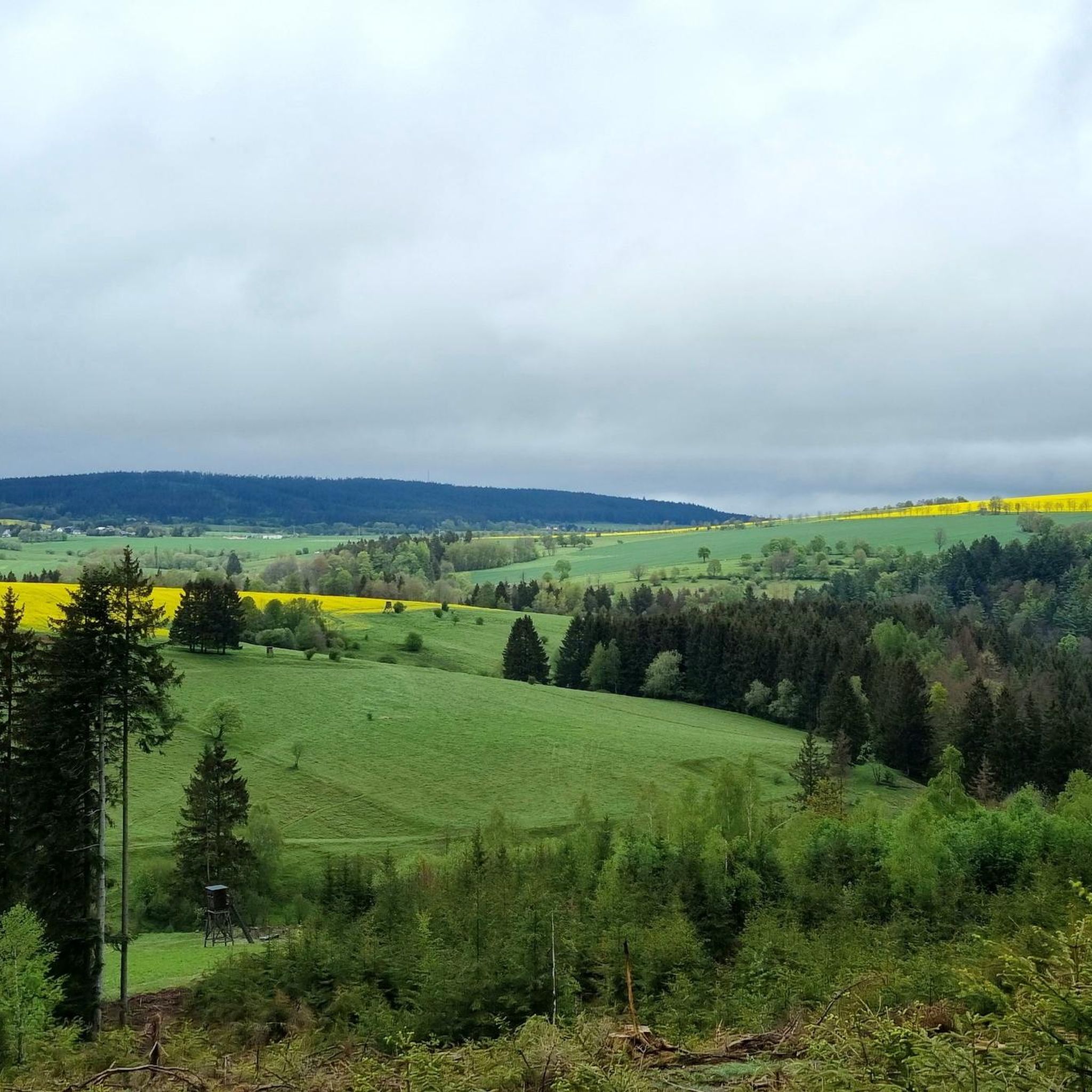
Caves around Großbreitenbach provide a chance to explore the region's natural and historical underground features. Großbreitenbach is situated within a charming Thuringian landscape, known for its tranquil nature and opportunities for hiking and cycling. While prominent caves are located in the broader surrounding area, they contribute to the diverse natural features of the region. Visitors can discover various geological formations and historical sites.
Best caves around Großbreitenbach
- The most popular caves is Güldene Kirche, a viewpoint that features an…
Last updated: May 30, 2026
Güldene Kirche
Highlight • Viewpoint
A granite crest on the Steinberg, in which an ancient tunnel is located, was once dug for gold, is called the "Güldene Church".
A boy …
Translated by Google •
Tip by

Sophiengrotten
Highlight • Cave
Sign up now to discover places like this
Get recommendations on the best single tracks, peaks, & plenty of other exciting outdoor places.
Sign up for free
Leuchtmoosgrotte (Tunnel Entrance)
Highlight • Cave
Translated by Google •
Tip by

Overhead Loader in Naturpark Thüringer Wald
Highlight • Structure
Sign up for free to discover even more caves around Großbreitenbach.
Sign up for free
Already have an account?
Start today with a free account
Your next adventure awaits.
Login or Signup

Tips from the Community

In theory, it is not allowed to be visited. But if someone happens to get lost here, they can take the rubbish that is often left lying around.
0
0

Looked interesting but looking inside isn't my thing.
2
0

Let's see if you can find them ;)
0
0


We arrive at a buried entrance to the Leuchtmoosgrotte, named after a very rare moss, where red iron stone was once mined.
1
0

Small inconspicuous cave with seating. If you are nearby you can have a look. Unfortunately, the Bärenkeller, which is located next to it, is not always open.
0
0

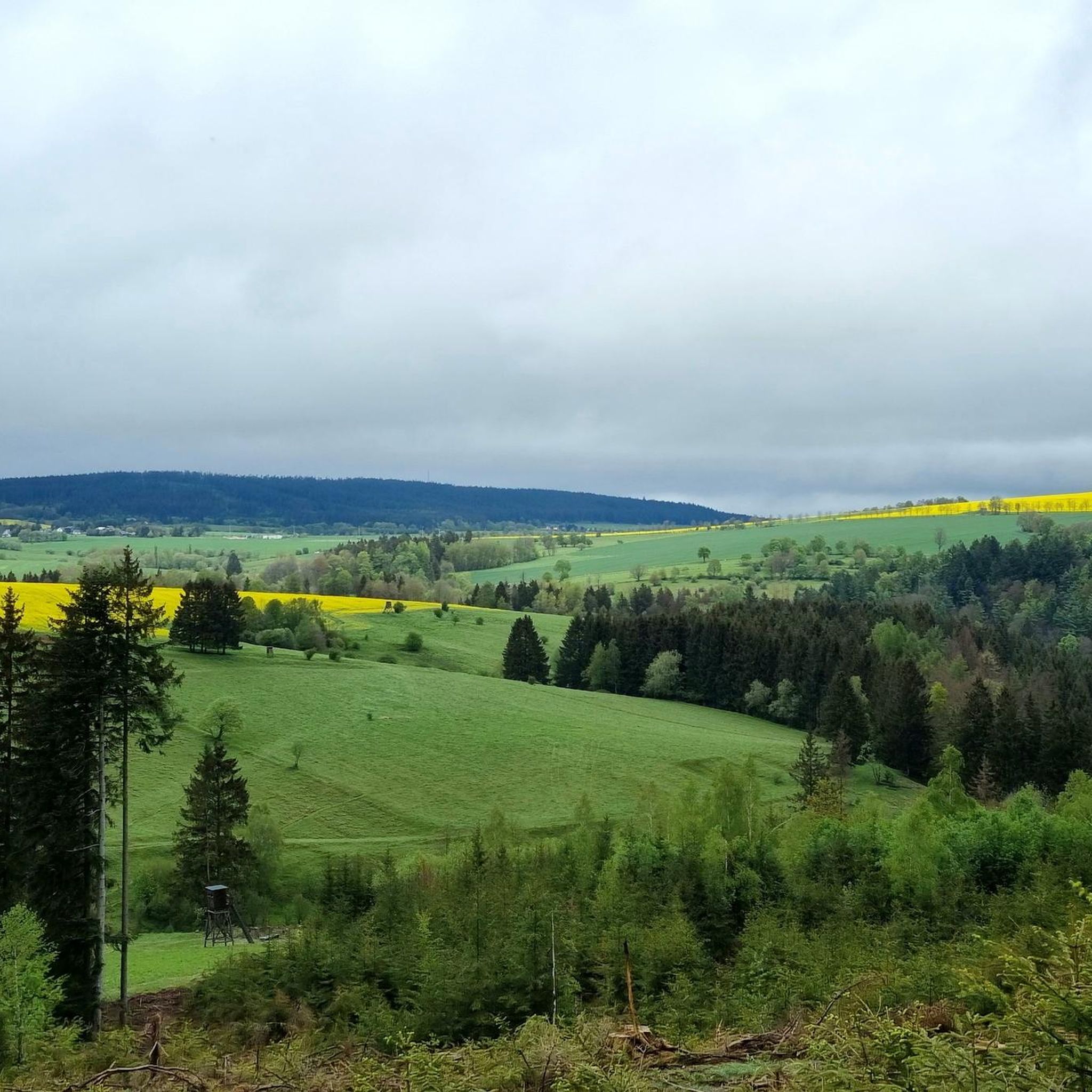
Very nice view of the Schwarzatal. The trail there and further into the Schwarzatal is only for experienced bikers.
1
0
Frequently Asked Questions
What types of caves can I explore near Großbreitenbach?
The region around Großbreitenbach offers a variety of underground features, including ancient tunnels, natural grottos, and historical mining sites. You can find places like Güldene Kirche, which features an ancient tunnel with a local legend, or Leuchtmoosgrotte (Tunnel Entrance), a former iron ore mine known for a rare, blue-shining moss.
Are there any historically significant caves in the area?
Yes, several caves have historical significance. Leuchtmoosgrotte (Tunnel Entrance) is a historical mining tunnel where red iron stone was extracted until 1821. The Güldene Kirche is associated with a legend of gold and precious stones. Additionally, the Großer Herrmannstein and Cave (Goethe Cave) near Langewiesen was a favorite spot of Goethe, who visited and drew it in 1776.
What natural features should I look out for in the caves?
Beyond the geological formations themselves, some caves offer unique natural elements. The Leuchtmoosgrotte (Tunnel Entrance) is named after a rare, blue-shining moss that thrives in low light conditions. Sophiengrotten is located within a nature reserve, offering a secluded natural experience.
Are there any family-friendly caves to visit?
While specific family-friendly designations are not available for all caves, the Prehistoric Cave Below Bärenkeller is described as a small, inconspicuous cave with seating, which might be suitable for a shorter, less strenuous visit with children. Always assess the difficulty and safety for your family before visiting.
What is the best time of year to visit the caves around Großbreitenbach?
The caves can generally be visited year-round, but the surrounding hiking trails and access points are most pleasant during spring, summer, and autumn. Winter visits are possible, but paths may be icy or snow-covered, requiring appropriate gear and caution.
What should I wear for cave exploration in this region?
Wear sturdy, comfortable shoes suitable for uneven terrain, as some cave entrances or paths can be steep or slippery. Layers of clothing are advisable, as cave temperatures can be cooler than outside. For deeper or less developed caves, a headlamp or flashlight is essential, and rubber boots might be necessary for wet sections, as noted for the Overhead Loader in Naturpark Thüringer Wald.
Are there any caves that are more challenging to access?
Yes, Sophiengrotten, located within a nature reserve, requires navigating off marked paths and involves a steep descent of 50 meters below the main trail, making it a more challenging and secluded experience. The Overhead Loader in Naturpark Thüringer Wald also suggests challenging conditions with various pieces of technology still underground and potentially requiring rubber boots.
What outdoor activities can I combine with a visit to the caves?
The tranquil Thuringian landscape around Großbreitenbach is ideal for various outdoor activities. You can find numerous hiking opportunities, including easy hikes around Großbreitenbach. The region also offers road cycling routes and mountain biking trails, allowing you to explore the natural beauty above ground as well.
Are there any hidden or less-known caves to discover?
While not explicitly 'hidden,' some caves offer a more secluded experience. Sophiengrotten is noted for being off marked paths and requiring a descent, suggesting a less frequented spot for those willing to explore. The Prehistoric Cave Below Bärenkeller is described as small and inconspicuous, which might appeal to those seeking less prominent sites.
What do visitors appreciate most about the caves in this region?
Visitors appreciate the unique blend of natural beauty and historical significance. The legends associated with sites like Güldene Kirche, the rare moss in Leuchtmoosgrotte, and the secluded nature of Sophiengrotten are often highlighted. The opportunity to explore former mining tunnels and experience the tranquility of the Thuringian landscape also adds to the appeal.
Is parking available near the cave sites?
Information on specific parking facilities for each cave is not always detailed. However, as these caves are often located within natural areas or near hiking trails, you can typically find parking in nearby villages or designated trailheads. It is advisable to check local signage or maps for the closest parking options before your visit.
Can I bring my dog to the caves?
While the region is generally dog-friendly for hiking, specific rules for dogs within the caves themselves are not provided. Given that some caves are natural formations or within nature reserves, it's best to keep dogs on a leash and be mindful of other visitors and potential wildlife. For caves requiring steep descents or tight spaces, it might not be suitable for all dogs.
Most popular routes around Großbreitenbach
Most popular attractions around Großbreitenbach

Get inspired with the komoot mobile app


Explore more
Extend your search for the best caves by checking out these guides of the top ones around Großbreitenbach:
