Top 10 Castles around Sachsenbrunn
Castles around Sachsenbrunn offer insights into the region's history, though no prominent castles are located directly within the town itself. Sachsenbrunn is situated in the southern Thuringian district of Sonneberg, near the Thuringian Slate Mountains, and is known for its natural features like the Werra spring. The surrounding area features a variety of historical sites and natural monuments, making it a point of interest for those exploring the region's past. These historical sites are often found along hiking trails, providing…
Last updated: May 30, 2026
Eisfeld Castle
Highlight • Castle
Schaumburg Castle Ruins
Highlight • Castle
Sign up now to discover places like this
Get recommendations on the best single tracks, peaks, & plenty of other exciting outdoor places.
Sign up for free
Rauenstein Castle Ruins
Highlight • Castle
Rauenstein is located in the valley of the Grümpen on the southern …
Translated by Google •
Tip by

Bockstadt Castle
Highlight • Castle
Effelder Castle
Highlight • Castle
Translated by Google •
Tip by

Sign up for free to discover even more castles around Sachsenbrunn.
Sign up for free
Already have an account?
Start today with a free account
Your next adventure awaits.
Login or Signup
Popular around Sachsenbrunn
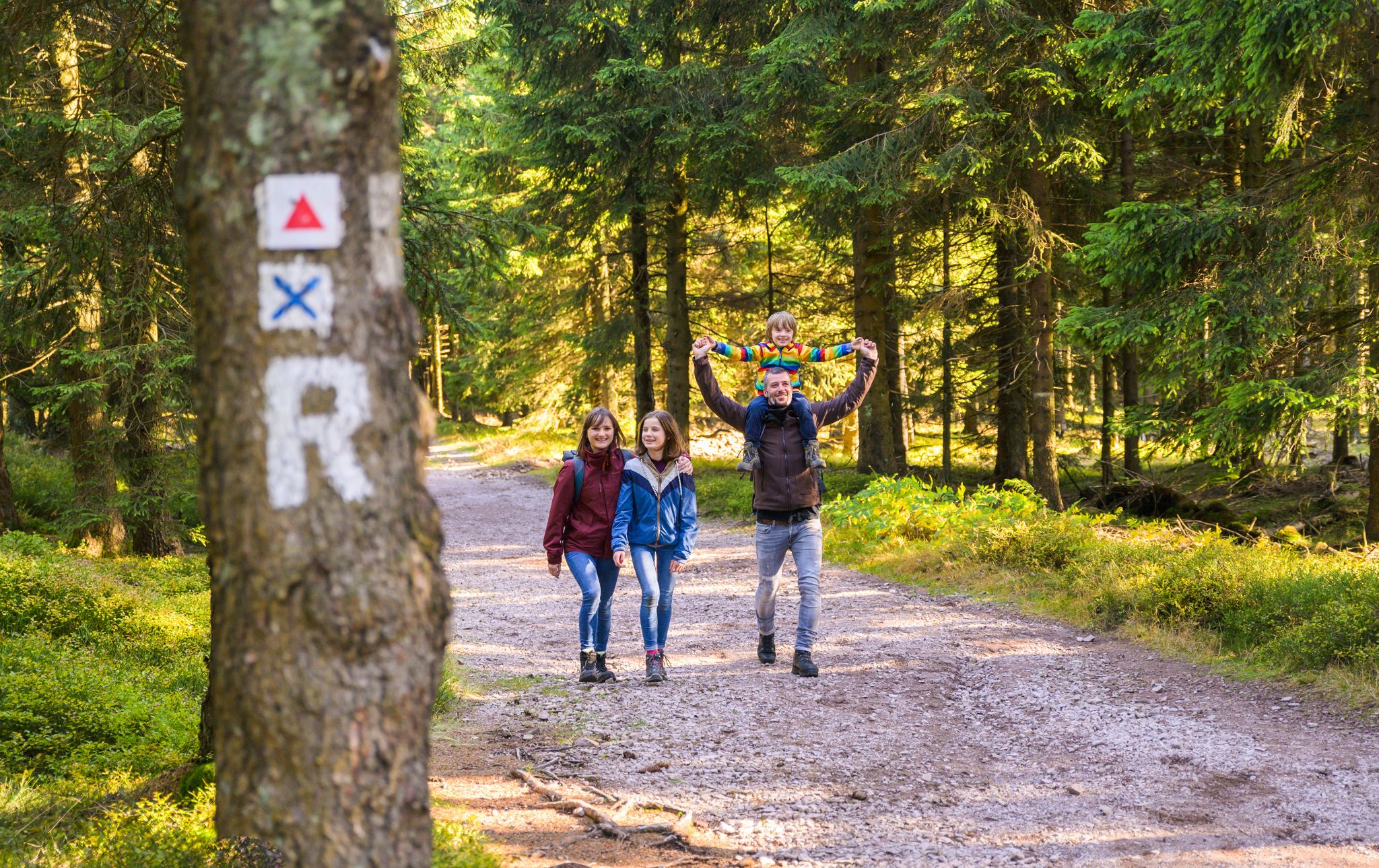
Play, nature and good fun – family hikes in the Thuringian Forest
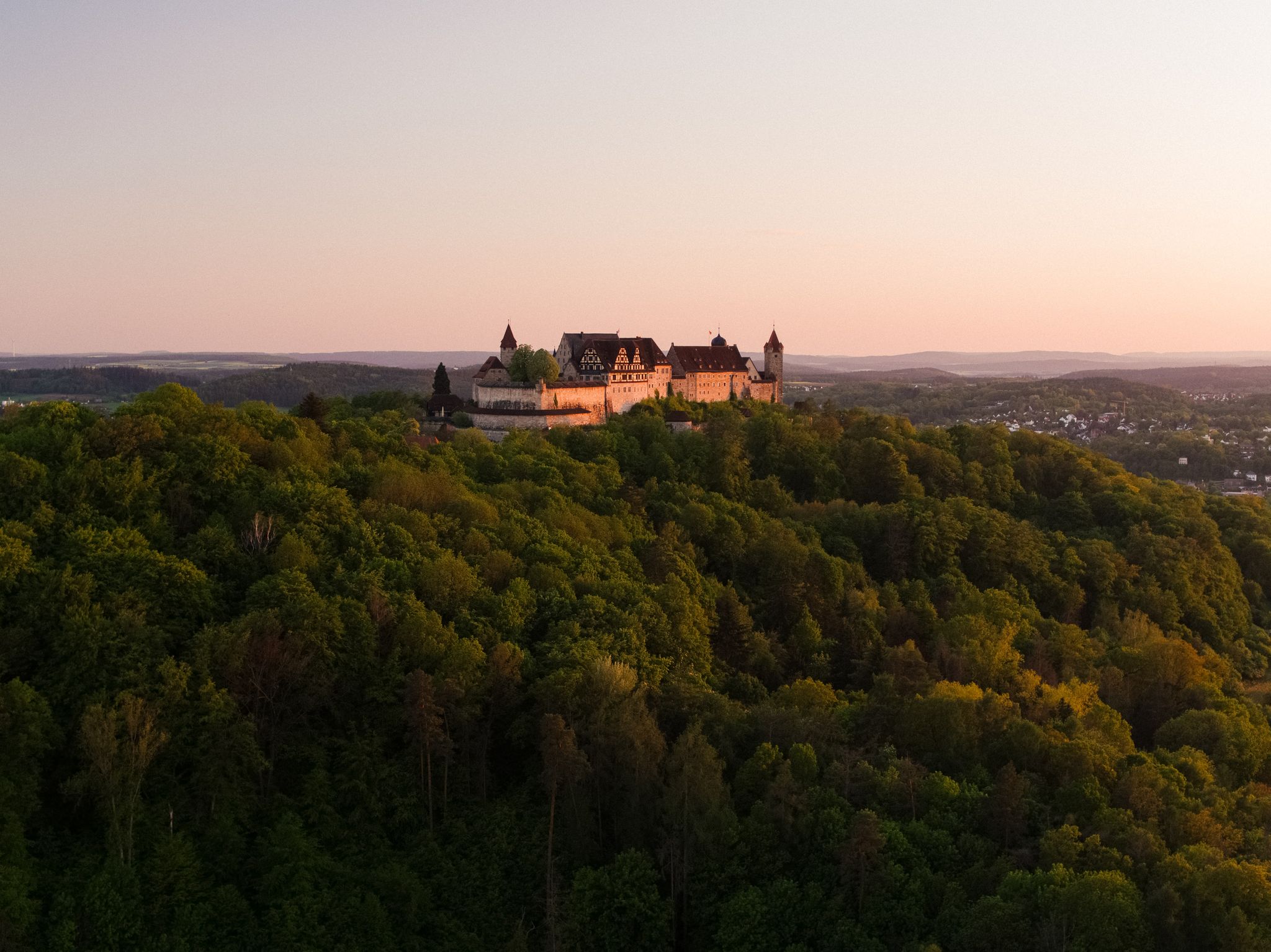
Hike the Coburg.Rennsteig Trail in Germany – Thuringia and Franconia
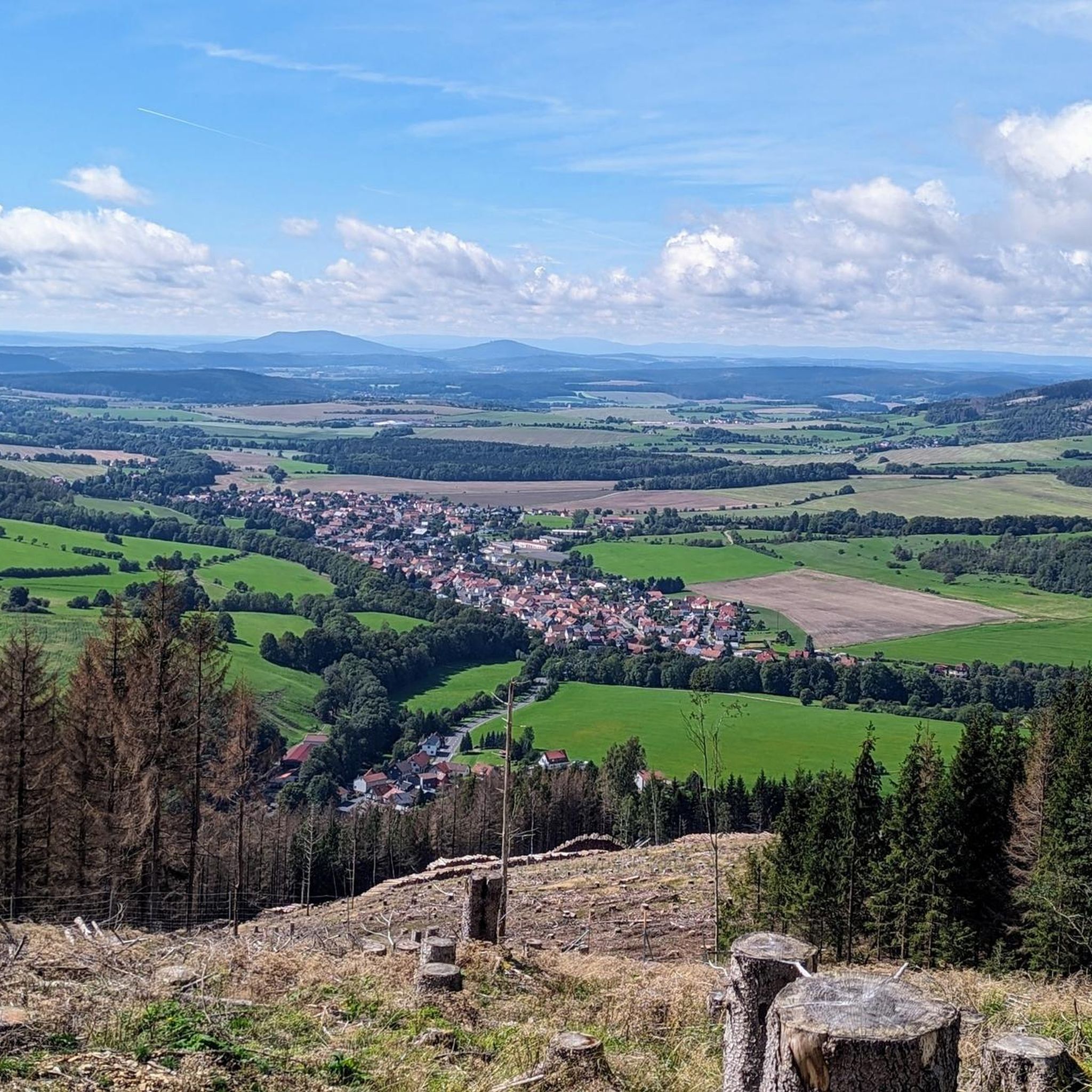
Hiking around Sachsenbrunn
Road Cycling Routes around Sachsenbrunn
MTB Trails around Sachsenbrunn
Cycling around Sachsenbrunn
Running Trails around Sachsenbrunn

Gravel biking around Sachsenbrunn


Tips from the Community

Baron Hermann-August von Münchhausen had the current castle built in 1904 in the Scottish country house style. The architect was Karl Behlert, who was also responsible for the theater in Meiningen. The castle was built as a new building to replace an old manor that the Baron bought in 1888 when he moved to Bockstadt with his American wife. Their wealth enabled him to build up a very important horse breeding operation here. He had already gained experience in the service of Prussia on stud farms such as Beberbeck. The castle initially remained in the family's possession, but was sold in 1938 and then expropriated in 1945. The castle has now stood empty for over 30 years. At the main entrance to the castle there is an information board about the founder and the history of the castle. Otherwise, the castle itself is hardly visible through the overgrown park and the wall.
0
0

A visit to the Schaumburg ruins is definitely worth it! The view from above over the Thuringian to Coburger Land is worth seeing.
3
0

Rauenstein is a village in the southern Thuringian district of Sonneberg. It is part of the municipality of Frankenblick. Rauenstein is located in the Grümpen valley on the southern edge of the Thuringian Slate Mountains, about 2 km west of Effelder. The place near the older Rauenstein Castle of the same name was first mentioned in a document in 1445. Historically, the castle, owned by the von Schaumberg noble family for centuries, was the determining factor of the place. In 1783, Duke George I of Saxony-Meiningen licensed the Rauenstein porcelain factory founded by Johann Friedrich Greiner right next to the castle, which became the town's most important source of income and already had 180 employees in 1851. In 1910 the place was opened up by the Eisfeld – Sonneberg railway line. (Source: Wikipedia)
1
0

The absolute highlight of the HINTERINDIEN.DE tour no. 83
3
0

This rest area is located behind the church building, just a few steps up. Small square with seating and covered.
1
0

In 1888, Baron Hermann-August von Münchhausen, a last descendant of the famous Münchhausen dynasty from Bodenwerder, settled as the new owner of the Bockstadt manor. First the stud farm was set up. In addition to the 38 hectares of pasture, which gave the horses plenty of room to move freely, there was a stud farm galloping track and a 30 x 60 meter riding arena for work under the rider. Freiherr von Münchhausen bred the most successful thoroughbred horses of his time. Around 1900, Baron von Münchhausen commissioned the architect Behlert to build the new palace. After 4 years of construction, a spacious building in the Scottish country house style was created, surrounded by beautiful parks, avenues and ponds. Source: www.bockstadt.com
2
0

View from the Schaumburg domain, unfortunately very reduced opening hours.
2
0

Every year a Schaumburg Festival takes place here with a knight's camp at the foot of the Schaumburg.
7
0
Frequently Asked Questions
Are there castles directly within Sachsenbrunn?
No, there are no prominent castles located directly within Sachsenbrunn itself. The guide focuses on historical sites and castles found in the surrounding region, offering insights into the area's rich history.
What types of castles can I expect to find near Sachsenbrunn?
The region around Sachsenbrunn features a variety of historical castle sites, ranging from well-preserved medieval complexes to significant castle ruins. These include former ancestral seats of noble families and castles that now house local museums.
Which castle near Sachsenbrunn is known for its museum?
Eisfeld Castle is a medieval complex that houses the town's museum. It features an extensive porcelain exhibition, historical workshops, and displays on local history and folklore, offering many opportunities to explore and learn.
Can I visit castle ruins near Sachsenbrunn?
Yes, you can explore several castle ruins. The Schaumburg Castle Ruins, for example, are the largest archaeological monument in the district of Sonneberg and were once the ancestral seat of the Schaumberger noble family. Another option is the Rauenstein Castle Ruins, a historical site in the Grümpen valley.
Are there any castles near Sachsenbrunn that are privately owned or not accessible to the public?
Yes, Bockstadt Castle is privately owned and not accessible to the public. This castle, built in the Scottish country house style, is currently for sale.
What outdoor activities can I combine with a visit to the castles around Sachsenbrunn?
The region offers various outdoor activities. You can find numerous hiking trails, including routes around the Blessberg Observation Tower. There are also options for road cycling and gravel biking. For more details, explore the hiking routes around Sachsenbrunn or the road cycling routes and gravel biking routes in the area.
Are the castles around Sachsenbrunn suitable for families?
Yes, some castles are family-friendly. Eisfeld Castle, with its museum and interactive exhibits, is a great option for families. The nearby Eisfeld Old Town is also listed as family-friendly and offers a charming environment to explore.
What historical significance do the castles in this region hold?
The castles around Sachsenbrunn, such as the Schaumburg Castle Ruins, were often ancestral seats of noble families like the Schaumbergers, who ruled the surrounding lands for centuries. They represent significant archaeological monuments and played a crucial role in the region's historical development.
Are there viewpoints associated with the castle ruins?
Yes, both Schaumburg Castle Ruins and Rauenstein Castle Ruins are noted as viewpoints, offering scenic perspectives of the surrounding landscape in addition to their historical interest.
What do visitors appreciate most about the castles around Sachsenbrunn?
Visitors appreciate the historical insights these sites offer and the opportunity to explore ancient fortifications and preserved medieval complexes. The komoot community has shared over 200 photos and given more than 230 upvotes for these historical sites, highlighting their appeal.
Is there accommodation available near the castles?
While specific accommodation details for all castles are not provided, the Schaumburg Castle Ruins area offers overnight stays at the Schaumburg domain, including comfortable holiday apartments and romantically furnished rooms.
What is the best time to visit the castles around Sachsenbrunn?
The best time to visit generally depends on your preferred activities. Spring and autumn offer pleasant weather for exploring the ruins and combining visits with hiking. Summer is also suitable, though it can be warmer. Winter visits are possible but may require checking accessibility and opening hours, especially for museums.
Most popular routes around Sachsenbrunn
Most popular attractions around Sachsenbrunn

Get inspired with the komoot mobile app


Explore more
Looking for the best castles somewhere else? Discover other guides around Sachsenbrunn:
