Top 11 Caves around Hinzert-Pölert
Caves around Hinzert-Pölert are primarily characterized by geological rock formations and historical mining operations rather than extensive natural cave systems. The region, situated in the Hunsrück mountains, features quartzite rocks and former slate quarries. While Hinzert-Pölert itself is known for its historical memorial site, the surrounding areas offer opportunities to explore rock cavities and old mine tunnels. These sites provide insight into the area's geology and industrial past.
Best caves around Hinzert-Pölert
- The most popular caves is Schinderhannes Cave,…
Last updated: May 15, 2026
Schinderhannes Cave
Highlight • Cave
The formation of the Wacken goes back to the Permian Age (250 …
Translated by Google •
Tip by

Mertesnaf Mine
Highlight • Structure
Translated by Google •
Tip by

Sign up now to discover places like this
Get recommendations on the best single tracks, peaks, & plenty of other exciting outdoor places.
Sign up for free
Friedrichstollen Thomm
Highlight • Cave
Translated by Google •
Tip by
Barbara-Hoffnung Slate Mine in Thomm
Highlight • Cave
Translated by Google •
Tip by
Small Cave
Highlight • Cave
Translated by Google •
Tip by

Sign up for free to discover even more caves around Hinzert-Pölert.
Sign up for free
Already have an account?
Start today with a free account
Your next adventure awaits.
Login or Signup

Tips from the Community


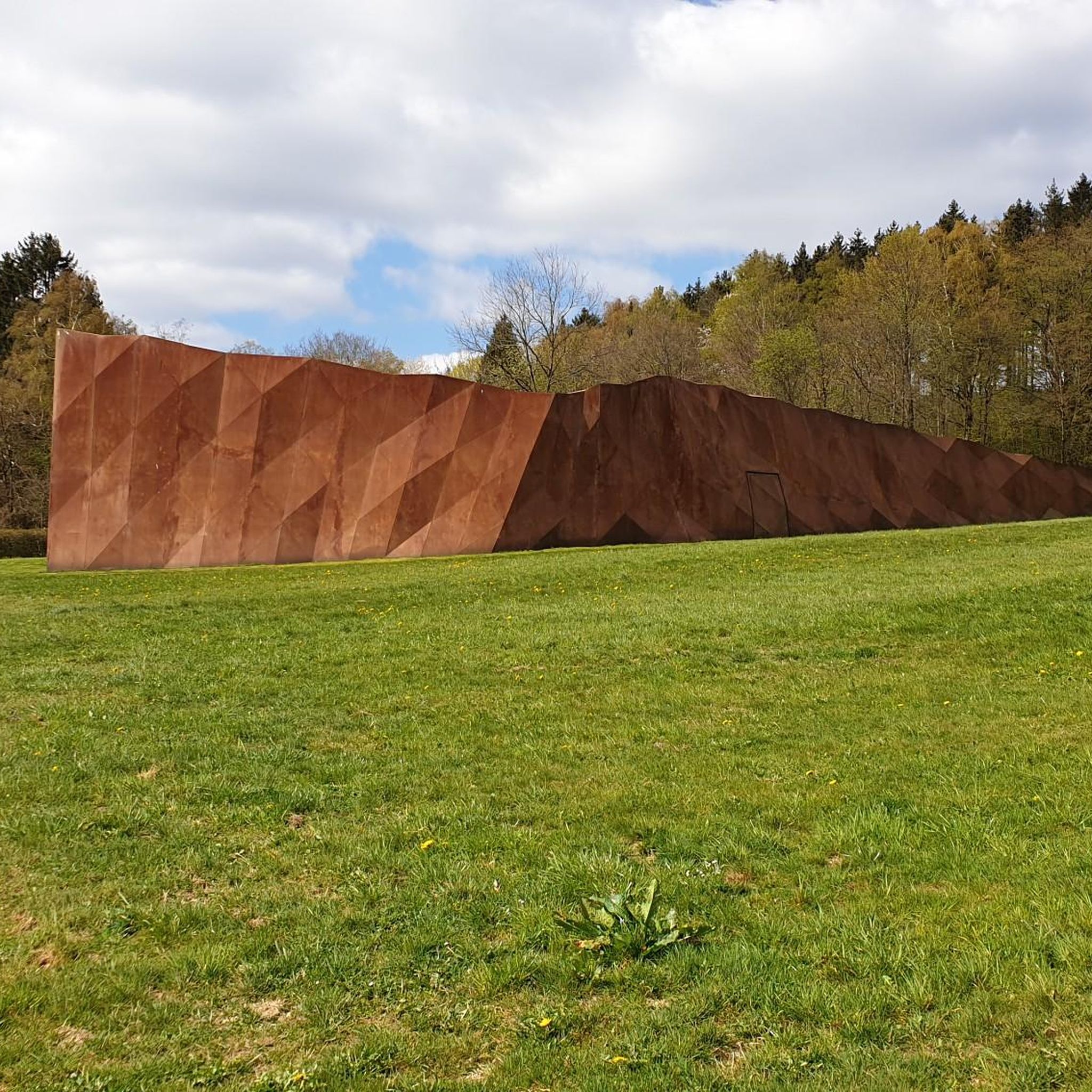
From a topological point of view, the Thommen mining area is very homogeneous, since the mining areas did not develop depending on the epoch, but the mining centers remained topologically the same over the entire funding period. The origins of Thommen slate mining can be found in the area of the Sattelberg. At least since the end of the 17th century, two main mining areas were important for Thommen slate mining. On the one hand the districts "Heckenberg" and "Hesselnbüsch" bordering on the district "Sattelberg" and the adjacent district "An der Köpp", on the other hand the actual "Thomerberg" with the adjacent district "Brasilienberg". Until the commercial restructuring of mining in 1863, these areas remained the main extraction areas. After 1863, Thommen slate mining concentrated almost exclusively on the "Thomerberg" and the adjoining "Brasilienberg" with the various large mines. Little changed in this constellation until shortly before the First World War. The most productive pits by far, such as the pits "Mertesnaf I", "Mertesnaf II", "Neue Mertesnaf", "Mertesnafergraben" and "Alte Graebenkaul" were located on the natural border between Thommerberg and Brazil Mountain, the so-called "Mertesnafgraben". .
4
0
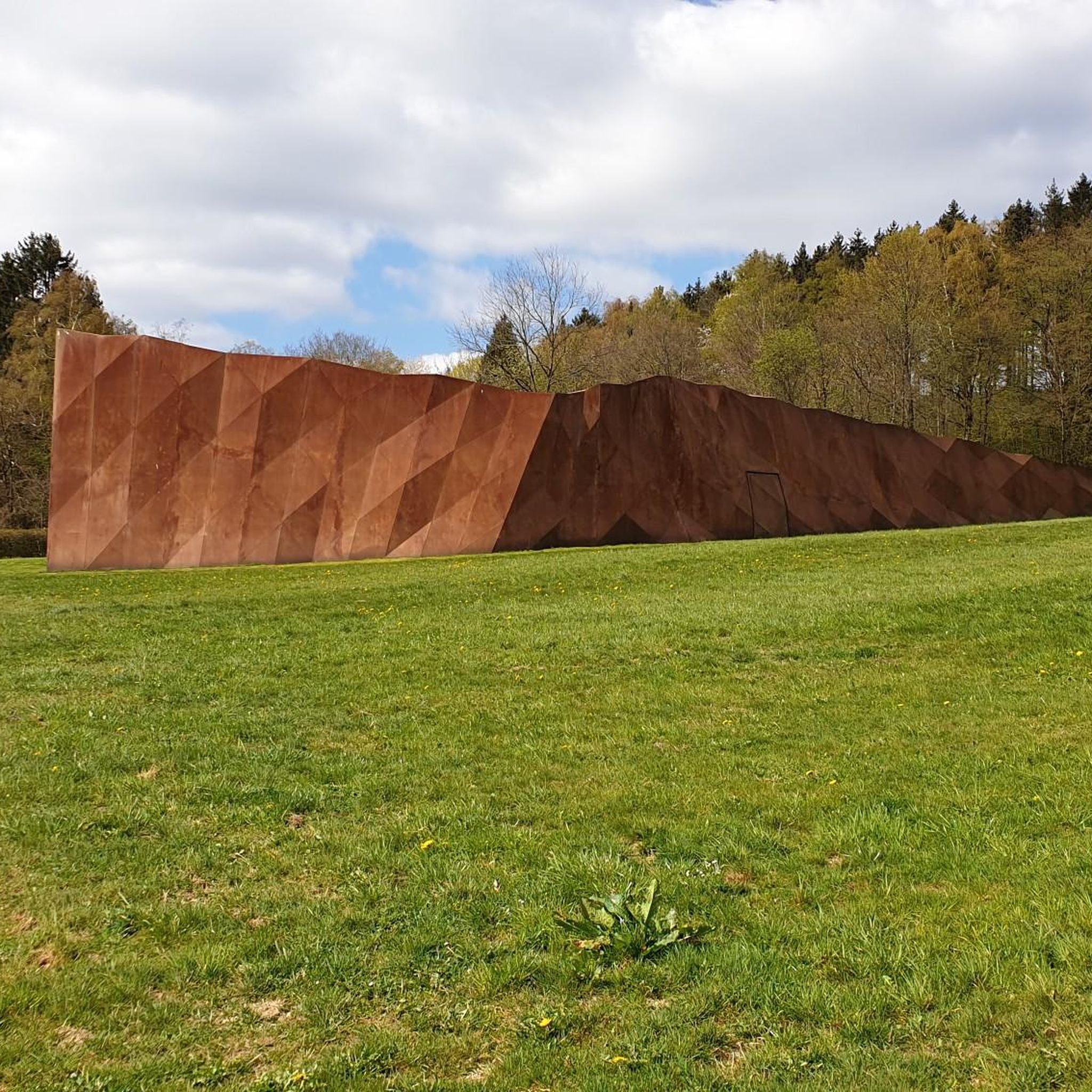
From a topological point of view, the Thommen mining area is very homogeneous, since the mining areas did not develop depending on the epoch, but the mining centers remained topologically the same over the entire funding period. The origins of Thommen slate mining can be found in the area of the Sattelberg. At least since the end of the 17th century, two main mining areas were important for Thommen slate mining. On the one hand the districts "Heckenberg" and "Hesselnbüsch" bordering on the district "Sattelberg" and the adjacent district "An der Köpp", on the other hand the actual "Thomerberg" with the adjacent district "Brasilienberg". Until the commercial restructuring of mining in 1863, these areas remained the main mining areas. After 1863, Thommen slate mining concentrated almost exclusively on the "Thomerberg" and the adjoining "Brasilienberg" with the various large mines. Little changed in this constellation until shortly before the First World War. The most productive pits by far, such as the pits "Mertesnaf I", "Mertesnaf II", "Neue Mertesnaf", "Mertesnafergraben" and "Alte Graebenkaul" were located on the natural border between Thommerberg and Brazil Mountain, the so-called "Mertesnafgraben". .
4
0
The historical roofing slate mine Barbara-Hoffnung in the Nossern valley between Fell and Thomm consists of two typical roofing slate pits (mines) from the turn of the century, one on top of the other, which are connected by a 100 m long stairwell.
1
0

Hopefully the lucky stone will always be there. He who seeks finds
1
1

A small detour of 20m is always worthwhile for a photo.
0
1

You could go in a little, after a few meters there was a grille. Head bumped when leaving the tunnel. So take care!
2
1
the White Wacken from Berglich ... worth seeing
4
0
Frequently Asked Questions
What types of caves can I expect to find around Hinzert-Pölert?
The region around Hinzert-Pölert primarily features geological rock formations and historical mining operations, rather than extensive natural cave systems. You'll find natural rock cavities like Schinderhannes Cave, which is a natural monument, and former slate quarries or mine tunnels such as the Barbara-Hoffnung Slate Mine in Thomm.
Are there any natural caves to explore in the Hinzert-Pölert area?
While Hinzert-Pölert itself does not have extensive natural cave systems, the surrounding areas offer natural rock cavities. Schinderhannes Cave is a notable natural monument formed in impressive rock cliffs, dating back to the Permian Age. Another spot is Small Cave, which allows for some exploration before reaching a barred section.
What historical sites related to caves or mining can I visit?
The region has a rich mining history. You can visit the Barbara-Hoffnung Slate Mine in Thomm, which consists of two typical roofing slate pits connected by a stairwell, showcasing the region's mining heritage. Other historical mining sites include Mertesnaf Mine and Friedrichstollen Thomm, both offering insights into the area's past slate extraction.
Are there family-friendly options for exploring caves or rock formations?
Yes, Schinderhannes Cave is considered family-friendly and offers an adventure air for the whole family, being part of an impressive rock formation. It's a natural monument with historical associations.
What outdoor activities can I do near these caves and rock formations?
The area around Hinzert-Pölert is well-suited for various outdoor activities. You can find numerous routes for mountain biking, gravel biking, and cycling. For example, explore MTB trails like the 'Schillinger Lake – Rock formation "Frau Holle" loop' or gravel biking routes such as the 'Forest Meadows Wacken Tour'. Cycling options include the 'Riveris Reservoir loop'. You can find more details on these activities in the MTB Trails around Hinzert-Pölert, Gravel biking around Hinzert-Pölert, and Cycling around Hinzert-Pölert guides.
What should I wear when visiting caves or mines in this region?
When visiting caves or mine tunnels, it's advisable to wear sturdy footwear and bring a headlamp or flashlight, as these areas can be dark and uneven. Temperatures inside can be cooler than outside, so a light jacket might be useful. For historical mining sites, be prepared for potentially damp conditions.
Is there any wildlife to look out for in the caves?
Caves and similar cavities can be habitats for various wildlife, particularly bats. According to Section 39 of the Federal Nature Conservation Act, a bat protection period runs from October 1st to March 31st, during which bats are legally protected from disturbance in their hibernation dwellings. Visitors should respect these periods and avoid disturbing any wildlife.
How long does it typically take to explore these cave sites?
The time required varies by site. Natural cavities like Schinderhannes Cave might be explored in a shorter visit, perhaps 30 minutes to an hour, often as part of a longer hike. Historical mines like Barbara-Hoffnung Slate Mine in Thomm, especially if guided tours are available, could take 1-2 hours to fully appreciate the historical context and structure.
Are there any accessibility considerations for these caves?
Most natural rock cavities and historical mine tunnels in the region are not designed for wheelchair accessibility. They often involve uneven terrain, narrow passages, or stairs. For example, Small Cave involves a tunnel-like environment, and the Barbara-Hoffnung Slate Mine includes a 100m long stairwell. Visitors with mobility concerns should check specific site details before planning a visit.
What do visitors enjoy most about the caves and rock formations around Hinzert-Pölert?
Visitors appreciate the unique blend of natural geology and historical significance. The impressive rock cliffs and formations, like those around Schinderhannes Cave, offer scenic beauty and a sense of adventure. The historical mining sites provide a fascinating glimpse into the region's industrial past. The komoot community has shared over 200 photos and given more than 200 upvotes, highlighting the visual appeal and interesting nature of these sites.
What is the best time of year to visit the caves and rock formations?
The best time to visit is generally from spring to autumn (April to September) when the weather is milder and more conducive for outdoor activities like hiking, which often accompanies visits to these sites. During the bat protection period from October 1st to March 31st, access to some caves may be restricted to protect hibernating bats.
Most popular routes around Hinzert-Pölert
Most popular attractions around Hinzert-Pölert

Get inspired with the komoot mobile app


Explore more
Extend your search for the best caves by checking out these guides of the top ones around Hinzert-Pölert:
