Top 9 Caves around Bekond
Best caves around Bekond are found in the surrounding region, as Bekond itself is situated in the Moselle Valley, known for its vineyards and landscapes. The broader Eifel region, particularly near Kordel, offers notable subterranean natural wonders. This area features a mix of natural rock formations and historical mining tunnels. The geology of the region contributes to diverse cave types, providing varied exploration opportunities.
Best caves around Bekond
- The most popular caves is Rock Trail – Slate Cave, Moselle Valley…
Last updated: May 15, 2026
Mertesnaf Mine
Highlight • Structure
Translated by Google •
Tip by

Schieferstein Cave
Highlight • Cave
Translated by Google •
Tip by

Sign up now to discover places like this
Get recommendations on the best single tracks, peaks, & plenty of other exciting outdoor places.
Sign up for free
Rock Trail – Slate Cave, Moselle Valley
Highlight • Trail
Translated by Google •
Tip by

Friedrichstollen Thomm
Highlight • Cave
Translated by Google •
Tip by
Barbara-Hoffnung Slate Mine in Thomm
Highlight • Cave
Translated by Google •
Tip by
Sign up for free to discover even more caves around Bekond.
Sign up for free
Already have an account?
Start today with a free account
Your next adventure awaits.
Login or Signup
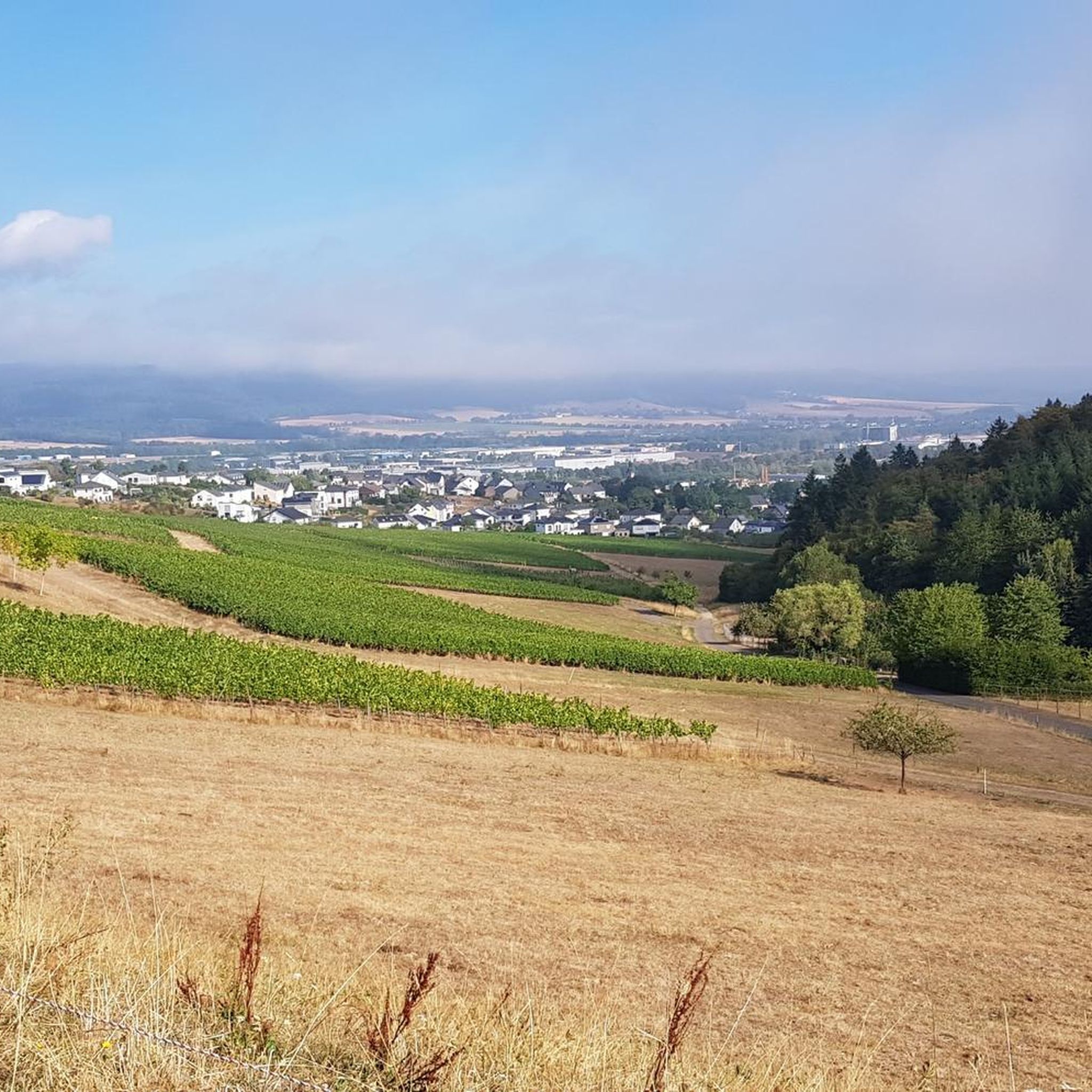
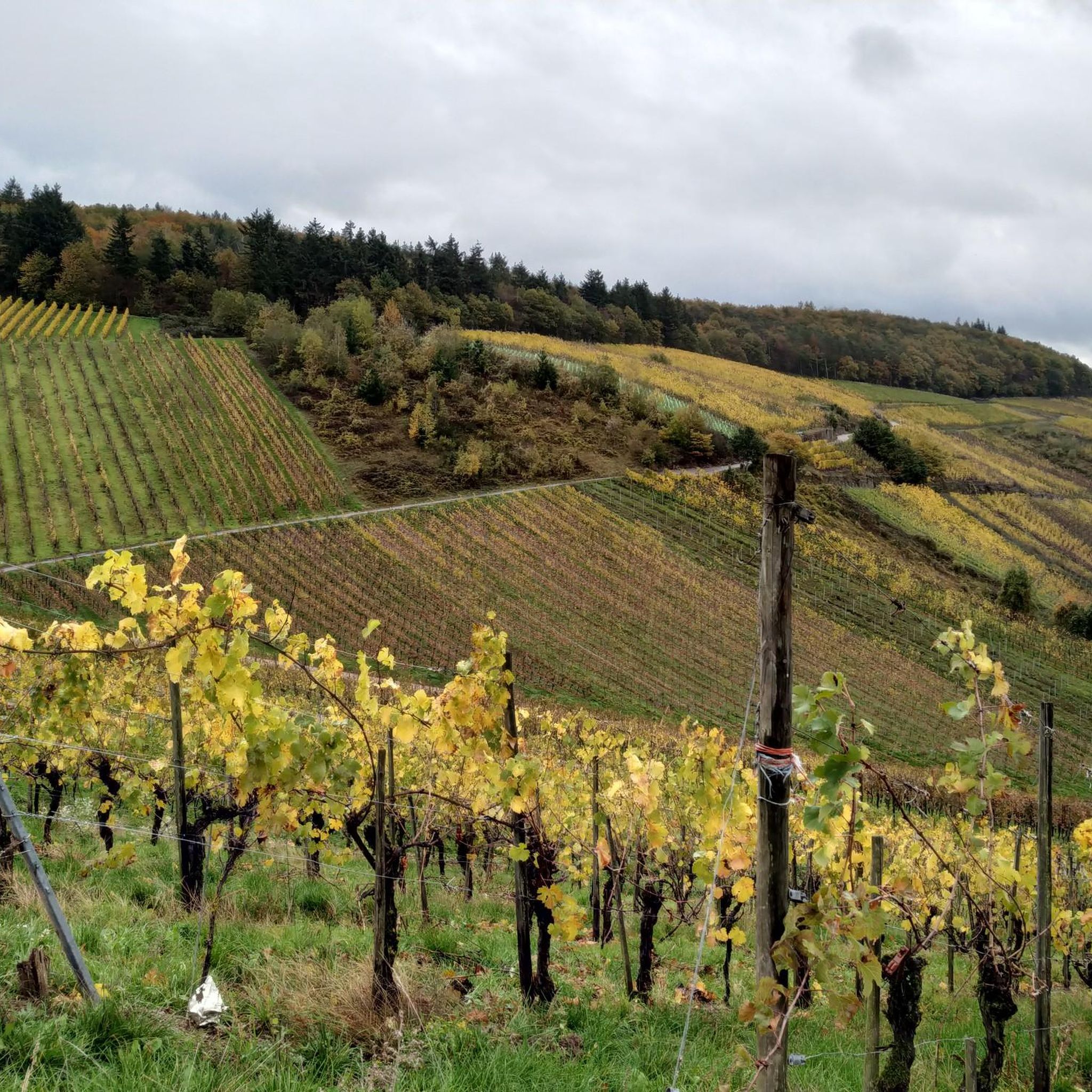
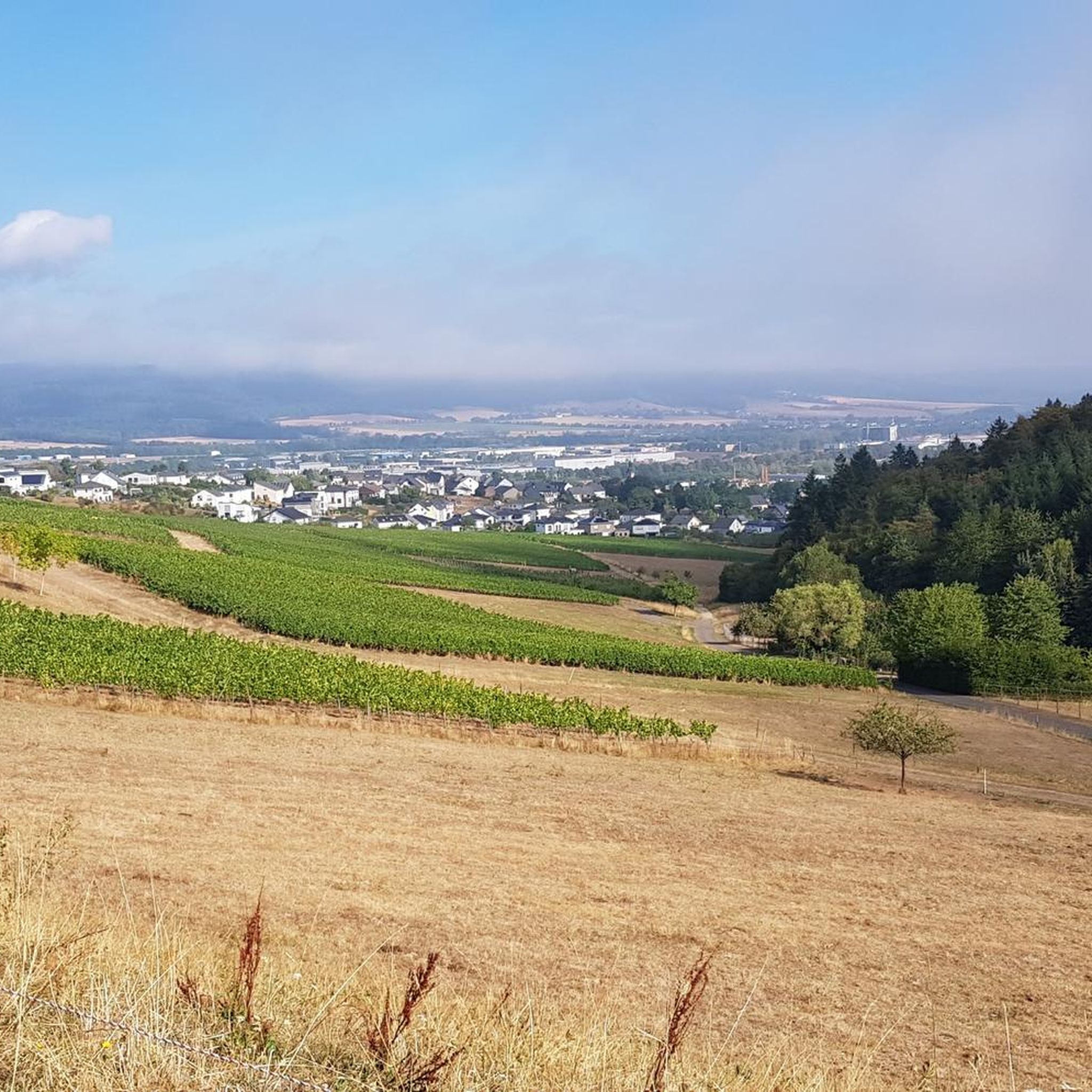
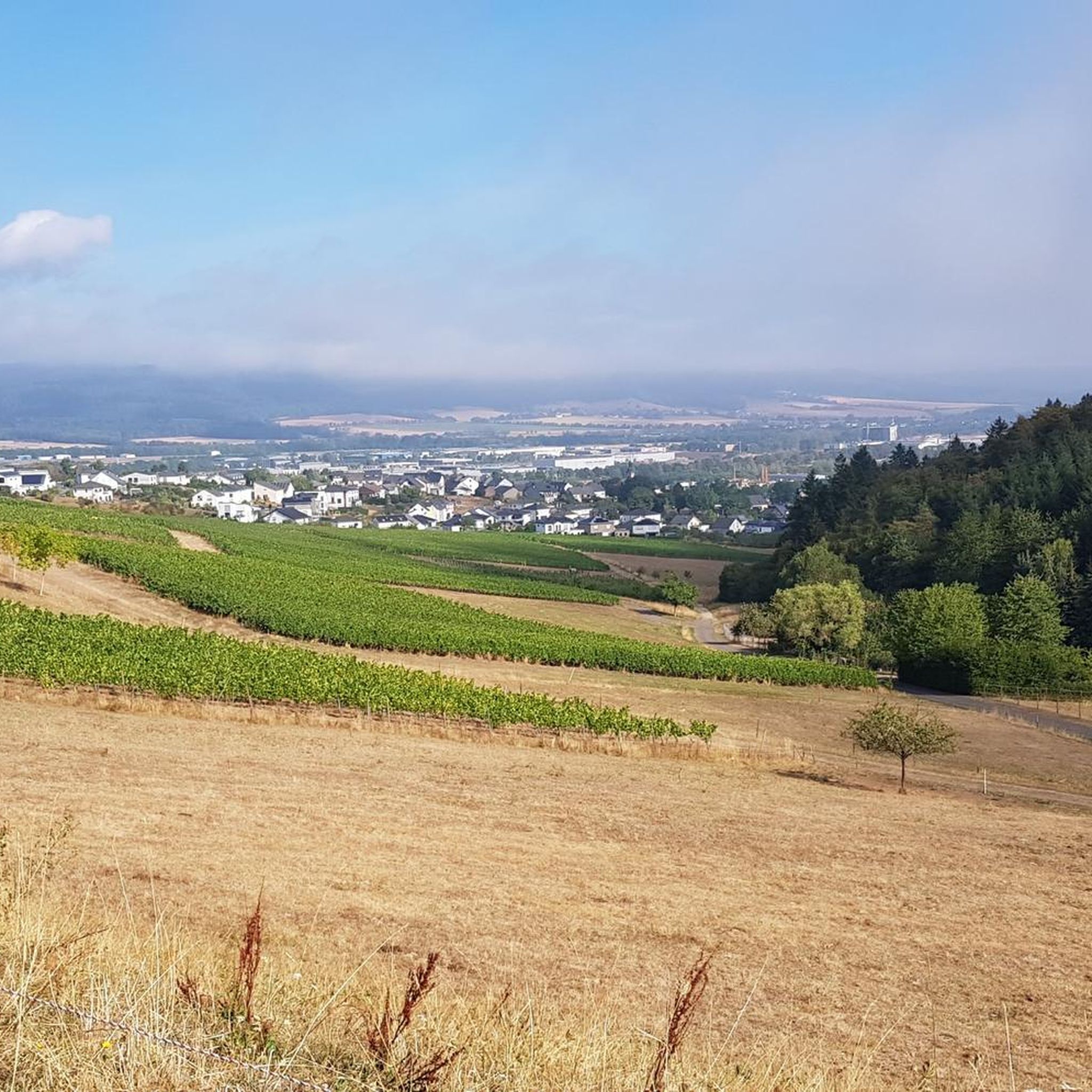
Tips from the Community

A beautiful path, but you should be sure-footed.
2
0
Small but nice. Seating in front of the cave
0
0


Hard to believe, but at this point a slate cave.. RESPECT
2
1

From a topological point of view, the Thommen mining area is very homogeneous, since the mining areas did not develop depending on the epoch, but the mining centers remained topologically the same over the entire funding period. The origins of Thommen slate mining can be found in the area of the Sattelberg. At least since the end of the 17th century, two main mining areas were important for Thommen slate mining. On the one hand the districts "Heckenberg" and "Hesselnbüsch" bordering on the district "Sattelberg" and the adjacent district "An der Köpp", on the other hand the actual "Thomerberg" with the adjacent district "Brasilienberg". Until the commercial restructuring of mining in 1863, these areas remained the main extraction areas. After 1863, Thommen slate mining concentrated almost exclusively on the "Thomerberg" and the adjoining "Brasilienberg" with the various large mines. Little changed in this constellation until shortly before the First World War. The most productive pits by far, such as the pits "Mertesnaf I", "Mertesnaf II", "Neue Mertesnaf", "Mertesnafergraben" and "Alte Graebenkaul" were located on the natural border between Thommerberg and Brazil Mountain, the so-called "Mertesnafgraben". .
4
0
Frequently Asked Questions
What types of caves can I explore near Bekond?
The region around Bekond offers a mix of natural rock formations and historical mining tunnels. You can find natural caves like the Schieferstein Cave, as well as historical slate mines such as the Barbara-Hoffnung Slate Mine in Thomm and the Mertesnaf Mine.
Are there any natural caves with historical significance in the broader region?
Yes, the Genoveva Cave near Kordel, approximately 30-40 kilometers from Bekond in the Kyll Valley, is a significant natural cave. Archaeological finds indicate it provided shelter to humans for thousands of years, from the Palaeolithic to modern times. It's also steeped in local folklore.
What is unique about the Genoveva Cave?
The Genoveva Cave is an impressive shell-shaped cave formed by erosion, wind, and frost. It's known for its historical significance, having served as a refuge for millennia, and for the medieval legend of Saint Genoveva, from which it derives its name. You can find more information about it on visitmosel.de.
Can I visit historical mining tunnels or slate caves near Bekond?
Absolutely. The area is known for its historical mining tunnels. The Barbara-Hoffnung Slate Mine in Thomm is a historical roofing slate mine consisting of two pits connected by a 100-meter-long stairwell. Another example is the Friedrichstollen Thomm, which also offers an accessible entrance.
Are there any caves that offer a cooling spot during hot weather?
Yes, the Schieferstein Cave is a small natural cave known to offer a pleasant cooling spot on hot days, making it a nice change of scenery during hikes.
What outdoor activities can I combine with a visit to the caves?
The region around Bekond is excellent for various outdoor activities. You can find numerous hiking trails, such as those mentioned in the Hiking around Bekond guide, or explore gravel biking and MTB trails. The Genoveva Cave, for instance, is a stop on popular hiking trails like the Eifelsteig and Römerpfad.
What should I wear or bring when exploring caves in the region?
When visiting caves, it is recommended to wear sturdy shoes for uneven terrain. Bringing a flashlight is also advisable, especially for exploring deeper sections or historical tunnels. For places like the Genoveva Cave, a guided tour can offer deeper insights into their history and geology.
Are there any caves near Bekond that are suitable for families?
While specific 'family-friendly' ratings for caves are not available, natural caves like the Schieferstein Cave, which is a small and accessible natural monument, can be a good option for families looking for a short, interesting stop during a hike. Historical mines might require more caution due to stairs or confined spaces.
Where can I find information about other notable caves in the broader Eifel region?
Beyond the immediate vicinity of Bekond, the Eifel region features other significant caves. These include the Millstone Caves of the Rother Kopf, known for their artificial formation and 'ice cave' characteristics, and the Kakushöhle, a prehistoric site with traces of Neanderthal settlements. You can learn more about the Kakushöhle on nordeifel-tourismus.de.
What do visitors enjoy most about the caves around Bekond?
Visitors appreciate the blend of natural beauty and historical intrigue. Highlights like the Rock Trail – Slate Cave, Moselle Valley are noted for their beautiful, albeit challenging, paths and the unique experience of finding a slate cave along the way. The Schieferstein Cave is enjoyed as a 'sweet little cave' and a 'nice change' during hikes.
Are there any challenging cave-related trails in the area?
Yes, the Rock Trail – Slate Cave, Moselle Valley is described as a challenging route with rocky sections, featuring a slate cave. It requires sure-footedness but offers a rewarding experience.
Most popular attractions around Bekond

Get inspired with the komoot mobile app


Explore more
Extend your search for the best caves by checking out these guides of the top ones around Bekond:
