Top 9 Caves around Gosheim
Best caves around Gosheim are found within the surrounding Swabian Alb, a region characterized by its impressive karst landscape. This area features numerous natural caves and geological formations. Gosheim itself is nestled in this natural setting, offering access to various underground explorations. The region's geology provides a diverse range of cave experiences for visitors.
Best caves around Gosheim
- The most popular caves is View of Oberdigisheim from Hohler Fels, a viewpoint that offers a view of the valley. It…
Last updated: May 14, 2026
Wenzelstein and the Wenzelstein Cave
Highlight • Cave
The first 3 m are still possible. But after the left turn, the cavern narrows and you can only crawl to the end.
Translated by Google •
Tip by

Maiden hole
Highlight • Cave
Translated by Google •
Tip by

Sign up now to discover places like this
Get recommendations on the best single tracks, peaks, & plenty of other exciting outdoor places.
Sign up for free
Mariengrotte at Marienfelsen near Nusplingen
Highlight • Cave
Translated by Google •
Tip by

Beilstein Cave
Highlight • Cave
Translated by Google •
Tip by

View of Oberdigisheim from Hohler Fels
Highlight • Viewpoint
Translated by Google •
Tip by

Sign up for free to discover even more caves around Gosheim.
Sign up for free
Already have an account?
Start today with a free account
Your next adventure awaits.
Login or Signup
Popular around Gosheim
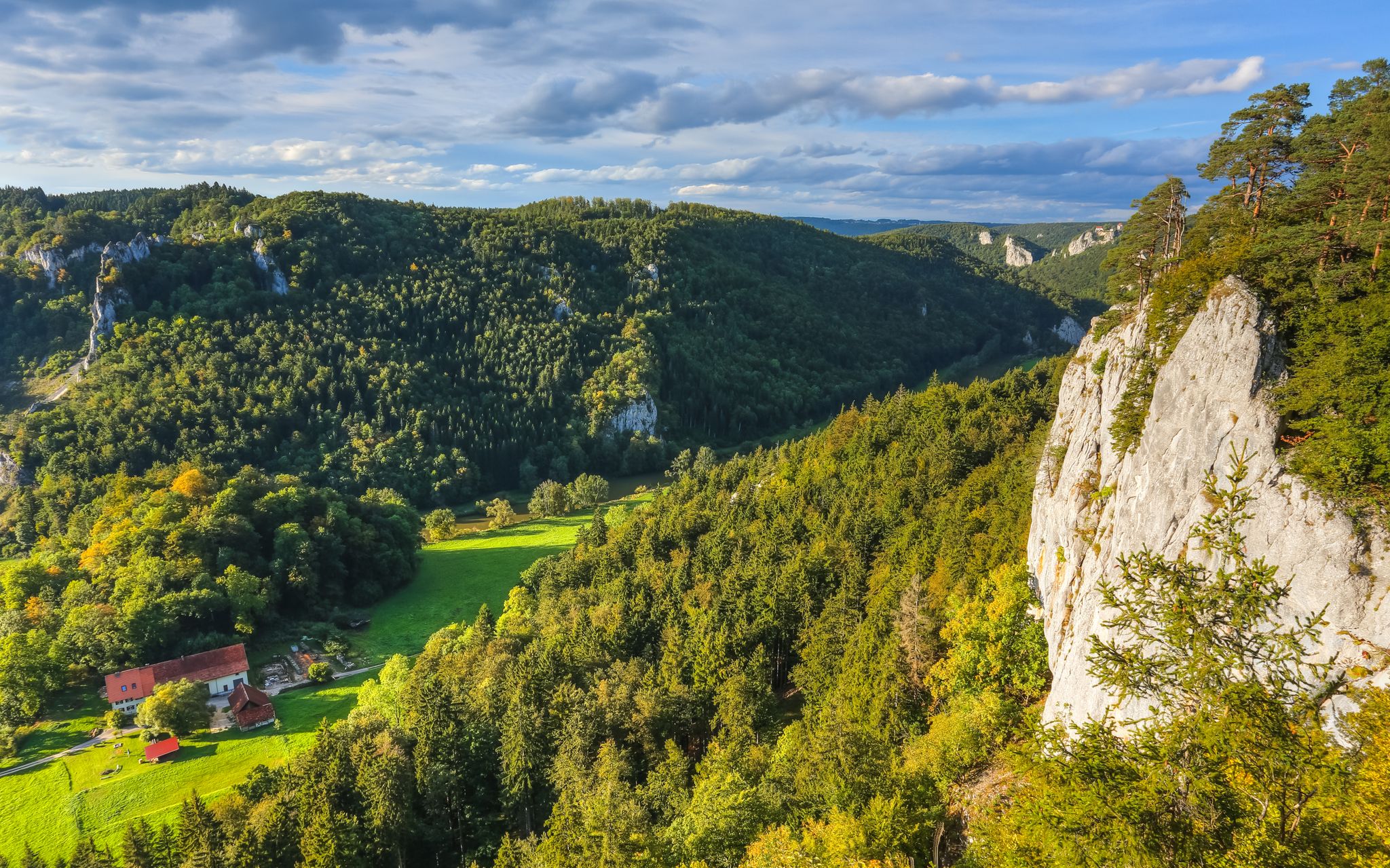
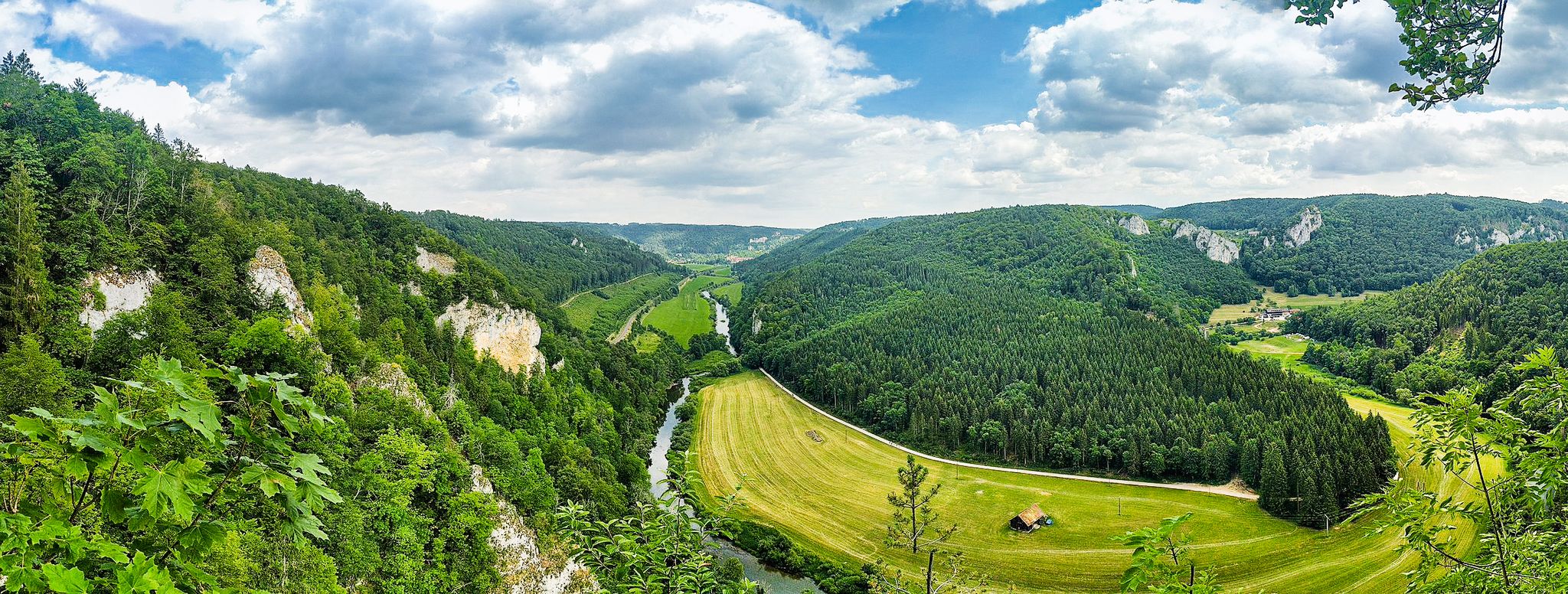
Hike the Danube Upland Trail – Exploring the Swabian Grand Canyon
6 Long-Distance Hikes for Your Escape to the Swabian Alb
Discover premium and quality long-distance hiking in southern Germany
Conquering the Länd on foot – long–distance hiking in Baden–Württemberg
The „Donaubergland” – hikes around the Swabian Grand Canyon
Rucksack auf und los – Weitwandern mit deuter in Deutschland
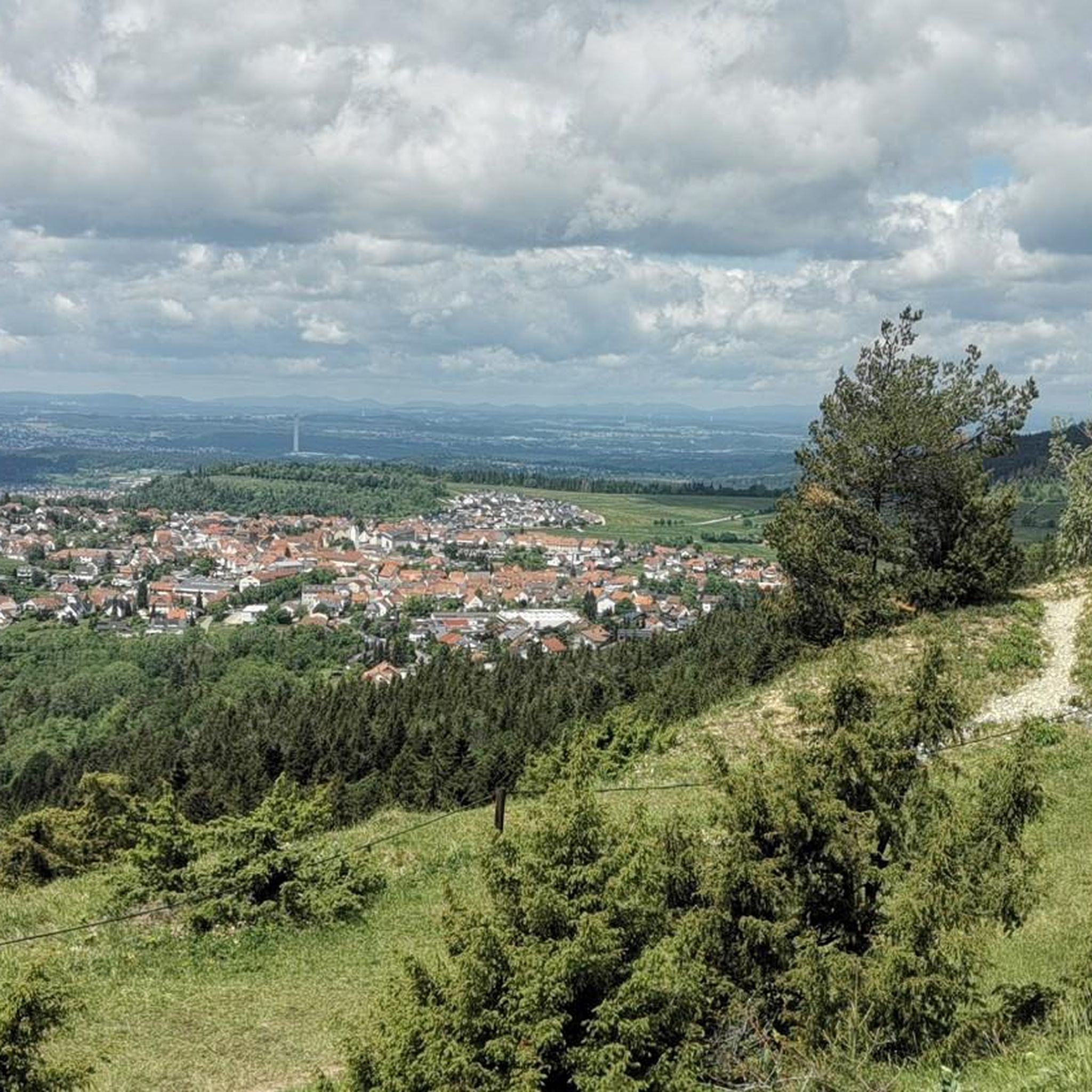
Hiking around Gosheim
Cycling around Gosheim
MTB Trails around Gosheim
Road Cycling Routes around Gosheim
Other adventures around Gosheim


Tips from the Community

Nice resting place. Unfortunately we couldn't enjoy the view today.
3
0

Lemberg Tower, mega view of the Swiss snow-capped Alps.
1
0

Maidenhole At around 1000 m above sea level. NHN on the northeast slope of Lemberg lies the cave or crevice known as Jungfrauenloch in the White Jurassic rock. The name can be traced back to a local legend. Around the year 1170, the county of Hohenberg, to which the district of Gosheim belonged at the time, and its lord Burkhard I of Habsburg were mentioned for the first time. Around 1230, the future Roman-German King Rudolf I of Habsburg married the daughter of Count Burkhard III of Hohenberg, Gertrudis of Hohenberg. Her loyal Gaus, also known as “Gotso” in Middle High German, carried out the planning tasks and the organization of finances for her. The name of the community of Gosheim is said to have come from Gaus. After marrying Rudolf von Habsburg, Gaus stayed with the countess' niece, Gertrudis von Oberhohenberg, for whom he also managed the business excellently. But the young woman's brother was so angry and jealous about the popularity of Gertrudis and Gotso that he set the castle on fire at night in the absence of Gotso, who was hunting. Only Gertrudis is said to have escaped the terrible fire with all her jewelry and money and is still hidden today in the “Jungfrauenloch”, a deep crevice in the rock on the Lemberg. Only a key word can free her from her captivity to the dark forces. The story of Gertrudis von Oberhohenberg and her loyal friend Gaus is performed every five years as a village play at Fasnet. There are also legends surrounding the so-called “Giant Forest” on the Lembergsattel. Source: https://de.wikipedia.org/wiki/Lemberg_(Schw%C3%A4bische_Alb)
1
0

Unfortunately I didn't have a flashlight with me, it wasn't that great with cell phone light
7
0

The kids found it very interesting. Definitely take a flashlight with you.
0
0

Really impressive, don't forget the flashlight...
2
0

Beautifully situated between Plettenberg and Lochenstein
0
0

A great story but unfortunately hardly anything to see at the Wenzelstein
0
0
Frequently Asked Questions
What are some of the most popular caves to visit near Gosheim?
While Gosheim itself is nestled in the Swabian Alb, the surrounding region offers several popular caves. The Wenzelstein and the Wenzelstein Cave is appreciated for its historical significance, though it narrows significantly requiring crawling for deeper exploration. Another notable site is the Beilstein Cave, known for its historical use by Stone Age people and accessible for about 10 meters.
Are there any show caves with unique features in the Swabian Alb near Gosheim?
Yes, the Swabian Alb region boasts several unique show caves. The Wimsen Cave near Zwiefalten is Germany's only active water cave that can be explored by boat. For a different experience, the Tiefenhöhle Laichingen is Germany's deepest accessible show cave, allowing visitors to descend 55 meters vertically into the earth.
What historical or archaeological significance do the caves around Gosheim have?
Many caves in the region hold historical importance. The Beilstein Cave, for instance, has yielded evidence of Stone Age use. The Bärenhöhle (Bear Cave) near Sonnenbühl is famous for the numerous bones of Ice Age animals, including cave bears, found within it. The Maiden hole also has a local legend associated with it, dating back to the 12th century.
Are there family-friendly caves or activities near Gosheim?
The Wimsen Cave, with its unique boat tour, is a family-friendly option. The surrounding area also offers beautiful natural landscapes for hiking. While some local caves like Wenzelstein Cave might require crawling, they can be an adventure for older children. Always check specific cave accessibility for younger visitors.
What is the best time to visit the caves in the Swabian Alb region?
Many show caves in the Swabian Alb, such as the Bärenhöhle and Sontheimer Höhle, are closed from November to March to protect hibernating bats. Therefore, the best time to visit is generally from spring to autumn (April to October) when they are open and the weather is pleasant for exploring the surrounding areas.
What kind of geological features can be observed in the caves near Gosheim?
The Swabian Alb is renowned for its karst landscape. Caves like the Nebelhöhle are famous for their fantastic stalactites and stalagmites. The Tiefenhöhle Laichingen impressively displays the region's karstification and various cave levels, offering a deep insight into the geological processes that formed the area.
Are there any religious grottoes or sites near Gosheim?
Yes, the Mariengrotte at Marienfelsen near Nusplingen is a notable religious site. It's a natural limestone-tuff grotto with a statue of the Mother of God, serving as a popular place of prayer and offering beautiful views over Nusplingen.
What outdoor activities can I combine with a visit to the caves around Gosheim?
The region around Gosheim is excellent for outdoor activities. You can find numerous hiking trails, such as those listed in the Hiking around Gosheim guide, including routes like the Lemberg Tower loop. Cycling is also popular, with options like the Cycling around Gosheim guide offering routes like the Beeramühle – Bärenthal loop. For runners, there are challenging routes like the Schörzinger Hut – Lemberg Tower loop in the Running Trails around Gosheim guide.
What should I bring or wear when exploring caves near Gosheim?
Even in summer, caves maintain a cool, constant temperature, so it's advisable to bring a jacket or warm layers. Sturdy, non-slip footwear is essential for uneven and potentially damp surfaces. For exploring less developed caves or those with narrow passages, like the Wenzelstein Cave or Beilstein Cave, a flashlight or headlamp is highly recommended.
Are there any caves near Gosheim that are known for their viewpoints?
Yes, the View of Oberdigisheim from Hohler Fels offers a beautiful perspective of the valley in addition to being a small cave itself. The Mariengrotte at Marienfelsen near Nusplingen also provides excellent views over Nusplingen and the surrounding landscape.
What is the Nebelhöhle (Fog Cave) known for?
The Nebelhöhle, located near Sonnenbühl, is one of the most beautiful show caves in the Swabian Alb. It is particularly known for its fantastic stalactites and stalagmites, which are often enhanced by creative lighting, making for a captivating experience. It's often combined with a visit to the nearby Lichtenstein Castle.
Can I visit the Sontheimer Höhle, and what makes it special?
The Sontheimer Höhle is a karst cave in Sontheim on the Swabian Alb, known for its natural beauty and a long history of 'Höhlenfeste' (cave festivals). Guided tours are available, but like many caves, it's home to bats, leading to seasonal closures. A nearby feature, the Hintere Kohlhaldenhöhle, contains unique 'candle stalagmites' but has very restricted access to protect its pristine formations.
Most popular routes around Gosheim
Most popular attractions around Gosheim

Get inspired with the komoot mobile app


Explore more
Extend your search for the best caves by checking out these guides of the top ones around Gosheim:
