Top 10 Caves around Gillenfeld
Best caves around Gillenfeld are found within the surrounding Volcanic Eifel region, offering unique geological and historical experiences. This area is characterized by its volcanic past, which has shaped the landscape and created various cave formations. Visitors can explore sites that reveal ancient human occupation and historical mining activities. The region provides a diverse natural landscape for exploration.
Best caves around Gillenfeld
- The most popular caves is Falkenlay Stone Age Caves, a cave that features smaller "caves" within the…
Last updated: October 27, 2026
Elf Grotto and Elbesbach Waterfall
Highlight • Cave
The …
Translated by Google •
Tip by

Falkenlay Stone Age Caves
Highlight • Cave
Showing Translation
Tip by

Sign up now to discover places like this
Get recommendations on the best single tracks, peaks, & plenty of other exciting outdoor places.
Falkenlay Stone Shelter and Viewpoint
Highlight • Mountain Hut
Translated by Google •
Tip by

The old Lippi
Highlight • Structure
Translated by Google •
Tip by

Kobesloch Hut – View over the Lieser Valley
Highlight • Mountain Hut
Translated by Google •
Tip by
Sign up for free to discover even more caves around Gillenfeld.
Already have an account?
Start today with a free account
Your next adventure awaits.
Popular around Gillenfeld
Scenic Trails to Natural Swimming Spots
E-biking through the Volcanic Eifel
33 lakes for sunny weekends
Hiking around Gillenfeld
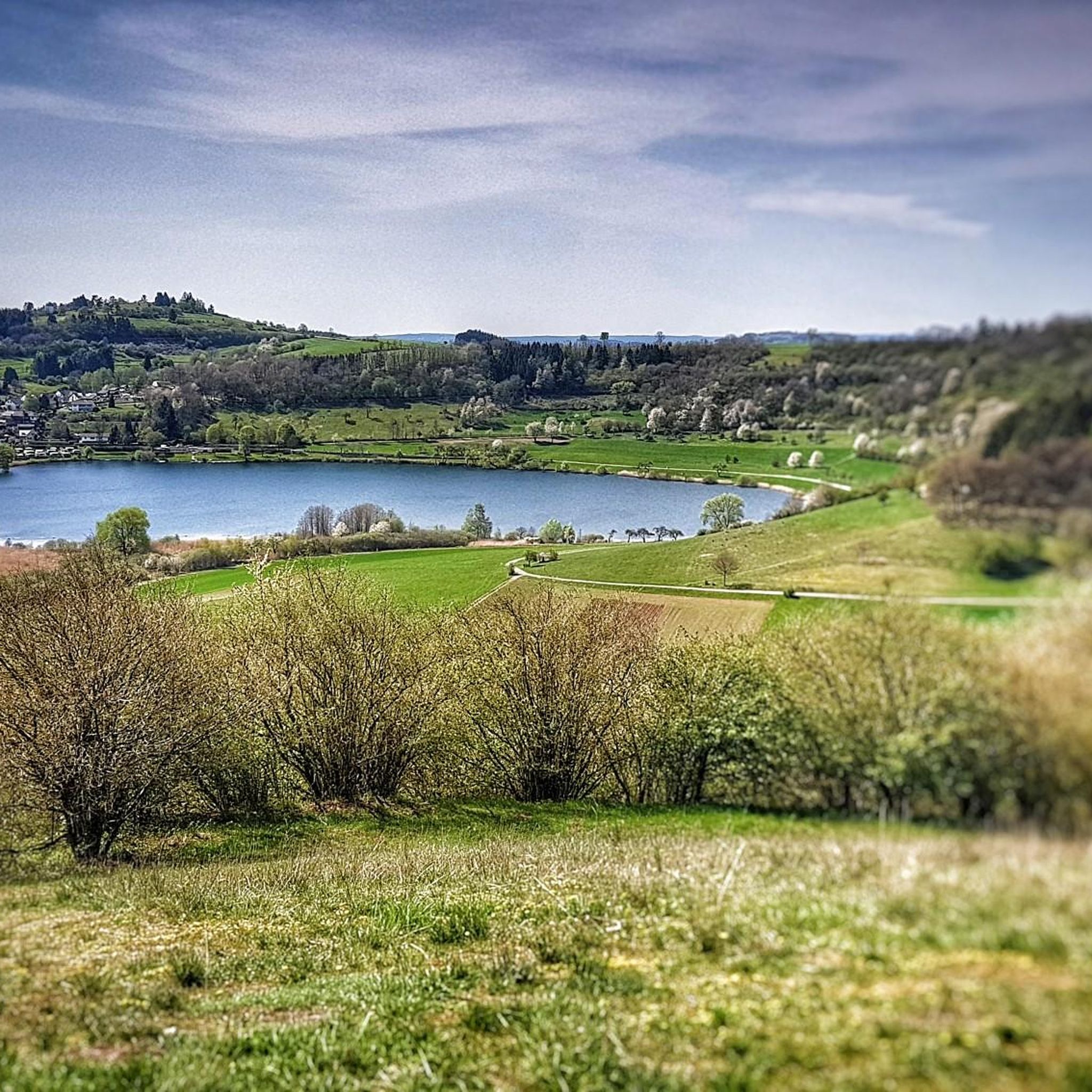
Cycling around Gillenfeld
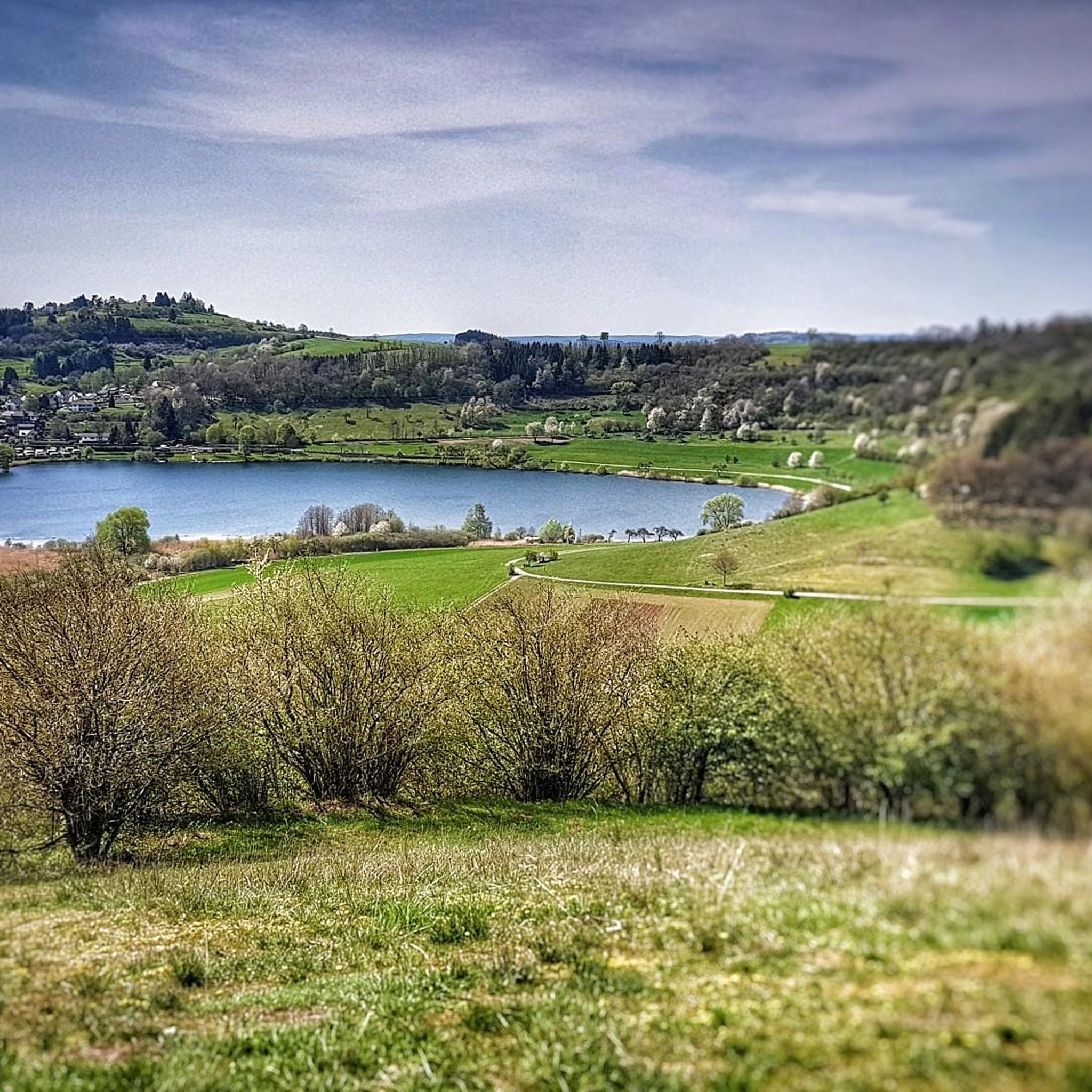
MTB Trails around Gillenfeld
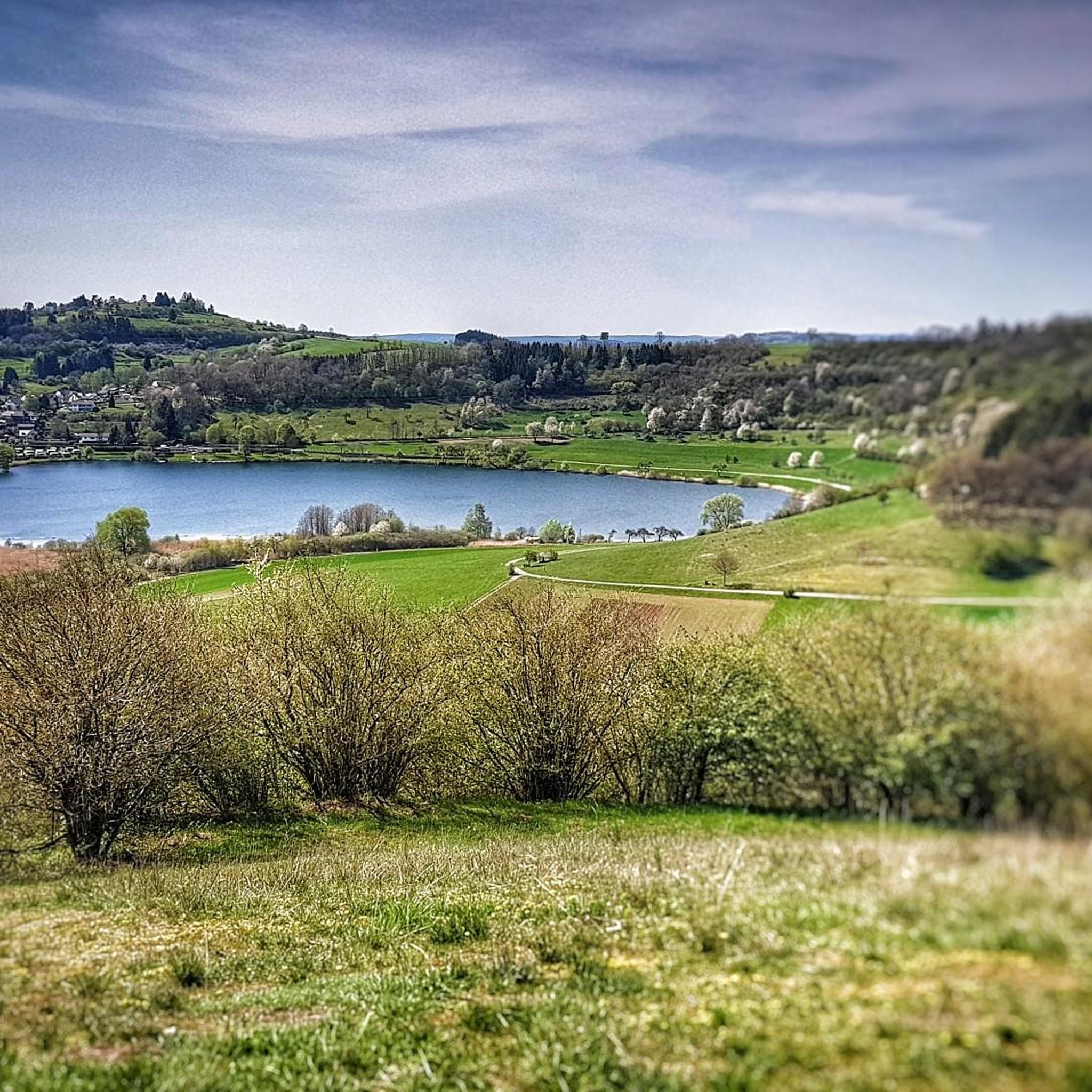
Road Cycling Routes around Gillenfeld
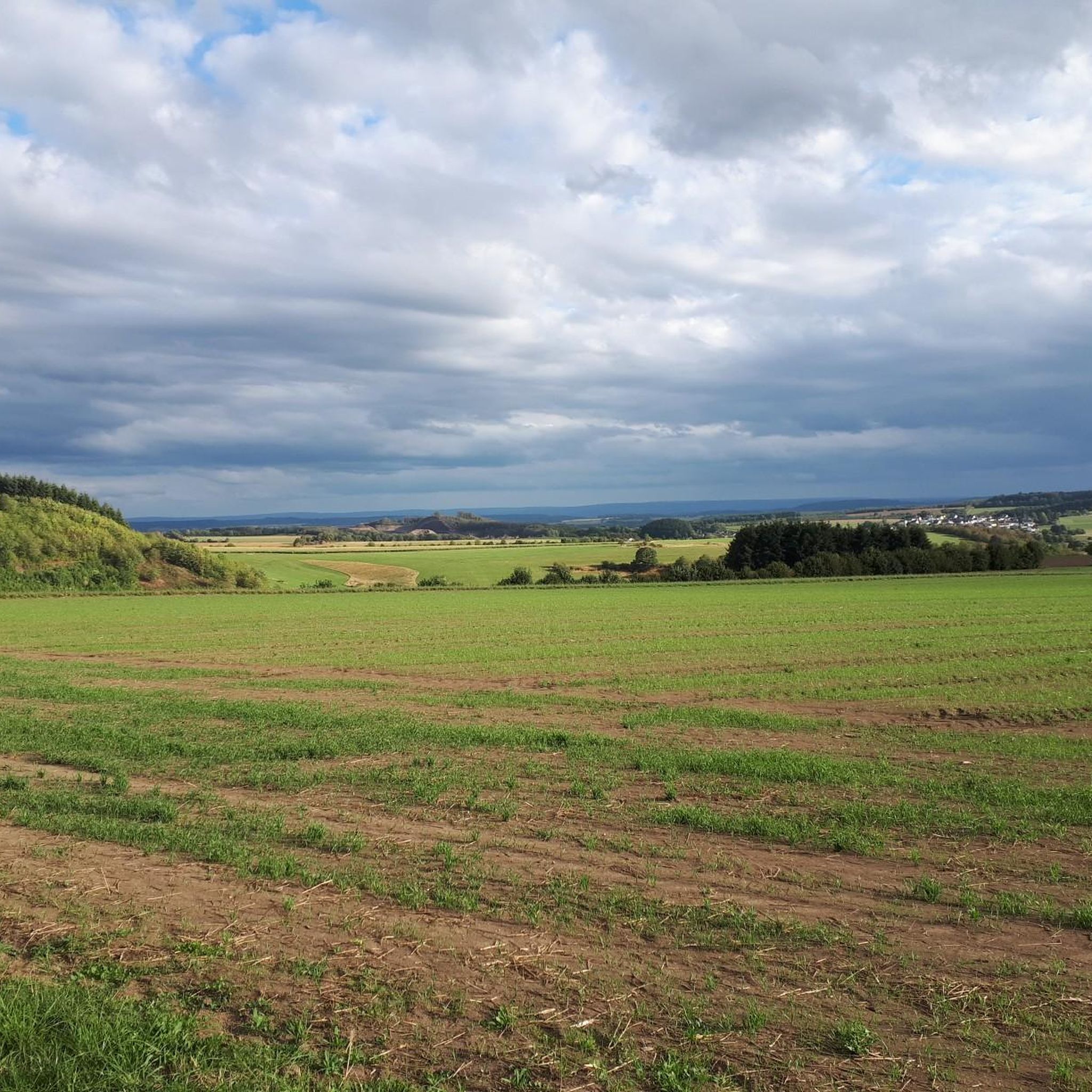
Running Trails around Gillenfeld
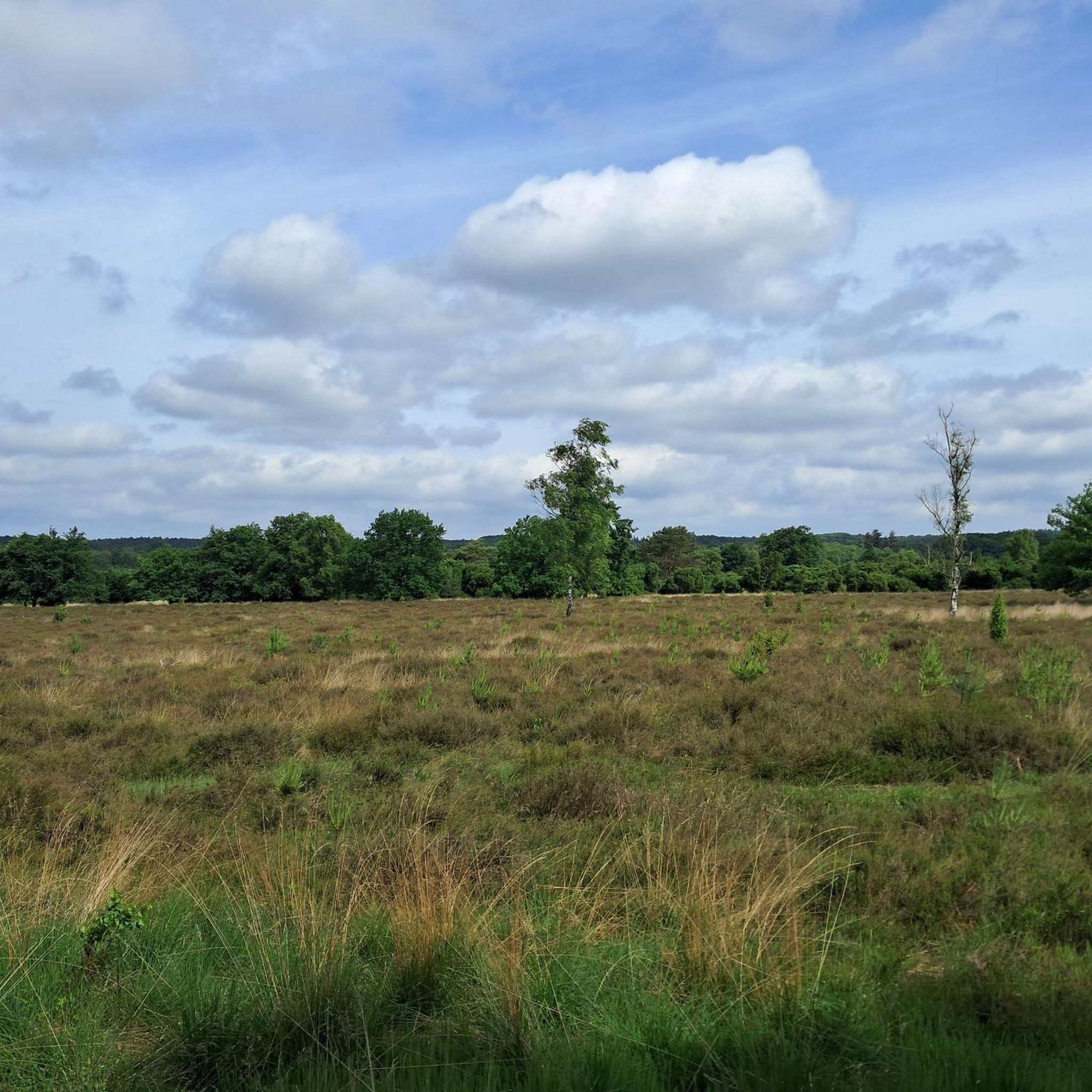
Gravel biking around Gillenfeld
Mountain Hikes around Gillenfeld


Tips from the Community

The success of the film "Tatort Falkenlay" inspired the idea of building a concrete replica of the main character, the old Lippi, for the film crew, the community, and guests. Apparently, it's located in the cave of events, and so the idea was born! What should it look like? He prefers to indulge in his favorite pastime: relaxing around the campfire! A friendly neighbor lent his face and hands to create lifelike casts. They constructed the upper body skeleton from strong wire. The legs were made from plumbing pipes and attached to the body. Now the hard work began. Everything had to be filled with scrap paper, wrapped several times, and then rewired. After dressing Lippi in old pants, they could begin the concrete work. Now the fine details of the body were modeled. The head, face, hands, and feet, which had been pre-cast, were placed in their designated places. The masterpiece was complete! With the kind support of the Kennfus volunteer fire department, Lippi then moved to his cave beneath the Falkenlay!
1
0


There is so much to discover on this section
1
1

If you want to enjoy a very personal view, you can take a small, secured steep path to the left of the hut to the actual Kobesloch. The path is not long, but you should be sure-footed and not afraid of heights. A must for climbing enthusiasts.
3
0

The Kobesloch and the associated hut give us the last kick: A steep, steel cable-secured path leads to the Kobesloch - space for two - that's all the path and the hole offers. This change is just great.
5
0

A hut with a great view of the valley.
4
0

Caves and a nice rest area with information board
2
0
Shelter and a great view awaits us on the Falkenlay, a carved falcon greets us, and there is also information
5
0
Frequently Asked Questions
What types of caves can I explore around Gillenfeld?
The region around Gillenfeld offers a diverse range of caves, including natural volcanic formations, historical mining tunnels, and significant archaeological sites. You can find caves shaped by ancient lava flows, those used by Stone Age inhabitants, and tunnels from historical mineral extraction.
Are there any caves with historical or archaeological significance near Gillenfeld?
Yes, several caves in the Volcanic Eifel region are rich in history. The Falkenlay Stone Age Caves show evidence of Stone Age hunters from 2000 to 4000 BC. The Goldglück Former Lead Mine has tunnels dating back to Roman times. Further afield, the Buchenlochhöhle has Neolithic artifacts and served as a WWII refuge, while the Kakushöhle is an important archaeological site with evidence of human occupation dating back 300,000 years.
Which caves are known for unique geological formations?
The Elf Grotto and Elbesbach Waterfall is famous for its basalt lava formations that resemble stacked cheese wheels, formed by volcanic activity around 50,000 years ago. The Trasshöhlen in the Brohl Valley are remnants of extensive trass mining, revealing impressive excavated walls from a huge glowing avalanche that once filled the valley.
Are there family-friendly caves to visit near Gillenfeld?
Many caves in the region are suitable for families. The Falkenlay Stone Age Caves are great for exploration with children. The Kakushöhle is also freely accessible with well-maintained paths and a naturally bright main chamber, making it comfortable for all visitors. Always check specific recommendations for each cave, as some may require sturdy shoes or flashlights.
What should I bring when visiting caves in the Gillenfeld area?
For most caves, especially those that are less developed, it's highly recommended to wear sturdy shoes and bring a flashlight. Some caves, like the Birresborner Eishöhlen and Mühlsteinhöhlen, maintain cold temperatures even in summer, so warm clothing is essential for a comfortable visit.
Are there any ice caves near Gillenfeld?
Yes, the Birresborner Eishöhlen and the Mühlsteinhöhlen at Rother Kopf are known as 'ice caves.' These are actually former mining tunnels that maintain a consistently cold temperature, often around 6-7 degrees Celsius, even in summer. During winter and early spring, impressive ice formations can be found inside due to a 'cold trap' effect.
Can I visit caves that are freely accessible year-round?
The Buchenlochhöhle is freely accessible year-round, often via a ladder, and can be reached via popular hiking trails. The Kakushöhle is also freely accessible and popular with tourists. However, some caves may have temporary closures, especially during winter, to protect hibernating bats, so it's always wise to check current accessibility before your visit.
What outdoor activities can I combine with a cave visit near Gillenfeld?
The Volcanic Eifel region offers numerous outdoor activities. Many caves are located along popular hiking trails, such as the Gerolsteiner Felsenpfad and the Eifelsteig near Buchenlochhöhle, or the Geo-Route Bad Bertrich near the Falkenlay Stone Age Caves. You can also find excellent gravel biking, running, and MTB trails around Gillenfeld. For example, explore gravel biking routes, running trails, or MTB trails in the area.
Are there any caves that are less crowded or offer a more unique experience?
For a unique experience, the Trasshöhlen offer a blend of geological wonder and history, exploring excavated trass walls within the dramatic Wolfsschlucht gorge. The Mühlsteinhöhlen at Rother Kopf provide a deep insight into historical stonemasonry with unfinished work visible on the walls, offering a less conventional cave visit.
What is the best season to visit the caves around Gillenfeld?
The best season often depends on the specific cave. While many are accessible year-round, some, like the Birresborner Eishöhlen, are particularly impressive in winter and early spring due to ice formations. However, bat protection periods often lead to winter closures for certain caves. For hiking and general exploration, spring to autumn offers pleasant weather. Always check specific cave opening times and recommendations before planning your trip.
Are there any caves that are suitable for those who might be claustrophobic?
The Kakushöhle is a good option for those prone to claustrophobia. It is one of the largest open caves in the Eifel, featuring a large main chamber called 'Große Kirche' that is about 30 meters wide and 15 meters high. Its multiple openings allow for natural brightness, making it feel less confined than typical enclosed caves.
Most popular routes around Gillenfeld
Most popular attractions around Gillenfeld

Get inspired with the komoot mobile app


Explore more
Extend your search for the best caves by checking out these guides of the top ones around Gillenfeld:
