The 5 Most Amazing Peaks around Speinsharter Forst
Best mountain peaks around Speinsharter Forst are found in a largely uninhabited and forested area in Bavaria, Germany, characterized by its natural landscape and forestry. While traditional mountain peaks are not within its direct boundaries, the broader vicinity features significant geological formations. The Rauher Kulm, a prominent basalt mountain, is a notable example, recognized for its volcanic origins and historical importance. The region offers diverse natural attractions for exploration.
Best mountain peaks around Speinsharter Forst
- The most popular mountain peaks…
Last updated: September 3, 2026
Rauher Kulm Lookout Tower
Highlight • Viewpoint
Nicolaus Apel built a wooden observation tower as early as 1807. There was a movable gold-plated sun above …
Translated by Google •
Tip by

Kuschberg Summit
Highlight • Summit
Translated by Google •
Tip by

Sign up now to discover places like this
Get recommendations on the best single tracks, peaks, & plenty of other exciting outdoor places.
Sign up for free
Anzenstein Viewpoint
Highlight • Summit
Translated by Google •
Tip by

Summit cross on Rauher Kulm
Highlight • Summit
Translated by Google •
Tip by

View of Speinshart Monastery and Rauher Kulm
Highlight • Viewpoint
Translated by Google •
Tip by
Start today with a free account
Your next adventure awaits.
Login or Signup
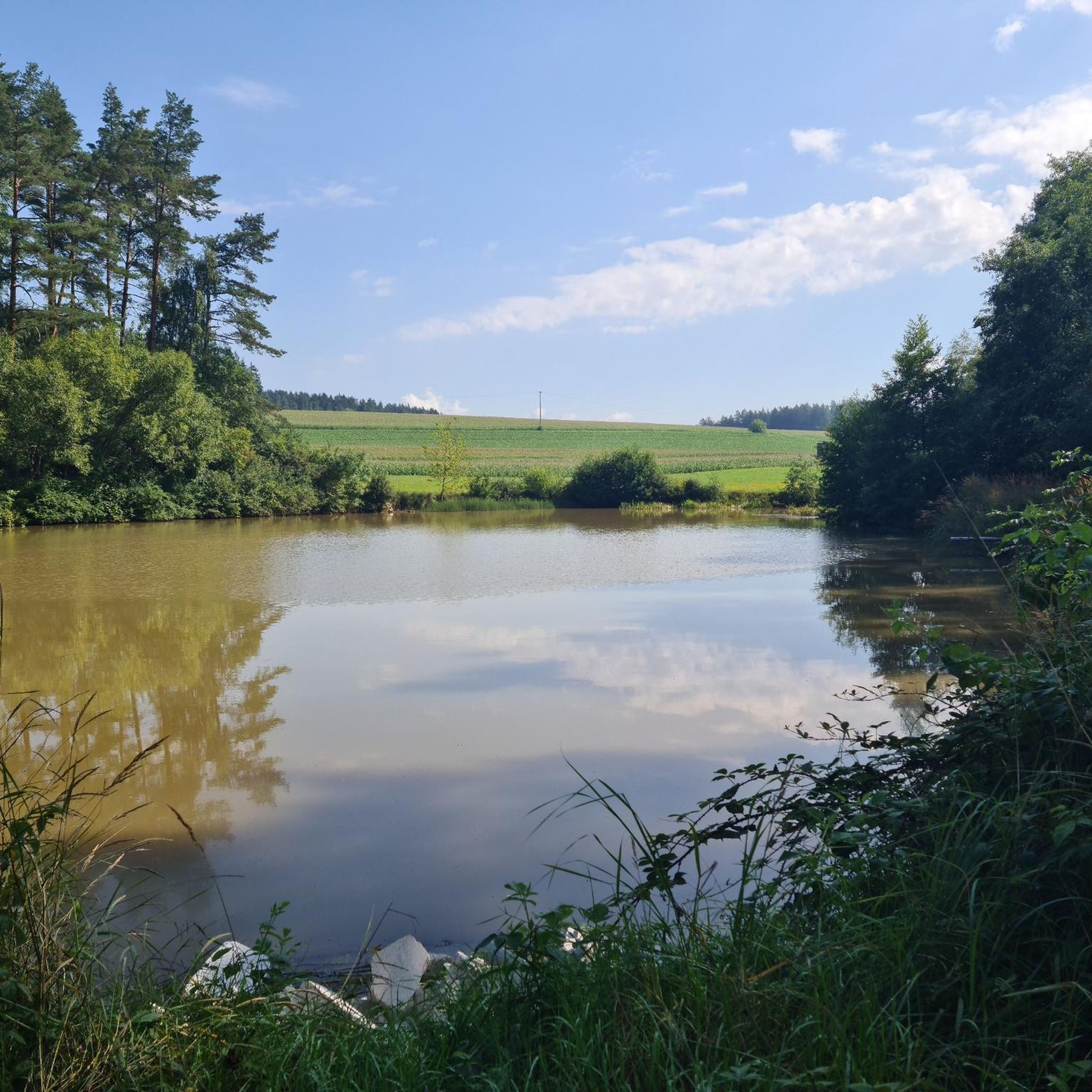
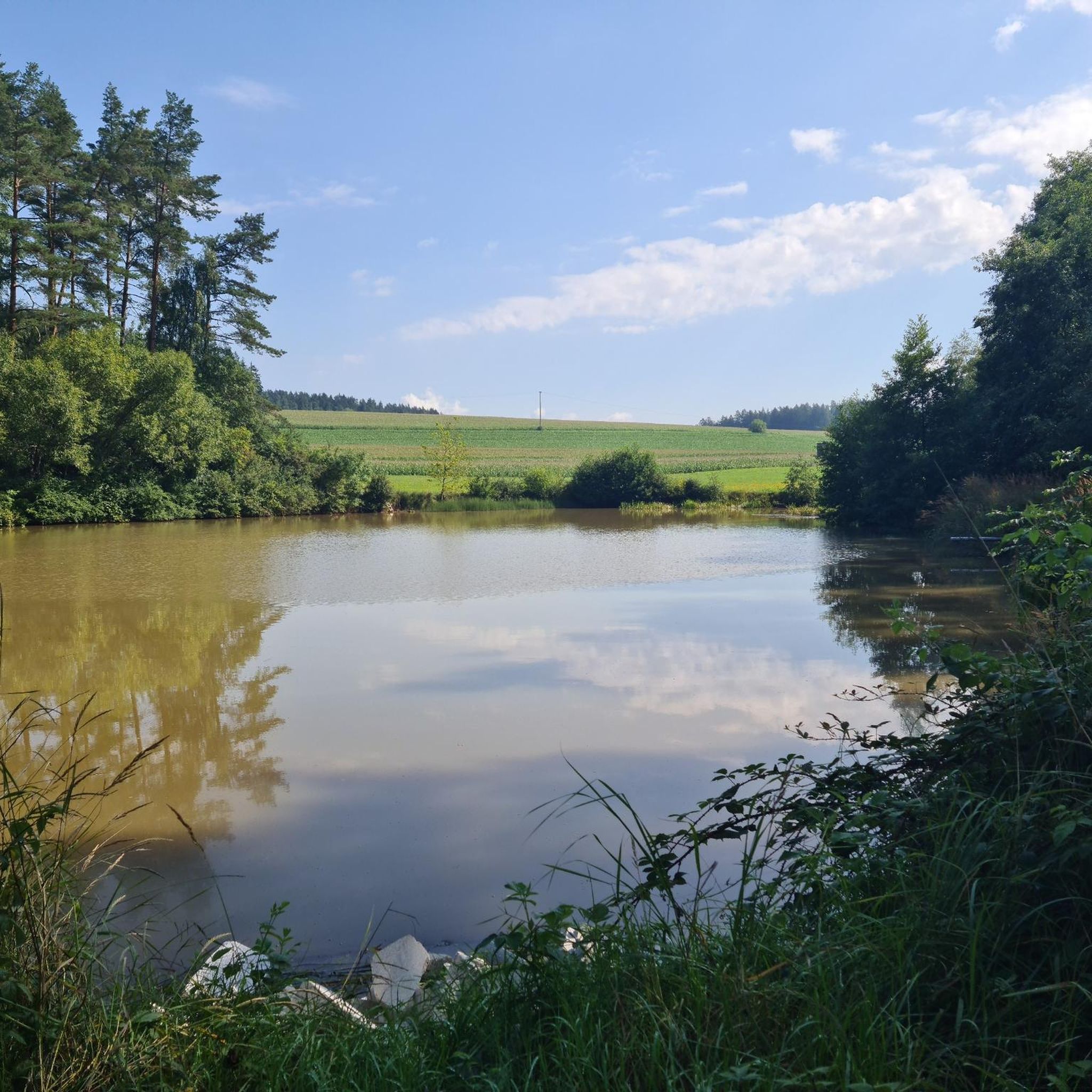
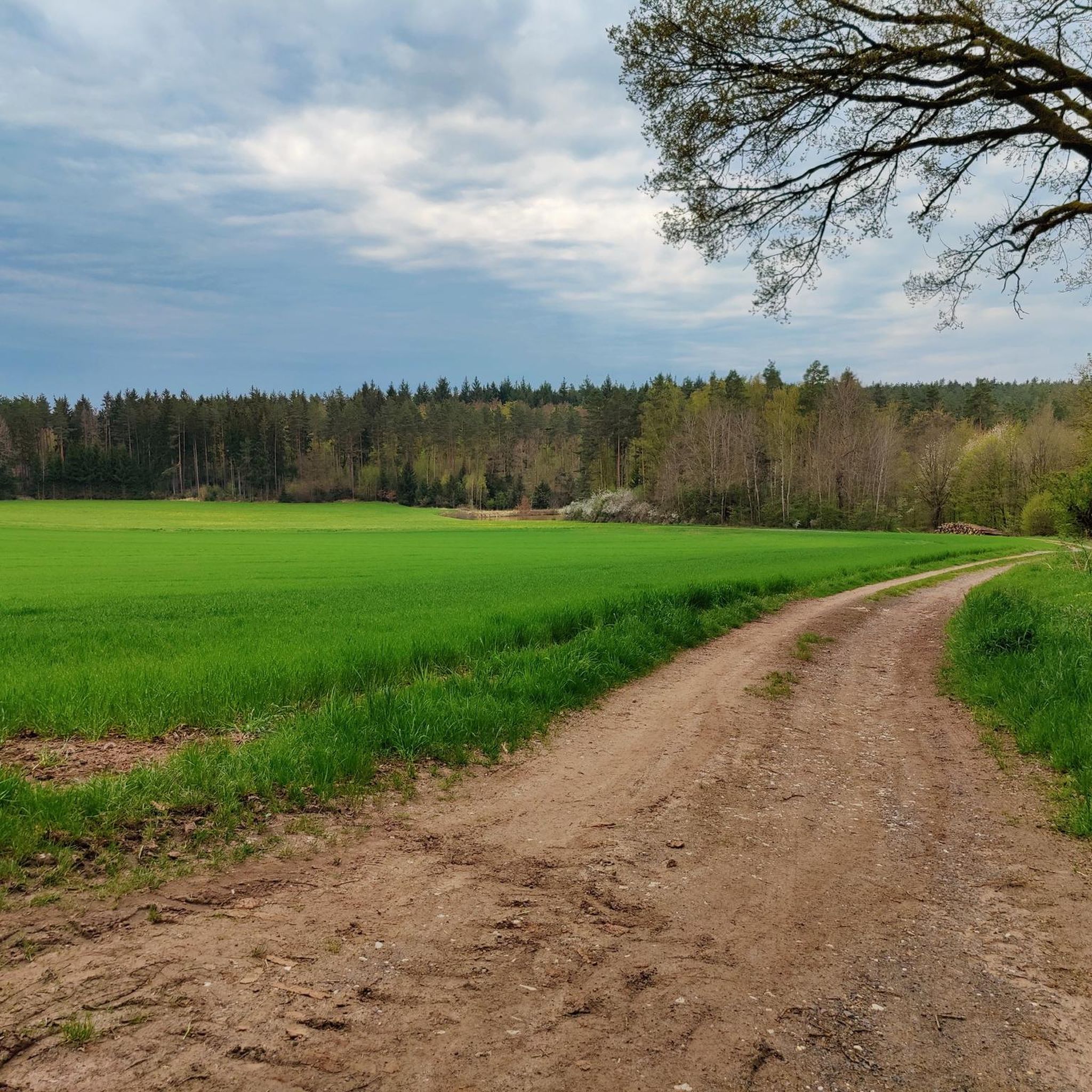
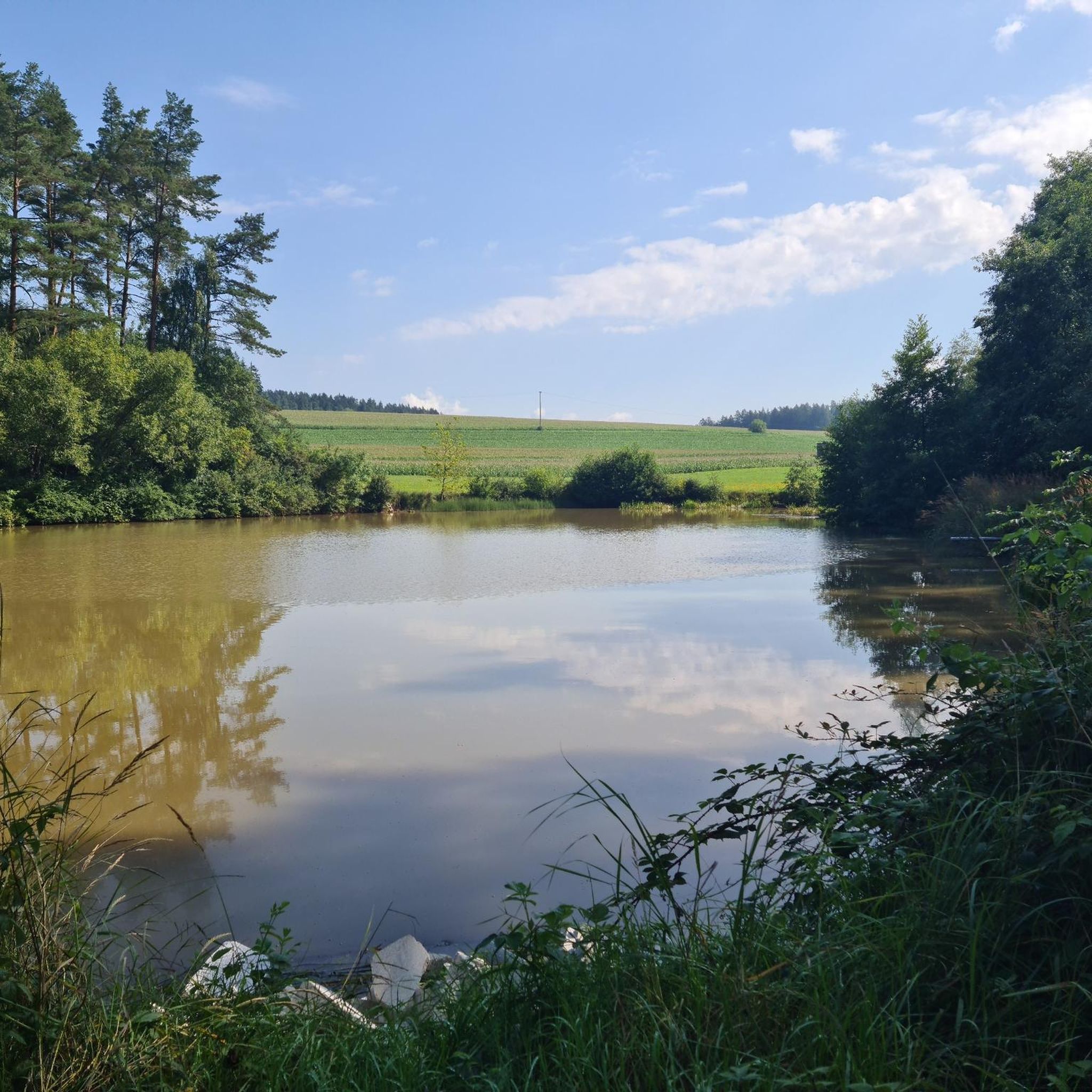

Tips from the Community

Amazing view from this mountain, even with a summit cross 😉
0
0

Very beautiful rock formation with bench and wonderful view over Kemnath
3
0

Great view over Kemnath and across to the Rauher Kulm
2
0

Atzmannsberg is simply wonderfully quiet with this small basalt cone which offers a beautiful view over the Kemnather Land
0
1

Kleiner Kulm opposite Rauer Kulm
0
0

The Anzenstein can be reached from two directions. The side towards Waldeck is recommended as it is not as steep. The other side is quite steep and can only be reached with a mountain bike by pushing it with a lot of effort. This path is great for a descent, but it is often not visible and can lead to problems with hikers.
2
0

The Rauhe Kulm rises 682 metres high from the middle of the landscape and is visible from all directions. It is surrounded by the Fichtel Mountains to the north, the Steinwald to the east, the heights of the Franconian Jura to the south and the Franconian Switzerland to the west. It owes its striking shape to its volcanic origins around 20 million years ago. The exposed basalt slopes are a valuable habitat for numerous animals and rare plants. Around 90 different lichens and mosses grow and thrive on the heat-storing basalt boulders. The Rauhe Kulm has been protected as a natural monument since 1909 and has been a nature reserve in accordance with European standards (FFH) for several years. In 2013, the Rauhe Kulm was voted Germany's most beautiful natural wonder.
9
1

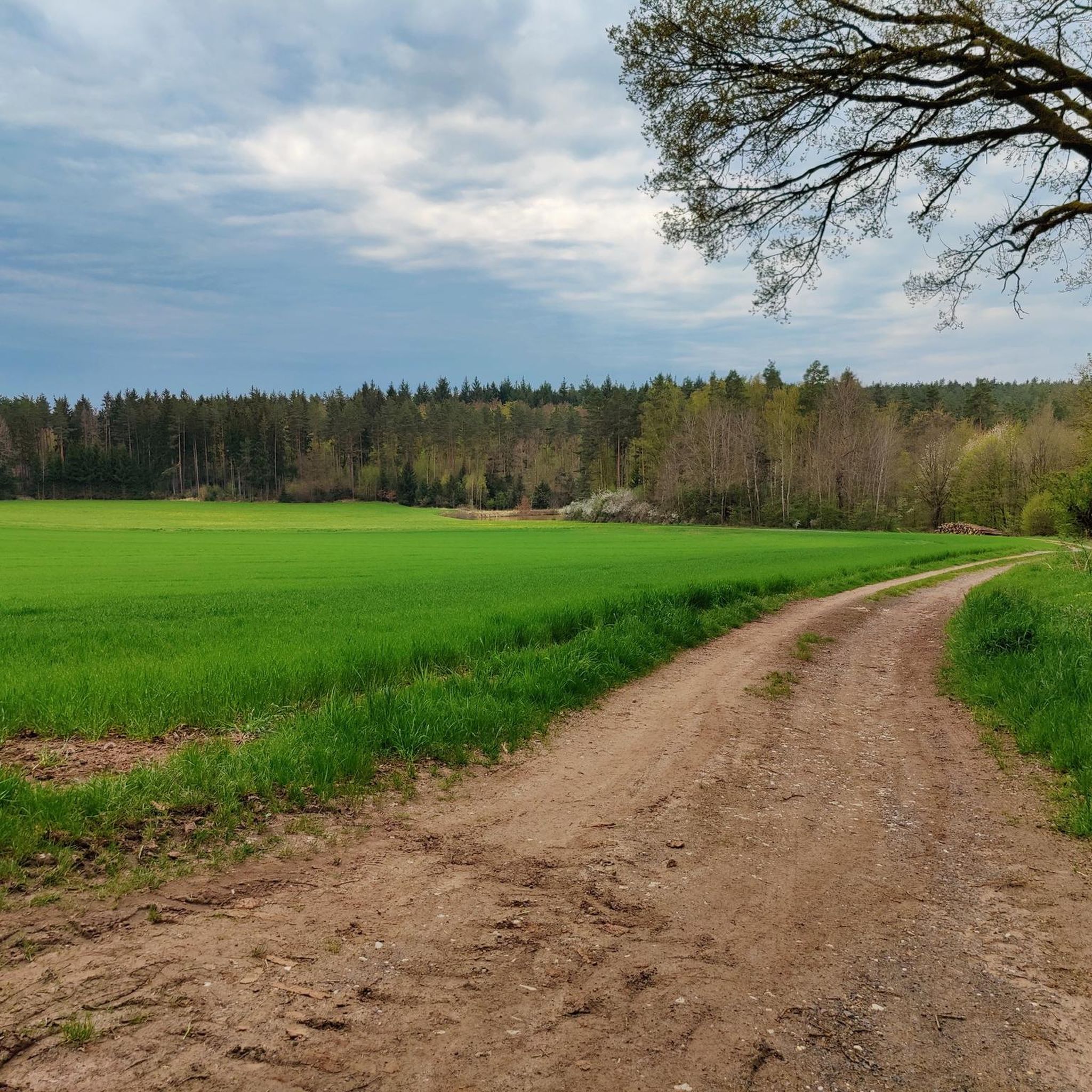
From this point you have a wonderful view of the Speinshart monastery complex and the Rauher Kulm behind it.
1
0
Frequently Asked Questions
What are the most notable elevated natural features around Speinsharter Forst?
While the Speinsharter Forst itself is a forested region, the broader vicinity features several significant elevated natural features. The most prominent is the Rauher Kulm, a striking basalt mountain known for its volcanic origins, historical significance, and a 25-meter observation tower offering panoramic views. Other notable spots include the Anzenstein Viewpoint, a basalt cone and natural monument, and the Kuschberg Summit, an extinct volcano with wide views into the Fichtelgebirge.
What kind of natural features can I expect to see on these peaks?
The peaks around Speinsharter Forst offer diverse natural features. The Rauher Kulm, for instance, showcases unique columnar basalt formations and imposing block fields, remnants of its volcanic past. The Anzenstein Viewpoint is also a basalt cone, part of the tertiary volcanoes of the northern Upper Palatinate. The Kuschberg Summit, an extinct volcano, is situated in a geologically interesting area with a rich landscape and special flora and fauna.
Are there any historical sites or features on these peaks?
Yes, the Rauher Kulm has significant historical importance. Evidence of settlement dates back to around 500 BC, and a medieval castle once stood on its summit, first mentioned in 1119. Although destroyed in 1554, remnants of ancient ring walls, some up to 12 meters wide, can still be found. Additionally, the View of Speinshart Monastery and Rauher Kulm offers a perspective of the historical Speinshart monastery complex.
What are the hiking opportunities around these peaks?
Numerous well-marked hiking paths lead up and around the Rauher Kulm, with routes ranging from 0.5 to 3.7 kilometers, allowing exploration of its unique geological formations. For more extensive hiking, you can find various routes in the region. The Anzenstein Viewpoint also involves a steep ascent and descent, offering a more challenging experience.
Are there family-friendly options for visiting the peaks?
Yes, the View of Speinshart Monastery and Rauher Kulm is categorized as family-friendly, offering a beautiful perspective of both the monastery and the prominent basalt mountain. While some ascents like the Anzenstein can be steep, many trails around the Rauher Kulm are accessible for families, depending on the chosen route and children's ages.
What kind of views can I expect from the summits?
From the 25-meter observation tower on the Rauher Kulm, you can enjoy extensive panoramic views of the northern Franconian Switzerland, the southern Fichtel Mountains, and the Upper Palatinate Forest. The Kuschberg Summit (585m) also provides wide views into the Fichtelgebirge. The Anzenstein Viewpoint (593m) offers a wonderful view of the surrounding landscape.
What outdoor activities can I do near these mountain peaks?
Beyond hiking, the area around Speinsharter Forst offers various cycling opportunities. You can explore Road Cycling Routes, MTB Trails, and general Cycling Routes. These guides feature routes like the 'View of Rauher Kulm – Pichlberger Cross loop' for mountain biking or 'Speinshart Abbey – Vilseck Old Town loop' for road cycling, allowing you to experience the diverse landscapes.
What do visitors enjoy most about the peaks around Speinsharter Forst?
Visitors particularly appreciate the stunning panoramic views from the summits, especially from the Rauher Kulm tower and the Kuschberg Summit. The unique geological formations, such as the basalt cones of Anzenstein and Kuschberg, are also a major draw. Many enjoy the sense of discovery on the well-marked hiking paths and the combination of natural beauty with historical elements like the remnants of the castle on Rauher Kulm.
Is the Rauher Kulm easily accessible?
The Rauher Kulm is well-known and features numerous well-marked hiking paths leading to its summit. These trails range in length from 0.5 to 3.7 kilometers, making it accessible for various fitness levels. The presence of an observation tower also indicates a developed visitor infrastructure.
Can I find information about the geology of the area?
Yes, the region is geologically fascinating. The Rauher Kulm is a prime example, being a basalt mountain with volcanic origins dating back approximately 21 million years. Its columnar basalt formations are a clear indicator of this history. Both the Anzenstein Viewpoint and Kuschberg Summit are also extinct volcanoes or basalt cones, part of the tertiary volcanic activity in the northern Upper Palatinate.
Are there any specific viewpoints that offer a good perspective of the region?
Absolutely. The observation tower on the Rauher Kulm provides extensive panoramic views. Additionally, the View of Speinshart Monastery and Rauher Kulm offers a clear perspective of both the historical monastery complex and the prominent basalt mountain. The Kuschberg Summit is also a designated viewpoint with wide vistas into the Fichtelgebirge.
Most popular routes around Speinsharter Forst
Most popular attractions around Speinsharter Forst

Get inspired with the komoot mobile app


Explore more
See even more amazing summits around Speinsharter Forst with these guides:
