The 10 Most Amazing Peaks around Hohenburg
Best mountain peaks around Hohenburg are found within the rolling hills and diverse landscapes of the Franconian Jura and Upper Palatinate Jura. This region, part of the Amberg-Sulzbach district, offers numerous elevated hills that provide scenic views and recreational opportunities. The area is characterized by impressive rock formations, river valleys, forested woodlands, and open meadows, making it ideal for various outdoor activities. Hohenburg itself is situated at an elevation of around 389 meters, with surrounding peaks offering higher vantage points.
…Last updated: September 30, 2026
Pilgrimage Church of the Visitation of Mary, Habsberg
Highlight • Religious Site
The construction of the second and larger church on the Habsberg, hereinafter referred to as the “pilgrimage church” to distinguish it …
Translated by Google •
Tip by

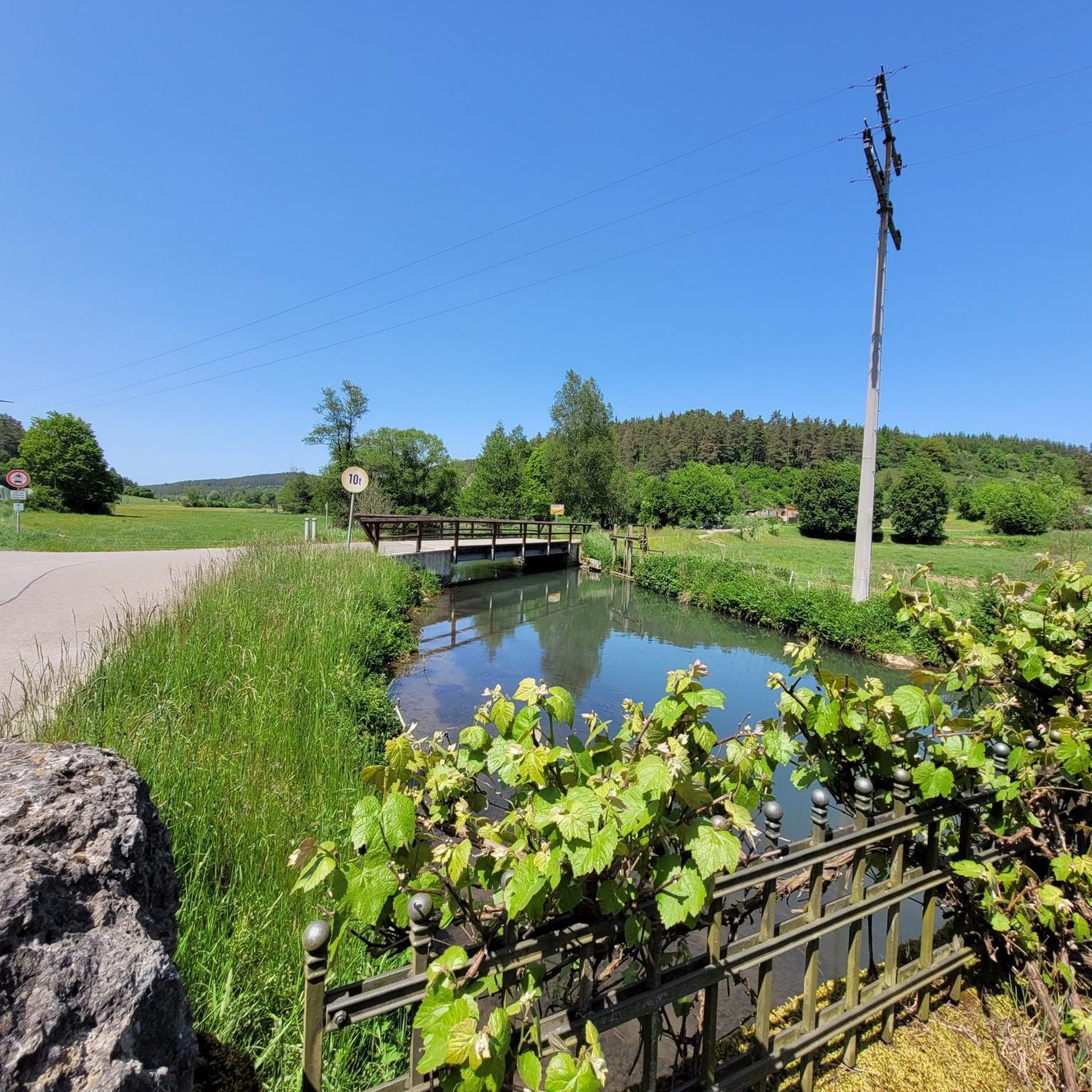
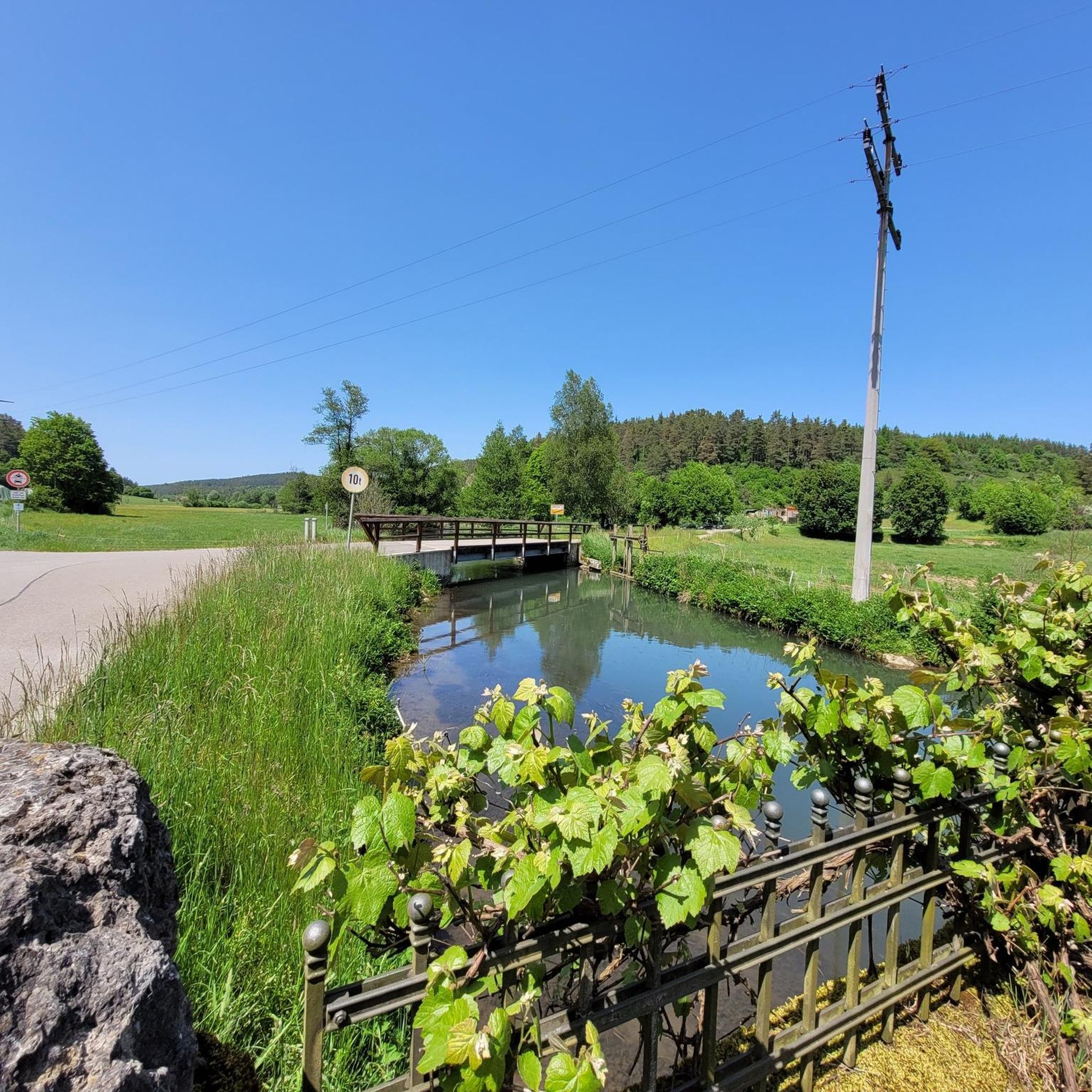
Summit Cross at Schlögelsmühle
Highlight • Summit
Translated by Google •
Tip by

Sign up now to discover places like this
Get recommendations on the best single tracks, peaks, & plenty of other exciting outdoor places.
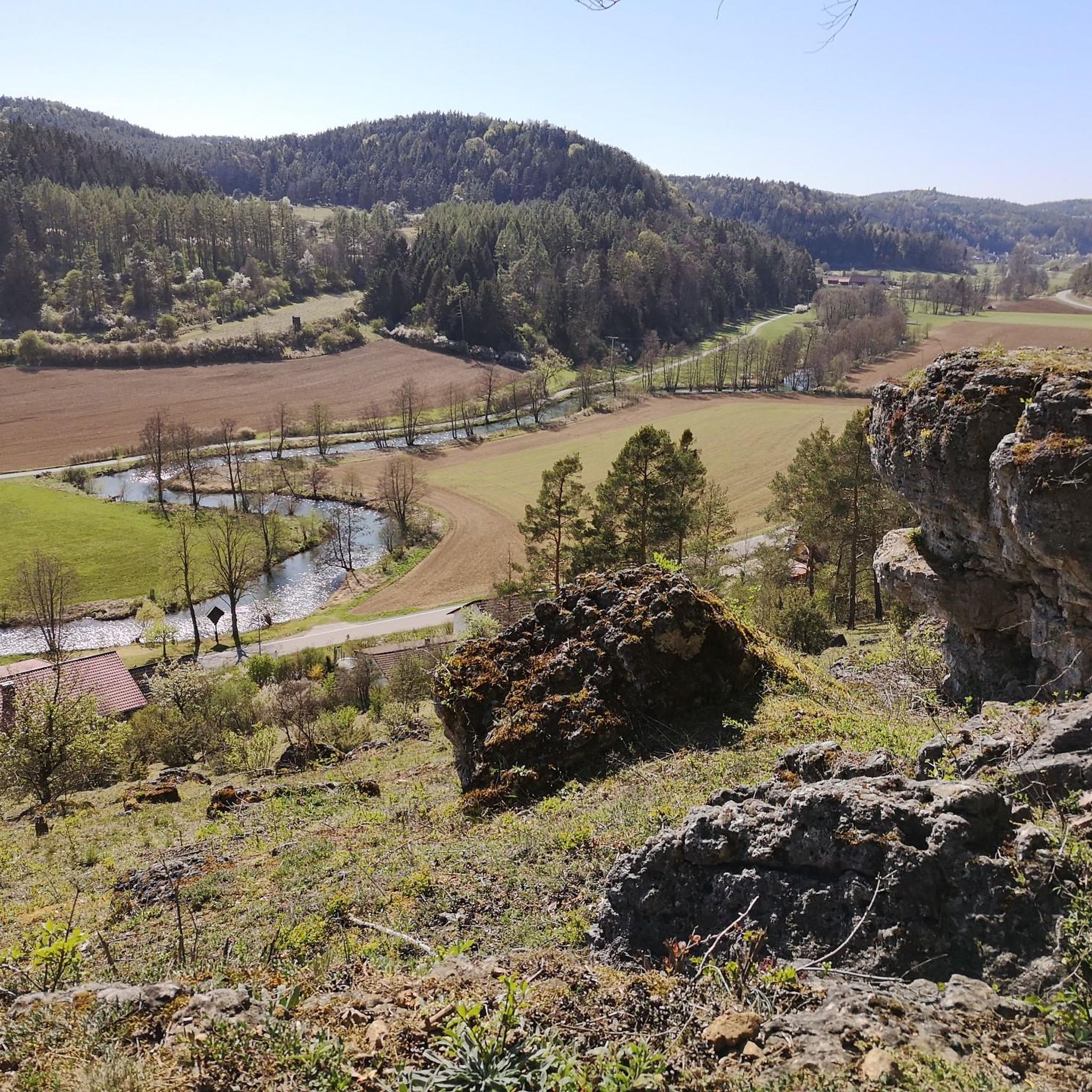
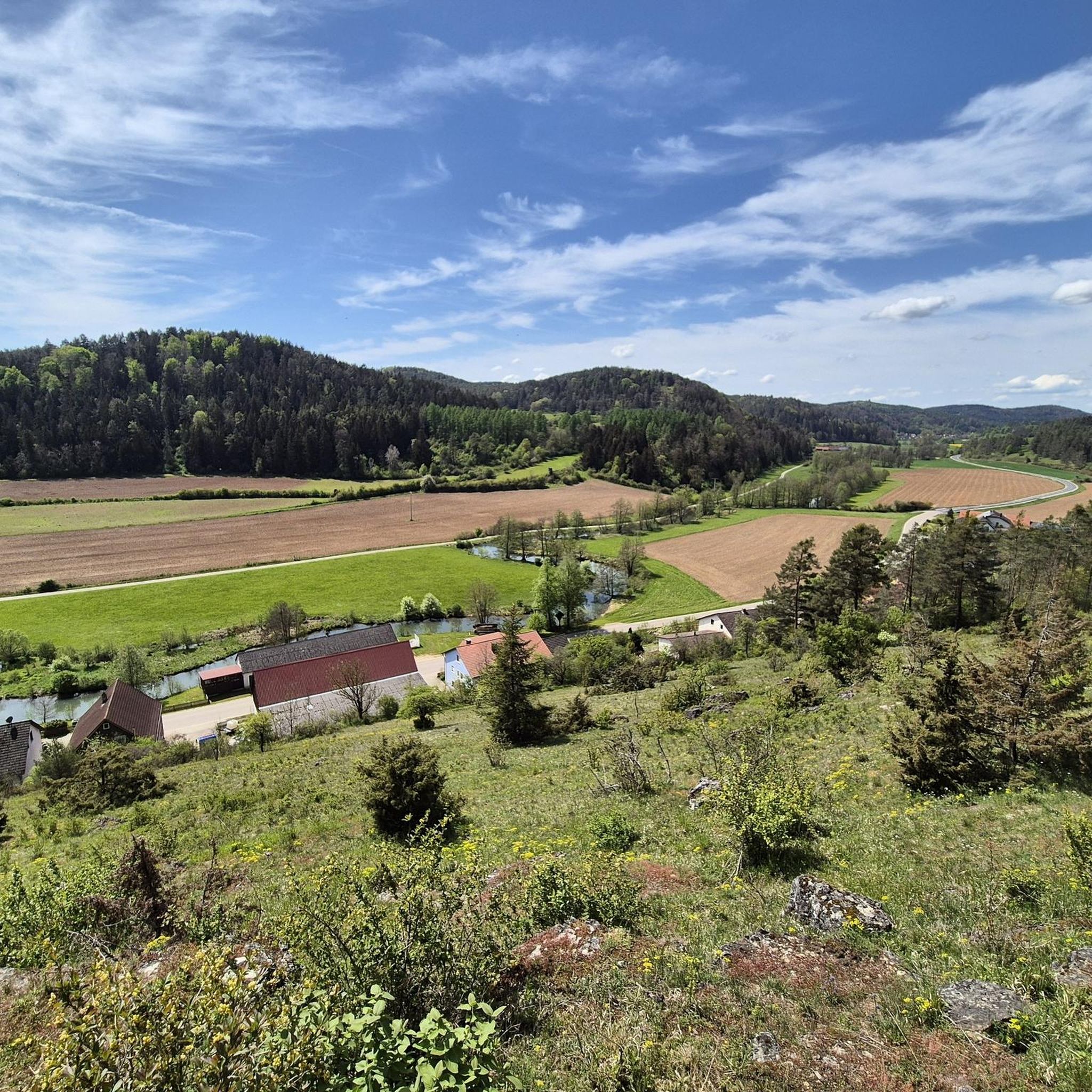
Schanzberg
Highlight • Summit
Translated by Google •
Tip by
Dietrichstein Summit (621 m)
Highlight • Summit
Translated by Google •
Tip by

Three Crosses on Kalvarienberg Summit
Highlight • Summit
Translated by Google •
Tip by
Sign up for free to discover even more peaks around Hohenburg.
Already have an account?
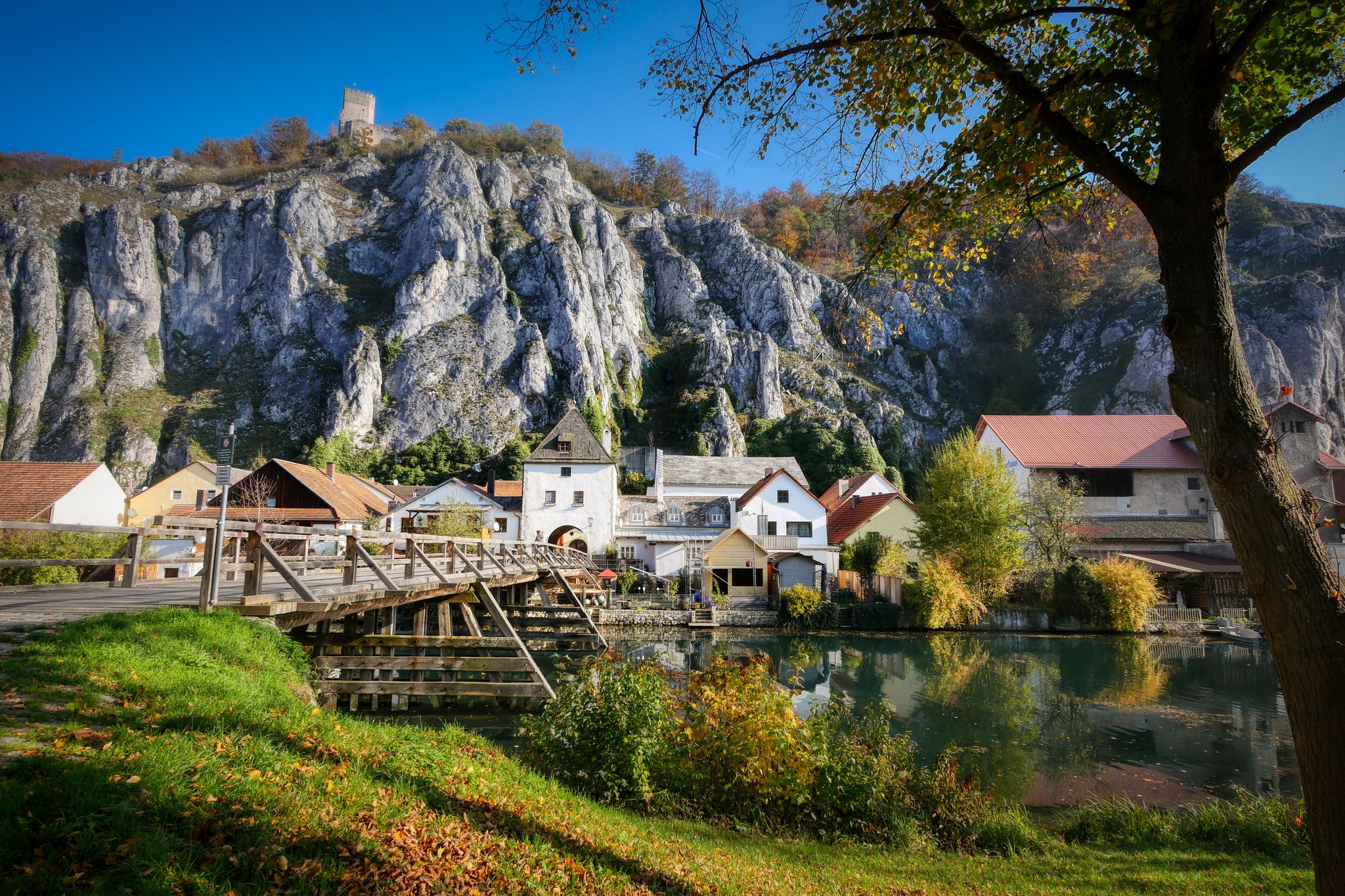
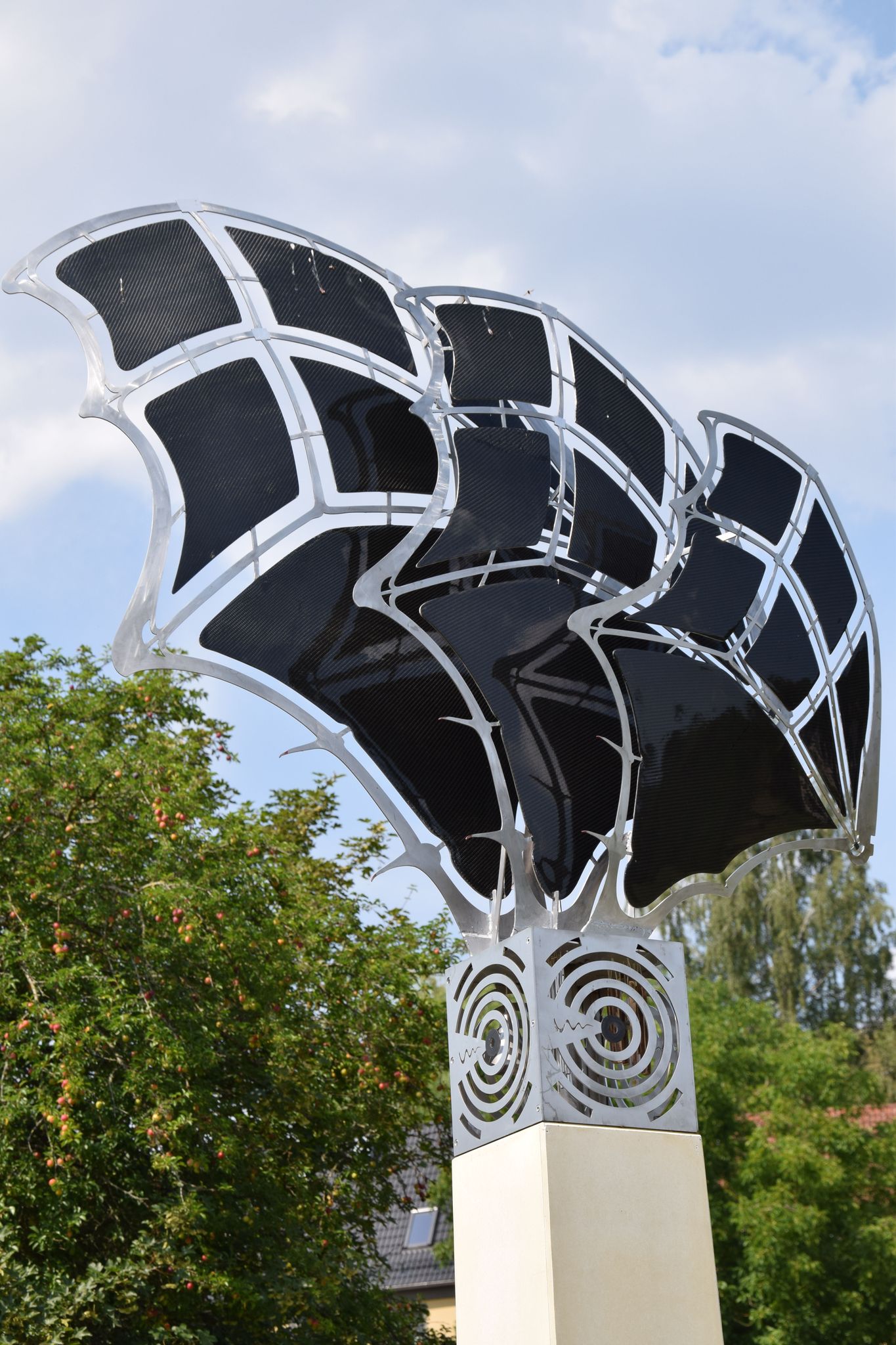
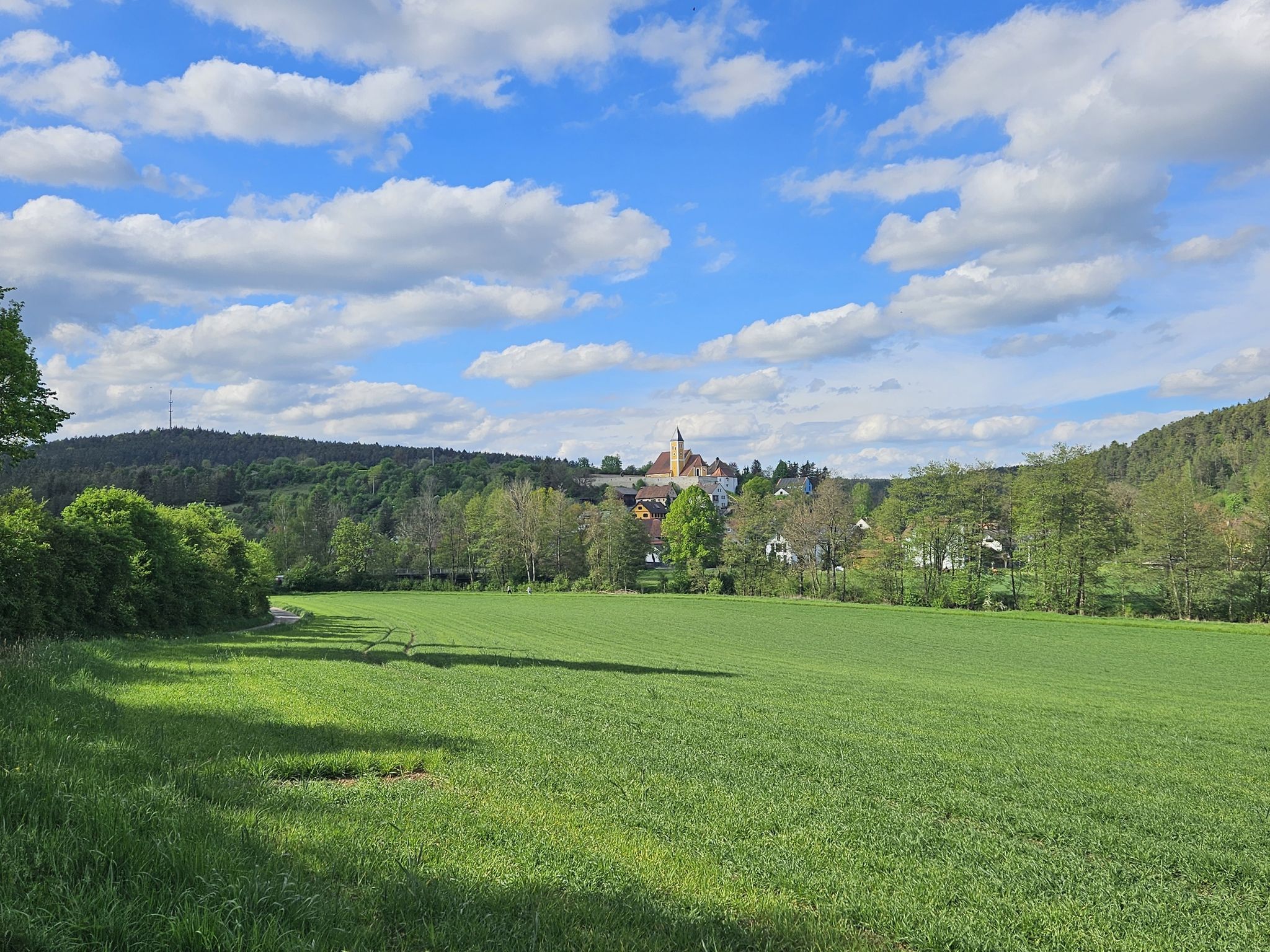
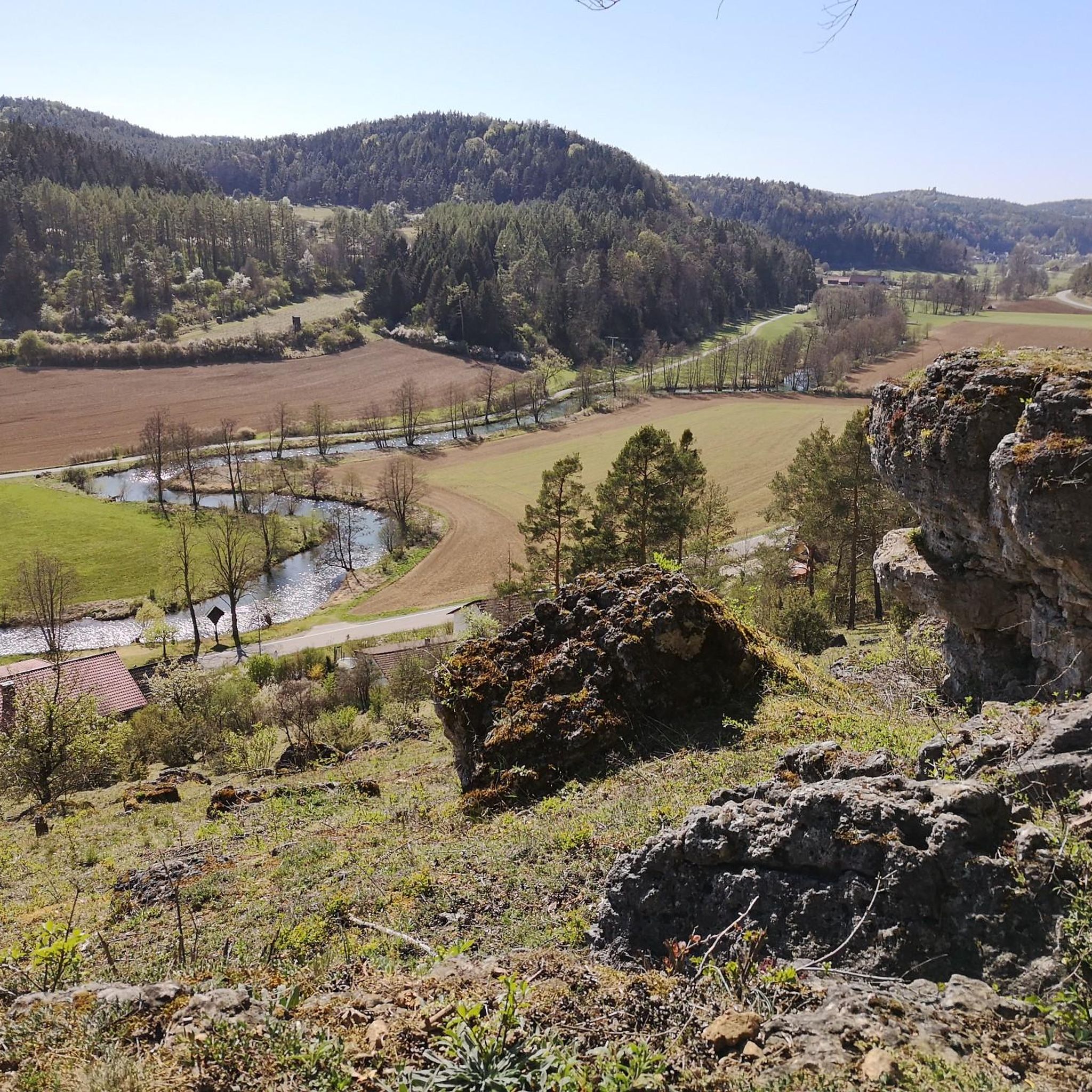



Tips from the Community

The castle is located at the Dietrichsstein. We rode clockwise around the ruin. Although a path leads up in the east, it is only possible on foot.
1
0

Wonderful landscape with beautiful stretches of road and many beautiful sights
1
0
Wonderful stretches of road with many interesting sights
1
0

There are three crosses at the summit of Kalvariberg
0
0

Cozy rest area, it's not that easy to get past 🥰
3
0

Pilgrimage Church of the Visitation of the Virgin Mary The construction of the second and larger church on the Habsberg, hereinafter referred to as the “pilgrimage church” to distinguish it from the Chapel of Grace, goes back to the initiative of the Helfenberg manor. The structure of the church (40 x 16.5 m), which is visible from afar, has a retracted choir in the north, followed by a nave with three window axes and a tower 37 m high in the south. The older tower of the Maria Hilf Church in Amberg was unmistakably the model for the double onion dome with lantern and cross (18 m). Construction of the church began in 1761 following planning by the Munich court master mason, Leonhard Matthäus Gießl, and the participation of the electoral master mason Johann Fischer from Ingolstadt. In 1764, accounts were already settled with the plasterer Josef Dietmayer from Wessobrunn and the fresco painter Johann Michael Wild from Amberg. The organ was installed in 1767 by Johann Conrad Funtsch from Amberg. In the same year, the high altar with tabernacle, the pulpit and a reliquary, as well as probably the two side altars, were completed by Georg Leonhard Dänthl from Velburg. The year 1769 brought the completion of the church. The focal point of the room is the mighty high altar. In the excerpt, God the Father graciously bends down. In the large central shrine framed by angels, the Mother of God floats upwards as the Immaculata. She takes all the prayers and needs of those seeking help with her and brings them before the face of God. Four powerful sculptures on the left, John the Baptist and Zacharias, and on the right, Joachim and John the Evangelist, refer to the earthly and spiritual family of Mary. The side altars are of similar quality to the high altar. Two columns each flank a central shrine. This contains a sculpture of St. in the left altar. Florian, to the left is St. Elizabeth, on the right St. Ottilie. The right side altar contains the figure of St. in the central shrine. George, to the left is St. Francis Xavier, on the right St. John Nepomuk, see. The highlight of the church's decoration is the large ceiling fresco in the nave. Its theme is: Healing of the sick,” says the banner of the angel in the center of the picture under the figure of Mary. Source: Excerpts from the Habsberg pilgrimage church guide
4
0
There used to be a Schweppermann castle on the Dietrichstein summit
1
0
Located north, above the Bahntrassenradweg (nearly at the end). https://www.komoot.de/highlight/4850706. Coming from Lauterhofen, turn right at the crossroads into the Schlöglmühle and left up to the cross (dead end).
4
0
Frequently Asked Questions
What are some other notable elevated points or "peaks" in the Hohenburg region beyond the most popular ones?
While the region is known for its rolling hills rather than towering mountains, several elevated points offer great views and recreational opportunities. Beyond the highlights, you can explore Rotbühl, the highest point in the Amberg-Sulzbach district at 687 meters, or Ossinger (659 meters), which features an observation tower for panoramic views. Other significant elevations include Kappersberg (669 meters), Hohe Zant (665 meters), and Kohlbühl (606 meters).
What kind of views and natural features can I expect from the elevated points around Hohenburg?
The elevated points around Hohenburg offer diverse natural features and scenic views. You can expect panoramic vistas of the Franconian and Upper Palatinate regions, especially from spots like the Ossinger observation tower. The landscape is characterized by impressive rock formations, river valleys (such as the Vils and Lauterach), dense forested woodlands, and open meadows. For example, the Schanzberg provides wide views over the upper valley of the Black Laber.
Are there hiking trails suitable for different skill levels around Hohenburg's elevated points?
Yes, the region around Hohenburg offers nearly 90 hiking routes catering to various skill levels. You can find everything from easy riverside walks to more challenging routes with significant elevation gains. Many trails wind through limestone formations and offer views of historical sites, making them suitable for both casual strolls and more strenuous hikes.
Are there any historical sites or cultural landmarks on or near the elevated points?
Absolutely. The region blends natural beauty with historical intrigue. A prominent example is the Pilgrimage Church of the Visitation of Mary, Habsberg, an 18th-century religious building beautifully situated on the Habsberg. Another significant site is Schanzberg, known for its historical ring wall system, likely dating back to the Celts. The Hohenburg Castle Ruins themselves also offer wide views and are part of popular hiking loops.
Are there family-friendly options among the elevated points near Hohenburg?
Yes, many of the elevated points and their surrounding trails are suitable for families. Highlights like the Pilgrimage Church of the Visitation of Mary, Habsberg and the Summit Cross at Schlögelsmühle are categorized as family-friendly. The diverse terrain includes easier paths, making it possible to find routes enjoyable for all ages.
Can I bring my dog on trails around Hohenburg's elevated areas?
Generally, dogs are welcome on most hiking trails in the Hohenburg region. However, it's always advisable to keep them on a leash, especially in nature reserves, near wildlife, or when passing through agricultural areas. Always be mindful of local regulations and other hikers.
What is the best time of year to visit the peaks around Hohenburg?
The region is beautiful year-round. Spring and autumn offer pleasant temperatures for hiking, with vibrant foliage in fall. Summer is ideal for longer days and enjoying the lush green landscapes. While winter hiking is possible, be prepared for colder temperatures and potentially snowy or icy conditions on higher elevations.
Are there places to rest or get refreshments near the elevated points?
Yes, some elevated points offer facilities. For instance, the Ossinger mountain features a managed hut where you can find rest and refreshments. Additionally, the Pilgrimage Church of the Visitation of Mary, Habsberg is also listed as having a restaurant nearby. You'll find cafes, pubs, and accommodation options in the surrounding towns and villages.
What other outdoor activities can I enjoy near the elevated points around Hohenburg?
Beyond hiking, the diverse terrain around Hohenburg is excellent for various outdoor activities. You can explore numerous cycling routes, including road cycling, gravel biking, and general touring. For example, you can find many Road Cycling Routes around Hohenburg, Gravel biking around Hohenburg, and general Cycling around Hohenburg.
What do visitors particularly appreciate about the elevated points around Hohenburg?
Visitors highly appreciate the scenic views and the blend of nature and history. The komoot community has shown strong engagement, with over 240 upvotes and more than 270 photos shared for the elevated points. Specific highlights like the Pilgrimage Church of the Visitation of Mary, Habsberg are noted for their beautiful location and visibility from a distance, while the Schanzberg is loved for its wide views and historical significance.
How challenging are the hikes to the elevated points in the Hohenburg region?
The difficulty of hikes varies significantly. While Hohenburg itself is at a moderate elevation, the surrounding Upper Palatinate Jura offers routes ranging from easy, gentle paths along river valleys to intermediate and more challenging ascents to the higher 'peaks' like Rotbühl or Ossinger. Many trails involve elevation gains, so it's advisable to check route descriptions for specific difficulty ratings before heading out.
Most popular routes around Hohenburg
Most popular attractions around Hohenburg

Get inspired with the komoot mobile app


Explore more
See even more amazing summits around Hohenburg with these guides:
