Top 16 Castles around Kümmersbruck
Best castles around Kümmersbruck offer a journey through the Amberg-Sulzbach district of Bavaria, featuring historically significant structures. The region is characterized by its blend of natural landscapes and cultural heritage, including former manor houses and medieval fortifications. Visitors can explore sites that reflect centuries of regional history and industrial development. This area provides diverse opportunities to discover historical landmarks within a scenic setting.
Best castles around Kümmersbruck
- The most popular castles is Ziegeltor, Amberg, a Gothic gate system that…
Last updated: July 24, 2026
Rossstein Castle Ruins
Highlight • Castle
Roßstein is located near Schmidmühlen and Hohenburg in the middle of the lonely Taubenbacher Forest.
Chunrad Oerelheimer named himself after the castle for the first time in 1331, …
Translated by Google •
Tip by

Moos Water Castle
Highlight • Castle
Translated by Google •
Tip by

Sign up now to discover places like this
Get recommendations on the best single tracks, peaks, & plenty of other exciting outdoor places.
Sign up for free
Ebermannsdorf Castle and Castle Church
Highlight • Castle
Translated by Google •
Tip by

Ebermannsdorf Castle Ruins
Highlight • Castle
Translated by Google •
Tip by

Scharfenberg Castle Ruins
Highlight • Historical Site
The Burgstall Scharfenberg is the remains of a ruined high medieval spur castle that once stood on a rocky spur on a foothill of the Scharfenberg in the …
Translated by Google •
Tip by
Sign up for free to discover even more castles around Kümmersbruck.
Sign up for free
Already have an account?
Start today with a free account
Your next adventure awaits.
Login or Signup
Popular around Kümmersbruck
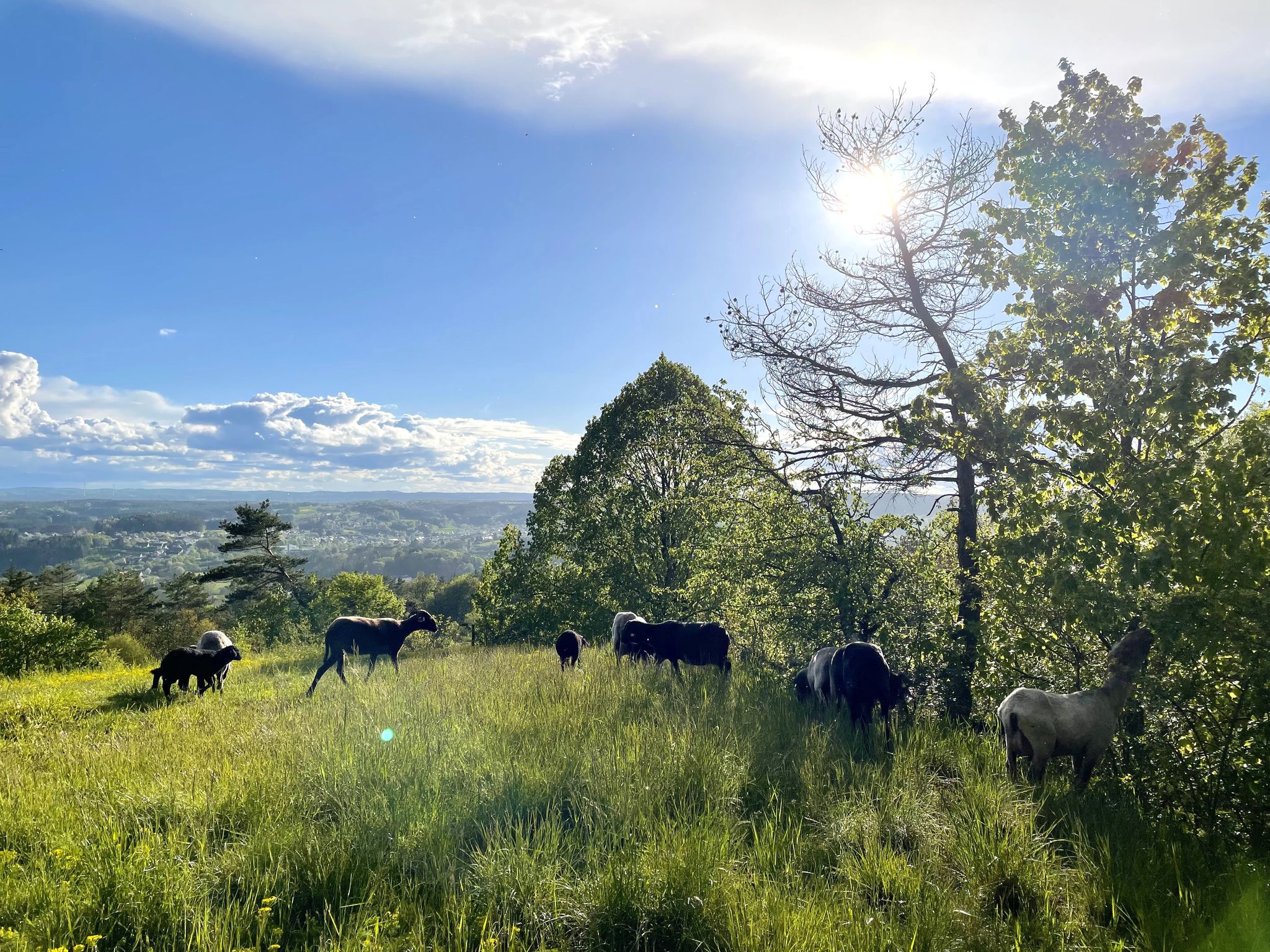
11 Days on the Erzweg Quality Hiking Trail
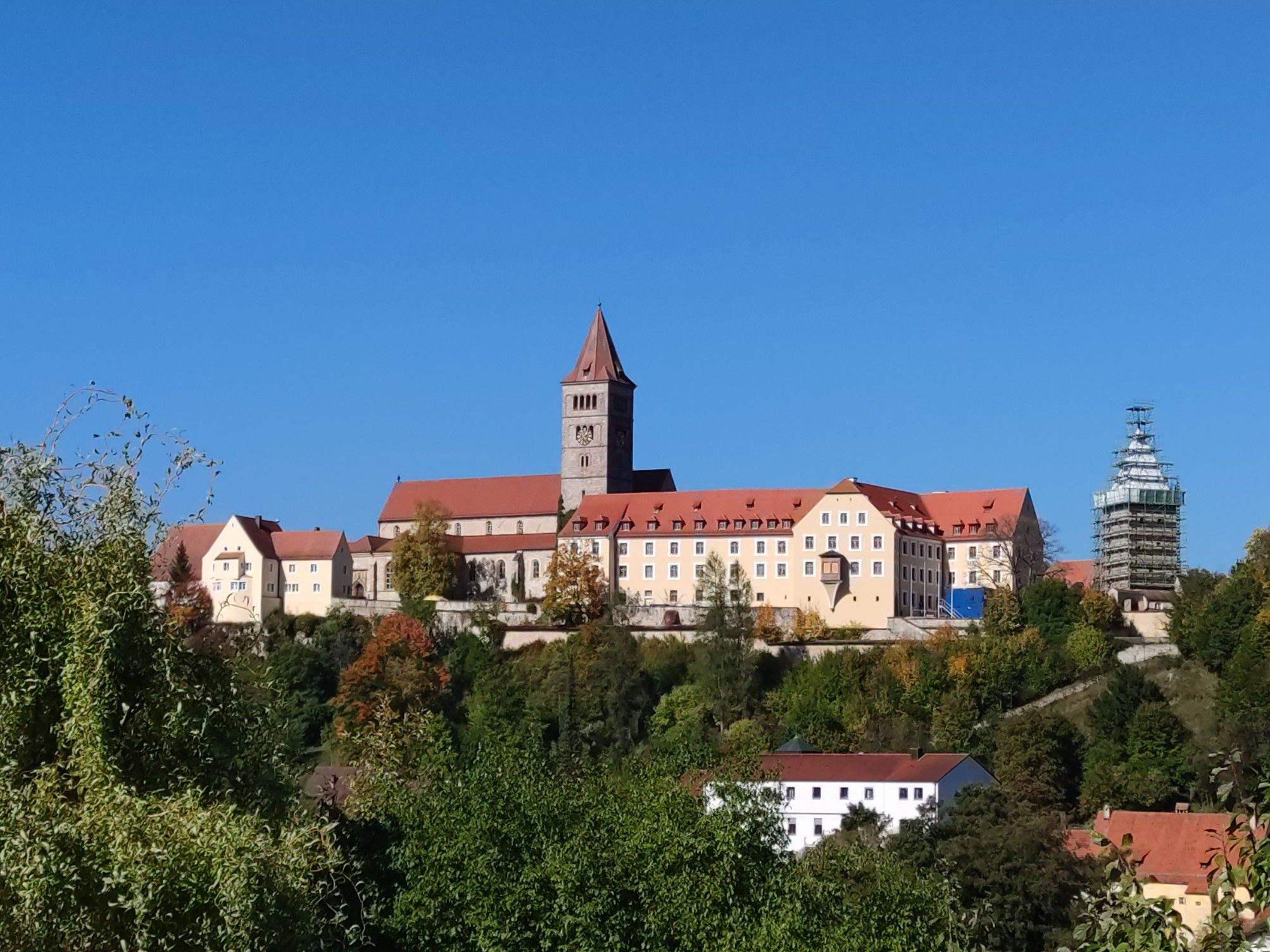
Auf dem Erzweg im Naturpark Hirschwald
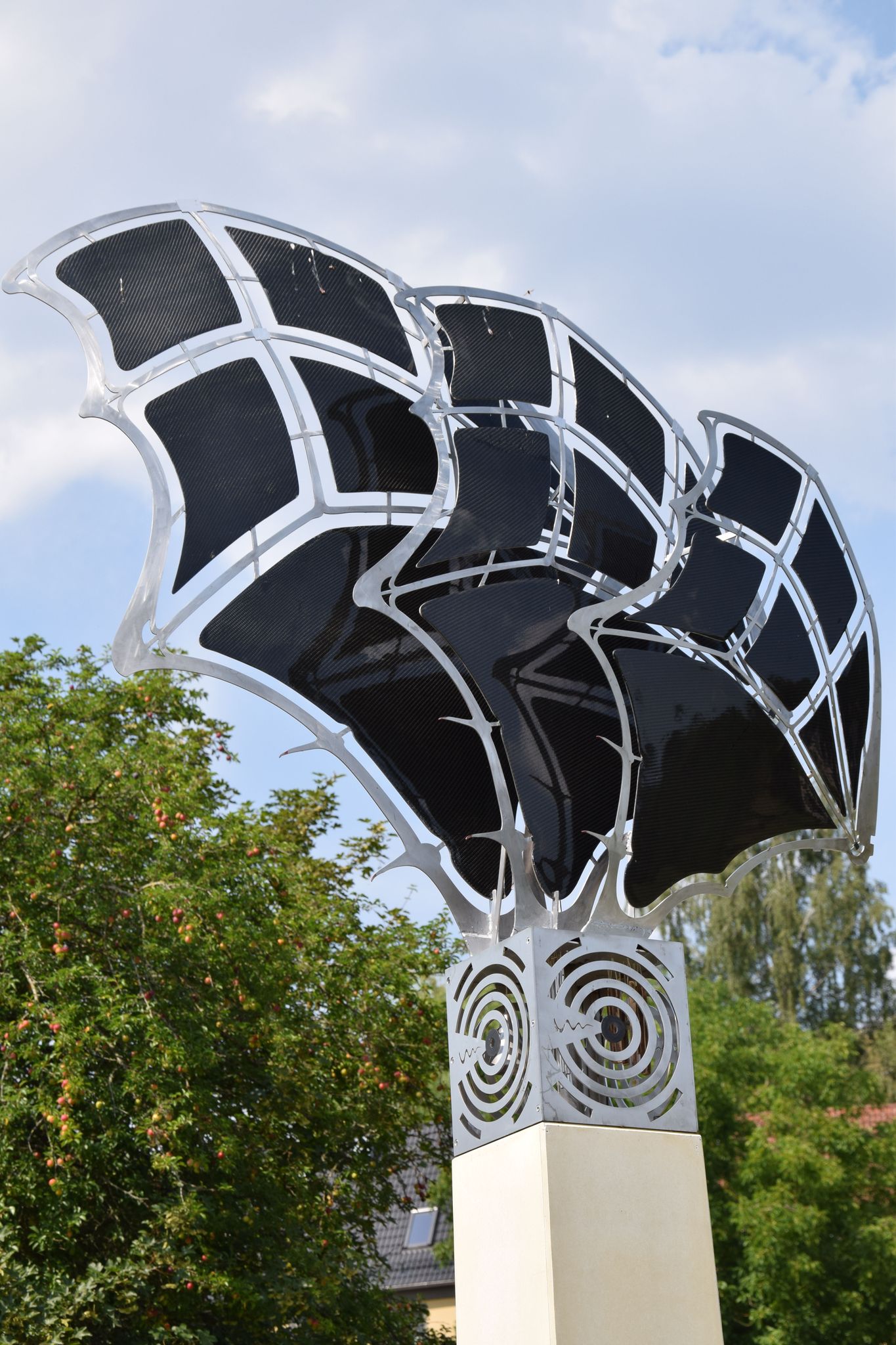
Kunstwandern im Naturpark Hirschwald
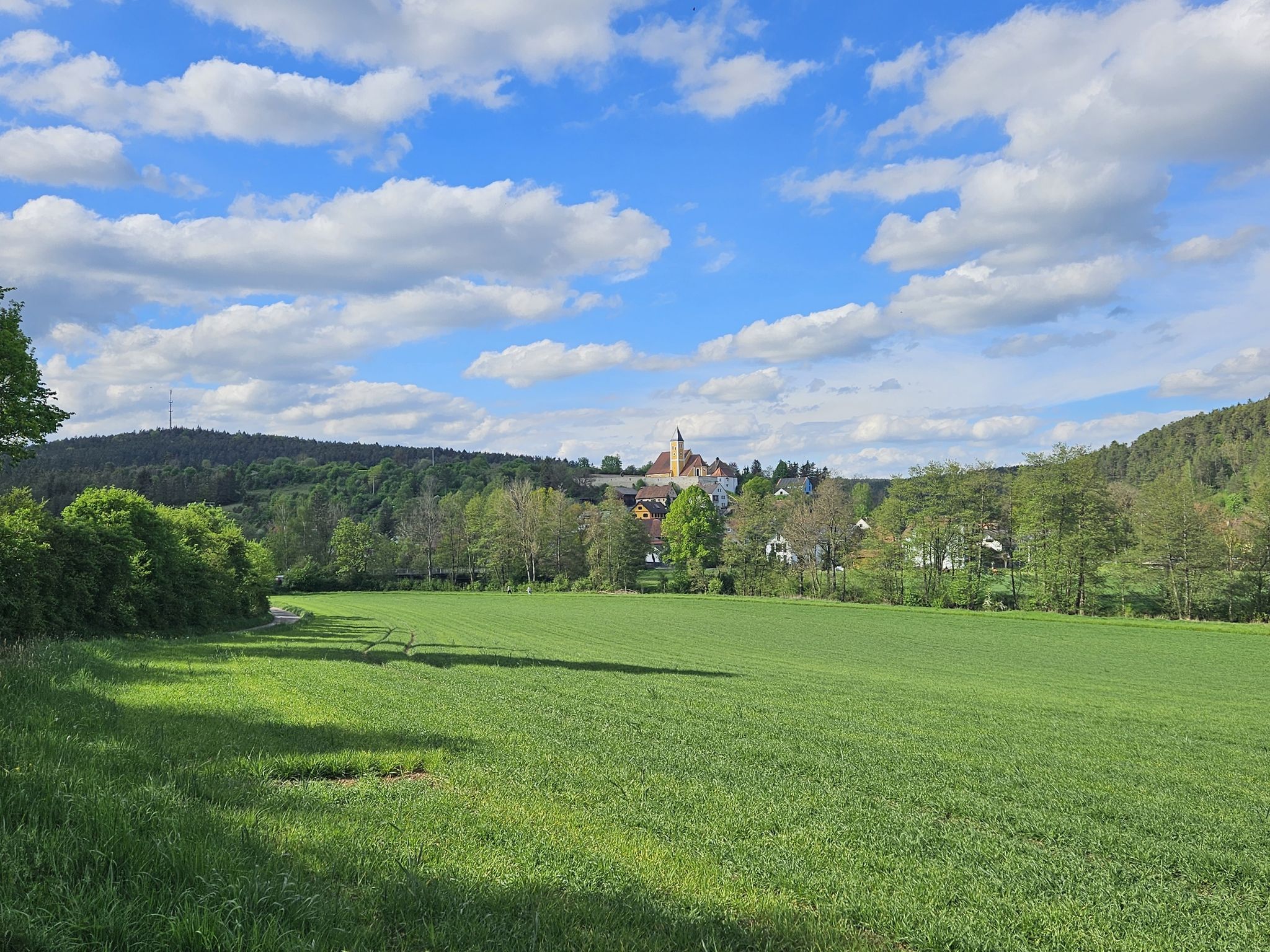
Wandern im Naturpark Hirschwald
Cycling around Kümmersbruck
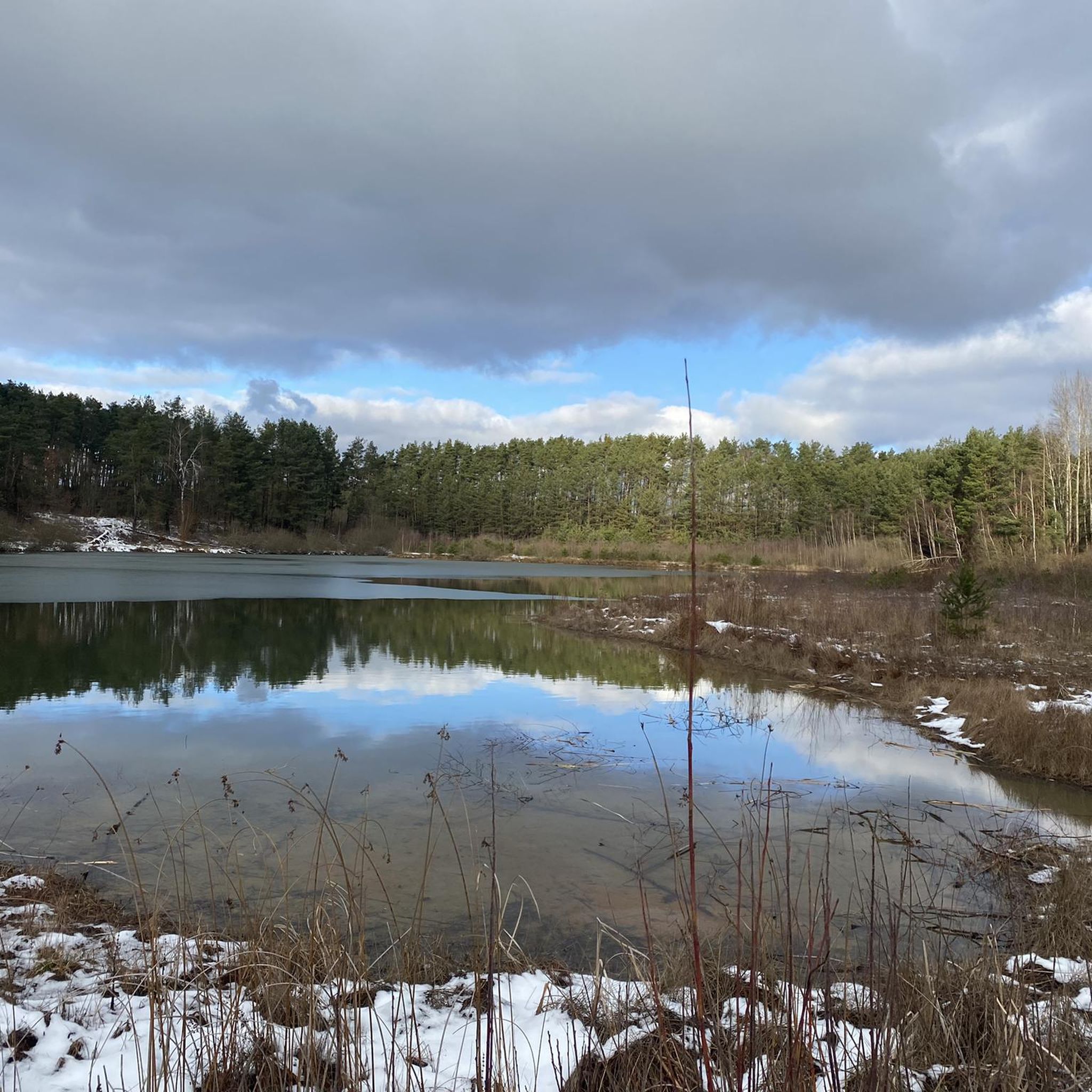
Hiking around Kümmersbruck
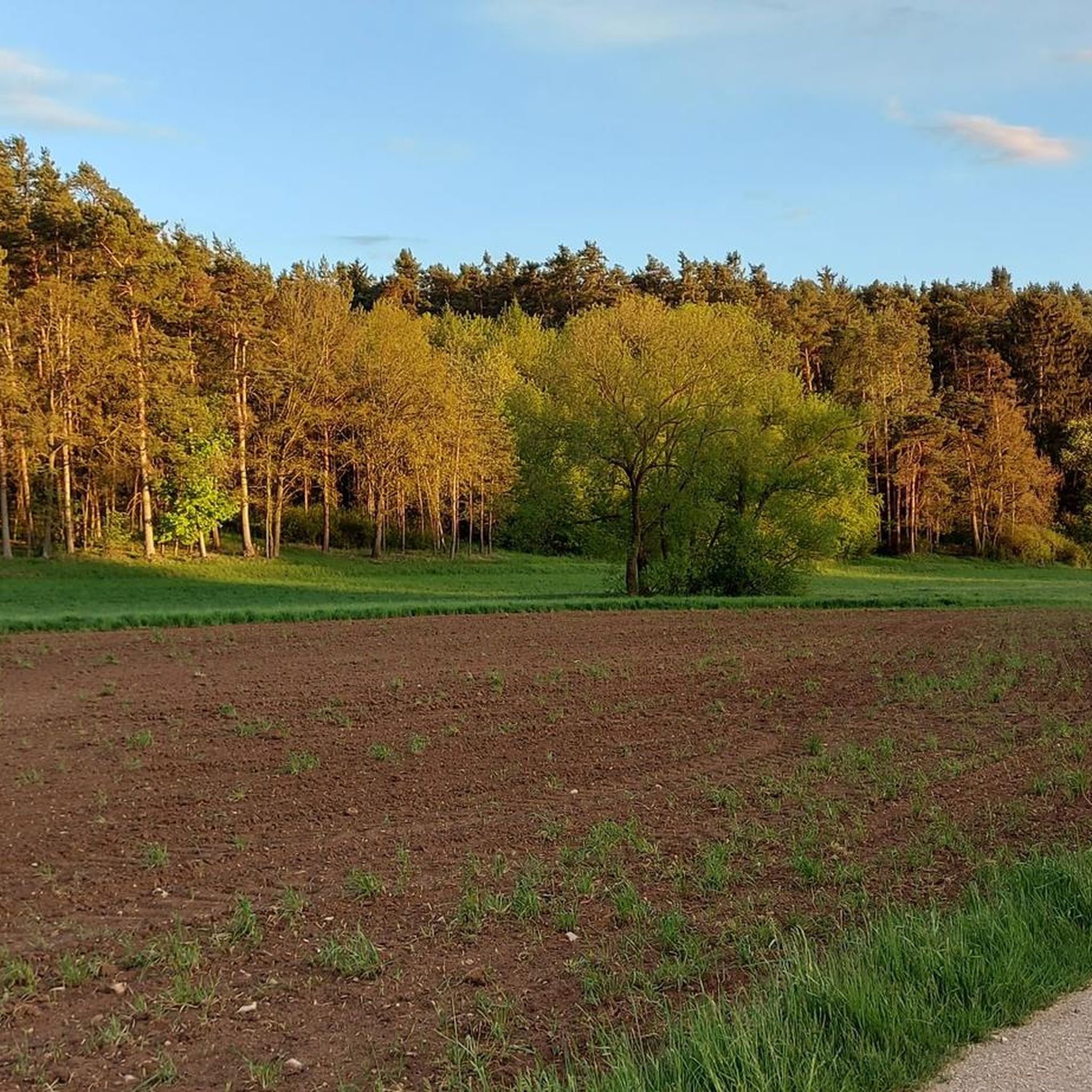
Road Cycling Routes around Kümmersbruck
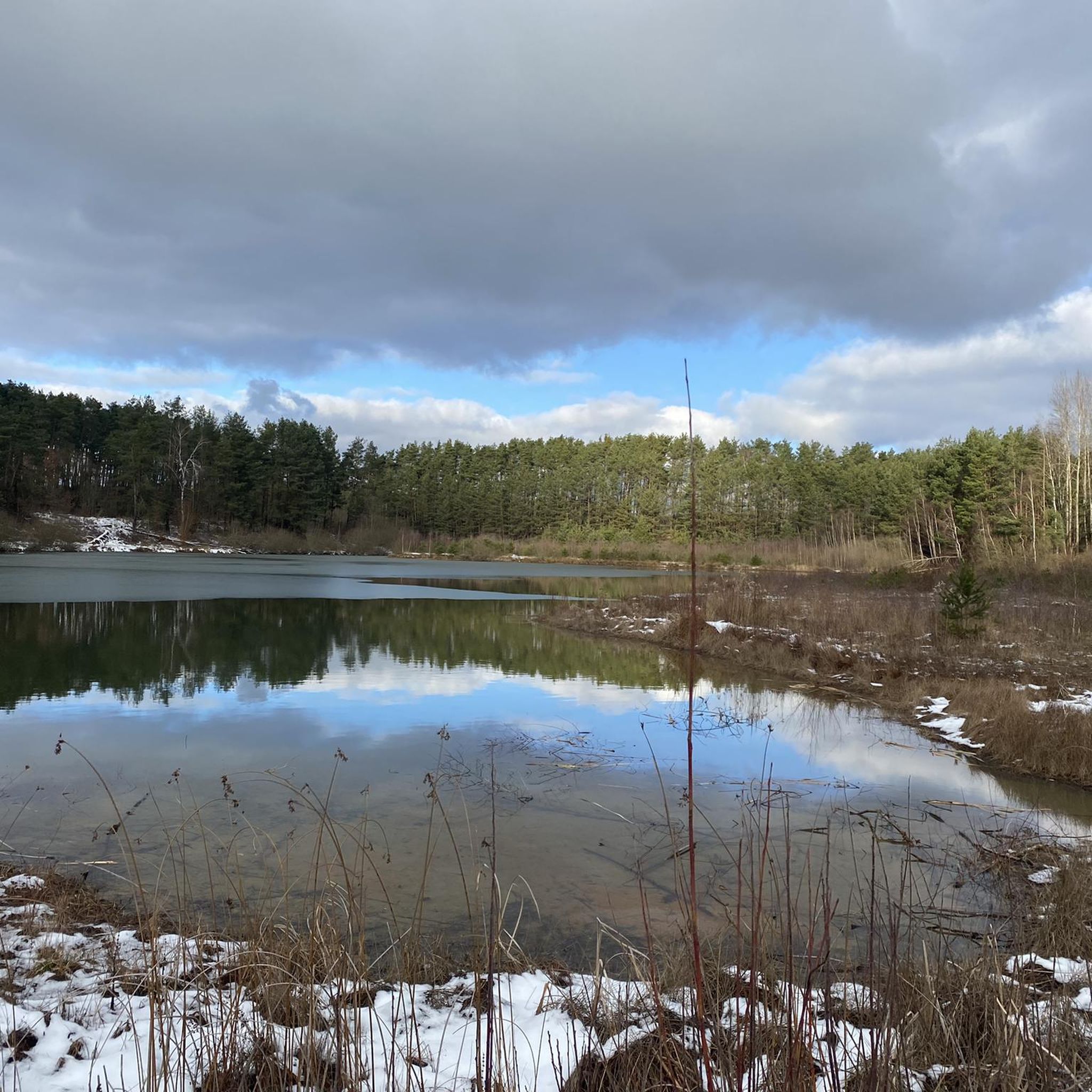
Running Trails around Kümmersbruck
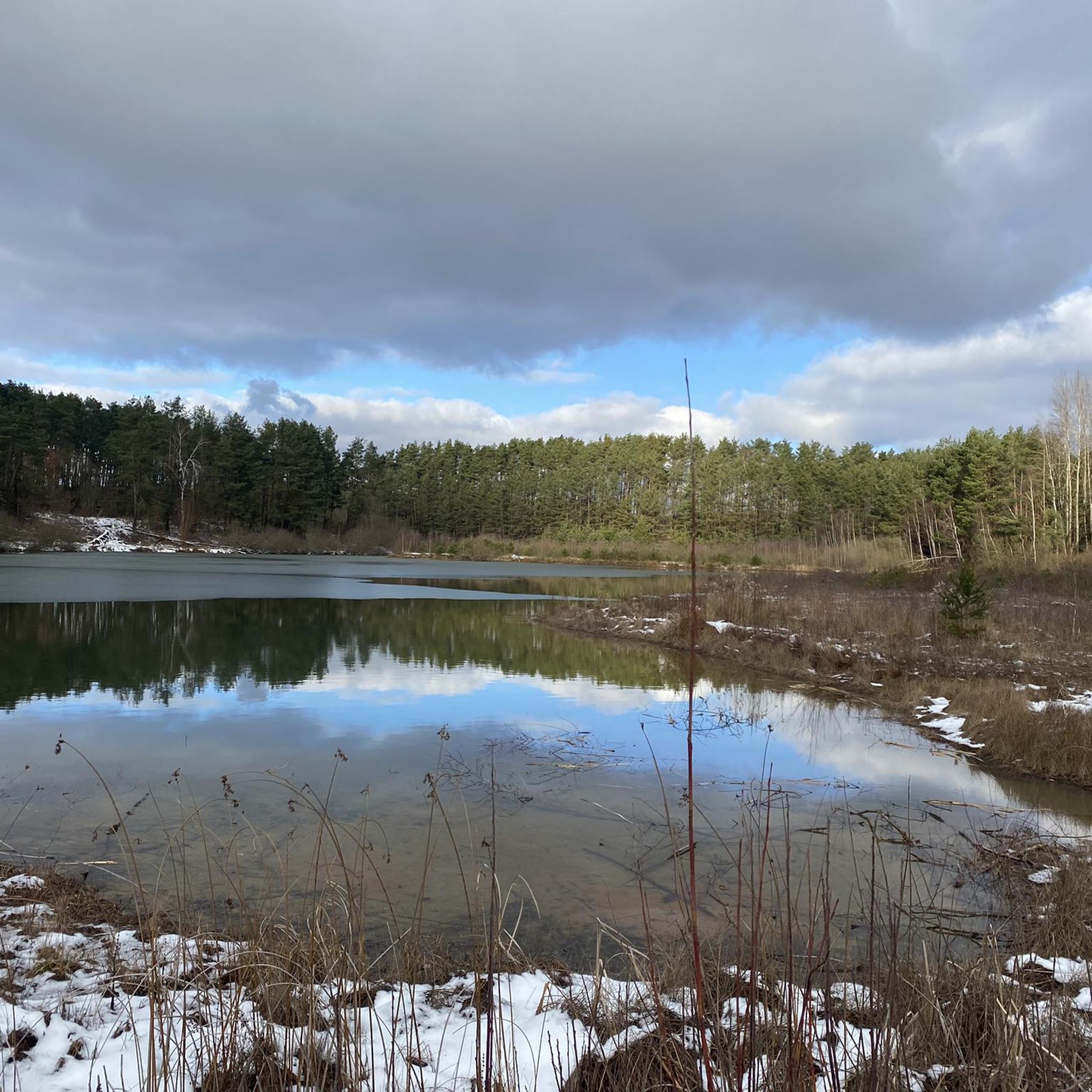
MTB Trails around Kümmersbruck

Gravel biking around Kümmersbruck
Other adventures around Kümmersbruck


Tips from the Community

Moos Castle Moos was the seat of the noble family of Moos. Otto von Moß is mentioned as a witness in documents in 1121, Hermann von Moße in 1126, Otto von Mose in 1166, and Friedrich Mosaer in 1190. The service in which this family served and their coat of arms are unknown. Presumably, there was no stone manor at that time, but rather a motte-and-bailey castle built on a hill. The Moos family appears until the end of the 12th century, after which their trail disappears. In the first half of the 14th century, Moos was already a Hofmark (a type of manor). The Nortweiner family, who were wealthy landowners in the area, are mentioned as its owners. In the mid-15th century, Moos came into the possession of Jörg Kastner; the subsequent ownership history is unclear. The estate moved to the center of Bavarian history when Elector Maximilian had the city of Amberg surrendered to him at Moos Castle on October 8, 1621, after the Battle of White Mountain. Thus, the estate reverted from the Electorate of the Palatinate to Bavaria. Due to heavy debt, the estate passed to the government in Amberg, and various owners followed. In 1904, all the property belonging to the castle was demolished. A year later, Leonhard Bernreuther acquired the castle and renovated it in exemplary fashion. It then passed to the Uwe Herrmann family. The newly renovated castle is a three-story solid building with a hipped roof, dormer windows, and simple stucco detailing. The building dates back to the Late Gothic period; it may have previously been a fortified house. In 1738, it was rebuilt with the exception of the four main walls. Until the reconstruction, it was a defensive structure with one-meter-thick walls on the ground floor and narrow slits instead of windows. Two windows remain on the east side. There, on the first floor, is an exposed Late Gothic window with a straight lintel and dressed stonework, as well as a latrine bay window. A ring wall with numerous keyhole-shaped loopholes hewn from dressed stone and four projecting corner towers from the first construction phase surrounds the castle. It is approximately three meters high and 80 cm thick. The tall spires were added during the last renovation (1982–1984). The former moat can still be seen as a strip of barren land on the south and east sides. Access to the complex is from the north; a bridge once stood here, the inner section of which could be raised. Source: Excerpts from www.wikipedia.de
2
0

Scharfenberg Castle is the remains of a ruined high medieval spur castle that once stood on a rocky spur at a foothill of the Scharfenberg mountain in the municipality of Ursensollen in the Upper Palatinate district of Amberg-Sulzbach in Bavaria. It was the ancestral seat of the Scharfenberg family, who burned down the Kastl monastery in 1217. The complex is listed as an archaeological monument in the Bavaria Atlas as the "medieval castle ruins of Scharfenberg." Source: https://de.wikipedia.org/wiki/Burgstall_Scharfenberg
2
0
Eberburg Castle Ruins Ebermannsdorf originally belonged to the territory of the Margraves of Ammerthal. After their extinction, it was donated by Emperor Henry II to the Bishopric of Bamberg. Eppo von Ebermannsdorf is mentioned for the first time in 1079, and he operates as a noble knight. In 1108, Meribot von Ebermannsdorf - presumably a son - sold a nearby estate to the Bishop of Regensburg. Meribot and his brothers remained close to the Bishops of Bamberg and are mentioned on many of their documents. They can also be found in the entourage of other great noble families: the Wittelsbachs, the Margraves of Cham and the Margraves of Hohenburg. From 1200 onwards, however, little is heard of them. In 1309, Albrecht, the last knight to call himself "von Ebermannsdorf", died. In 1338, the castle appears to be divided between various minor noble lines, as Ulrich the Imsteter sold his third of the property to Count Palatine Rupert. Other owners: Dietrich Tanlacher in 1377, Heinrich von Kummersbrück (died 1390), Conrad Kemnater (1410). From 1501, the Fuchssteiners were in charge of the Ebernburg. Johann Fuchssteiner zu Ebermannsdorf was even chancellor of Count Palatine Friedrich, but was imprisoned in the Amberg "Fuchssteinerturm" in 1522 after breaking his oath. He is said to have taken bribes when the offices of Lauf and Hersbruck were sold. Released in 1525, he was imprisoned in Regensburg shortly afterwards, where he died in 1536. The Ebernburg fell into disrepair and was abandoned in favor of a new castle in the village, which was built in the 17th century. It is now inhabited by the von Eyb family, who bought the castle around 1880 and also own the castle ruins. The main thing worth noting is the keep, which dominates the centre of the Eberburg castle, slightly offset to the right. The octagonal, 16-metre-high tower's masonry technique dates back to the Salian period around 1100: the Ebermannsdorf tower is therefore one of the oldest preserved keeps in the Upper Palatinate. The tower was accessed via a round-arched high entrance. Two beam holes mark the starting points of a detachable wooden staircase. The interior is narrow and dark due to the walls being over 2 metres thick - it is only lit by a narrow slit of light - and has surprisingly comfortable furnishings: a fireplace and a toilet shaft running through the wall, which is clearly visible at the foot of the keep. Source: Extracts from www.burgenseite.de
3
0
Filial Church of St. John the Baptist The church as we see it today is the result of the new building based on a castle chapel from around 1250, some of whose substance has been preserved or reused. Today's St. John's Church was built on behalf of the Electoral Court Chamberlain, Johann Joseph von Dyer, by Ignaz Anton Gunezrhainer and his stepfather Johann Mayr, both master masons in Munich. 300 years ago, from May 1721, Munich craftsmen were on site here. The castle was also built by the Gunezrhainer workshop, which is why all the buildings form a self-contained ensemble. The interior shows a rare conical narrowing from the nave to the end of the choir, which is due to the previous building. In the Apis, the high altar is impressive: the large painting by Johann Adam Müller depicts the baptism of Jesus by John. It is elaborately framed with a wide architectural and picture frame and additionally surrounded by a floor-to-ceiling blue curtain with gold fringes in stucco work. Two powerful putti hold up this curtain and thus open up the view of the Theatrum Sacrum. Cuddled up to the tabernacle, four seraphim stand and praise the divine glory, present in the Eucharist, while the life-size sculptures of Abraham and Moses represent God's eternal covenant with his people. The church was extensively renovated in 1911. The recently completed renovation (between 2016 and 2020) restored the 1911 colors to the altar tables and pulpit. For the room shell, i.e. the wall design with stucco, pilasters and wood paneling, the color scheme from the period of construction from the restoration-supervised findings was decisive. The restoration of the stone steps and the floor also followed the period of construction findings. The figural decorations were cleaned. The necessary new pieces were designed by the Munich architect Franz Steinberger Source: www.pfarrei-theuern-eb-pi.de
5
0
Ebermannsdorf Castle The local noble family of Ebersdorf has been documented here since the early 12th century. They lived in the Eberburg. In 1480, Jakob Kemnather zu Ebermannsdorf is mentioned with the "lower seat" as a fief of his sister Agnes, widow of Jakob Kemnather zu Ebermannsdorf. A new seat had therefore already been built next to the old castle at that time. The current castle is, as the year "1723" shows, a baroque building from the early 18th century. It was built under the manor owner Johann Josef von Dyrr using the old walls according to plans by Ignaz Anton Gunetzrhainer. It is an elongated two-storey solid building with a hipped roof, a central projection with a mansard roof. A transverse building with a mansard roof and a stair tower with a hipped roof is aligned towards the castle church. The castle building has a plaster structure. The complex is closed off by a castle wall, also with plasterwork, basket-arch gates and a niche figure. The castle was renovated in 1977/78. Since 1963, the castle has been owned by a branch of the Barons von Eyb family. The complex also includes the former castle church, now the branch church of St. John the Baptist, which was also built in 1721-23 according to plans by Ignaz Anton Gunetzrhainer. It is a hall building with a mansard hip roof and a recessed tower covered by a tower cap. It also has a segmental gable portal and a plasterwork structure. The church was renovated inside and out in 2018-2020. A special feature is the historic organ from the 19th century, which is attributed to Friedrich Specht. Source: Excerpts from www.wikipedia.de
5
0

The current castle is a baroque building from the early 18th century. It was built using the old walls according to plans by Ignaz Anton Gunetzrhainer. It is an elongated two-storey solid building with a hipped roof, a central projection with a mansard roof. A transverse building with a mansard roof and a stair tower is aligned towards the castle church. The complex is enclosed by a castle wall. The castle was renovated in 1977/78. The complex also includes the former castle church, now the branch church of St. John the Baptist, which was also built from 1721 to 1723 according to plans by Ignaz Anton Gunetzrhainer. It is a hall building with a mansard hipped roof and a recessed tower covered by a tower cap. The church was renovated from 2018 to 2020. A special feature is the historic organ from the 19th century.
8
0
Burgstall Scharfenberg The Burgstall Scharfenberg is the remains of a ruined high medieval spur castle that once stood on a rocky spur on a foothill of the Scharfenberg in the municipality of Ursensollen in the Upper Palatinate district of Amberg-Sulzbach in Bavaria. It was the ancestral castle of the Scharfenberg family, who burned down the Kastl monastery in 1217. Very little is known about the early history of the castle and that of the nobles of Scharfenberg. It is also unclear whether this noble family of Scharfenberg is identical to that of the nobles of Ursensollen. A Heinrich de Ursensolingen appears in a document from the Ensdorf monastery in 1144. The castle complex was probably built around 1200 as the ancestral seat of the Upper Palatinate noble family of Scharfenberg. A Sulzbach chronicle reports that the Scharfenberg family was denied the burial rights to which they were entitled by the Kastler monastery abbot Gebhard von Rieden, who then set fire to the monastery in 1217. The Scharfenberg family castle was then said to have been destroyed by the monastery's protectors, the Margraves of Hohenburg. It is not known whether this destruction of the castle was permanent; from the 14th century onwards, the Scharfenberg family was given the additional name "von Ursensollen". By the middle of the 16th century at the latest, however, the castle complex was in ruins; a Kastler chronicler speaks of the "old vestigia". Remains of the keep and the moat of the former castle complex still remain. The square keep had sides seven metres long and walls two metres thick. Source: Excerpts from www.wikipedia.de
2
0
Rossstein ruins Roßstein is located near Schmidmühlen and Hohenburg in the middle of the lonely Taubenbacher Forest. Chunrad Oerelheimer named himself after the castle for the first time in 1331, so he could be the builder. At that time it was conveniently located on the Bistumer Steig, a trade route from the Eger region. In 1357 the castle came to Rüdiger Punzinger, who was in the service of the Wittelsbach Count Palatine, as a dowry to a daughter of Konrad. Rüdiger made a career and became a nurse in Hohenfels around 1375. After his death, his brother Georg Punzinger succeeded him in 1381 - a pugnacious spirit. He came into conflict with the city of Regensburg around 1400: Apparently he housed shady rabble in his castle, who had repeatedly attacked Regensburg merchants on the street. In the course of this feud, the castle was set on fire by the Regensburgers in 1411, but was rebuilt by Andreas Punzinger. Nevertheless, the Punzinger did not lose their important position. However, the family gradually loses interest in the now remote Roßstein Castle. The Counts Palatine want to buy Roßstein back from the last Punzinger named Mathes, but he refuses. After his death, Roßstein was only inspected by a forester from the Palatinate. In 1550 it caught fire due to carelessness. Lienhart Spieß, appointed as administrator in 1563, no longer renews it, but resides in the Spießhof, which still exists today, at the foot of the castle hill. Since then decay up to our days, around 2000 securing of the remains. The main castle consists of a large, almost rectangular residential tower made of quarry stone. The corners are made of ashlars, one can even find a few hump ashlars. The residential tower has a vaulted basement, a low ground floor with light slits and two spacious upper floors with windows and two head-high, vaulted entrances. Access to the east could be blocked with a locking bar. Even if the castle ruins are rather small, a visit is worthwhile, especially if you combine it with a hike through the beautiful Taubenbach valley and the lonely Taubenbach forest. Far away from major roads, the Upper Palatinate Jura can be experienced in a unique way. Source: Excerpts from www.Burgen-seite.de
8
0
Frequently Asked Questions
What are some notable castles and historical sites to visit around Kümmersbruck?
The region offers a mix of well-preserved structures and ruins. You can explore the Gothic gate system of Ziegeltor, Amberg, the baroque Ebermannsdorf Castle and Castle Church, and the historic Moos Water Castle. For a unique experience, visit Kulturschloss Theuern, which houses a museum, or the historic Schloss Kümmersbruck, now a hotel and restaurant.
Are there family-friendly castles or historical sites in the Kümmersbruck area?
Yes, Ziegeltor, Amberg is categorized as family-friendly. Kulturschloss Theuern, with its Mining and Industrial Museum and various cultural events, also offers engaging activities for families. The historical context and architectural features of many sites can be interesting for all ages.
What kind of historical sites can I explore besides traditional castles?
Beyond traditional castles, you can visit Kulturschloss Theuern, a former manor house now home to the Mining and Industrial Museum of East Bavaria. It features a functioning iron hammer mill and a glass grinding workshop. Schloss Kümmersbruck, originally an ancestral seat from 1100, now operates as a historic inn, offering a glimpse into centuries of continuous history.
Can I find hiking trails near the castles around Kümmersbruck?
Absolutely. Many castles are integrated into the region's natural landscape, offering opportunities for hiking. For instance, the Rossstein Castle Ruins are located in the lonely Taubenbacher Forest, perfect for combining a historical visit with a hike. You can find various hiking routes in the area, such as those listed in the Hiking around Kümmersbruck guide.
What other outdoor activities are available near these castles?
The area around Kümmersbruck provides diverse outdoor activities. Besides hiking, you can explore running trails, with options like 'Theuern Cultural Palace loop' or 'Theuern Hammer Mill – Vilstal Trail loop' from the Running Trails around Kümmersbruck guide. Gravel biking is also popular, with routes such as 'Amberg's "Stadtbrille" – Schweppermann Cycle Path loop' available in the Gravel biking around Kümmersbruck guide.
Are there any castle ruins worth visiting for their historical significance?
Yes, the Rossstein Castle Ruins in the Taubenbacher Forest are highly recommended. They feature a large, almost rectangular residential tower with a vaulted basement, offering a tangible connection to medieval history. Additionally, the Ebermannsdorf Castle Ruins, with its imposing keep dating back to the Salian period around 1100, is one of the oldest preserved keeps in the Upper Palatinate.
What is Kulturschloss Theuern and what can I do there?
Kulturschloss Theuern is a magnificent former manor house situated on the Vils river. Today, it hosts the Mining and Industrial Museum of East Bavaria, documenting the region's rich industrial heritage. Visitors can take guided tours, explore historic workshops like an iron hammer mill, and enjoy cultural events such as concerts, art exhibitions, and an annual Advent market.
Is Schloss Kümmersbruck accessible to visitors?
Schloss Kümmersbruck has been converted into Hotel & Restaurant Zum Schloßwirt. While no longer a traditional castle, its historical ambiance can be experienced by dining at the restaurant or potentially staying overnight. Its status as a monument underscores its architectural and historical significance.
What makes the castles around Kümmersbruck unique?
The castles around Kümmersbruck are unique for their blend of historical periods and functions. You'll find everything from medieval ruins like Rossstein Castle Ruins and Ebermannsdorf Castle Ruins, to baroque complexes like Ebermannsdorf Castle and Castle Church, and even structures repurposed for modern use, such as Schloss Kümmersbruck (now an inn) and Kulturschloss Theuern (a museum and cultural center).
What do visitors enjoy the most about the castles in this region?
Visitors appreciate the romantic appearance and historical significance of sites like Ziegeltor, Amberg. The opportunity to combine castle visits with hikes through beautiful natural landscapes, as with Rossstein Castle Ruins, is also highly valued. The blend of cultural heritage and scenic settings makes for a diverse and engaging experience.
Are there options for accommodation or dining near the castles?
Yes, Schloss Kümmersbruck itself operates as Hotel & Restaurant Zum Schloßwirt, offering regional cuisine and seasonal specialties in a historic setting. While specific cafes and pubs near other individual castles are not detailed, the towns and villages in the Amberg-Sulzbach district generally provide dining and accommodation options.
What is the best time of year to visit the castles around Kümmersbruck?
The castles and historical sites around Kümmersbruck can be visited year-round. Spring and autumn offer pleasant weather for exploring the outdoor ruins and hiking trails. Summer is ideal for enjoying cultural events at places like Kulturschloss Theuern. Even in winter, the historic ambiance of sites like Schloss Kümmersbruck can be enjoyed, and some cultural events may still take place.
Most popular routes around Kümmersbruck
Most popular attractions around Kümmersbruck

Get inspired with the komoot mobile app


Explore more
Looking for the best castles somewhere else? Discover other guides around Kümmersbruck:
