Top 8 Caves around Marktrodach
Best caves around Marktrodach are found within a region characterized by its diverse natural features, including the nearby Franconian Switzerland with its karst landscapes. The area around Marktrodach itself features various natural grottoes and historical underground structures. These formations offer insights into both geological processes and past human activity. The landscape is defined by its valleys and hills, providing a setting for exploring these unique underground sites.
Best caves around Marktrodach
- The most popular caves is Kupferloch Former Ore Mining…
Last updated: May 30, 2026
Kupferloch Former Ore Mining Site
Highlight • Cave
Translated by Google •
Tip by

Güldenstein — Former settlement and rock cellar
Highlight • Historical Site
Translated by Google •
Tip by
Sign up now to discover places like this
Get recommendations on the best single tracks, peaks, & plenty of other exciting outdoor places.
Sign up for free
Marian Grotto on Roßlacher Berg
Highlight • Religious Site
At the entrance to the Tiefenbachtal there is the Mariengrotte embedded in a rock. In the fifties, the existing niche in …
Translated by Google •
Tip by

Neuendorfer Felsenkeller
Highlight • Cave
Translated by Google •
Tip by

Rock grotto with Madonna statue
Highlight • Cave
Translated by Google •
Tip by

Sign up for free to discover even more caves around Marktrodach.
Sign up for free
Already have an account?
Start today with a free account
Your next adventure awaits.
Login or Signup
Popular around Marktrodach
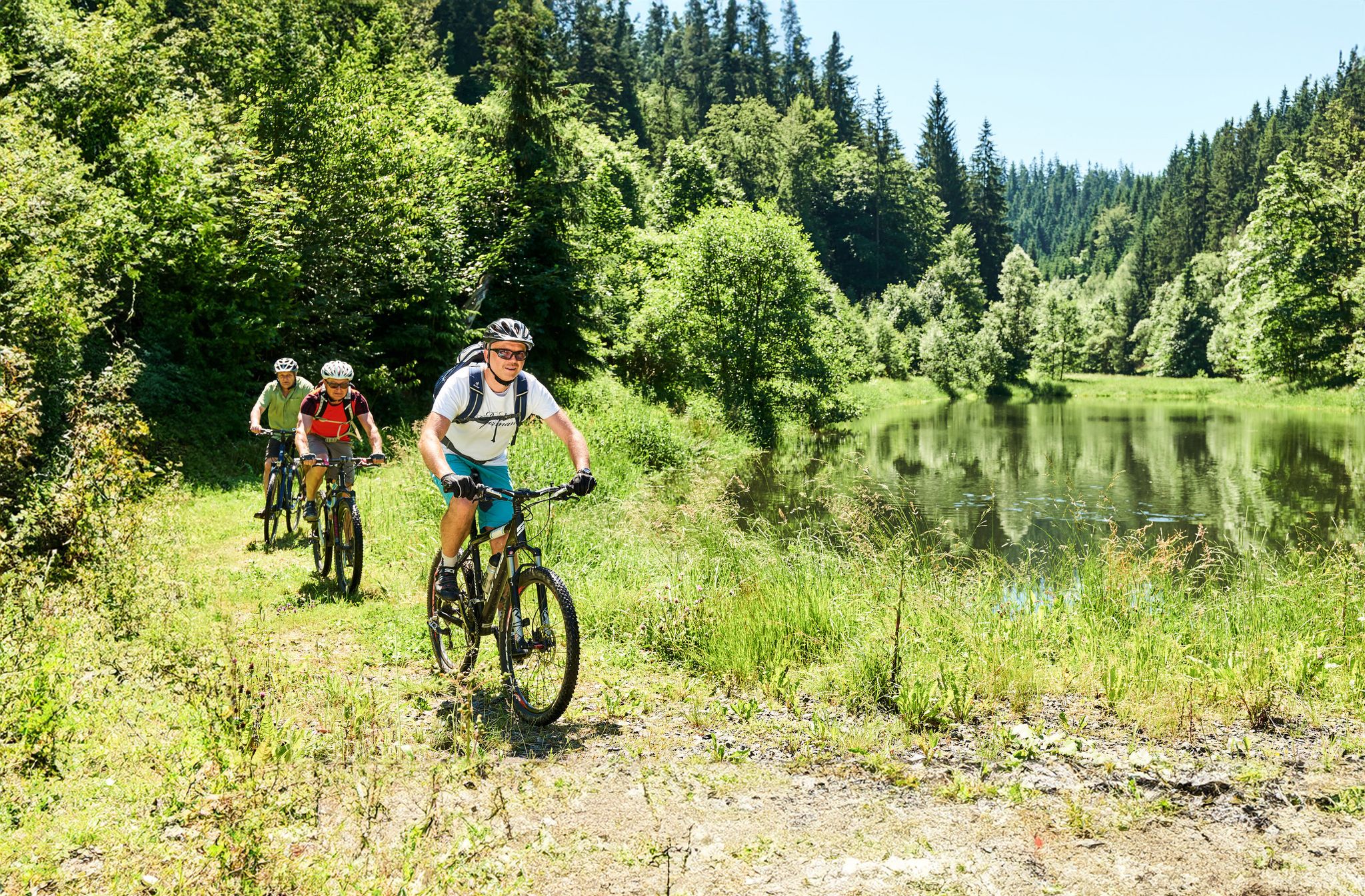
Magical woodland & trails – cycling in Germany’s Franconian Forest
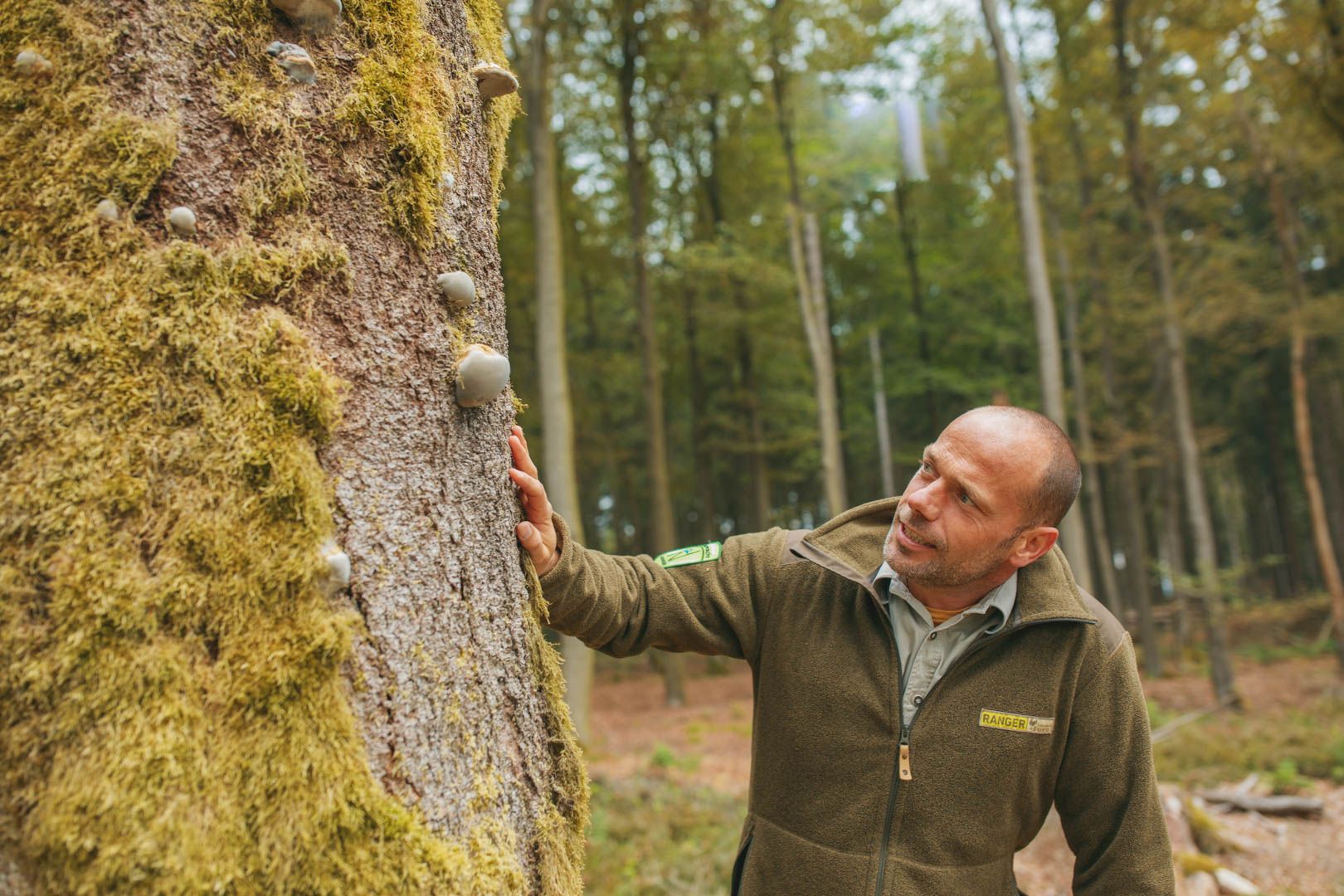
Tipps der Naturpark-Ranger
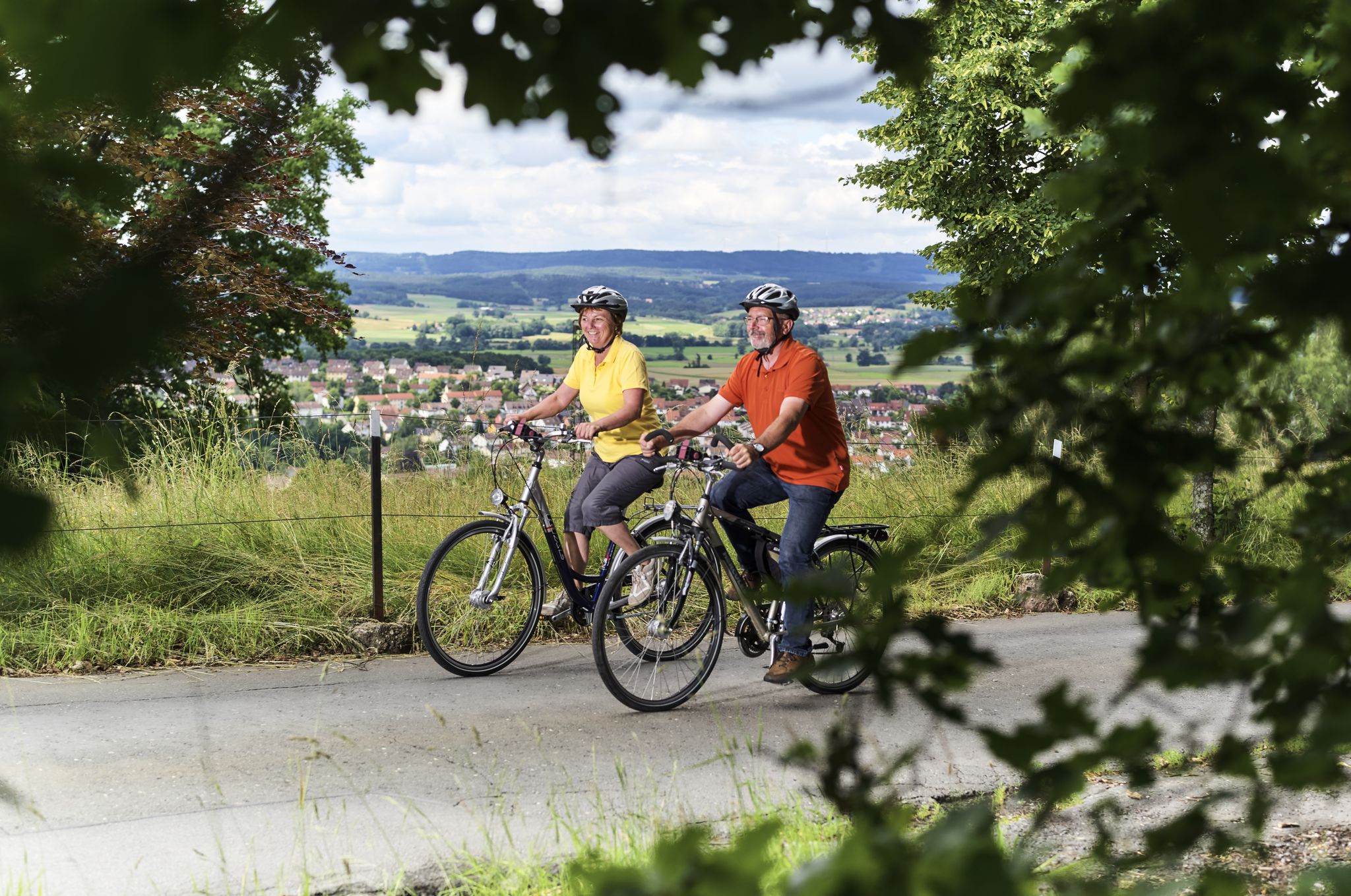
Unsere schönsten Radtouren im Frankenwald
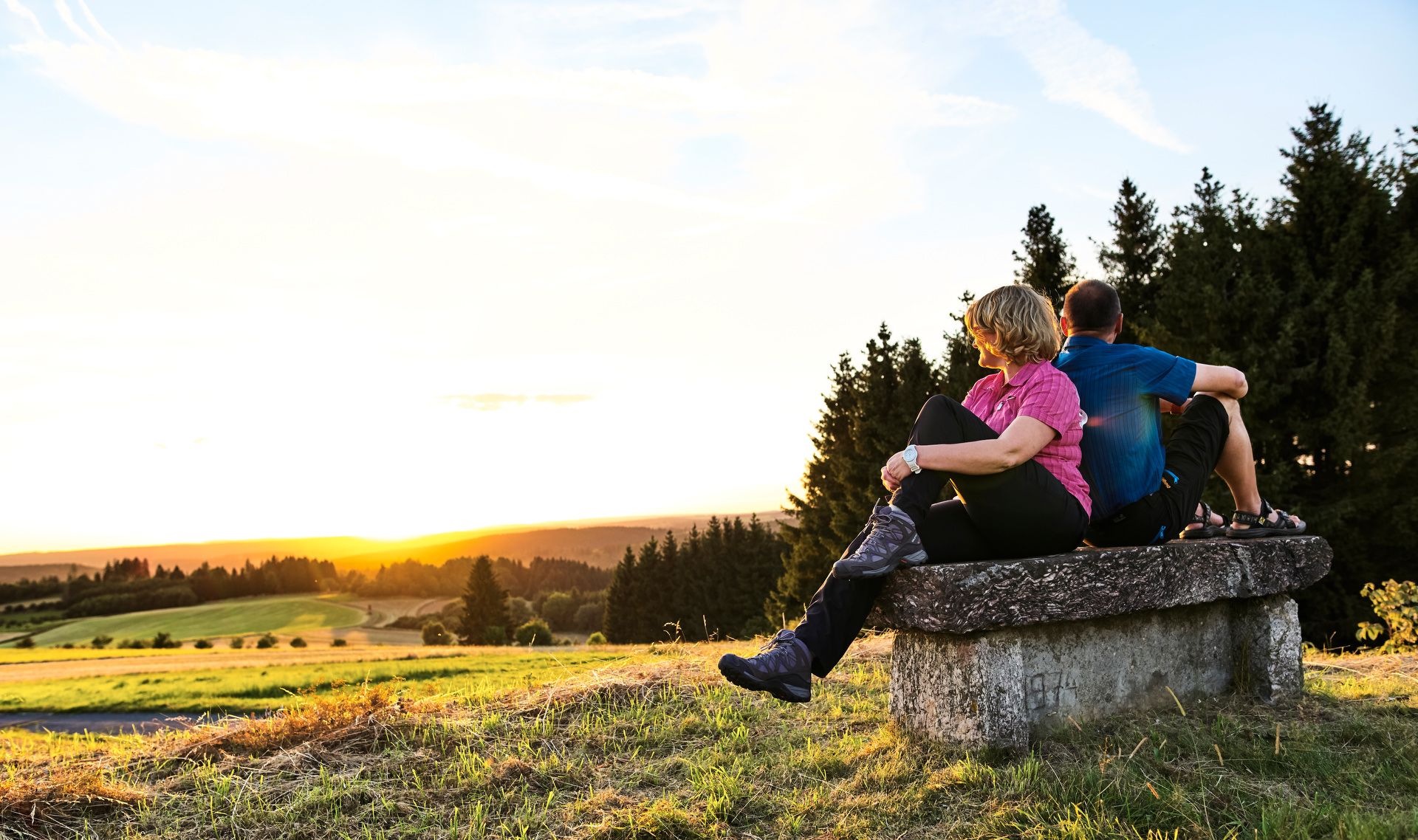
Unsere FrankenwaldSteigla
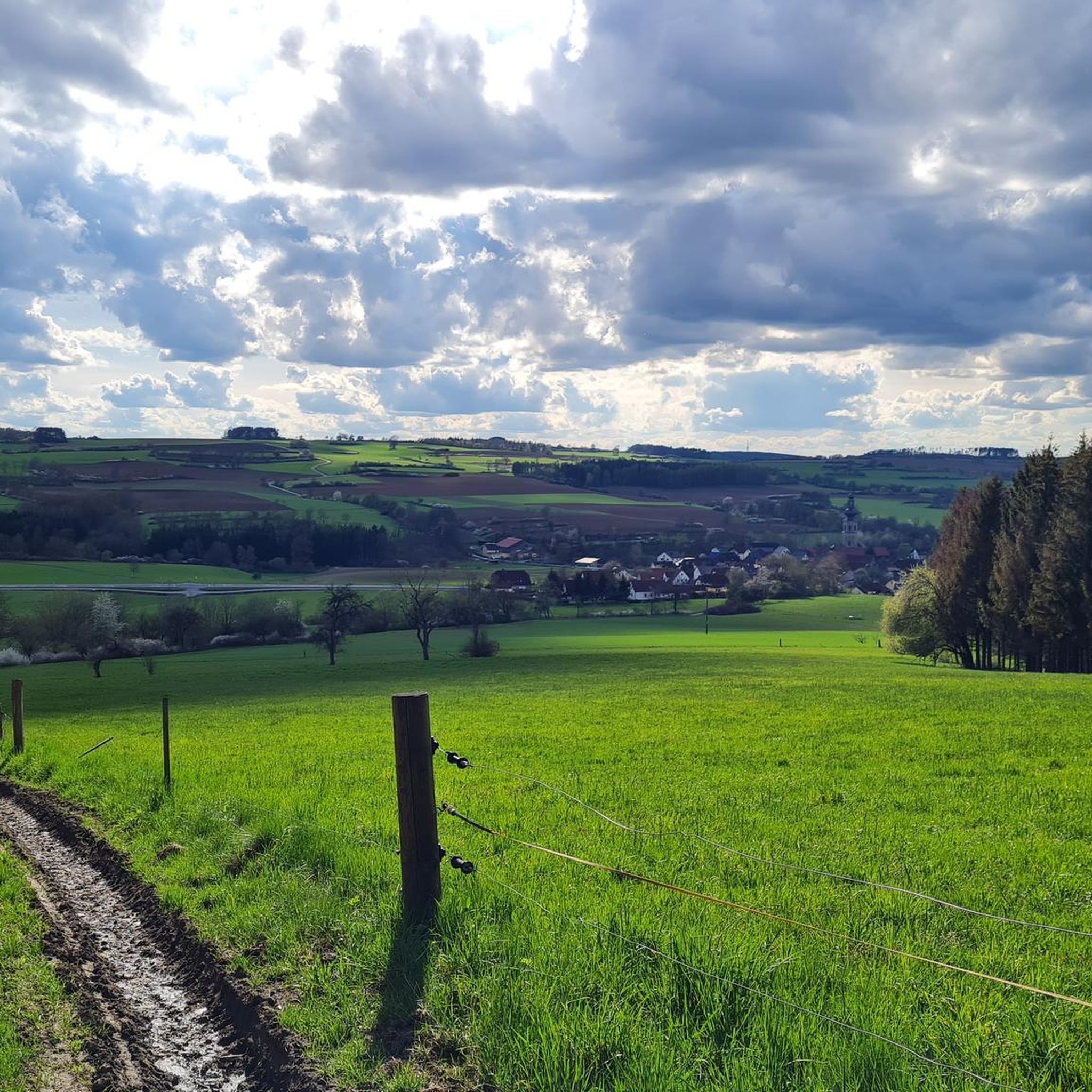
Hiking around Marktrodach
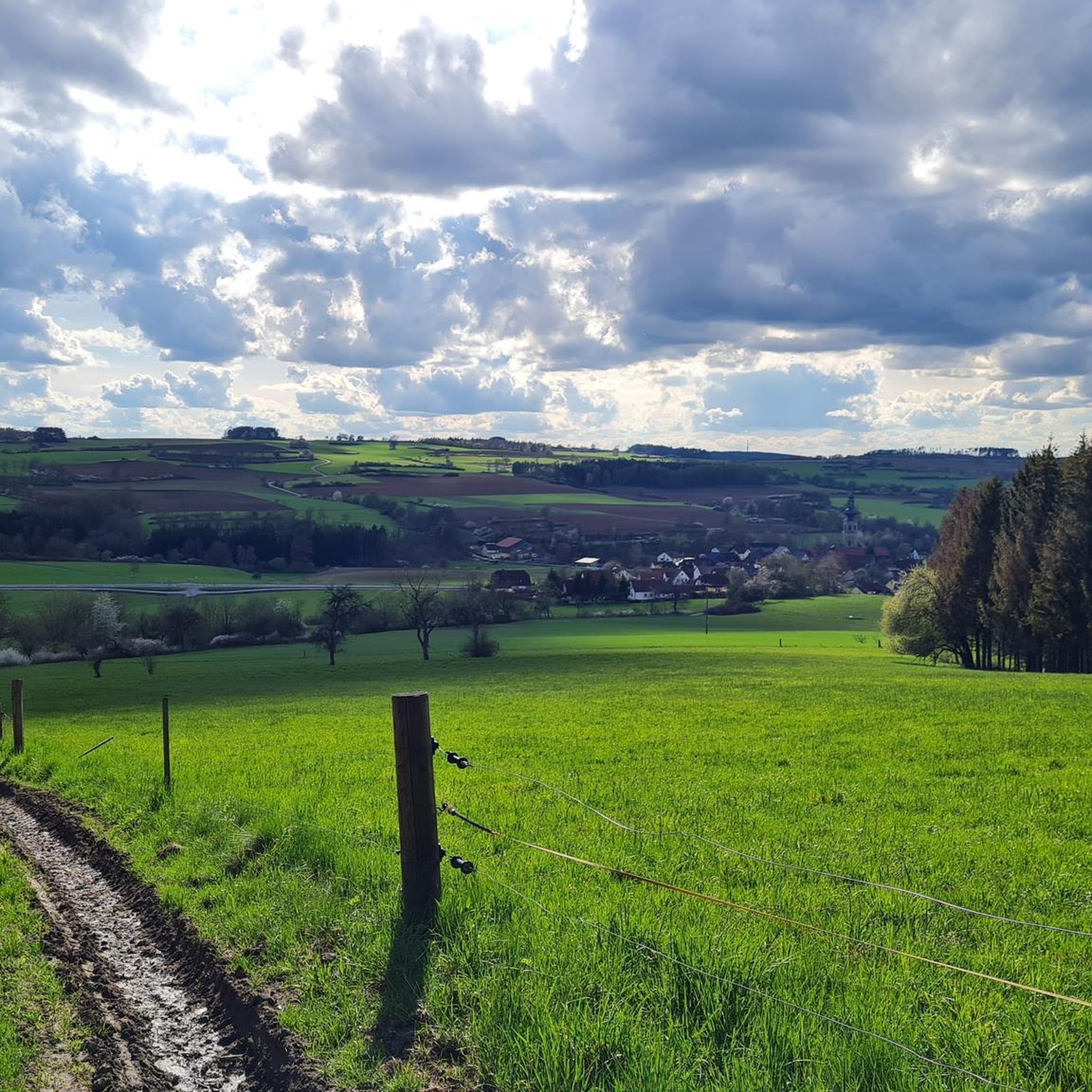
Cycling around Marktrodach
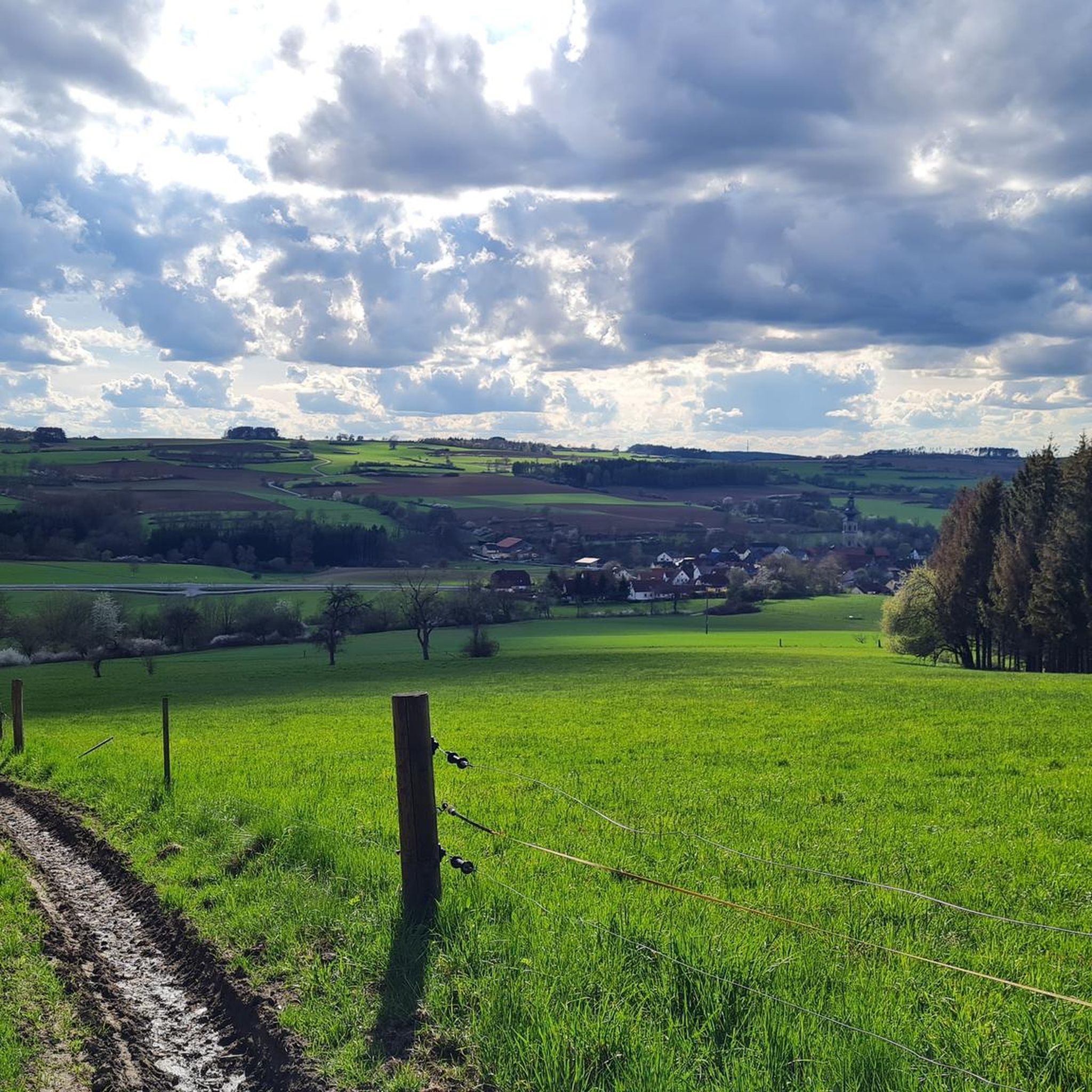
Road Cycling Routes around Marktrodach
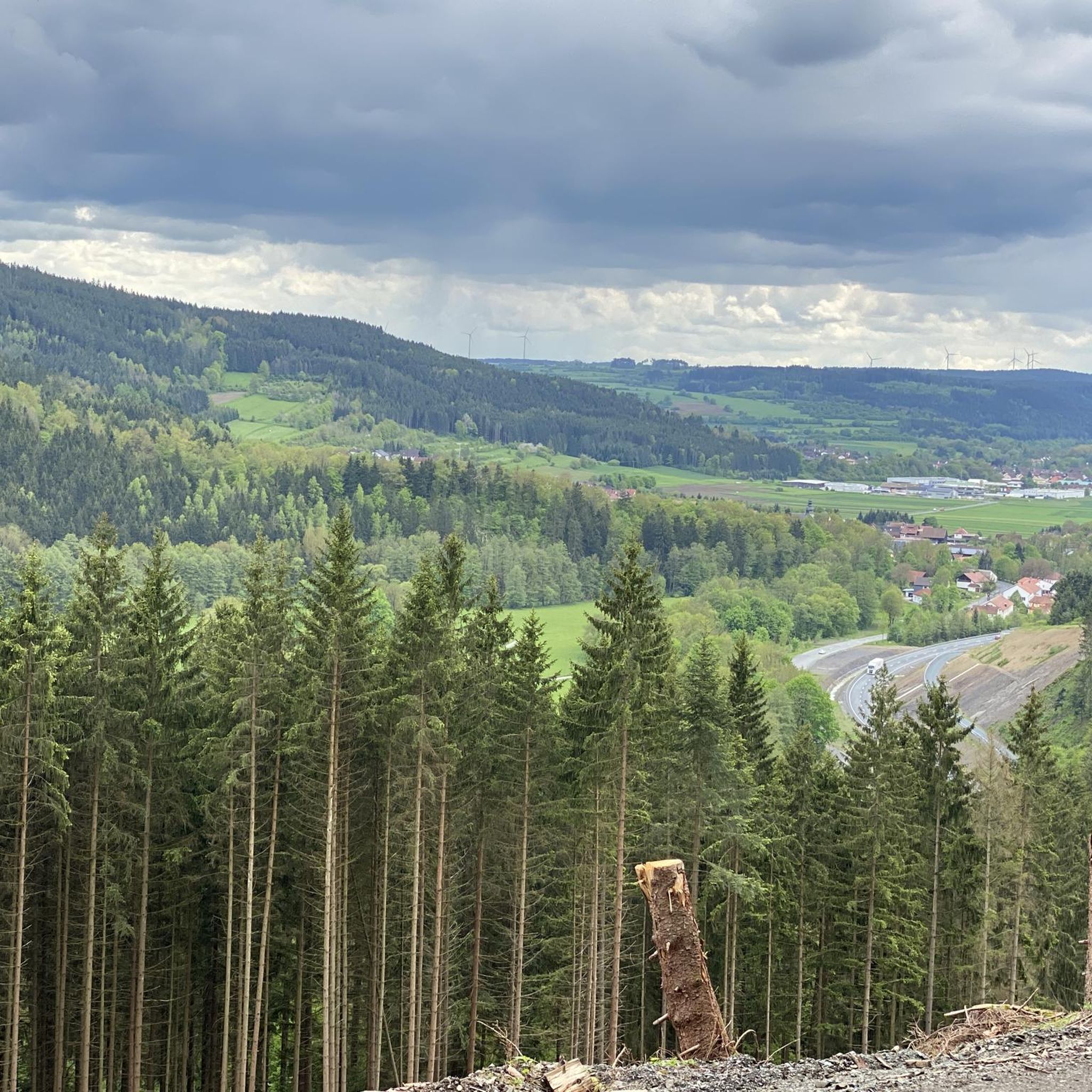
MTB Trails around Marktrodach
Running Trails around Marktrodach
Gravel biking around Marktrodach
Other adventures around Marktrodach


Tips from the Community

The first inhabitants of the Güldenstein estate were probably forestry assistants or woodcutters. Bird trapping was also a lucrative sideline. The Güldenstein bird herd was located above the hillside on a flat area. Only the owners of the estate had the right to trap all types of finches, larks, tits, blackbirds, and thrushes. Selling them was not a problem, as the songbirds were considered a delicacy in the city. Bird trapping was not banned until the end of the 19th century. However, the most important means of survival in this remote area was always agriculture. In 1930, Güldenstein was abandoned by its last inhabitants.
18
0

Mary's Grotto at the entrance to the Tiefenbach Valley. In the 1950s, the existing niche in the slate rock of the Roßlacher Berg was converted into the Mary's Grotto by the Steinberg parish. Every year at the beginning of May, the statue of the Virgin Mary is ceremoniously carried from the parish church into the grotto.
0
0

desertification. The house was razed to the ground, the rock cellar that served as a water source for the residents still exists and is secured with a railing.
5
0
The copper holes are former ore mining sites in the Steinachtal. You can also explore these small caves.
19
0

Beautiful trail between Steinachklamm and Kleinrehmühle. A must for nature lovers
0
0
Where the bridge crosses the creek, it is worth stepping off the path.
5
0
This is a man-made cave. In the search for raw materials, holes were repeatedly drilled into rocks. If successful, cultivation areas such as in Goldkronach or smelters such as in the Koserbachtal were created.
5
0
Beautiful natural grotto. But just because someone put a Madonna figurine in it doesn't make it a place of pilgrimage.
0
0
Frequently Asked Questions
What types of caves can I explore directly around Marktrodach?
Around Marktrodach, you'll find a mix of former mining sites, historical rock cellars, and natural grottoes. These offer a glimpse into both geological formations and past human activity. For example, the Kupferloch Former Ore Mining Site allows you to see where ore was once dug, with veins still visible. You can also visit the Güldenstein — Former settlement and rock cellar, a remnant of a remote farmstead.
Are there any impressive show caves near Marktrodach?
While Marktrodach itself doesn't have large show caves, the broader Franconian Switzerland region is famous for them. Notable show caves include Teufelshöhle (Devil's Cave) near Pottenstein, known for its massive stalactites, and Binghöhle (Bing Cave) near Streitberg, which features diverse formations like sinter pools and candle stalagmites. These are typically equipped for visitors with guided tours and lighting.
What historical or cultural significance do the caves around Marktrodach hold?
Many sites around Marktrodach have historical significance. The Güldenstein — Former settlement and rock cellar preserves a rock cellar from a long-abandoned farmstead, offering insight into past rural life. The Kupferloch Former Ore Mining Site highlights the region's mining history. Additionally, the Marian Grotto on Roßlacher Berg is a religious site expanded from a natural niche in the 1950s.
Are there family-friendly caves to visit near Marktrodach?
Yes, several sites are considered family-friendly. The Marian Grotto on Roßlacher Berg is easily accessible and offers a peaceful, cultural experience. While the local mining sites and rock cellars are interesting for families, for more developed and educational experiences, the show caves in Franconian Switzerland like Teufelshöhle are well-suited for all ages with their guided tours.
What are the geological features of the caves in the Marktrodach area?
The immediate Marktrodach area features natural grottoes and rock formations, often associated with historical uses like cellars or mining. The wider Franconian Switzerland region, however, is a prominent karst landscape. This means its caves, such as Sophienhöhle and König-Otto-Tropfsteinhöhle, are rich in diverse dripstone formations like stalactites, stalagmites, stalagnates, and sinter pools, formed over millions of years by water dissolving limestone.
What is the best time of year to visit caves near Marktrodach?
Most show caves in the Franconian Switzerland region are open year-round, though specific opening hours might vary seasonally. Visiting during the warmer months (spring to autumn) allows for combining cave exploration with other outdoor activities. However, caves maintain a constant cool temperature, making them a good option even on hot summer days or as a unique experience during winter, as seen with the icicles in the Neuendorfer Felsenkeller.
What outdoor activities can I combine with a visit to the caves?
The Marktrodach region offers excellent opportunities for outdoor activities. You can find numerous hiking trails around Marktrodach, ranging from easy to difficult, that often pass by or lead to these underground sites. There are also many cycling routes and running trails that allow you to explore the scenic valleys and hills of the region.
Are there any caves near Marktrodach with unique natural formations?
Yes, beyond the immediate Marktrodach area, the show caves in Franconian Switzerland boast unique formations. The Maximiliansgrotte, for instance, is home to the 'Iceberg,' Germany's largest stalagmite, standing six meters high. The Binghöhle is noted for its translucent sinter plumes and eccentriques, which are stalactites growing in unusual directions.
What should I wear when visiting caves in the region?
Caves generally maintain a cool, constant temperature, often around 8-10°C (46-50°F), regardless of the outside weather. It's advisable to wear layers, including a light jacket or sweater, even in summer. Comfortable, sturdy shoes with good grip are also recommended, as paths inside caves can sometimes be damp or uneven.
Can I find any caves with archaeological significance near Marktrodach?
While the local sites around Marktrodach are more historically focused on mining and settlement, the broader Franconian Switzerland region includes caves with significant archaeological findings. Schulerloch, for example, is known for having served as a shelter for Neanderthals during the Middle Paleolithic and contains remains of numerous ice age animals, offering a deep dive into prehistoric human and animal life.
Are there any religious grottoes or shrines in the Marktrodach area?
Yes, the Marian Grotto on Roßlacher Berg is a prominent religious site. It's a grotto embedded in a rock that was expanded in the 1950s and is still used for worship, particularly for the rosary. Another example is the Rock grotto with Madonna statue, a natural grotto featuring a Madonna figurine.
Most popular routes around Marktrodach
Most popular attractions around Marktrodach

Get inspired with the komoot mobile app


Explore more
Extend your search for the best caves by checking out these guides of the top ones around Marktrodach:
