Top 16 Caves around Mitwitz
Best caves around Mitwitz are primarily historical sites and man-made grottoes, rather than extensive natural cave systems. The region of Mitwitz, situated in Upper Franconia, Germany, is characterized by its natural landscapes and historical significance. While large geological caves are found further afield, the area offers unique underground experiences, often linked to local history and religious practices. These sites provide insights into the region's past and offer distinct points of interest for visitors exploring Mitwitz.
Best caves around Mitwitz
- The…
Last updated: May 30, 2026
Jakobshöhle Rock Formation
Highlight • Natural Monument
Rest Area at Fürth Castle Ruins
Highlight • Rest Area
Translated by Google •
Tip by

Sign up now to discover places like this
Get recommendations on the best single tracks, peaks, & plenty of other exciting outdoor places.
Sign up for free
Cella Antiqua Baptism Site
Highlight • Religious Site
Translated by Google •
Tip by

Marian Grotto on Roßlacher Berg
Highlight • Religious Site
At the entrance to the Tiefenbachtal there is the Mariengrotte embedded in a rock. In the fifties, the existing niche in …
Translated by Google •
Tip by

Felsenkeller and Historic Stone Bridge near Beikheim
Highlight • Bridge
Translated by Google •
Tip by
Sign up for free to discover even more caves around Mitwitz.
Sign up for free
Already have an account?
Start today with a free account
Your next adventure awaits.
Login or Signup
Popular around Mitwitz
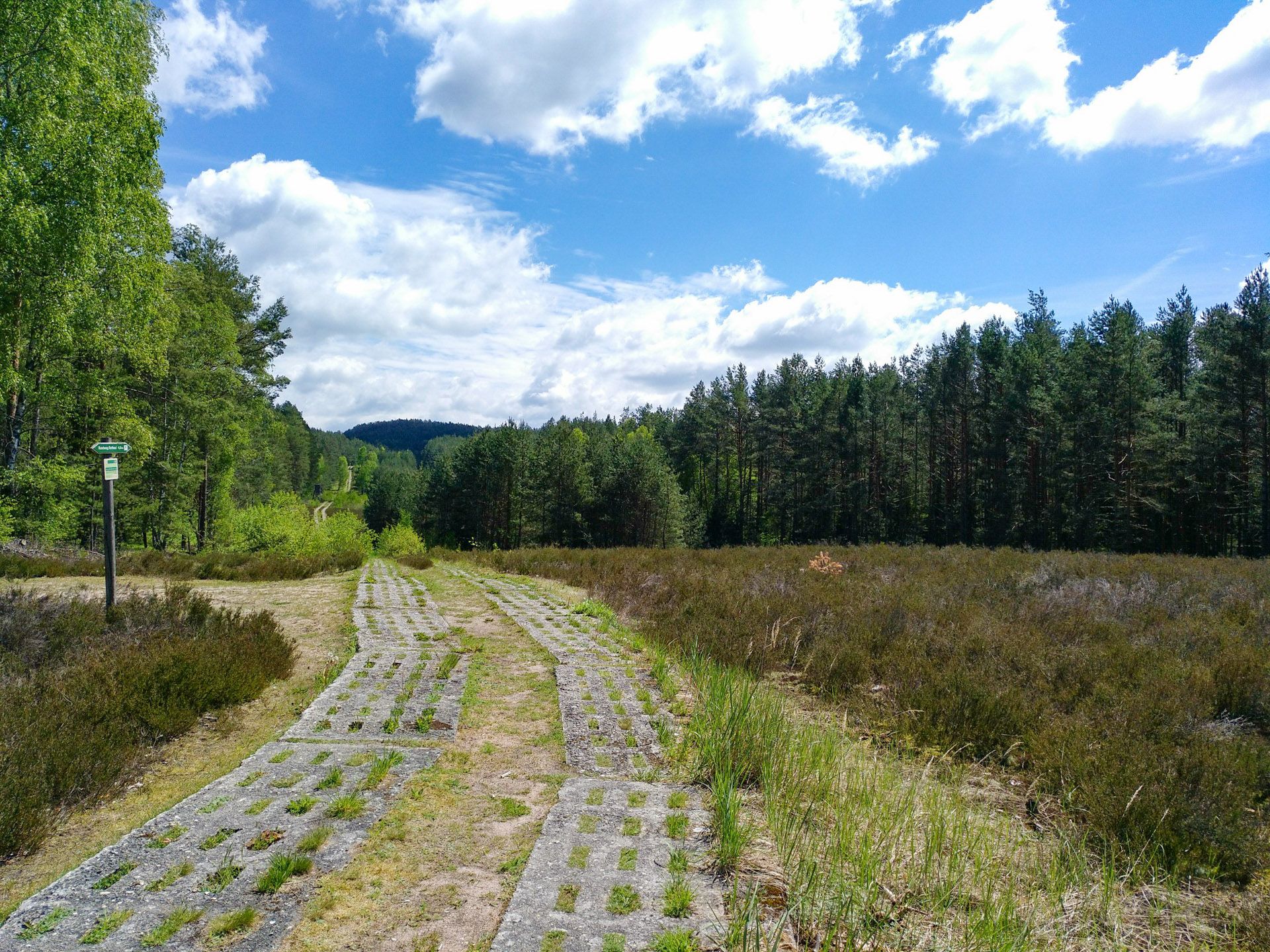
Discover the Green Belt in Germany’s Thuringian Slate Mountains with BUND
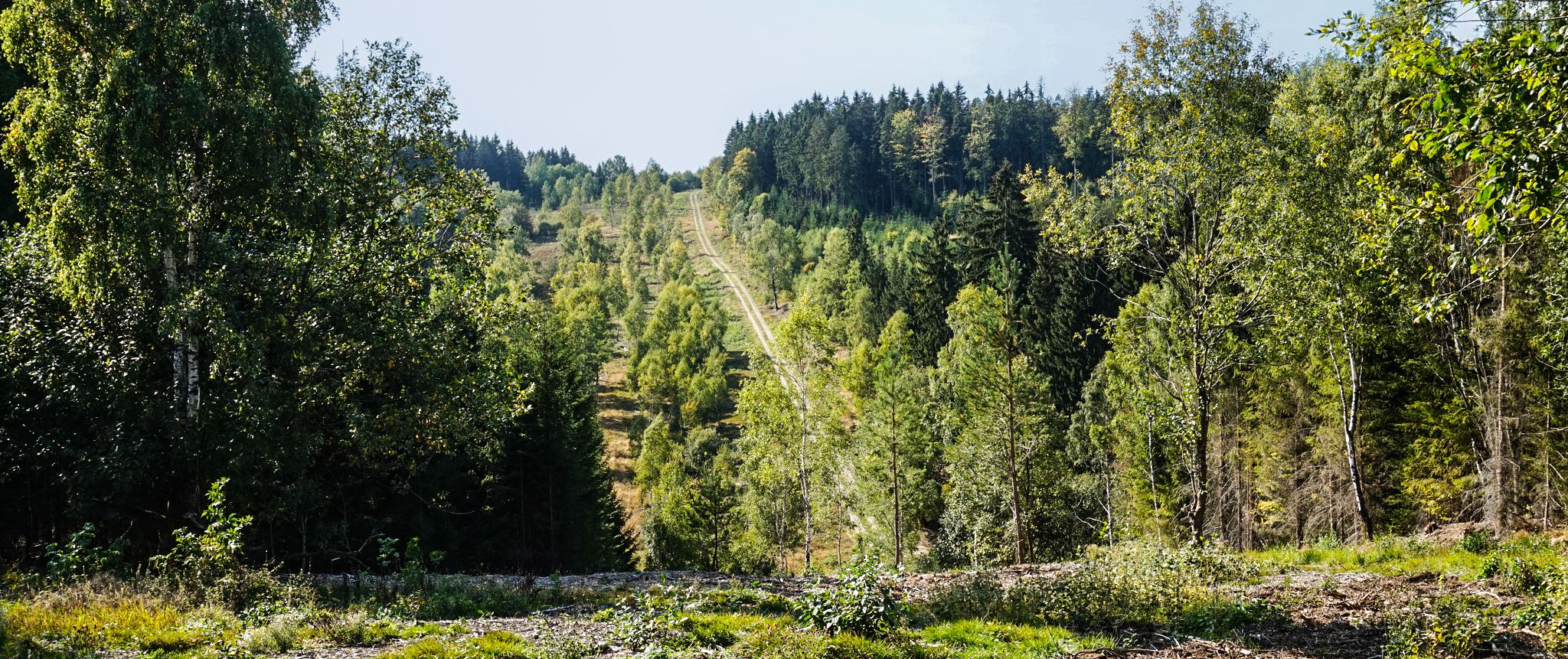
Discover the nature along the “Greenbelt” together with the BUND
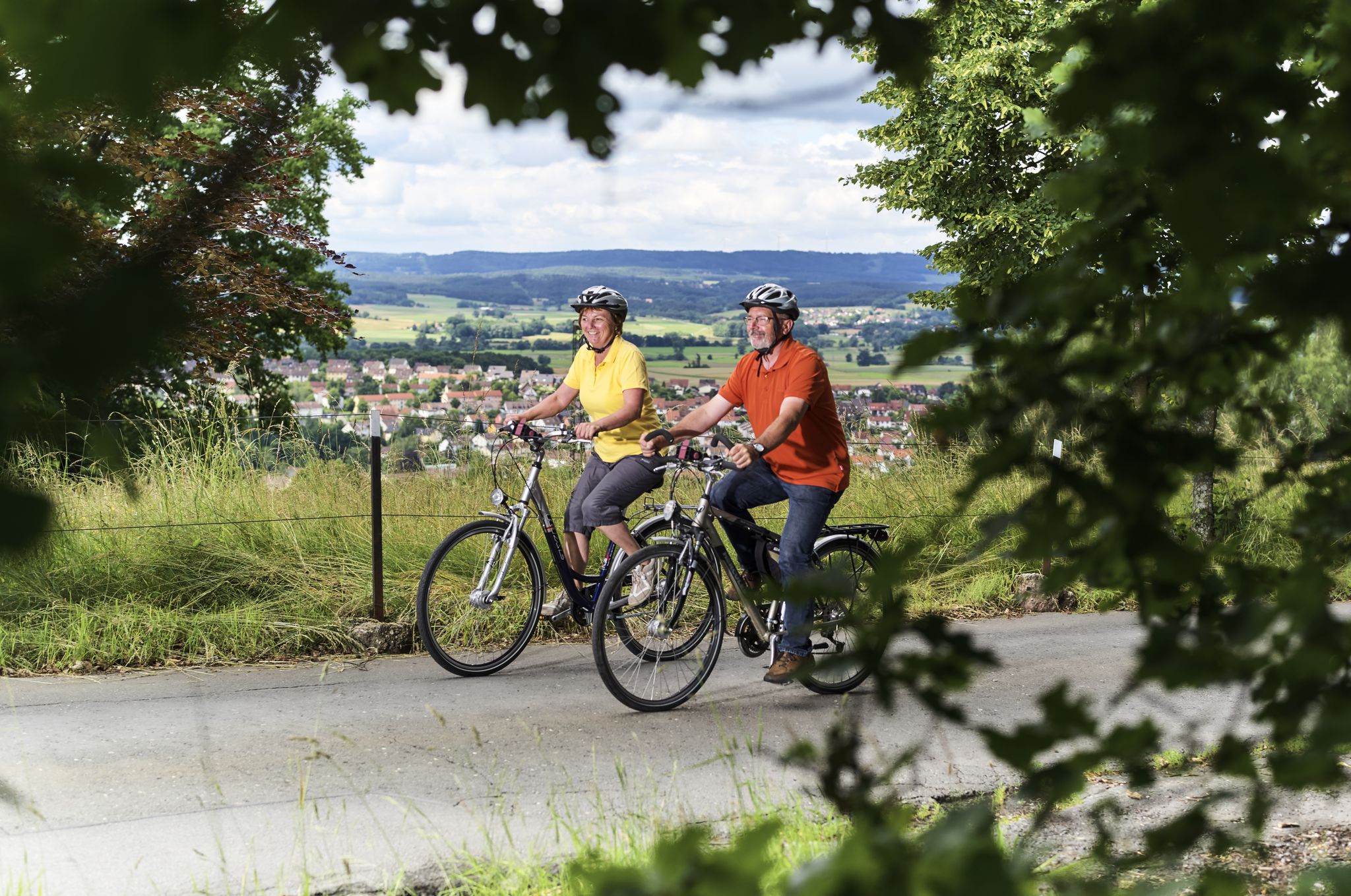
Unsere schönsten Radtouren im Frankenwald
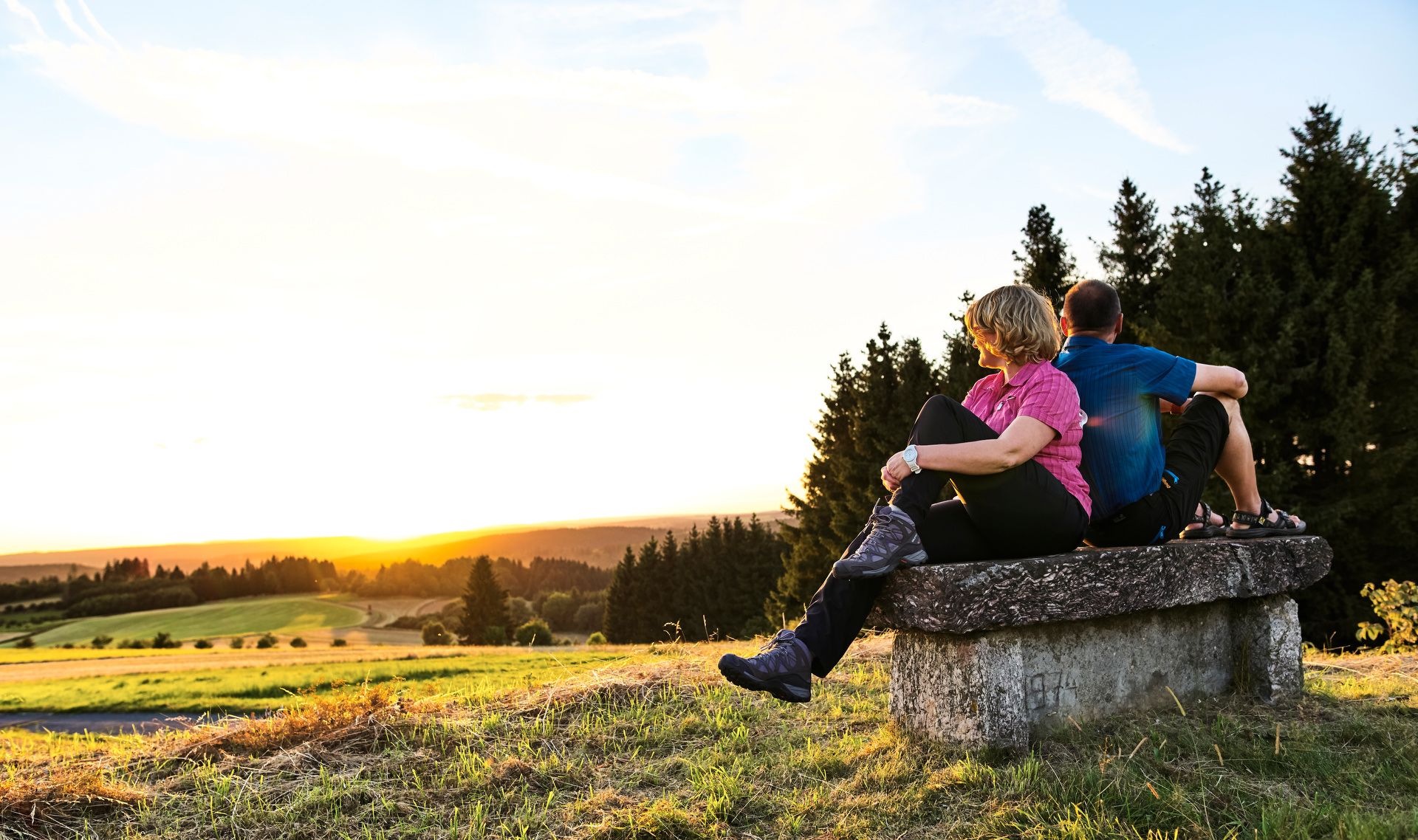
Unsere FrankenwaldSteigla
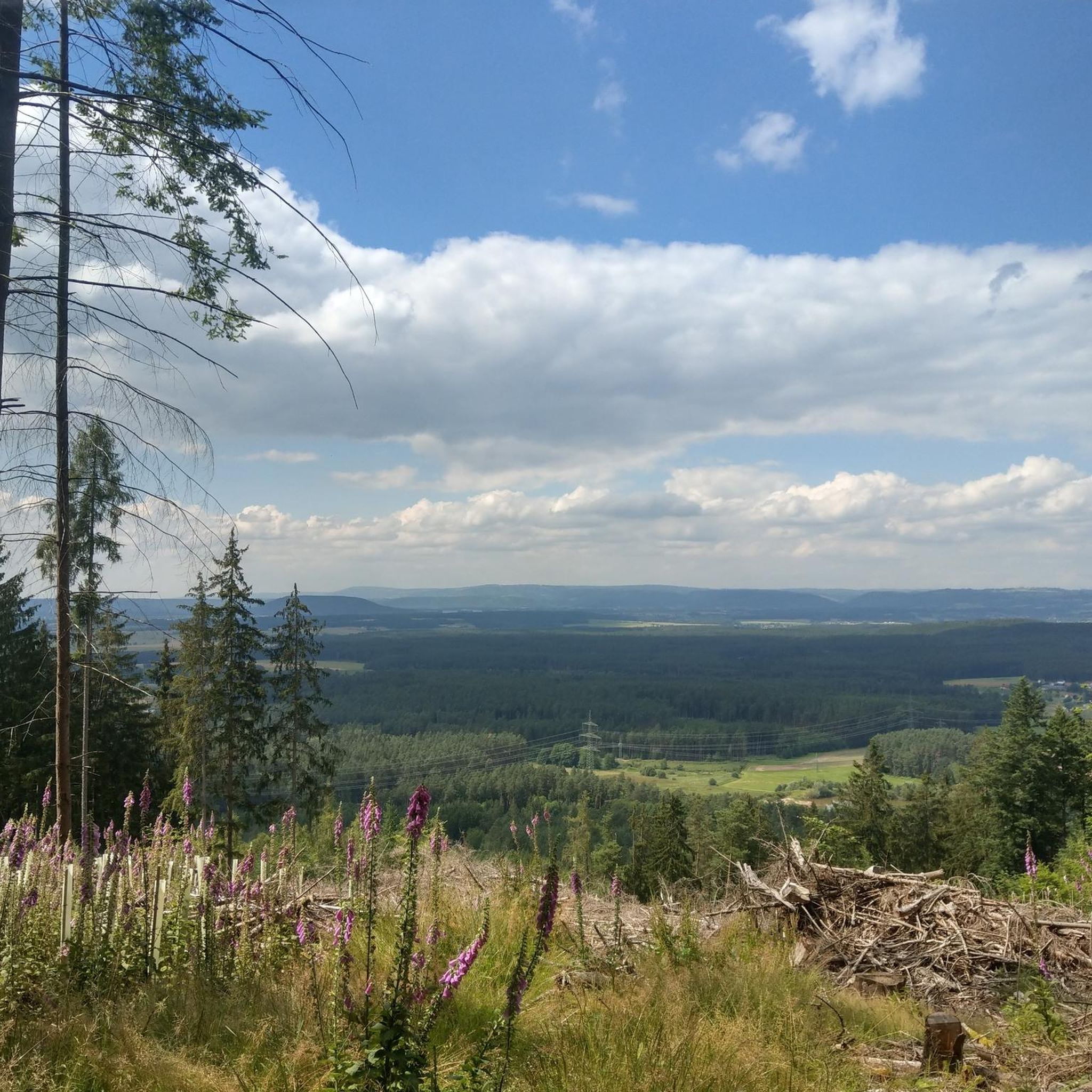
Hiking around Mitwitz
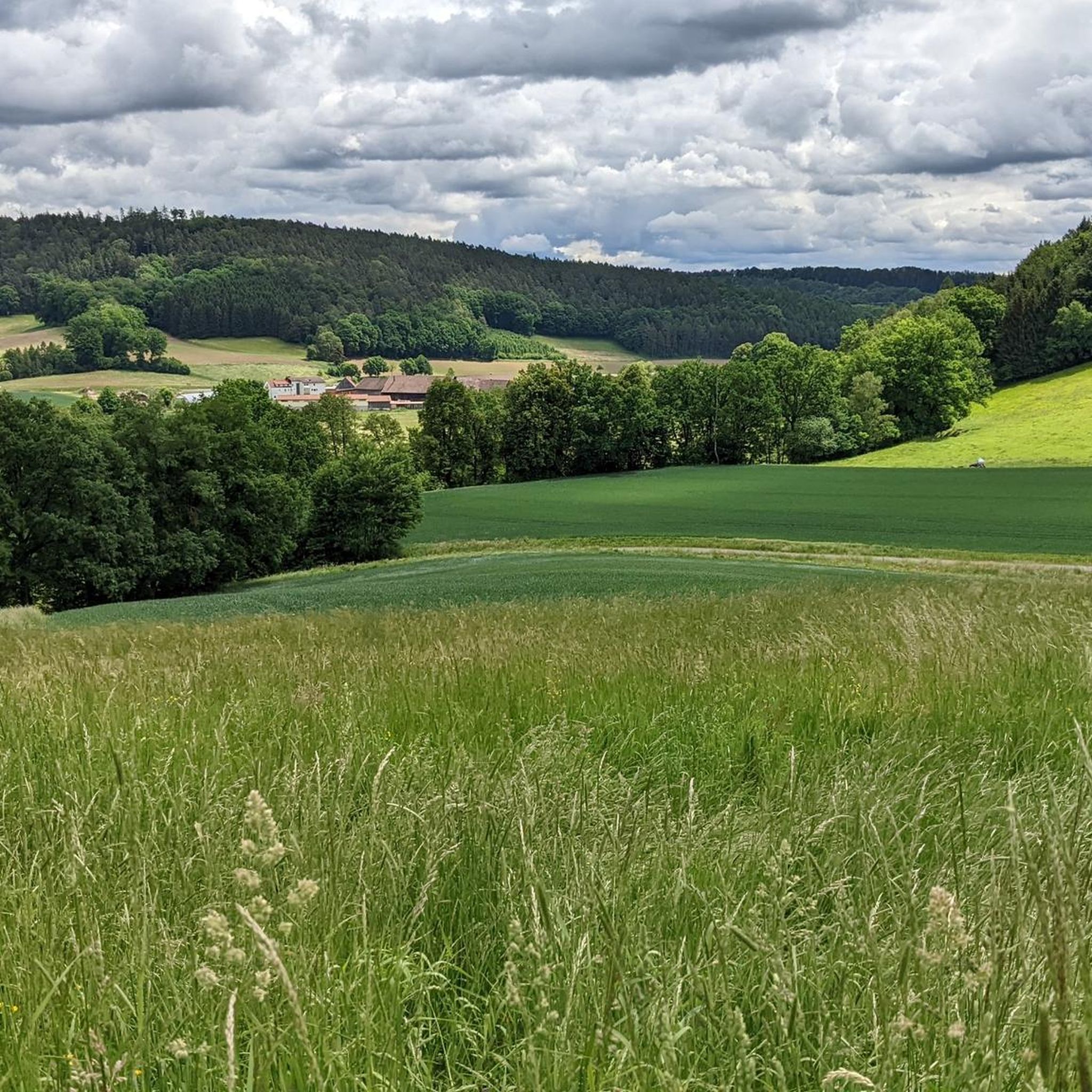
Cycling around Mitwitz
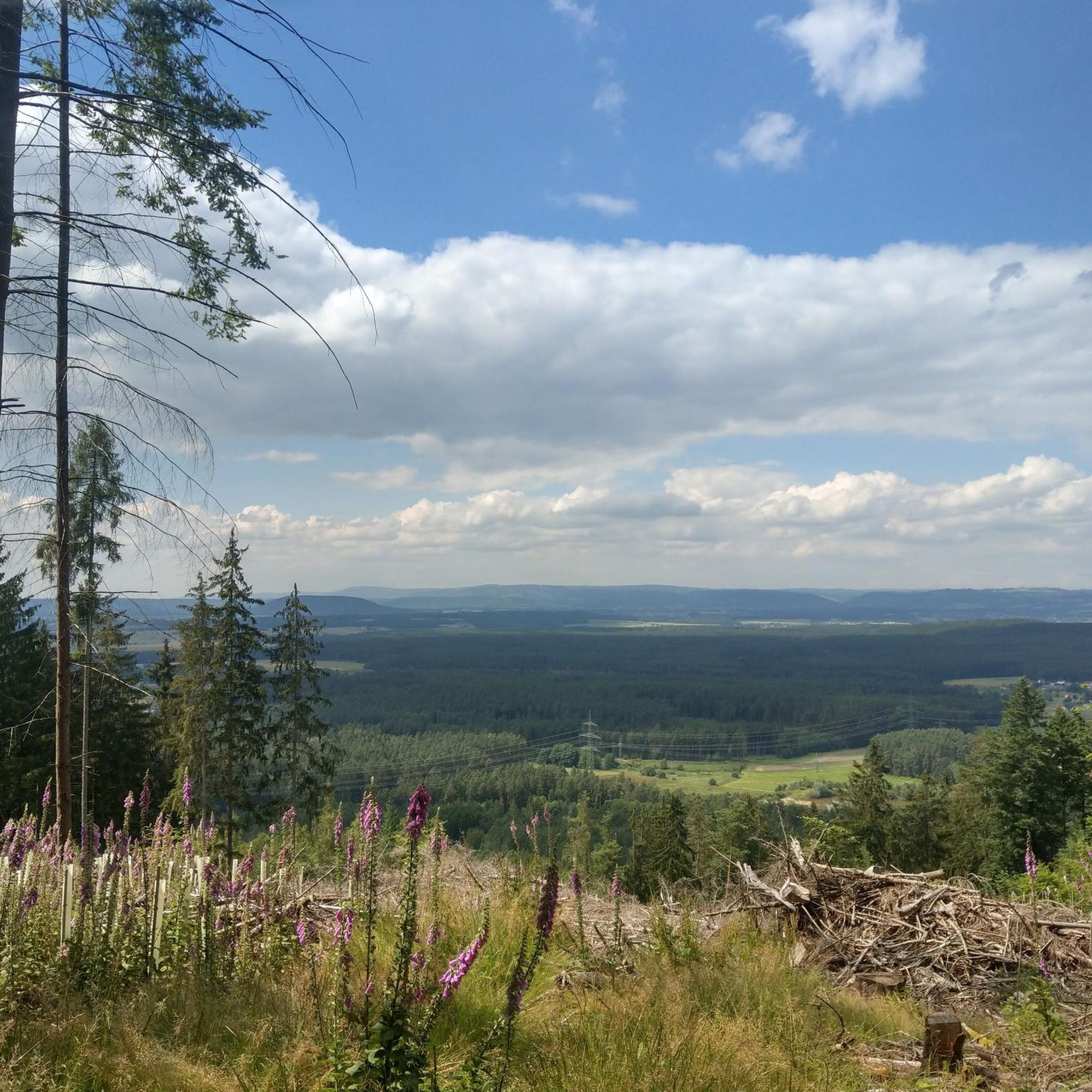
MTB Trails around Mitwitz
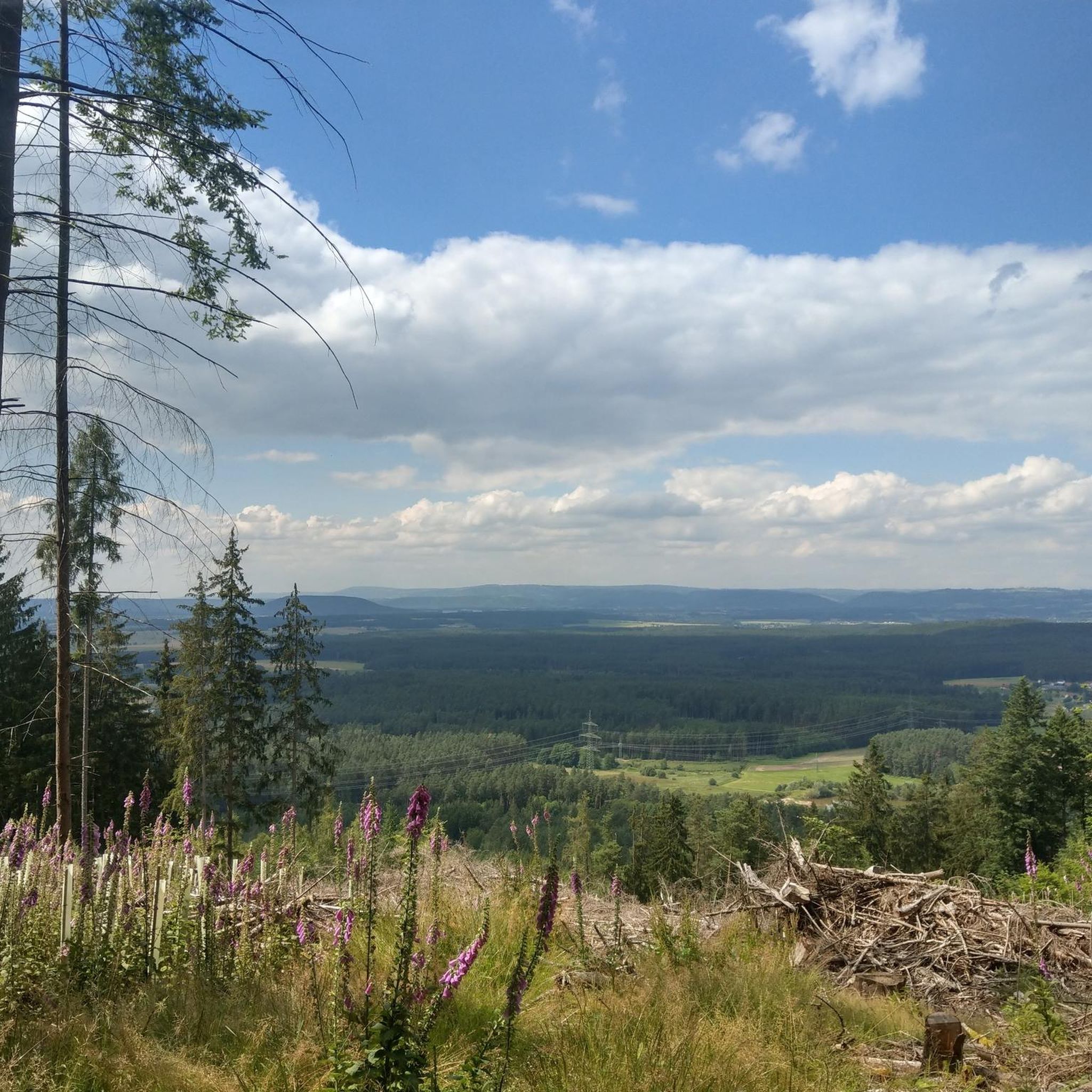
Road Cycling Routes around Mitwitz
Running Trails around Mitwitz
Gravel biking around Mitwitz
Other adventures around Mitwitz


Tips from the Community

In addition to the Jacob's Cave, the rock formations also include the Franzenshöhle (Franzen's Cave). According to a story, two robbers named after them hid there in the 16th century. In fact, the caves were probably named after the lords of the Ebneth castle: Franz Paul Christoph (1750-1823) and Jakob Wolfgang (1751-1817) von Seckendorff-Arberdar.
1
1

Rock cellar next to a historic stone bridge, the cycle path leads directly past it.
0
0

Historic sandstone bridge, Old Cellars
1
0

A beautiful old arched bridge. Near it, you'll find a small rest area with an insect hotel, as well as the entrances to several rock cellars.
1
0

This baptismal chapel was probably built in the 9th century and is therefore probably the oldest permanent work created by human hands in the Sonneberg area. It was carved into the red sandstone by monks, with a Latin cross protruding from the visible wall. Today it is located under the house and can only be visited by appointment.
11
0

If you are in the area, this is a must!
1
1
Reminds me a bit of the setting of a fairy tale film.
7
0
Steinachtal cycle path 👍🚵
1
1
Frequently Asked Questions
What kind of "caves" can I expect to find around Mitwitz?
The Mitwitz area is primarily known for historical sites and man-made grottoes rather than extensive natural cave systems with typical geological features like stalactites and stalagmites. You'll discover sites carved into sandstone, historical vaults, and expanded rock niches used for religious worship, offering insights into the region's past.
Are there any natural rock formations to explore near Mitwitz?
Yes, you can visit the Jakobshöhle Rock Formation. This natural monument features impressive rock groups and a cave marked on maps, providing a natural point of interest for explorers.
What historical underground sites are there in the Mitwitz area?
The region offers several historical underground sites. The Felsenkeller and Historic Stone Bridge near Beikheim features a rock cellar with multiple rooms that are cool, damp, and very dark. Another site is the Rest Area at Fürth Castle Ruins, where visitors can explore the remains of a stately castle, primarily a vaulted cellar, with detailed picture panels providing historical context.
Can I visit a religious grotto near Mitwitz?
Yes, the Marian Grotto on Roßlacher Berg is a notable religious site. This niche in slate rock was expanded into a grotto in the 1950s and is still used for religious worship.
Is there an ancient baptismal site near Mitwitz?
Yes, the Cella Antiqua Baptism Site is a significant historical location. This baptismal chapel, believed to be from the 9th century, was carved into red sandstone by monks. It is located under a house and can only be visited by appointment.
Where can I find impressive natural stalactite caves in Germany, if not directly in Mitwitz?
For impressive natural stalactite caves, you would need to travel further afield in Germany. Notable examples include the Teufelshöhle (Devil's Cave) in Pottenstein, the König-Otto-Tropfsteinhöhle (King Otto Stalactite Cave) in Neumarkt in der Oberpfalz, and Sophienhöhle (Sophie's Cave) near Rabenstein Castle, all in Bavaria. The Atta Cave in Sauerland and the Saalfeld Fairy Grottoes in Thuringia are also renowned for their geological formations.
Are there family-friendly cave experiences around Mitwitz?
Yes, the Marian Grotto on Roßlacher Berg is considered family-friendly. Additionally, the Felsenkeller and Historic Stone Bridge near Beikheim offers an accessible historical exploration that families might enjoy.
What do visitors enjoy most about the caves and underground sites near Mitwitz?
Visitors appreciate the unique historical insights and the distinct atmosphere of these sites. For instance, the Felsenkeller near Beikheim is noted for its cool, damp, and dark interior, offering a unique underground exploration. The Rest Area at Fürth Castle Ruins is valued for its detailed picture panels that provide historical context to the vaulted cellar.
What outdoor activities can I do near these caves?
The Mitwitz area offers various cycling opportunities. You can explore routes for touring bicycles, road cycling, and gravel biking. For more details on routes, visit the Cycling around Mitwitz, Road Cycling Routes around Mitwitz, and Gravel biking around Mitwitz guides.
Are there any specific access requirements or tips for visiting the local sites?
For the Cella Antiqua Baptism Site, visits are by appointment only. For sites like the Felsenkeller, be prepared for dark, cool, and damp conditions inside. It's advisable to bring a light source, as smartphone lights may not be sufficient.
Are there any hidden gems or less crowded caves to discover?
While the Mitwitz area focuses more on historical and man-made underground sites, the Jakobshöhle Rock Formation offers a natural point of interest that might provide a quieter experience. The Cella Antiqua Baptism Site, being by appointment, also offers a more exclusive visit.
Most popular routes around Mitwitz
Most popular attractions around Mitwitz

Get inspired with the komoot mobile app


Explore more
Extend your search for the best caves by checking out these guides of the top ones around Mitwitz:
