Top 10 Caves around Steinwiesen
Best caves around Steinwiesen are primarily found in the broader Franconian Switzerland region, an area renowned for its numerous underground formations. Steinwiesen, located in Upper Franconia, Bavaria, is situated in a region known for its karst landscape. While extensive natural cave systems are not directly within Steinwiesen itself, the municipality features historical underground elements like rock cellars. The surrounding landscape offers a mix of natural and man-made cave structures, providing insights into both geology and local history for Steinwiesen tourism.
…Last updated: September 30, 2026
Dürrenwaid Drinks Cave
Highlight • Cave
Translated by Google •
Tip by

Güldenstein — Former settlement and rock cellar
Highlight • Historical Site
Translated by Google •
Tip by

Sign up now to discover places like this
Get recommendations on the best single tracks, peaks, & plenty of other exciting outdoor places.
Marian Grotto on Roßlacher Berg
Highlight • Religious Site
At the entrance to the Tiefenbachtal there is the Mariengrotte embedded in a rock. In the fifties, the existing niche in …
Translated by Google •
Tip by

Zwergenloch Cave
Highlight • Cave
(claustrophobia warning)
Showing Translation
Tip by

Bergloch Nordhalben
Highlight • Cave
Translated by Google •
Tip by

Sign up for free to discover even more caves around Steinwiesen.
Already have an account?
Start today with a free account
Your next adventure awaits.
Popular around Steinwiesen
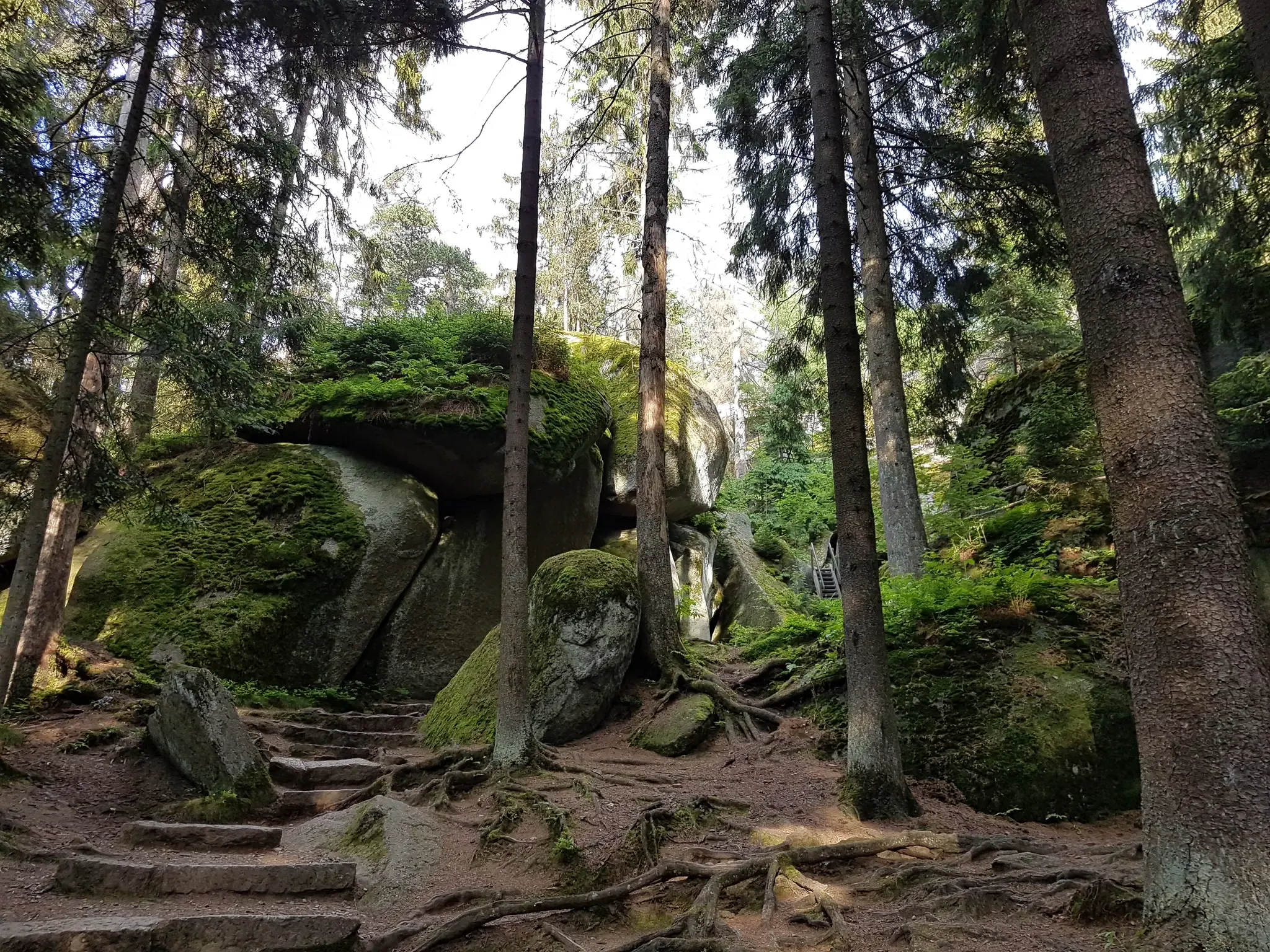
Nature, the outdoors and adventure – hiking through the VGN's nature parks
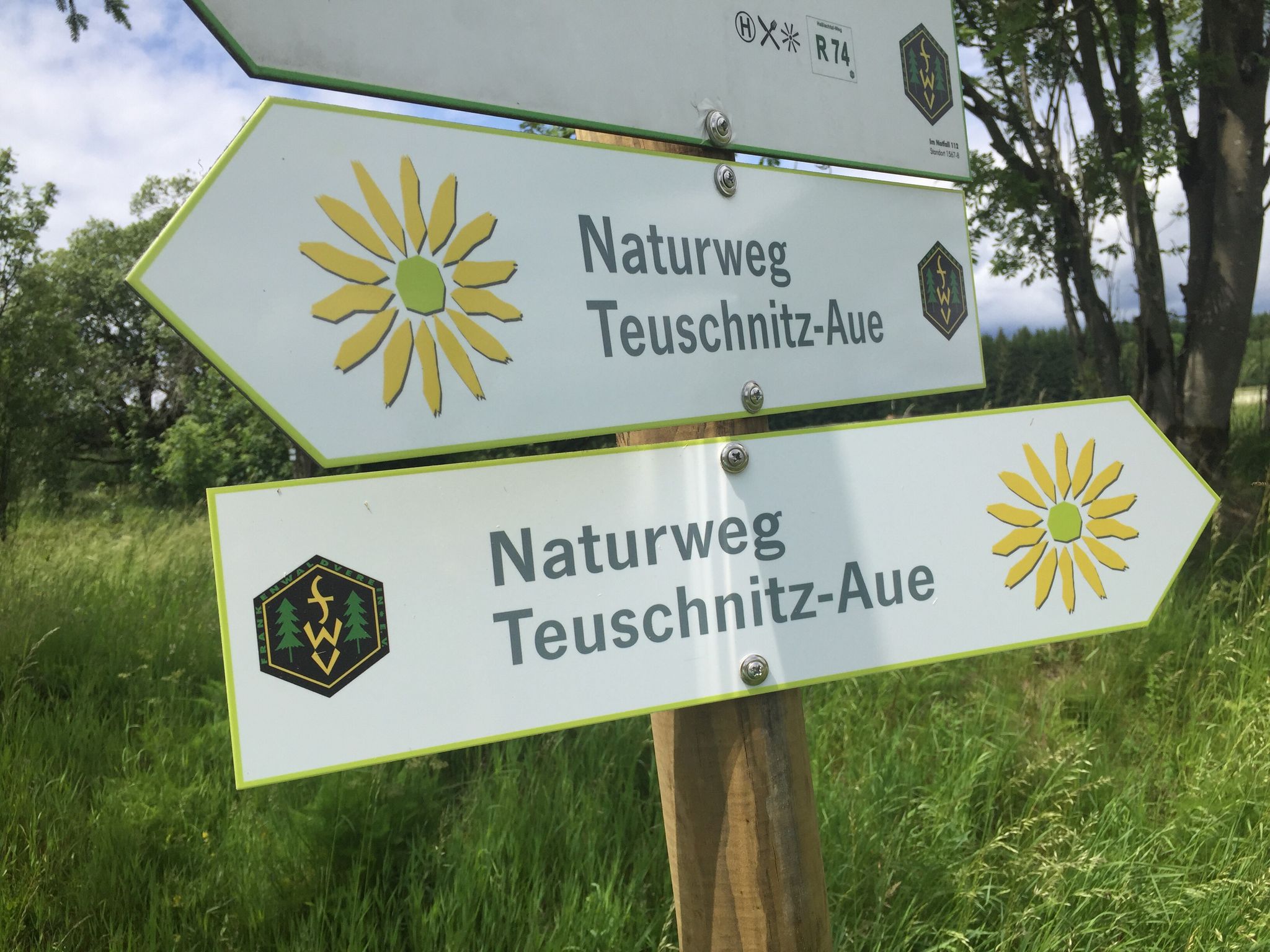
Lehrpfade und Themenwege
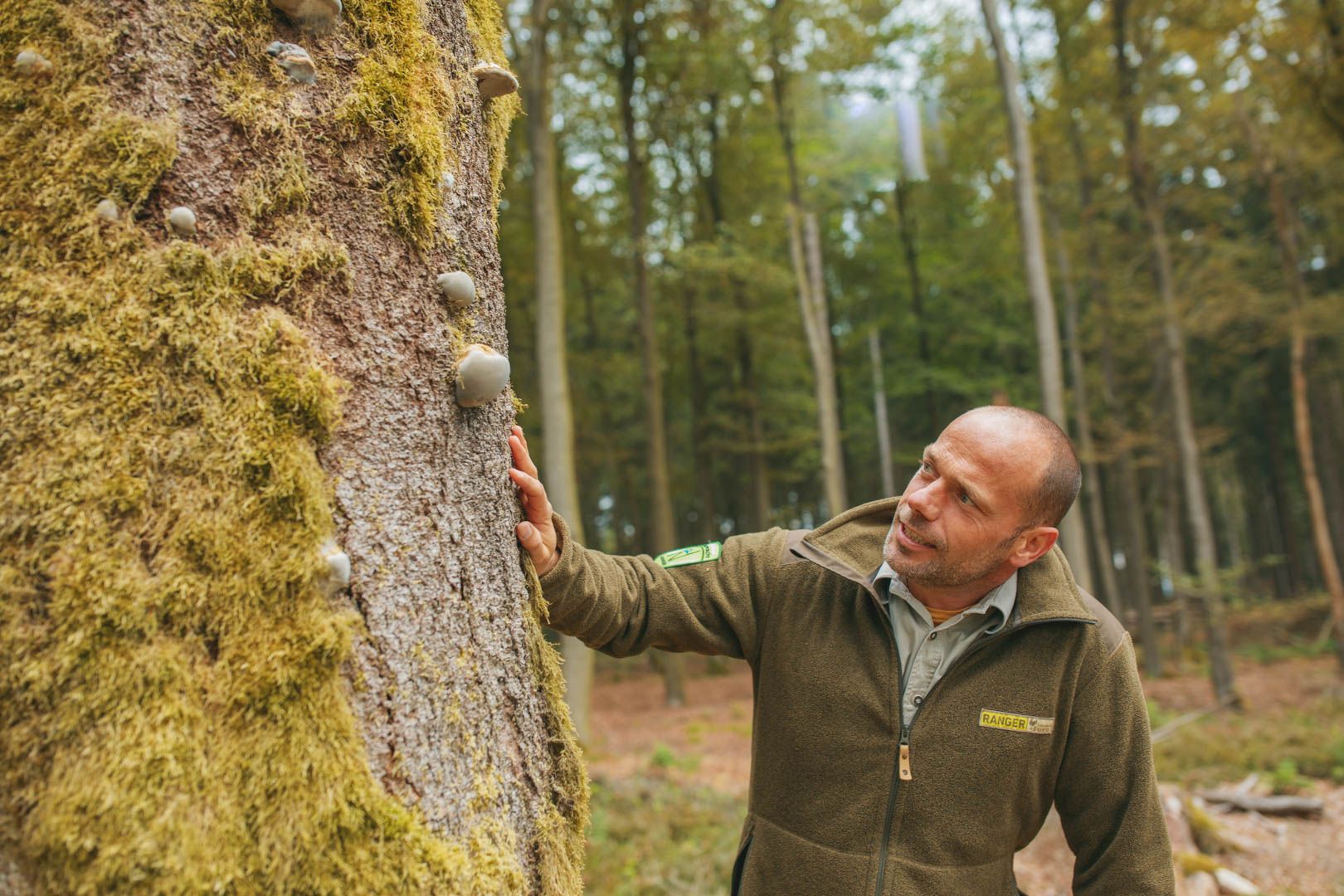
Tipps der Naturpark-Ranger
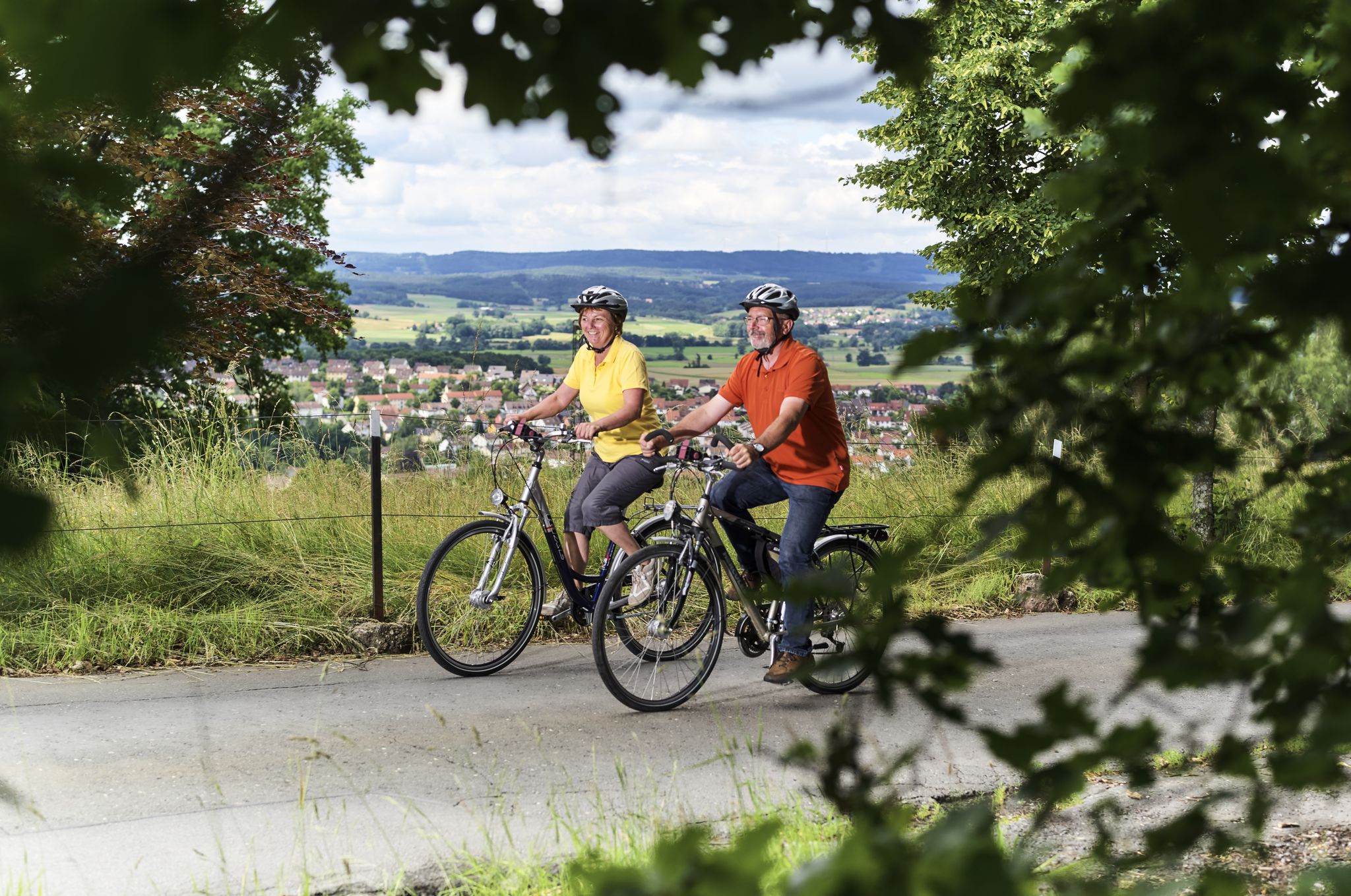
Unsere schönsten Radtouren im Frankenwald
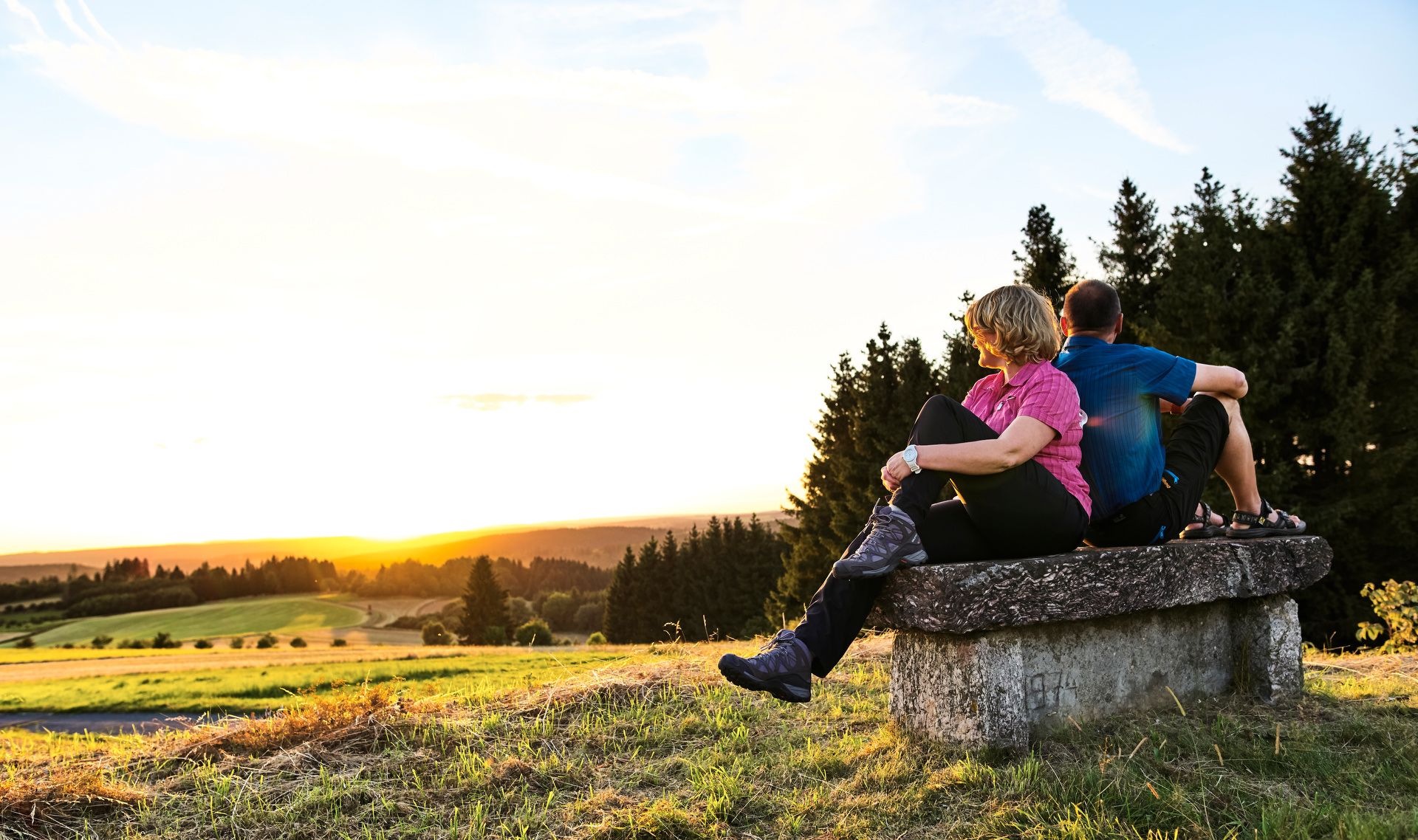
Unsere FrankenwaldSteigla
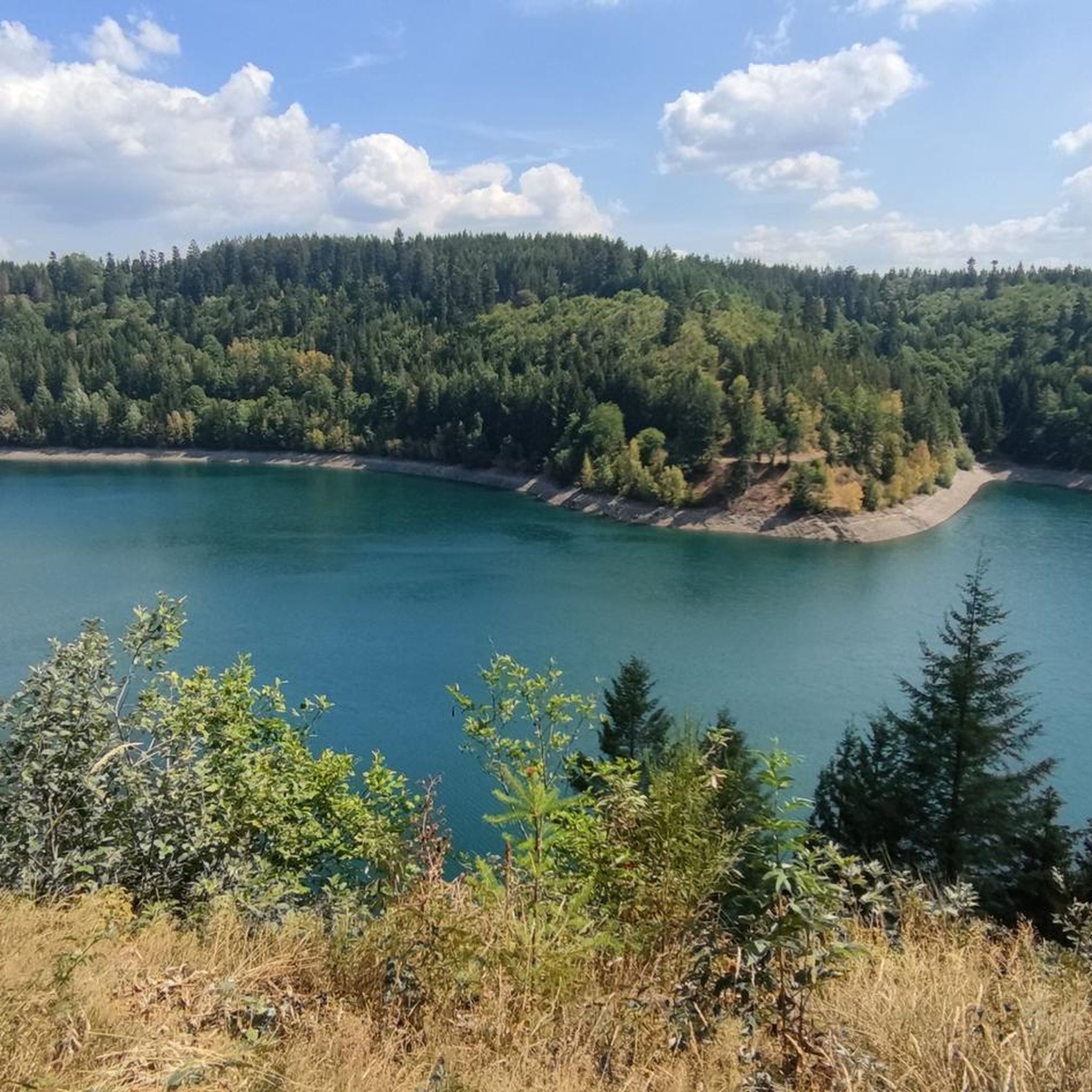
Hiking around Steinwiesen
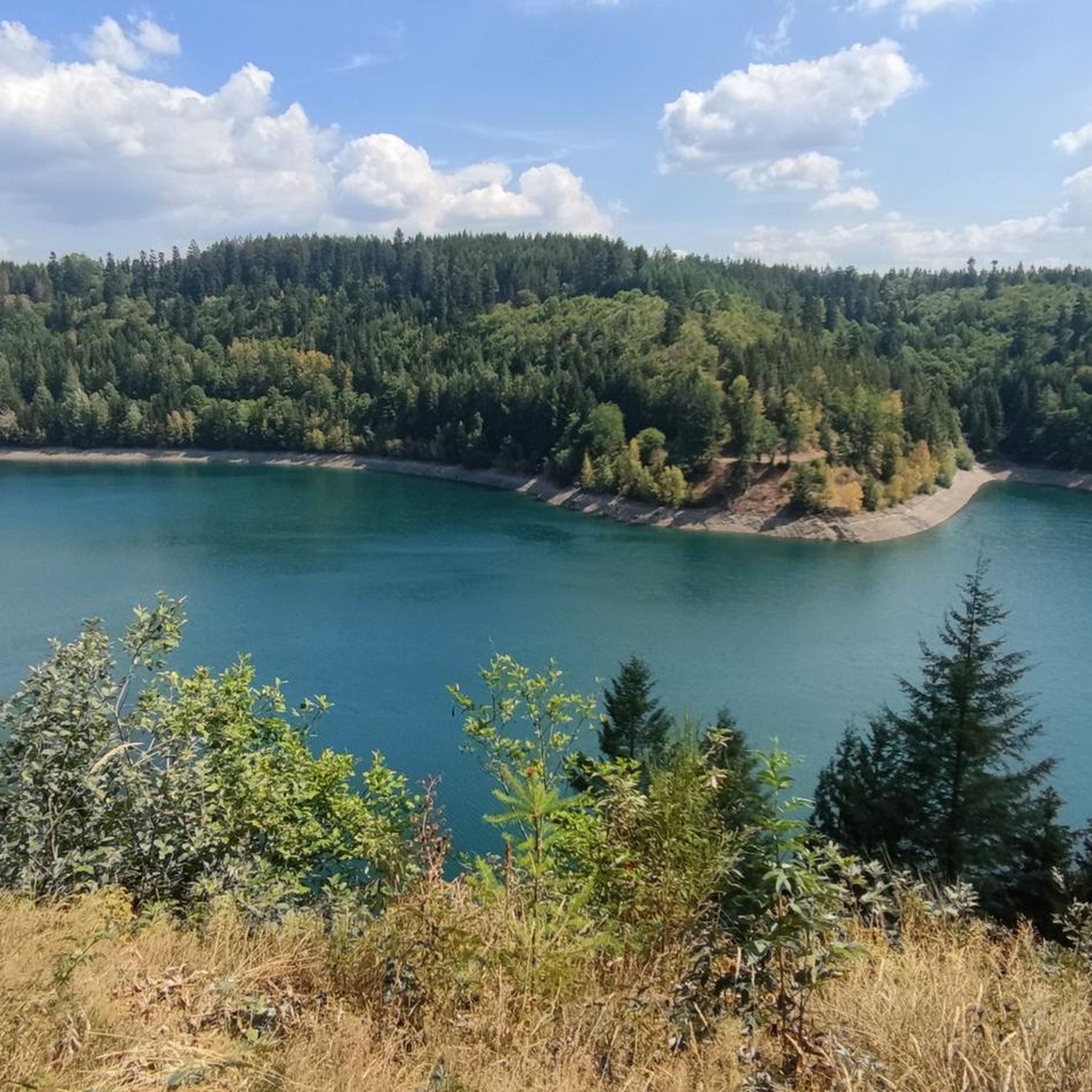
Cycling around Steinwiesen
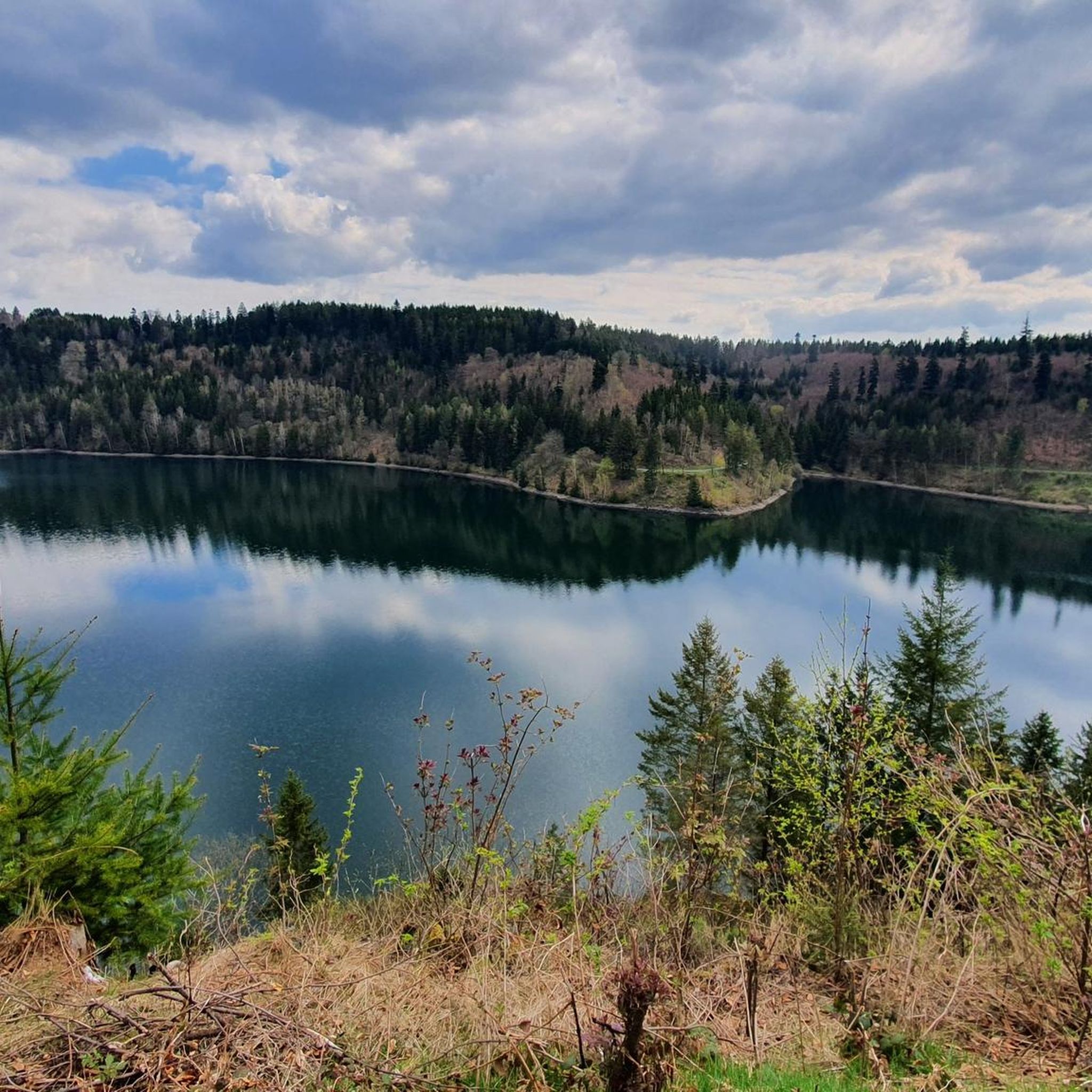
MTB Trails around Steinwiesen
Road Cycling Routes around Steinwiesen
Running Trails around Steinwiesen
Other adventures around Steinwiesen


Tips from the Community

On our MTB tour there was a dwarf hole. It is indeed a dwarf hole. If you want to explore it, you literally have to crawl into it
0
1

What a great idea with the cash register! The drinks are wonderfully chilled. I was happy to take advantage of the offer. You can leave a message on the slate stones!🤩
0
0

The first inhabitants of the Güldenstein estate were probably forestry assistants or woodcutters. Bird trapping was also a lucrative sideline. The Güldenstein bird herd was located above the hillside on a flat area. Only the owners of the estate had the right to trap all types of finches, larks, tits, blackbirds, and thrushes. Selling them was not a problem, as the songbirds were considered a delicacy in the city. Bird trapping was not banned until the end of the 19th century. However, the most important means of survival in this remote area was always agriculture. In 1930, Güldenstein was abandoned by its last inhabitants.
18
0

Mary's Grotto at the entrance to the Tiefenbach Valley. In the 1950s, the existing niche in the slate rock of the Roßlacher Berg was converted into the Mary's Grotto by the Steinberg parish. Every year at the beginning of May, the statue of the Virgin Mary is ceremoniously carried from the parish church into the grotto.
0
0

desertification. The house was razed to the ground, the rock cellar that served as a water source for the residents still exists and is secured with a railing.
5
0
I've seen better ones but the router itself is nice
0
2

Unfortunately no drinks in stock (03/18/23) Had frozen in the last few days but also. So understandable :)
1
0

Frequently Asked Questions
What types of caves can I explore around Steinwiesen?
The area around Steinwiesen offers a mix of natural caves, historical rock cellars, and man-made grottos. While extensive natural cave systems are primarily found in the broader Franconian Switzerland region, Steinwiesen itself features unique historical underground elements like the rock cellars at Güldenstein — Former settlement and rock cellar, and natural formations such as Zwergenloch Cave.
Are there any family-friendly caves or grottoes near Steinwiesen?
Yes, for a family-friendly experience, consider visiting the Marian Grotto on Roßlacher Berg. This man-made grotto is embedded in a rock and offers a peaceful, accessible spot. While some natural caves can be narrow, the grotto provides an easy-to-visit option.
Where can I find impressive natural cave systems near Steinwiesen?
For impressive natural cave systems with stalactites and large halls, you'll need to venture into the broader Franconian Switzerland region. Notable options include the Teufelshöhle (Devil's Cave) near Pottenstein, Sophienhöhle (Sophie's Cave) near Rabenstein Castle, and Binghöhle (Bing Cave) near Streitberg. These are well-developed for visitors and showcase significant geological formations.
What historical underground sites are there in the Steinwiesen area?
The most prominent historical underground site is Güldenstein — Former settlement and rock cellar. This site features preserved rock cellars from a settlement abandoned in 1930, offering a glimpse into historical living conditions and storage. Additionally, Bergloch Nordhalben is a large 'mountain hole' believed to have been created in the Middle Ages, possibly for mining or storage.
Are there any unique or unusual cave experiences around Steinwiesen?
Yes, for a truly unique experience, visit the Lohnendagsthal Drinks Cave. This cave operates on a trust-based system, offering chilled drinks for hikers in a natural setting, making it a popular and refreshing stop on a hike.
What should I know before visiting Zwergenloch Cave?
Zwergenloch Cave is a natural cave that is deep but narrow. Visitors should be aware of its confined spaces, especially if prone to claustrophobia. It's a notable natural monument and a good detour for those exploring the area, but be mindful of its characteristics upon entry.
Can I combine a cave visit with hiking or other outdoor activities?
Absolutely. Many caves and grottoes around Steinwiesen are situated along hiking trails. For instance, you can find various hiking routes in the region, such as those detailed in the Hiking around Steinwiesen guide. These trails often lead past or near natural attractions, including some of the mentioned caves and rock formations.
Are there mountain biking or cycling routes near the caves?
Yes, the Steinwiesen area offers numerous opportunities for mountain biking and cycling. You can find routes that pass through scenic landscapes, potentially near some of the cave sites. Explore options in guides like MTB Trails around Steinwiesen or Cycling around Steinwiesen to plan your adventure.
What do visitors particularly enjoy about the caves and rock formations in this region?
Visitors appreciate the blend of natural beauty and historical significance. The unique trust-based system at the Lohnendagsthal Drinks Cave is a community favorite, while the historical insights provided by sites like Güldenstein — Former settlement and rock cellar are highly valued. The natural caves offer a glimpse into the region's geology, making them appealing to those interested in nature and history.
Is there a best time of year to visit the caves around Steinwiesen?
Most caves and grottoes in the region can be visited year-round, though accessibility might vary with weather conditions, especially for natural, undeveloped sites. Show caves in Franconian Switzerland typically have regular opening hours, which might be reduced in winter. For outdoor rock cellars and grottoes, spring to autumn generally offers the most pleasant weather for exploring the surrounding trails.
Are there any caves that are less crowded or off the beaten path?
While the major show caves in Franconian Switzerland can attract crowds, some of the local rock cellars and smaller natural caves around Steinwiesen, such as Zwergenloch Cave or Bergloch Nordhalben, tend to be less frequented. These offer a more secluded experience, often found along hiking trails in forested areas.
What kind of geological features can I expect to see in the regional caves?
In the larger natural cave systems of Franconian Switzerland, you can expect to see impressive stalactites and stalagmites in various sizes, shapes, and colors, including ochre, brown, and red. These formations are the result of thousands of years of mineral deposition, creating a stunning underground landscape.
Most popular routes around Steinwiesen
Most popular attractions around Steinwiesen

Get inspired with the komoot mobile app


Explore more
Extend your search for the best caves by checking out these guides of the top ones around Steinwiesen:
