Top 5 Castles around Mähring
Best castles around Mähring are situated in a region known for its historical significance and natural beauty. Mähring is located in the Tirschenreuth district of Bavaria, Germany, within the Upper Palatinate Forest. The area offers a landscape characterized by forests and historical sites. This region provides opportunities to explore various historical structures.
Best castles around Mähring
- The most popular castles is Liebenstein Castle Ruins, a castle that was the ancestral home of the Lords of Liebenstein. The building was…
Last updated: May 30, 2026
Fischhof Bridge in Tirschenreuth
Highlight • Bridge
Translated by Google •
Tip by

Liebenstein Castle Ruins
Highlight • Castle
Translated by Google •
Tip by

Sign up now to discover places like this
Get recommendations on the best single tracks, peaks, & plenty of other exciting outdoor places.
Sign up for free
Ruins of the Paulaner Monastery and Světce Castle
Highlight • Historical Site
The monastery died out in 1786, later the Windischgrätz noble family bought it and tried to build a luxurious residence here. Prince Alfred I. …
Translated by Google •
Tip by

Hardeck Castle
Highlight • Castle
Translated by Google •
Tip by
History of Burg Verdenstein
Highlight • Historical Site
Translated by Google •
Tip by

Start today with a free account
Your next adventure awaits.
Login or Signup
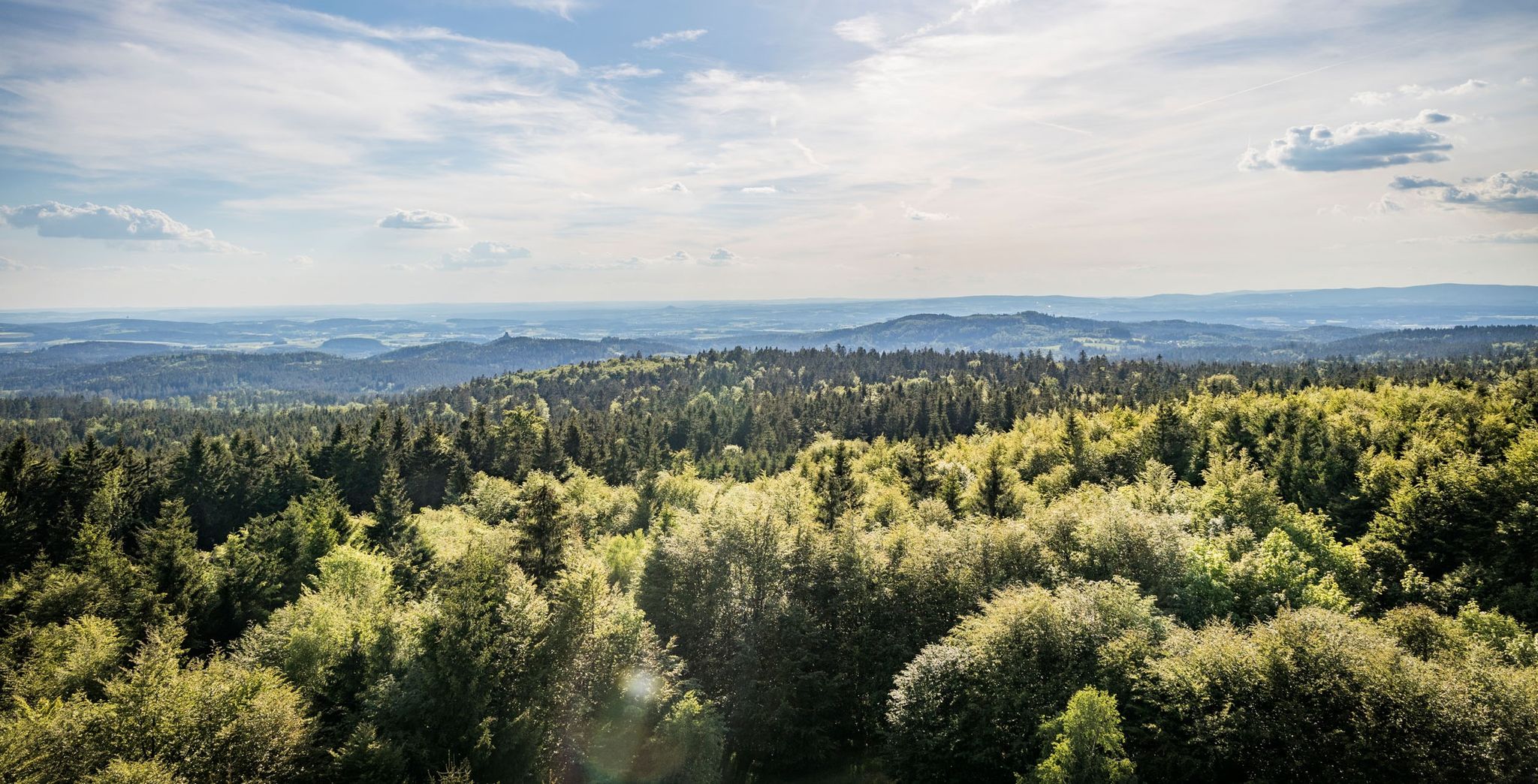
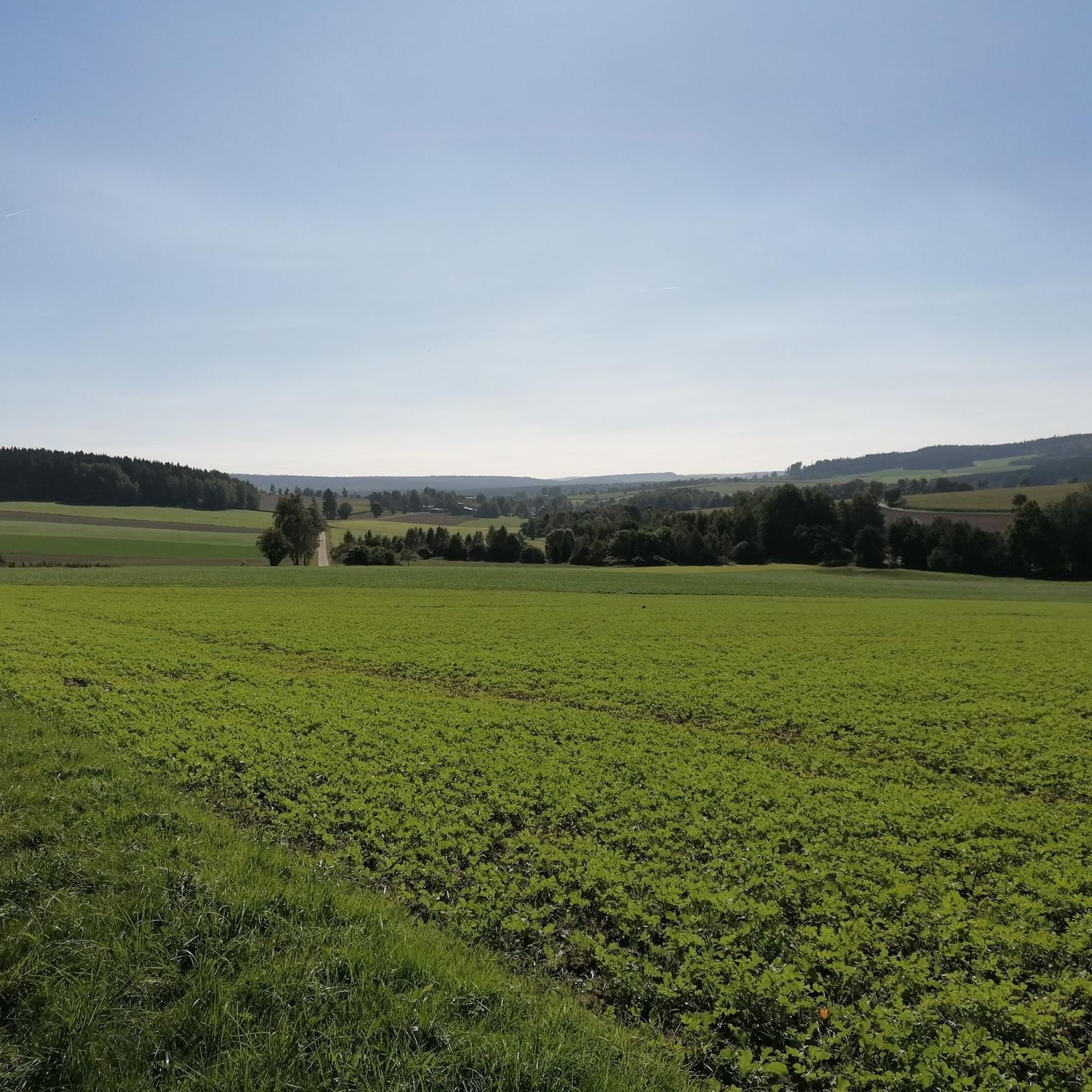
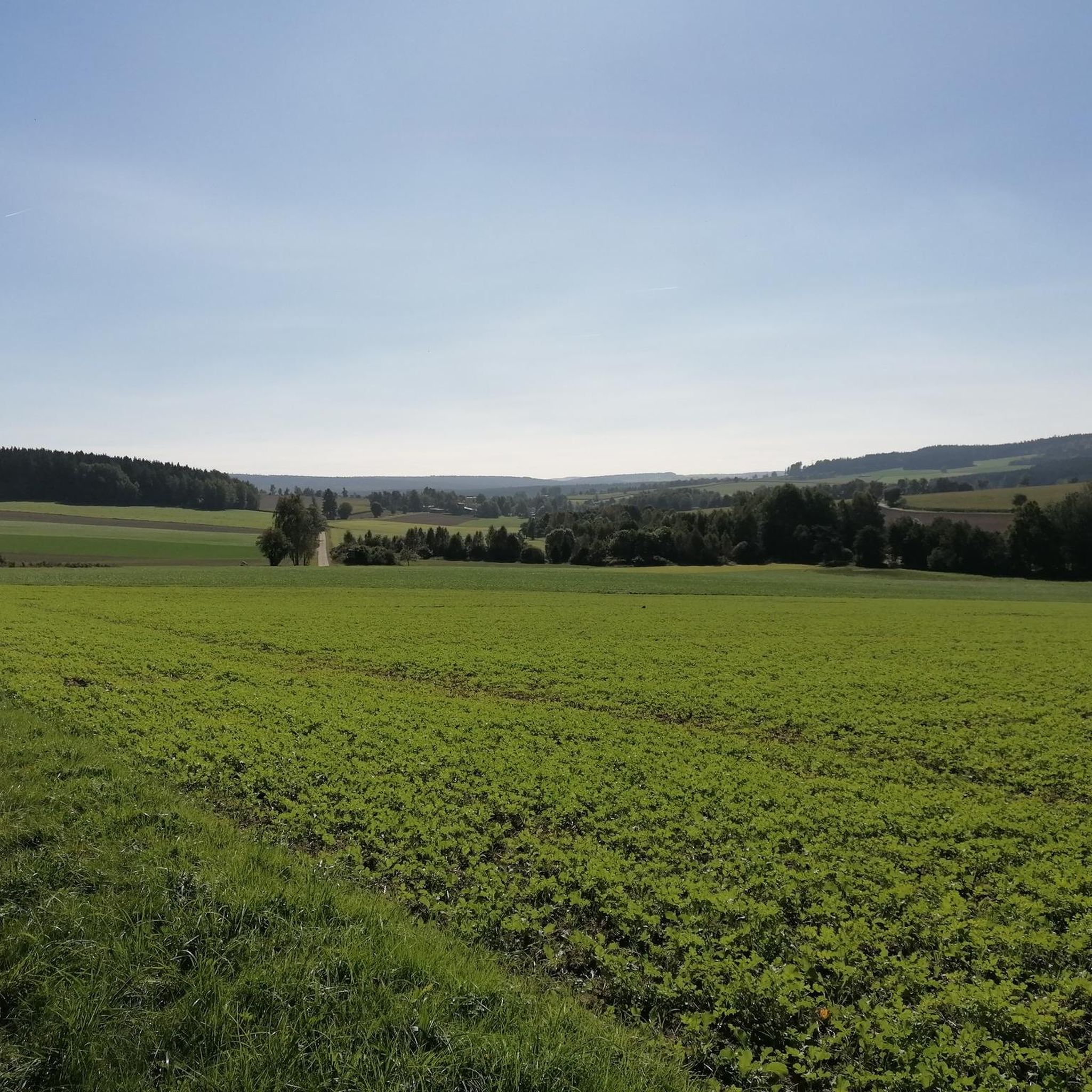
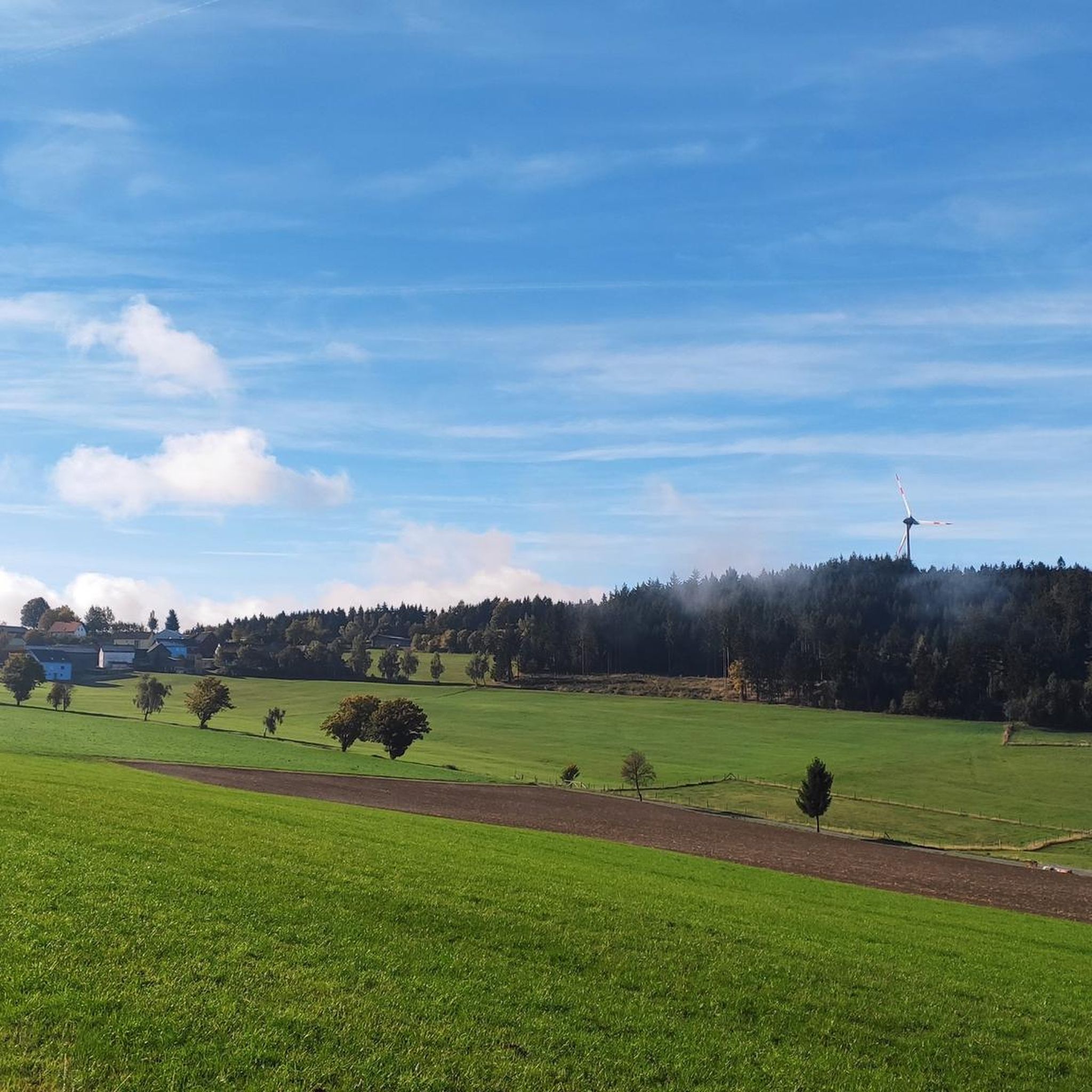
Other adventures around Mähring

Tips from the Community

The ruins hint at the former grandeur. Very impressive.
0
0

Interesting history surrounding the former Liebenstein Castle, which can be read here.
0
0

very well signposted the history and restoration of the castle ruins
2
0

Information board about the history of Liebenstein Castle
1
0

Hardeck Castle rises atop a 15-meter-high phyllite cliff that drops steeply into the Muglbach valley. This gives it the character of a fortress rather than a palace. The castle was probably built in the 11th or 12th century, and was first mentioned in 1238. In 1316, Landgrave Ulrich von Leuchtenberg sold it to Waldsassen Monastery, and Abbot Johann III made it his residence. Due to extensive debts, Johann's successor was forced to sell Hardeck, along with other abbey property. After the Thirty Years' War, the badly damaged building returned to Waldsassen Monastery. In 1708, it was restored to its current form as the summer residence of the monastery's lords. Hardeck remained with the monastery until secularization in 1802, when it was nationalized, and the land was sold, along with the farm buildings, the mill, the sawmill, the forester's lodge, and the courthouse. In 1848, Johann Ruderer purchased it and established a dyeworks there, which operated until 1905. In 1873, Ruderer's son-in-law, Johann Söllner, obtained the license to sell alcohol and established an inn, which was still run by his descendants. The castle remains in the possession of Johann Ruderer's descendants to this day.
19
0
The Fischhof Bridge is a ten-yoke granite arch bridge that rises towards the middle and is approximately 92 meters long. It is reminiscent of the “Stone Bridge” in Regensburg and was built in 1748/50 by the Waldsassen lay brother Philipp Muttone. The two statues (Ceres, Roman goddess of fertility and Justicia, Roman goddess of justice) were created in the early 20th century. In 1807 the Upper City Pond was drained. As part of the “Nature in Tirschenreuth 2013” garden show, a 6-hectare city pond has flowed around the baroque Fischhof Bridge and part of the Fischhof Island since 2012.
9
0
The Fischhof was built around 1219. It lay on an island in the Upper City Pond until the pond was drained in 1808. The large building was an economic farm for the Waldsassen monastery. In 1548 the monastery lost its independent status and was ruled by the Palatinate Wittelsbachers. From then on, the Fischhof was used as the Duke's residence. During this time, the Fischhof Bridge was built as a wooden bridge with a drawbridge. The fish farm later served as the abbots' summer residence. There is still a baroque chapel in the building. After secularization, the fish farm fell to the state. In 1804 the Tirschenreuth regional court moved here. In 1879 it was renamed the Tirschenreuth District Court.
6
1
The ancestral home of the Lords of Liebenstein, who emerged from the middle of the 12th century. The building was built around 1100 on a rock spur made of "ice granite" above the Waldnaab. In 1430 the Hussites camped under the castle, and the castle has fallen into disrepair since the middle of the 17th century. After the city fire of 1814, the citizens of Tirschenreuth took many stones from the ruins. It is a relatively large complex; the few visible remains of the wall were recently excavated and renovated.
12
0
Frequently Asked Questions
What kind of castles can I expect to find around Mähring?
The Mähring area, located in the Tirschenreuth district of Bavaria, features a variety of historical structures, primarily castle ruins and fortified sites. While not known for grand, fully preserved palaces like other parts of Bavaria, the region offers insights into medieval history through its remnants. You can explore sites like Liebenstein Castle Ruins, Ruins of the Paulaner Monastery and Světce Castle, and Hardeck Castle.
Are there any well-preserved castles or mostly ruins near Mähring?
The castles around Mähring are predominantly ruins, offering a glimpse into their past through visible wall remains and historical foundations. For example, Liebenstein Castle Ruins has visible wall remains that have been excavated and renovated. Similarly, the Ruins of the Paulaner Monastery and Světce Castle are significant historical sites, though largely in ruins.
What is the historical significance of the castles in the Mähring area?
The castles in the Mähring area hold significant historical value, often dating back to the 11th or 12th centuries. Liebenstein Castle Ruins was the ancestral home of the Lords of Liebenstein. Hardeck Castle served as a summer residence for Waldsassen Monastery and later became an inn. These sites reflect the region's medieval past, feudal structures, and religious history.
Can I visit the interior of these castles, or are they mostly exterior sites?
Given that most of the castles around Mähring are ruins, visits typically involve exploring the exterior remains and foundations. While some sites may have accessible areas or information boards detailing their history, they are generally not fully preserved structures with interiors to tour. For instance, Liebenstein Castle Ruins consists of excavated and renovated wall remains.
Are there family-friendly castles or historical sites to visit near Mähring?
Yes, some sites like Hardeck Castle are considered family-friendly. Exploring castle ruins can be an engaging activity for families, offering opportunities for imaginative play and learning about history in an outdoor setting. Always check local access information before planning your visit.
What natural features or viewpoints can I find near the castles?
The castles are often situated in scenic locations within the Upper Palatinate Forest. For example, Liebenstein Castle Ruins is built on a rock spur high above the Waldnaab river, offering natural viewpoints. Hardeck Castle rises atop a 15-meter-high phyllite cliff, providing dramatic views of the Muglbach valley.
What outdoor activities can I do near these castles?
The Mähring area is excellent for outdoor activities, especially hiking. You can find numerous trails that often pass by or lead to historical sites. For example, there are routes like the 'Forest Chapel Alter Herrgott – Muglbach Waterfall loop' or the 'Shrine of the Virgin Mary – Hochofen Blast Furnace Ruins loop'. You can explore more hiking options in the region by visiting the Hiking around Mähring guide. There are also guides for Running Trails and MTB Trails.
Are there hiking trails that incorporate castle visits around Mähring?
Yes, many hiking trails in the Mähring area are designed to include historical landmarks. You can find routes that lead directly to or pass by castle ruins, allowing you to combine outdoor exercise with historical exploration. Check the Hiking around Mähring guide for specific routes that feature these sites.
What is the best time of year to visit the castles near Mähring?
The best time to visit the castles and ruins around Mähring is generally during the spring, summer, and early autumn months (April to October). During these periods, the weather is usually milder and more suitable for outdoor exploration and hiking. Winter visits might be possible, but some paths could be challenging due to snow or ice, and the sites might be less accessible.
Are there any cafes or restaurants near the castles in Mähring?
While specific cafes directly adjacent to every ruin are uncommon, the village of Mähring and nearby towns in the Tirschenreuth district offer dining options. Hardeck Castle, for instance, historically had an inn established by its owners, and some local establishments might be found in the vicinity of the more accessible sites.
How accessible are the castles for visitors with mobility concerns?
As many of the castles around Mähring are ruins located on natural terrain like rock spurs or cliffs, accessibility for visitors with mobility concerns can be limited. Paths to these sites may involve uneven ground, inclines, or steps. It is advisable to research specific site conditions before visiting if accessibility is a primary concern.
Can I bring my dog to the castle ruins?
Generally, dogs are welcome on hiking trails and at outdoor historical sites in the region, provided they are kept on a leash and owners clean up after them. However, specific rules can vary by site. For example, a tip for Liebenstein Castle Ruins mentions paying attention to ticks for dogs in summer, indicating dog presence is common.
Most popular routes around Mähring
Most popular attractions around Mähring

Get inspired with the komoot mobile app


Explore more
Looking for the best castles somewhere else? Discover other guides around Mähring:
