Top 7 Caves around Wernberg-Köblitz
Caves around Wernberg-Köblitz feature a mix of natural geological formations and historical man-made rock structures. The region, situated in Bavaria, offers diverse landscapes for exploration. While traditional large natural caves are less common directly within the municipality, the area is notable for its rock cellars and grottoes. These sites often hold historical significance or serve as natural monuments, providing points of interest for visitors.
Best caves around Wernberg-Köblitz
- The most popular caves is Kraute-Bühler Robber’s Cave, a cave that…
Last updated: May 30, 2026
Kraute-Bühler Robber’s Cave
Highlight • Cave
Translated by Google •
Tip by

Rock cellar – winter habitat for bats
Highlight • Cave
Translated by Google •
Tip by

Sign up now to discover places like this
Get recommendations on the best single tracks, peaks, & plenty of other exciting outdoor places.
Sign up for free
Old Rock Cellar on the Pfreimd
Highlight • Structure
Translated by Google •
Tip by

Tomb and Grotto 'Christ in Chains'
Highlight • Religious Site
Translated by Google •
Tip by
Historic Cellars at Koppelberg
Highlight • Historical Site
Translated by Google •
Tip by

Sign up for free to discover even more caves around Wernberg-Köblitz.
Sign up for free
Already have an account?
Start today with a free account
Your next adventure awaits.
Login or Signup
Tips from the Community

Very interesting, beautifully maintained.
1
0

Now very tidy, with no rubbish and a renovated gate. Thanks to the owner for the renovation.
1
0

Very beautiful crypt on the castle hill, when the castle hill was transformed into a Calvary, 14 Stations of the Cross and the crypt and the grotto "Christ in Chains" were built.
2
0

Crypt with a tomb of Jesus Christ directly in the Tännesberger Schloßberg.
1
0
The cellar was originally used as a storage room for beer and food and is privately owned. An approx. 17 m long main corridor and two side niches were carved into the existing rock. With an average temperature of approx. 7 degrees ° C and almost constant humidity, this basement offers ideal conditions for a frost-free and draft-free wintering room for bats. In the "KELLER in der FROSCHAU" several bat species have been detected for years in the rock crevices between Spend the winter bricks or hanging freely on the basement ceiling. The "brown long-eared bat", the "fringed bat", the "water bat" and the "gray long-eared bat" are regularly represented in the cellars.
5
0

The path is not easy to walk on; sturdy shoes and step resistance are required
1
0

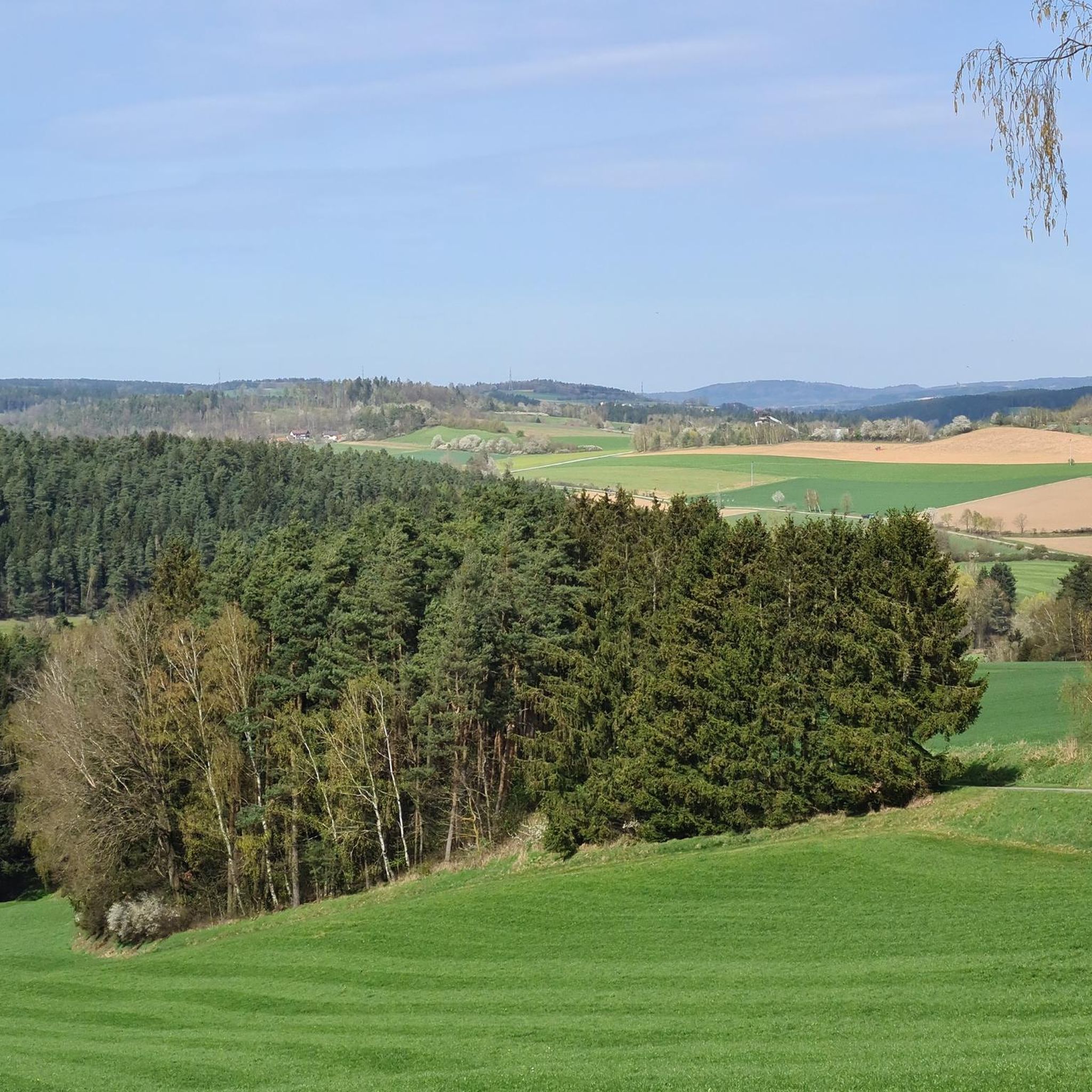
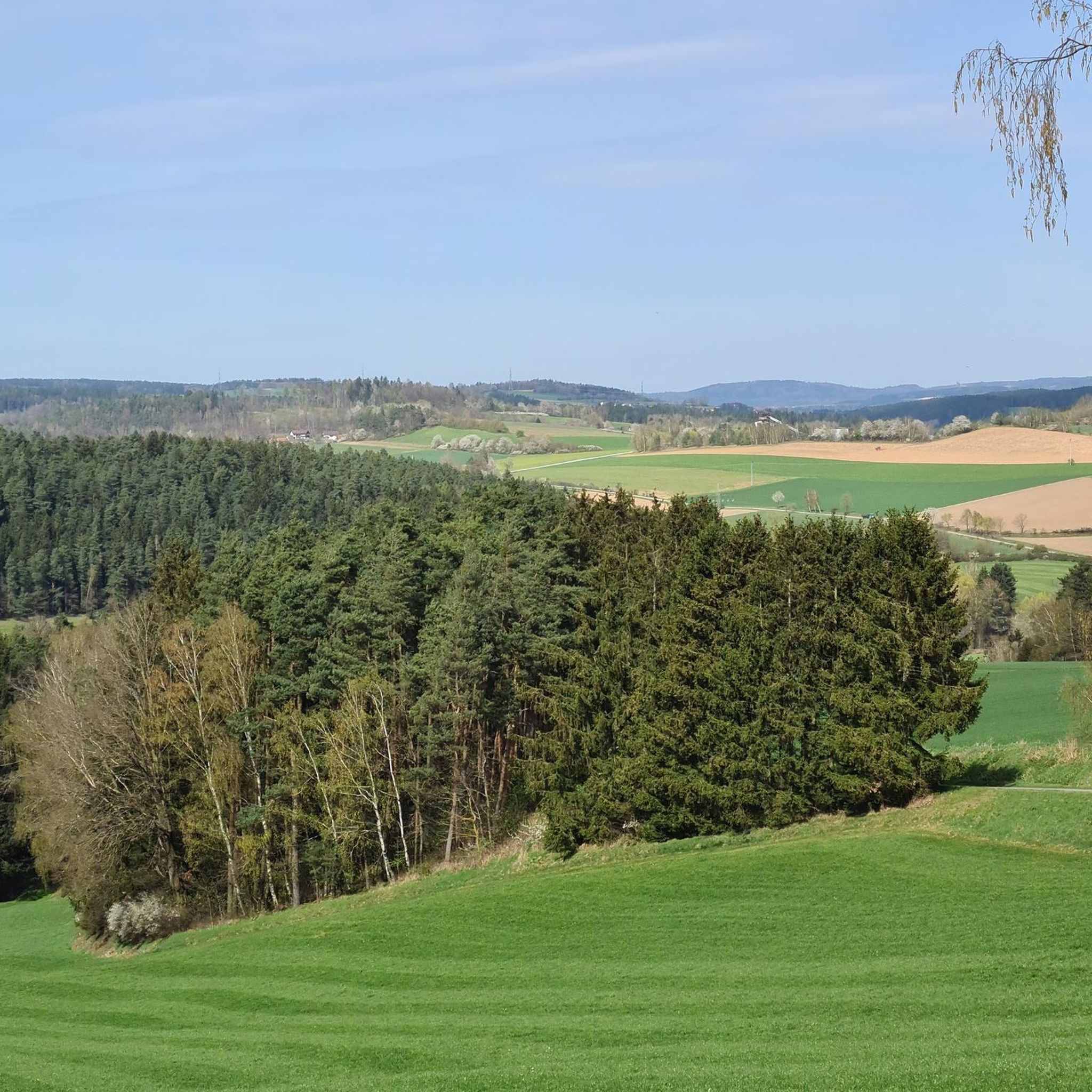
Great view, beautiful idyllic area
3
0

I could not find out whether it was a former robber's cave. In any case, the access is quite small and narrow and does not invite you to explore. The name Hans Hotzenplotz sounds more like fun to me
6
1
Frequently Asked Questions
What types of underground sites can I explore around Wernberg-Köblitz?
The Wernberg-Köblitz region offers a mix of natural geological formations and historical man-made rock structures. You'll find rock cellars, grottoes, and unique rock formations. While large natural caves are less common directly within the municipality, the area is rich in sites with historical significance or natural monument status.
Are there any natural caves or significant rock formations in the Wernberg-Köblitz area?
While traditional large natural caves are not a prominent feature directly within Wernberg-Köblitz, the area does boast interesting geological formations. A notable example is The Devil's Churn (Teufelsbutterfass), a unique rock formation with stacked stones and local folklore. For a more traditional show cave experience, the well-known Maximiliansgrotte is located in the wider region near Neuhaus an der Pegnitz, featuring impressive stalactite formations.
What are some unique historical rock cellars to visit in the region?
Wernberg-Köblitz is known for its historical rock cellars. You can visit the Old Rock Cellar on the Pfreimd, which was historically used for storing beets, potatoes, or beer. Another interesting site is the Historic Cellars at Koppelberg, which served as storage and refuge in the past.
Are there family-friendly cave experiences in Wernberg-Köblitz?
Yes, the Rock cellar – winter habitat for bats is considered family-friendly. This cellar, originally used for storage, now provides ideal conditions for several bat species to hibernate, offering a unique natural experience.
What is the Kraute-Bühler Robber’s Cave like?
The Kraute-Bühler Robber’s Cave is a popular highlight in the area. It's known for its small and narrow access, making it a special spot for those seeking a unique exploration. The climb to reach it can be a bit challenging at the beginning.
Can I combine a visit to these cave sites with hiking?
Absolutely. Many of these sites are integrated into the natural landscape, making them perfect for combining with hikes. You can find numerous hiking routes around Wernberg-Köblitz, such as the Wenzlsteig – Felsenquelle (Rock Spring) loop or the Schilternbach valley – Wernberg Castle loop. Explore more options on the Hiking around Wernberg-Köblitz guide.
Are there any religious or spiritual sites among the grottoes?
Yes, the Tomb and Grotto 'Christ in Chains' is a significant religious site. Located on the castle hill, it's part of a Calvary with 14 Stations of the Cross, offering a place for reflection and historical interest.
What do visitors enjoy most about the cave sites around Wernberg-Köblitz?
Visitors appreciate the blend of natural beauty and historical significance. The unique geological formations, the historical rock cellars with their past uses, and the peaceful grottoes offer diverse experiences. The community has shared over 95 photos and given more than 110 upvotes, highlighting the appeal of these sites.
Are the cave sites around Wernberg-Köblitz accessible by public transport?
While specific public transport routes directly to each cave entrance may vary, Wernberg-Köblitz itself has some public transport connections. For detailed planning, it's advisable to check local bus schedules or consider combining your visit with a bike tour, as many sites are accessible via cycling paths.
What other outdoor activities can I do near the caves?
Beyond hiking, the area around Wernberg-Köblitz is excellent for other outdoor sports. You can explore various mountain biking trails, such as the Wenzl Trail (Felsensteig) – Naab Riverside Trail loop, or enjoy gravel biking routes like the Naab footbridge in Nabburg – View of Nabburg loop. Find more details on the MTB Trails around Wernberg-Köblitz guide and the Gravel biking around Wernberg-Köblitz guide.
What is the best time of year to visit the cave sites?
The cave sites and rock formations can be visited year-round. However, for outdoor exploration and hiking, spring through autumn offers the most pleasant weather. If you're interested in the bat habitats, winter provides a unique opportunity to see them hibernating, though access might be restricted to protect the animals.
Most popular routes around Wernberg-Köblitz
Most popular attractions around Wernberg-Köblitz

Get inspired with the komoot mobile app


Explore more
Extend your search for the best caves by checking out these guides of the top ones around Wernberg-Köblitz:
