Top 8 Caves around Lindberg
Best caves around Lindberg are found within the Bavarian Forest, a region characterized by its diverse geology and natural landscapes. This area offers a range of underground experiences, from natural formations to historical mining sites and educational replicas. The geological features of the Bavarian Forest contribute to unique subterranean environments. Visitors can explore sites that provide insights into the region's past and natural history.
Best caves around Lindberg
- The most popular caves is Stone Age Cave Replica, National Park Center…
Last updated: May 30, 2026
Riesloch Falls
Highlight • Waterfall
Stone Age Cave Replica, National Park Center Falkenstein
Highlight • Cave
Translated by Google •
Tip by

Sign up now to discover places like this
Get recommendations on the best single tracks, peaks, & plenty of other exciting outdoor places.
Sign up for free
Gottesgab Mine on Silberberg
Highlight • Historical Site
Translated by Google •
Tip by

Gottesgab
Highlight • Historical Site
Translated by Google •
Tip by

Historic Kiesau Quartz Mine Adit
Highlight • Historical Site
Translated by Google •
Tip by

Sign up for free to discover even more caves around Lindberg.
Sign up for free
Already have an account?
Start today with a free account
Your next adventure awaits.
Login or Signup
Popular around Lindberg
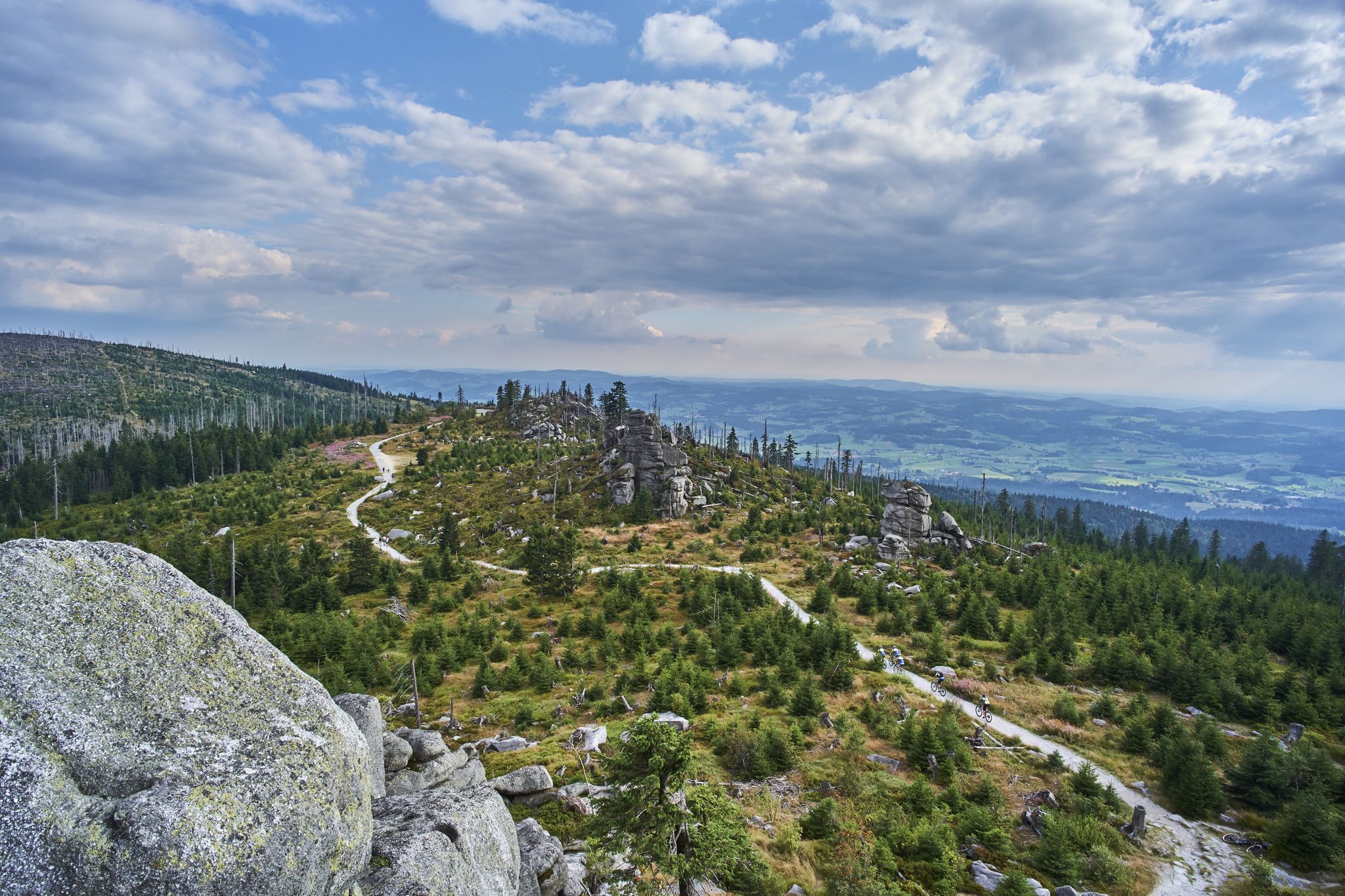
Trans Bayerwald – A mountain bike adventure through Bavaria's finest nature
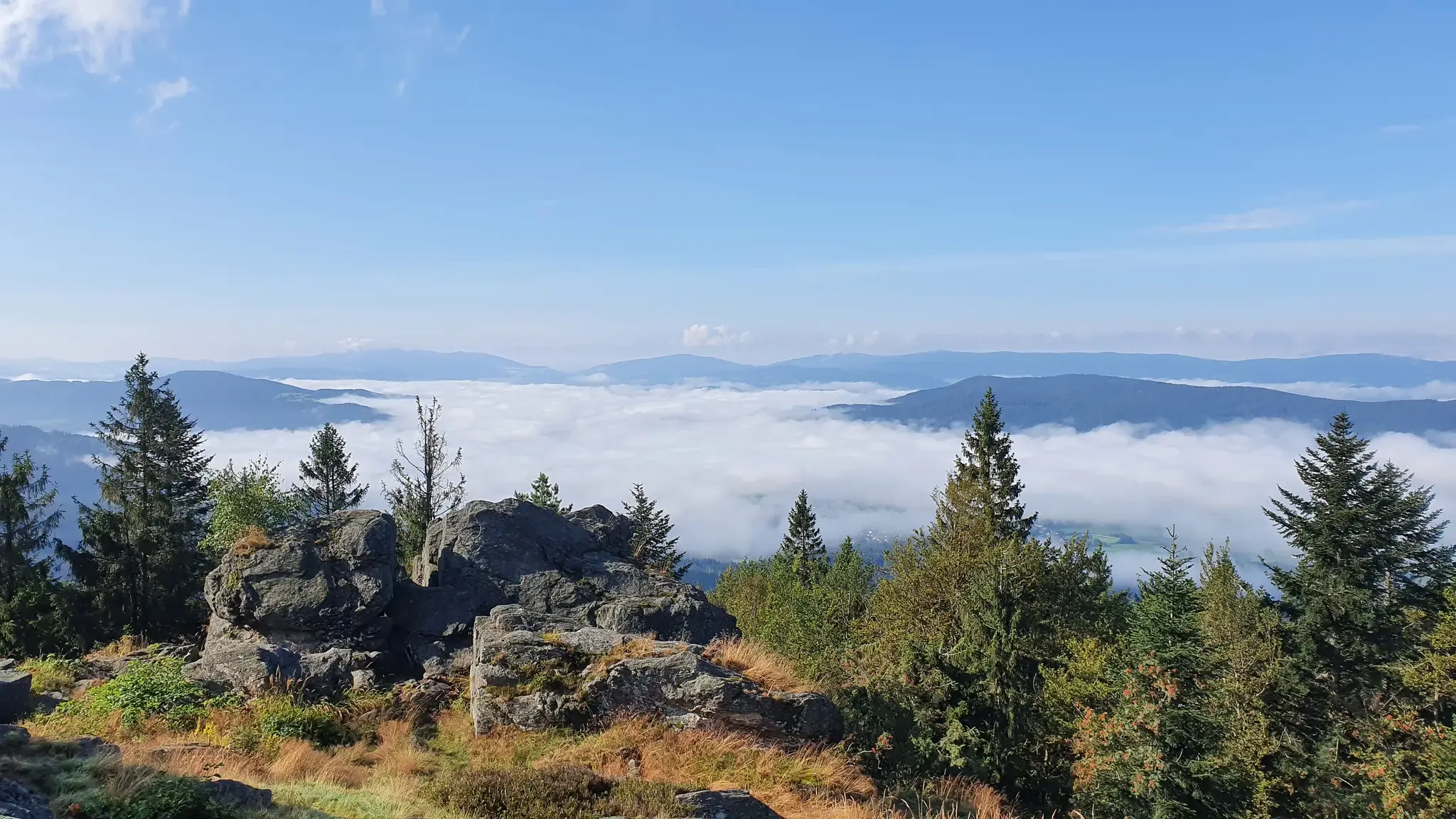
The Goldsteig – 38 stages between Upper Palatinate and Passau
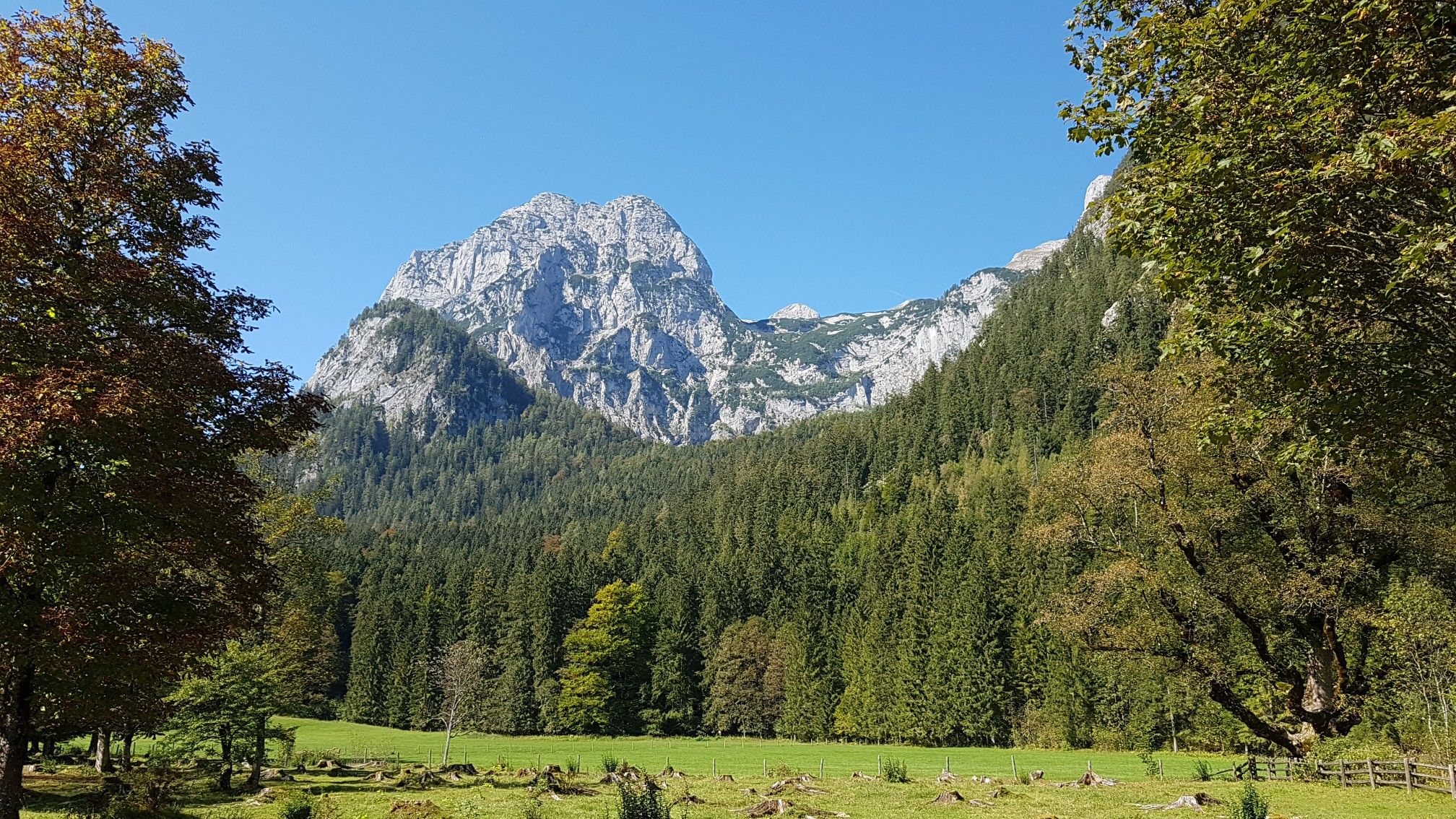
The National Natural Landscapes in Bavaria
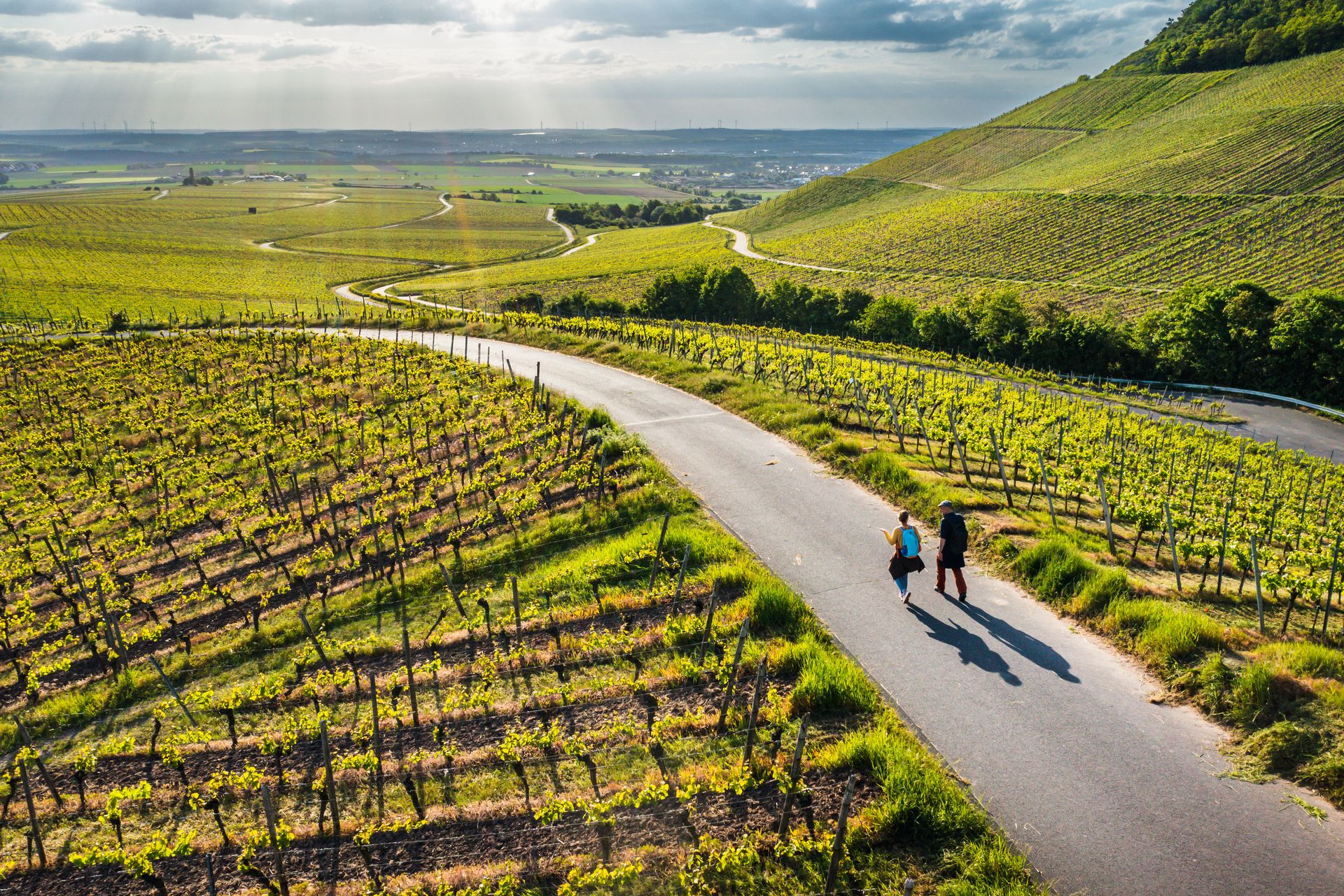
Hiking through Bavaria's cultural landscapes
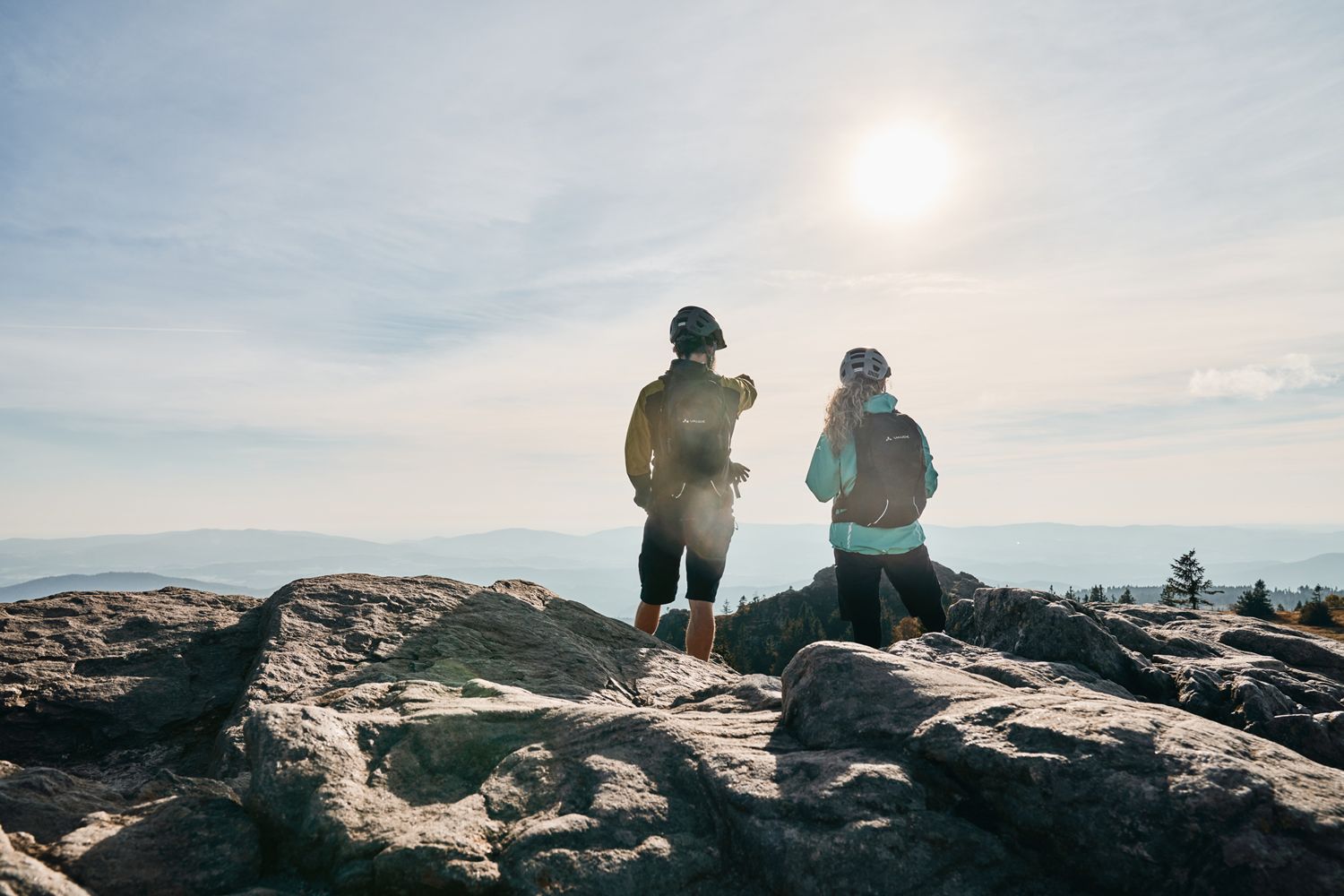
Trans Bayerwald Kurztour: Hüttentour, Romantik und wilde Natur
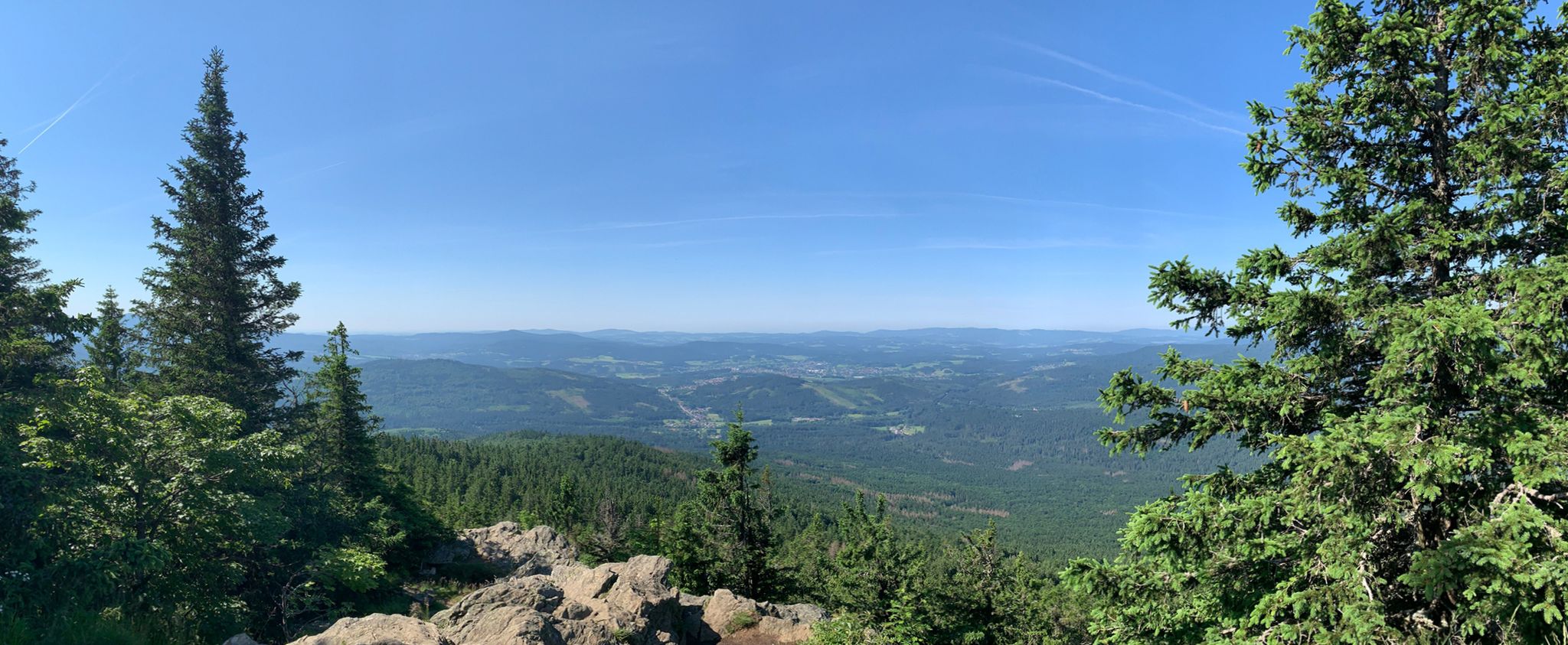
Classic Dahoam in the Bavarian Forest
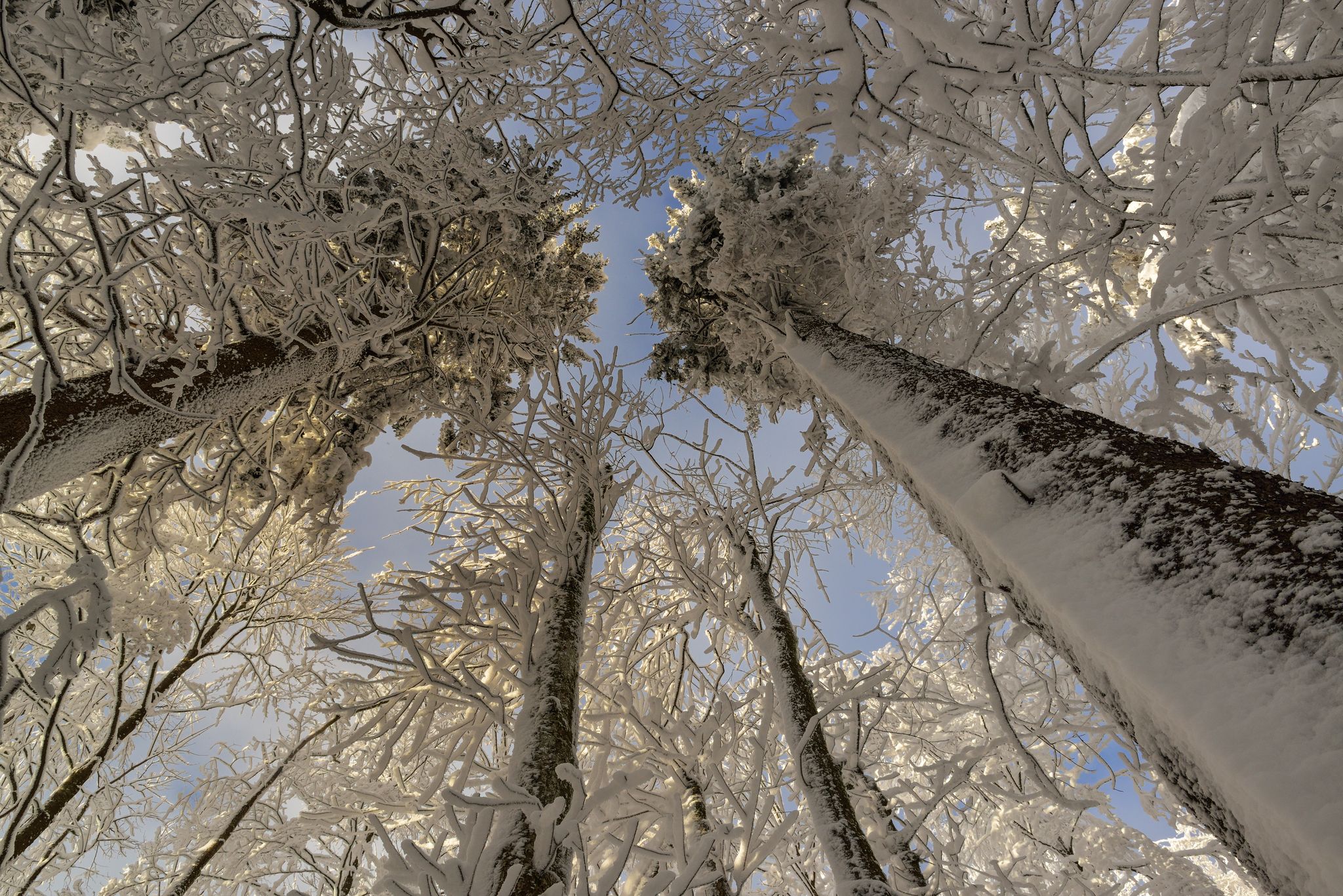
Wild Winter Hikes in Bayerischer Wald National Park
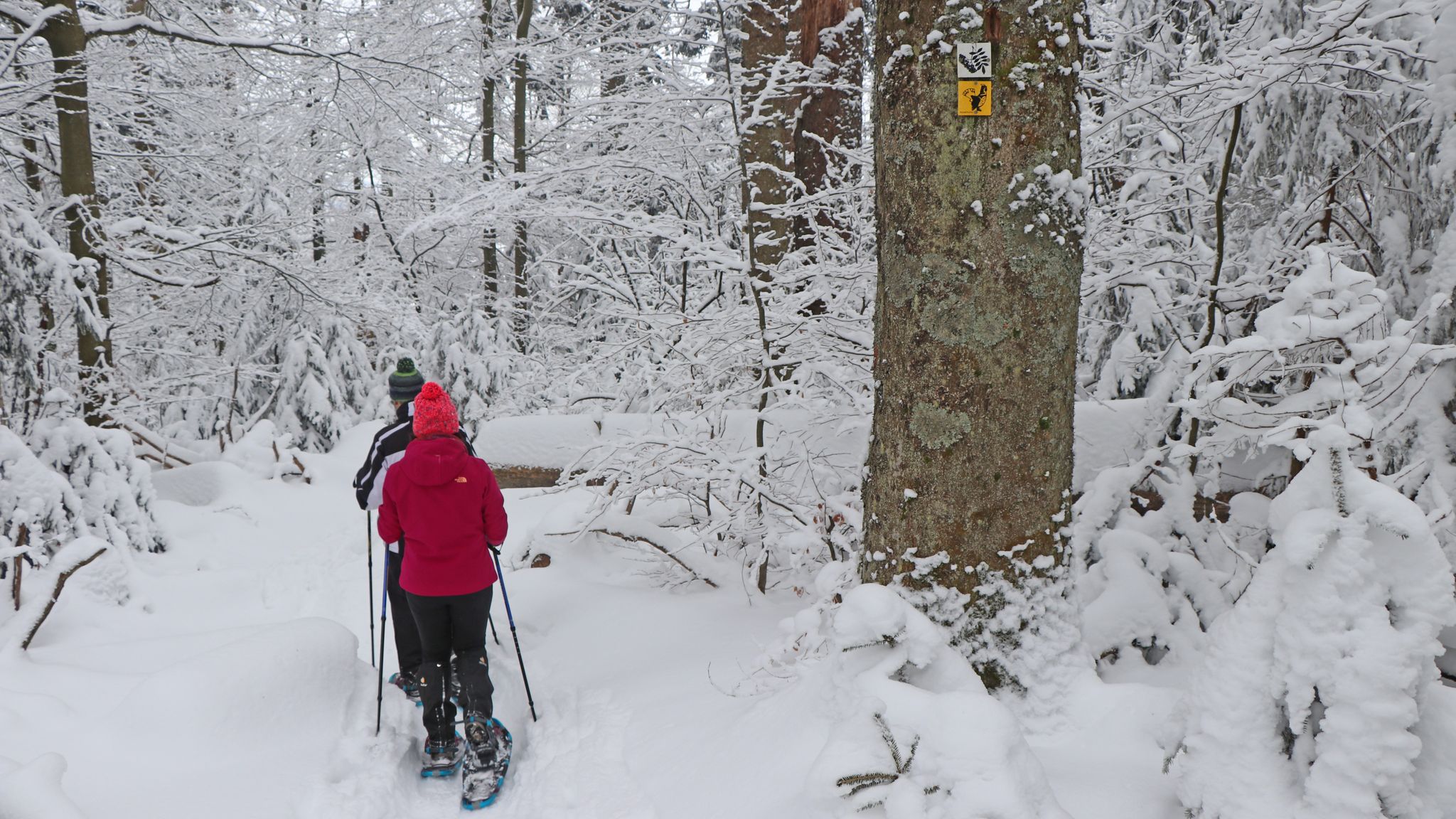
On snowshoes in the Bavarian Forest National Park
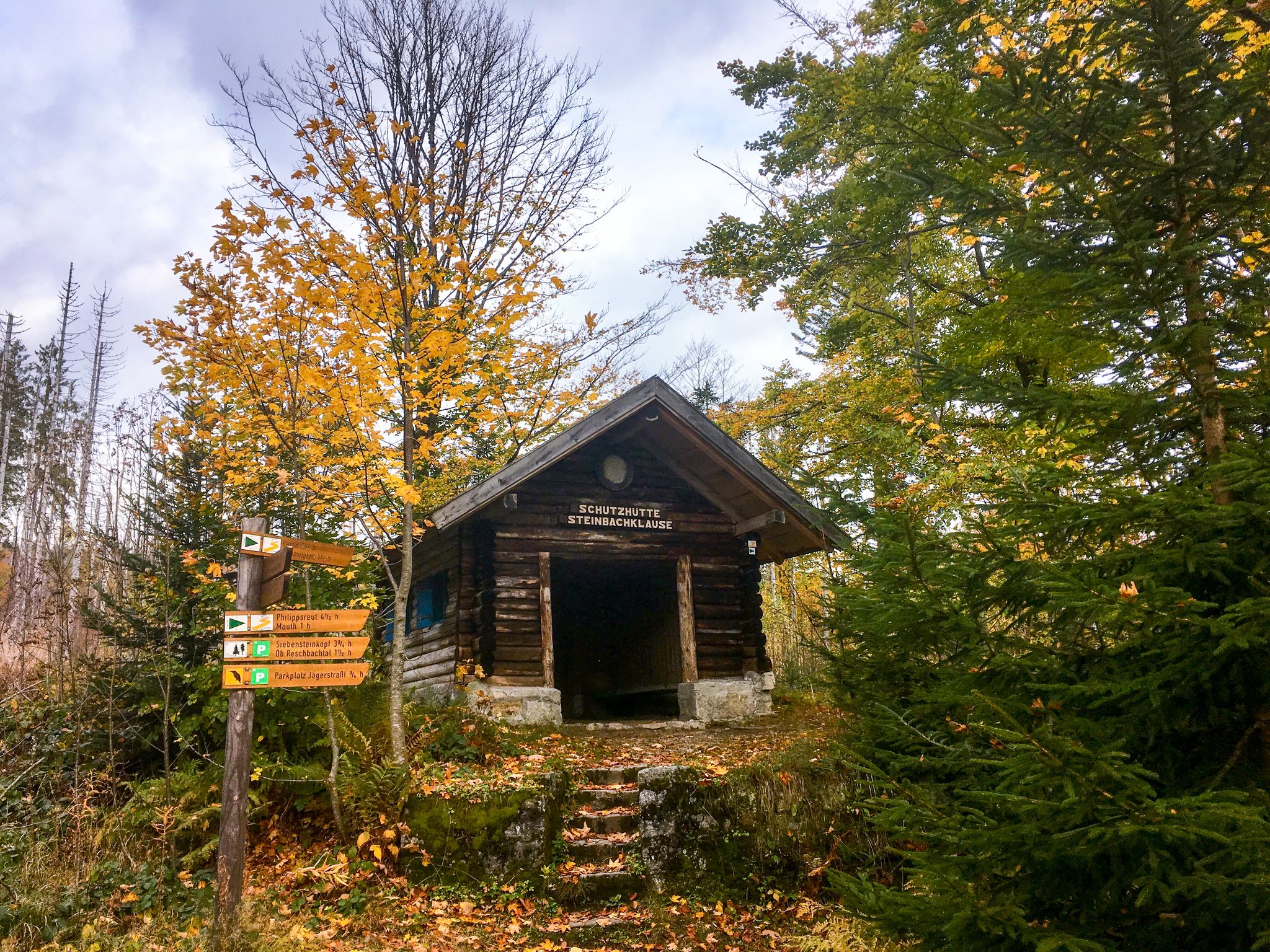
Discover the wild nature in the Bavarian Forest National Park on leisurely hikes
Family-friendly hikes in the Bavarian Forest National Park
Other adventures around Lindberg


Tips from the Community

Entrance to the old tunnel, securely locked
0
0

Impressive place, this old mining pit
1
0

If you walk the path through the animal enclosure counterclockwise, you will first pass the Stone Age cave. In addition to the replica of a Stone Age cave, a film about the Stone Age in the Bavarian Forest will also be shown.
4
0

Access is at the end of the historic Wuarzbruch. Interested visitors can also find information about the Wuarzbruch and the underground lake on the information board.
5
0
Here is (closed) access to the underground historic quartz quarry. During the mining phase, the groundwater collected here and formed an underground lake. Access is blocked for security reasons.
5
0

A marked themed circular hiking trail leads from the historic visitor mine to the Gottesgab. The pit offers an insight into the oldest mining period on the Silberberg from the 8th to the 14th century. Ore roasting and ore cutting used to happen directly on the mountain. The red-colored path and the red spots on the themed path still bear witness to this today. The brown iron obtained was then processed into weapons and field tools in the iron hammers at Rothbach. If the visitor stands in front of the God's Gab, which has been wonderfully prepared for tourism, he will be overwhelmed by the play of colors he sees. Depending on the weather and the incidence of light, the rocks glow intensely in blue, yellow, white, brown and red colors. The bluish color comes from the lead and iron content, the red or brown color from iron, the yellow color from sulphur, the white from gypsum; formed during the weathering of magnetic gravel. The colors are efflorescences in the rock. Source: https://www.niederbayern-wiki.de/wiki/Gottesgab
4
0
A look into the past, former tunnel.
0
0
Frequently Asked Questions
Are there family-friendly caves around Lindberg?
Yes, several caves in the region are suitable for families. The Stone Age Cave Replica, National Park Center Falkenstein is particularly family-friendly and even wheelchair accessible, offering an educational experience with cave paintings. The Gottesgab Mine on Silberberg is also noted as family-friendly, providing insights into medieval mining history.
What historical insights do the caves around Lindberg offer?
The region's caves and underground sites provide a rich historical perspective. The Gottesgab Mine on Silberberg showcases medieval mining from the 8th to the 14th century. The Historic Kiesau Quartz Mine Adit offers a glimpse into a former underground quartz quarry. Additionally, the Robber Heigl Cave, a small natural cave, is tied to local legends and provided shelter to the notorious robber Michael Heigl.
What geological features can I expect to see in the caves around Lindberg?
While the immediate Lindberg area features historical mining pits and educational replicas, the broader Bavarian Forest region is known for diverse geological formations. Sites like the Historic Kiesau Quartz Mine Adit reveal quartz deposits and the formation of underground lakes due to groundwater. Further afield, caves like Teufelshöhle and König-Otto-Tropfsteinhöhle boast impressive stalactites, stalagmites, and sinter pools, characteristic of karst geology.
Are there accessible caves for visitors with mobility needs?
Yes, the Stone Age Cave Replica, National Park Center Falkenstein is designed to be barrier-free. It is located on an almost three-kilometer-long circular path through an animal enclosure, making it accessible for visitors using wheelchairs or strollers.
What should I wear when visiting caves in the Lindberg area?
For most cave visits, especially those involving exploration of natural formations or historical sites, it's advisable to wear sturdy, comfortable shoes suitable for uneven or rocky terrain. Layers of clothing are recommended as cave temperatures can be cooler and more consistent than outside, even in summer. If visiting a mining pit like Gottesgab, the ascent can be a bit rocky.
When is the best time to visit the caves near Lindberg?
Many of the caves and underground attractions in the Lindberg and broader Bavarian Forest region are accessible year-round. However, for sites that involve outdoor paths or hiking to reach, such as the Gottesgab Mine on Silberberg, the warmer months from spring to autumn offer more pleasant weather conditions for the approach. Indoor replicas like the Stone Age Cave Replica are ideal for any season.
What other outdoor activities can I combine with a visit to the caves?
The Lindberg region, situated in the Bavarian Forest, offers numerous outdoor activities. You can find excellent hiking trails, including routes like the 'Schachten and Filzen Tour' or 'Through the Hellbachgespreng to the Großer Falkenstein'. For cyclists, there are diverse cycling routes, such as the 'Kolbersbach Riverside Path – Falkenstein Mountain Hut loop'. Mountain biking is also popular, with MTB trails like the 'Frauenau Drinking Water Reservoir loop'.
Are there hiking trails that lead to or connect the caves?
Yes, for instance, a marked themed circular hiking trail leads to the Gottesgab Mine on Silberberg from the historic visitor mine. This trail provides context about the region's mining history. The Stone Age Cave Replica is also part of an almost three-kilometer-long circular path through an animal enclosure at the Falkenstein National Park Center.
Can I bring my dog to the caves around Lindberg?
Policies regarding dogs vary by specific location. For outdoor areas and trails leading to caves, dogs are often permitted if kept on a leash. However, for indoor attractions like the Stone Age Cave Replica or within the confines of historical mining sites, it's best to check with the individual site's management beforehand for their specific pet policies.
How much time should I allocate for visiting the caves?
The time needed varies depending on the site. For an educational replica like the Stone Age Cave Replica, you might spend 1-2 hours, especially if exploring the surrounding animal enclosure. Visiting a historical mining pit like Gottesgab Mine on Silberberg, including the themed hiking trail, could take 2-3 hours. Larger natural caves further afield might require half a day or more for a thorough exploration.
Are there any lesser-known or hidden caves to explore near Lindberg?
Beyond the more prominent sites, the region holds smaller, more secluded spots. The Robber Heigl Cave, for example, is a small, somewhat hidden natural cave consisting of two chambers, known for its historical significance as a hideout. These types of locations often require a bit more local knowledge or exploration to find.
Is parking available at the cave sites?
For popular attractions like the National Park Center Falkenstein (home to the Stone Age Cave Replica) and the Silberberg (for Gottesgab Mine), designated parking areas are generally available. For smaller or more remote sites like the Robber Heigl Cave or the Historic Kiesau Quartz Mine Adit, parking might be less formal, possibly requiring roadside parking or a short walk from a nearby village.
Are there places to eat or drink near the caves?
Yes, especially near the more developed attractions. The National Park Center Falkenstein, where the Stone Age Cave Replica is located, typically has visitor facilities including cafes or restaurants. Similarly, areas around the Silberberg near Bodenmais, which hosts the Gottesgab Mine, offer dining options in the nearby town.
Most popular routes around Lindberg
Most popular attractions around Lindberg

Get inspired with the komoot mobile app


Explore more
Extend your search for the best caves by checking out these guides of the top ones around Lindberg:
