Top 10 Castles around Laugna
Best castles around Laugna offer a glimpse into Bavarian history within the charming municipality of Laugna, located in the Dillingen district. The region features a blend of historical ruins and well-preserved structures, providing insights into medieval times and architectural development. Visitors can explore various castle sites, some of which are nestled on hills overlooking the Laugna district. This area provides opportunities to connect with the past through its diverse historical landmarks.
Best castles around Laugna
- The most popular castles is…
Last updated: August 6, 2026
Markt Castle (Fugger Castle Markt)
Highlight • Castle
Right next door is a (private) garden (Fugger) that is worth seeing and can only be visited as part of public tours.
Translated by Google •
Tip by

Markt Castle
Highlight • Castle
The listed complex …
Translated by Google •
Tip by

Sign up now to discover places like this
Get recommendations on the best single tracks, peaks, & plenty of other exciting outdoor places.
Sign up for free
Markt Castle and St. John the Baptist Castle Chapel
Highlight • Castle
Translated by Google •
Tip by

Reflection of Fuggerschloss Gablingen in the Schmutter
Highlight • Castle
Translated by Google •
Tip by

Snow castle rampart
Highlight (Segment) • Historical Site
Translated by Google •
Tip by

Sign up for free to discover even more castles around Laugna.
Sign up for free
Already have an account?
Start today with a free account
Your next adventure awaits.
Login or Signup

Tips from the Community

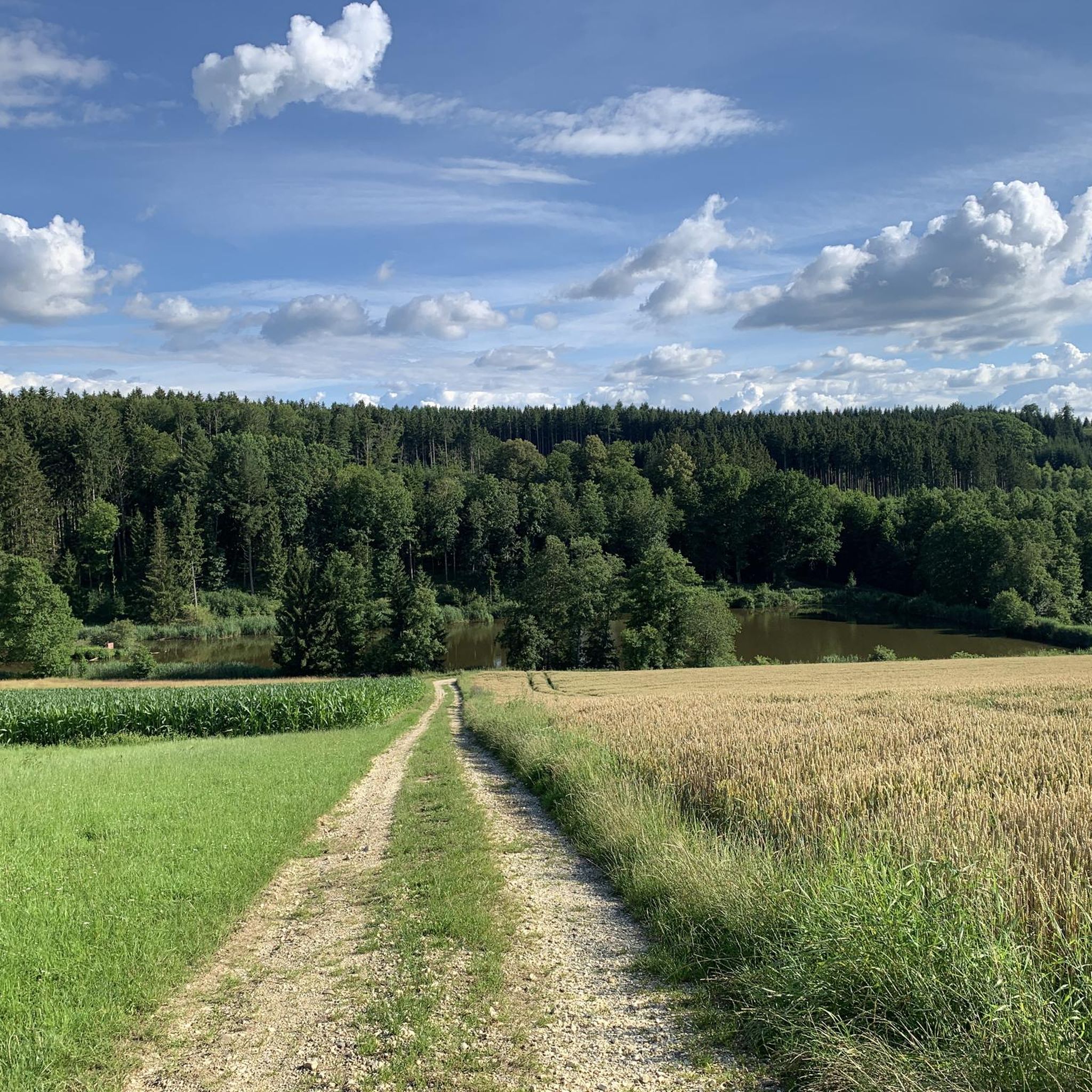
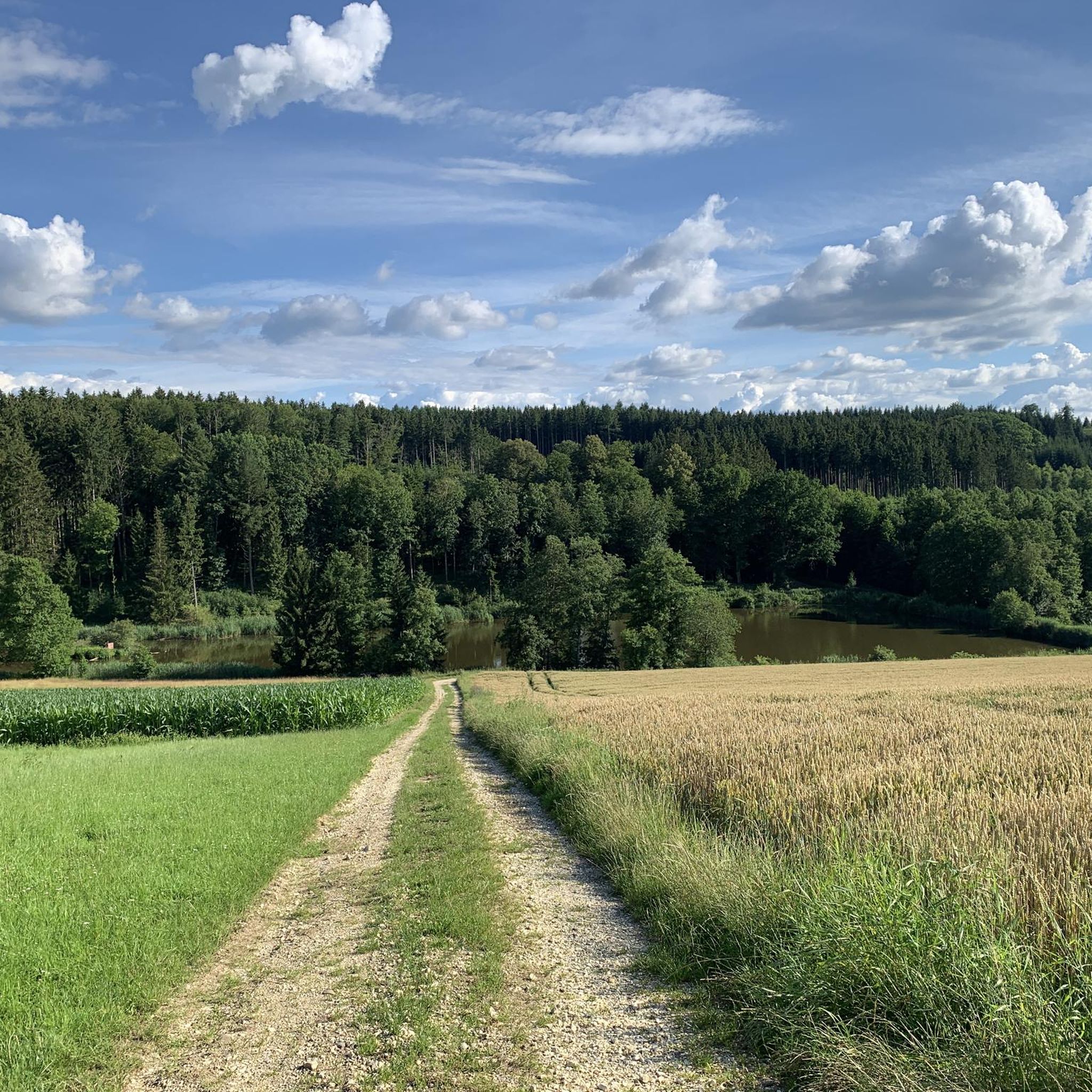
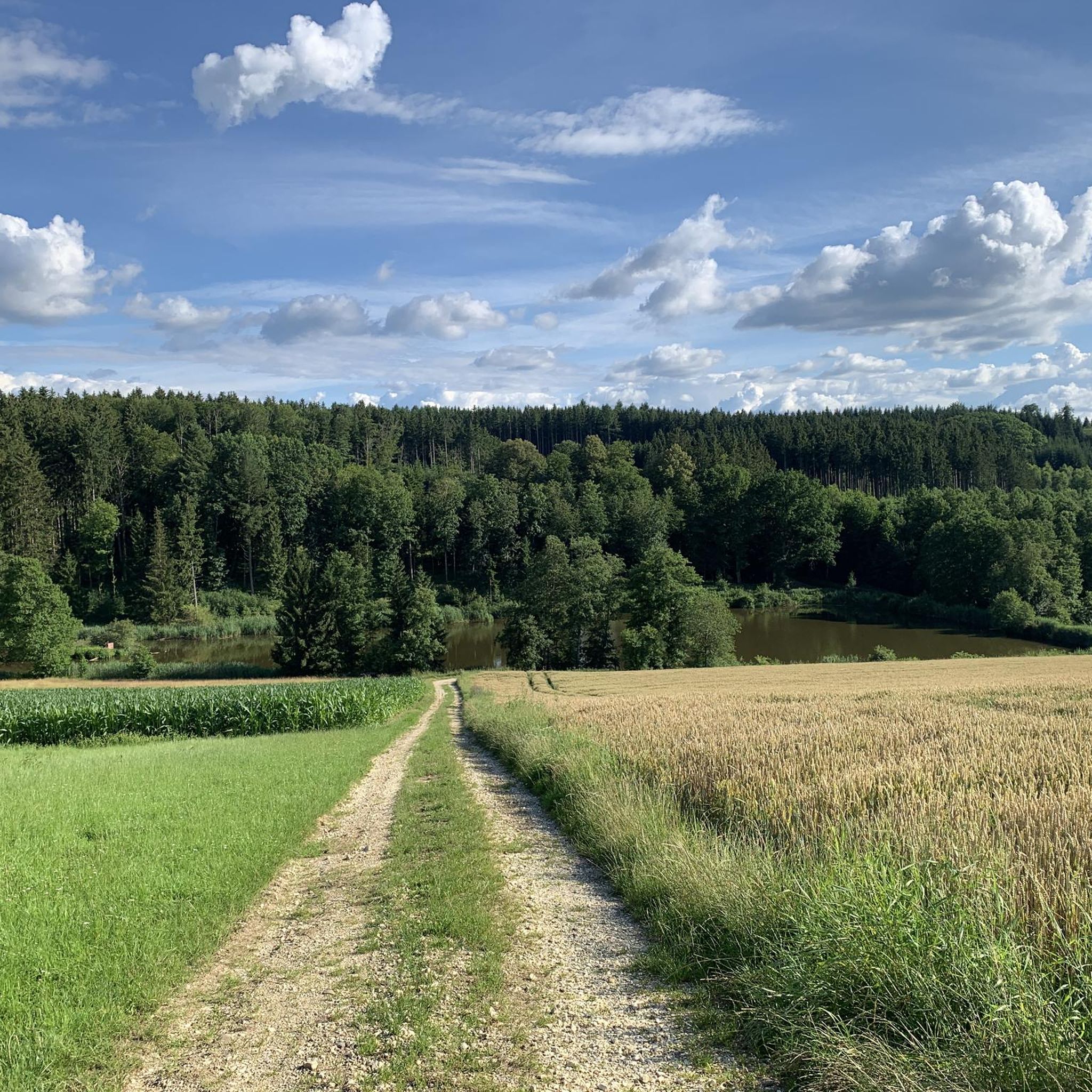
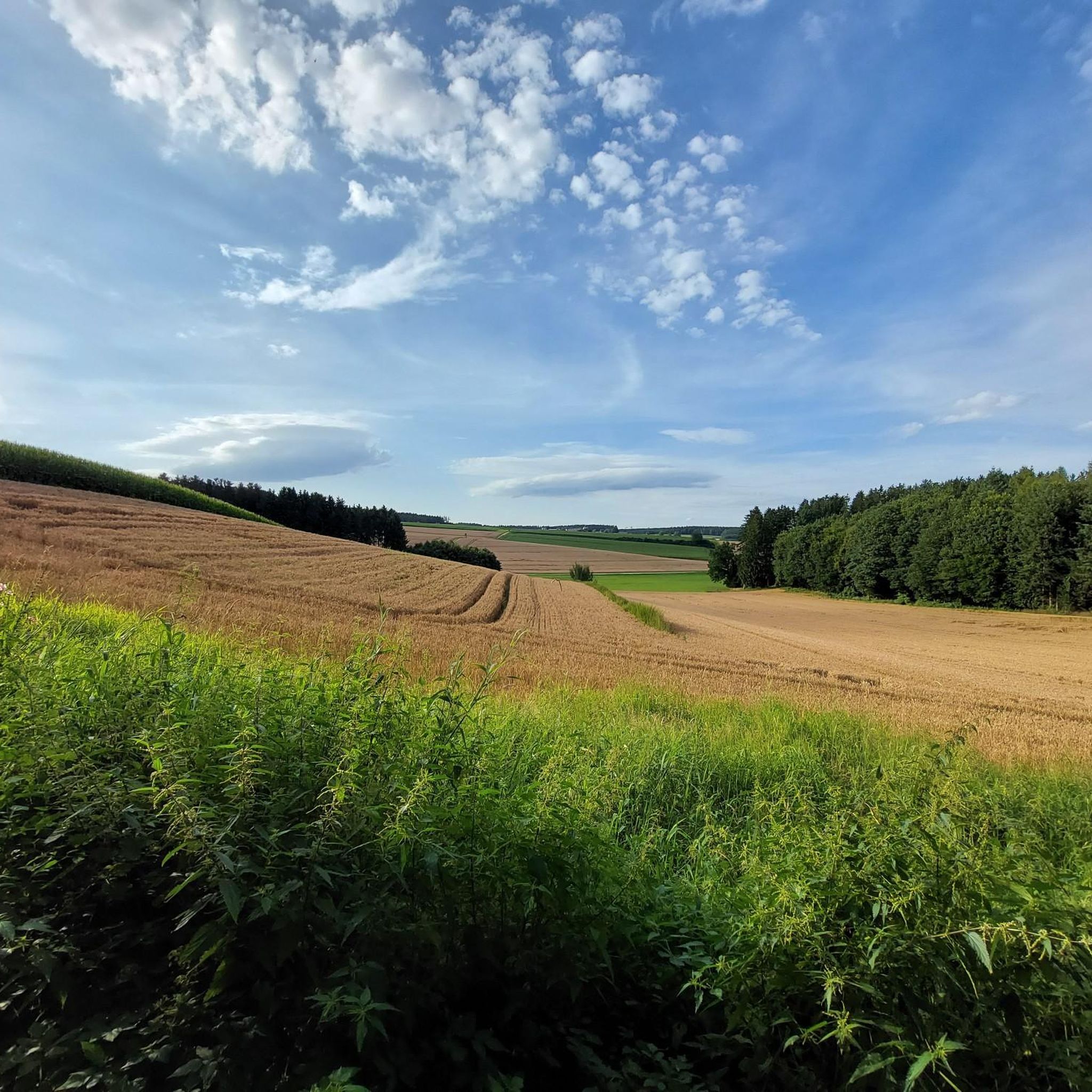
The well-preserved ring rampart is among the largest and most significant archaeological sites in the Augsburg district. The geological structure consists of marly sands, which are overlain by glacial till. This till is partly consolidated and appears here as Nagelfluh. The irregularly ring-shaped fortification, approximately 600 meters in circumference, was probably used as a refuge castle during the time of the Hungarian invasions and presumably dates back to the Bronze Age.
0
0

The Schneeburg near Welden (District of Augsburg, Bavaria) is an early medieval ring rampart that served as a refuge castle in the 9th to 10th centuries to defend against Hungarian invasions. The site is located about 1.5 km south of Welden on a spur above the Laugnatal valley. It was an important defensive structure that functioned as a protective castle for the population and a troop assembly point. The fortification consisted of wood-earth constructions and ramparts, with the eastern side showing typical steps for defense against Magyar horsemen. Today, the earthworks and ditches are preserved as an archaeological monument, with the Ludwig-Ganghofer-Rundwanderweg circular hiking trail leading through the area.
0
0

The ringfort of Schneeburg is not the remains of a castle, but rather an archaeological monument that only reveals itself upon closer inspection. There were never any towers or stone walls here – the fortification consisted of earthworks, wooden palisades, and timber structures. Today, primarily ditches, ramparts, and the shape of the site are visible in the landscape. Historians assume that the oldest traces of Schneeburg date back to the Bronze Age. In the Middle Ages, it offered the local population protection from Hungarian invasions.
1
0

It's strictly private, so forget about shuffling in there.
0
0

Built in the 14th century as a hilltop castle
0
0

Markt Castle: The remains of Markt Castle rise above the Markt district, on a ridge that slopes down on three sides. The castle was first documented in the 14th century, but the oldest surviving parts of the building date back to 1525, when the Fugger family had it rebuilt as a palace.
1
0

The Fugger Castle Gablingen is a historic castle in the municipality of Gablingen in the district of Augsburg, Bavaria. It was acquired in the 16th century by the influential Fugger merchant family and served as the administrative seat of their rule in the region. The castle is picturesquely situated on a hill above the Schmutter River and is directly connected to the neighboring parish church of St. Martin. This connection symbolizes the close connection between secular and ecclesiastical power at that time. The castle building is characterized by its late Gothic architecture with a steep gable roof and bay windows. A striking staircase tower with an onion dome complements the ensemble. In 2020, the listed castle was restored and renovated according to original plans, taking into account both modern living standards and the historical building fabric. Today the castle is privately owned and is not open to the public. Nevertheless, it remains an important testimony to regional history and architectural development in Swabia.
1
0
The castle chapel of St. John the Baptist is located on the grounds of Burg Markt, a district of Biberbach in the Swabian district of Augsburg, Bavaria. The chapel was built between 1738 and 1739 according to plans by the master builder Simon Rothmiller from Höchstädt on behalf of Joseph Maria Fugger. It is an important example of the late Baroque period and is characterized by its artistic furnishings. Architecture and furnishings: • The chapel has magnificent stucco work and frescoes created by the artists Johannes Finsterwalder, Josef Höchstetter and Johann Georg Wolcker. • Particularly noteworthy are the wooden reliefs, which are believed to be by Daniel Mauch. • The interior impresses with its harmonious design and the use of high-quality materials. History: • The castle chapel originally served as a private place of worship for the Fugger family. • Over the centuries it has been restored several times to preserve its original splendor. • Today the chapel is a listed building and is an important example of Baroque sacred architecture in the region.
1
0
Frequently Asked Questions
What types of castles can I explore around Laugna?
The Laugna region offers a diverse range of castles, from medieval ruins like Burg Bocksberg, which provides a tangible connection to ancient times, to well-preserved structures such as Markt Castle (Fugger Castle Markt). You'll find archaeological monuments, historical sites, and even castles repurposed for modern use, like Laugna Castle which now operates as a hotel.
Are there any freely accessible castle ruins in the Laugna area?
Yes, the ruins of Burg Bocksberg are freely accessible to visitors. This historical site, dating back to the early 13th century, features remaining trenches, earthworks, and a section of the keep. It's a popular spot for annual events and offers a glimpse into medieval history.
Which castles are particularly good for history enthusiasts?
History enthusiasts will appreciate Burg Bocksberg, a medieval ruin with a tumultuous past, including damage during the Thirty Years' War. Additionally, Markt Castle and St. John the Baptist Castle Chapel, originally a castle converted into a palace by Jakob Fugger before 1525, offers rich historical context. The Snow castle rampart is also an archaeological monument with traces dating back to the Bronze Age.
Are there family-friendly castle destinations near Laugna?
Burg Bocksberg is a family-friendly destination, offering extensive grounds that are freely accessible. It's a great place for children to explore history in an open-air setting. The annual Bocksberg Castle Market also provides family entertainment.
Can I bring my dog to the castles in the Laugna region?
Yes, Burg Bocksberg is pet-friendly, making it an ideal destination for a historical outing with your dog. For other castle sites, it's advisable to check specific regulations beforehand, especially for privately owned or interior areas.
What outdoor activities can I do near the castles around Laugna?
The Laugna region offers various outdoor activities. You can find numerous mountain biking trails, road cycling routes, and gravel biking options. For example, there are moderate MTB routes like the 'Ganghofer Hut, Welden – Upper Jägersteig' loop, and easy road cycling routes such as the 'Roadbike loop from Welden'. Explore more options on the MTB Trails around Laugna, Road Cycling Routes around Laugna, and Gravel biking around Laugna guides.
Are there hiking trails that incorporate castles near Laugna?
While specific hiking trails directly to each castle are not detailed, the region around Laugna is rich with routes suitable for walking and cycling that can lead you to or near these historical sites. The Snow castle rampart, for instance, is located in an area with many small trails, allowing for exploration of this archaeological monument within a natural setting.
What do visitors enjoy most about the castles around Laugna?
Visitors frequently appreciate the historical significance and the well-preserved nature of the castles. For instance, Markt Castle (Fugger Castle Markt) is praised for being beautifully renovated and worth seeing. The picturesque setting of places like the Reflection of Fuggerschloss Gablingen in the Schmutter also receives positive feedback for its scenic beauty.
Is there a castle that offers accommodation in the Laugna area?
Yes, Laugna Castle, a 15th-century building with an octagonal corner tower and a small park, now serves as a hotel. It offers guests a unique stay with views over the valley, blending historical architecture with modern amenities.
Can I visit the gardens of the Fugger castles?
Next to Markt Castle (Fugger Castle Markt), there is a private Fugger garden that is worth seeing. However, it can only be visited as part of public tours, so check for tour availability if you wish to explore it.
What is the best time of year to visit the castles around Laugna?
The Laugna region, like much of Bavaria, is beautiful in spring and summer when the weather is mild and the surrounding nature is lush, making outdoor exploration of castle ruins and grounds pleasant. Autumn also offers scenic views with changing foliage. Winter visits might be less ideal for extensive outdoor exploration, though some sites remain accessible.
Are there any castles near Laugna that are significant for their architectural features?
Laugna Castle is notable for its architecture, described as a two-wing complex featuring an octagonal corner tower, surrounded by a park and an impressive castle wall. The Fugger Castle Gablingen, though privately owned, is also a significant testimony to regional history and architectural development, characterized by its late Gothic style with a steep gable roof and bay windows.
Most popular attractions around Laugna

Get inspired with the komoot mobile app


Explore more
Looking for the best castles somewhere else? Discover other guides around Laugna:
