The 9 Most Amazing Peaks around Dörnberg
Mountain peaks around Dörnberg, located in the Habichtswald Nature Park near Kassel, Germany, offer diverse landscapes and geological features. The area is characterized by volcanic remnants, including basalt and tuff formations, which contribute to its unique terrain. Notable peaks provide panoramic views and opportunities for various outdoor activities. The region combines natural beauty with historical significance, featuring ancient settlement evidence.
Best mountain peaks around Dörnberg
- The most popular mountain peaks is Weinähr summit cross with viewpoint, a viewpoint that…
Last updated: May 14, 2026
Höchst Summit
Highlight • Summit
Translated by Google •
Tip by

View of the Lahn River bend from Gabelstein
Highlight • Viewpoint
Translated by Google •
Tip by

Sign up now to discover places like this
Get recommendations on the best single tracks, peaks, & plenty of other exciting outdoor places.
Sign up for free
Hohe Lay Viewpoint
Highlight • Viewpoint
Translated by Google •
Tip by

Weinähr summit cross with viewpoint
Highlight • Viewpoint
Translated by Google •
Tip by

Ergenstein Summit
Highlight • Summit
Translated by Google •
Tip by

Sign up for free to discover even more peaks around Dörnberg.
Sign up for free
Already have an account?
Start today with a free account
Your next adventure awaits.
Login or Signup
Tips from the Community

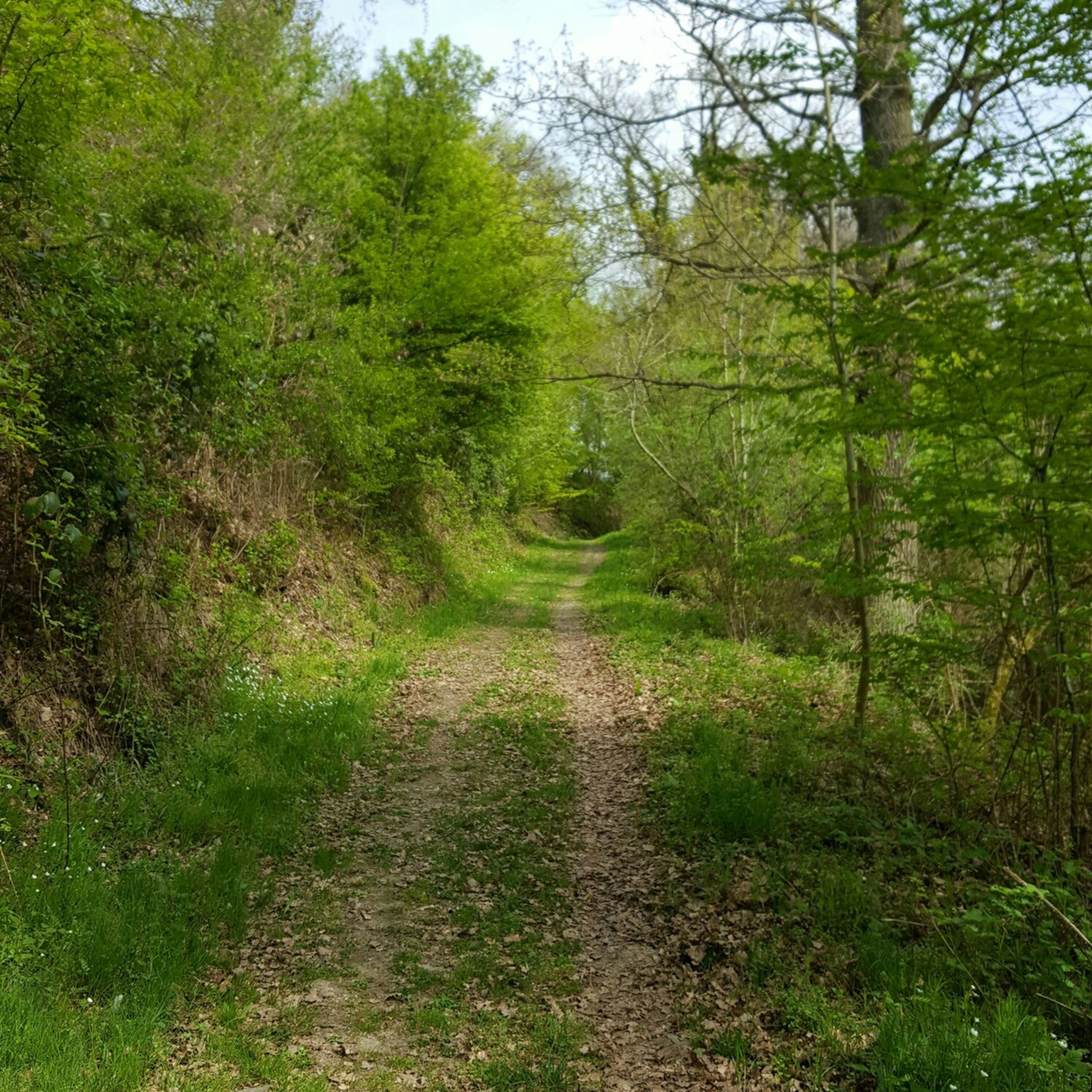
The district boundaries of Schönborn and Hahnstätten meet on the Ergenstein. There used to be a lookout point here, but it is now overgrown. The Hahnstätter Heimat- und Verschönerungsverein has erected a shelter at this spot. Immediately next to the hut, a path leads to the boundary stone, which is about 150 meters away. There are also other paths that lead to the boundary stone. It is best to look out for the small wooden arrows that are on the trees. http://www.jakupka.de/erg-hahn.htm
1
0

Also easy to reach on horseback, the path from Winden (with a few deposits) or halfway along the Gelbach valley from Dies / Eschenau is very beautiful.
1
1

Today (05/15/2023) the peak has grown again. The stone comes from Schönborn.
1
0

The "mountain station" hut on the summit cross, skis and a commemorative plaque inside to commemorate a legendary downhill run that led from the Michelskapelle via Windener Straße through the vineyards to the finish at what is now the children's playground in Weihern. On December 6, 1906, Wilhelm Kappes from Weinnur was the first skier to attempt this life-threatening piste.
1
1

Great located hut for a break with a beautiful view over Weinehr
0
0
Highest point in the Esterau, as the region around Holzappel is called. At the top there is a large pile of stones and a stone, although I'm not sure whether this should be a boundary stone or a "summit stone" ...?
1
0

“Each of these crosses can tell its own story and what prompted people to erect“ their ”cross at this point. (...) These crossroads have been erected as visible signs and attract the looks of many people. The cross is a symbol of life. It stands as a sign of our Christian hope and wants to direct our gaze to Jesus Christ, who overcame death (...). The cross is part of our life, just as it was part of the life of Jesus. So I wish that many people ... visit the crossroads, whether as places of silence and breathing before God, whether as places of congregation meeting, prayer and praise of God. " (Text source: Dean Rainald M. Ollig in: “Wegekrossze. Small sacred monuments as a sign of popular piety ")
2
3

The highest! At 443 meters, it is the highest point in the Diez area and the surrounding area.
3
0
Frequently Asked Questions
What are the most popular mountain peaks and viewpoints around Dörnberg?
Visitors to the Dörnberg area frequently enjoy the Weinähr summit cross with viewpoint, which offers a fantastic panoramic view over Weinähr and the Lahn Valley. Another highly-rated spot is the Hohe Lay Viewpoint, known for its stunning vistas of the Lahn Valley, including Arnstein Monastery and Langenau Castle. The Ergenstein Summit, a trigonometric point in the Taunus, is also a popular choice for its quiet exploration opportunities.
What unique natural features can I expect to see on the Dörnberg peaks?
The Dörnberg area is rich in unique geological formations. The Hoher Dörnberg largely consists of basalt and tuff, remnants of ancient volcanic activity. The Helfensteine are particularly striking, featuring dramatic basalt formations with characteristic hexagonal columns, which are exposed relics of a volcanic feeder pipe. The region also boasts diverse botanical life, including dry juniper heaths and limestone grasslands with orchids and gentians, especially around the Helfensteine.
Are there specific routes that connect the main peaks in the Dörnberg region?
Yes, the prominent peaks of the Dörnberg area – the Hoher Dörnberg, the Helfensteine, and the Zierenberger Kuppe – are often explored together via the recommended 'Three Peaks Route'. This route provides varied landscapes and vistas, allowing hikers to experience the distinct characteristics of each peak. Additionally, the 'Alpine trail' is a notable path within the Dörnberg, renowned for its botanical highlights.
What kind of panoramic views can I expect from the Dörnberg peaks?
From the Hoher Dörnberg, on clear days, you can enjoy expansive panoramic views stretching to the Sauerland, Kellerwald, and even as far as the Brocken in the Harz Mountains. The Helfensteine offer captivating views across the Habichtswald and towards the distant Herkules Monument in Kassel. The Zierenberger Kuppe provides excellent views of Zierenberg and the surrounding Schreckenberg with its tower.
What outdoor activities are available near the Dörnberg mountain peaks?
The Dörnberg area and its surroundings offer a wide range of outdoor activities. You can find numerous routes for hiking, cycling, and gravel biking. For hiking, explore trails like the 'Goethe Point – View of Arnstein Abbey loop' or the more challenging 'Goethepunkt Via Ferrata'. Cyclists can enjoy routes such as the 'Lahn River at km 106 – Lahn Riverside Cycle Route loop'. For more detailed routes and options, check out the hiking guide, cycling guide, or gravel biking guide for the Dörnberg region.
Are there any historical or cultural points of interest near the Dörnberg peaks?
Yes, the Dörnberg area has significant historical depth. Evidence of settlement dates back to the 3rd millennium BC on the Hoher Dörnberg. The Helfensteine are considered a place of power and natural sanctuary, with beliefs of healing properties up until the 17th century. Visitors can also explore the 'Eco Pfad Archäologie Dörnberg' to learn more about the region's settlement history and archaeological insights.
What do komoot visitors appreciate most about the mountain peaks around Dörnberg?
Komoot users frequently praise the fantastic panoramic views from spots like the Weinähr summit cross and the Hohe Lay Viewpoint. Many highlight the unique geological formations, especially the dramatic basalt columns of the Helfensteine, as captivating and mystical. The variety of well-maintained trails for hiking, climbing, and cycling, along with the peaceful atmosphere of summits like Ergenstein Summit, are also highly valued.
Are there any amenities like cafes or refreshment stops near the Dörnberg peaks?
Yes, visitors can find several refreshment stops in the Dörnberg area. These include Bergcafé Friedrichstein, Café Helfensteine, and the Dörnberghaus, providing convenient places to rest and refuel during your exploration of the peaks.
What is the highest point in the Dörnberg area?
The Hoher Dörnberg stands at 578.7 meters (1,900 ft), making it the highest elevation in the Dörnberg and Schreckenberge natural area. The Zierenberger Kuppe also shares this elevation.
Can I observe gliders near the Dörnberg peaks?
Yes, the Hoher Dörnberg features a glider airfield located on its plateau. Visitors can often observe gliders taking off and landing, adding an interesting dynamic to the panoramic views from the summit.
Are there opportunities for climbing in the Dörnberg region?
Yes, the Dörnberg area offers opportunities for climbing. The Hoher Dörnberg is a popular destination for climbing. Additionally, the area around the Helfensteine features narrow paths that wind between the basalt rocks, providing opportunities for easy climbing among the unique geological formations.
What is the significance of the Helfensteine?
The Helfensteine are a striking natural monument known for their dramatic basalt formations, which are ancient volcanic remnants formed 13-15 million years ago. Beyond their geological importance, they are considered a place of power and natural sanctuary, believed by some to have healing properties up until the 17th century. Their imposing and mystical appearance makes them a captivating site.
Most popular routes around Dörnberg
Most popular attractions around Dörnberg

Get inspired with the komoot mobile app


Explore more
See even more amazing summits around Dörnberg with these guides:
