Top 9 Caves around Sehmatal
Best caves around Sehmatal are primarily historical mining sites and underground formations, reflecting the region's rich industrial past in the Erzgebirgskreis district of Saxony, Germany. While natural cave systems are not prominent, the area offers unique insights into geological and mining heritage. These sites, often visitor mines or former adits, provide a glimpse into centuries of ore extraction. Sehmatal's landscape is characterized by its historical significance rather than extensive natural cave networks.
Best caves around Sehmatal
- The most popular caves…
Last updated: August 6, 2026
Mědník (Kupferhübel) — Summit and Chapel
Highlight • Summit
Translated by Google •
Tip by

Dorothea Stolln Visitor Mine
Highlight • Historical Site
A really worthwhile visit! Definitely recommended.
Also suitable for families, but the children must be 6 years or older!
Opening hours:
Mon – Fri: 9:00 a.m. – 2:00 p.m
last guided tour: 2:00 p.m
Translated by Google •
Tip by

Sign up now to discover places like this
Get recommendations on the best single tracks, peaks, & plenty of other exciting outdoor places.
Sign up for free
Fuchsloch Mine Tunnel
Highlight • Cave
Translated by Google •
Tip by

Freudenstolln
Highlight • Historical Site
Translated by Google •
Tip by

Zinnkammern Pöhla Visitor Mine
Highlight • Historical Site
Translated by Google •
Tip by

Sign up for free to discover even more caves around Sehmatal.
Sign up for free
Already have an account?
Start today with a free account
Your next adventure awaits.
Login or Signup
Popular around Sehmatal




Tips from the Community

Mining began in Cunersdorf in the 16th century. Due to its high yields, the mine quickly gained renown. From 1536, a yield of 2,409 guilders per share was achieved within two and a quarter years. This was primarily due to a very rich silver ore vein with silver contents of up to 40%. However, yields declined again in the following years.[2] During the sinking of a pilot shaft, the year 1551 was discovered at a depth of more than 125 m.[3] The current entrance to the Dorothea adit was created in 1853.[4] Initially, only silver ores were mined; later, nickel, copper, uranium, and cobalt ores were added.[3] After the Second World War, in 1946/47, the SAG Wismut began searching for uranium in Annaberg-Buchholz, including in the Himmlisch Heer Dorothea mine. Uranium mining was short-lived and ended in 1958. Source: Wikipedia
3
0

Very worth seeing, you have to see it
0
1

Great guided tours, highly recommended. ⚒️
2
0

Opening hours are limited to Friday to Sunday, advance booking is requested. Telephone 03774/81078
0
0

The "Freudenstolln" was already started in 1592 by Jacob Uthmann, but he had to drive it before he reached the underground works of "St. Briccius” had to be discontinued for financial reasons. After its completion in the 19th century it was later the deepest drainage tunnel of the pit and brought 35 pools (approx. 70m) greater depth under the "Tiefen Briccius Stolln" and also drains the pit "Holy Trinity". The originally hammered tunnel was expanded in cross-section by the "shooting" that had been introduced in the meantime. In 1796 the remaining hat house was built and it was not until 1892 that the mining of silver-bearing copper ores on the eastern slope of the Pöhlberg was finally stopped. There is a rest area with seating for hiking groups on the heap.
0
0

Good luck for! ⚒️ A really worthwhile visit! Definitely recommended. Also suitable for families, but the children must be 6 years or older! Opening hours: Mon – Fri: 9:00 a.m. – 2:00 p.m last guided tour: 2:00 p.m Saturday: only guided tours at 10:00 a.m. and 2:00 p.m (Sunday and outside of the stated opening hours only after prior notification by telephone) The group size is at least 4 people up to a maximum of 14 people. => It is best to register by phone beforehand! +49 (0)3733 66218 https://www.dorotheastollen.de/fuehrungen We were lucky, after a short wait we were able to join another group. You should allow 1.5 - 2 hours for getting dressed and guided.
11
0

Historische Erzbergwerke Medenec 👉 Stollen Marie Helpful
6
1

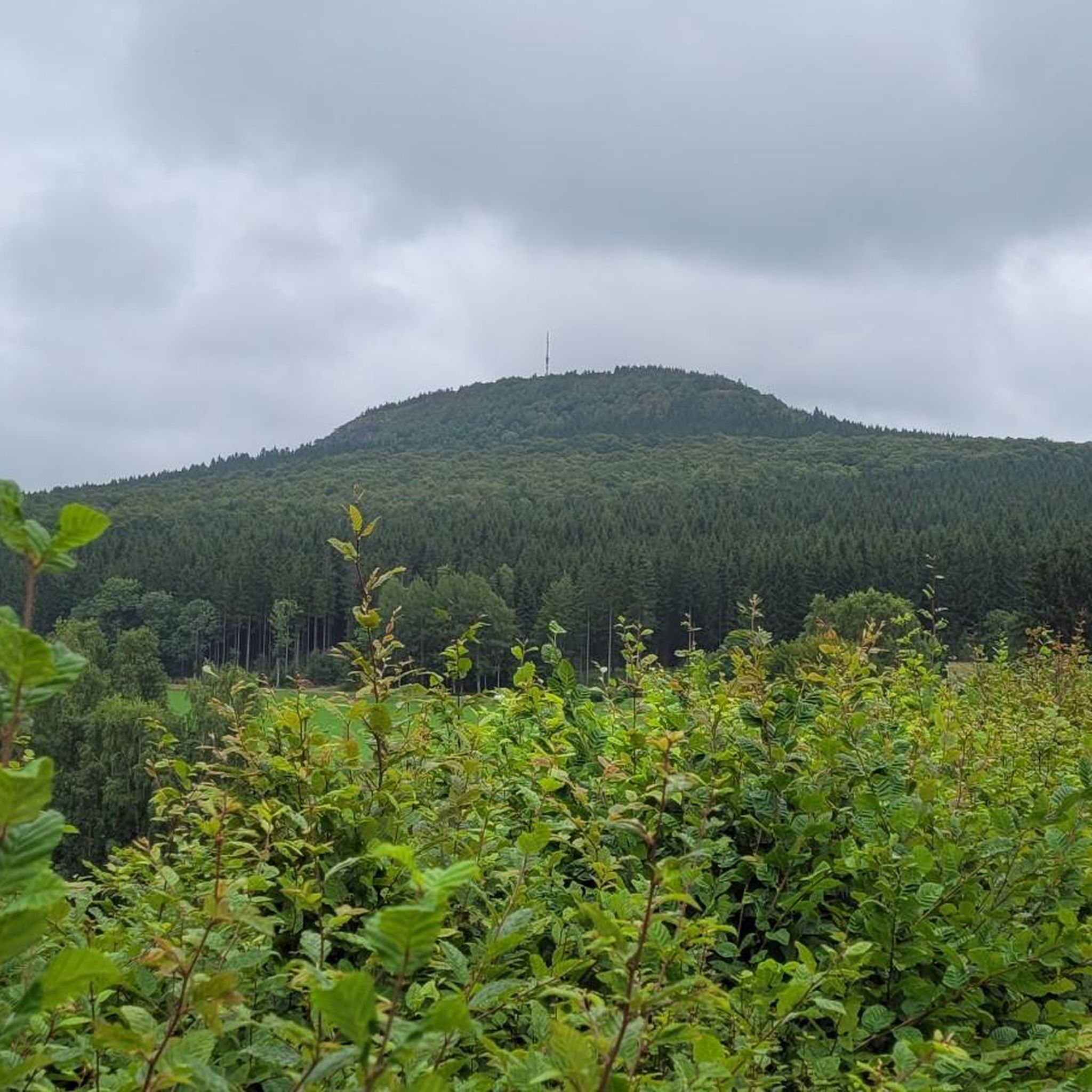
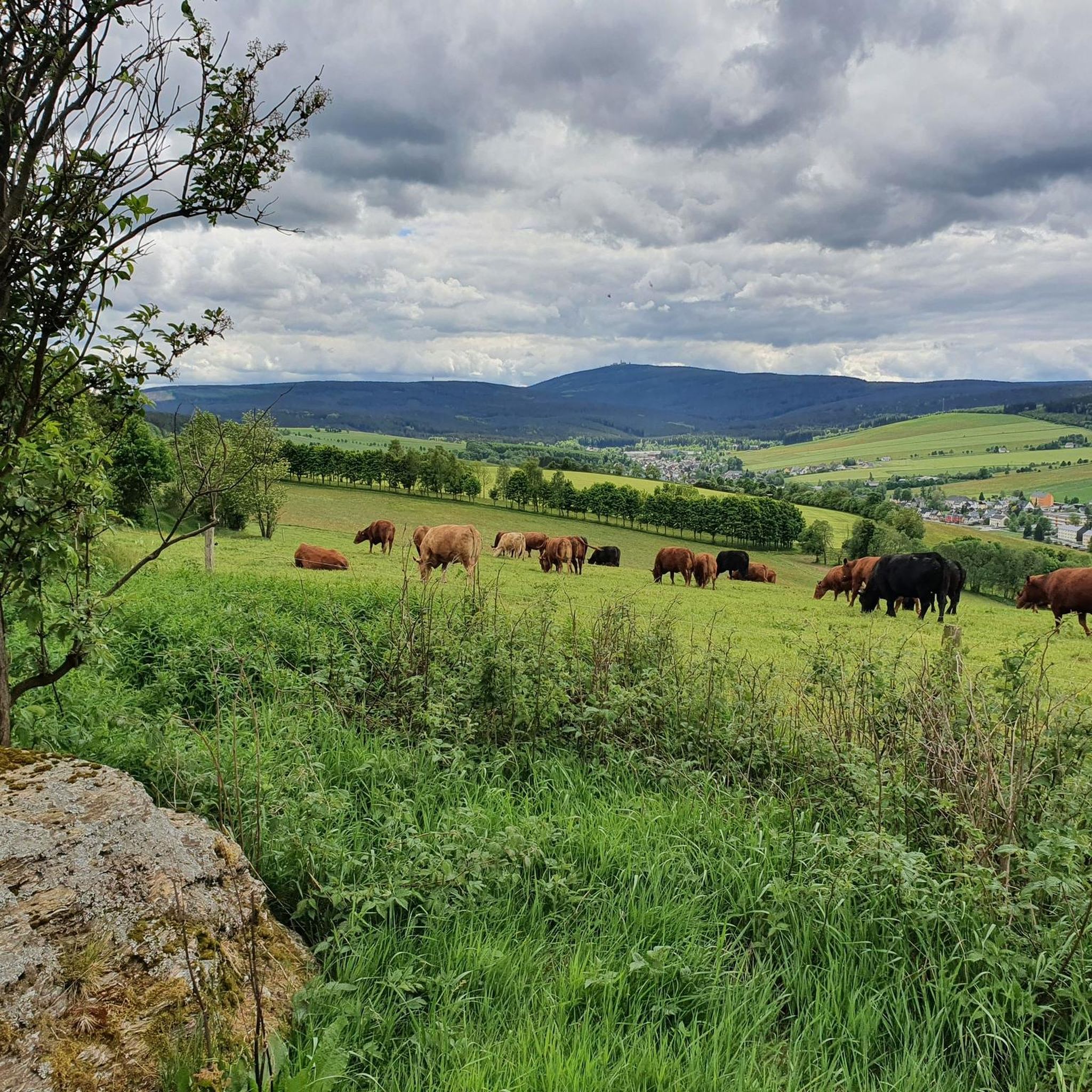
The Mědník (Kupferhübel) is a prominent elevation on the Ore Mountain ridge. It is located above the mountain town of Měděnec. On the top there is a small chapel (built in 1674).
5
0
Frequently Asked Questions
What kind of "caves" can I expect to find around Sehmatal?
The Sehmatal region is primarily known for its historical mining sites and underground formations, rather than natural cave systems with stalactites or stalagmites. These sites offer a unique glimpse into the area's rich industrial past and geological features, reflecting centuries of ore extraction in the Erzgebirgskreis district of Saxony.
Which historical mining sites are open to visitors in the Sehmatal area?
You can visit several historical mining sites. The Dorothea Stolln Visitor Mine offers guided tours, including a boat trip. The Zinnkammern Pöhla Visitor Mine showcases past tin extraction methods. Additionally, the Reicher-Silber-Trost Tunnel allows visitors to walk a few meters into a restored tunnel.
Are there family-friendly options for exploring these underground sites?
Yes, both the Dorothea Stolln Visitor Mine and the Zinnkammern Pöhla Visitor Mine are considered family-friendly. For the Dorothea Stolln, children must be 6 years or older to participate in tours. It's advisable to check specific age restrictions and book in advance for guided tours.
What is the significance of the Fuchsloch Mine Tunnel?
The Fuchsloch Mine Tunnel, originally dating back to the 16th century for iron and tin mining, is no longer used for extraction. Today, it serves as an important winter habitat for various bat species, highlighting the ecological value of these former mining structures.
Do I need to book tours in advance for visitor mines?
Yes, for sites like the Dorothea Stolln Visitor Mine and the Zinnkammern Pöhla Visitor Mine, advance booking is highly recommended or even required, especially for specific tour times or if you are part of a group. This ensures availability and helps manage group sizes.
What are the typical operating hours for visitor mines in the area?
Operating hours can vary significantly between sites and seasons. For example, the Dorothea Stolln Visitor Mine typically offers tours Monday to Friday with a last tour at 2:00 p.m., and Saturdays at 10:00 a.m. and 2:00 p.m. The Zinnkammern Pöhla Visitor Mine often has limited hours, sometimes only Friday to Sunday. Always check the specific mine's website or call ahead for the most current information.
Are there any other historical mining-related sites near Sehmatal that are not visitor mines?
Yes, beyond the main visitor mines, the region features other historical mining remnants. The Freudenstolln is a historical drainage tunnel from the 16th century, offering insights into early mining efforts. The Eispinge (Ice Pit) near Oberwiesenthal, formed through mining, is also notable for retaining ice late into summer, creating a unique microclimate.
What outdoor activities can I combine with a visit to these underground sites?
The Sehmatal area is excellent for various outdoor activities. You can explore Mountain Hikes around Sehmatal, with routes like the Fichtelberg Nature Reserve loop. For cyclists, there are numerous MTB Trails around Sehmatal and Road Cycling Routes around Sehmatal, offering scenic rides through the Erzgebirge landscape.
What should I wear when visiting these underground sites?
Underground temperatures are consistently cool, regardless of the season. It's recommended to wear warm clothing, even in summer, and sturdy, closed-toe shoes. Some tours, like at the Dorothea Stolln Visitor Mine, may require specific gear or provide overalls, so it's best to inquire when booking.
Is parking available near the main visitor mines?
Visitor mines typically have dedicated parking facilities for guests. For example, the Dorothea Stolln Visitor Mine and Zinnkammern Pöhla Visitor Mine are accessible by car with parking available on-site or nearby. For other historical sites, parking might be available at trailheads or designated areas.
What do visitors enjoy most about the underground sites around Sehmatal?
Visitors frequently appreciate the immersive historical experience, particularly the guided tours that bring the mining past to life. The unique features, such as the boat trip in the Dorothea Stolln Visitor Mine, and the opportunity to walk into tunnels like the Reicher-Silber-Trost Tunnel, are often highlighted. The educational aspect and the chance to understand the region's industrial heritage are also highly valued.
Most popular routes around Sehmatal
Most popular attractions around Sehmatal

Get inspired with the komoot mobile app


Explore more
Extend your search for the best caves by checking out these guides of the top ones around Sehmatal:
