Top 17 Gorges around Masburg
Best canyons around Masburg are found within the broader Eifel region, a landscape characterized by its volcanic origins and diverse geological features. While Masburg itself is a small municipality, its location provides access to impressive gorges and valleys that offer canyon-like experiences. These areas feature narrow passages, rock formations, and unique natural environments. The region is known for its opportunities to explore deep gorges and varied hiking trails.
Best canyons around Masburg
- The most popular canyons is Wooden Bridges in the Endert Valley, a bridge that follows the water, winding around the meanders of the valley. This path leads over narrow trails and rustic wooden bridges along the Endert.
- Another must-see spot is Wild Endert Valley Trail, a diverse trail. Visitors can expect a varied landscape with wide hiking paths and narrow meadow and stone trails, where water rushes and gurgles.
- Visitors also love Dortebachtal Nature Trail, a path along the Dortebach. This route through the Dortebachtal nature reserve offers a wild and romantic side valley with a partially alpine character.
- Masburg is known for its deep gorges, unique rock formations, and diverse hiking trails. The area offers a variety of gorges, valleys, and rock formations to see and explore.
- The canyons around Masburg are appreciated by the komoot community, with more than 700 upvotes and over 250 photos shared.
Last updated: September 30, 2026
Wooden Bridges in the Endert Valley
Highlight • Bridge
Translated by Google •
Tip by

Wild Endert Valley Trail
Highlight • Trail
Translated by Google •
Tip by

Sign up now to discover places like this
Get recommendations on the best single tracks, peaks, & plenty of other exciting outdoor places.
Dortebachtal Nature Trail
Highlight (Segment) • Trail
Further information is available at: klotten.de/urlaub-freizeit/dortebachtal.
Translated by Google •
Tip by

Valley of the Wild Endert
Highlight • Gorge
Translated by Google •
Tip by

Dortebachtal Nature Reserve
Highlight (Segment) • Natural Monument
The Dortebachtal nature reserve is a wild, romantic side valley of the Moselle with a partially alpine character.
Further information is available at: de.wikipedia.org/wiki/Dortebachtal .
Translated by Google •
Tip by
Sign up for free to discover even more gorges around Masburg.
Already have an account?
Start today with a free account
Your next adventure awaits.
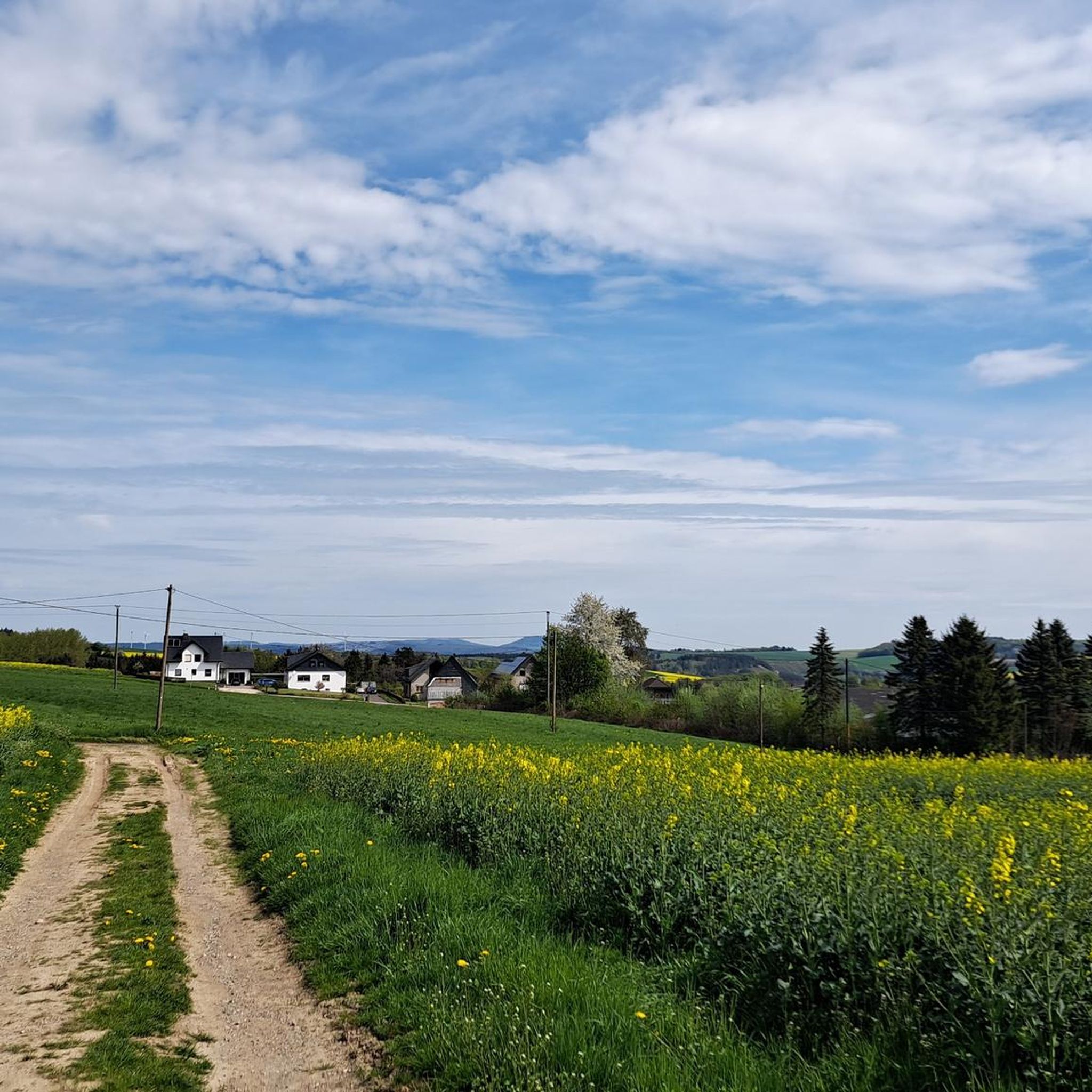
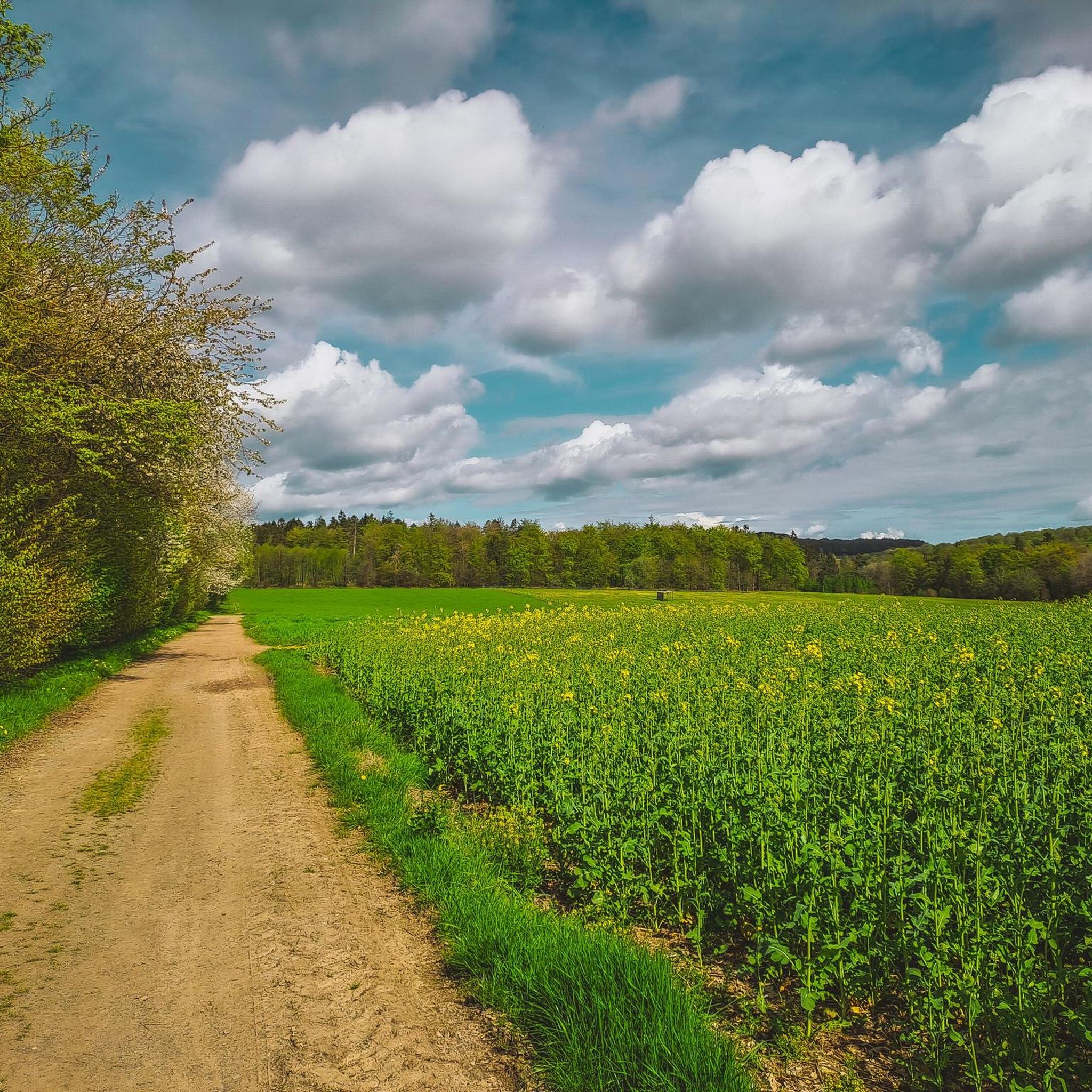
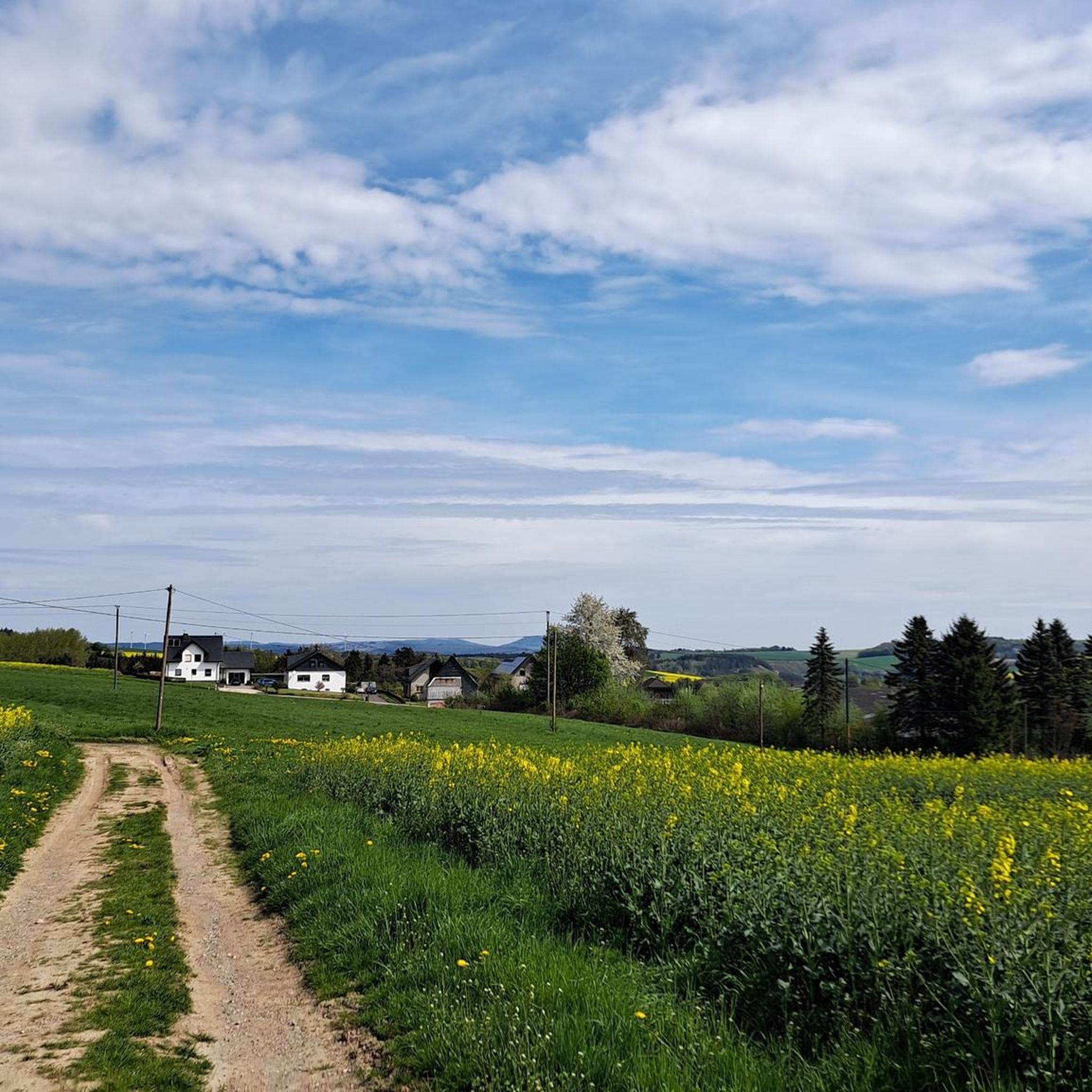
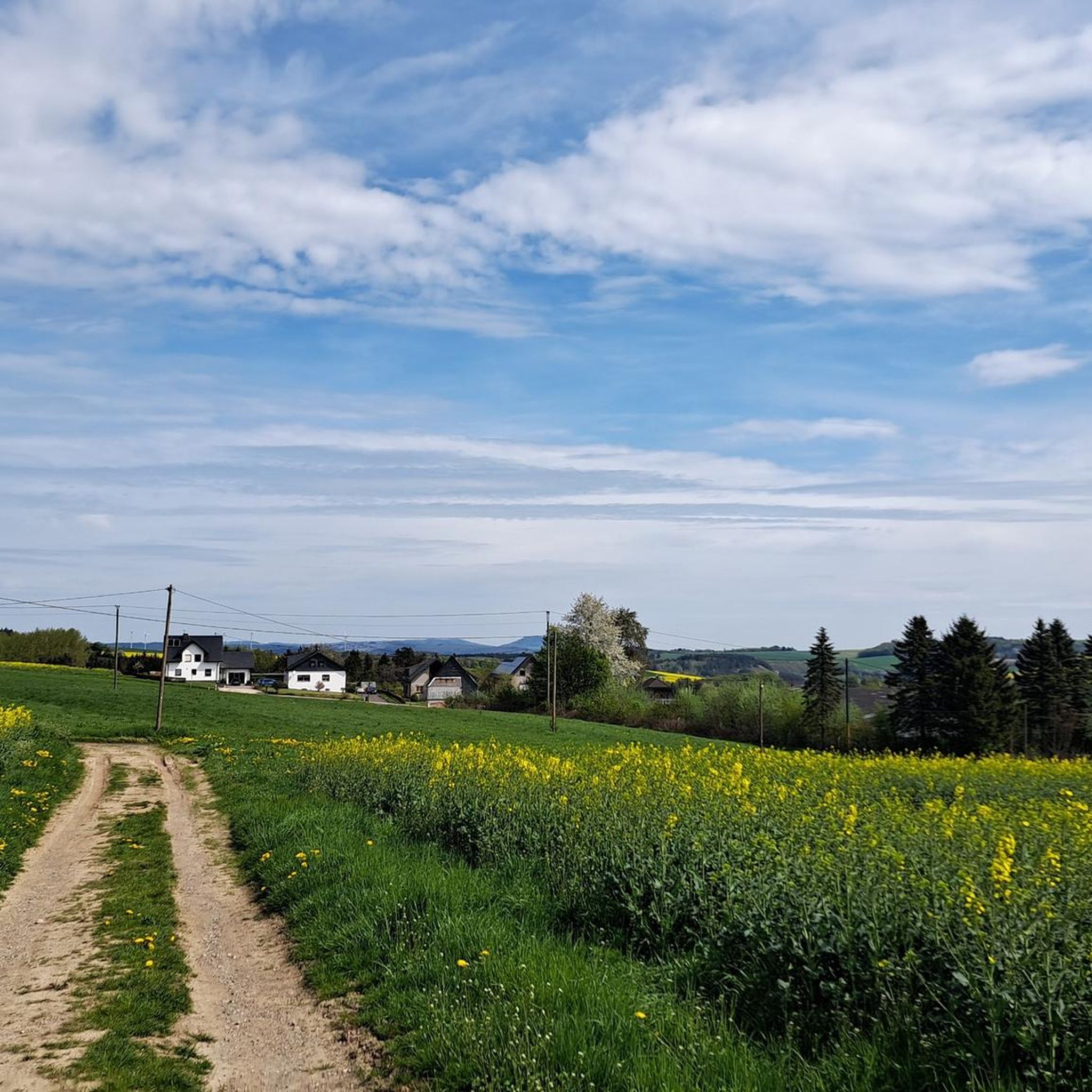
Tips from the Community

„The forest has long been more than just a place of peace,“ it says on the accompanying WDR website for the episode „Neue Wege! Wie machen wir den Wald fit für die Zukunft?“ as part of the science program »Quarks«. Our expectations of the forest and its survival problem are outlined with the words: „It is supposed to be an oasis for recreation and a supplier of raw materials, a climate saver and a habitat for countless animal and plant species; but climate change, drought and pests are severely affecting the ecosystem.“ The mentioned film contribution can be found by viewers interested in nature at the following link: =>> https://www.ardmediathek.de/video/quarks/neue-wege-wie-machen-wir-den-wald-fit-fuer-die-zukunft/wdr/Y3JpZDovL3dkci5kZS9CZWl0cmFnLXNvcGhvcmEtYjQyNzNiYWQtMzE3MS00NmMyLWI3OGYtMjU2ZDkyYmEzODAz
0
0

Narrow footbridge, but stable!
1
0
Nice destination, especially on very hot days, as you can always find shade.
2
0

Partially good sure-footedness is an advantage
0
0

The path along the wild Endert River is indeed a bit wild in places, and some bridges need to be repaired. But you'll find peace and quiet here, with hardly any people around and beautiful, narrow paths with the sound of the river. Pure relaxation.🥰
2
0

It's worth it because it's simply beautiful here.
1
0

Because otherwise it's an incomplete tour ;-)
0
0

In this section the paths are narrow and exciting.
1
0
Frequently Asked Questions
What kind of natural features can I expect to see in the canyons around Masburg?
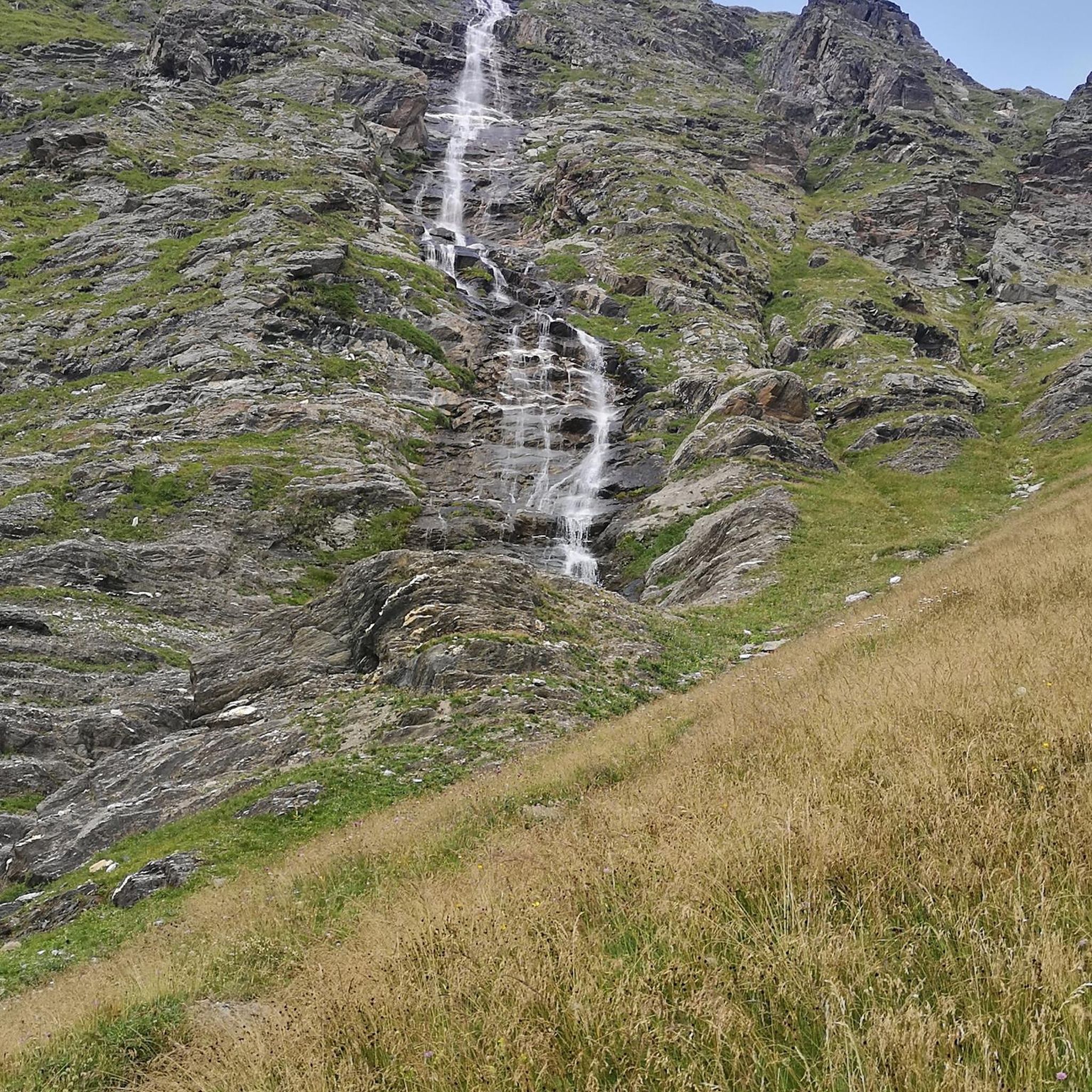
The canyons and gorges in the broader Eifel region, accessible from Masburg, are known for their diverse natural features. You'll encounter narrow passages, towering rock faces, and unique geological formations. For example, the Devil's Gorge (Teufelsschlucht) features huge rock towers and bizarrely weathered boulders, while the Wolf Gorge (Wolfsschlucht) is characterized by moss-covered rocks, bubbling springs, and a picturesque waterfall. Many trails follow rivers, offering views of rushing water and lush forest.
Are there family-friendly hiking options in the canyons near Masburg?
Yes, there are several options suitable for families, though some trails require sturdy shoes. While specific 'family-friendly' categories aren't always explicit, many paths offer a moderate challenge and engaging scenery. For instance, the Wooden Bridges in the Endert Valley offers a relaxing walk along the water, which can be enjoyable for families. Always check the difficulty ratings for specific routes to ensure they match your family's capabilities.
What are some popular hiking trails that explore the canyon-like areas near Masburg?
Visitors particularly enjoy trails that showcase the region's unique geology and waterways. The Wild Endert Valley Trail is highly rated for its diverse landscape, from wide paths to narrow meadow and stone trails alongside rushing water. Another favorite is the Dortebachtal Nature Trail, which leads through a wild and romantic side valley with a partially alpine character.
What is the best time of year to visit the canyons around Masburg?
The Eifel region, including the areas with canyon-like gorges, is beautiful throughout much of the year. Spring and autumn are particularly popular for hiking due to milder temperatures and vibrant foliage. Spring brings blooming wildflowers, while autumn offers stunning colors. Summer is also suitable, but trails can be busier, and some gorges, like the Devil's Gorge, offer a cool, dark atmosphere that can be refreshing on warmer days. Winter visits are possible but require appropriate gear for potentially icy conditions.
What kind of wildlife might I encounter in the canyons and gorges?
The diverse ecosystems of the Eifel region support various wildlife. While specific sightings are never guaranteed, you might spot local bird species, small mammals like squirrels or deer, and a rich insect life, especially near water sources. The moss-covered rocks and lush vegetation in places like the Wolf Gorge create habitats for amphibians and unique plant species. The region's natural reserves aim to protect this biodiversity.
Are there any historical or cultural sites near the canyons?
While the primary focus of these canyon-like areas is natural beauty, the broader Eifel region has a rich history. For example, the Gerolsteiner Felsenpfad, though not a gorge itself, features the Buchenloch Cave, a prehistoric rock cave once used by Neanderthals, offering a glimpse into ancient human history. Many trails also pass by old mills or ruins, hinting at past human activity in these valleys.
What are the difficulty levels of hiking trails in the canyons near Masburg?
The hiking trails in the canyon-like areas around Masburg vary in difficulty. You'll find everything from relaxing paths to more challenging routes. For instance, the Wild Endert Valley Trail is considered intermediate, requiring sturdy shoes due to varied terrain. The Dortebachtal Nature Trail is rated as challenging in some sections, particularly for those with a fear of heights. Always check the specific trail descriptions and ratings before you go.
What other outdoor activities can I do near the canyons around Masburg?
Beyond exploring the gorges, the Masburg area offers a variety of outdoor activities. You can find numerous hiking trails, including moderate options like the 'Masburg fountain – View of Urmersbach loop'. For cycling enthusiasts, there are gravel biking routes, such as the 'View of the Moselle River – View of Klotten loop'. Runners can also enjoy trails like the 'Running loop from Kaisersesch'. You can explore more options on the hiking guide or the gravel biking guide for Masburg.
Are there any hidden gems or less-known gorges worth exploring near Masburg?
While the Devil's Gorge and Wolf Gorge are well-known, the Eifel region is full of smaller, equally charming natural formations. The Valley of the Wild Endert, for example, offers a scenic hiking experience where you can accompany the stream on narrow paths, providing a sense of wildness and tranquility. Exploring local maps and trails can often lead to discovering your own hidden gems.
What should I wear and bring for hiking in the canyons?
Given the varied terrain and sometimes challenging conditions, sturdy hiking shoes are highly recommended for most trails, especially in areas like the Wild Endert Valley. Depending on the season, layers of clothing are advisable, as temperatures can vary within the gorges. Bringing water, snacks, and a map or GPS device is always a good idea. Trekking poles can also be helpful on steeper or uneven sections.
Is wild swimming permitted in the canyon areas near Masburg?
While many gorges feature beautiful streams and waterfalls, wild swimming is generally not officially permitted or recommended in these natural reserves due to safety concerns, environmental protection, and often cold water temperatures. It's best to enjoy the scenic beauty from the trails and respect local regulations regarding water access.
How were the canyons and gorges in the Eifel region formed?
The Eifel region's unique landscape, including its gorges, is largely a result of its volcanic origins and geological history. The Devil's Gorge (Teufelsschlucht), for instance, was formed by massive rockfalls at the end of the last ice age, around 12,000 years ago, revealing a deep crevice. The region's geological processes have created the dramatic rock formations and valleys you see today, often exposing ancient seabeds that turned to stone millions of years ago.
Most popular routes around Masburg
Most popular attractions around Masburg

Get inspired with the komoot mobile app


Explore more
Already discovered everything in this region? See additional gorges around Masburg for your next adventure:
