Top 6 Caves around Ratzert
Caves around Ratzert are located within the Westerwald region of Rhineland-Palatinate, an area characterized by its low mountain range landscape. This region features extensive meadows, fields, valleys, and geological conditions favorable for cave formation. The presence of karst areas indicates the dissolution of water-soluble rocks, leading to both natural cave systems and historical mining tunnels. Visitors to the Ratzert location can explore a variety of underground sites that reflect the area's natural history and industrial past.
Best caves around Ratzert
…Last updated: May 14, 2026
Alvenslebenstollen
Highlight • Historical Site
Translated by Google •
Tip by

Erbach Trail and Pawnee Bat Tunnel
Highlight (Segment) • Trail
Translated by Google •
Tip by

Sign up now to discover places like this
Get recommendations on the best single tracks, peaks, & plenty of other exciting outdoor places.
Sign up for free
The Gold Hole and the Boller-Mosch
Highlight • Cave
around the year 1750 were up to mischief.
Allegedly a ghost who hits trees with a club and screams mosch, …
Translated by Google •
Tip by

Lammerichskaule Mine Tunnel
Highlight • Historical Site
Translated by Google •
Tip by

Otto Tunnel
Highlight • Cave
Translated by Google •
Tip by

Sign up for free to discover even more caves around Ratzert.
Sign up for free
Already have an account?
Start today with a free account
Your next adventure awaits.
Login or Signup
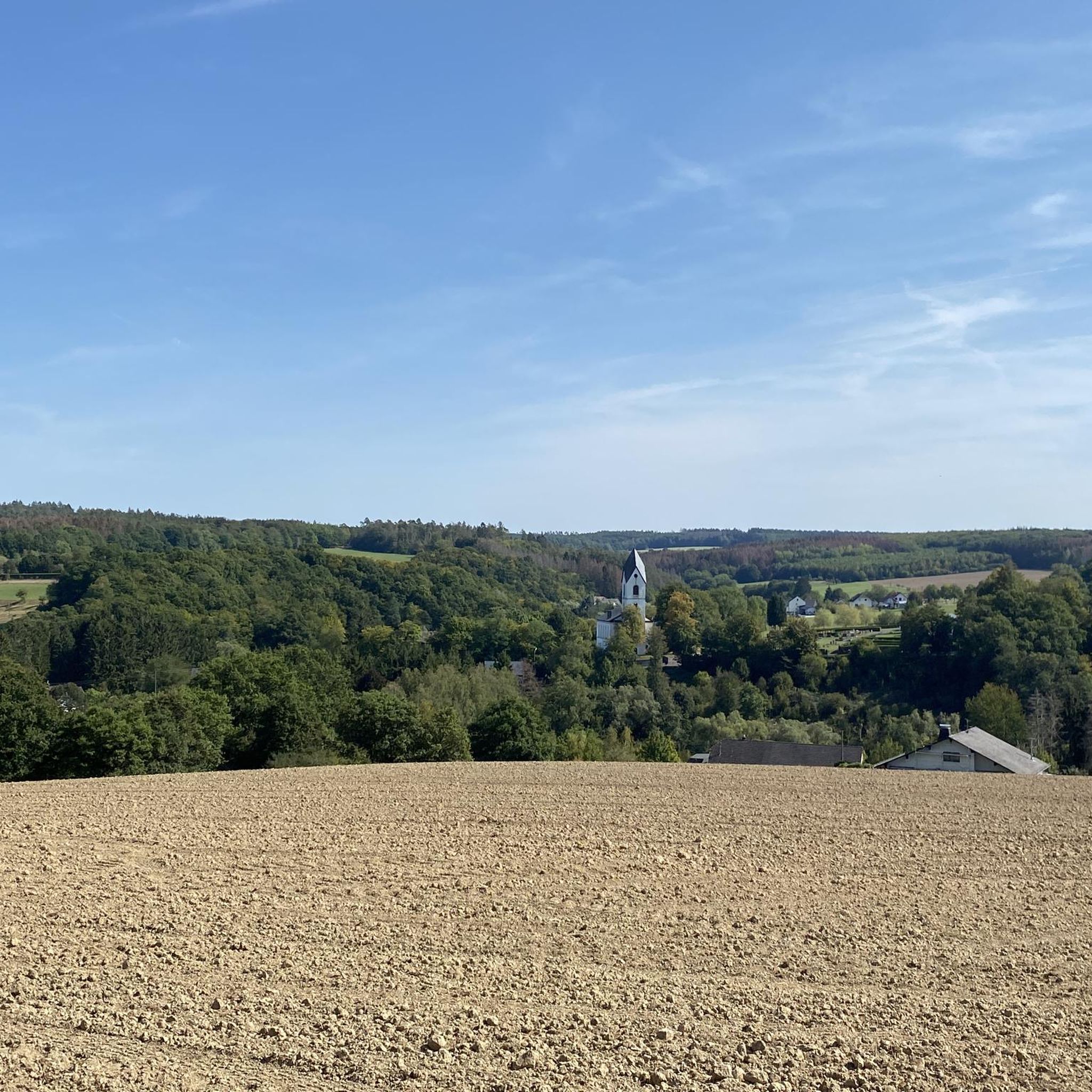
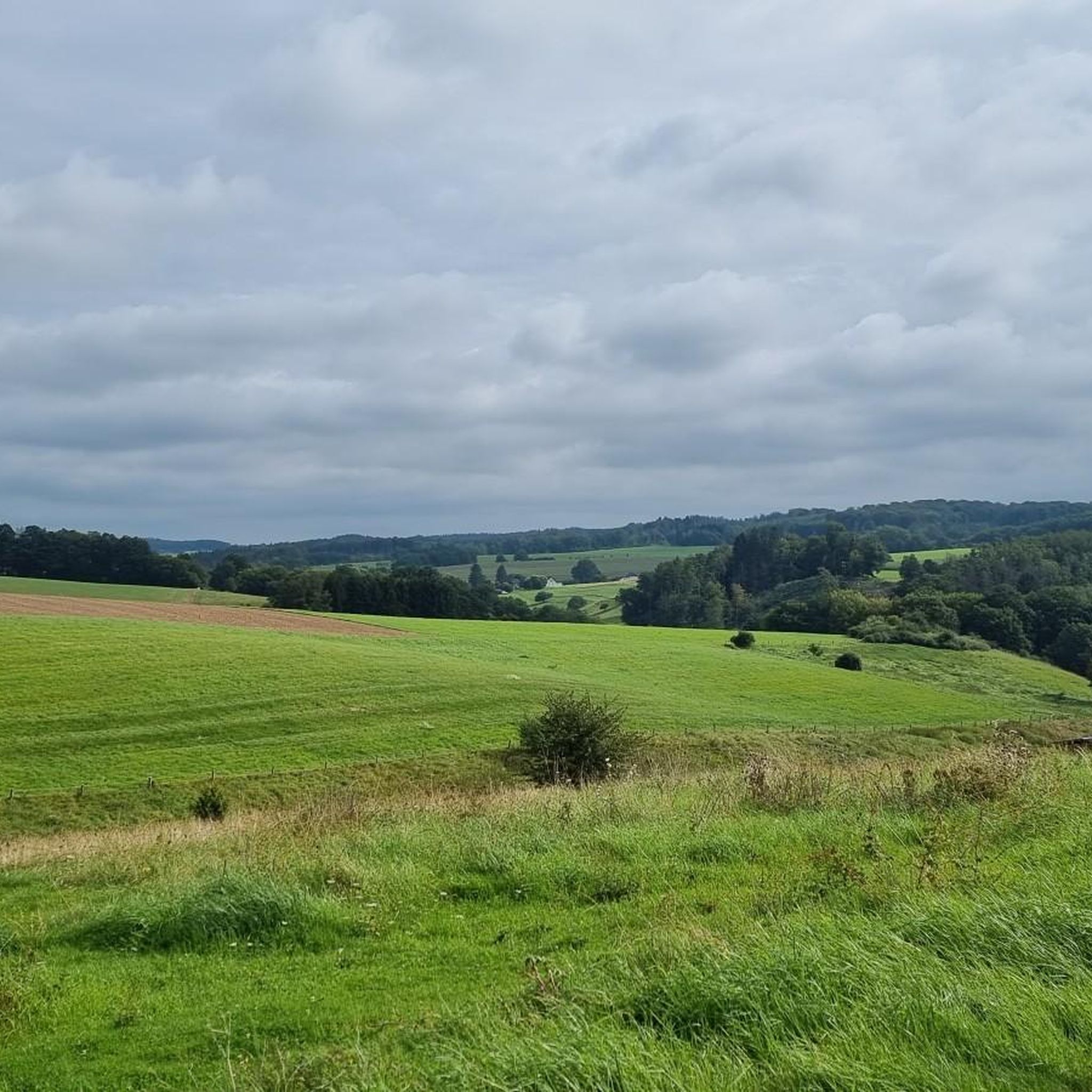
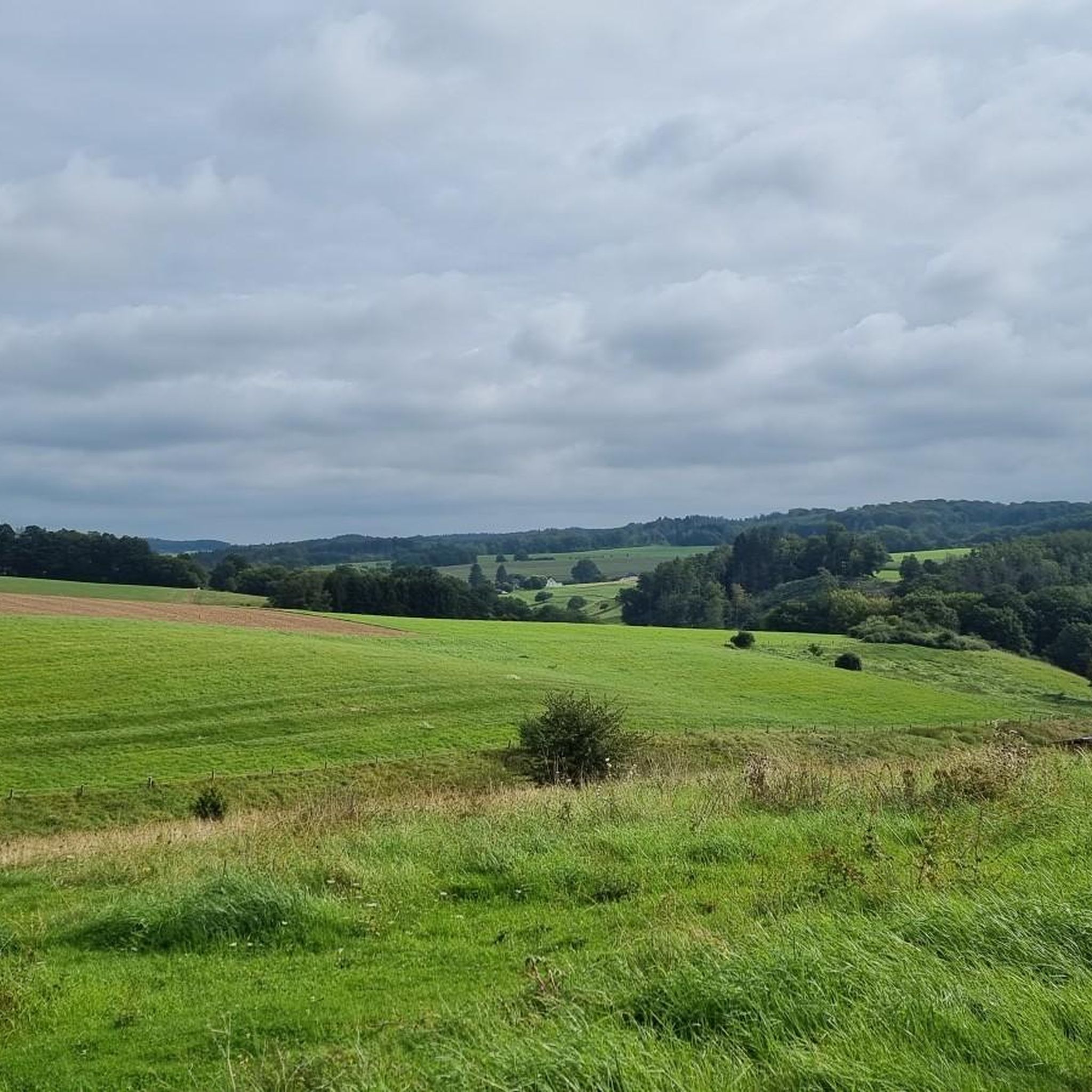
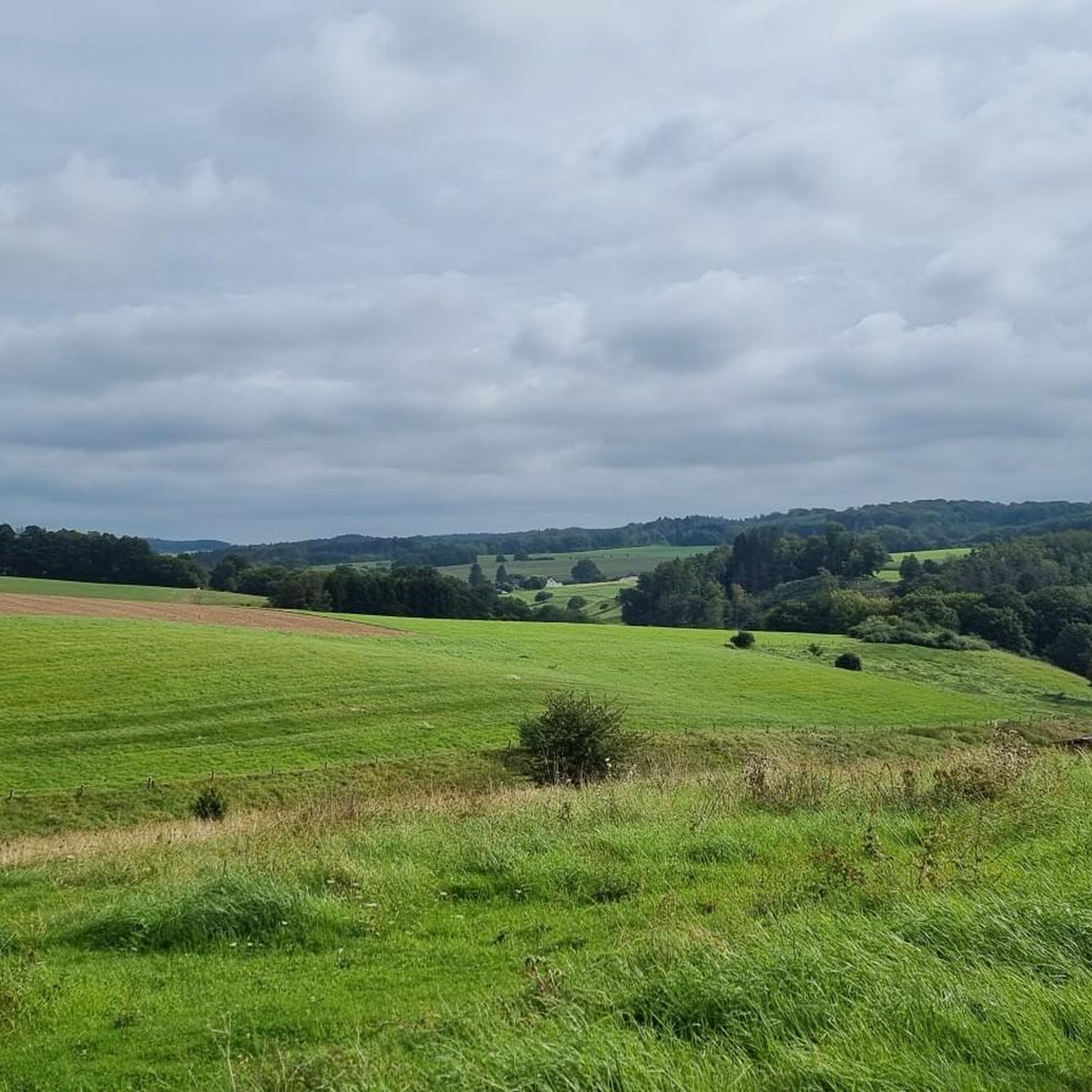
Tips from the Community

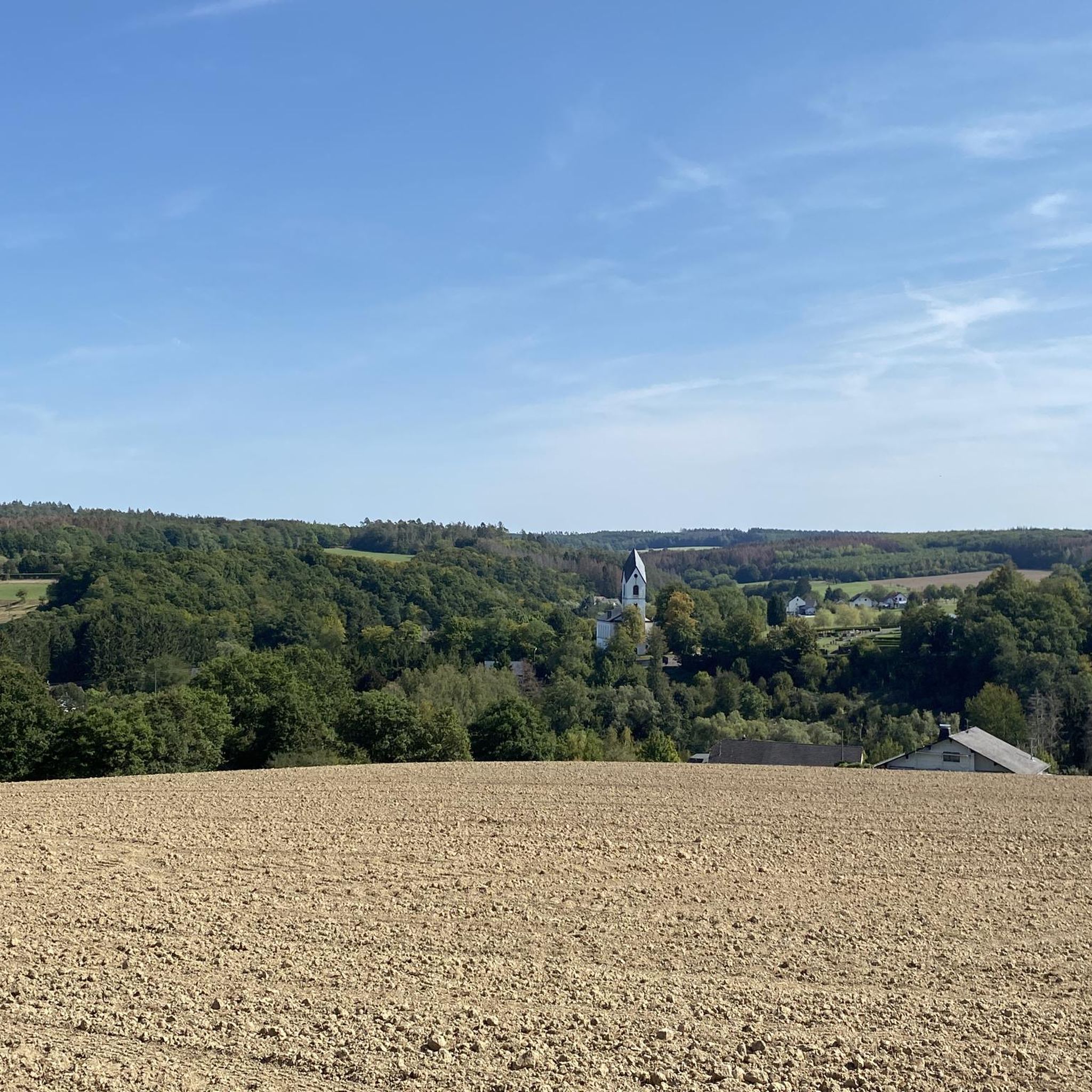
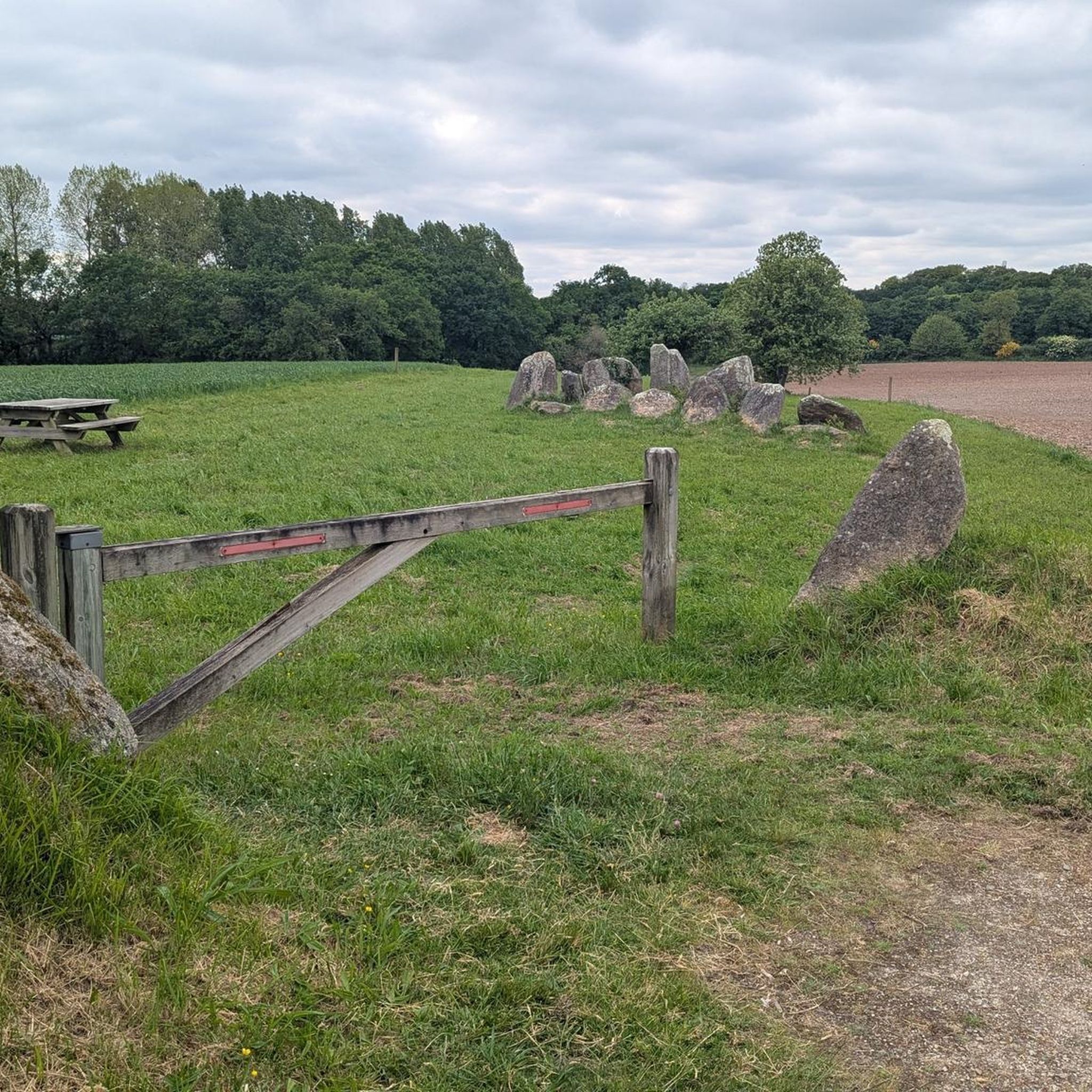
Possibility of rest and view of the tunnel and the castle
1
0

The tunnel addresses the history of mining. The last time I visited the tunnel, there were lots of small bats living there. The history is also explained in detail on site.
0
0

Beautiful and especially great for families!
2
0

The tunnel was named after Otto von Bismarck. You can find more detailed information on the information boards on site.
1
0

Unfortunately I didn't have time to visit the tunnel.
0
0

A great path with many highlights
1
0

Just great ... Bach, Stollen & Wichtelweg
3
0
Frequently Asked Questions
What historical caves or mining tunnels can I explore around Ratzert?
The area around Ratzert is rich in historical mining tunnels. You can visit the Otto Tunnel, named after Otto von Bismarck, which offers insights into 19th-century mining. The Lammerichskaule Mine Tunnel, dating back to 1850, also has information boards detailing its role in local ore mining. Another significant site is Alvenslebenstollen, a legacy of the Louise mine, which can be viewed by prior arrangement.
Are there any natural caves in the Westerwald region near Ratzert?
Yes, the broader Westerwald region, where Ratzert is located, features natural caves formed by the dissolution of limestone in karst landscapes. Notable examples include the Heinzelmann Caves, known for their unique erosion-formed holes, and the Trass Caves Brohltal, which are popular hiking attractions. The region's geology also supports other natural formations like dolines.
What makes the Alvenslebenstollen unique?
The Alvenslebenstollen is notable for its remarkably low gradient, a continuously introduced rose vault under the sole, and sumpholes at regular intervals. It also features vaulting in a constant elliptical shape in mountainous areas. Access for viewing is possible by prior arrangement.
Is there a cave related to local folklore or legends?
Yes, The Gold Hole and the Boller-Mosch in the Mehrbachtal is associated with a local legend. Around 1750, the 'Boller Mosch,' a supposed ghost, was said to hit trees and scream. It was later unmasked as a miner who lived in a forest hut.
Are there any family-friendly cave experiences or trails near Ratzert?
The Erbach Trail and Pawnee Bat Tunnel is considered family-friendly and features a bat gallery. While specific cave accessibility for very young children might vary, many of the historical mining tunnels offer educational experiences suitable for families.
What should I wear or bring when visiting caves in the Ratzert area?
When visiting caves in the region, it's generally advisable to be prepared for dark and damp conditions. Wearing sturdy shoes for uneven terrain and a warm jacket, even in summer, is recommended due to consistently cool temperatures underground.
What outdoor activities can I combine with a visit to the caves?
The Ratzert area offers various outdoor activities. You can find numerous hiking trails, such as the 'Fish pond near Alberthofen – Aviator's Cross Steimel loop' or the 'Lahrbach Pond loop from Niederwambach'. For more options, explore the Hiking around Ratzert guide. There are also running and mountain biking trails available in the vicinity.
Are there any specific geological formations to look out for in the region?
The Westerwald region is characterized by its low mountain range landscape and the presence of karst areas. This geology leads to impressive surface forms like dolines (funnel-like depressions) and sharp-edged rock surfaces, alongside the underground cave systems formed by water dissolving soluble rocks like limestone.
What do visitors enjoy most about the caves around Ratzert?
Visitors appreciate the historical insights offered by the former mining tunnels, such as the Otto Tunnel and Lammerichskaule Mine Tunnel, which provide a glimpse into the region's industrial past. The unique natural formations and the opportunity for exploration are also highly valued.
Are there any caves near Ratzert that are specifically known for bats?
Yes, the Erbach Trail and Pawnee Bat Tunnel is known as the bat gallery of Obererbach, indicating its significance as a habitat for bats.
Can I visit the Roman Copper Mine and Quarry Pützlöcher near Ratzert?
While not a natural cave, the Roman Copper Mine and Quarry Pützlöcher in Rhineland-Palatinate is a significant historical site. It offers a unique look into Roman-era mining activities, with blocks of stone still bearing Roman numerals and inscriptions.
Most popular routes around Ratzert
Most popular attractions around Ratzert

Get inspired with the komoot mobile app


Explore more
Extend your search for the best caves by checking out these guides of the top ones around Ratzert:
