Top 20 Lakes around Osterhorn
Lakes around Osterhorn, located in Schleswig-Holstein, Germany, feature a diverse landscape with historical castle islands, natural springs, and serene ponds. This region combines cultural landmarks with natural water features, offering varied opportunities for exploration. Visitors can discover areas where historical structures like castles and watermills are integrated with local waterways. The terrain includes forests and natural monuments, making it suitable for outdoor activities.
Best lakes around Osterhorn
- The most popular lakes is View of Lake Rantzau, a viewpoint that…
Last updated: May 14, 2026
Barmstedt Castle Island
Highlight • Castle
Translated by Google •
Tip by

View of Lake Rantzau
Highlight • Viewpoint
Translated by Google •
Tip by

Sign up now to discover places like this
Get recommendations on the best single tracks, peaks, & plenty of other exciting outdoor places.
Sign up for free
Waldsee Spring and Picnic Area
Highlight • Natural Monument
Translated by Google •
Tip by

Charlottenberg Ponds in Breitenburger Gehölz
Highlight (Segment) • Lake
Tip by

Bokeler See
Highlight • Lake
Translated by Google •
Tip by

Sign up for free to discover even more lakes around Osterhorn.
Sign up for free
Already have an account?
Start today with a free account
Your next adventure awaits.
Login or Signup

Tips from the Community

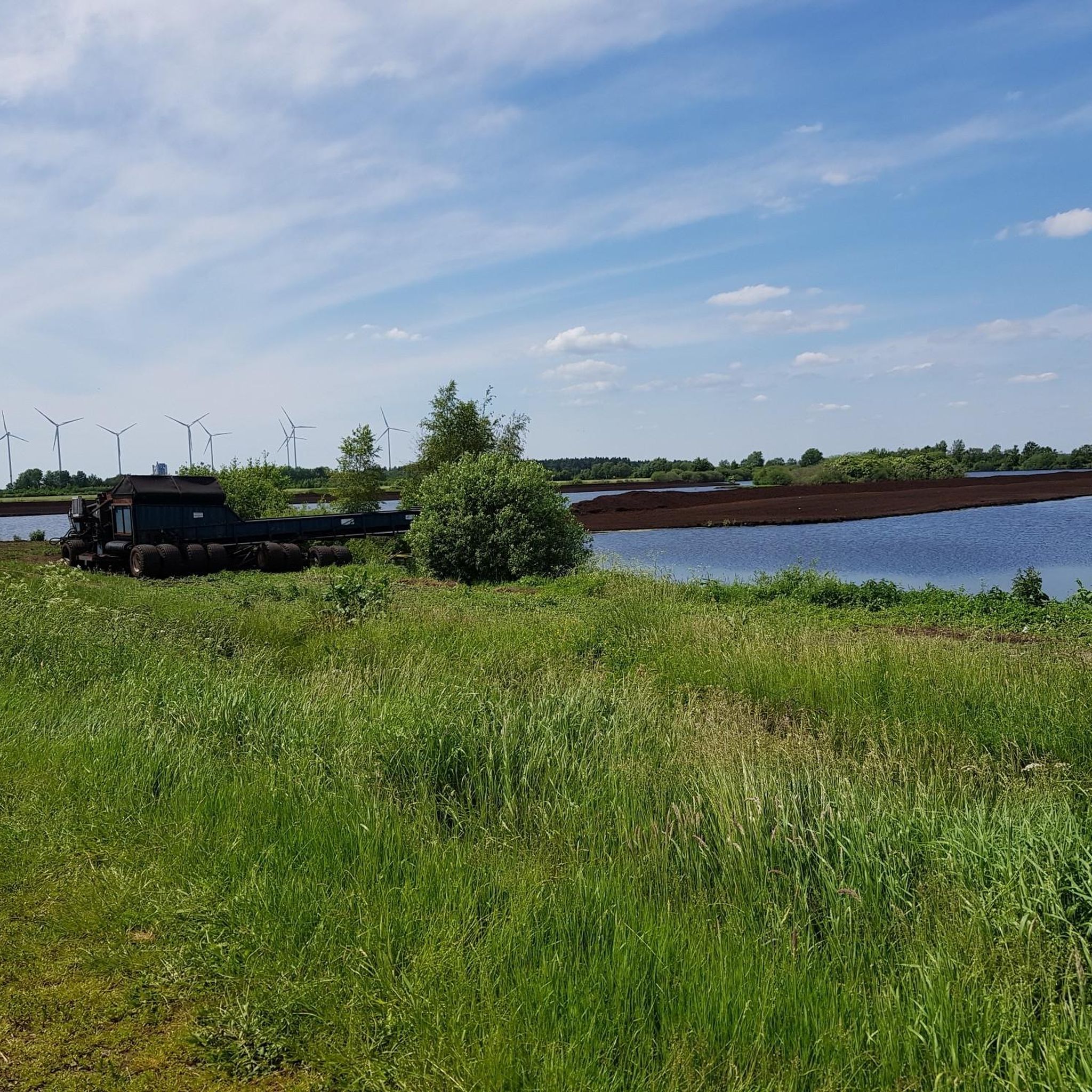
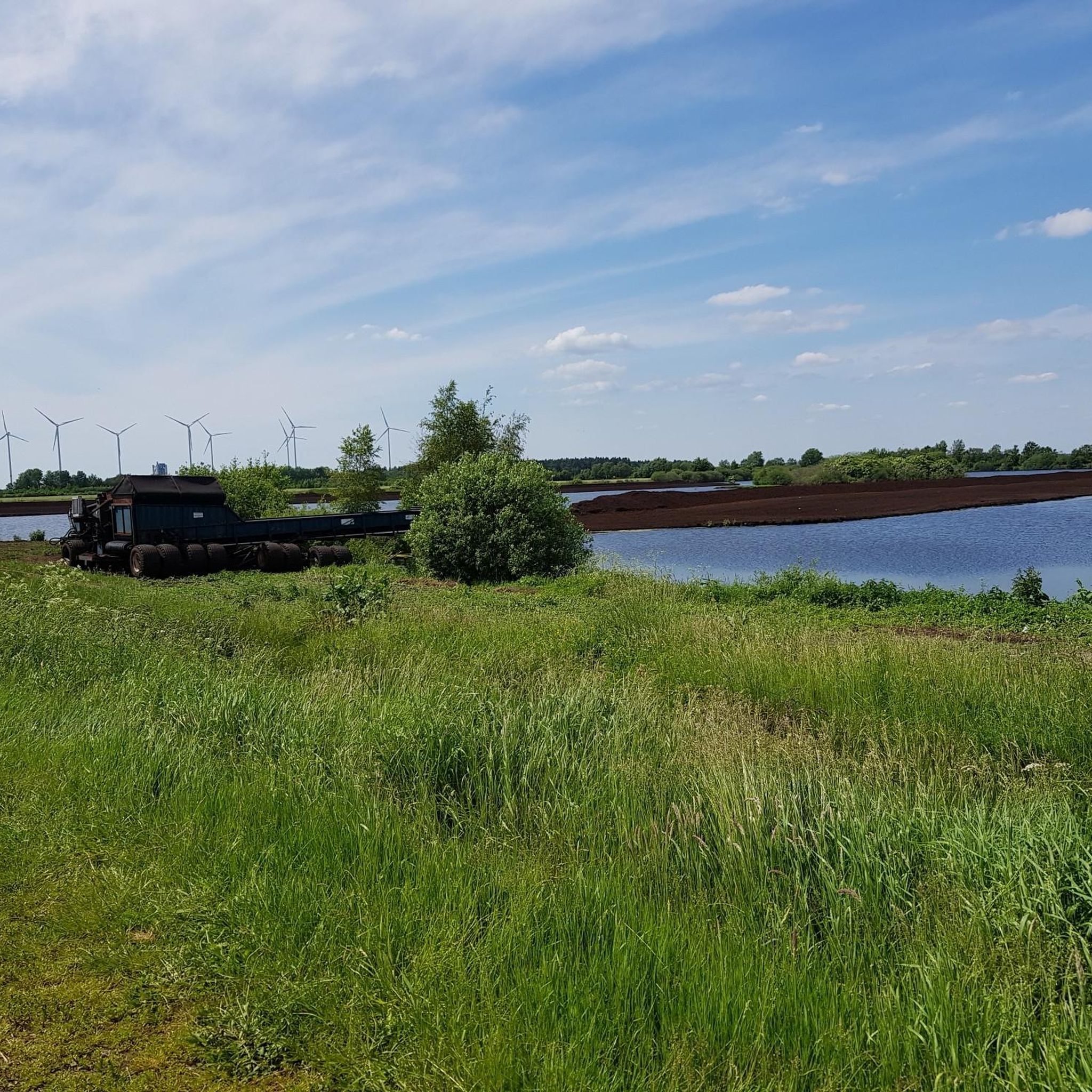
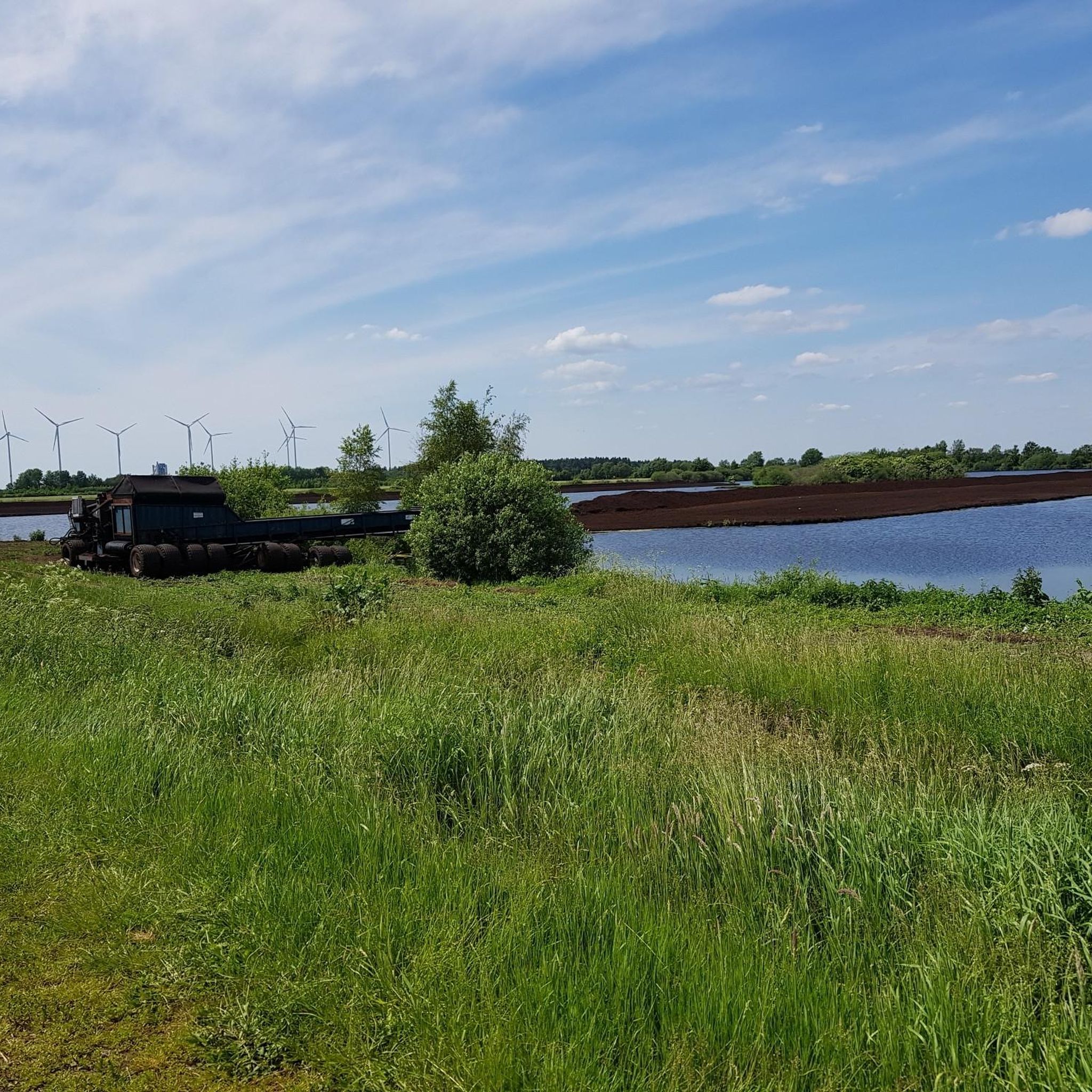
A beautiful place for a little break. A narrow path about 2 km long runs directly along the lake and there are a few benches with a view of the lake.
1
0

Here is a nice rest area including a barbecue area.
1
0

Unfortunately, the castle prison is closed this year due to a change of tenants and renovations, but there is a great special exhibition about Dutch tiles in the museum (Sat/Sun 2 p.m. - 5 p.m.)!
1
0

Individual rooms and suites directly on Lake Bokel give you the agony of choice: our standard rooms with a classic room layout and a closed bathroom or our loft rooms and suites with a view of the lake. These are located in the former mill. In addition to the direct view of the water, these rooms inspire with noble materials such as oak floorboards, craquelé tiles and printed linen fabrics. The open room layout gives a clear view of the historic ceiling beams and the brickwork. All rooms have rain showers, vanities and separate toilets. Our suites and junior suites also have free-standing bathtubs.
6
0

Beautiful, very idyllic lake district!
2
0

One of the most beautiful views of the lake
1
0

Ein weiterer kleiner Bach, für den kein Name überliefert ist, verläuft ungefähr in der Mitte des Breitenburger Gehölzes nach Süden hinab zur Störmarsch. Er speist sich aus einer morastigen Senke, die nördlich des in Ost-West-Richtung durch das Breitenburger Gehölz führenden Waldweges liegt. Noch nördlich des Weges sammelt sich das Wasser zu einem Bach. Dieser durchquert dann verrohrt den durch die Talschlucht führenden Wegedamm, auf dem der Waldweg verläuft. Südlich des Wegedamms fließt der Bach in der zur Störmarsch hin abfallenden Talrinne nach Süden. Nach ungefähr 150 m biegt er nach Südosten und erreicht nach weiteren über 200 m eine Kette von drei Teichen, die er durchfließt. An die Teiche schließt eine Lichtung an, an deren Ostrand entlang der Bach nach Süden bis zu der an der Straße „Breitenburger Weg“ gelegenen Häusergruppe „Charlottenberg“ fließt. Dort biegt er nach Westen, durchfließt einen weiteren Teich und verläuft dann parallel zum Breitenburger Weg bis unterhalb der Amönenhöhe. Er wird vermutlich über den Graben südlich der Häusergruppe „Voßkate“ in die Stör entwässert. Noch gegen Ende des 18. und möglicherweise bis in das 20. Jahrhundert wurde das Wasser des Baches über den Mühlengraben (siehe oben) entlang des Breitenburger Weges nach Westen bis zur an der damaligen Störschleife in Itzehoe gelegenen Malzmühle geleitet. Das früher „Plageberg“ genannte Areal des heutigen Charlottenbergs war noch um 1800 durchgehend bewaldet; am Bach existierten damals bereits Teiche. 1804 dann kaufte es der Altonaer Kaufmann und Reeder Benjamin Jarvis dem Breitenburger Grafen Conrad zu Rantzau ab und ließ dort im folgenden Jahr ein Landhaus bauen sowie einen Park anlegen. Den Namen „Charlottenberg“ – nicht zu verwechseln mit der weiter östlich gelegenen „Charlottenhöhe“ – erhielt das Anwesen erst in den 1820er Jahren durch einen neuen Eigentümer, den General Auguste Danican, der es nach seiner Tochter Charlotte benannte. Schon vor der Umgemeindung von 1998, bei der die Stör zur Grenze zwischen den Gemeinden Oelixdorf und Breitenburg wurde, gehörten das Areal von Charlottenberg samt der Teiche sowie Voßkate als Exklaven zur Gemeinde Oelixdorf. Das vom Bach durchflossene Gebiet „Gehege Überstör“ des Breitenburger Gehölzes, das zwischen dem in Ost-West-Richtung durch den Wald führenden Weg und dem Breitenburger Weg liegt, steht seit 1940 unter Landschaftsschutz. Quelle: https://www.cloeser.org/gewaesser/Gewaesser_Itzehoe_und_Umgebung_1.0.1.pdf
3
0
Frequently Asked Questions
What are the most popular lakes and attractions around Osterhorn?
The region around Osterhorn is known for its diverse water features and historical sites. Highly recommended are the Rantzau Castle Island (Schlossinsel) and Watermill, which offers a museum, café, and exhibitions within a beautiful lake setting. Another must-see is Barmstedt Castle Island, featuring art installations and a café in its historic gatehouse. For a tranquil natural experience, visit the Waldsee Spring and Picnic Area, known for its rippling water spring and peaceful atmosphere.
Are there family-friendly activities near the lakes around Osterhorn?
Yes, many locations are family-friendly. Rantzau Castle Island offers a museum and exhibitions suitable for all ages, and the lake itself is great for paddling or pedal boating. The View of Lake Rantzau area provides facilities for picnics, and the wider area around Lake Rantzau offers an open-air pool, mini-golf, and boat rentals. The Waldsee Spring and Picnic Area also features a forest educational trail, perfect for a family walk.
What kind of natural features can I expect to see around Osterhorn's lakes?
The lakes around Osterhorn offer a mix of natural beauty. You'll find serene ponds like the Charlottenberg Ponds in Breitenburger Gehölz, nestled within forests. The Waldsee Spring and Picnic Area is a natural monument with a tranquil, rippling water spring. The region also features diverse landscapes including forests and unique moorland areas, providing picturesque views and opportunities for nature observation.
What historical or cultural sites are located near the lakes?
The region is rich in history, particularly with its castle islands. Rantzau Castle Island (Schlossinsel) and Watermill is a significant historical site with a manor house, museum, and a fully functional watermill. Similarly, Barmstedt Castle Island, with its former gatehouse now a café, has a long history tied to the Krückau river and its damming. These sites offer insights into the region's past, often with art installations and exhibitions.
Are there hiking trails near the lakes around Osterhorn?
Yes, the area around Osterhorn offers various hiking opportunities. You can find easy to moderate routes suitable for different fitness levels. For detailed information and route suggestions, explore the Hiking around Osterhorn guide, which includes trails like the 'Dauenhof Station loop' and routes around 'Bokeler See'.
What other outdoor activities can I do near these lakes?
Beyond hiking, the lakes around Osterhorn are great for other outdoor pursuits. You can enjoy running on dedicated trails, with options available in the Running Trails around Osterhorn guide. Cycling is also popular, with easy routes like the 'Former Peat Factory – Hohenfelder Moor loop' detailed in the Cycling around Osterhorn guide. Lake Rantzau specifically offers opportunities for paddling, pedal boating, and e-bike rentals.
Can I swim in the lakes around Osterhorn?
Yes, the Rantzau Castle Island area is noted for its beautiful, small lake suitable for swimming. Additionally, the area around the View of Lake Rantzau offers an open-air pool, providing a designated spot for swimming and relaxation during warmer months.
Are there cafes or places to eat near the lakes?
Absolutely. Both Rantzau Castle Island and Barmstedt Castle Island feature cafes where you can relax and enjoy refreshments. The area around the View of Lake Rantzau also has a café with lake views and a kiosk, offering various options for a break or a meal.
What do visitors enjoy most about the lakes around Osterhorn?
Visitors particularly appreciate the blend of natural beauty and historical charm. The tranquil settings, like the Waldsee Spring, offer peaceful retreats. The historical castle islands provide unique cultural experiences, while the diverse landscapes with forests and clear waters are ideal for photography and outdoor activities. The community has shared over 290 photos and given more than 730 upvotes, highlighting the area's appeal.
Are the trails around the lakes suitable for dogs?
While specific dog-friendly designations for each trail are not detailed, many natural areas and forest trails around lakes are generally welcoming to dogs on a leash. The region's focus on outdoor activities and natural exploration suggests that many paths would be suitable for walks with your canine companion. Always ensure to follow local regulations regarding leashing and waste disposal.
What is the best time to visit the lakes around Osterhorn?
The lakes around Osterhorn offer beauty throughout the year. Spring and summer are ideal for outdoor activities like hiking, cycling, and swimming, with the rhododendron park near Lake Rantzau being a particular highlight. Autumn brings beautiful foliage, while winter can offer serene, quiet landscapes for a peaceful visit. The tranquil atmosphere, especially in the early morning or late evening, is often highlighted as a special experience.
Are there any hidden gem lakes or quiet spots to discover?
For a more secluded experience, the Charlottenberg Ponds in Breitenburger Gehölz are described as an 'idyllic lake district' nestled within a forest, offering a quiet retreat. The Waldsee Spring and Picnic Area is also known for its tranquility, especially outside of peak times, making it a perfect spot for a peaceful break.
Most popular routes around Osterhorn
Most popular attractions around Osterhorn

Get inspired with the komoot mobile app


Explore more
Still not found your perfect lake around Osterhorn? Check out the guides of these regions to see even more beautiful places.
