Top 20 Caves around Daaden
Best caves around Daaden primarily consist of historical mining tunnels and grottoes, offering insights into the region's industrial past. The area's underground sites reflect its heritage in ore and slate mining. These locations provide a unique perspective on local history and culture. Visitors can explore former mines and man-made grottoes that played significant roles in the development of the Daaden area.
Best caves around Daaden
- The most popular caves is Peterszeche Mine Tunnel and Shelter, a historical site that…
Last updated: August 6, 2026
Peterszeche Mine Tunnel and Shelter
Highlight • Historical Site
Translated by Google •
Tip by

Mariengrotte Mudersbach
Highlight • Religious Site
Translated by Google •
Tip by

Sign up now to discover places like this
Get recommendations on the best single tracks, peaks, & plenty of other exciting outdoor places.
Sign up for free
Unteres Glücksrad Mine
Highlight • Historical Site
Translated by Google •
Tip by

Wilhelmslust Slate Mine
Highlight • Historical Site
Translated by Google •
Tip by

Bullenkamp Mine Entrance
Highlight • Historical Site
Mining of copper ore, pyrite and iron ore;
Length 130 m and …
Translated by Google •
Tip by
Sign up for free to discover even more caves around Daaden.
Sign up for free
Already have an account?
Start today with a free account
Your next adventure awaits.
Login or Signup
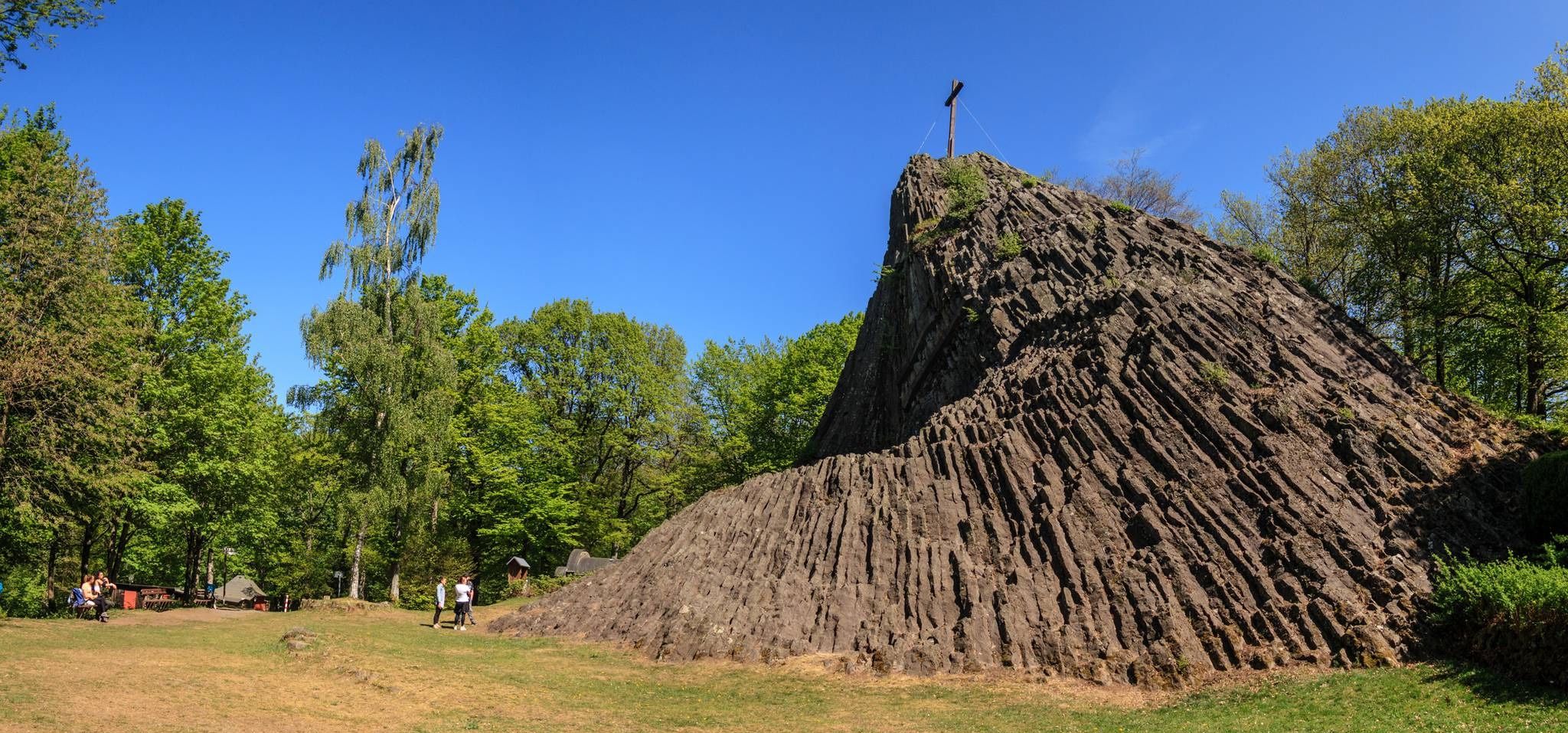
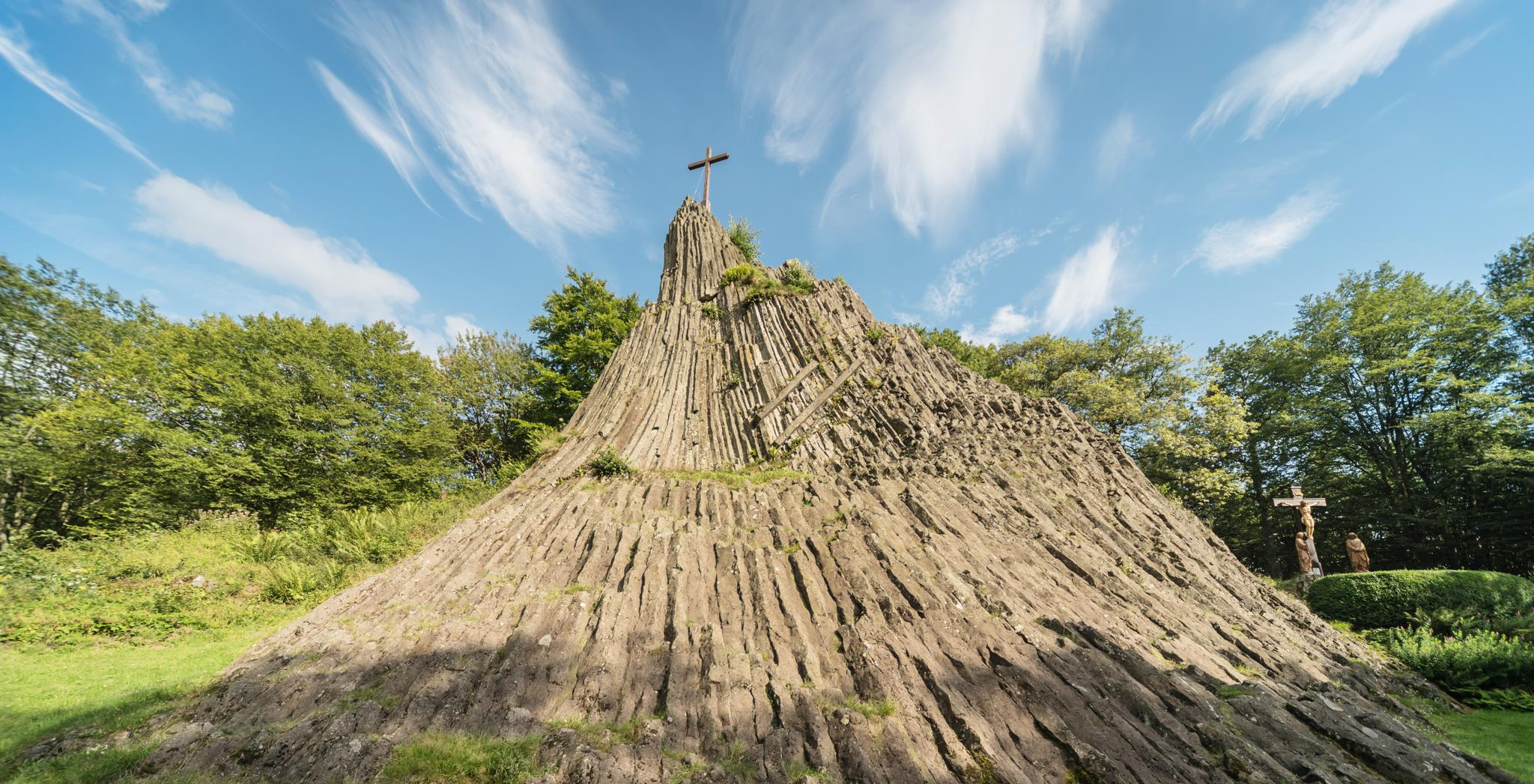
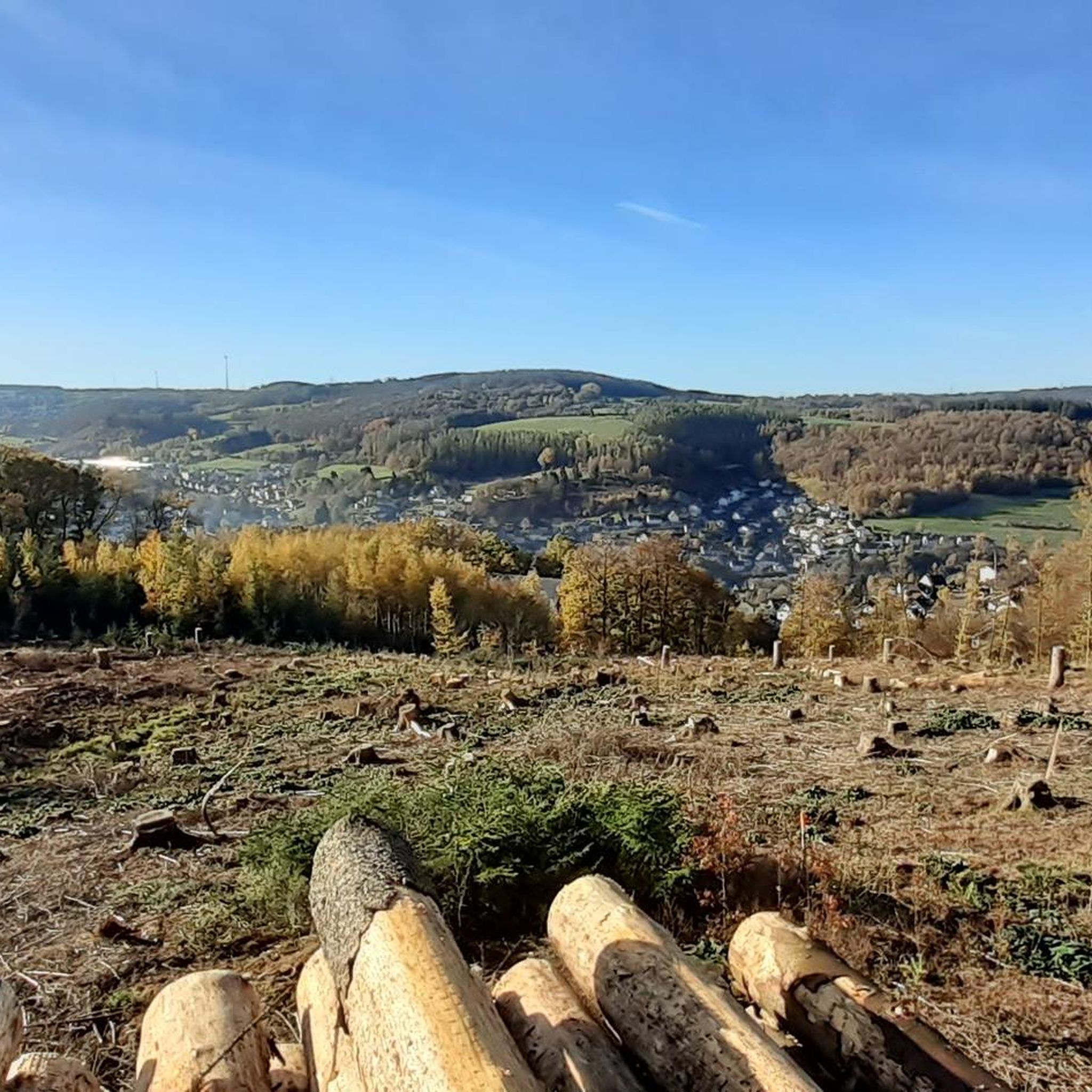


Tips from the Community

When mining began here is no longer precisely known. The first concession document dates from October 5, 1811. The Obersdorf citizen „Ebert Heupel“ was granted the operation with a size (mining field of 84 x 14 meters). First records from 1840 report the cessation of operations on August 10 due to a lack of ore deposits. Before 1840, the mine was among the most productive in the entire district. In 1842, the treasury reported outstanding payments. The mine operators attempted to offer the iron ore stored on the spoil heap to the state as compensation. As the ore was of poor quality, its value was insufficient. A new concession for the mine was granted on March 10, 1852, for iron and copper ores. On December 2, 1858, it was merged with the mines Weisser Mann, unterster Hohlerstein, frischer-, junger- und neuer Ruckel, neues-, mittleres- und altes Glücksrad to form the consolidated mine Cornelie.
0
0

A piece of distinctive mining history on the hunt for iron ore in Siegerland.
3
0

The route there isn't the best, but the rest area at the slate tunnel entrance is really great.
2
0

Quiet and beautiful place!
1
0

The slate tunnel is part of the slate-ore-iron path, the easy-to-drive path leads directly along the Sieg
3
0

A nice place to pause and switch off for a moment...
2
0

Fits to the history of the Westerwald and Siegerland
1
0

The Trödelsteinpfad is very worthwhile overall. Always beautiful sections or highlights like this one.
7
0
Frequently Asked Questions
What kind of "caves" can I expect to find around Daaden?
The "caves" around Daaden are primarily man-made mining tunnels and historical grottoes, rather than natural geological formations. They offer a unique insight into the region's industrial past, particularly its ore and slate mining heritage.
Are there any visitor mines offering guided tours near Daaden?
Yes, the Grube Edelstein Visitor Mine in Luckenbach offers guided tours from Easter Monday to the end of October, typically on the second Sunday of each month. The Wilhelmslust Slate Mine also provides guided tours by arrangement.
What is the historical significance of the mining tunnels in the Daaden area?
The mining tunnels, such as the Peterszeche Mine Tunnel and Shelter and the Bullenkamp Mine Entrance, are significant for their role in the region's industrial past, particularly copper, pyrite, and iron ore mining. The Bullenkamp tunnel also served as an air-raid shelter during World War II, adding to its historical importance.
Are there family-friendly options among the caves near Daaden?
Yes, several sites are considered family-friendly. The Peterszeche Mine Tunnel and Shelter and Mariengrotte Mudersbach are both categorized as family-friendly. Exploring these historical sites can be an educational experience for all ages.
What is the best time of year to visit the caves around Daaden?
For sites like the Grube Edelstein Visitor Mine, guided tours are available from Easter Monday to the end of October. This period generally offers pleasant weather for exploring the surrounding areas and trails. Some sites might have limited access or different operating hours during winter months.
Are there any cultural or religious sites among the caves?
Yes, the Mariengrotte Mudersbach is a notable religious building. It is described as one of the most beautiful Marian grottoes in the region, built into the rock and located along the "Erzquellweg" (Ore Spring Trail).
What outdoor activities can I combine with a visit to the caves?
The Daaden area offers various outdoor activities. You can explore gravel biking routes, enjoy cycling tours, or tackle MTB trails. Many of these routes pass by or are near the historical mining sites, allowing for a combined experience of history and nature.
How long does it typically take to explore these sites?
Exploration time varies by site. For example, the Grube Edelstein Visitor Mine features a tunnel extending about 100 meters into the mountain, and guided tours typically last a specific duration. Other sites like the Bullenkamp Mine Entrance or Mariengrotte Mudersbach might be quicker to visit, depending on how much time you spend reading information or enjoying the surroundings.
Are there cafes or amenities near the cave sites?
Yes, for instance, near the Grube Edelstein Visitor Mine, a village café in the nearby Backes offers coffee, cake, and drinks during guided tour hours (typically from 3 p.m. to 6 p.m.). It's advisable to check local listings for other amenities near specific sites.
What should I wear when visiting the mining tunnels?
When visiting underground sites like the Wilhelmslust Slate Mine, the temperature inside can be around 8 degrees Celsius. It's recommended to wear warm clothing, and protective helmets are often provided and required for safety during tours.
Can I bring my dog to the caves near Daaden?
While the guide does not explicitly state dog-friendly policies for each specific mine or grotto, many outdoor trails in the region are suitable for dogs. It's best to check with individual visitor centers or websites for specific rules regarding pets at the historical sites themselves.
Are permits required to visit the caves in the Daaden area?
For visitor mines like Grube Edelstein and Wilhelmslust Slate Mine, access is typically through guided tours, which may require prior arrangement or adherence to specific visiting hours. General permits for casual exploration of all sites are not usually required, but always respect posted signs and private property.
Most popular attractions around Daaden

Get inspired with the komoot mobile app


Explore more
Extend your search for the best caves by checking out these guides of the top ones around Daaden:
