Top 20 Caves around Breitenbrunn/Erzgebirge
Best caves around Breitenbrunn/Erzgebirge are primarily historical mining tunnels and underground sites, reflecting the region's rich mining heritage rather than natural cave formations. The area's geological composition, largely slate, limits the presence of extensive natural caves. These sites offer insights into centuries of mining history and the geological richness of the Erzgebirge, which holds UNESCO World Heritage status. Visitors can explore various man-made underground passages that are locally referred to as caves.
Best caves around Breitenbrunn/Erzgebirge
- The most popular caves…
Last updated: September 30, 2026
Eispinge (Ice Pit)
Highlight • Gorge
Translated by Google •
Tip by

Cave Entrance on Floßgrabenweg
Highlight • Cave
Great highlight on the floßgrabenweg even if it's too scary for us 🙈
Translated by Google •
Tip by

Sign up now to discover places like this
Get recommendations on the best single tracks, peaks, & plenty of other exciting outdoor places.
Herkules-Frisch-Glück Show Mine
Highlight • Historical Site
Translated by Google •
Tip by

Neu Freiberger Glück Stolln
Highlight • Cave
Translated by Google •
Tip by

Gegenglück Stolln and Hohneujahrer Pochwäsche
Highlight • Historical Site
Translated by Google •
Tip by
Sign up for free to discover even more caves around Breitenbrunn/Erzgebirge.
Already have an account?
Start today with a free account
Your next adventure awaits.
Popular around Breitenbrunn/Erzgebirge
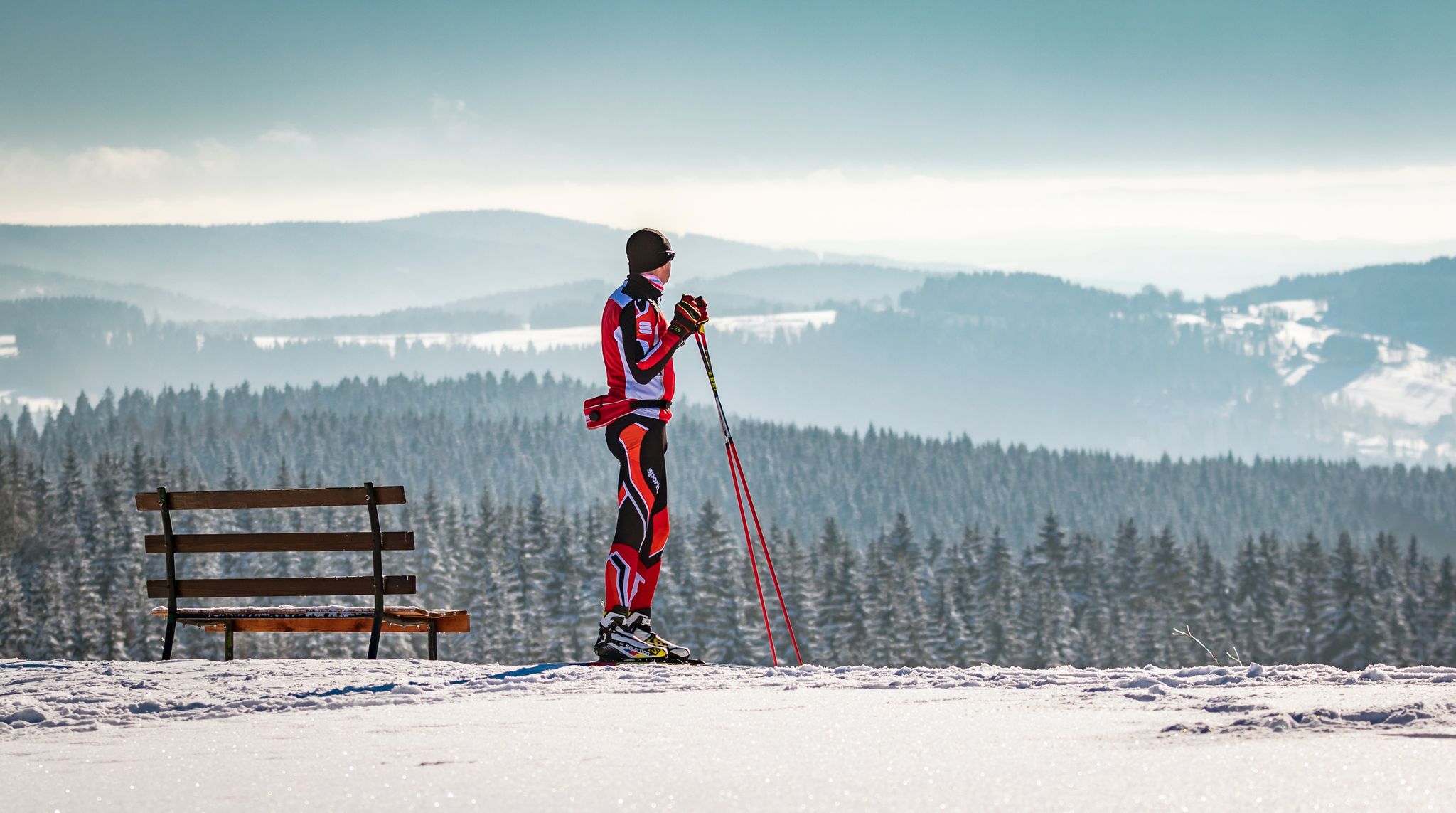
Let it flow! Cross-country skiing in the Ore Mountains
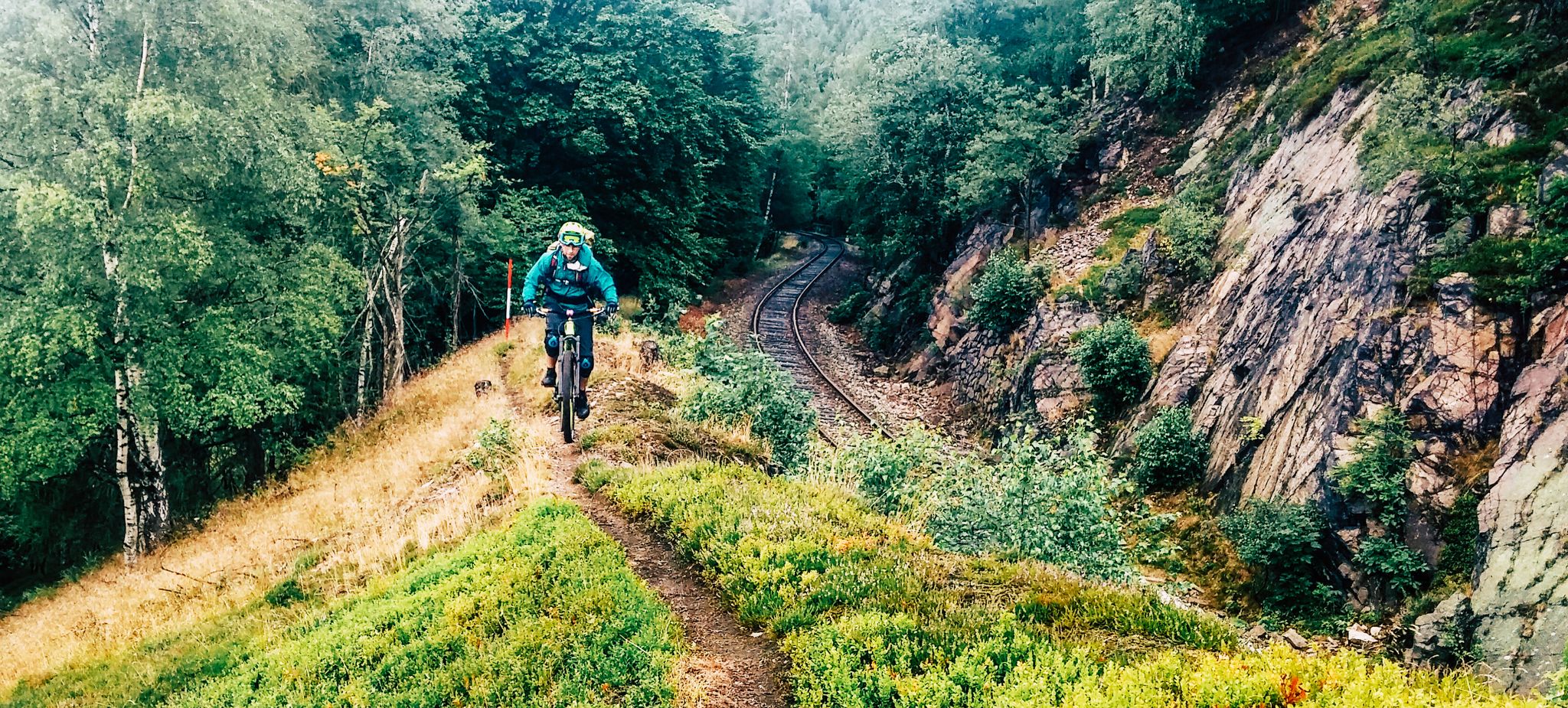
Kammweg Erzgebirge – Border adventure along the Ridgeway
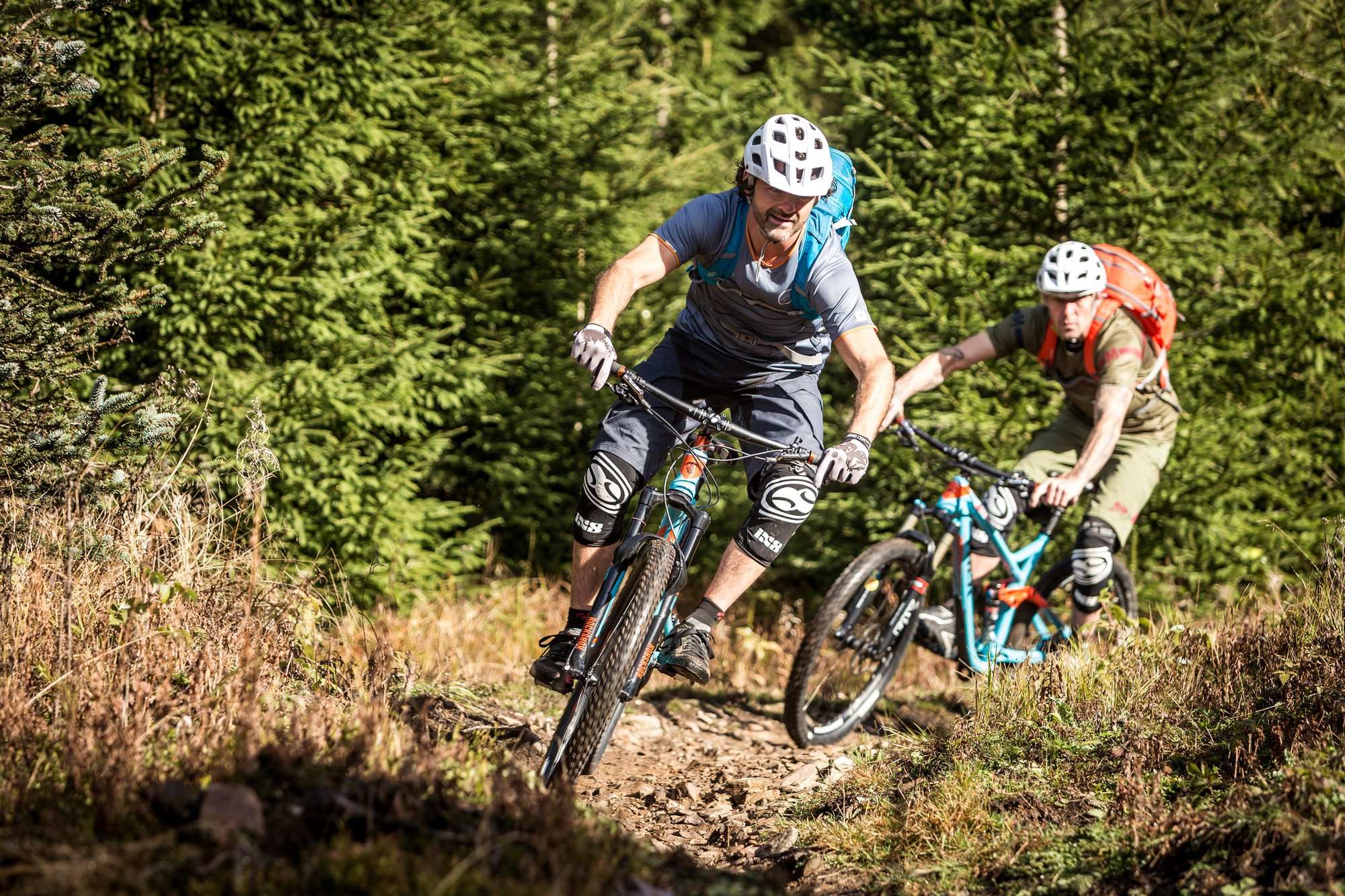
The Stoneman Trail in the Ore Mountains
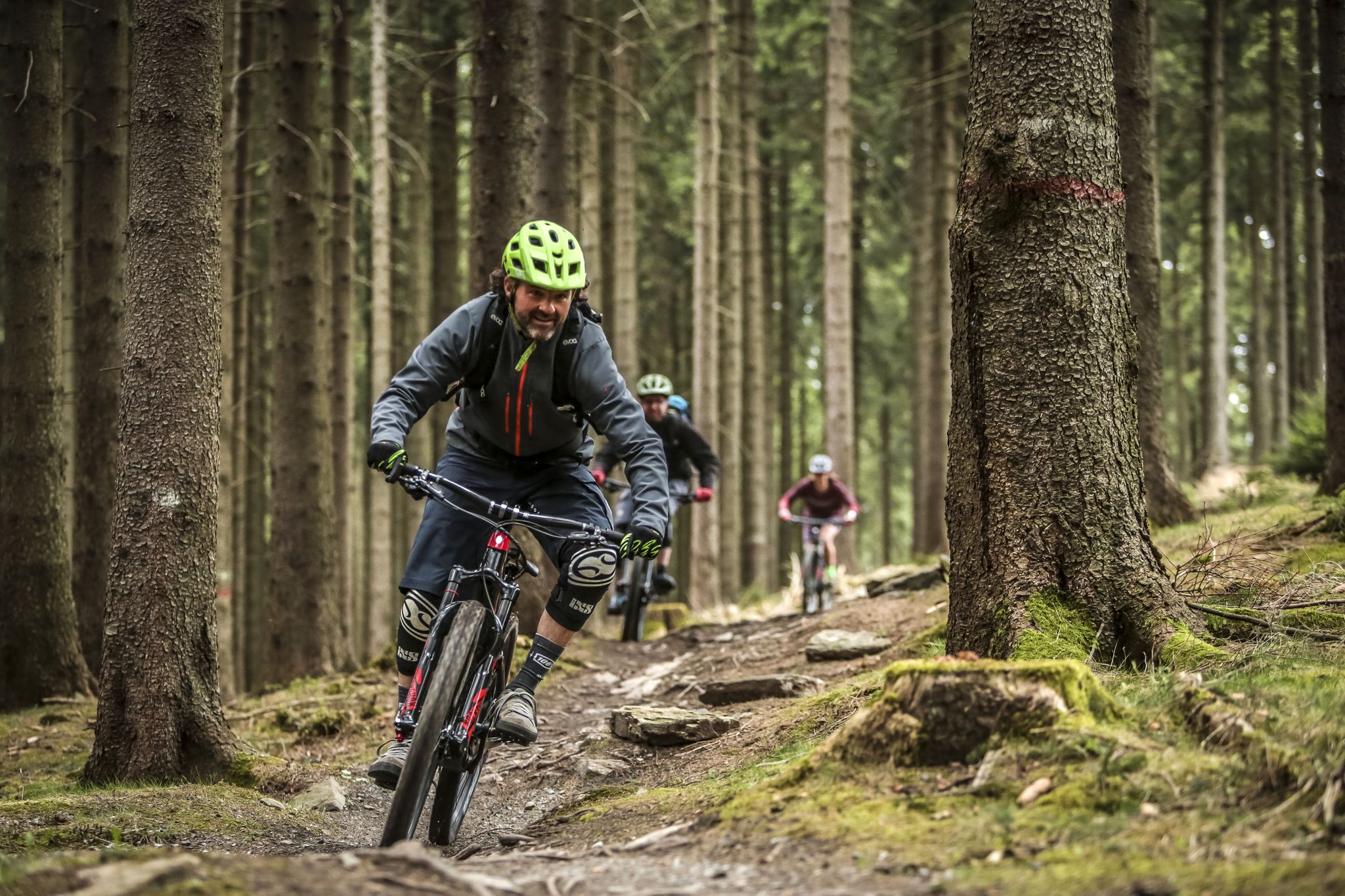
MTB adventures in Saxony
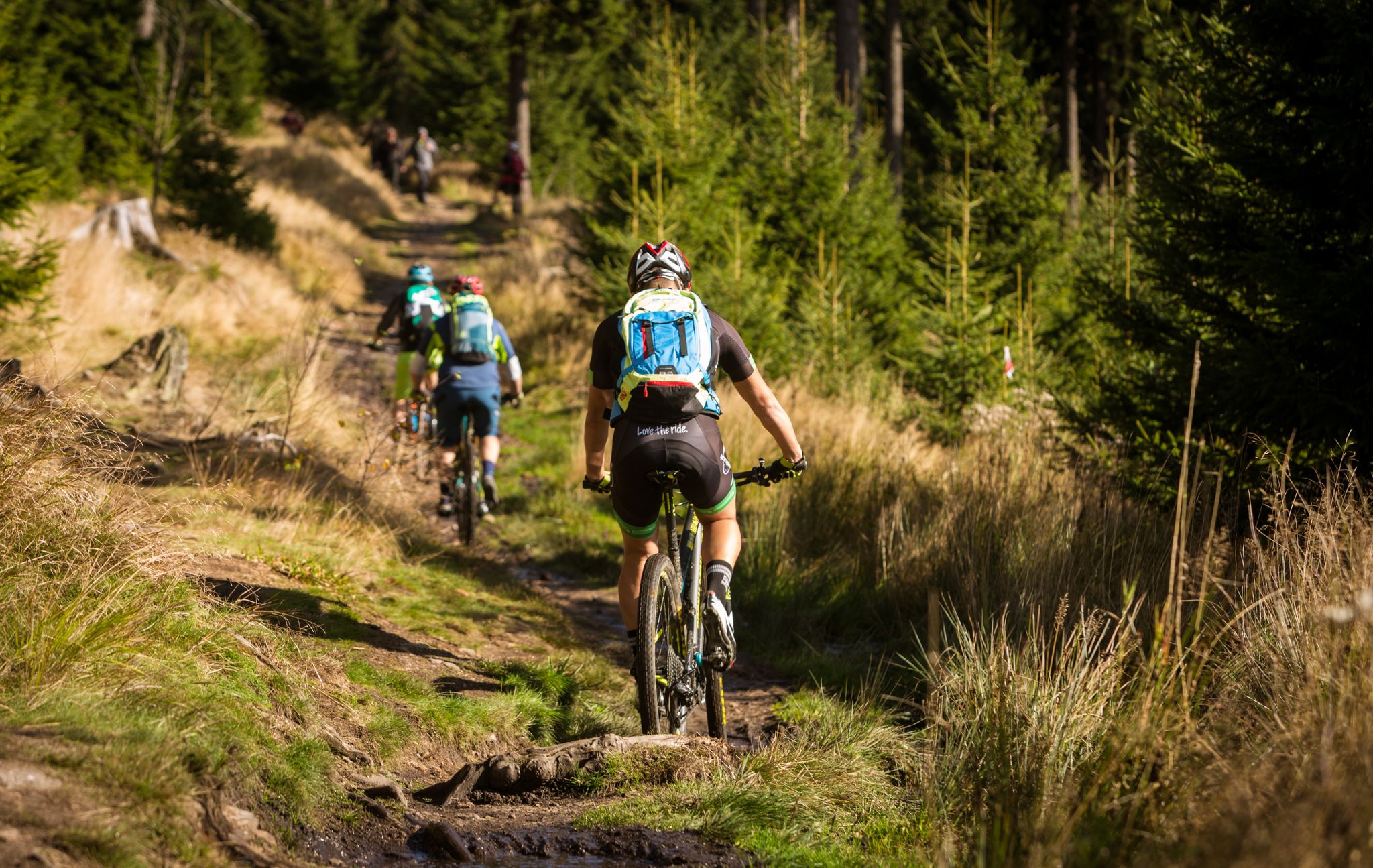
Stoneman Miriquidi MTB Gesamtstrecke (2 Tage -Silber)
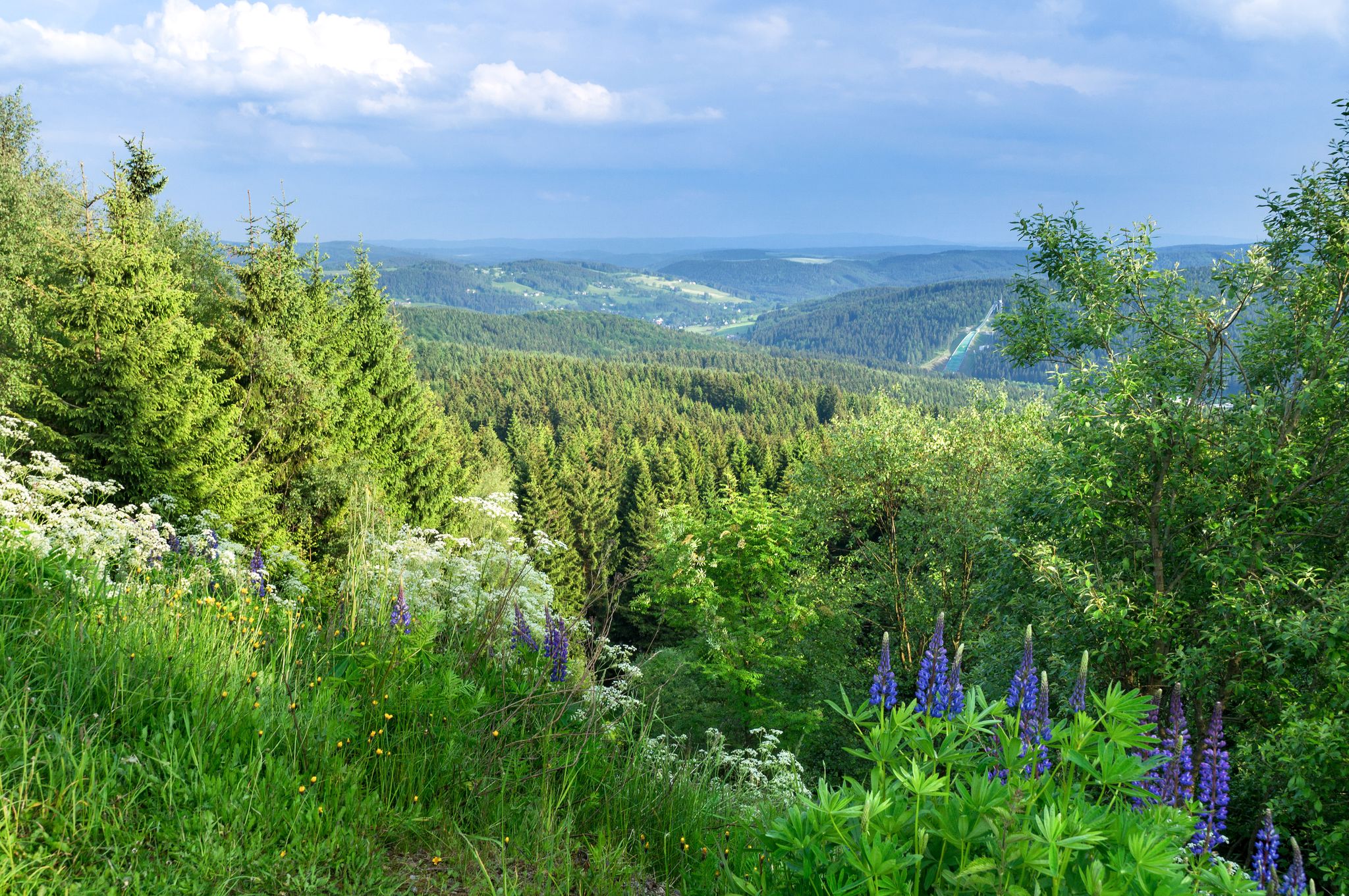
History meets nature – Erzgebirge-Vogtland Ridge Trail
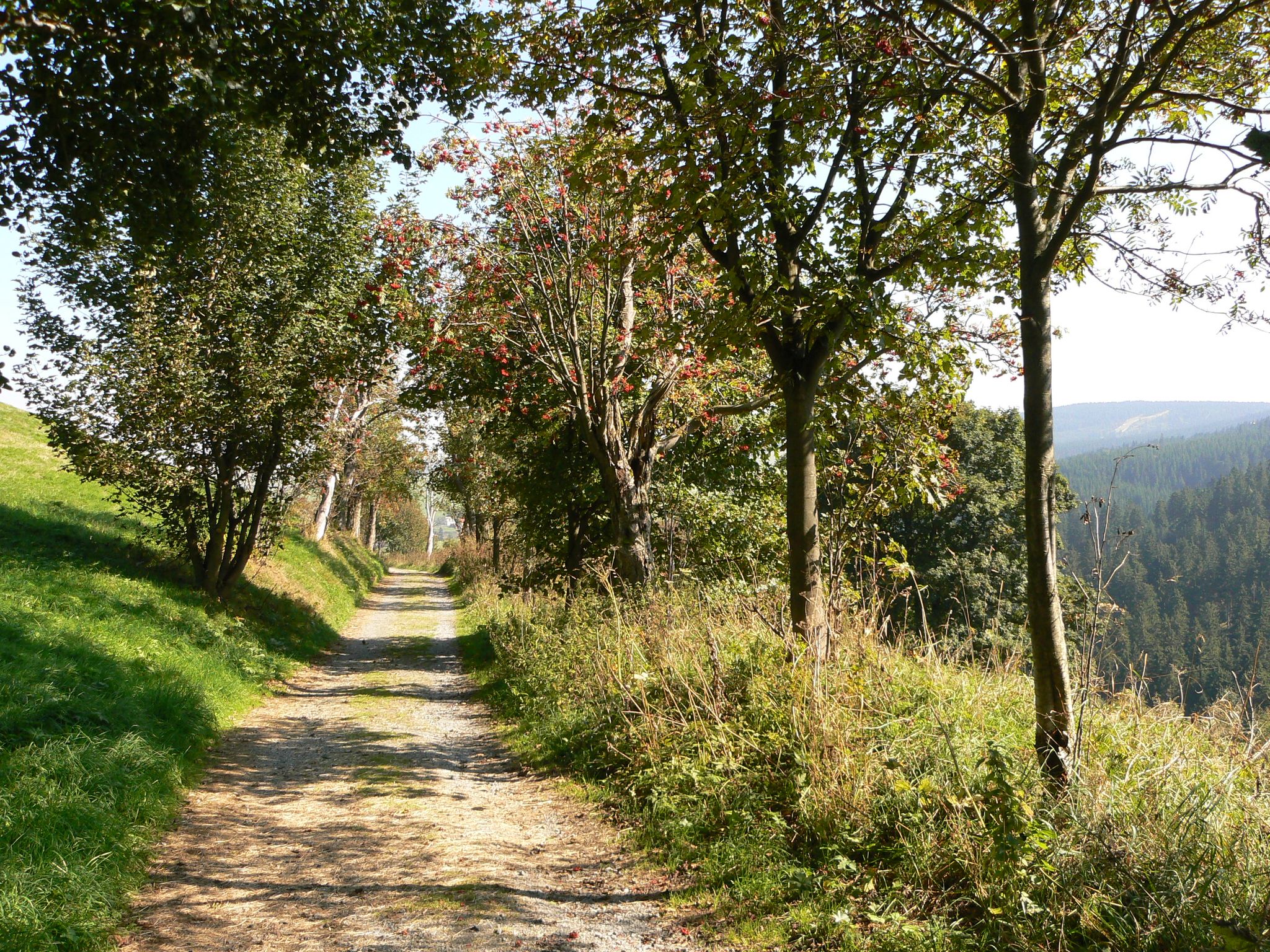
The Anton-Günther-Trail — a long weekend in the Ore Mountains
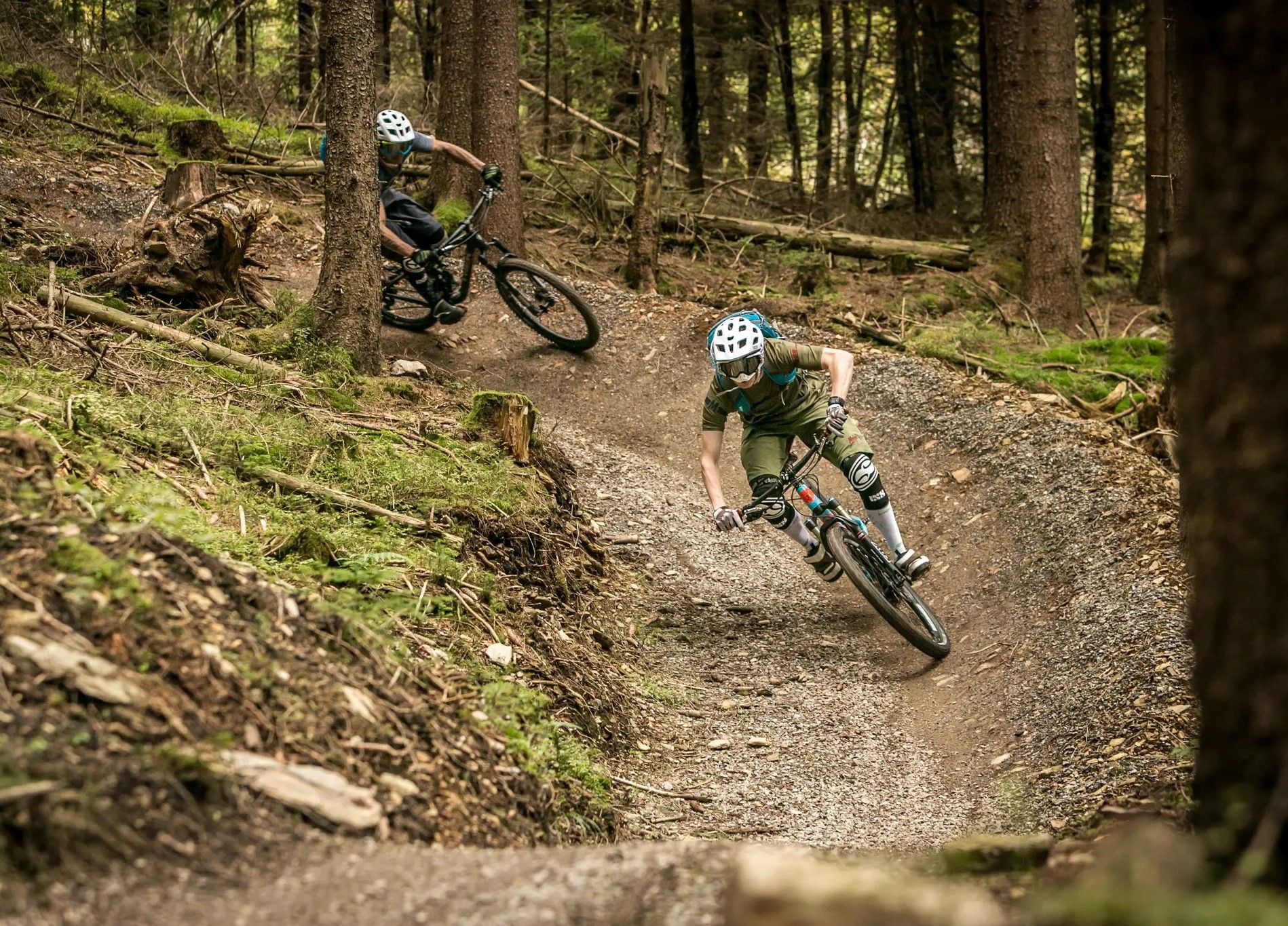
Bike parks in the heart of Germany
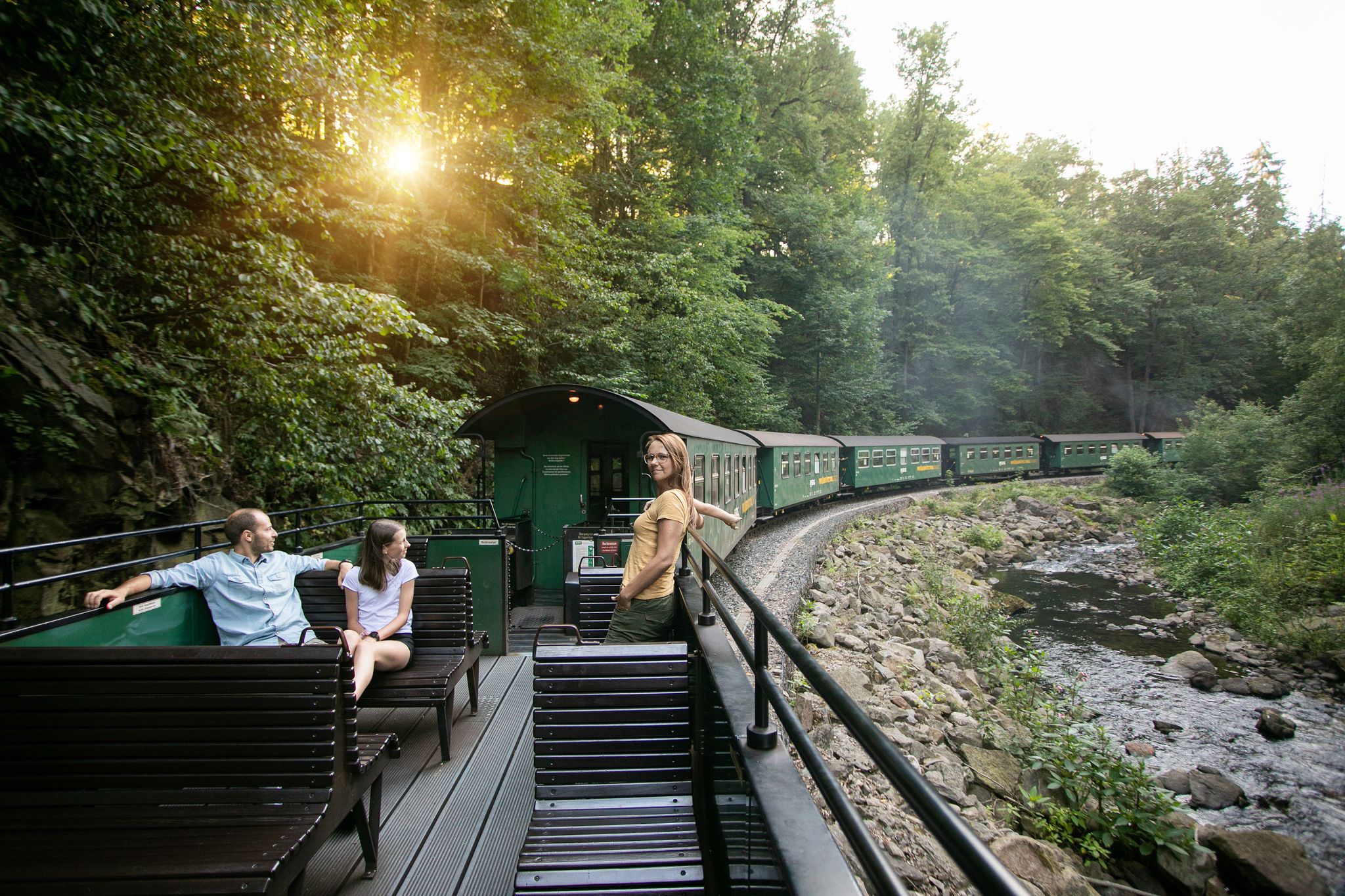
Wandertouren - Eisenbahn & Wanderstock
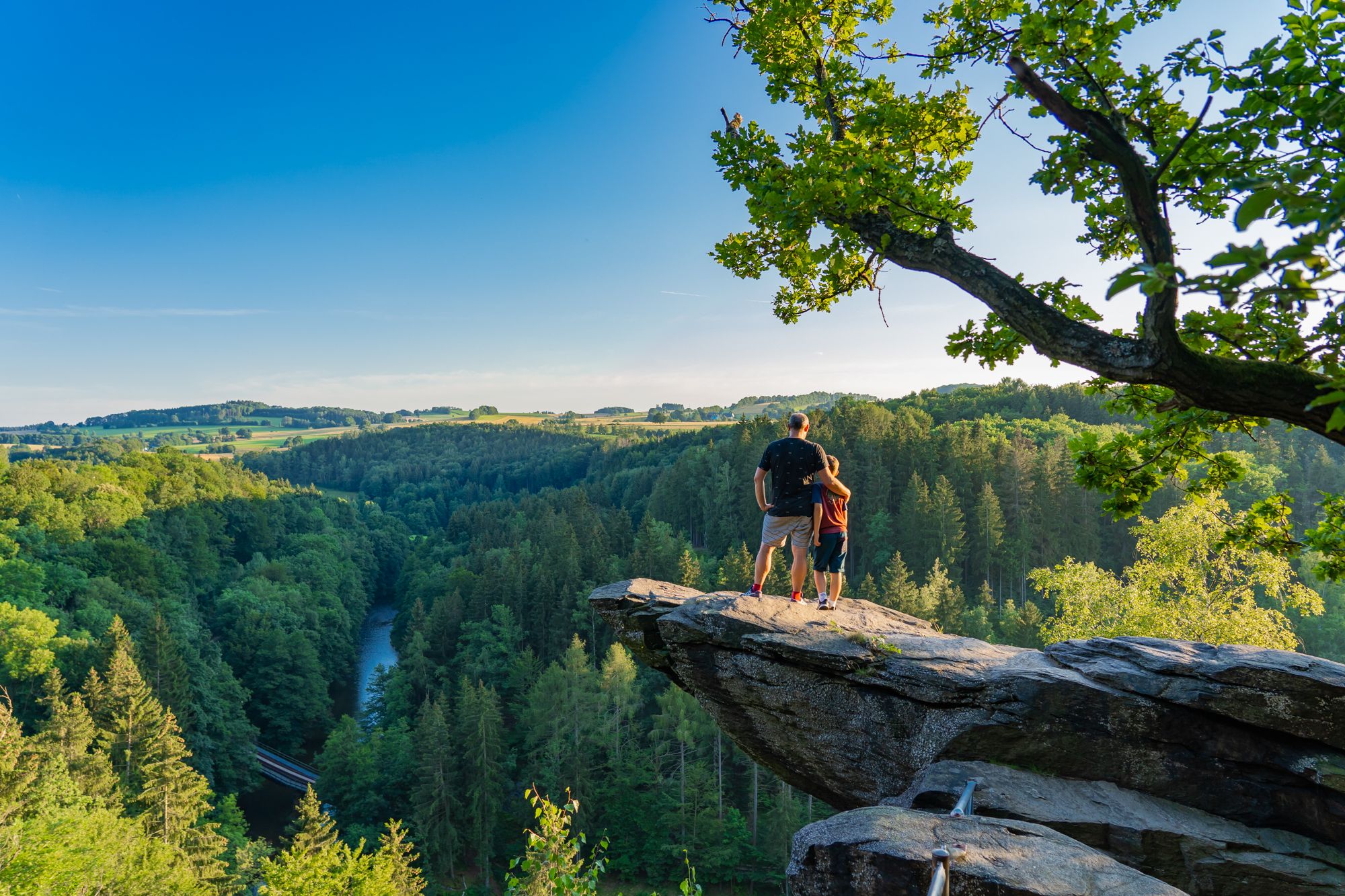
Wandertouren - Gipfelglück
Other adventures around Breitenbrunn/Erzgebirge


Tips from the Community

The Neu Freiberger Glück Stolln is a mining facility in Johanngeorgenstadt in the Erzgebirgskreis district in Saxony. Further older spellings include Neu Freybergerglück Stolln, Neu Freybergisch Glück Stolln, and Neu Freybergischglücker Stolln. The adit of the Stolln is located in Lehmergrund. As early as 1698, Georg Zocher, a citizen of Freiberg, registered a mine called Freibergisches Glück for silver. However, operations soon came to a standstill. Since there is no location information for this mine, it is unclear whether the current Stolln is identical to the old mine. From 1714 onwards, the Neu Freiberger Glück Stolln was driven in several stages into the Vordere Fastenberg; between 1726 and 1766 as a subordinate mine of the Henneberger Tiefen Erbstolln and between 1768 and 1772 once again as an independent mine. In 1799, it was purchased by the Electorate of Saxony. (Wikipedia)
0
0
A great highlight not only for the adults, it certainly stimulated the sense of adventure and imagination of our kids;)
0
0

very nice corner. Always worth a visit
0
0

Mama must be a good walker, there are 250 stairs to the mine :-)
0
0


Herkules-Frisch-Glück show mine With the traditional miner's greeting Glück Auf, we welcome you to the oldest mine in Saxony. After climbing 250 steps, you will be greeted by a unique atmosphere at a depth of 80 meters. In the middle of two marble halls and underground lakes, an educational and entertaining tour provides impressive insights into the mining activities of earlier days. If you want, you can try your hand at marble mining in the Herkules-Frisch-Glück show mine. But the show mine with the historic mountain forge also offers an atmospheric backdrop for romantic weddings, mountain concerts and Metten shifts. Source: https://www.erzgebirge-tourismus.de/bergbau-erleben/unter-tage/poi/schaubergwerk-herkules-frisch-glueck/poi.html
0
0

Nice little cave with interesting grain inside (iron) and a bridge over the Floßgrabenweg. Flashlight 🔦 recommended
2
0

The Eispinge was created by the mining of the Georg ore vein. There is often ice in the Pinge until late summer.
17
1
Frequently Asked Questions
What kind of "caves" can I expect to find in the Breitenbrunn/Erzgebirge region?
Due to the region's geology, the "caves" around Breitenbrunn/Erzgebirge are primarily historical mining tunnels and underground sites, rather than natural cave formations. These sites offer a deep dive into the area's rich mining heritage and geological history.
Which historical mining sites are particularly worth visiting in the area?
The St. Christoph Mine in Breitenbrunn is a significant historical site offering guided tours into its 16th-century passages. Another notable site is the Herkules-Frisch-Glück Show Mine, which provides an immersive experience into the miner's world.
Are there any unique natural phenomena among the caves in Breitenbrunn/Erzgebirge?
Yes, the Eispinge (Ice Pit) is a notable gorge created by mining. It is unique for often retaining ice until late summer, even when outside temperatures are warm.
Are there family-friendly options for exploring the underground sites?
Many of the show mines and visitor sites, such as the Herkules-Frisch-Glück Show Mine, are suitable for families. They often provide safety equipment like helmets and offer guided tours that are accessible for various ages.
What is the best time of year to visit the caves and mining sites?
The historical mining sites and show mines are generally accessible year-round, with some offering specific operating hours that might vary seasonally. For sites like the Eispinge (Ice Pit), visiting in late spring or early summer allows you to witness the unique phenomenon of ice still present.
What should I bring when visiting these underground locations?
It's advisable to wear sturdy shoes, and some visitors recommend waterproof shoes for certain areas like the Cave Entrance on Floßgrabenweg. For show mines, protective helmets are typically provided. Bringing a light source can also be helpful for exploring less illuminated sections.
Can I explore any of these sites as part of a hiking trail?
Yes, the Cave Entrance on Floßgrabenweg is a highlight directly along the Floßgrabenweg hiking trail, offering a glimpse into an old mine entrance during your walk.
What other historical mining sites are in the broader Erzgebirge region?
Beyond Breitenbrunn, the broader Erzgebirgskreis region features sites like the Stülpner Cave near Ehrenfriedersdorf, associated with a local folk hero, and the Heilige Dreifaltigkeit Visitor Mine in Zschopau, which showcases medieval silver mining practices.
What outdoor activities can I do near the caves around Breitenbrunn/Erzgebirge?
The region offers various outdoor activities. You can find excellent mountain biking trails, such as those in the MTB Trails around Breitenbrunn/Erzgebirge guide, or explore scenic routes for Road Cycling and Gravel Biking.
What do visitors enjoy most about the caves and mining sites in this region?
Visitors appreciate the immersive experience into the centuries-old mining history and the geological richness of the Erzgebirge. The well-preserved sites and guided tours offer a unique insight into the challenging work of miners, contributing to the region's UNESCO World Heritage status.
Is there a specific mineral named after a mine in this region?
Yes, a unique mineral called christophite, a black, ferrous zinc blende, was named in 1863 after the St. Christoph Mine in Breitenbrunn.
Most popular routes around Breitenbrunn/Erzgebirge
Most popular attractions around Breitenbrunn/Erzgebirge

Get inspired with the komoot mobile app


Explore more
Extend your search for the best caves by checking out these guides of the top ones around Breitenbrunn/Erzgebirge:
