Top 20 Lakes around Leisnig
Best lakes around Leisnig are situated in the Mittelsachsen district, offering access to the Leipzig New Lakeland region. This area features numerous lakes, many of which are former lignite mines transformed into recreational areas. These bodies of water provide diverse opportunities for outdoor activities and nature observation. The region's landscape is characterized by these man-made and natural lakes, contributing to its appeal for visitors.
Best lakes around Leisnig
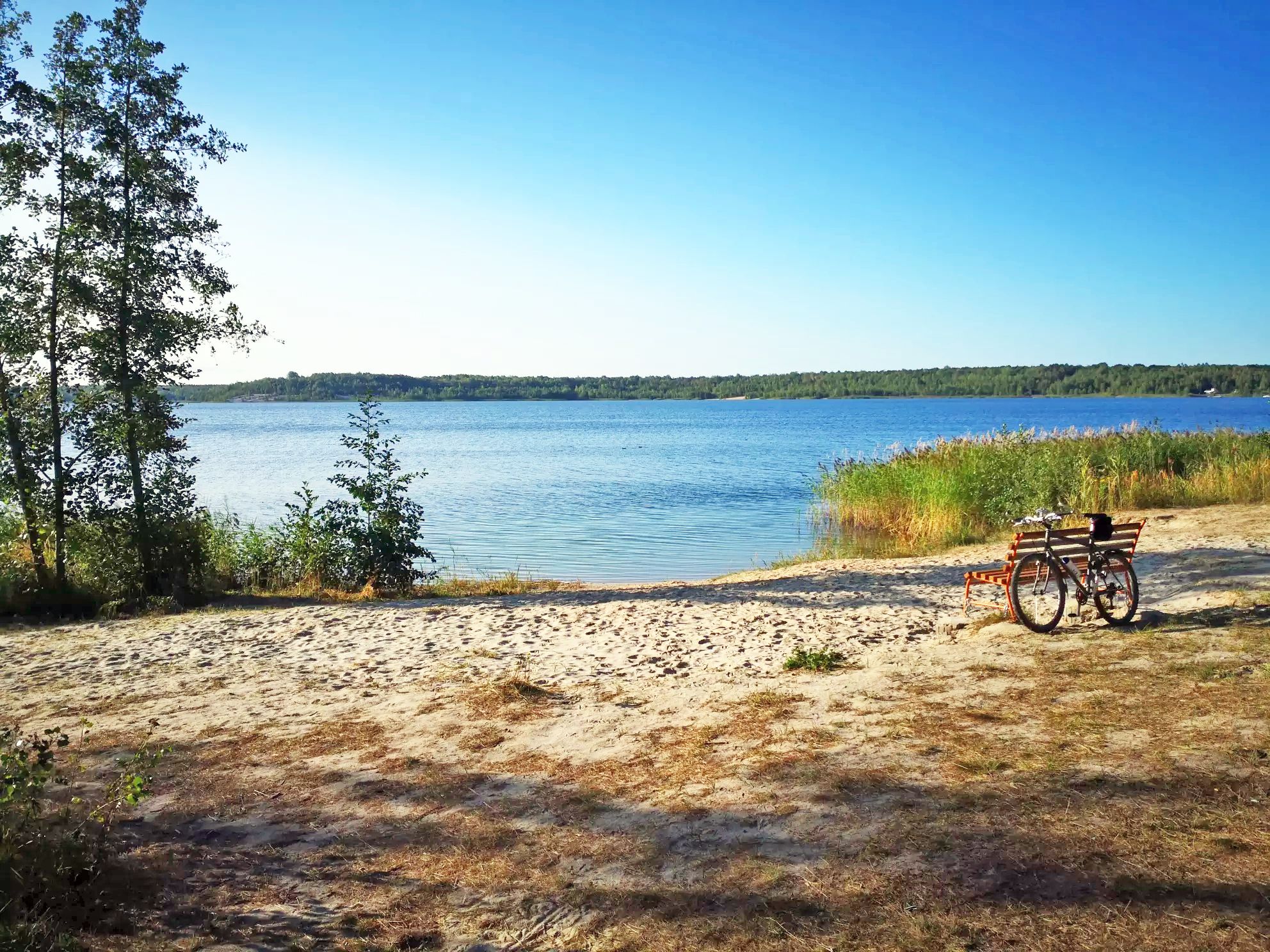
- The most popular lakes is Carl Pond (Silver Lake), a lake…
Last updated: July 23, 2026
Carl Pond (Silver Lake)
Highlight • Lake
Translated by Google •
Tip by

Horst Lake
Highlight • Lake
The lake can be reached from the surrounding towns of Wermsdorf (about 2 km from the lake), Nerchau (8 km away) and Kühren-Burkartshain (about 8 km away).
Translated by Google •
Tip by

Sign up now to discover places like this
Get recommendations on the best single tracks, peaks, & plenty of other exciting outdoor places.
Sign up for free
Döllnitzsee Dam
Highlight • Monument
You can see a lot of birds here.
Translated by Google •
Tip by

Soll Pond
Highlight • Lake
A Soll (neuter: Das Soll, erroneously written Söll because of the plural form Söll, from the Low German Sol) is a in Upper Pleistocene landscapes - especially …
Translated by Google •
Tip by

Silbersee (former Karl Marx open-pit mine)
Highlight • Lake
Showing Translation
Tip by

Sign up for free to discover even more lakes around Leisnig.
Sign up for free
Already have an account?
Start today with a free account
Your next adventure awaits.
Login or Signup
Popular around Leisnig
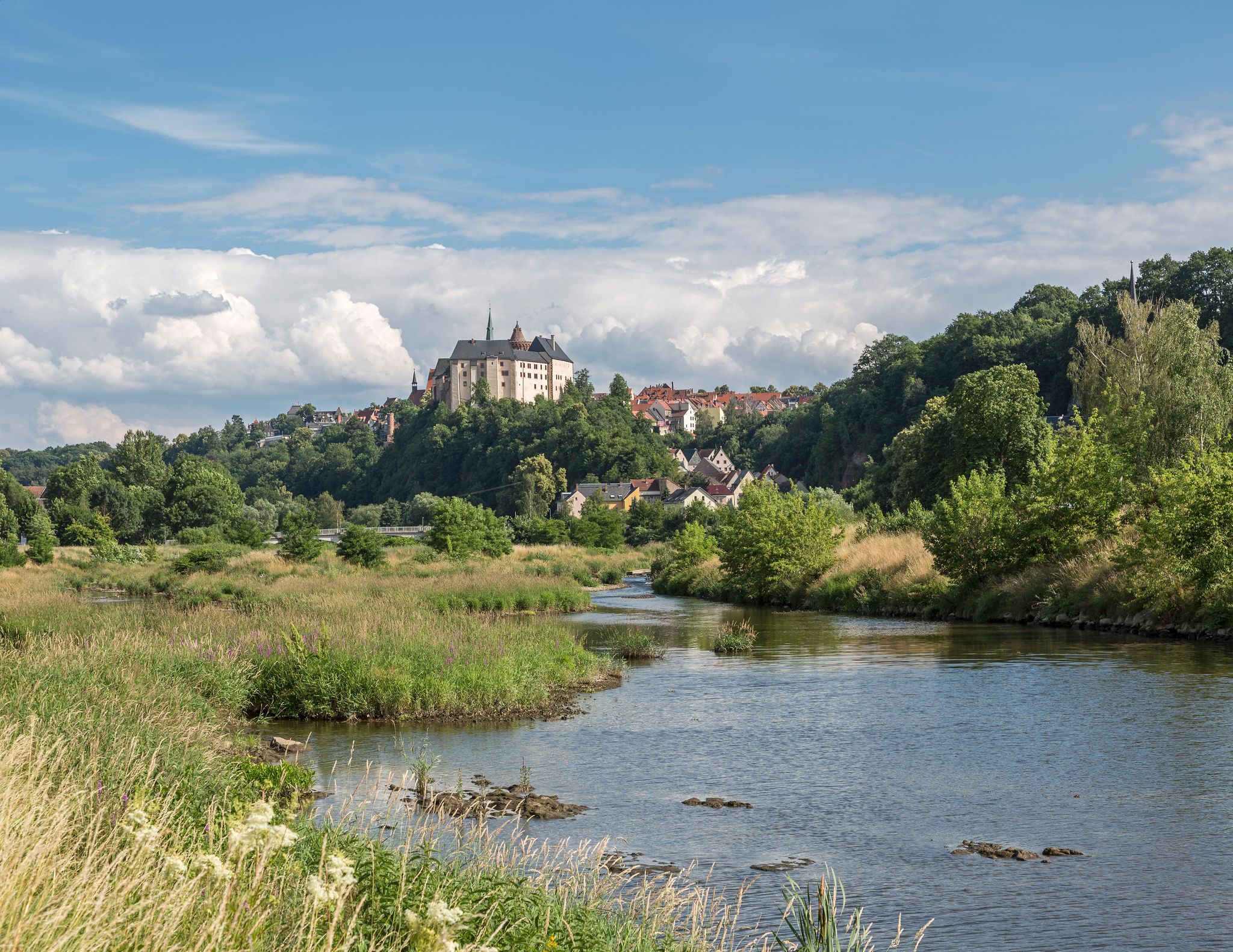
Lakes, castles and nature – discover the Leipzig region by bike
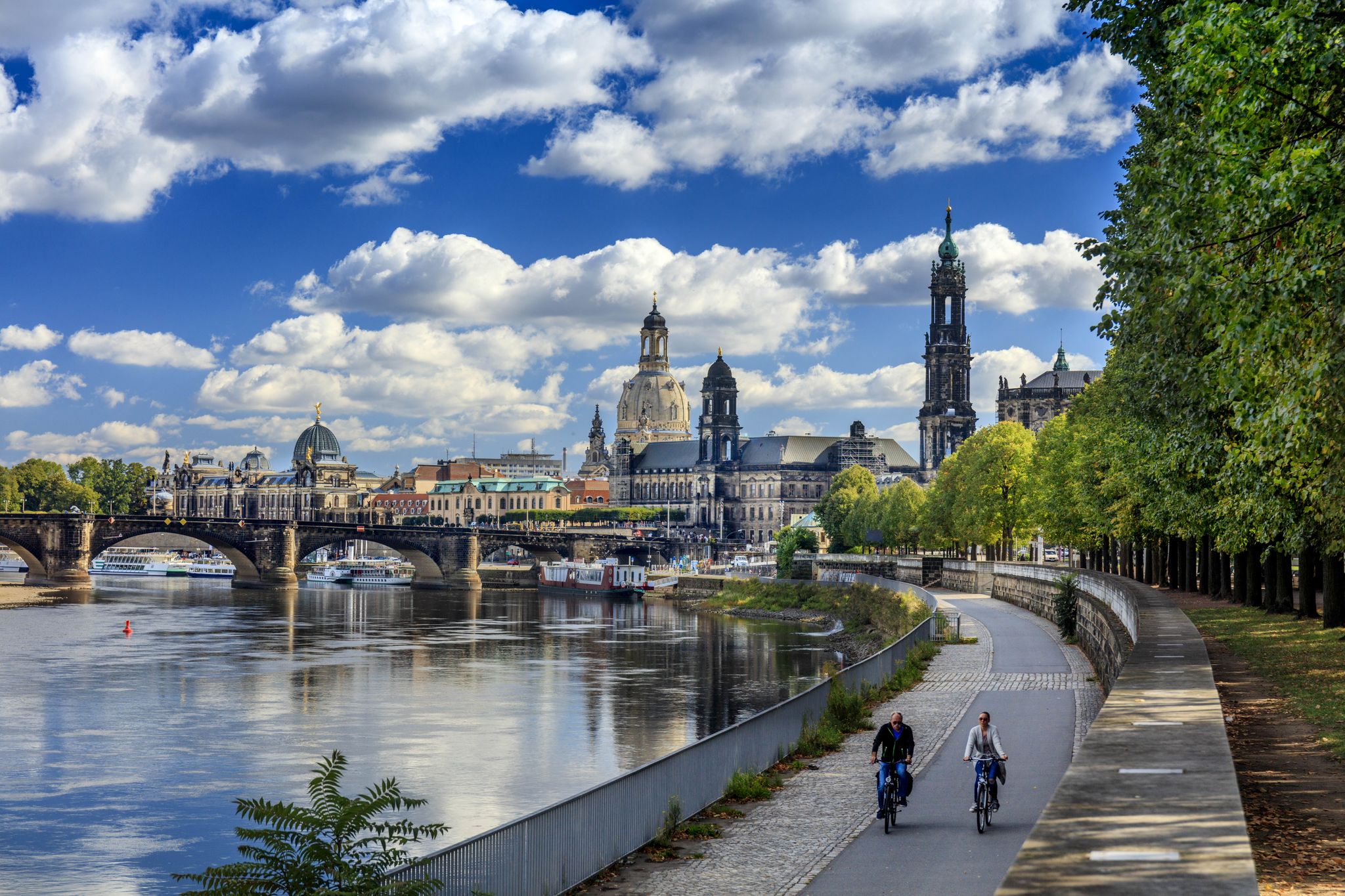
Cycling in Saxony – joy on two wheels
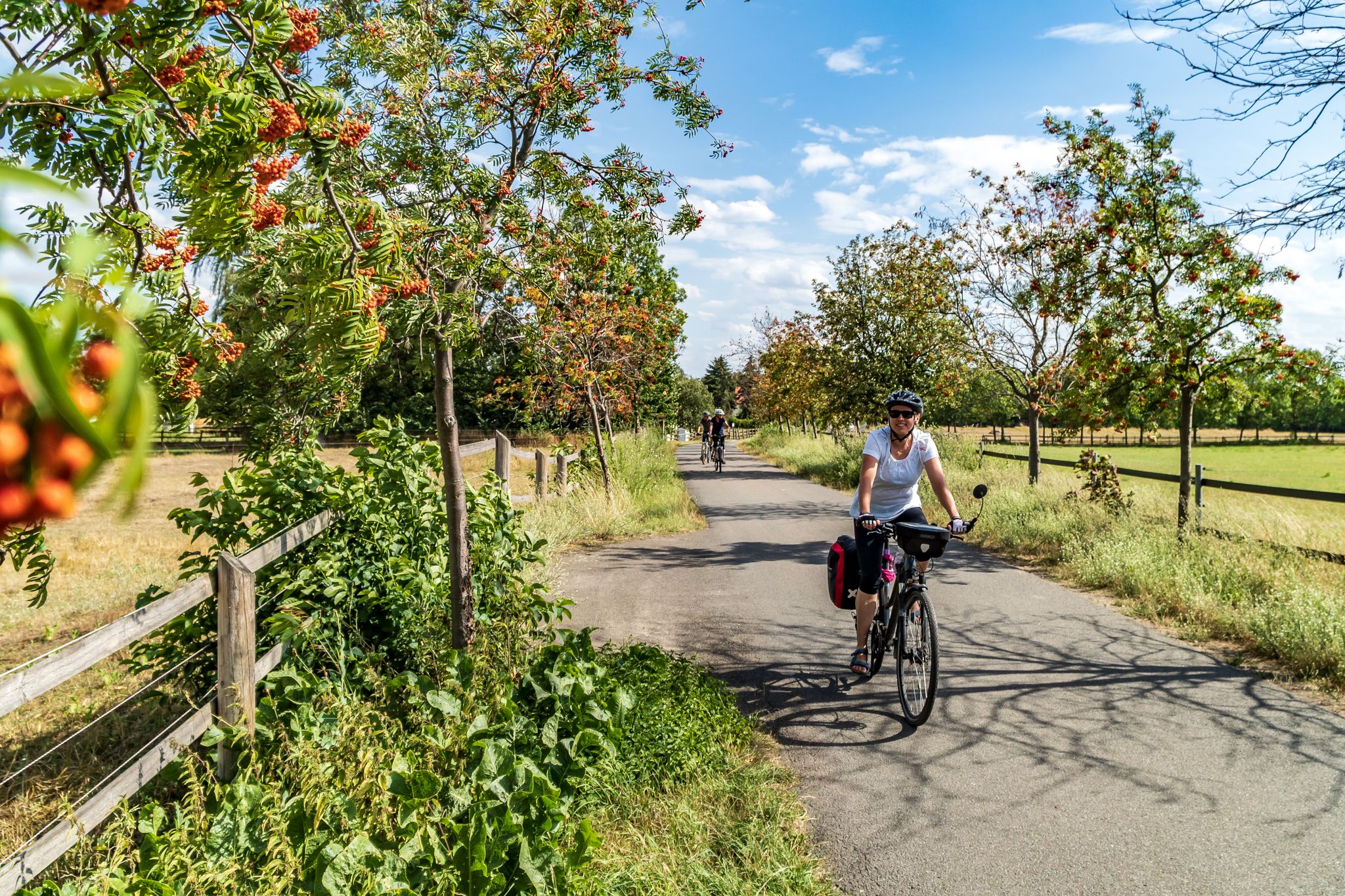
Cycling into the countryside – urban escapism around Leipzig
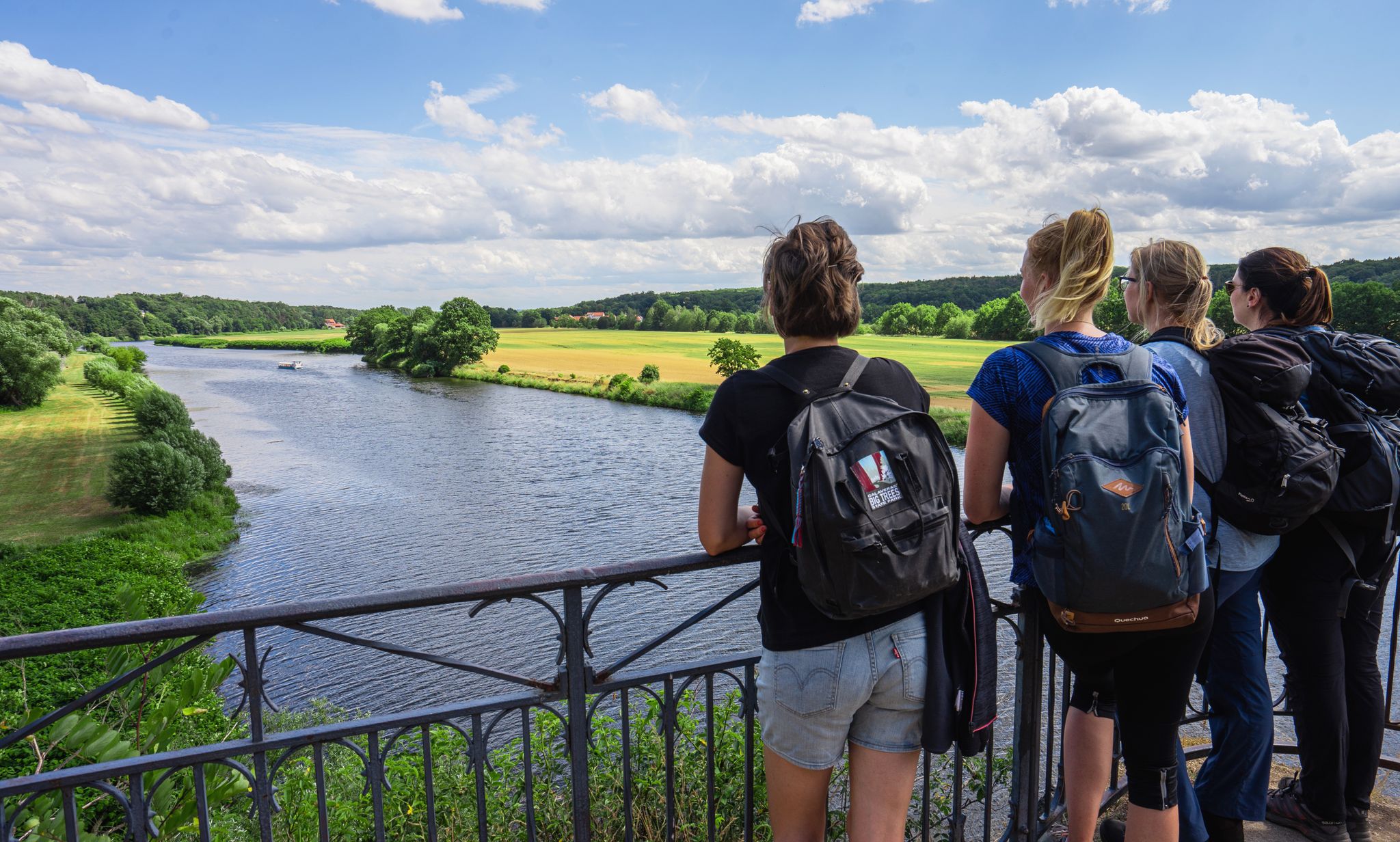
Hiking between big city and nature – urban escapism Leipzig
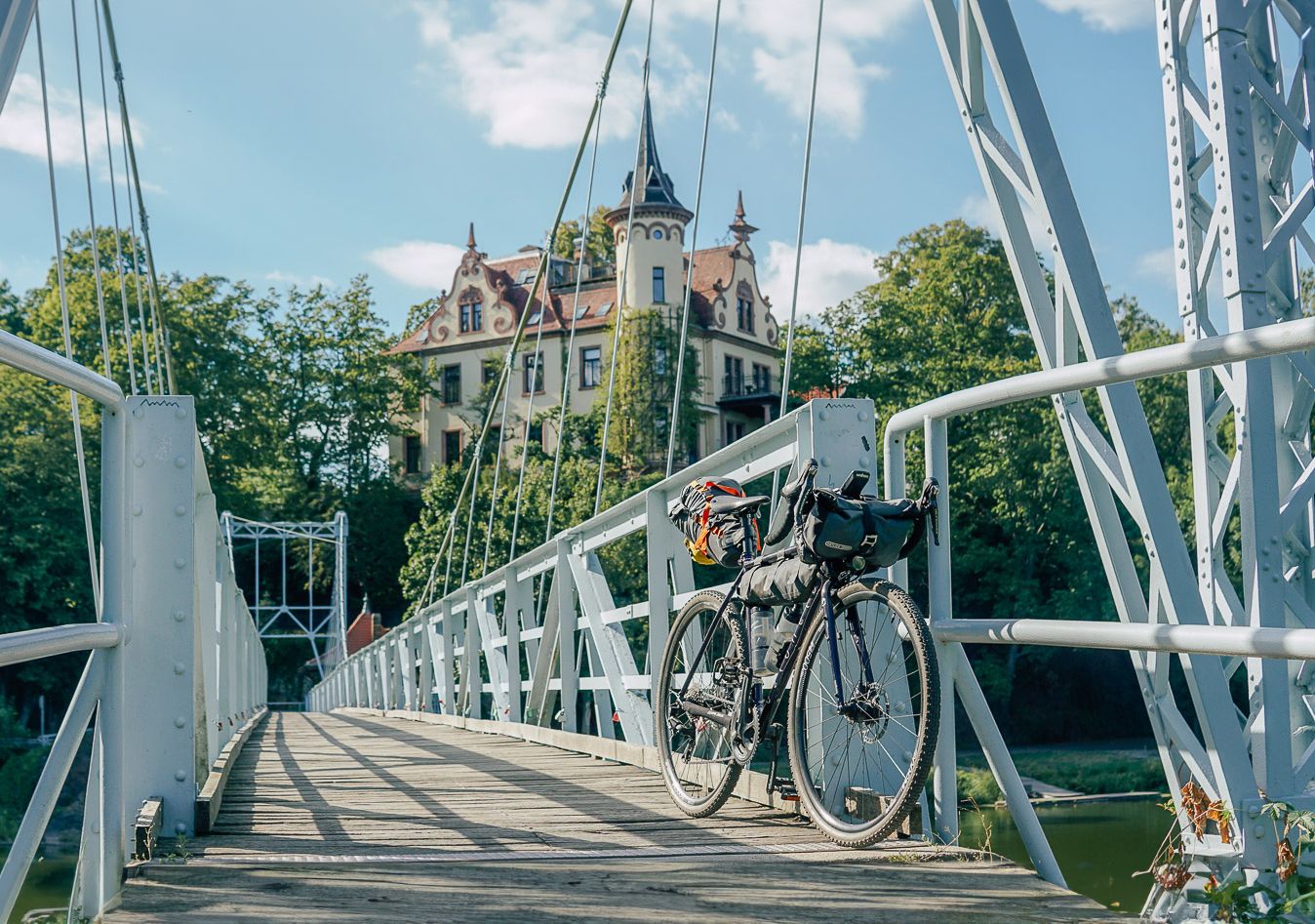
Get on your bike – discover new things in the Leipzig region
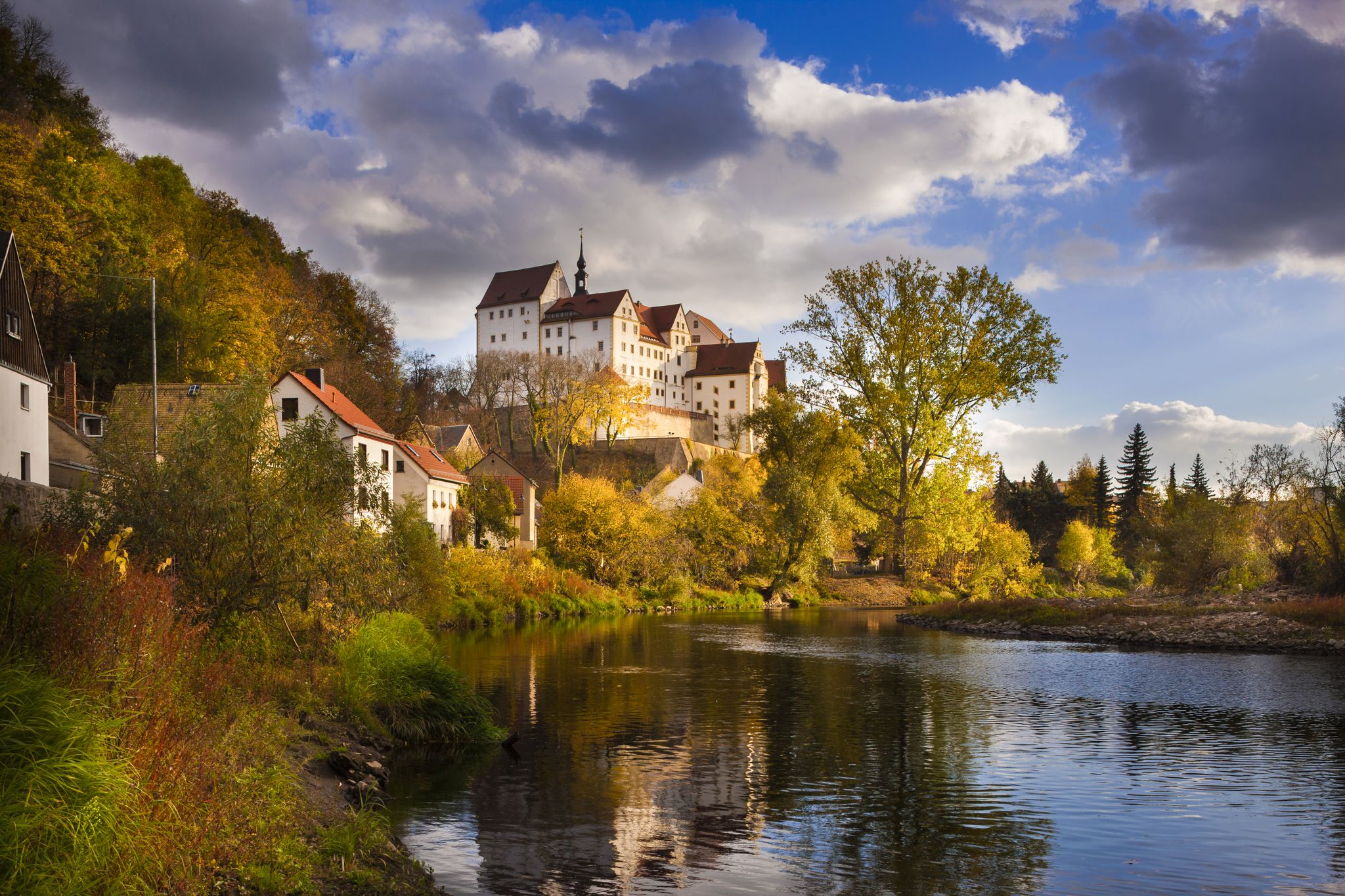
Experience art, culture and handicrafts – Germany’s Mulde Cycle Path
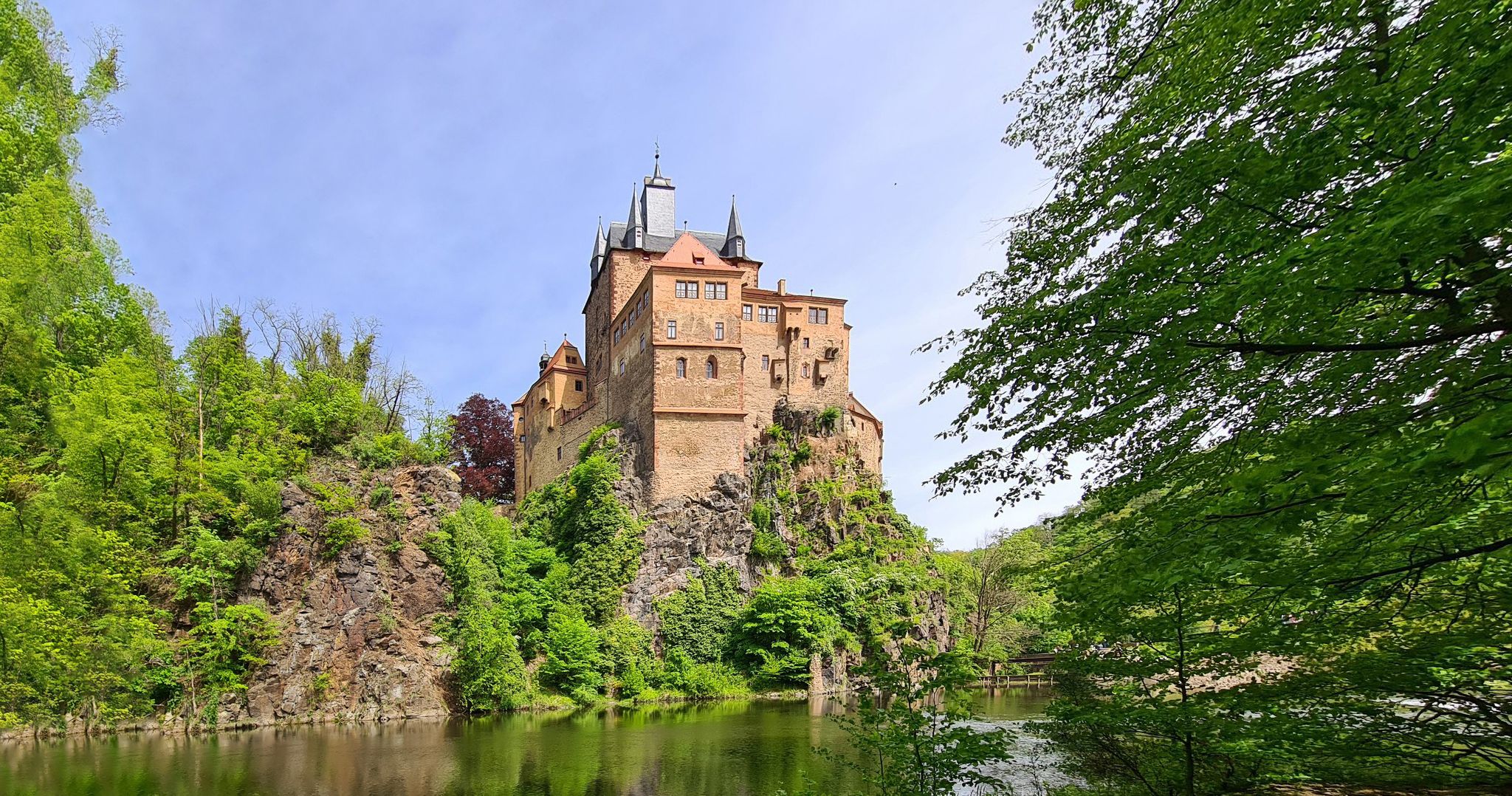
Castle hopping around Leipzig — hiking highlights along the way
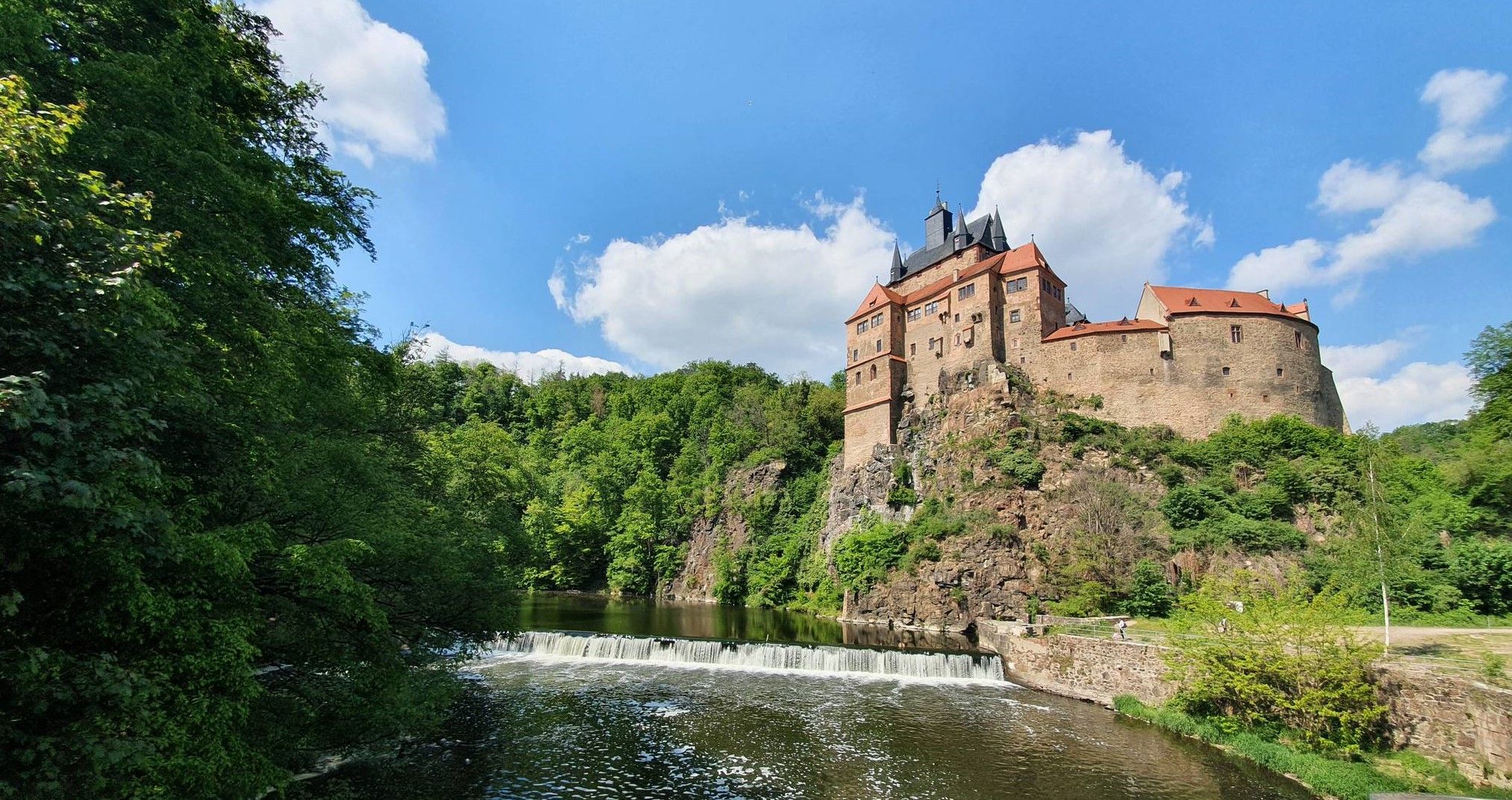
Don't forget your crampons – a high-altitude hike around flat Leipzig
Ancient forests & pretty lakes – Cycling adventures around Leipzig
Hiking around Leisnig
Other adventures around Leisnig


Tips from the Community


Together with the Döllnitzsee and Göttwitzsee dams, it is part of the large Wermsdorf ponds. The Horstsee is the oldest of these facilities. The name of the dam comes from a striking island in the middle of the pond, which was previously called "Horst". Even today, the Horstsee is mainly used for fishing. It was created as a fish pond in 1500 and has been state-owned since 1580. The dam has two earthen dams. The Saubach, a second order water body, is dammed. The dam's storage volume is around 1.4 million cubic meters. Source:https://www.wasserwirtschaft.sachsen.de/TS_Horstsee.html
0
0

In summer it's a bit overgrown with blackberries and nettles. But it's still a nice place. The downhill part is very steep but it's really fun to ride. The uphill part is fun too.
2
0

the narrow-gauge railway used to run here before the lake was dammed
6
0
The Horstsee is a lake near Mutzschen (Saxony). The lake can be reached from the surrounding towns of Wermsdorf (about 2 km from the lake), Nerchau (8 km away) and Kühren-Burkartshain (about 8 km away). The Horstsee is located in the catchment area of Wermsdorf, which is around 2 kilometers from the lake. We currently have no information on tourist offers or access to this lake. You are welcome to send us further information about the See-Melder! Source: https://www.seen.de/horstsee/
13
0


Please be careful! A Soll (neuter: Das Soll, erroneously written Söll because of the plural form Söll, from the Low German Sol) is a in Upper Pleistocene landscapes - especially in the north-eastern German lowlands (Mecklenburg-Western Pomerania, Brandenburg, Ostholstein, Prussia), but probably also in the foothills of the Alps – Occurring, mostly round small bodies of water.[1] Söll are located within mostly funnel-like terrain hollow forms. They are typical of ground moraines but can also occur in other landscapes of the Glacial Series. They are among the standing waters and usually have no surface inflow and outflow. Intermittent drying out, especially in the summer months, is typical for many pools. Since the late Pleistocene landscapes, for example in north-eastern Germany, are intensively farmed due to their fertile soil, pools are often highly endangered in their continued existence as a biotope and geotope. Field use usually takes place without a buffering protective strip right up to the edge of the hollow mould. The plentiful supply of nutrients from intensive agriculture changes the composition of the plant world within the target. Nutrient-loving, high-biomass species of reeds and tall forbs (bulrushes, nettles, etc.) are spreading at the expense of less competitive plants. Signs of silting up and siltation can often be observed due to eutrophication. Algae blooms lead to oxygen depletion and to a "tipping over" of the water chemistry. In the course of melioration, Sölle were completely leveled and plowed up in the past. Because of the compacted subsoil, however, such areas still tend to become waterlogged and do not allow regulated farming. In state nature protection laws (e.g. Brandenburg), ponds belong to the per se protected biotope types (§ 32 Para. 1 No. 1 BbgNatSchG) in the group of small bodies of water if they are not larger than one hectare including the riparian vegetation and constantly carry water. Typical plants of the ponds are reeds, small duckweed, common water buttercup, poison buttercup, floating pondweed, yellow water lily, white water lily, water knotweed, narrow-leaved and broad-leaved bulrush. Significant animal species, especially the slightly larger Sölle, are among the birds little grebe, red-necked grebe, marsh harrier, water rail and moorhen, reptiles the grass snake, amphibians also occur regularly, e.g. B. the pond frog. For numerous species of amphibians, smaller pools or those with more strongly fluctuating water levels are of greater importance (e.g. for the common frog, moor frog, common spadefoot toad, tree frog, fire-bellied toad and crested newt). An important reason for this is that natural predators of tadpoles, especially fish, are less common here, and therefore reproductive success is generally greater.
0
0
Frequently Asked Questions
What are the most popular lakes around Leisnig?
Visitors frequently enjoy Carl Pond (Silver Lake) for its idyllic spots and natural surroundings. Another highly regarded location is the Döllnitzsee Dam, a significant man-made structure within the Wermsdorf Lakes, used for various purposes including recreation. Horst Lake, known for its historical island "The Horst," is also a favorite natural monument in the area.
Are there family-friendly lakes in the Leisnig region?
Yes, several lakes around Leisnig are suitable for families. Carl Pond (Silver Lake) offers pleasant spots to enjoy nature, and the Döllnitzsee Dam area is also considered family-friendly. For a wider range of activities, lakes in the Leipzig New Lakeland, such as Zwenkauer Lake, feature public beaches with gently sloping entrances ideal for young children.
What kind of outdoor activities can I do near the lakes around Leisnig?
The lakes around Leisnig offer opportunities for walking, fishing, and observing local wildlife. For cycling enthusiasts, there are numerous routes available. You can explore various cycling routes around Leisnig, including the 'Obstland route' or shorter loops like the 'Mulde Valley near Technitz'. Road cyclists can find road cycling routes, and mountain bikers have access to MTB trails in the vicinity.
Can I go swimming or do water sports at the lakes near Leisnig?
While the immediate lakes like Döllnitzsee Dam and Horst Lake are primarily for recreation and fishing, the broader region, particularly the Leipzig New Lakeland, offers extensive water sports opportunities. Lakes such as Lake Cospuden, Lake Markkleeberg, and Lake Kulkwitz are known for swimming, sailing, windsurfing, diving, and paddling. Lake Markkleeberg even features a modern white-water facility for rafting.
Are there any dog-friendly lakes or trails in the area?
Yes, Silbersee (former Karl Marx open-pit mine) is noted as a dog-friendly lake. Many natural areas and trails around the lakes are generally suitable for dog walking, but it's always advisable to check local regulations for specific areas, especially regarding swimming or off-leash policies.
What natural features or wildlife can I expect to see?
The lakes around Leisnig, including Carl Pond (Silver Lake) and Soll Pond, are natural monuments and offer opportunities to observe local flora and fauna. Soll Pond, in particular, is home to typical pond plants like reeds and water lilies, and significant animal species such as various amphibians and birds like the little grebe. The Döllnitzsee Dam area is also known for birdwatching.
What is the best time of year to visit the lakes around Leisnig?
The lakes are enjoyable year-round, but the best time depends on your preferred activities. Spring and summer are ideal for walking, cycling, and water sports, with warmer temperatures for swimming. Autumn offers beautiful foliage for scenic walks. Even in winter, some areas might be suitable for quiet walks, though specific winter activities like ice skating would depend on weather conditions and ice thickness on individual lakes.
Are there historical or cultural landmarks near the lakes?
Yes, the Döllnitzsee Dam itself is a man-made monument with a history of reconstruction. Horst Lake is famous for its historical island "The Horst" and is located near the Wermsdorf area, which has historical significance, including an old hunting lodge. The wider Leipzig New Lakeland also features unique attractions like a floating church tower at Lake Störmthal, serving as a memorial to a destroyed village.
Where can I find places to eat or stay near the lakes?
While specific cafes and pubs directly at the smaller lakes around Leisnig are not detailed, the surrounding towns and villages, such as Wermsdorf near Horst Lake, offer local restaurants. For accommodation, options can be found in Leisnig and the broader region. The Leipzig New Lakeland, for instance, has resorts like Lagovida near Lake Störmthal and holiday apartments at Zwenkauer Lake.
How accessible are the lakes around Leisnig by public transport?
Access to the lakes around Leisnig by public transport can vary. While some larger lakes in the Leipzig New Lakeland are well-connected, reaching the smaller, more natural ponds and dams directly by public transport might require some planning or a combination of transport methods. It's recommended to check local bus schedules to nearby towns like Wermsdorf and then plan for walking or cycling to the specific lake destinations.
What makes the Döllnitzsee Dam special?
The Döllnitzsee Dam is a significant man-made monument, originally built in 1850 and reconstructed in the 1980s. It's part of the Wermsdorf Lakes and plays a crucial role in service water supply, flood protection, fishing, and recreation. Visitors often find the concrete overflow impressive and enjoy observing the diverse birdlife in the area.
Are there any less crowded lakes for a quieter experience?
For a quieter experience, smaller and less developed lakes or ponds like Carl Pond (Silver Lake) or Soll Pond might offer a more tranquil atmosphere compared to the larger, more popular recreational lakes in the wider Leipzig New Lakeland. These spots are often appreciated for their natural, undisturbed settings.
Most popular routes around Leisnig
Most popular attractions around Leisnig

Get inspired with the komoot mobile app


Explore more
Still not found your perfect lake around Leisnig? Check out the guides of these regions to see even more beautiful places.
