Top 20 Lakes around Bad Münder am Deister
Best lakes around Bad Münder am Deister are situated in a region of Lower Saxony, Germany, nestled between the Deister and Süntel mountain ranges. The town is characterized by its natural beauty, historical charm, and spa facilities. While not known for large recreational lakes, the area features several smaller ponds and water bodies, including those within its Kurpark. This landscape offers opportunities for gentle recreation and enjoying natural settings.
Best lakes around Bad Münder am Deister
- The most popular lakes…
Last updated: May 14, 2026
Blanketeich
Highlight • Lake
Translated by Google •
Tip by

St. Avold Quarry Lake Nature Reserve
Highlight • Lake
Translated by Google •
Tip by

Sign up now to discover places like this
Get recommendations on the best single tracks, peaks, & plenty of other exciting outdoor places.
Sign up for free
Georgs/Toppiplatz
Highlight • Monument
today a nice place for rest and rest
Translated by Google •
Tip by

Kurpark Bad Münder
Highlight • Rest Area
Translated by Google •
Tip by

Trout Pond, Wennigser Mark
Highlight • Lake
Translated by Google •
Tip by
Sign up for free to discover even more lakes around Bad Münder am Deister.
Sign up for free
Already have an account?
Start today with a free account
Your next adventure awaits.
Login or Signup
Popular around Bad Münder am Deister
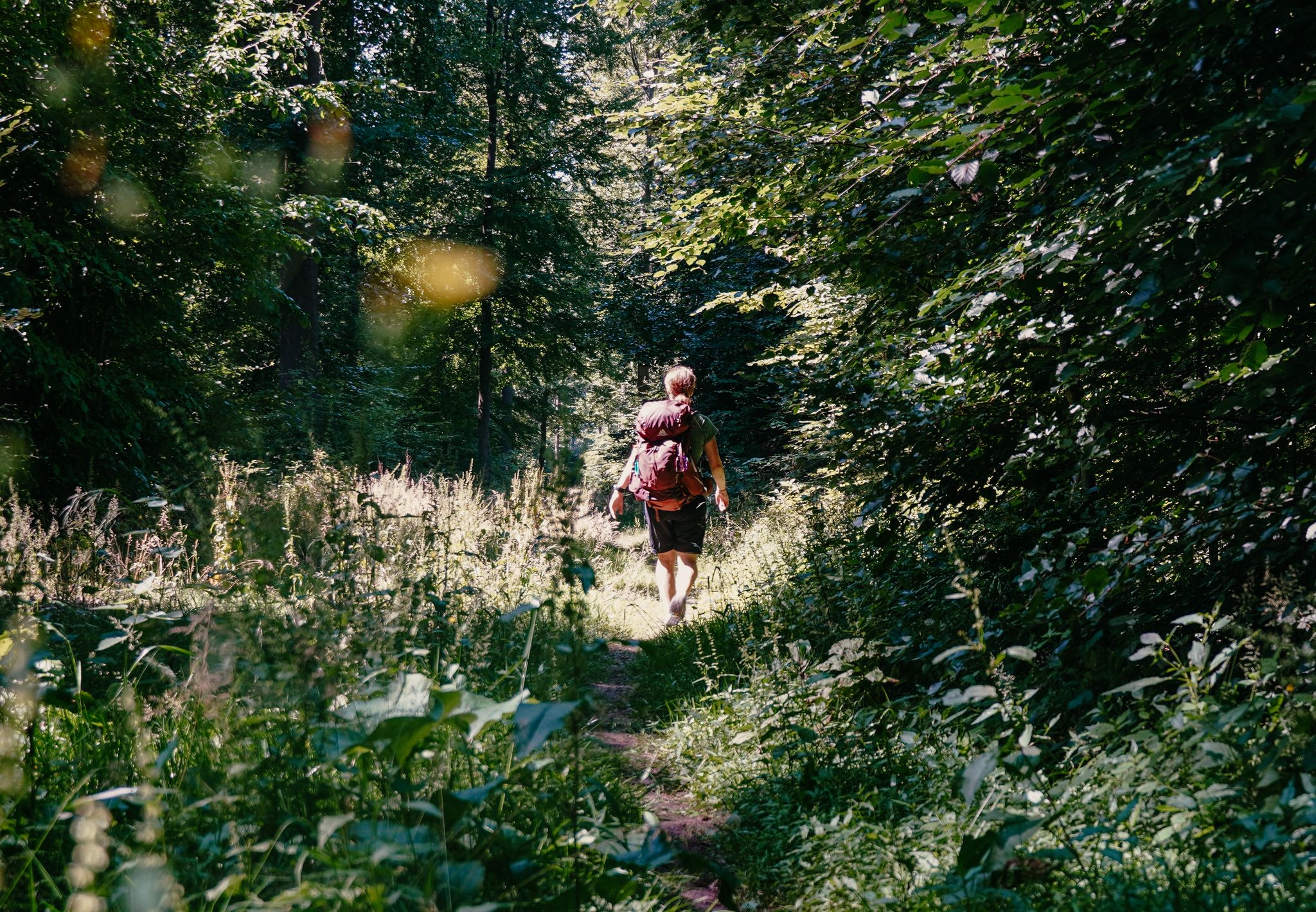
Experience nature with all your senses in the Weserbergland
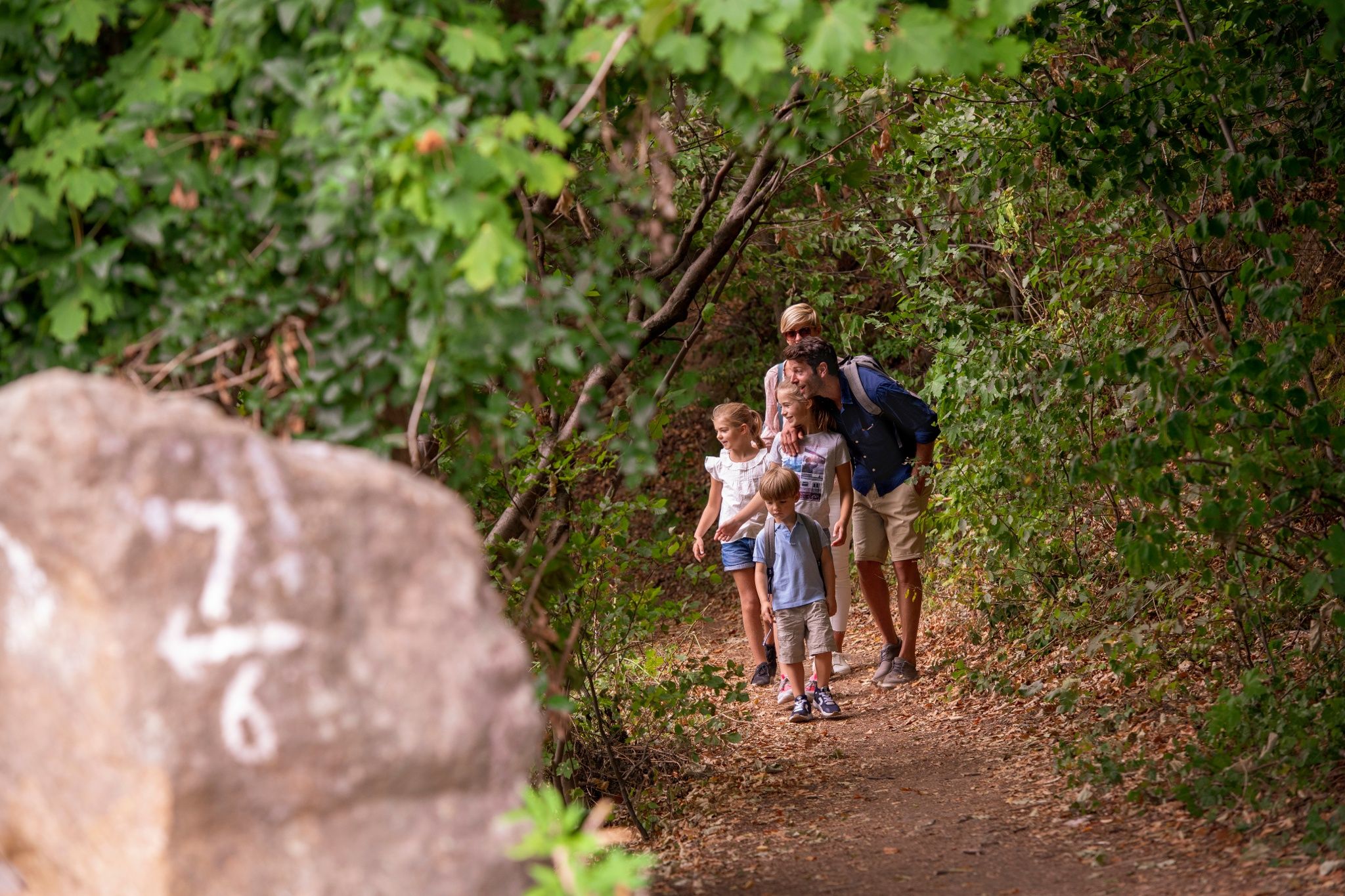
Castles and miners – hike through history in the Weserbergland region
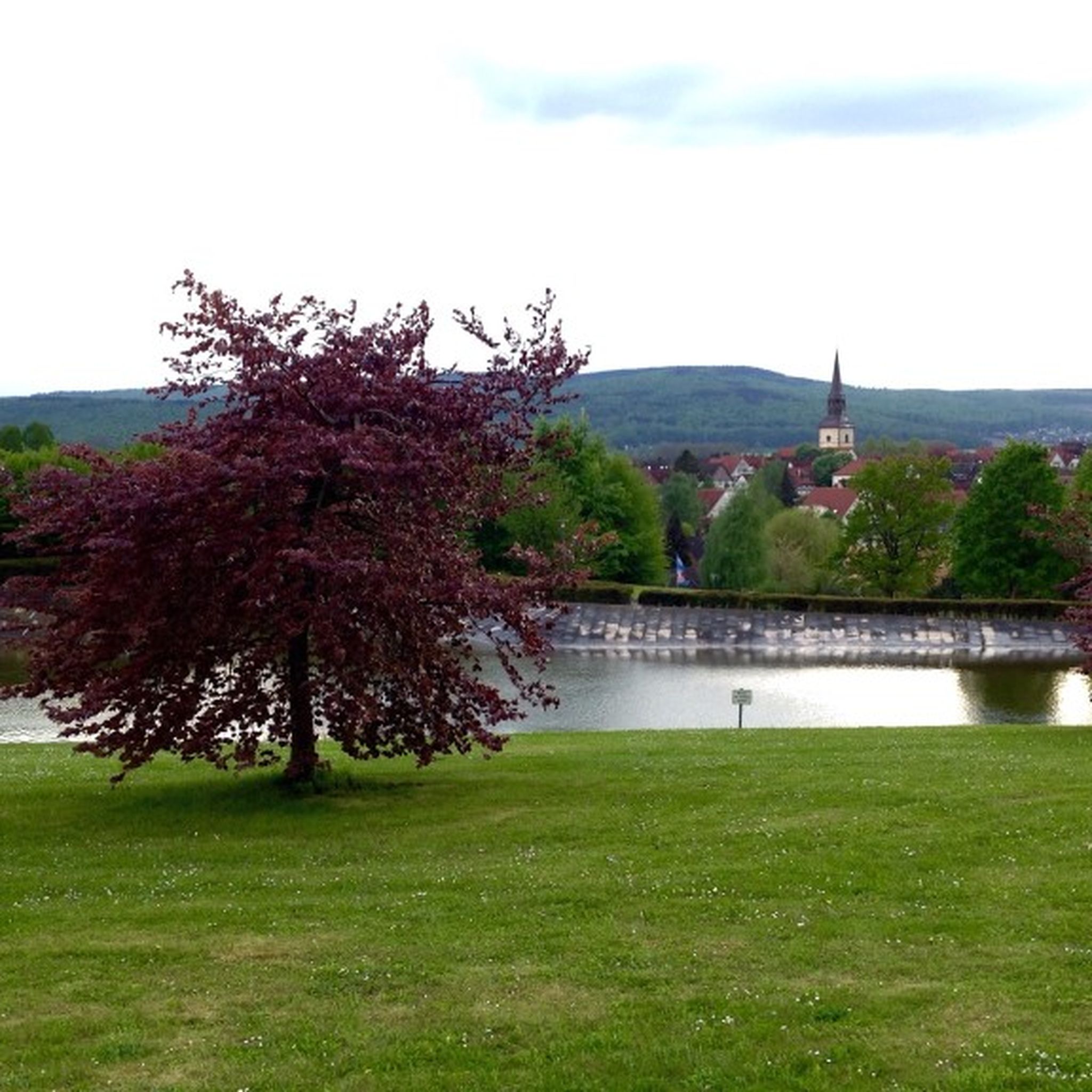
Hiking around Bad Münder am Deister
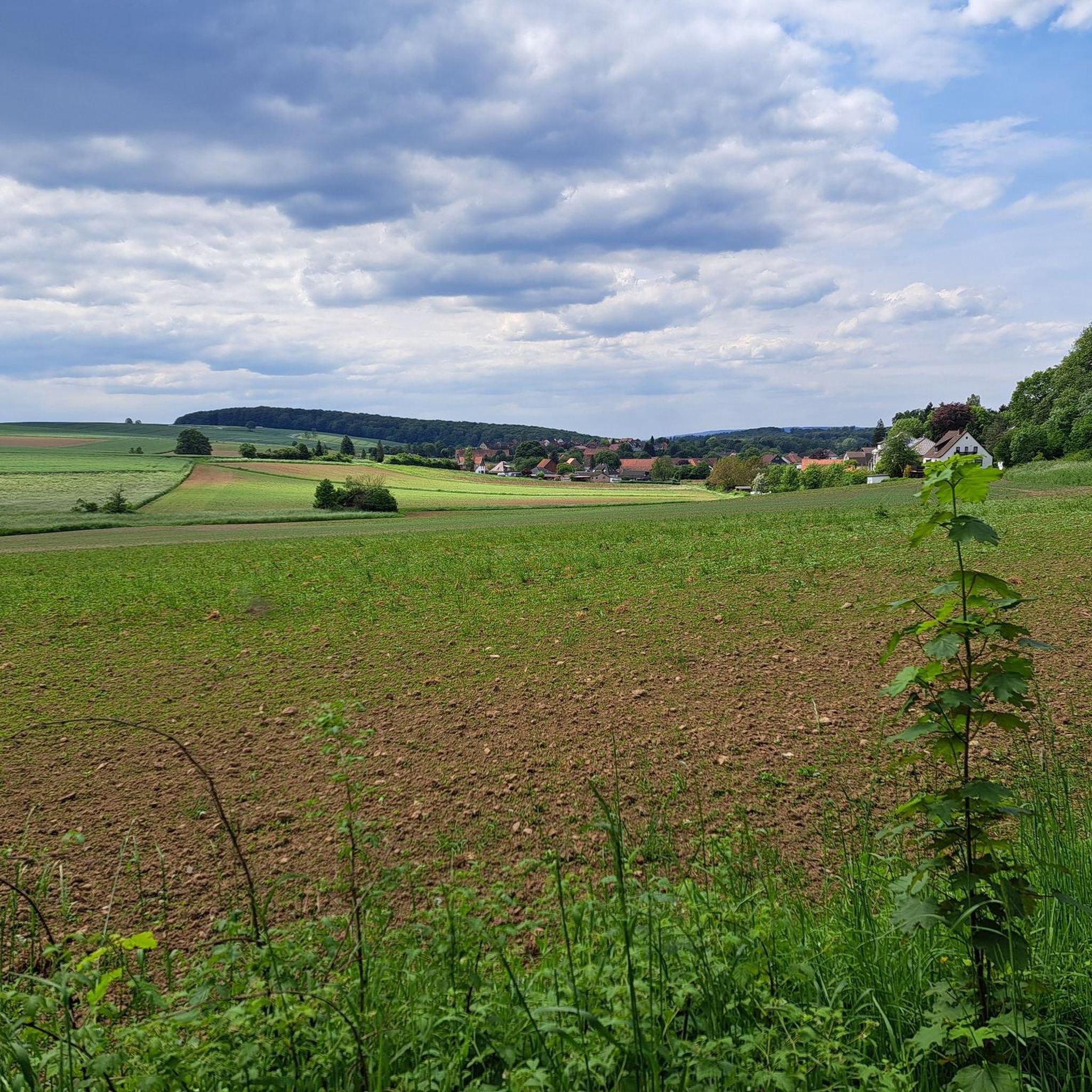
Cycling around Bad Münder am Deister
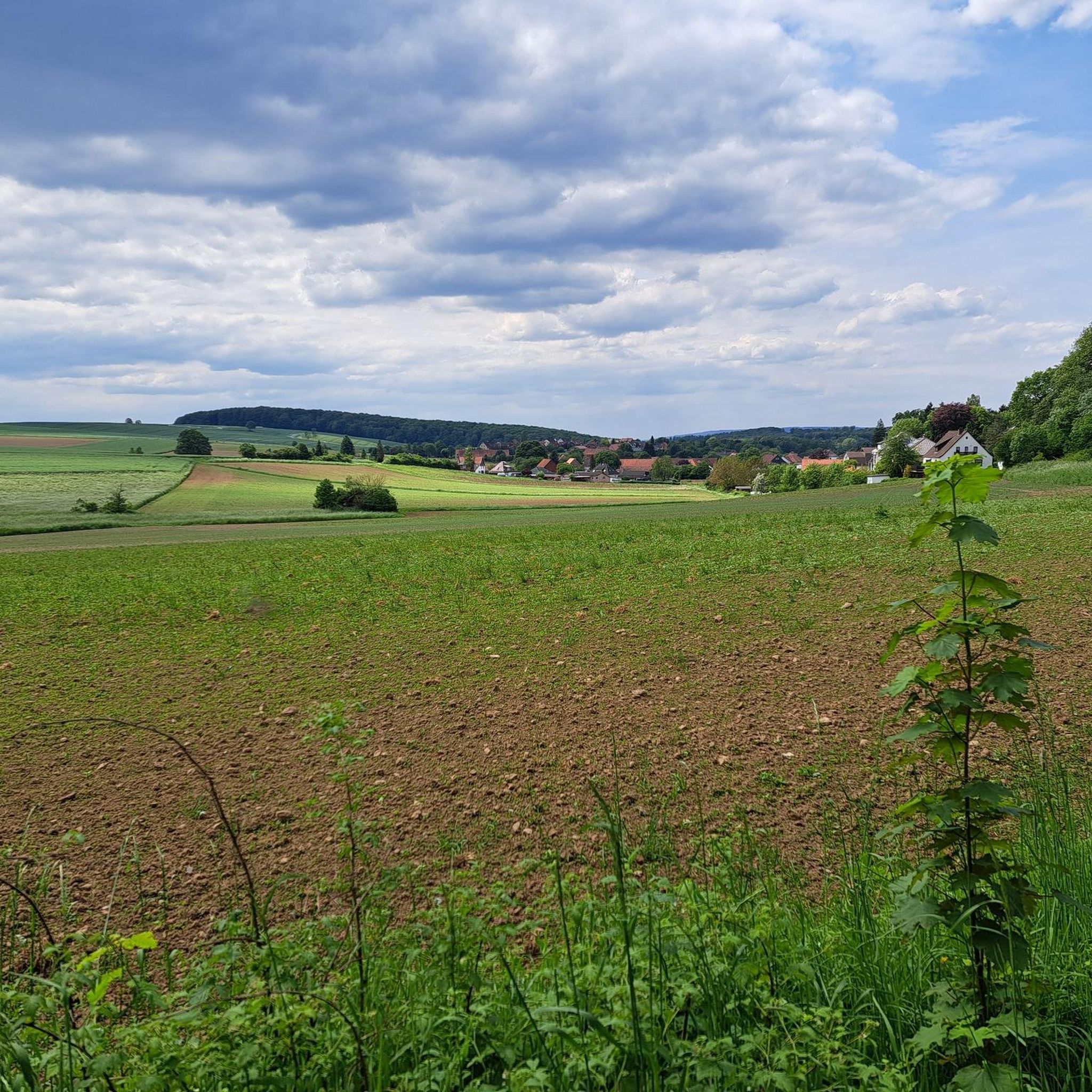
Road Cycling Routes around Bad Münder am Deister
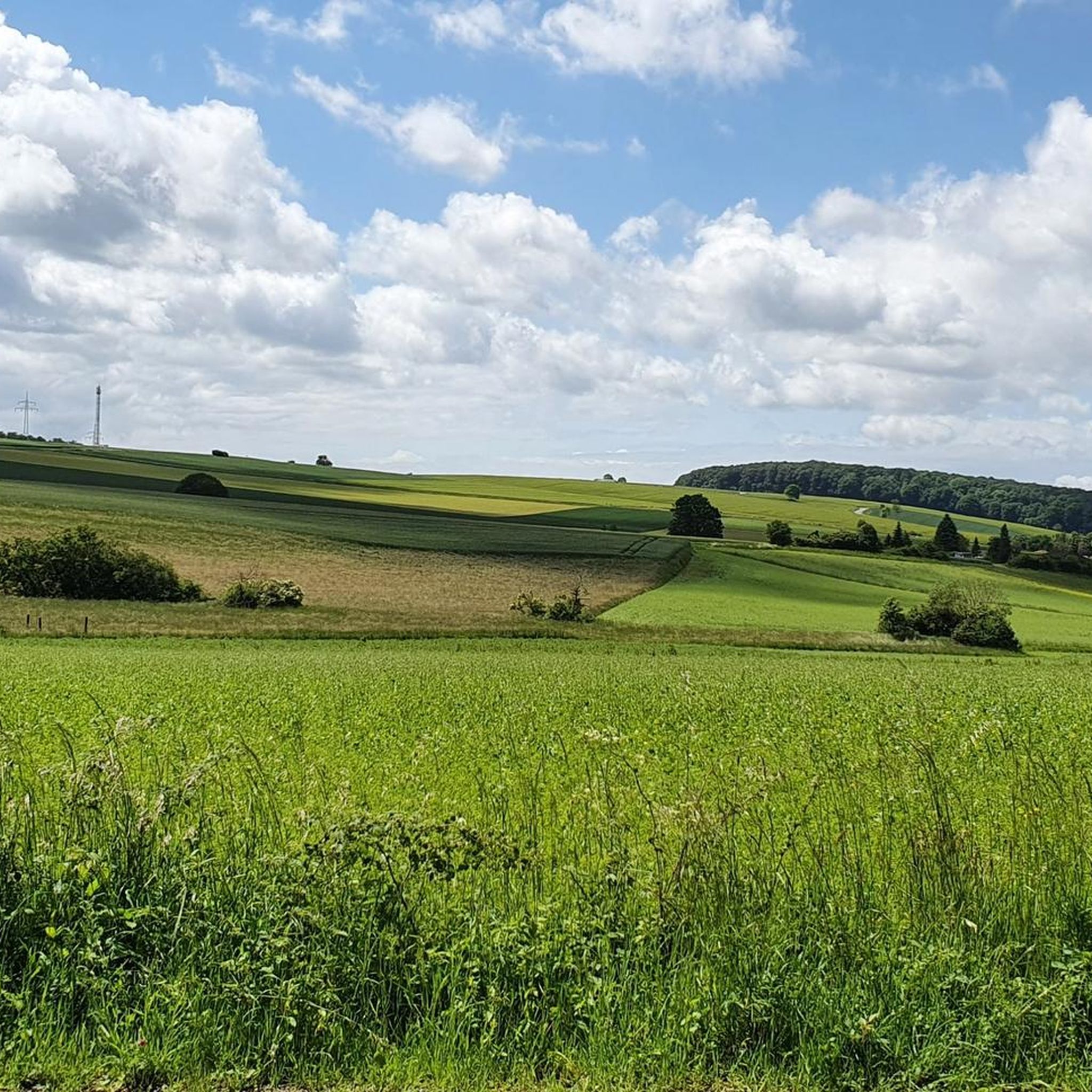
MTB Trails around Bad Münder am Deister
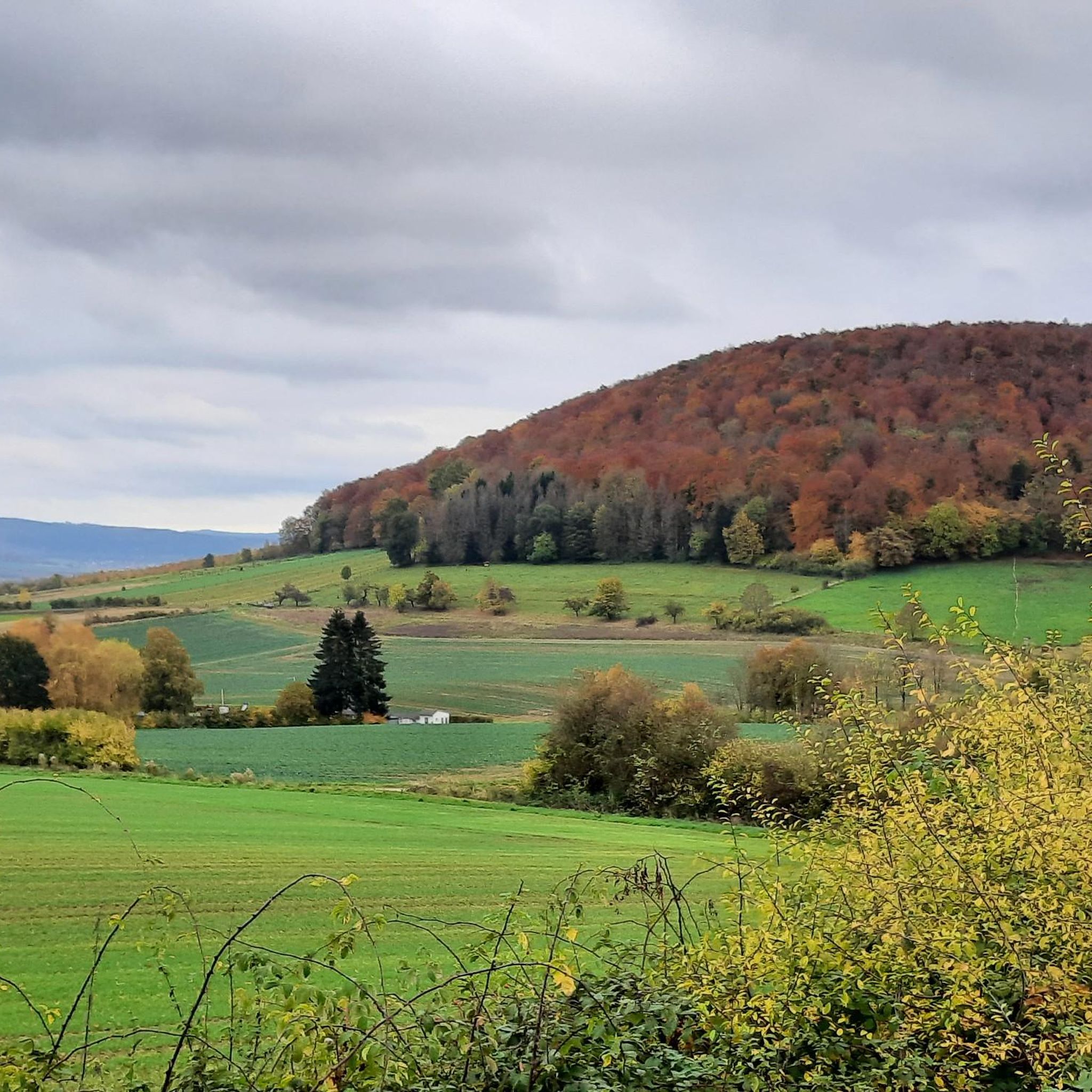
Running Trails around Bad Münder am Deister
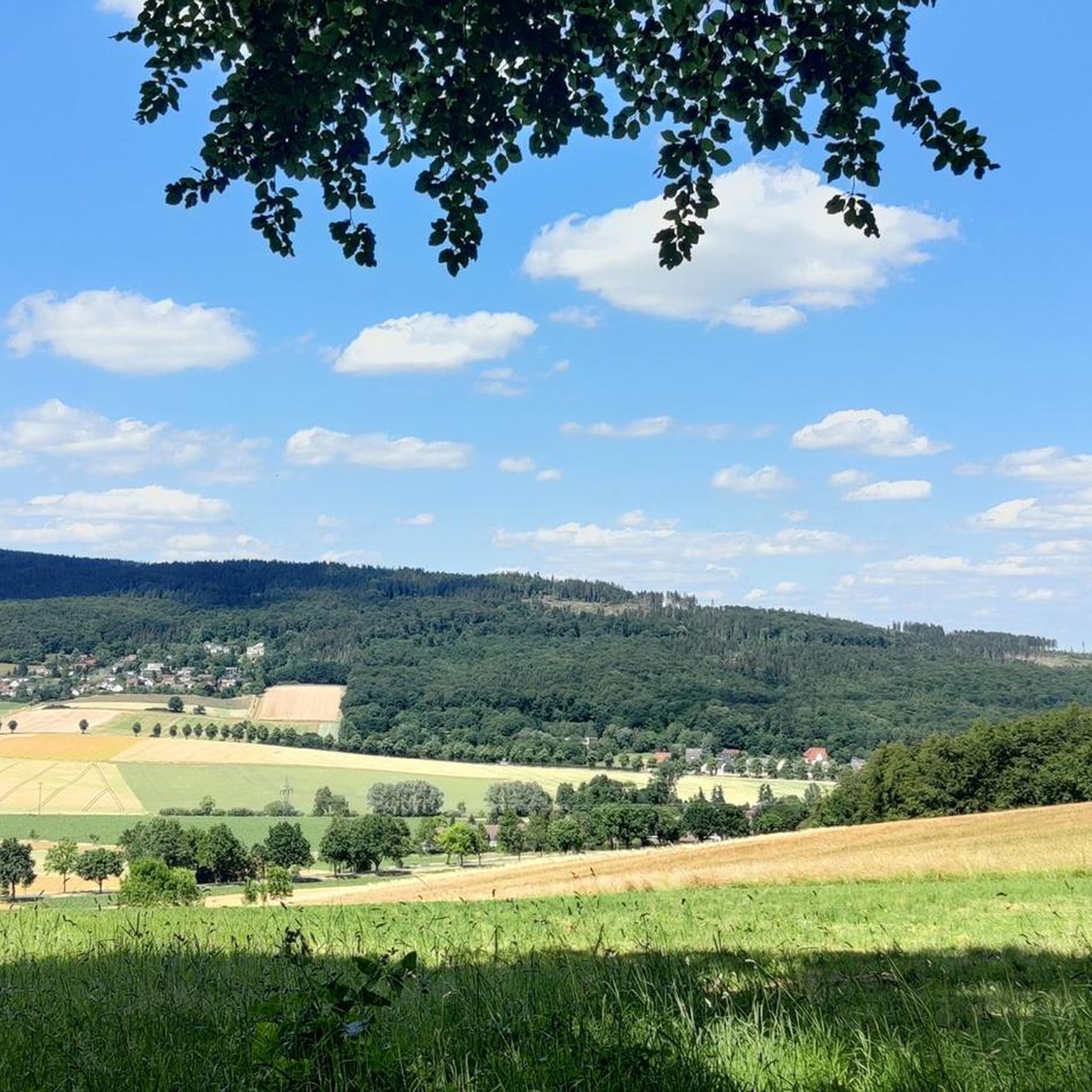
Gravel biking around Bad Münder am Deister

Mountain Hikes around Bad Münder am Deister

Tips from the Community

The Georgsplatz and Toppiusplatz in the Deister near Wennigsen are historical sites closely associated with mining, hunting, and forestry. The Georgsplatz was created as a meeting point for miners and was supplemented in the 19th century by a royal hunting lodge. Opposite lies the Toppiusplatz, which was formerly used for hunting ceremonies and gatherings, and today still commemorates events and people from that era through monuments. Today, both squares primarily serve as quiet resting and excursion spots in the Deister.
2
0
In 1799, the Bröhnstollen, finally 1700 m long, was built in the center of the later Georgsplatz for coal mining. Place names such as Maschinenhaus and Schmiede in the area southwest of the hunting lodge still indicate the location of associated operational parts. In the 19th century, Georg Egestorff operated a transshipment point at Georgsplatz for the coal mined in his pits at Bröhn, Suerserbrink, and Feldberg. For the transport of coal in the direction of Hanover, Egestorff had the Deister-Kohlenstraße paved to the Hamelner Chaussee. The material quarried in the quarry just west of Georgsplatz was presumably used as building material. On the hill northeast of Georgsplatz, a pyrite mine was established in 1829. It belonged to a local safety fuse factory. Later it was taken over by the Egestorffsche Zündhütchenfabrik and operated until 1895. The Gauführerschule „Bernhard Rust“ was later built on the site for the training of NSDAP functionaries. In 1963, the Lower Saxony Police Training Center for Technology and Traffic was established there. In the east of Georgsplatz, on the Forellenbach, lie the remains of several old Rottekuhlen. In 2009, several information boards about its historical use were erected along a two-kilometer path around Georgsplatz. Source: https://de.wikipedia.org/wiki/Georgsplatz_(Wennigsen)
1
0

The plaza contains various commemorative stones loosely and widely spread over it. In between there are many places to rest.
2
0

The Georgsplatz with the magnificent building ensemble, designed by the Hanoverian court architect Georg Friedrich Laves and executed by the contractor Constantin Nordmann (who also built the Nordmannsturm), and once used by King Ernst August I of Hanover as a hunting lodge, not only has an idyllic character. The simple, elegant, almost elegant design of the building really makes it an eye-catcher. You really notice the great architect here.
1
1

Stamping point of the Wennigsen Wunderpass ~ No. 9 Georgsplatz Wennigsen Mark, Am Georgsplatz
0
0
The grand opening took place in May 1879. The three-storey spa hotel was not completed until around 1900. In 1931, the mineral springs and spa facilities became the property of the city. In 1936 Münder was awarded the state title "Bad". In the 1990s, an expanded, modern landscaped park was created based on designs by the renowned Swiss landscape architect Dieter Kienast. The emphasis and the development of a high-contrast whole from existing and new parts of the park was the guiding principle of the design. Both natural relaxation zones and active areas have their place in the park, such as the world champion mini golf course. The Kurmittelhaus and the Tourist Information are also located here. Source: https://www.weserbergland-tourismus.de/de/poi/park/kurpark-bad-muender/21704148/
1
0
The springs in Bad Münder have been known since the Middle Ages and were also visited by many travelers as "healing and beneficial". On the initiative of the pharmacist Adolf Andree, these mineral springs were used for health benefits in the mid-1870s. In 1878 a stock corporation was founded. Investments were made in a bathhouse on the former site of the Salzhof and a spa park with a pond was laid out. The area covered 1,250 square meters. The grand opening took place in May 1879. The three-storey spa hotel was not completed until around 1900. In 1931, the mineral springs and spa facilities became the property of the city. In 1936 Münder was awarded the state title "Bad". In the 1990s, an expanded, modern landscaped park was created based on designs by the renowned Swiss landscape architect Dieter Kienast. The emphasis and the development of a high-contrast whole from existing and new parts of the park was the guiding principle of the design. Both natural relaxation zones and active areas have their place in the park, such as the world champion mini golf course. The Kurmittelhaus and the Tourist Information are also located here. Source: https://www.weserbergland-tourismus.de/de/poi/park/kurpark-bad-muender/21704148/
0
0

A beautiful square with old memorial stones and various seating areas.
1
0
Frequently Asked Questions
What types of lakes can I find around Bad Münder am Deister?
The area around Bad Münder am Deister features a variety of smaller water bodies, including near-natural ponds, historical quarry lakes, and artificially designed lakes within spa parks. These offer diverse settings for relaxation and gentle outdoor activities.
Are there any family-friendly lakes to visit?
Yes, several spots are suitable for families. Blanke Pond is an idyllic place for relaxation and picnics, offering shade under old trees. The Kurpark Bad Münder, with its tranquil environment and small lake, is also family-friendly and features amenities like minigolf.
What natural features can I explore near the lakes?
You can explore diverse natural features. For instance, the St. Avold Quarry Lake Nature Reserve includes a near-natural pond, riparian zones, and adjacent tree and shrub vegetation within a former sandstone quarry. The Kurpark offers a serene environment with its lake, greenery, and spa facilities.
Are there historical sites related to the lakes?
Yes, the St. Avold Quarry Lake Nature Reserve is a historical site, as the lake is located within a former sandstone quarry that was active until 1964. This gives it a unique historical context amidst its natural beauty.
What outdoor activities can I do near these lakes?
While the lakes themselves are primarily for relaxation and gentle strolls, the surrounding region offers various outdoor activities. You can find numerous hiking routes, such as the 'Eimbeckhausen Panorama Trail' or the 'Walterbach Valley Nature Reserve' loop. For cycling, options like the 'View of the Kleiner Deister' loop are available. You can find more details on these activities in the Hiking around Bad Münder am Deister and Cycling around Bad Münder am Deister guides.
Are there easy walking trails around the lakes?
Yes, the Kurpark Bad Münder offers tranquil and easy paths around its artificially designed lake, perfect for leisurely strolls. Blanke Pond also provides an idyllic setting for a relaxed walk.
Is the Kurpark Bad Münder lake wheelchair accessible?
Yes, the Kurpark Bad Münder is noted for being wheelchair accessible, allowing visitors to enjoy the tranquil environment and the small lake.
What is the best time to visit the lakes in Bad Münder am Deister?
The lakes, particularly those within the Kurpark, offer a picturesque setting year-round. Autumn is especially recommended for its beautiful panorama as the colors of the trees create a stunning backdrop around the water bodies.
Are there cafes or restaurants near the lakes?
Yes, the Waldhotel Holzmühle by the pond offers an idyllic setting with a small lake, providing a place for refreshments and accommodation. The Kurpark itself is part of Bad Münder, where you can find various dining options.
Can I go wild swimming in the lakes around Bad Münder am Deister?
While there are several smaller ponds and water bodies in the vicinity, it is generally advised to check for any bathing restrictions before considering wild swimming. The region is more focused on relaxation and gentle recreation rather than extensive lake-based swimming.
What do visitors enjoy most about the lakes in this region?
Visitors appreciate the tranquil and idyllic settings these lakes provide. Many enjoy the peaceful ambiance for relaxation, picnics under old trees at places like Blanke Pond, and the unique blend of nature and spa facilities found at Kurpark Bad Münder.
Are there any viewpoints near the lakes?
Yes, the Kurpark Bad Münder offers scenic views, especially around its lake and salt pans. Additionally, the Blanke Pond is considered an idyllic spot to enjoy nature.
Most popular routes around Bad Münder am Deister
Most popular attractions around Bad Münder am Deister

Get inspired with the komoot mobile app


Explore more
Still not found your perfect lake around Bad Münder am Deister? Check out the guides of these regions to see even more beautiful places.
