Top 6 Caves around Mühlacker
Best caves around Mühlacker are located within the surrounding Enzkreis district, an area known for its distinctive karst geology. This geological landscape features various underground formations, including collapse dolines, sinkholes, and natural cave systems. The region provides opportunities to explore unique natural monuments and geological attractions. Mühlacker's geological features contribute to a diverse natural environment.
Best caves around Mühlacker
- The most popular caves is Old Eisinger Hole, a natural monument and cave formed by a collapsed roof. This site…
Last updated: September 29, 2026
Old Eisinger Hole
Highlight • Natural Monument
Translated by Google •
Tip by

Rainloch - shaft cave
Highlight • Cave
Translated by Google •
Tip by

Sign up now to discover places like this
Get recommendations on the best single tracks, peaks, & plenty of other exciting outdoor places.
Bat Winter Quarters, Schönklinger Tunnel
Highlight • Cave
Translated by Google •
Tip by

Höllenloch (Neulingen Sinkholes)
Highlight • Cave
Further sinkholes are hidden in the forest east of the federal highway.
All hydrogeological (what a word!) info: de.wikipedia.org/wiki/Enzbrunnen
Showing Translation
Tip by

Rock caves
Highlight • Cave
Translated by Google •
Tip by

Sign up for free to discover even more caves around Mühlacker.
Already have an account?
Start today with a free account
Your next adventure awaits.
Popular around Mühlacker
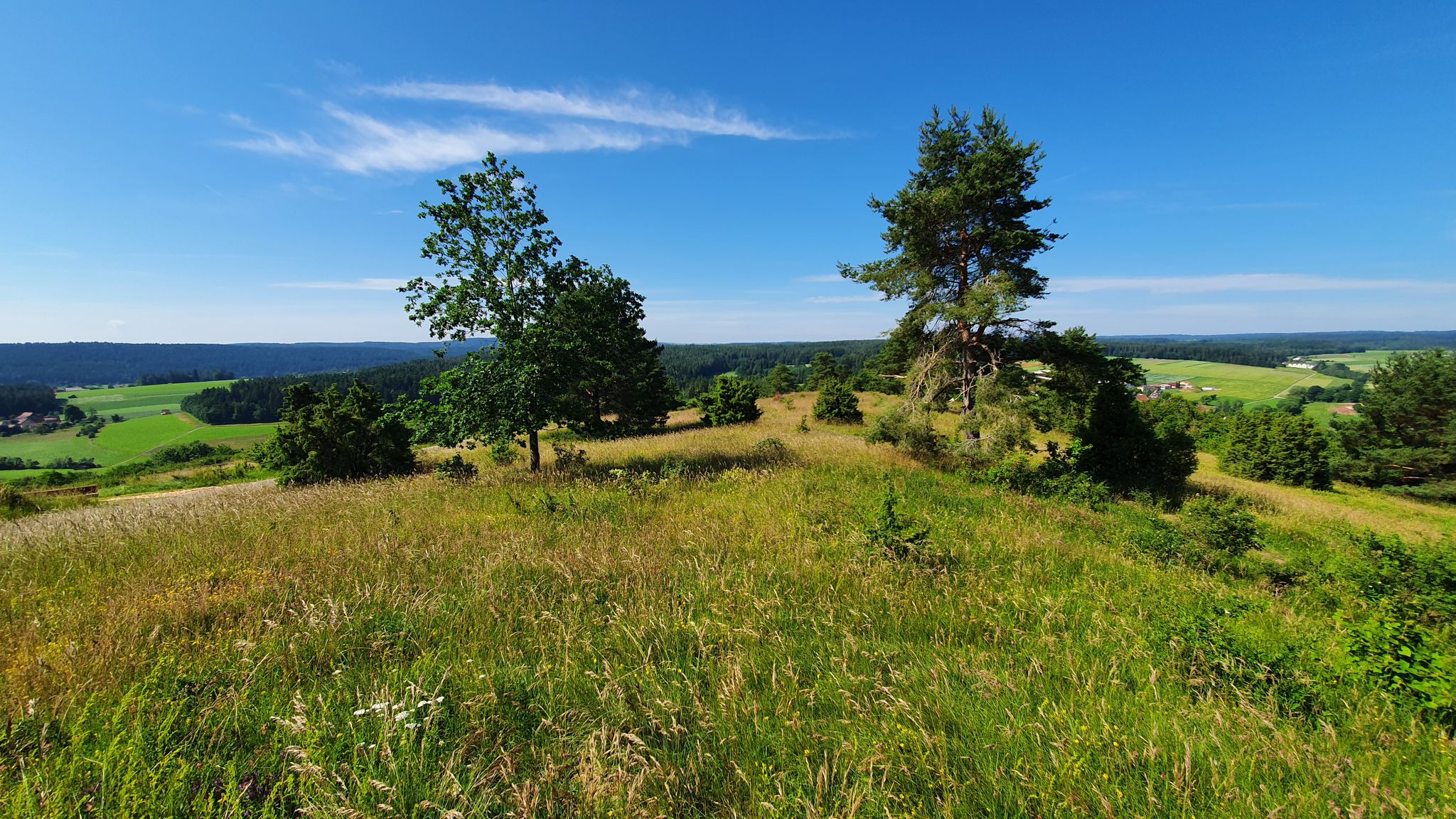
Germany's Gäurandweg – A ramble through the countryside
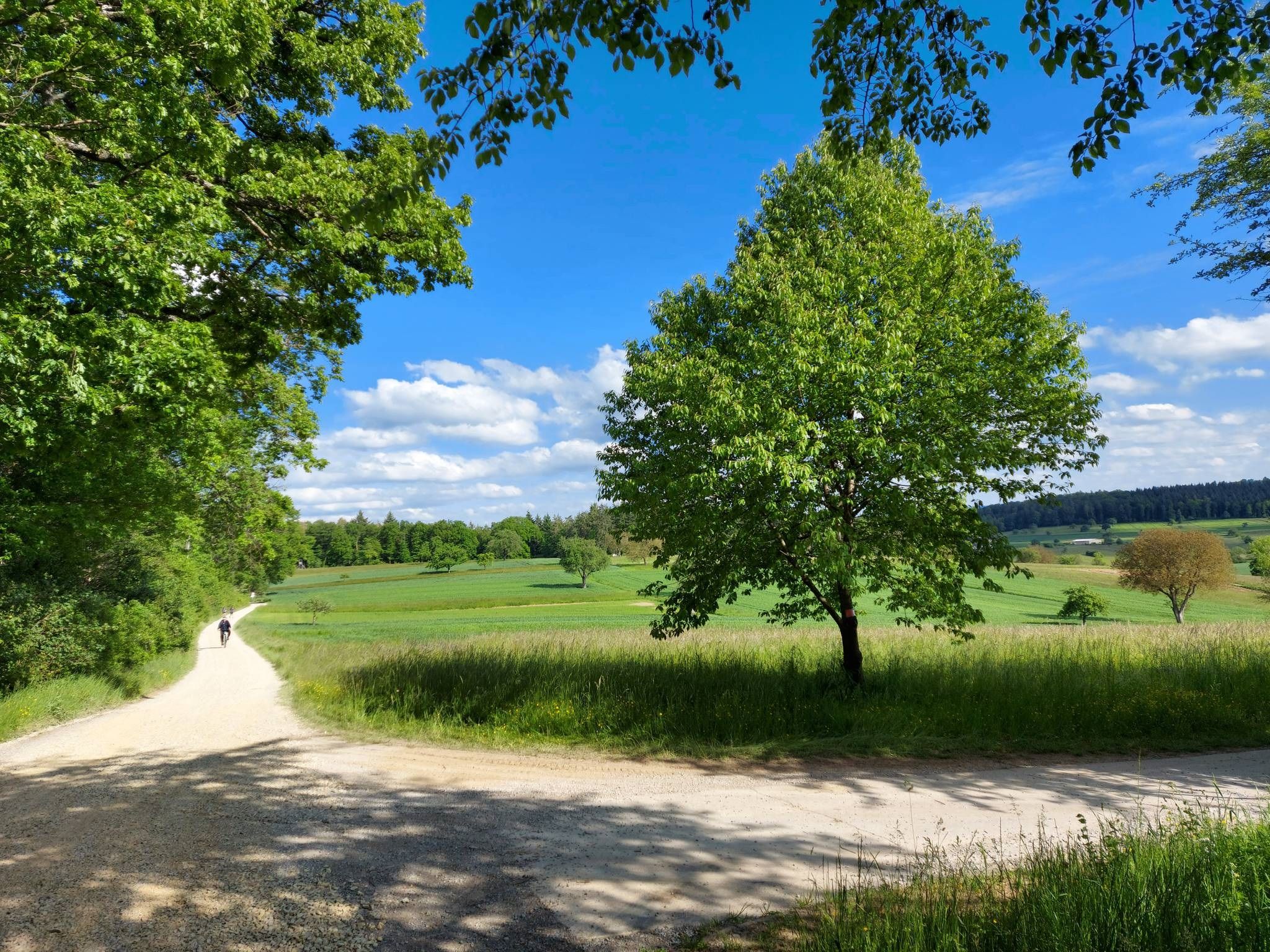
Schwarzwald Nordrandweg – Between forest and meadow
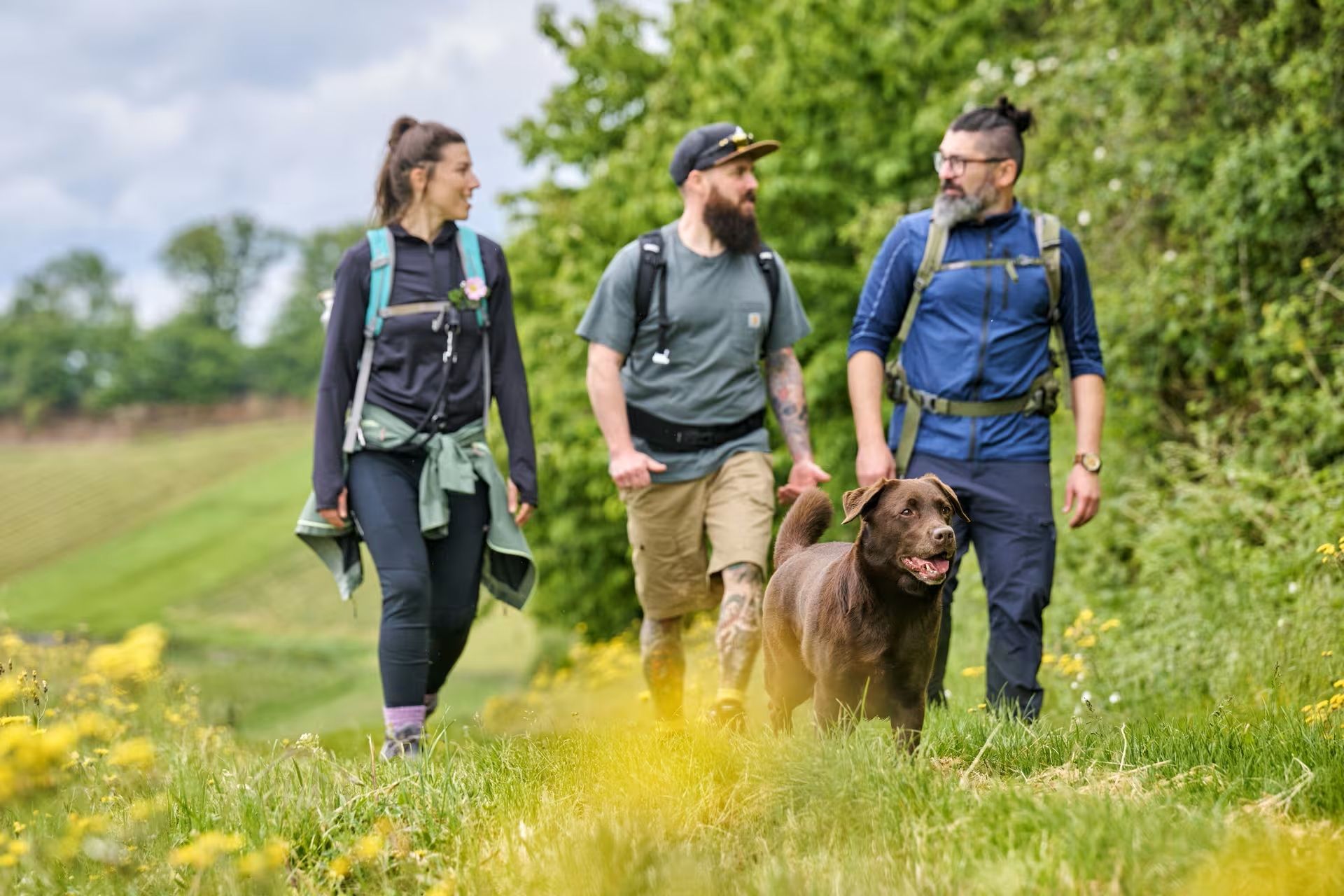
The Land of 1,000 Hills by bus and train – car-free hiking adventures
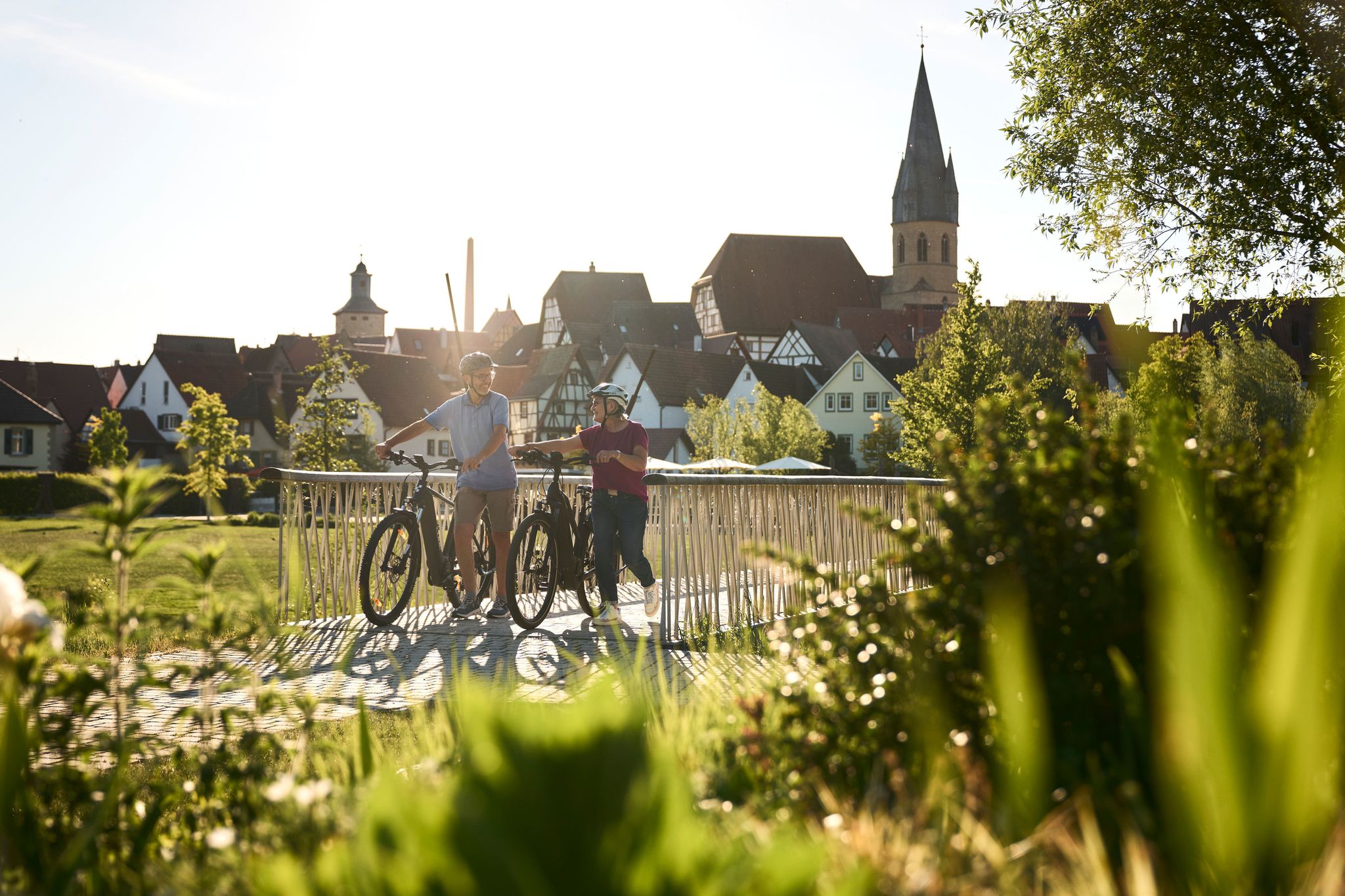
Half-timbered houses and superb cycling tours – the best of the South
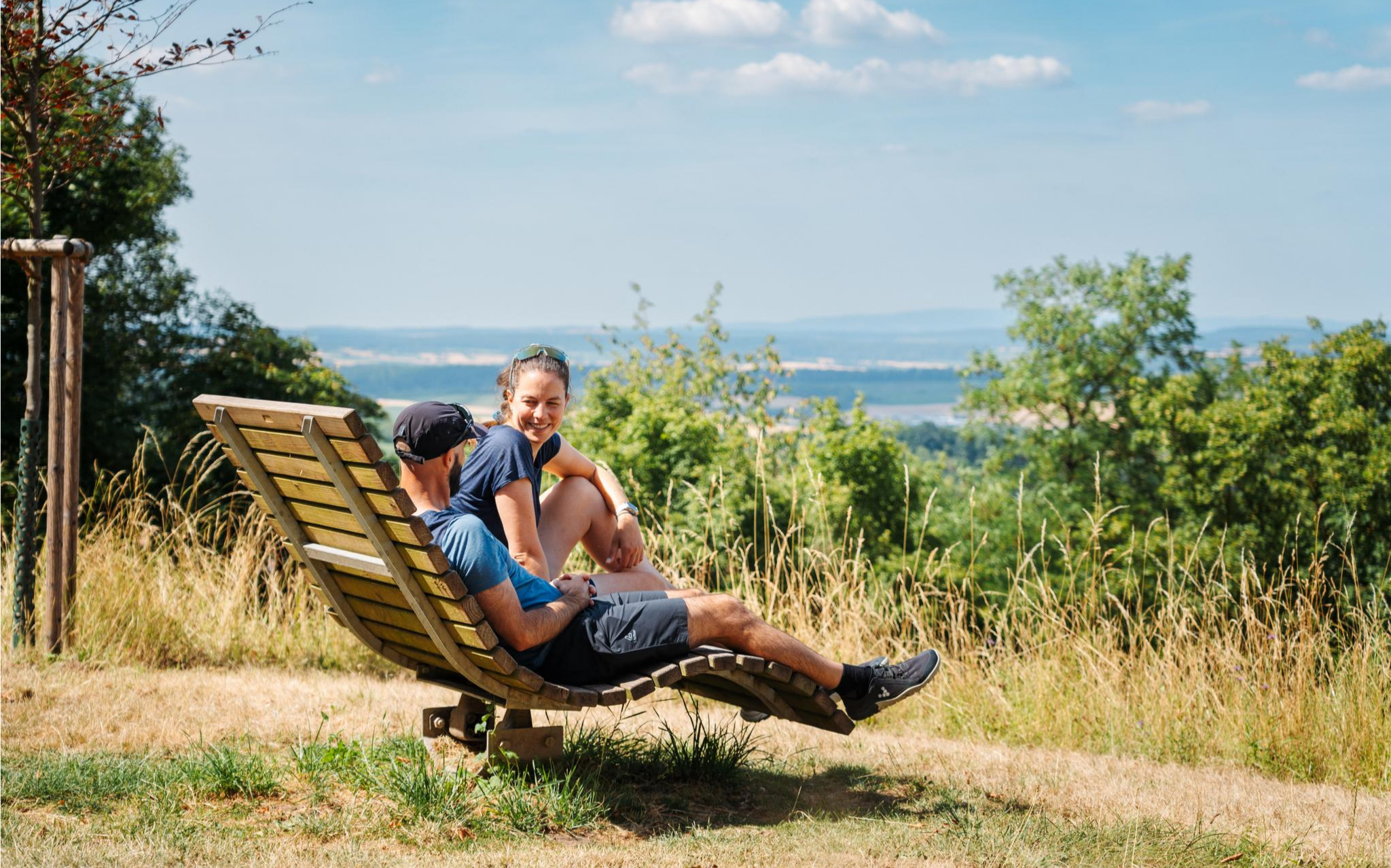
Oases of calm – hill sofas in the land of 1,000 hills

Nature Park Gravel Crossing from North to South – Baden-Württemberg
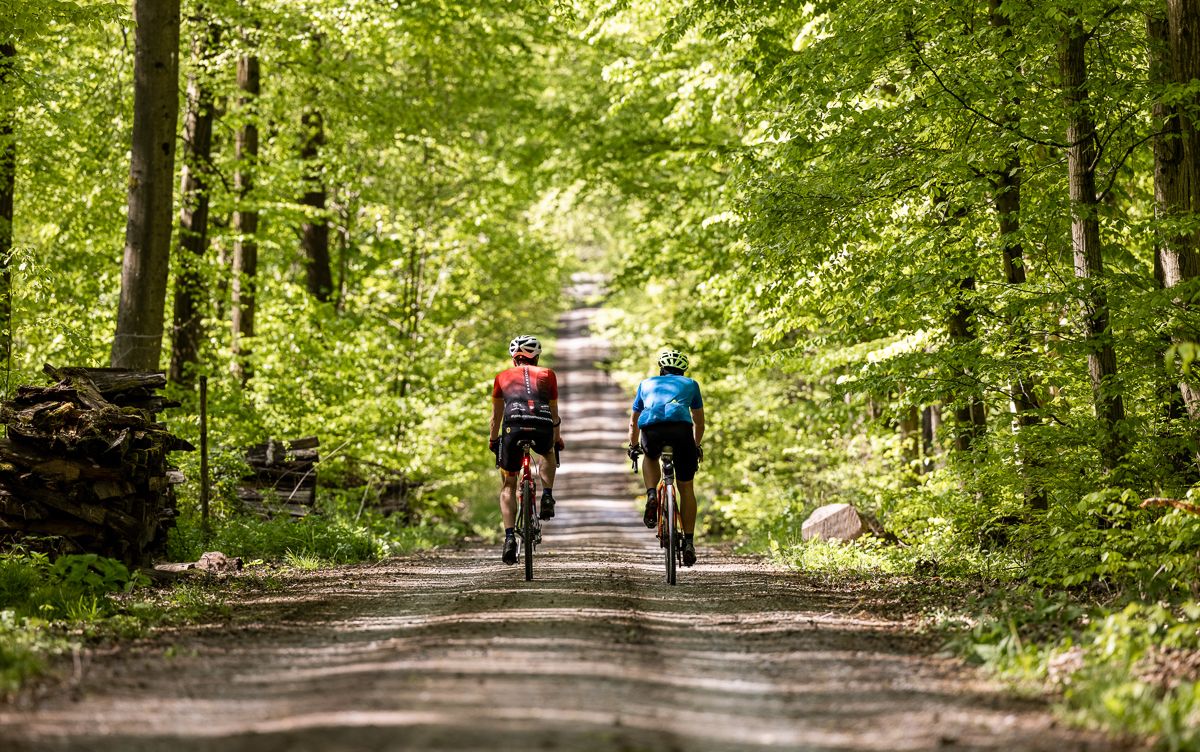
Gravel biking through the land of 1,000 hills – Kraichgau-Stromberg in Germany
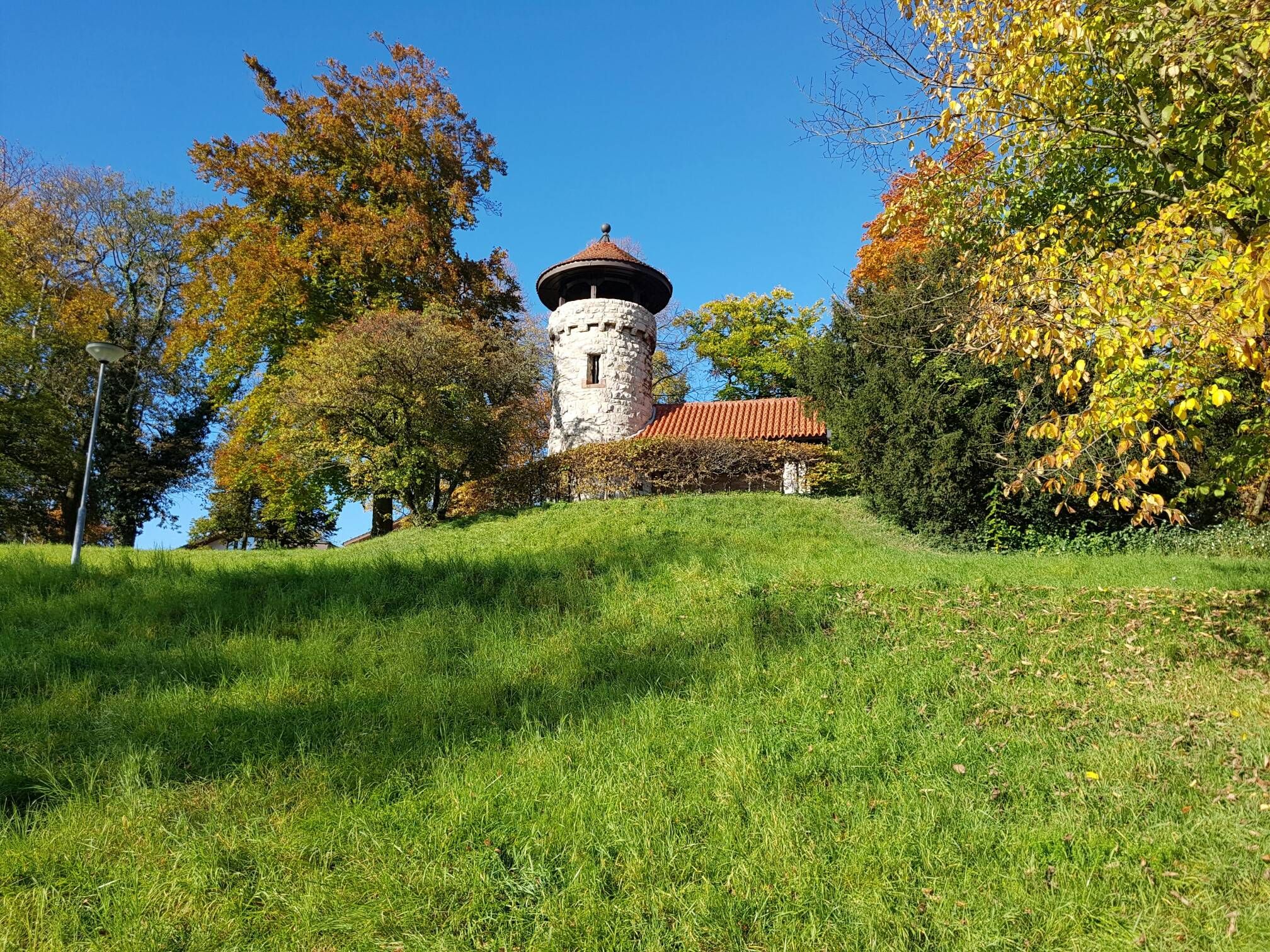
On the Schwarzwald-Nordrandweg from Mühlacker to Durlach
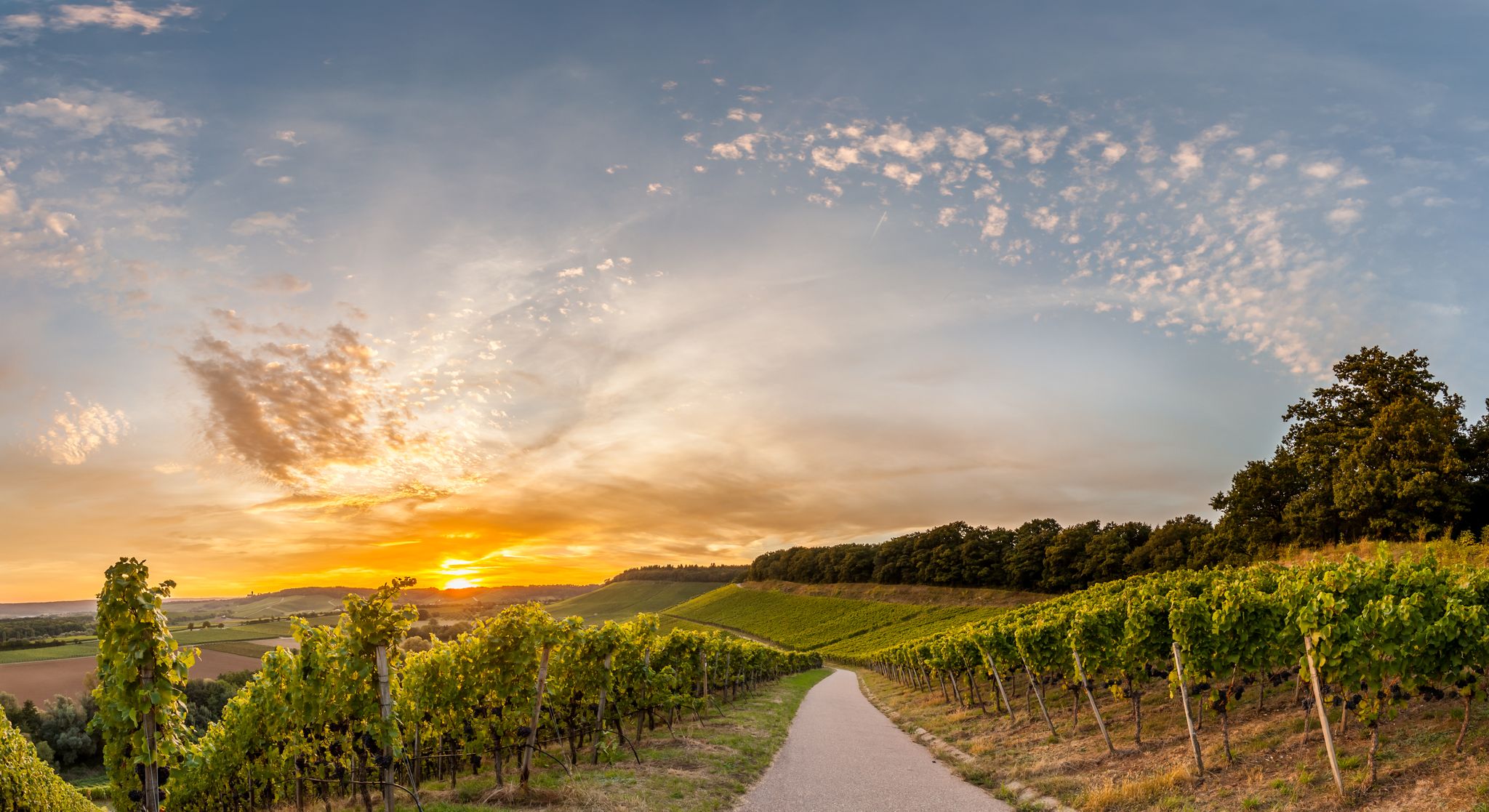
Cycling in the land of 1,000 hills in southern Germany – Kraichgau-Stomberg
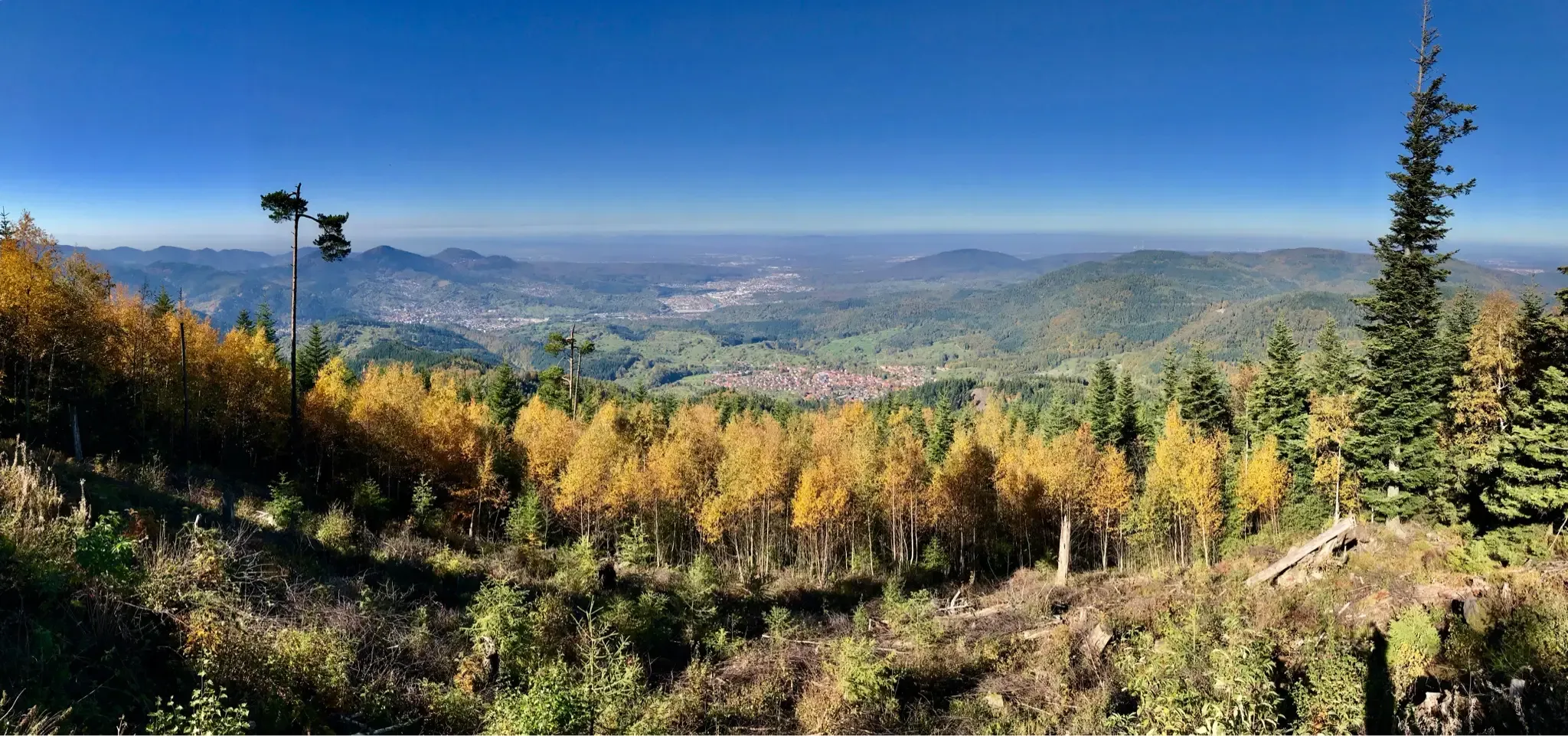
Autumnal hikes with a view in the northern Black Forest
Other adventures around Mühlacker


Tips from the Community

Anyone who can read "maps" has a clear advantage 😆!
0
0

Great path from Seehauspfad to Seehaus
0
0

The only way to the unguarded cave entrance, located in the middle of a forest, is via a rather overgrown path. The connection from the Enzberg Oak, marked as a forest road, is very difficult to follow and only vaguely recognizable as a path. Nevertheless, the somewhat adventurous route there is worthwhile.
5
0

The first difficulty is getting to the cave 🤷♂️ Dense blackberry vines and hawthorn make access via the marked paths impossible 😅. You have to somehow 👀 make your way across the 🌳forest 🤷♂️ Once you get there, the largest cave in the Enzkreis is quite inconspicuous; you can't see much because the entrance leads directly down a vertical shaft, so you can't see much. Descending is definitely to be avoided without equipment and experience ☝️. But just being here and even finding it is a bit of an adventure 👍.
3
0

Unfortunately overgrown by blackberry hedges
0
1

After reading the first two reports, I really didn't want to go here. You can look at it, you don't have to play the hero
3
3
Super "mining region" with some mine entrances, ventilation shafts, tunnels and! Trails 👍😀 Maybe "a bit extreme advice" on the Käfersteige tunnels! https://vnv-urbex.de/altbergbau/deutschland/fluss-schwerspatbergbau/flussspatgrube-krabbelkaefer-kaefersteige/
2
0

The old tunnel is used as a bat quarters where they can overwinter
2
0
Frequently Asked Questions
What types of caves and geological features can I explore around Mühlacker?
The region around Mühlacker, particularly the Enzkreis district, is known for its distinctive karst geology. You can explore various underground formations, including collapse dolines, sinkholes, and natural cave systems. Notable examples include the Old Eisinger Hole, a significant collapse doline, and the Rainloch - shaft cave.
Are there any family-friendly caves or natural features to visit near Mühlacker?
While many caves in the region require caution, the Höllenloch (Neulingen Sinkholes) offers a protected meadow landscape with funnel-shaped depressions that can be interesting for families to observe from a safe distance. The Rock caves, small formations under large rocks in a forest setting, might also be suitable for a family walk.
What is the difficulty level for exploring caves in the Mühlacker area?
The difficulty varies significantly. Features like the Rainloch - shaft cave are considered challenging and require appropriate knowledge and equipment due to falling risks. Other sites like the Old Eisinger Hole involve descending into a doline, which can be slippery. Many natural karst features are undeveloped and require careful exploration.
Are there guided tours available for the caves near Mühlacker?
The caves and karst features around Mühlacker are generally natural, undeveloped sites. There are no official guided tours for these specific locations. Exploration typically requires self-guidance and caution, especially for deeper or more complex formations like the Rainloch - shaft cave.
What equipment do I need for caving or exploring these natural sites?
For sites like the Rainloch - shaft cave, specialized caving equipment and knowledge are essential due to its depth and multi-level structure. For other natural monuments like the Old Eisinger Hole, sturdy footwear with good grip is recommended, as paths can be slippery. Always prioritize safety and be aware of your surroundings.
Can I visit the caves and natural features near Mühlacker in winter?
Most of the natural karst features and caves around Mühlacker are accessible year-round as they are undeveloped outdoor sites. However, winter conditions such as ice and snow can make paths slippery and hazardous, especially when descending into dolines or near cave entrances. Exercise extra caution and check local weather conditions before visiting.
Are there hiking trails that include these caves or natural monuments?
Yes, you can find hiking trails in the broader Mühlacker region that pass by or near some of these natural features. For instance, the Rock caves are found within a forest setting, making them accessible via forest paths. You can explore various hiking routes around Mühlacker, some of which may lead to or near these geological points of interest.
What other outdoor activities can I do near the caves around Mühlacker?
Beyond exploring the caves, the Mühlacker region offers a variety of outdoor activities. You can find numerous hiking trails, running routes, and road cycling routes throughout the Enzkreis district. These routes often traverse scenic landscapes, forests, and river valleys.
What do visitors enjoy most about the caves and natural features in this area?
Visitors appreciate the unique geological insights offered by these sites. The Old Eisinger Hole, for example, is valued for its historical formation and the dramatic collapse doline. The Rainloch - shaft cave is recognized as the most important cave in the Enzkreis for its extent and depth, appealing to those with a keen interest in caving and geology.
Are the caves near Mühlacker dog-friendly?
As these are natural, undeveloped sites, there are generally no restrictions on bringing dogs to the outdoor areas surrounding the caves and sinkholes. However, due to the challenging terrain, potential falling risks, and slippery paths, it is advisable to keep dogs on a leash and assess if the specific location is safe for your pet, especially near deep drops like the Rainloch - shaft cave or the Old Eisinger Hole.
Where can I find parking when visiting these natural sites?
Parking availability varies by location. For sites like the Höllenloch (Neulingen Sinkholes), which are near federal highways, you might find roadside parking or small designated areas. For more remote sites like the Rainloch - shaft cave, parking might be limited to forest edges or nearby trailheads, requiring a short walk to the site.
What is the best time of year to visit the natural caves and features around Mühlacker?
Spring and autumn are generally the best times to visit. The weather is typically mild, and the surrounding nature is vibrant. Summer can also be pleasant, but be mindful of potential heat. Winter visits are possible but require extra caution due to slippery conditions from ice or snow, especially around entrances and descents into dolines.
Most popular routes around Mühlacker
Most popular attractions around Mühlacker

Get inspired with the komoot mobile app


Explore more
Extend your search for the best caves by checking out these guides of the top ones around Mühlacker:
