Top 6 Castles around Rastorf
Best castles around Rastorf are found in a region characterized by its historical estates and architectural heritage. The area, including the picturesque Schwentine Valley, provides a scenic backdrop for these significant sites. These locations offer insights into the aristocratic and rural history of Schleswig-Holstein. Rastorf itself is known for Gut Rastorf, a historic manor estate, while the surrounding area features several notable manor houses and knight's seats.
Best castles around Rastorf
- The most popular castles is Hagen Castle, a castle that has served as a cultural and event center since 1969. Originally mentioned in 1264, it was extensively renovated from 2007 to 2011 and is now open to visitors.
- Another must-see spot is Salzau Manor, a historical site first mentioned in the 13th century as a knight's seat. The mansion was rebuilt in 1881 after a fire and features an impressive complex with a main house, gatehouse, outbuildings, and park.
- Visitors also love Bredeneek Castle, a castle that has retained its original character and rooms from the turn of the century around 1900. Built as a classicist villa in 1830, it was expanded into an imposing neoclassical building between 1898 and 1902.
- Rastorf is known for its manor houses, knight's seats, and hunting lodges. The area offers a variety of historical buildings to see and explore, each with its own unique past.
- The castles around Rastorf are appreciated by the komoot community, with more than 400 photos and over 700 upvotes.
Last updated: May 30, 2026
Hagen Castle
Highlight • Castle
Translated by Google •
Tip by

Salzau Manor
Highlight • Historical Site
The estate was first mentioned in the second half of the 13th century when Queen Mechthild, the widow of King Abel of Denmark, left him 30 marks. From the 18th to the 20th century, Salzau was owned by the Counts Blome and passed into the possession of the Counts of Thun and Hohenstein after 1945.
The mansion burned down in the 19th century and was rebuilt by Otto von Blome in 1881. The architect of the new building was Joseph Eduard Mose. In 1945 the estate came into the possession of the Counts of Thun-Hohenstein through marriage to the heiress, Countess Josephine Maria Alexandrine von Blome (1902–1984). They lived in the manor house for a year and then moved to the neighboring cavalier house. The castle was a temporary home for refugees from Pomerania, East Prussia and Silesia until 1955.
You can visit the gatehouse - the property only from a distance, because access is restricted to authorized people.
More detailed information:
de.wikipedia.org/wiki/Gut_Salzau
Translated by Google •
Tip by

Sign up now to discover places like this
Get recommendations on the best single tracks, peaks, & plenty of other exciting outdoor places.
Sign up for free
Bredeneek Castle
Highlight • Castle
Translated by Google •
Tip by
View of Blomenburg
Highlight • Castle
The second upper floor was intended as the main floor with the representative living rooms, its height almost double that of the lower living floor. The interior of the Blomenburg was considered exquisite, but the furniture was almost completely lost in the course of external use of the building. Only the partially painted wall and ceiling fields have been preserved.
In 2018, the renovation work began in order to use the hunting lodge as a private clinic for psychiatry, psychotherapy and psychosomatics. The investment volume was 20 million euros. All historical buildings around the castle courtyard are used today as part of the therapy offers. In the historic knight's hall of the manor house, a fine dining restaurant with an adjacent library, reading room, billiard room and a conference room were integrated.
de.wikipedia.org/wiki/Blomenburg
Translated by Google •
Tip by
Loop through the palace park
Highlight (Segment) • Trail
The loop is 1/2 km long.
Translated by Google •
Tip by

Start today with a free account
Your next adventure awaits.
Login or Signup

Tips from the Community

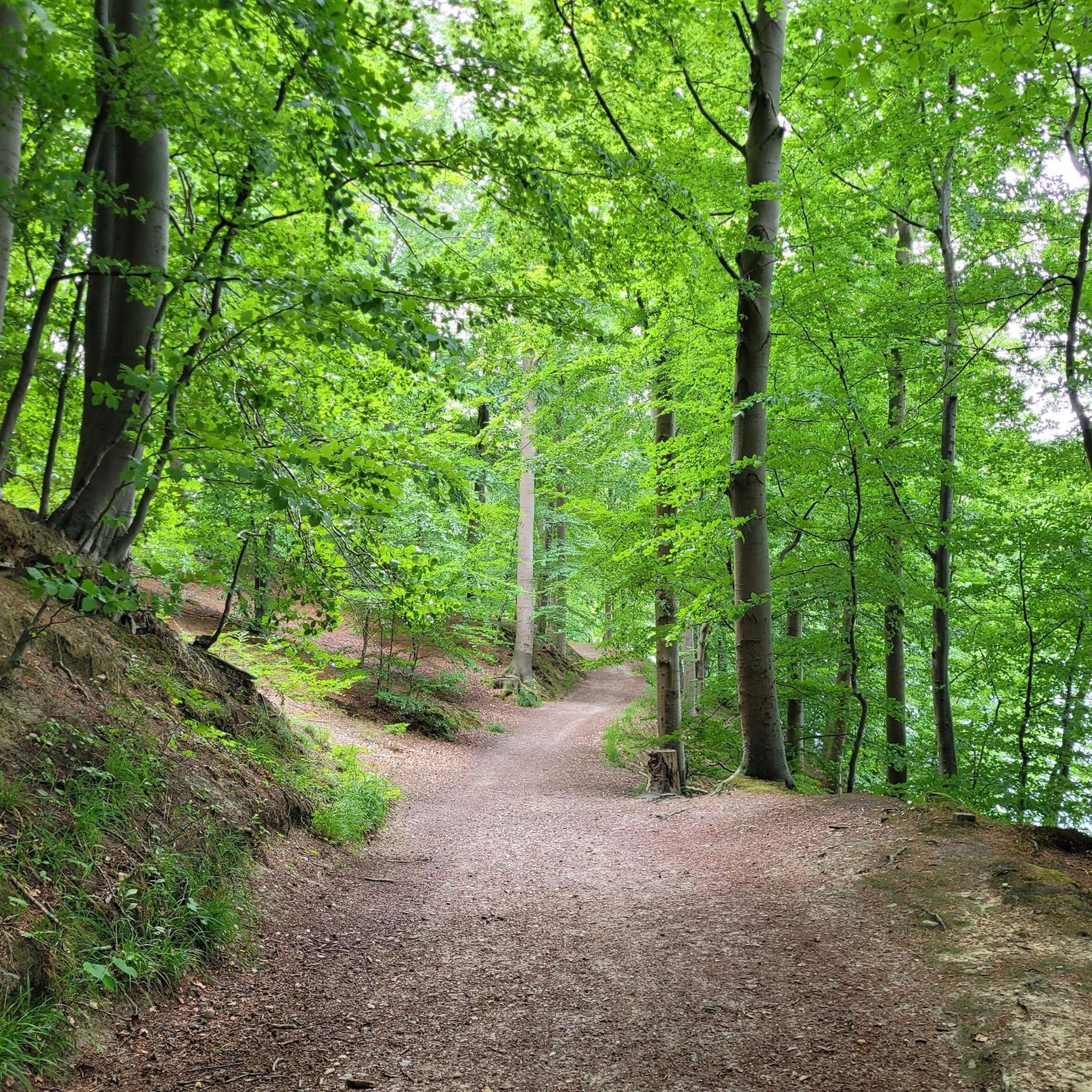
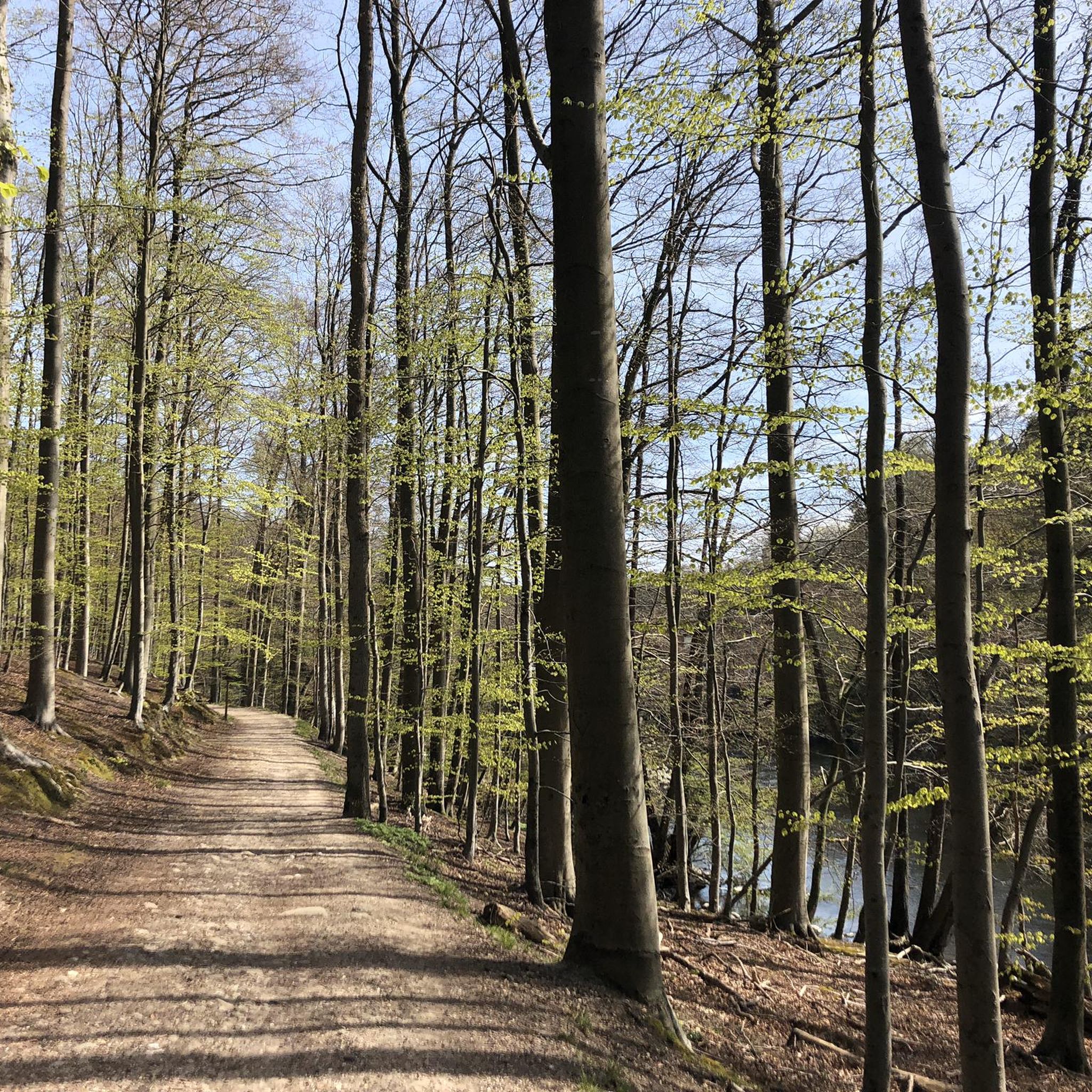
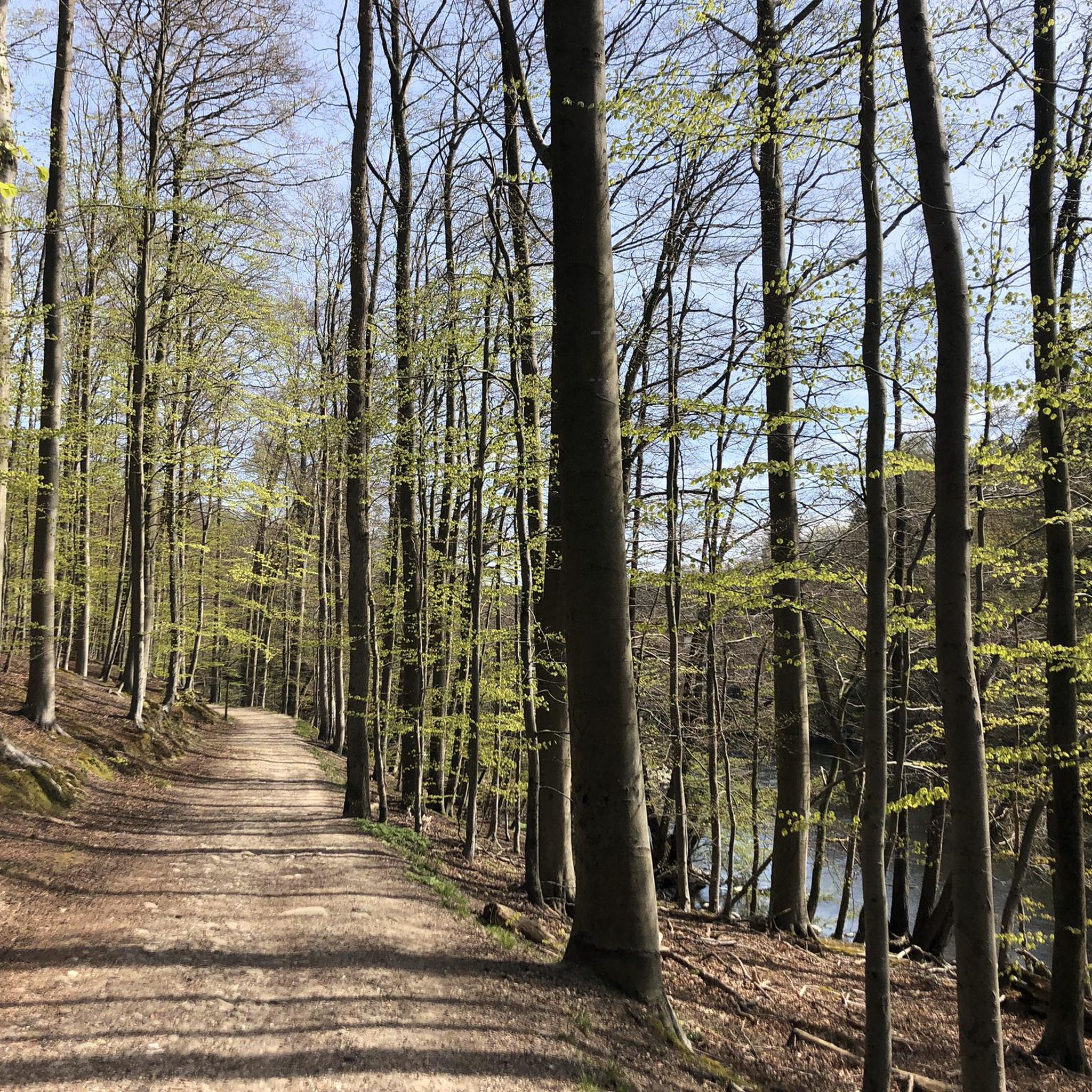
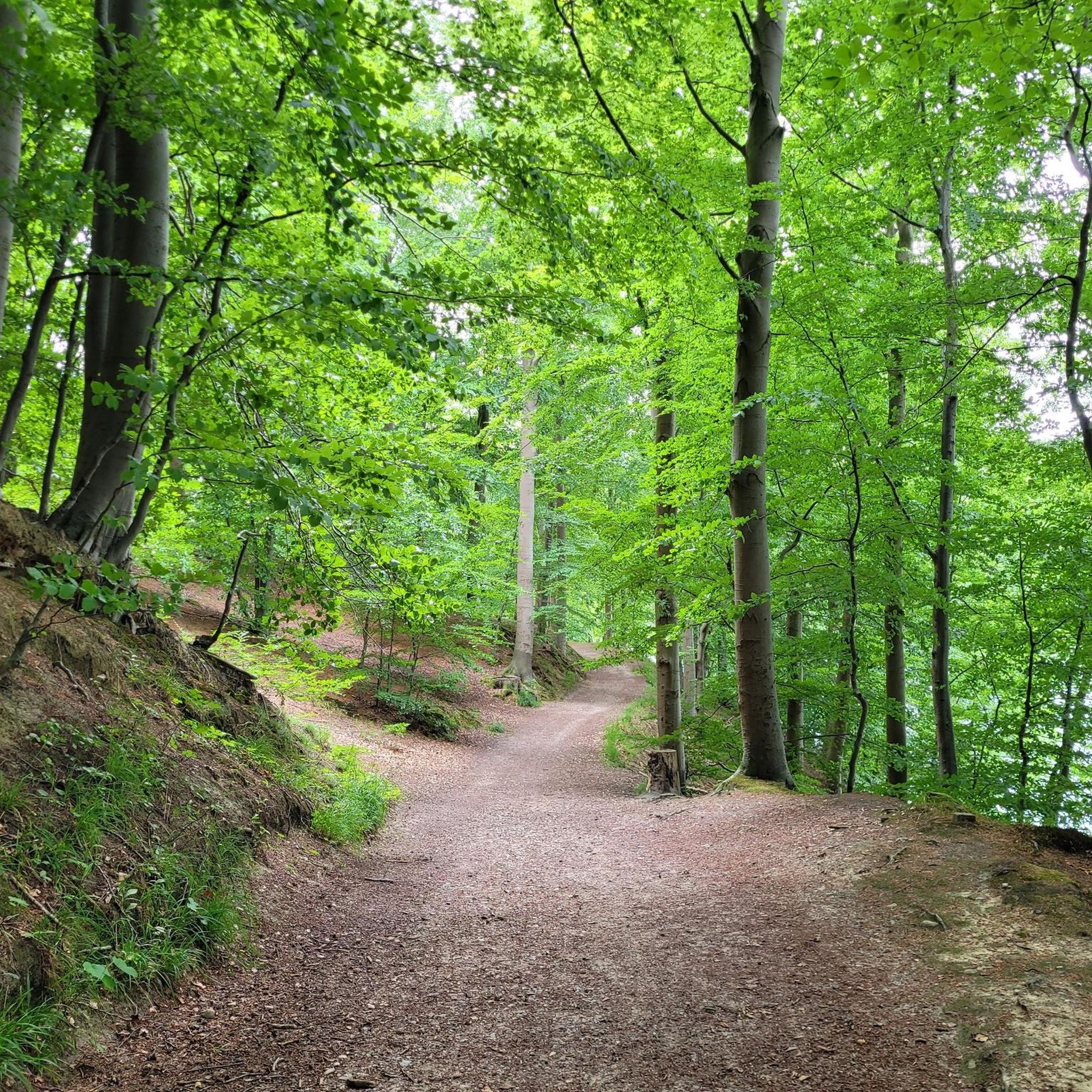
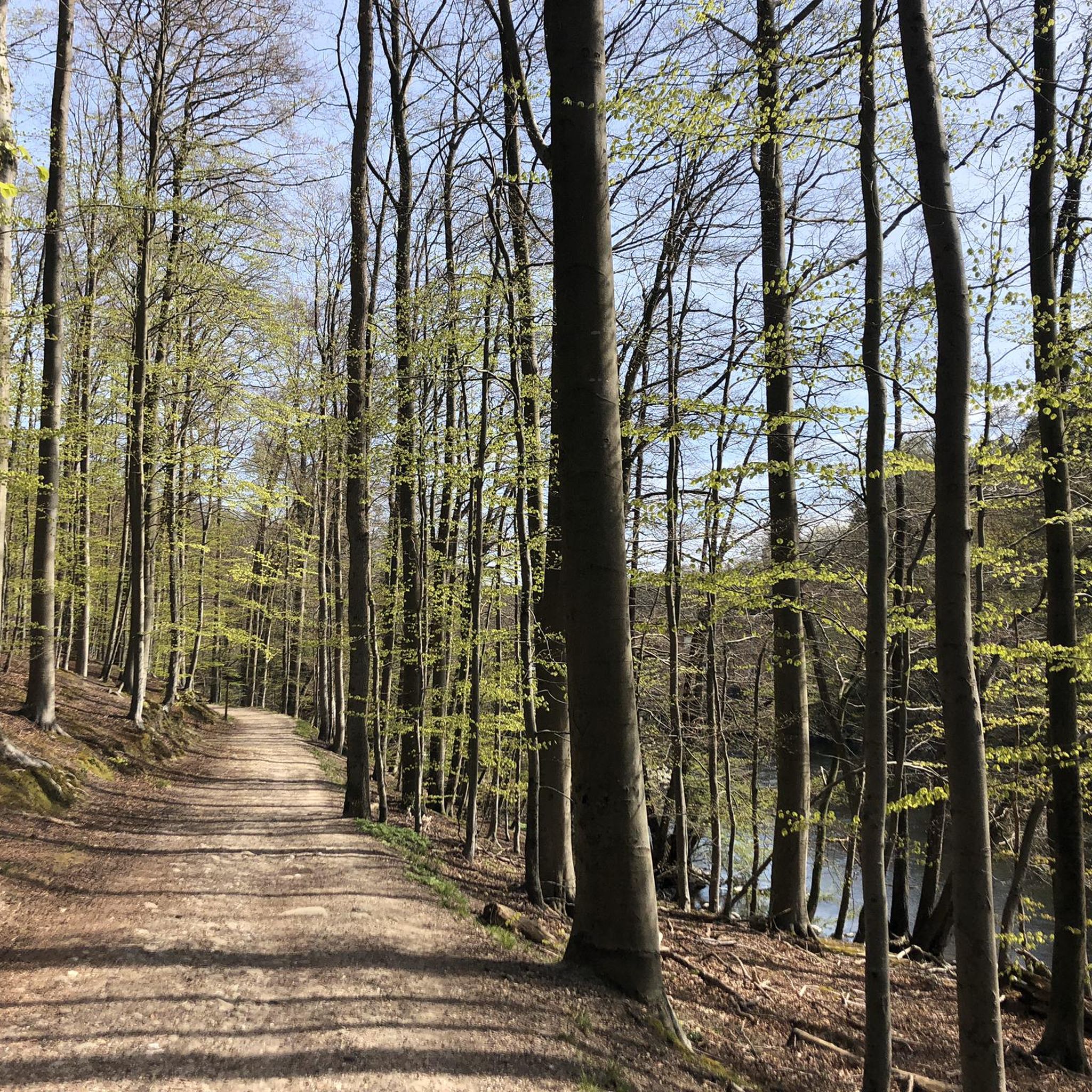
Originally laid out as an English garden, the paths of the palace park lie in the shade of tall trees. The loop is 1/2 km long.
2
0

A truly impressive building, well worth a visit, and open to the public on special occasions. Details about the castle can be found at www.schloss-bredeneek.de/geschichte
1
0

Bredeneek Castle has retained its original character to this day. The rooms have barely changed overall. Join us for a brief journey through history.
9
1
After the school closed, the Hagen Manor House, known to the local community as a castle for generations, was converted into a cultural center. After severe mold and mildew infestation was discovered at the beginning of the 21st century, the almost 400-year-old building underwent extensive renovations from 2007 to 2010. The castle remained closed during this time, and the site's usage concept was revised. Hagen has been open to visitors again since 2011. The castle's rooms can be rented for private events, and concerts and readings are also held there. Apartments and a doctor's office have been created on the upper floor.
9
1
Hagen was first mentioned in 1264 as indago comitis ("Count's Hag") in the Kiel city register. Within the boundaries of the later estate lay a small village called Schrevendorf (s'Grevendorf), and to the west lies the noble estate called Schrevenborn (s'Grevenborn, the Count's Well). All this indicates that the area northeast of Kiel was once a hunting ground of the territorial lords, the Schauenburg Counts of Holstein, who resided in Kiel Castle. The noble estate in Hagen (as well as in Schrevendorf) was therefore not established until the 16th century, after King Christian I of Denmark was elected the new ruler of the Duchy of Schleswig and the County of Holstein in 1460, and Kiel was ceded to the Schleswig-Holstein-Gottorf line in 1544, which resided in Gottorf Castle in Schleswig and no longer needed the Kiel hunting ground.
12
1
Hagen Castle is the ideal location for your dream wedding – a historic gem surrounded by a lush park and stunning scenery near the Baltic Sea and the state capital of Kiel. Your civil wedding could take place in the castle's magnificent Great Hall or the baroque Blome Room. For an elegant reception, doors to additional adjoining rooms can be opened, comfortably accommodating a wedding party of up to 100 people. Catering can be seamlessly arranged via the kitchen wing located on the same floor. In the afternoon and early evening, the expansive park and the small town of Probsteierhagen offer lovely spots for a stroll in the fresh air. Of course, the bride and groom shouldn't miss the nearby maze. This is where you'll find your soulmate! We are happy to answer any questions you may have about your wedding planning. We would also be happy to plan a supporting program for your guests.
15
1
In 1534, the first documented mention was made under Christoph von Pogwisch, whose family remained in Hagen and the nearby Dobersdorf estate for the following century. The first manor house on the estate, which has not been preserved, probably dates from this time. On the occasion of the wedding of Lucia von Pogwisch, the last heiress of the Hagen Pogwisch line, to Hinrich von Blome in 1646, the current manor house was built between 1647 and 1649. Hagen estate thus became the property of the Blome family. Both families belonged to the Equites Originarii, the oldest families of the Schleswig-Holstein knighthood. In the following centuries, the manor house served as the family seat of the Hagen-Blome line, which also included the Waterneverstorf estate, but Hagen never played a significant role in the history of Holstein and even major changes of ownership, which were quite common on other estates, did not occur. In 1814 the estate was acquired by a
15
1
The first mention of Hagen is documented in the Kiel city register in 1264 as indago comitis ("Hag des Grafens"). In the area of the later estate there was an instendorf called Schrevendorf (s'Grevendorf) and to the west there is the noble estate called Schrevenborn (s'Grevenborn, des Grafen Brunnen). All this indicates that the area northeast of Kiel was once a hunting ground of the sovereigns, the Schauenburg Counts of Holstein, who resided in Kiel Castle. The noble estate economy in Hagen (as well as in Schrevendorf) was therefore only founded in the 16th century, after King Christian I of Denmark was elected the new ruler of the Duchy of Schleswig and the County of Holstein in 1460 and Kiel was ceded to the Schleswig-Holstein-Gottorf line in 1544, which resided in Gottorf Castle in Schleswig and no longer needed the Kiel hunting ground.[1]
15
1
Frequently Asked Questions
What kind of historical sites can I expect to find around Rastorf?
The Rastorf area is rich in historical estates, manor houses, and knight's seats rather than traditional fairytale castles. These sites, such as Gut Rastorf, Hagen Castle, and Salzau Manor, offer a glimpse into the aristocratic and rural heritage of Schleswig-Holstein, with histories often stretching back to the Middle Ages.
What are some of the most notable castles or manor houses to visit near Rastorf?
Key sites include Hagen Castle, known for its role as a cultural and event center and its mention in the oldest Kiel city book from 1264. Salzau Manor, an ancient knight's seat first mentioned in the 13th century, features a rebuilt mansion from 1881. Gut Rastorf itself boasts an impressive baroque courtyard complex and an early classicist manor house in the picturesque Schwentine Valley.
Are there family-friendly castles or estates to visit near Rastorf?
Yes, several sites are considered family-friendly. Hagen Castle and Hagener Castle (also known as Probsteierhagen Castle) are both categorized as family-friendly. Hagener Castle, for instance, hosts various markets and events throughout the year, making it an engaging destination for all ages.
What outdoor activities can I do near these castles?
The region around Rastorf offers various outdoor activities. You can find numerous running trails, gravel biking routes, and cycling paths. For example, there's a family-friendly loop through the palace park, originally an English garden, perfect for a short walk.
Are there hiking or walking opportunities near the castles around Rastorf?
Absolutely. You can explore the scenic Schwentine Valley, where Gut Rastorf is located. Additionally, there's a pleasant loop through the palace park, which is about 0.5 km long and suitable for an easy walk under tall trees. For more extensive options, check out the running trails around Rastorf, many of which are also suitable for walking.
What natural features or viewpoints can I find near the castles?
The castles and estates are often set amidst beautiful natural landscapes. Gut Rastorf is situated in the picturesque Schwentine Valley. You can also find viewpoints like the View of Blomenburg, offering glimpses of the historic hunting lodge and its surroundings, though some views might be partially obstructed by new developments.
What is the best time of year to visit the castles and estates around Rastorf?
The spring and summer months (April to September) generally offer the most pleasant weather for exploring the grounds and outdoor areas of these historical sites. During this time, many estates, like Hagener Castle, host various markets and events, adding to the visitor experience. Autumn also provides beautiful scenery with changing foliage.
How much time should I allocate to visit the castles and estates around Rastorf?
Visiting one or two major sites like Gut Rastorf, Hagen Castle, or Salzau Manor can take anywhere from 1 to 3 hours each, depending on how much you wish to explore the grounds and any available interiors or exhibitions. If you plan to combine visits with nearby hiking or cycling, a full day or even multiple days would be ideal to experience the region thoroughly.
Are the castles and estates around Rastorf accessible for visitors with mobility challenges?
Accessibility varies by site. While some manor houses may have limited access due to their historic nature, many have grounds or exterior areas that are more accessible. For example, the loop through the palace park is a relatively flat and easy path. It's advisable to check specific accessibility details for each location before your visit, as information is not uniformly available for all historical buildings.
Can I visit these historical sites with my dog?
Generally, dogs are welcome on the outdoor grounds and walking paths of many estates, especially in public park areas. However, access to interior buildings or specific cultural events might be restricted. For instance, the loop through the palace park is suitable for walks with dogs. Always keep your dog on a leash and be mindful of any posted regulations at each specific site.
What do visitors enjoy the most about the castles and estates near Rastorf?
Visitors appreciate the rich history and architectural beauty of these sites, which offer a unique insight into Schleswig-Holstein's past. The picturesque settings, often in natural landscapes like the Schwentine Valley, are also highly valued. The komoot community has shared over 400 photos and given more than 600 upvotes, highlighting the visual appeal and historical significance of the area.
Are there cafes or restaurants near the castles around Rastorf?
While specific cafes directly adjacent to every historical site are not always guaranteed, the towns and villages in the Rastorf area, such as Probsteierhagen or Preetz, offer various dining options. Hagen Castle, for example, serves as a cultural center, which may include facilities for refreshments or events. It's recommended to check local listings for current options.
Most popular routes around Rastorf
Most popular attractions around Rastorf

Get inspired with the komoot mobile app


Explore more
Looking for the best castles somewhere else? Discover other guides around Rastorf:
