Top 10 Caves around Biedenkopf
Caves around Biedenkopf offer diverse natural and historical exploration opportunities within the Marburg-Biedenkopf district of Germany. The region features a landscape characterized by forests and natural rock formations. These sites provide insights into local geology, historical uses, and ecological significance. Visitors can explore various cave types, from those with legendary ties to significant bat habitats.
Best caves around Biedenkopf
- The most popular caves is Ruins of Hohenfels Castle, a castle that includes a cave feature. The two castle ruins…
Last updated: May 30, 2026
Ruins of Hohenfels Castle
Highlight • Castle
Translated by Google •
Tip by

Mork Cave
Highlight • Cave
Translated by Google •
Tip by

Sign up now to discover places like this
Get recommendations on the best single tracks, peaks, & plenty of other exciting outdoor places.
Sign up for free
Dragon Cave at Rimberg
Highlight • Cave
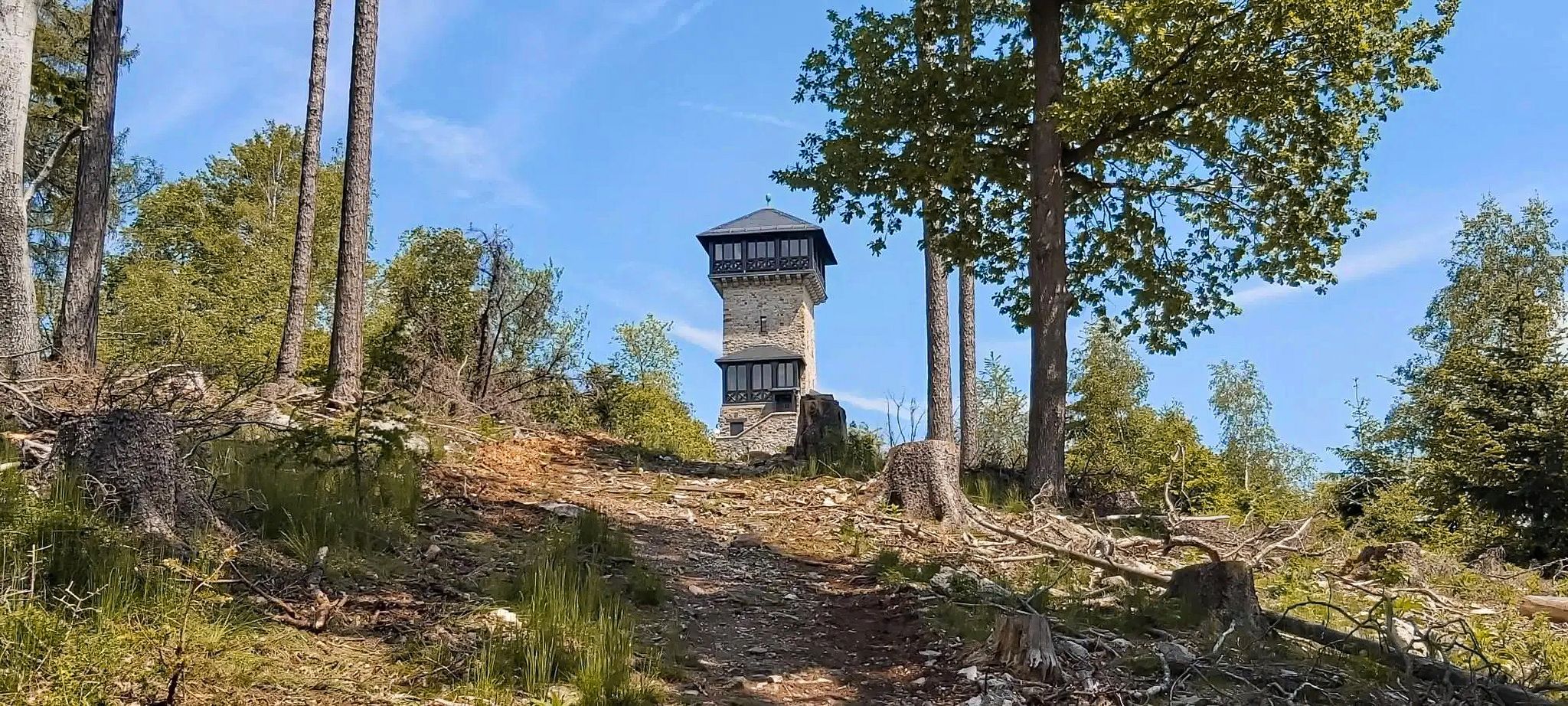
The cave is located on the steep eastern slope, 200 m below the Rimberg tower in Lahntal. …
Translated by Google •
Tip by

Wichtelhaus Cave
Highlight • Cave
Translated by Google •
Tip by

Helfensteine Rock Formation
Highlight • Natural Monument
Translated by Google •
Tip by

Sign up for free to discover even more caves around Biedenkopf.
Sign up for free
Already have an account?
Start today with a free account
Your next adventure awaits.
Login or Signup
Popular around Biedenkopf
Lahnwanderweg Trail – The Lahn from its source to the estuary
11 Hessen trails – criss-cross through the countryside
Autumn views: to the most beautiful vantage points in the RMV area
D-Route 4: Mittelland Route
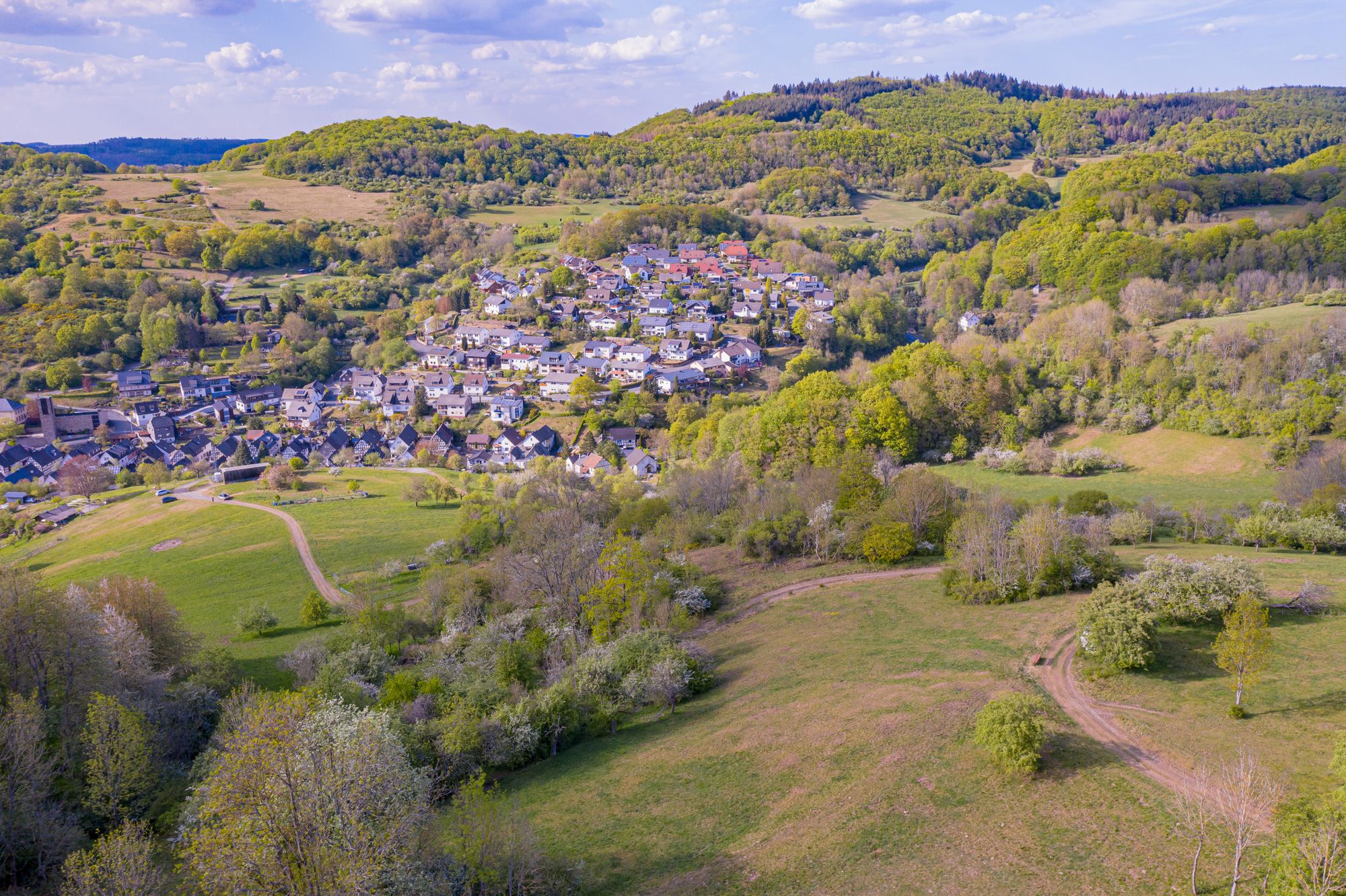
Die schönsten Tagestouren im Naturpark Lahn-Dill-Bergland
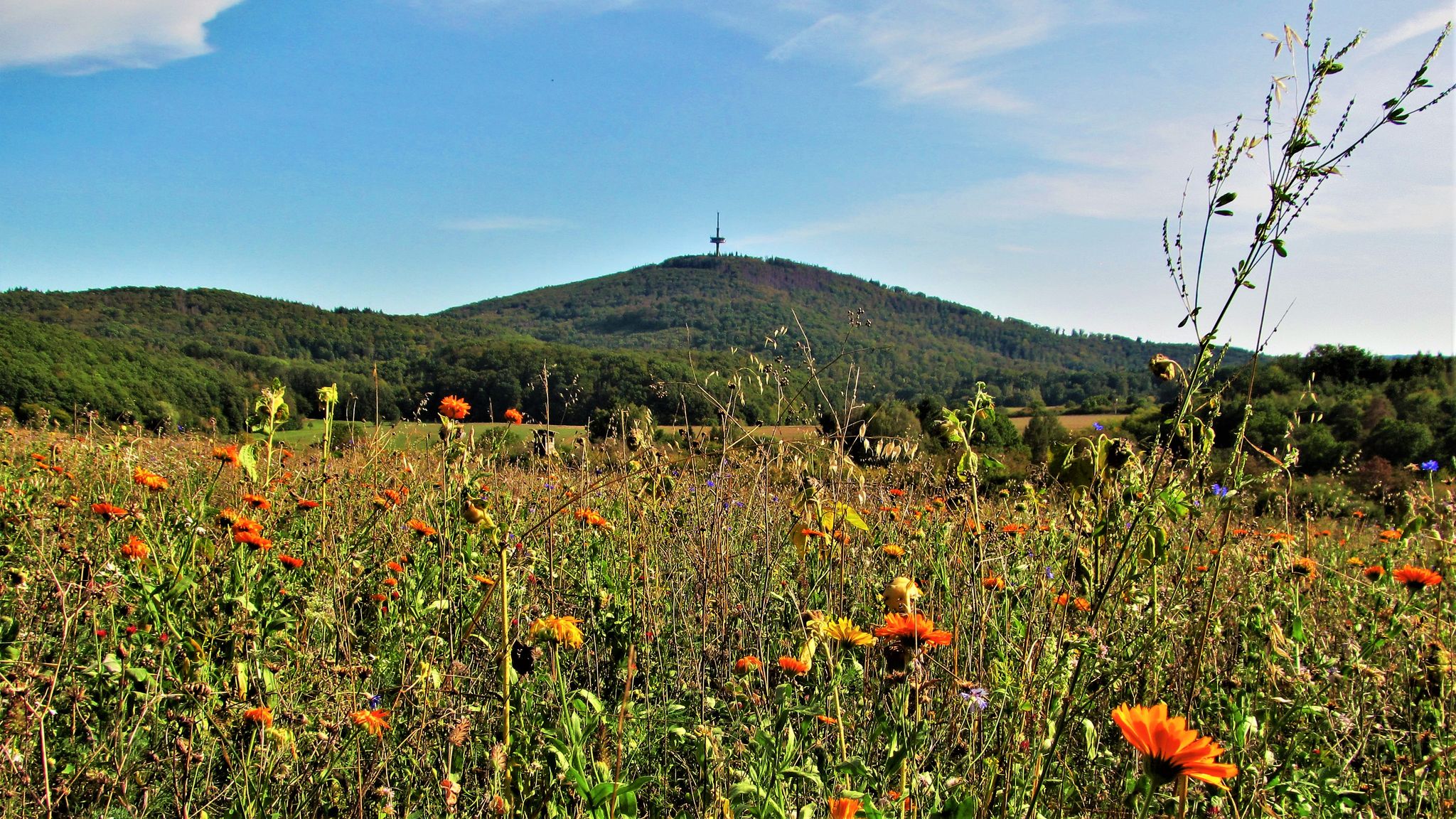
Wälder, Höhen, Seen – Radeln im Naturpark Lahn-Dill-Bergland
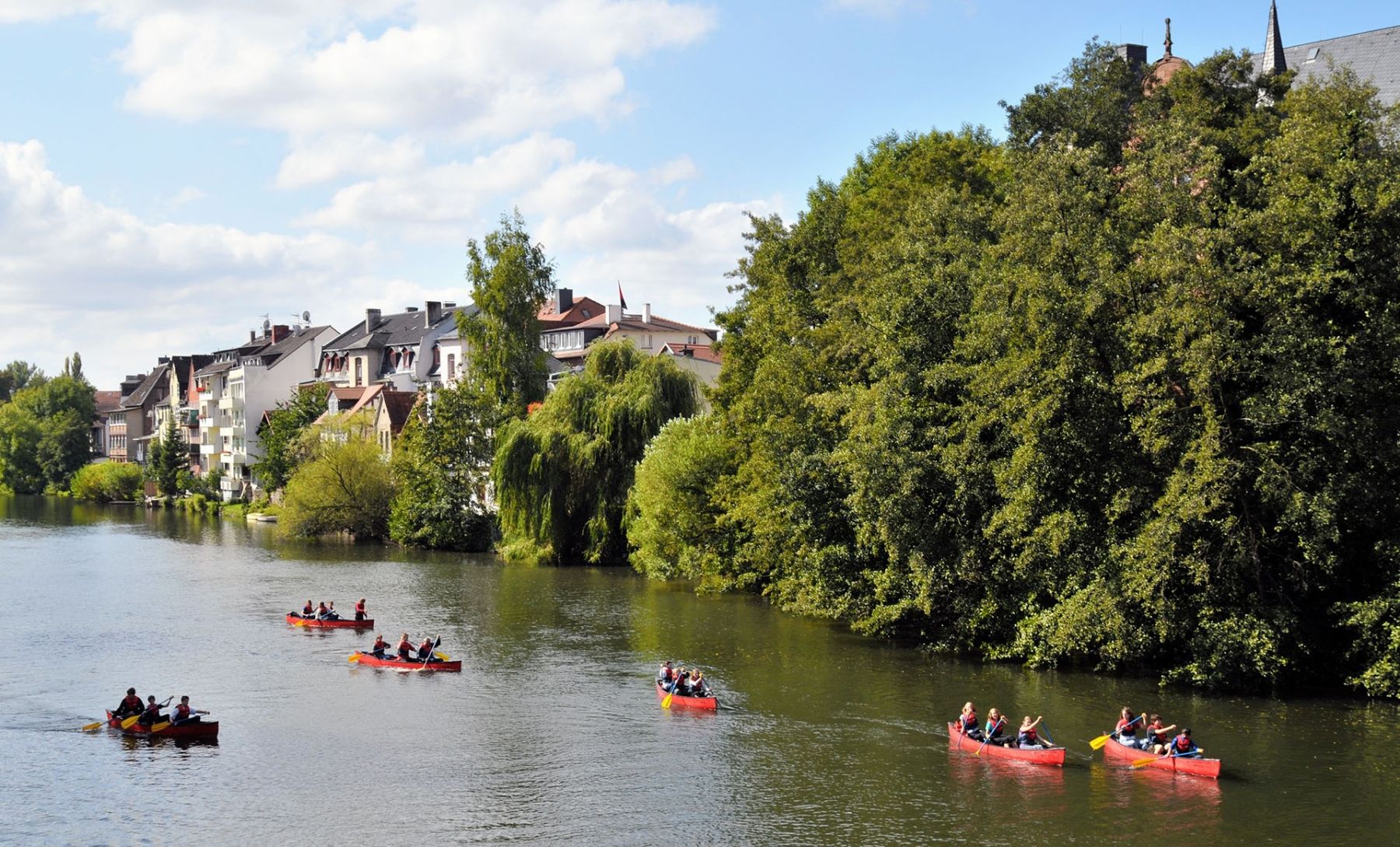
Wildromantische Flussradrouten – das Lahntal auf dem Fahrrad erkunden
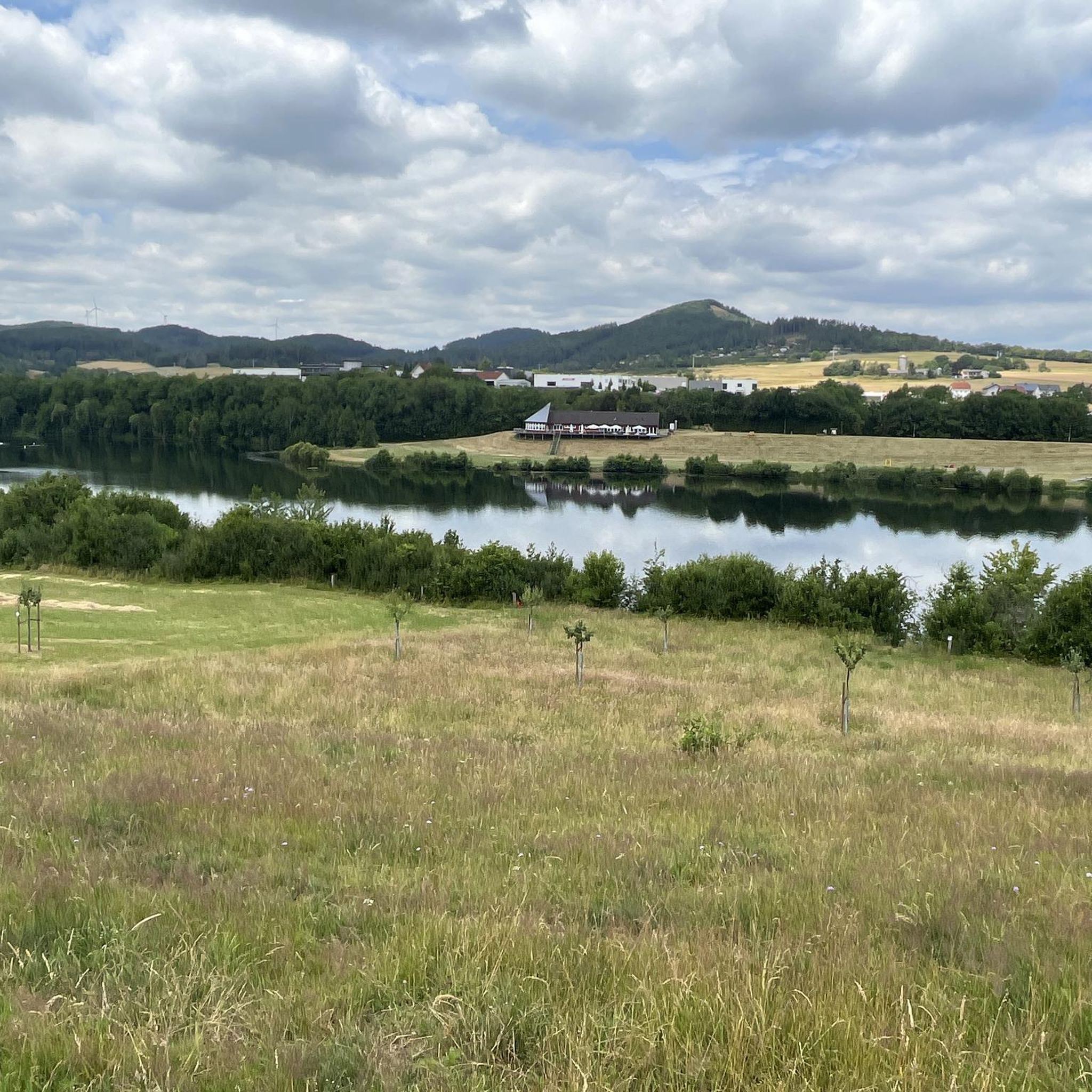
Hiking around Biedenkopf
Cycling around Biedenkopf
MTB Trails around Biedenkopf
Other adventures around Biedenkopf


Tips from the Community

The trail has about 12 - 15 "tops" (highlights). If you walk the trail, this is the "top 3" on this tour
0
0

Not directly visible from the lower path. All you can see is a small, steep trail. If you follow this you will come to the cave behind the fallen trees.
1
0

If you don't know, you drive past it without seeing anything of the castle. Currently the path has been blocked with trees.
2
0

Although not much has been preserved, the remains give enough reason to stimulate the imagination as to how it might have been.
3
0

From the lower path it is a bit scrambling up to the stones that are under protection of nature, on the lower path there is a small cave directly on the stream, you should take a look. I walked a lap above Eifa just before the 5-way crossing that goes up to the OHGV tower. I crossed country along a border path and came to the rock group. Until 1832, the district boundary of the town of Biedenkopf ran along this group of rocks (Helffensteine). Nice cookie.
1
0

Nice tour with this great place 😎👍
3
0

We walked past it first... From the other side we saw the ropes for the descent down in the forest. Thanks to whoever put them there! The tunnel is great, but full of mosquitoes that hibernate there. A great adventure for the kids.
1
0

There are a few secrets about the Drachenhöhle and Lindwurmhöhle on the Rimberg. The cave is located on the steep eastern slope, 200 m below the Rimberg tower in Lahntal. The cave leads about 15 meters into the mountain. After a narrow passage it ends in a small cauldron. According to legend, Siegfried (also called Sigurd in Nordic legends) is said to have killed the dragon Fafnir here in the Gnitalheide. Nothing can be seen of the former "Gnitaheide" heathland near Caldern. Only the hall name "Heide" still reminds of the legend of Siegfried, the dragon slayer. The Marburg painter Otto Ubbelohde illustrated the saga of Siegfried and the killing of the dragon, which was adopted in the German heroic sagas, several times with drawings. The fact is, this is an old iron ore mine from the Middle Ages. This was determined years ago by radioactive age determination of the calcium deposits inside the cave. This investigation made it possible to scientifically date an ore tunnel in a wide area for the first time.
6
0
Frequently Asked Questions
What are some of the most unique caves to explore around Biedenkopf?
The region offers several unique cave experiences. You can visit Mork Cave, known for its challenging descent and wintering mosquitoes, or the Dragon Cave at Rimberg, which is steeped in legends of Siegfried and Fafnir. For a historical perspective, D's Ness-Elsche Cave was once used for ore searches and herb storage.
Are there any caves with historical significance in the Biedenkopf area?
Yes, the region has caves with rich histories. The Dragon Cave at Rimberg is linked to the legend of Siegfried slaying the dragon Fafnir and is also an old iron ore mine from the Middle Ages. D's Ness-Elsche Cave was historically used as a test tunnel during ore searches and by a local woman for storing herbs.
Which caves are suitable for families with children looking for an adventure?
Mork Cave is considered a great adventure for kids, offering a hands-on caving experience with ropes to assist in the descent. While not a traditional cave, the Rittersaalkeller Bat Winter Quarters at Marburg Castle offers a unique opportunity to learn about local wildlife and conservation, which can be engaging for families.
What kind of natural features can I expect to see near the caves?
Beyond the caves themselves, you'll find diverse natural features. The Helfensteine Rock Formation is a natural monument with a small cave nearby, offering scenic views. Many caves, like Mork Cave and Wichtelhaus Cave, are nestled within forests, providing opportunities to explore the surrounding woodland.
Are there challenging caves for experienced explorers in the Biedenkopf region?
Yes, some caves offer a more challenging experience. Mork Cave involves a challenging descent, often requiring ropes. The Wichtelhaus Cave also has a challenging approach, with a steep climb through undergrowth to reach it. The Dragon Cave at Rimberg can also be challenging, especially when approaching from above.
What outdoor activities can I combine with a visit to the caves?
The Biedenkopf area is excellent for outdoor activities. You can explore various hiking trails, including easy hikes, or try road cycling on routes like the 'View of Biedenkopf Castle – Hammerweiher Steinbrücken loop'. Gravel biking is also popular, with routes such as the 'Roßbachtal – View of Perfstausee loop'. Many caves are located directly on hiking paths, making them easy to integrate into a longer tour.
What is the best time of year to visit the caves around Biedenkopf?
The best time to visit depends on your interest. For general exploration, spring to autumn offers pleasant weather for hiking to and around the caves. If you're interested in wildlife, the Rittersaalkeller Bat Winter Quarters is significant during winter when bats are present. Be aware that Mork Cave houses many mosquitoes that winter there, which might influence a winter visit.
Are there any caves that are part of larger historical sites?
Yes, Ruins of Hohenfels Castle includes a cave feature and is a historical site itself, once the ancestral seat of the Lords of Hohenfels. The two castle ruins are located directly on a hiking trail, offering both historical and natural exploration.
What should I wear or bring when exploring caves in this region?
Given the varied nature of the caves, good footwear is essential, especially for challenging routes like the Wichtelhaus Cave, where paths can be steep and overgrown. For caves like Mork Cave, where ropes might be present for descent, appropriate gear for caving or scrambling is advisable. Always be prepared for cooler temperatures inside caves, even in summer.
Are there any caves known for their ecological importance?
Yes, the Rittersaalkeller Bat Winter Quarters at Marburg Castle, while not a natural cave, is ecologically significant. It serves as the largest winter quarters in Germany for the common pipistrelle bat and other bat species, making it an important site for wildlife conservation.
What do visitors enjoy most about the caves around Biedenkopf?
Visitors appreciate the diverse experiences offered, from the adventurous descent into Mork Cave, which is often described as a 'great adventure for the kids,' to the historical and legendary ties of the Dragon Cave at Rimberg. The natural beauty of formations like the Helfensteine Rock Formation and the integration of caves into hiking trails are also highly valued.
Most popular routes around Biedenkopf
Most popular attractions around Biedenkopf

Get inspired with the komoot mobile app


Explore more
Extend your search for the best caves by checking out these guides of the top ones around Biedenkopf:
