Top 20 Lakes around Wachtberg
Best lakes around Wachtberg are found within this municipality in the Rhein-Sieg district of North Rhine-Westphalia, Germany, and its surrounding regions. Wachtberg is characterized by hills and forests, featuring historical water castles. The area offers a mix of natural and man-made lakes, often formed from former quarries or reservoirs. These water bodies provide opportunities for hiking and nature observation.
Best lakes around Wachtberg
- The most popular lakes is Old Ponds, a lake that features four ponds lining up along…
Last updated: September 29, 2026
Three-Lakes Viewpoint
Highlight • Viewpoint
Translated by Google •
Tip by

Rheinaue Park, Bonn
Highlight • Rest Area
Translated by Google •
Tip by

Sign up now to discover places like this
Get recommendations on the best single tracks, peaks, & plenty of other exciting outdoor places.
View of Dornheckensee
Highlight • Viewpoint
Translated by Google •
Tip by

Ponds and Eulenbach Stream in Rheinbach City Forest
Highlight (Segment) • Lake
Translated by Google •
Tip by

Old Ponds
Highlight • Lake
Translated by Google •
Tip by
Sign up for free to discover even more lakes around Wachtberg.
Already have an account?
Start today with a free account
Your next adventure awaits.
Popular around Wachtberg
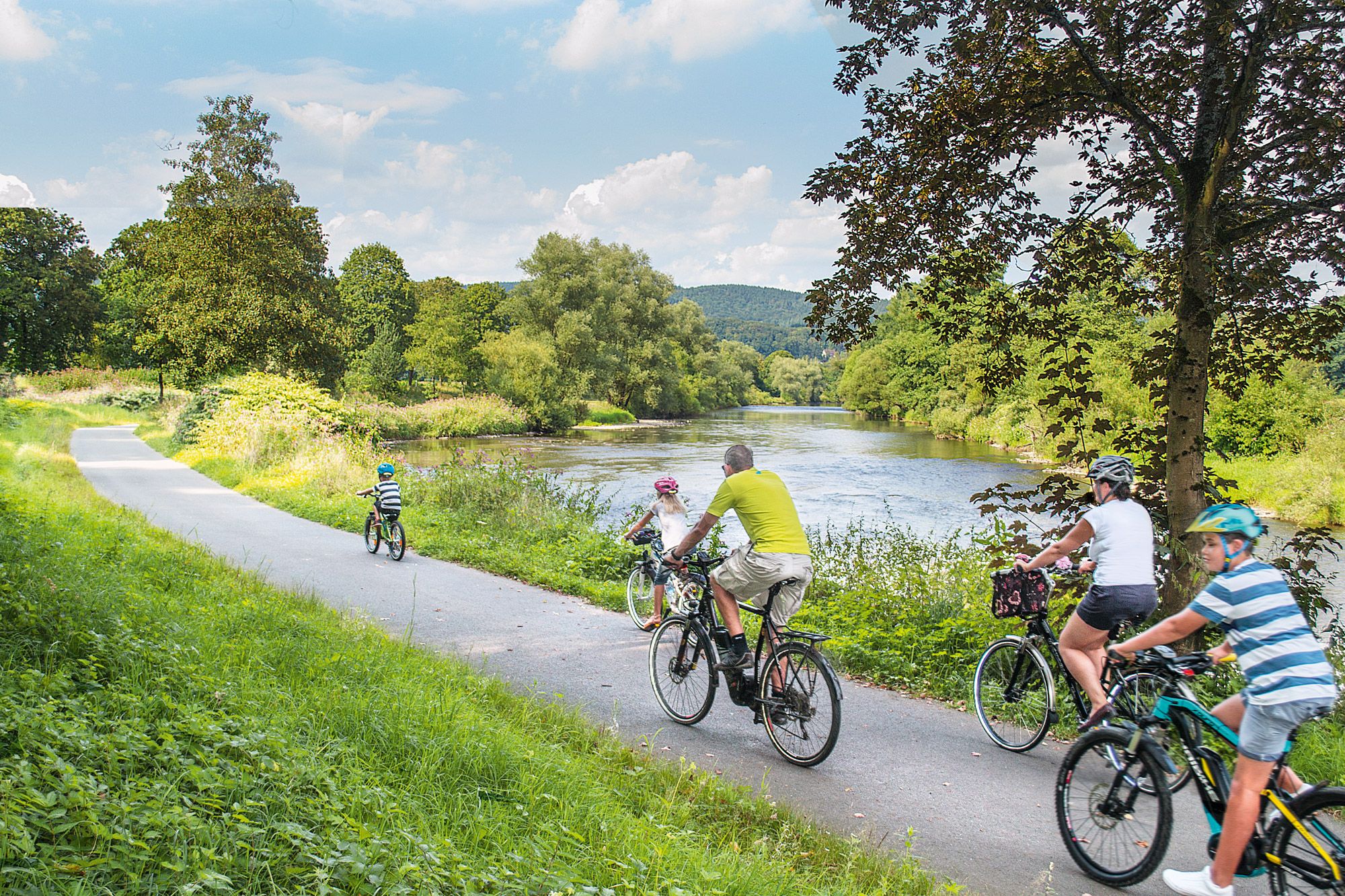
Nature bathing on your bike – beautiful Tours on the Rhine and Sieg
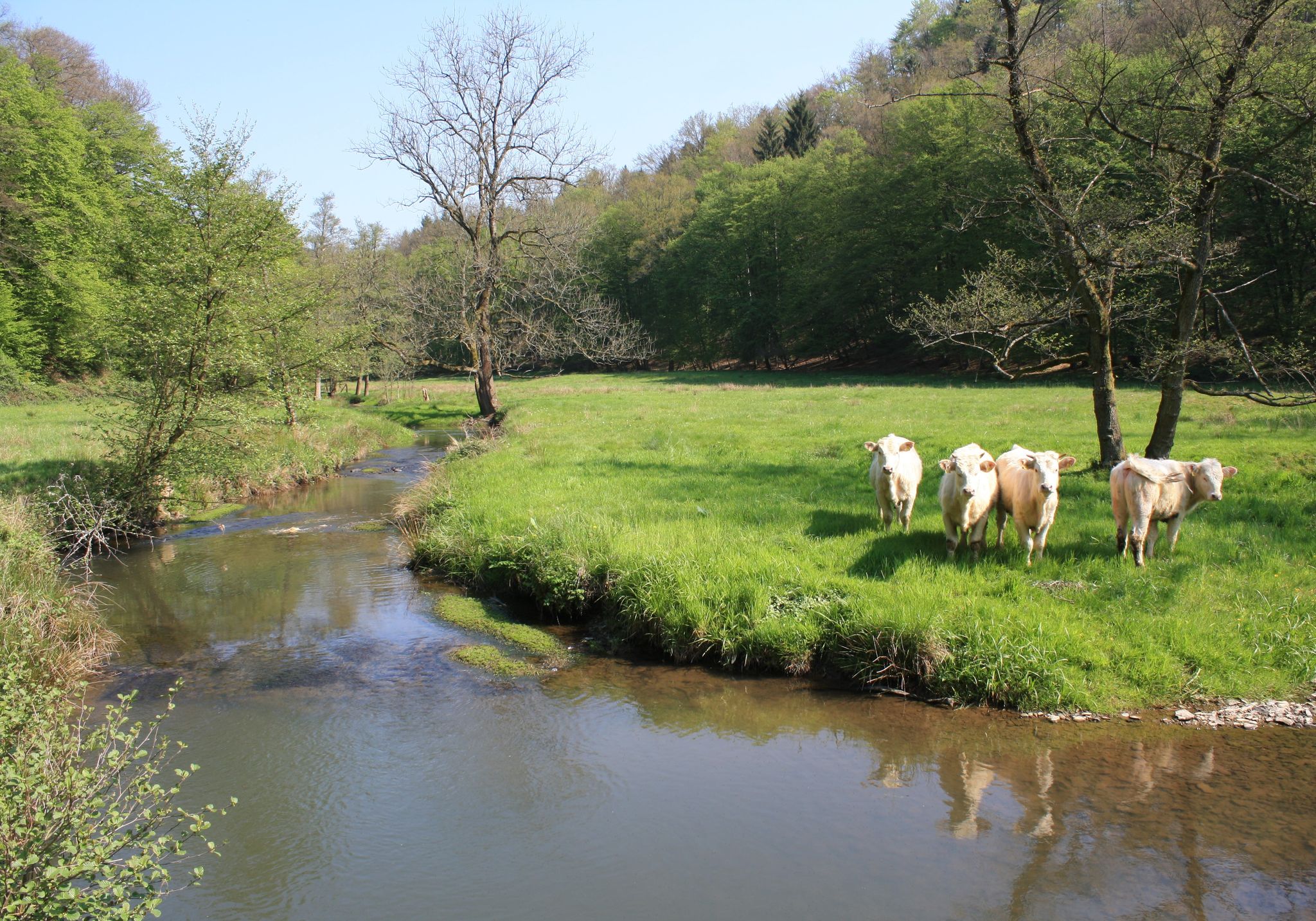
Nature and culture in beautiful landscapes – hikes on the Rhine and Sieg
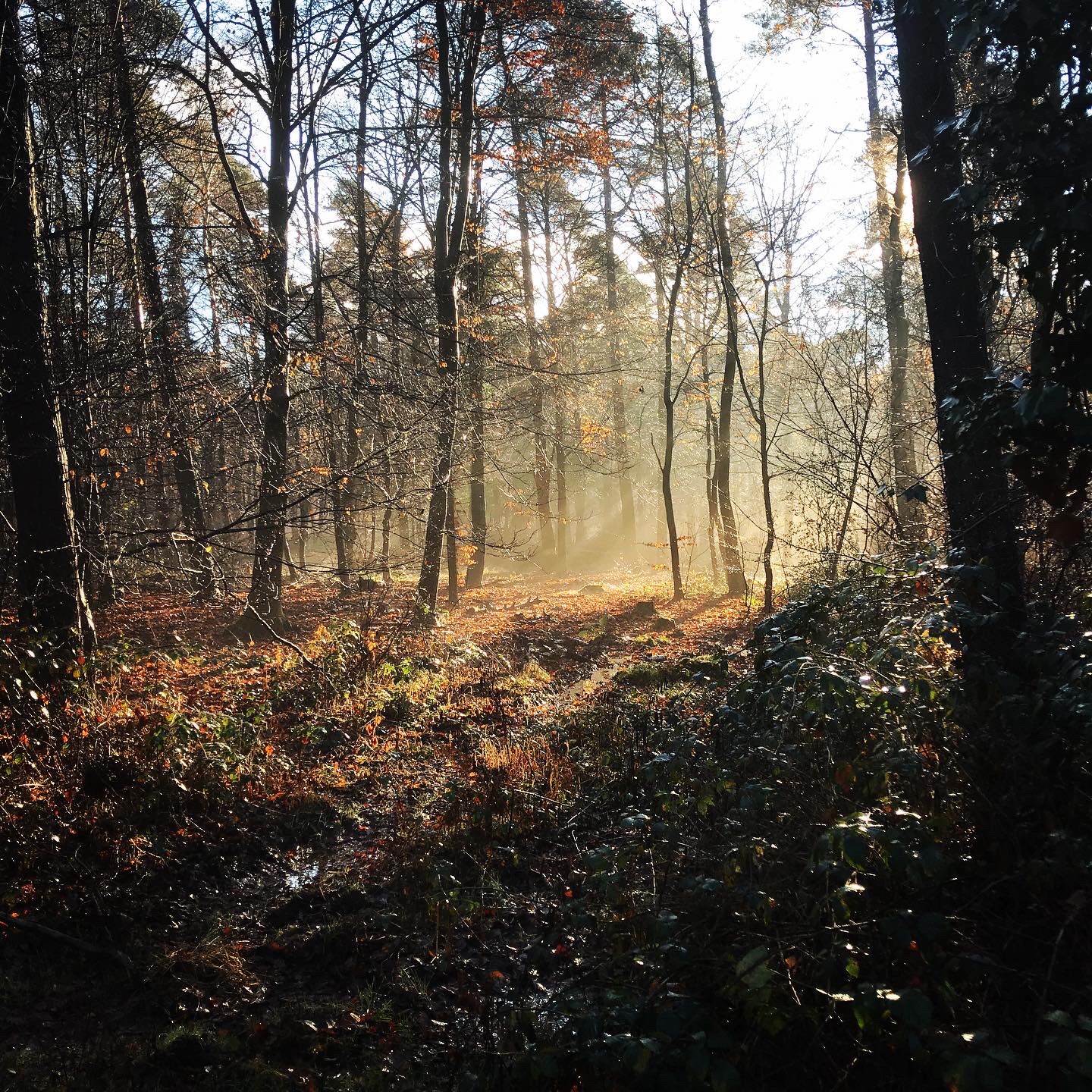
Naturpark Rheinland - Our most beautiful hiking trails
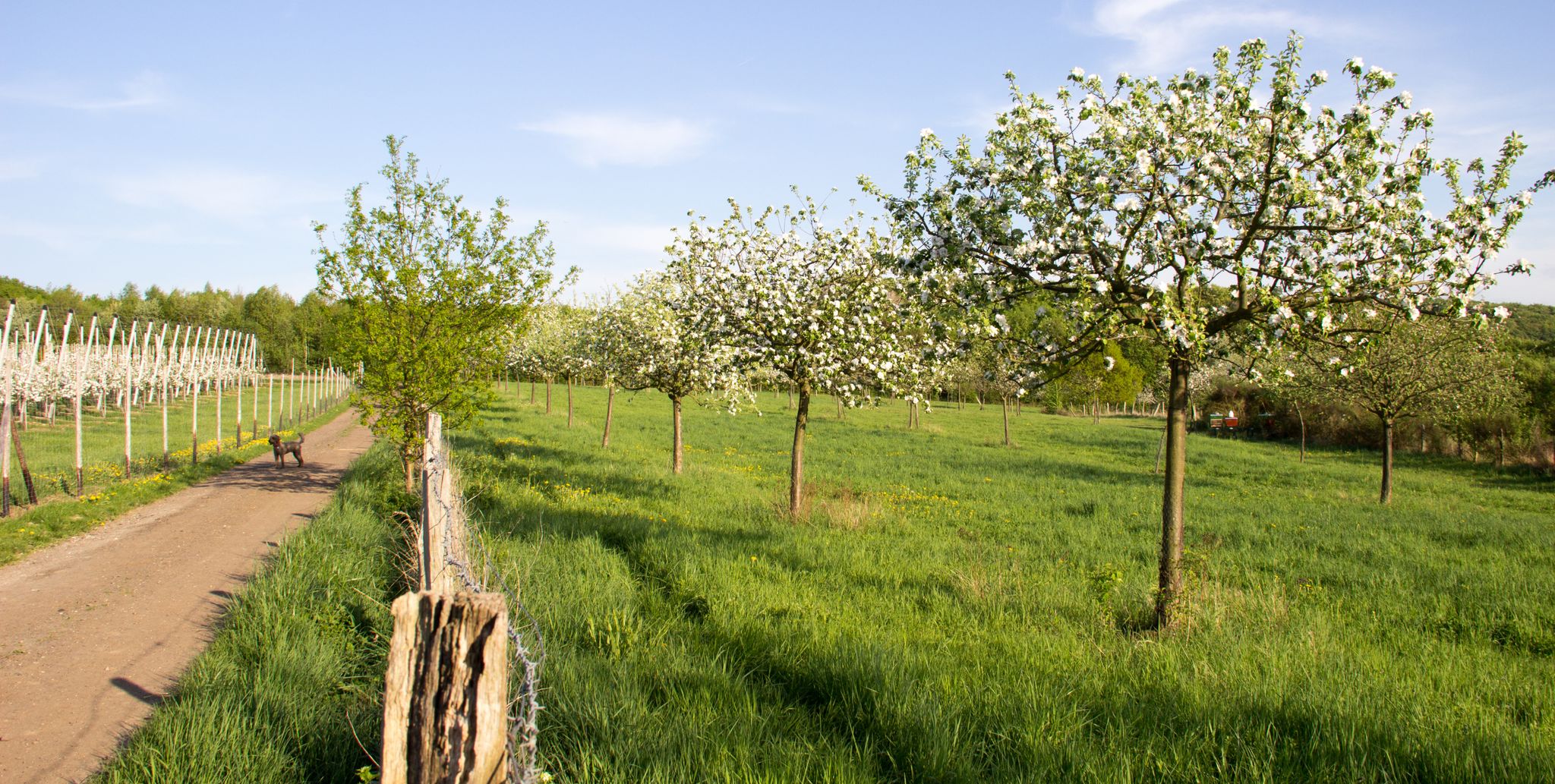
Im Zeichen des Apfels – Die Rheinische Apfelroute
Hiking around Wachtberg
Cycling around Wachtberg
Running Trails around Wachtberg
Road Cycling Routes around Wachtberg

Gravel biking around Wachtberg
MTB Trails around Wachtberg
Other adventures around Wachtberg


Tips from the Community

The name is once again misleading: Of course, the local hiker knows that there are by no means several lakes visible from this spot. Rather, it is the "good old Father Rhine," which can be seen several times, seen here from above.
9
0

Four old ponds lie along the path as if strung on a pearl necklace. It's quiet here and perfect for a little rest.
6
0

The Eulenbach has dug deep into the terrain and the drought of the past summer has left its mark on the ponds. The water system seems to be completely out of balance here.
4
1
The current Rheinauenpark, a popular excursion destination “in the countryside” for Bonn residents and visitors to the federal city, was newly created in the south of the city especially for the Federal Garden Show in 1979. This name usually only refers to the larger part on the left bank of the Rhine, but part of the site also extends along the opposite bank of “Father Rhine”.
10
0

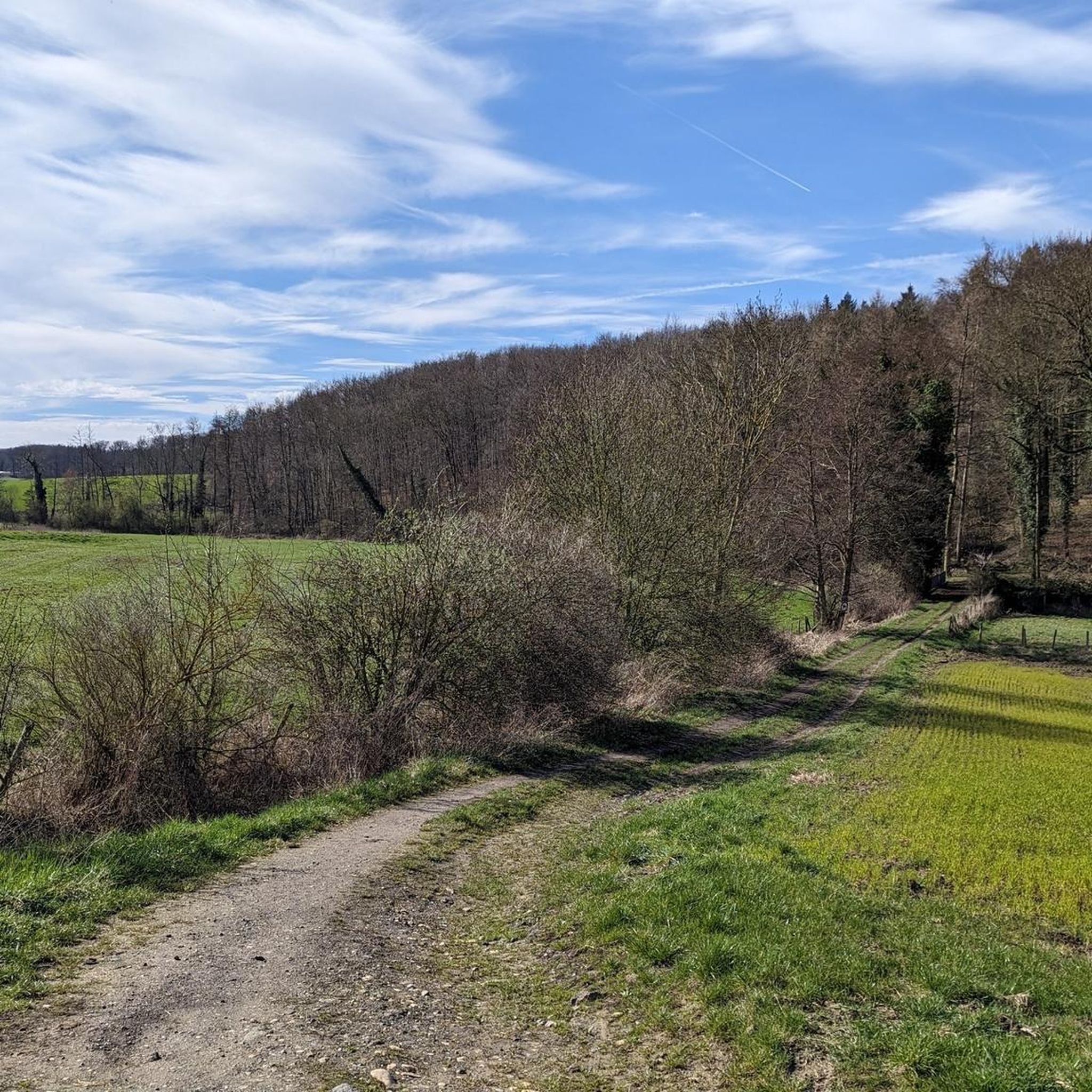
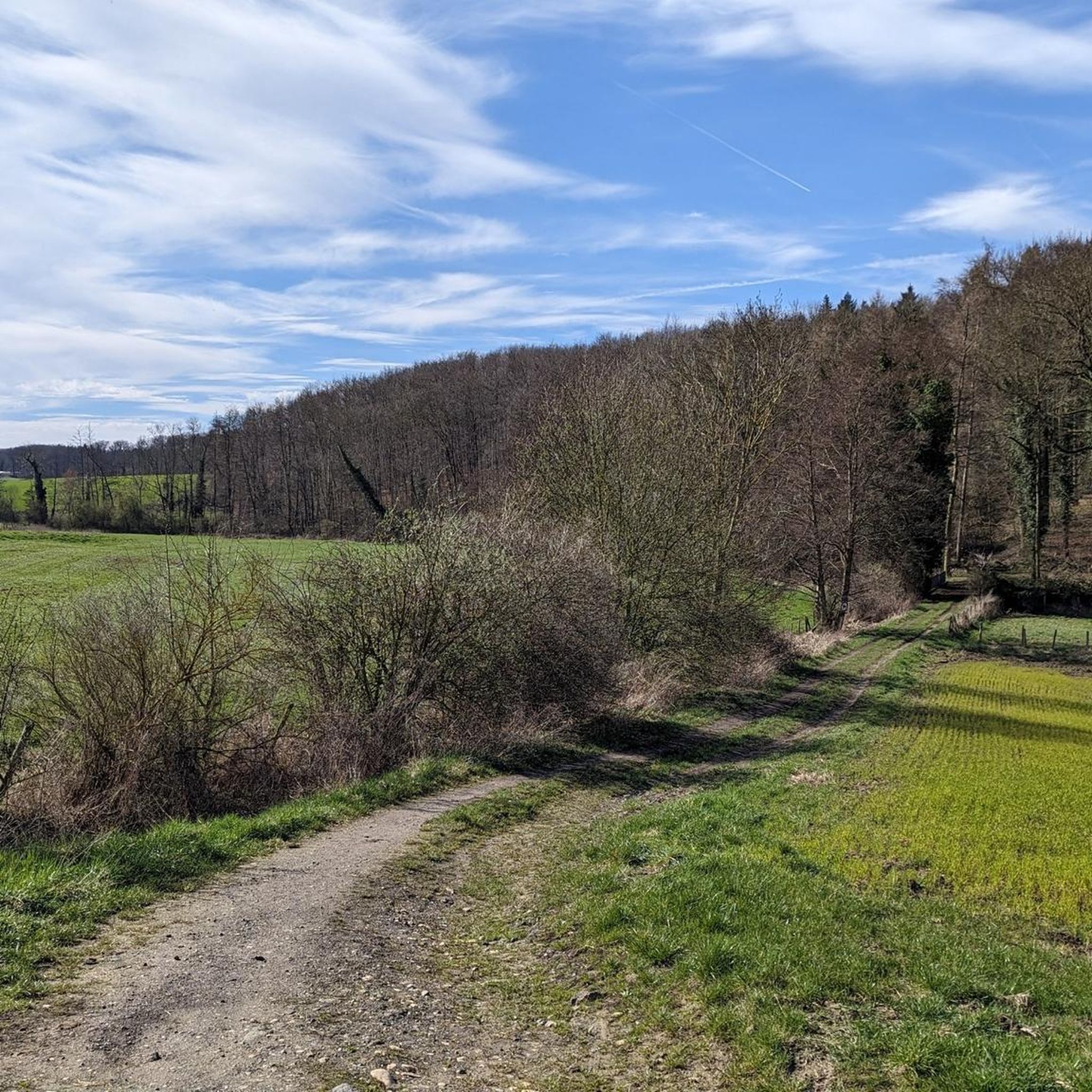
Easily walkable path in a beautiful stream landscape.
5
0

Pretty paths lined with wood anemones and violets in spring.
6
0

Very nice path that offers us a wonderful section of our hike along the Eulenbach.
8
0

The Lohrberg, the third largest mountain in the Siebengebirge, offers a wonderful view of the Rhine from the Dreiseenblick, which, visible in three places (hence the name Dreiseenblick), winds through the valley below. There is a refuge at the lookout point, where you can take a break. An information board provides information about what can be seen in the distance from here. The gaze wanders from the islands of Nonnenwerth and Grafenwerth in the Rhine over the mountainous Eifel northwards over the Drachenfels towards Bonn-Bad Godesberg.
11
1
Frequently Asked Questions
What kind of lakes can I expect to find around Wachtberg?
Wachtberg and its vicinity are characterized by a mix of natural and man-made water bodies. You'll find picturesque quarry lakes, often formed in former basalt quarries like the View of Dornheckensee, as well as reservoirs primarily used for drinking water, and sections of the Rhine that appear like lakes from certain viewpoints, such as the View of Drachenfels and Three-Lakes Viewpoint.
Are there any scenic viewpoints overlooking lakes near Wachtberg?
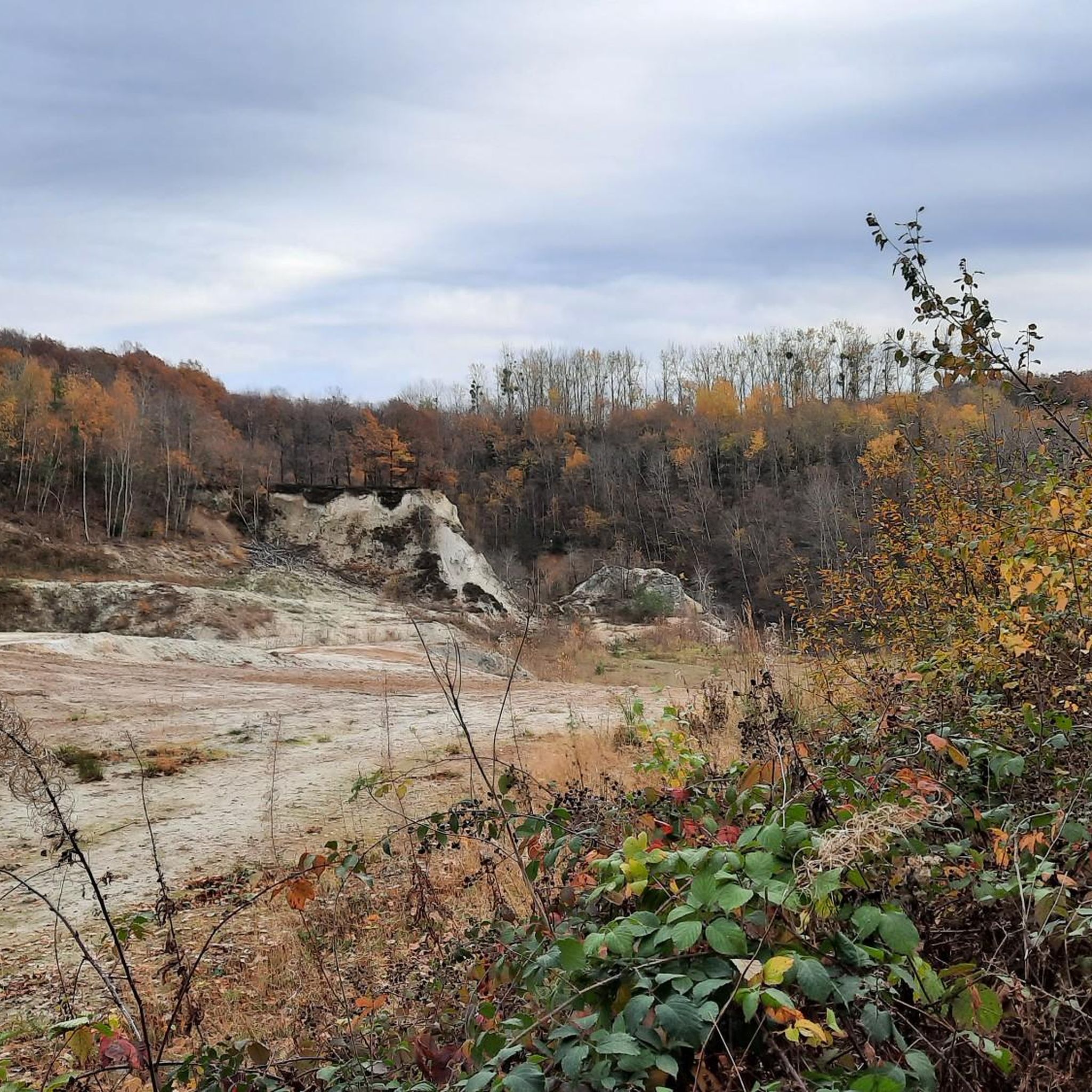
Yes, the region offers several stunning viewpoints. The View of Drachenfels provides a unique perspective of the Rhine appearing like a series of lakes. The Three-Lakes Viewpoint offers sight of three sections of the Rhine between the mountains of the Siebengebirge. For a view of a quarry lake, visit the View of Dornheckensee, which overlooks a lake embedded in cliffs.
Can I swim in the lakes around Wachtberg?
Direct recreational swimming in many of the natural and man-made lakes near Wachtberg is often restricted or prohibited. For example, swimming is generally not allowed at Dornheckensee due to dangerous undercurrents and its protected status as a fauna-flora-habitat area. The Wahnbach Reservoir, being a drinking water supply, also restricts direct water use. For dedicated swimming, you would typically need to visit public indoor pools or designated swimming lakes further afield in North Rhine-Westphalia.
Are there hiking trails around the lakes near Wachtberg?
Absolutely. Many of the lakes and water bodies in the region are popular for hiking and walking. For instance, a walk around Dornheckensee is recommended to enjoy the unique views. The Wahnbach Reservoir also features a well-signposted tour suitable for walks and cycling. You can find various hiking routes in the area, including easy and moderate options, by exploring guides like Easy hikes around Wachtberg or Hiking around Wachtberg.
Are the lakes and surrounding areas family-friendly?
Yes, several areas around the lakes are suitable for families. Highlights like the View of Drachenfels, Rheinaue Park, Bonn, and the Three-Lakes Viewpoint are categorized as family-friendly. Rheinaue Park, in particular, offers activities like cycling, skating, walking, and pedal boating, making it a great spot for a family outing.
What unique natural features can I observe near these lakes?
The region is rich in geological features. Many lakes, like Dornheckensee, are former basalt quarries embedded in cliffs, offering dramatic panoramas. The Weilberg Quarry is another example, featuring a small lake formed in an old quarry with a volcanic past. The surrounding areas, such as the Siebengebirge fauna-flora-habitat, are important for nature observation and biodiversity.
Can I bring my dog to the lakes around Wachtberg?
While specific regulations vary by location, many natural areas and hiking trails around the lakes are generally dog-friendly, provided dogs are kept on a leash. For instance, walks around Dornheckensee and the Wahnbach Reservoir are popular with dog owners. Always check local signage for any specific restrictions in protected areas.
Are there opportunities for cycling near the lakes?
Yes, cycling is a popular activity. The View of Drachenfels is directly accessible from the Rhine Cycle Route, offering scenic rides along the river. Rheinaue Park, Bonn is also excellent for cycling. The tour around the Wahnbach Reservoir is well-suited for cyclists, offering a pleasant route through the landscape.
What is the best time of year to visit the lakes around Wachtberg?
The lakes and surrounding natural areas are enjoyable throughout the year, with each season offering a different charm. Spring brings blooming flora, summer is ideal for longer walks and outdoor activities, while autumn showcases vibrant foliage. Even in winter, the landscapes can be beautiful for crisp walks, though some amenities might have reduced hours.
Are there any historical sites or castles near the lakes?
Wachtberg is known for its historical 'water castles,' and the region has a rich history. The View of Drachenfels offers views of the Drachenfels ruins, a significant historical castle. The Weilberg Quarry also has historical significance as an old quarry site. Exploring the area often combines natural beauty with historical insights.
Where can I find running trails near the lakes?
The natural landscapes around Wachtberg offer excellent opportunities for running. You can find various running trails, including routes through the Kottenforst, which is close to some of the water bodies. For detailed routes and difficulty levels, refer to guides such as Running Trails around Wachtberg.
Are there any less crowded lakes or natural spots for a peaceful visit?
While popular viewpoints can attract visitors, many of the smaller quarry ponds and less accessible sections of nature reserves like the Wahner Heide offer more tranquil experiences. Exploring the extensive network of hiking trails, especially during off-peak hours or seasons, can lead you to peaceful spots away from the main crowds.
Most popular routes around Wachtberg
Most popular attractions around Wachtberg

Get inspired with the komoot mobile app


Explore more
Still not found your perfect lake around Wachtberg? Check out the guides of these regions to see even more beautiful places.
