Top 7 Caves around Roßleithen
Best caves around Roßleithen offer diverse natural experiences within Upper Austria's landscape. The region features a variety of geological formations, including powerful karst springs and unique ice caves. These natural landmarks provide insights into the area's hydrogeology and glacial history. Visitors can explore different cave types, from accessible natural monuments to more challenging cave viewpoints.
Best caves around Roßleithen
- The most popular caves is Pießling Spring (karst spring), a natural monument that is one of the strongest karst springs…
Last updated: May 30, 2026
Pießling Spring (karst spring)
Highlight • Natural Monument
Translated by Google •
Tip by

Snow Oven (Snow Cave)
Highlight • Cave
Translated by Google •
Tip by

Sign up now to discover places like this
Get recommendations on the best single tracks, peaks, & plenty of other exciting outdoor places.
Sign up for free
Ice Chapel (Eiskapelle) in Nationalpark Kalkalpen
Highlight • Cave
In the spring, the meltwater seeps through the rock and freezes in the cave, which is still cold in winter. With rising temperatures in early summer, the magic is over.
Translated by Google •
Tip by

View benches at Schneeofen
Highlight (Segment) • Viewpoint
Translated by Google •
Tip by

View of Wildfrauenhöhle
Highlight • Cave
Translated by Google •
Tip by

Sign up for free to discover even more caves around Roßleithen.
Sign up for free
Already have an account?
Start today with a free account
Your next adventure awaits.
Login or Signup
Popular around Roßleithen
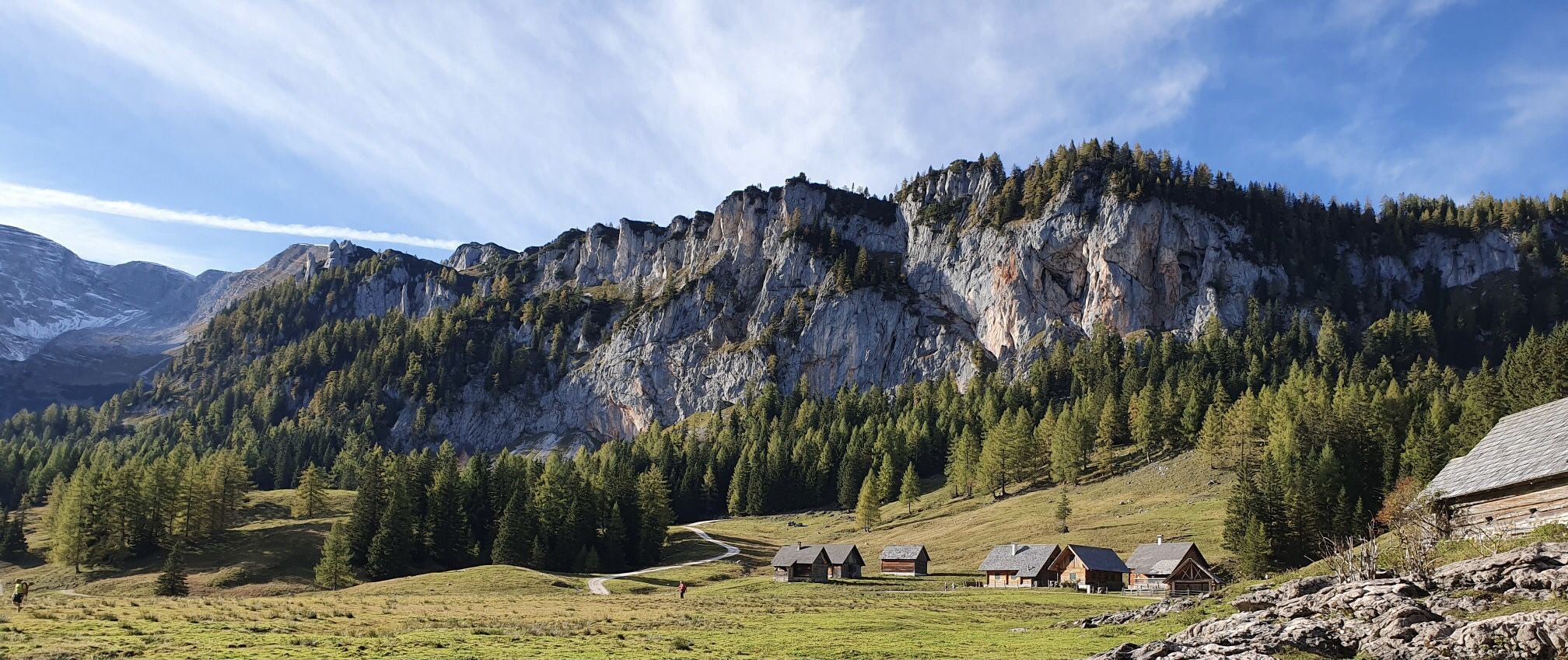
Austria's Kalkalpen Trail – Giant rocks & alpine meadows
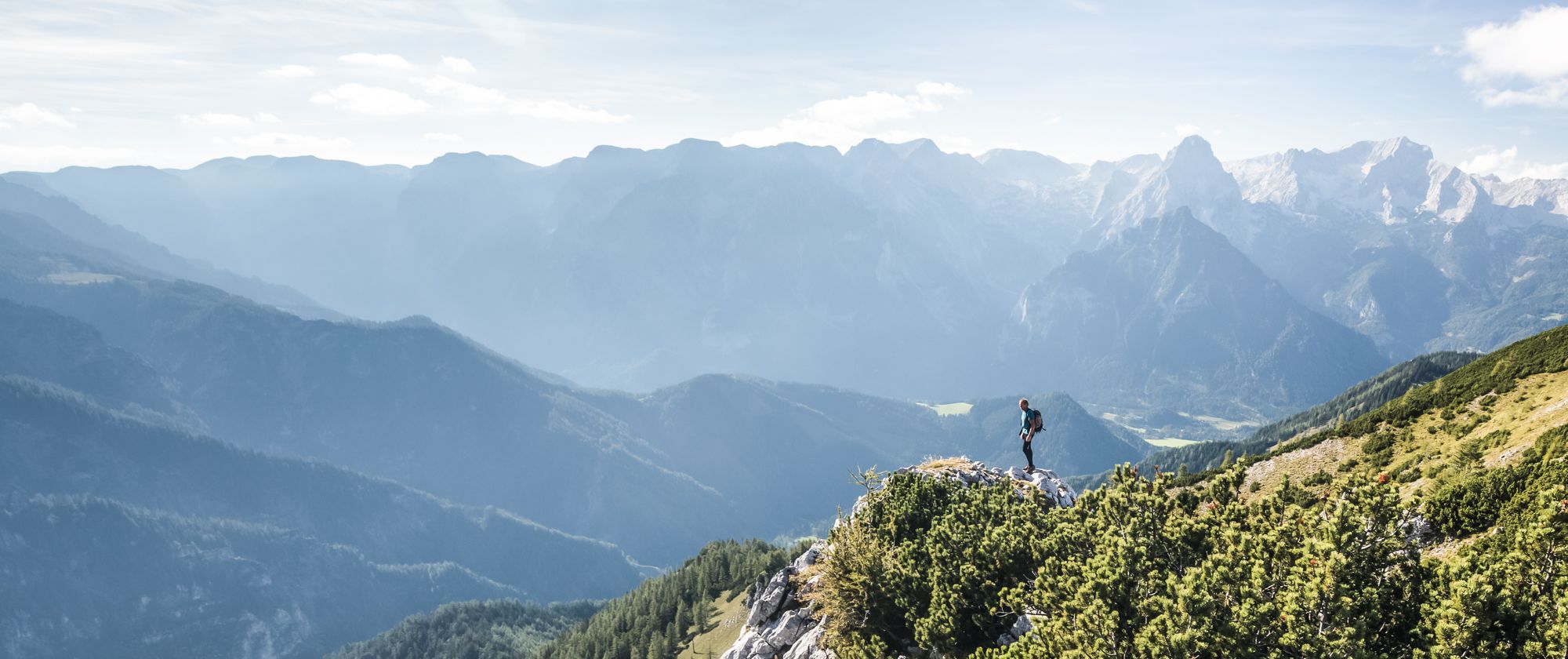
From a family hike to a summit climb – hiking in Pyhrn-Priel
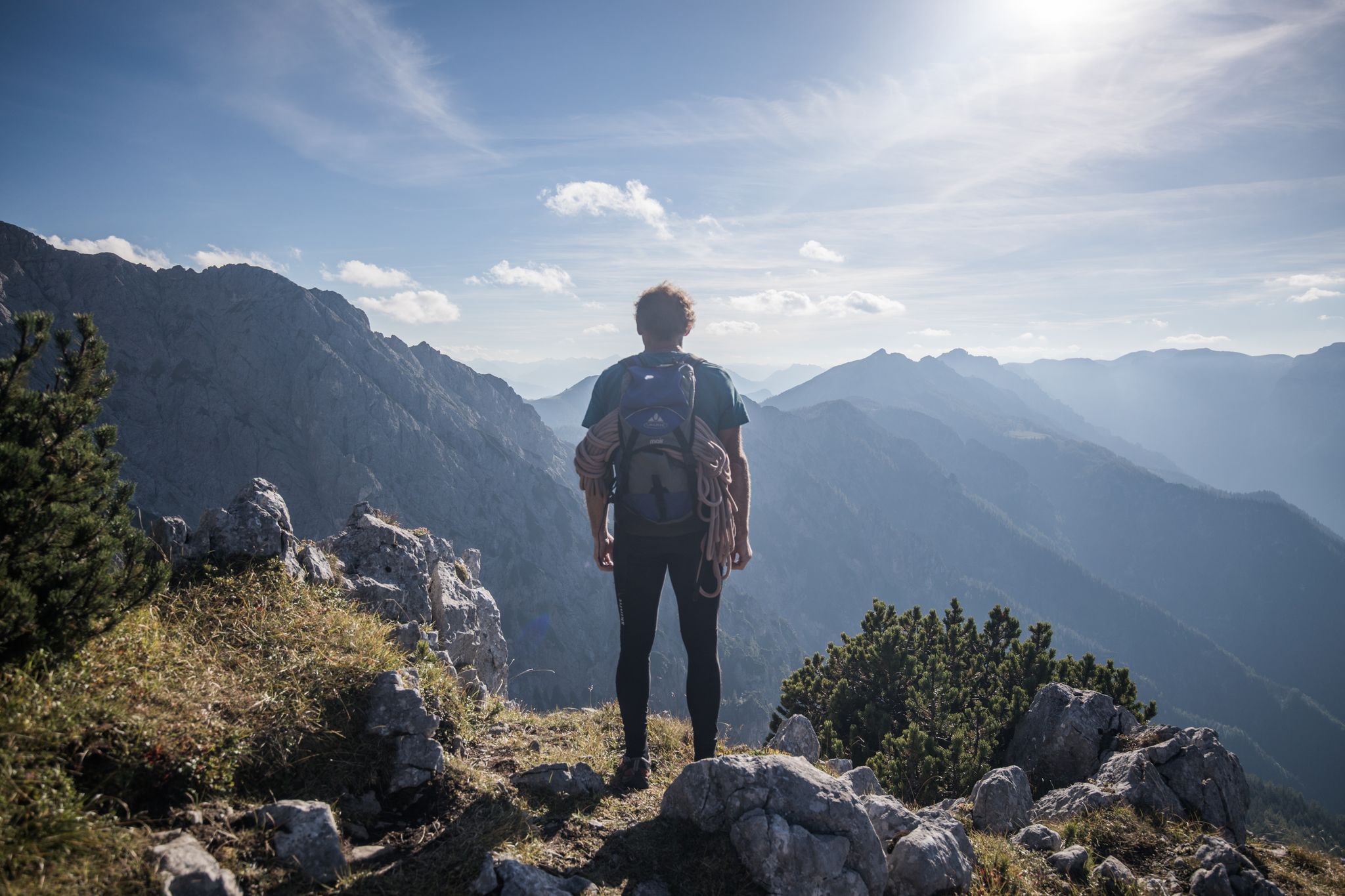
From a family hike to a via ferrata – hiking in Pyhrn-Priel
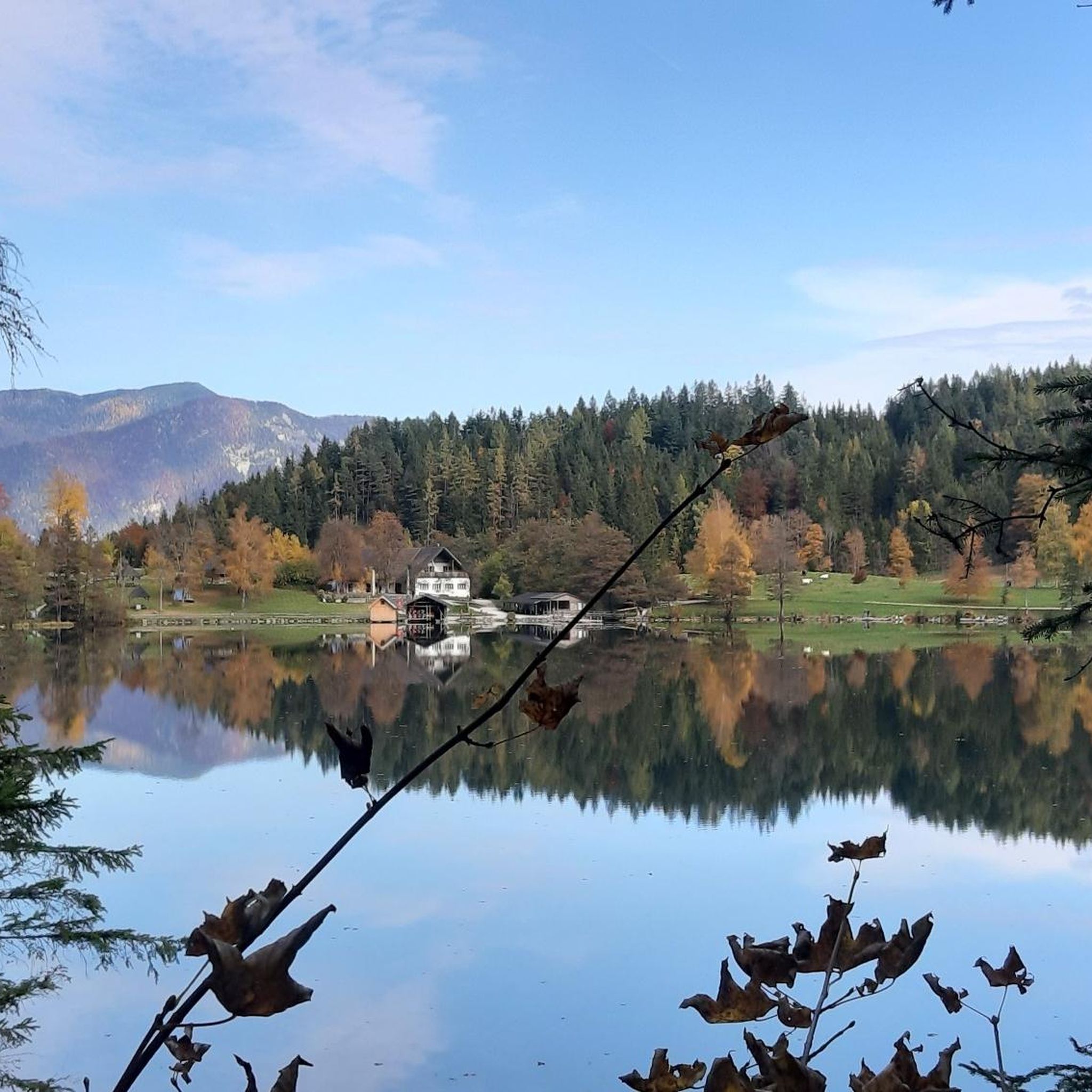
Hiking around Roßleithen
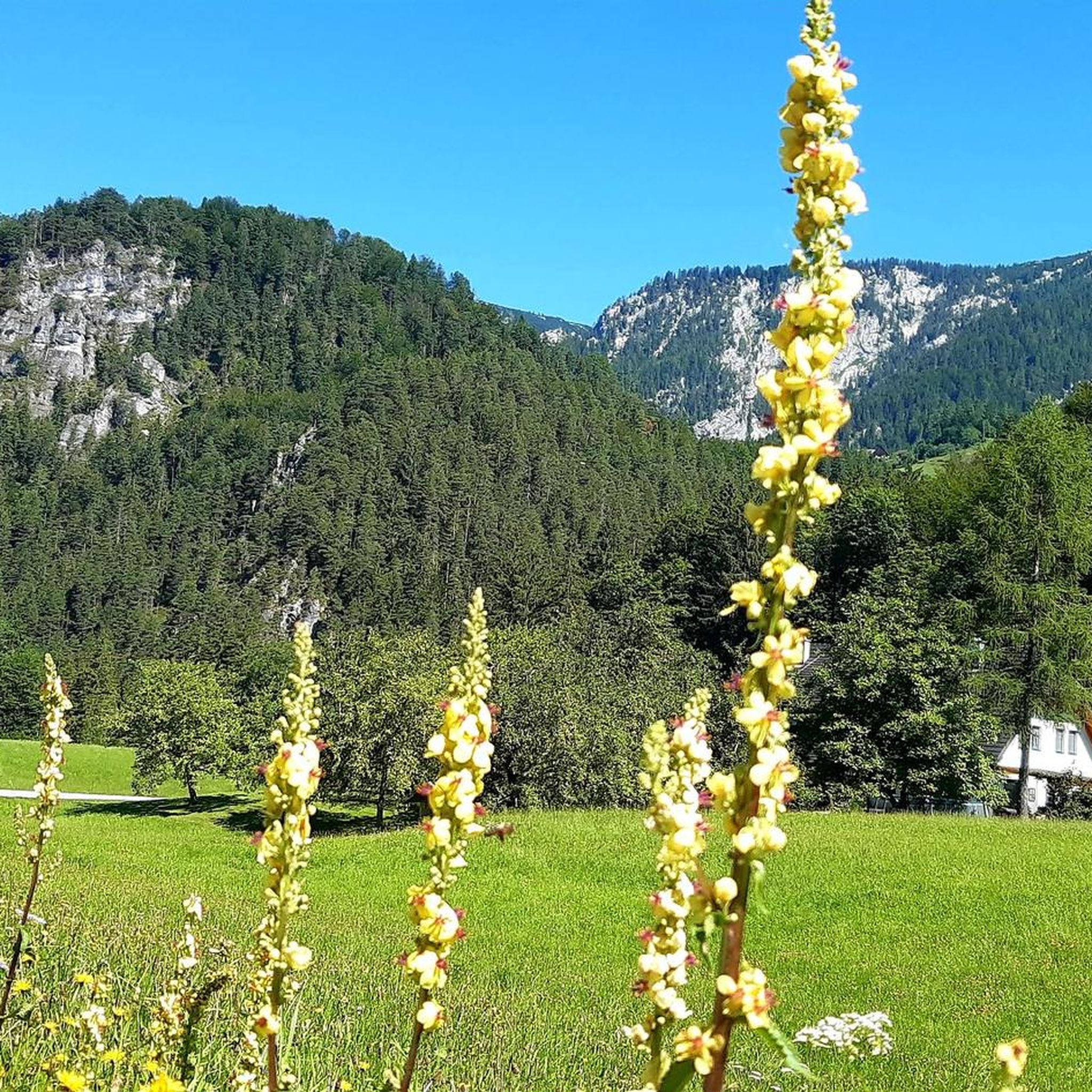
MTB Trails around Roßleithen
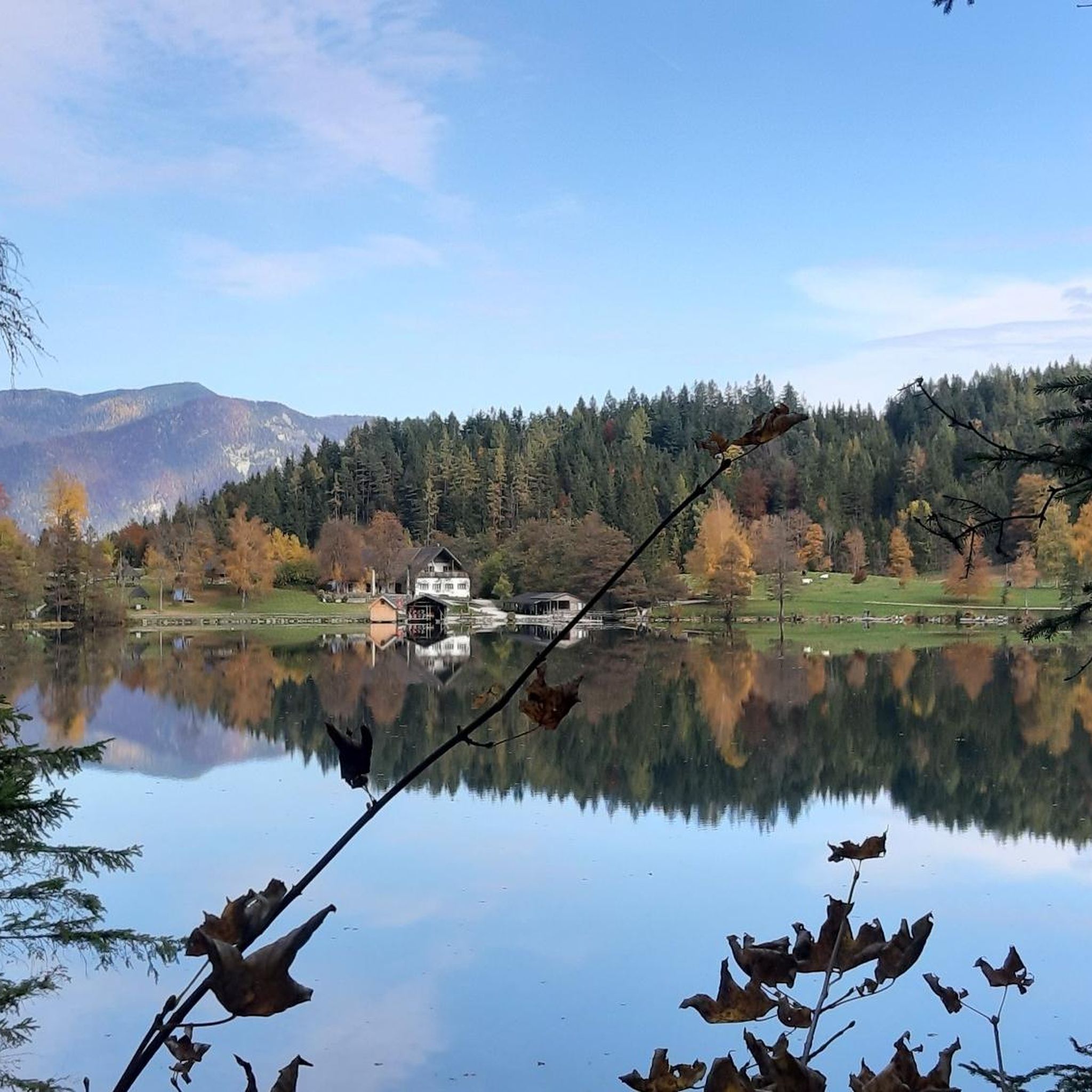
Cycling around Roßleithen
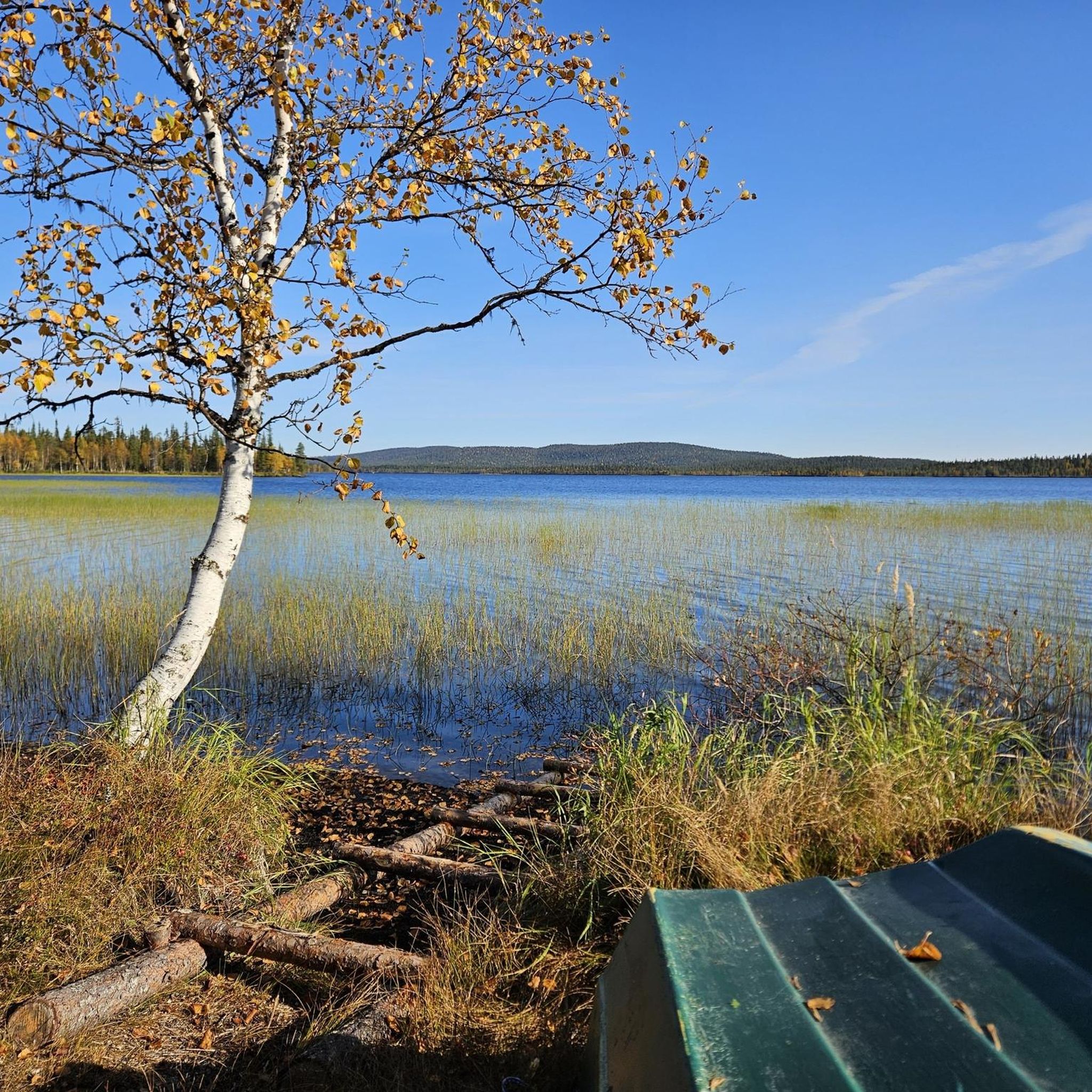
Mountain Hikes around Roßleithen
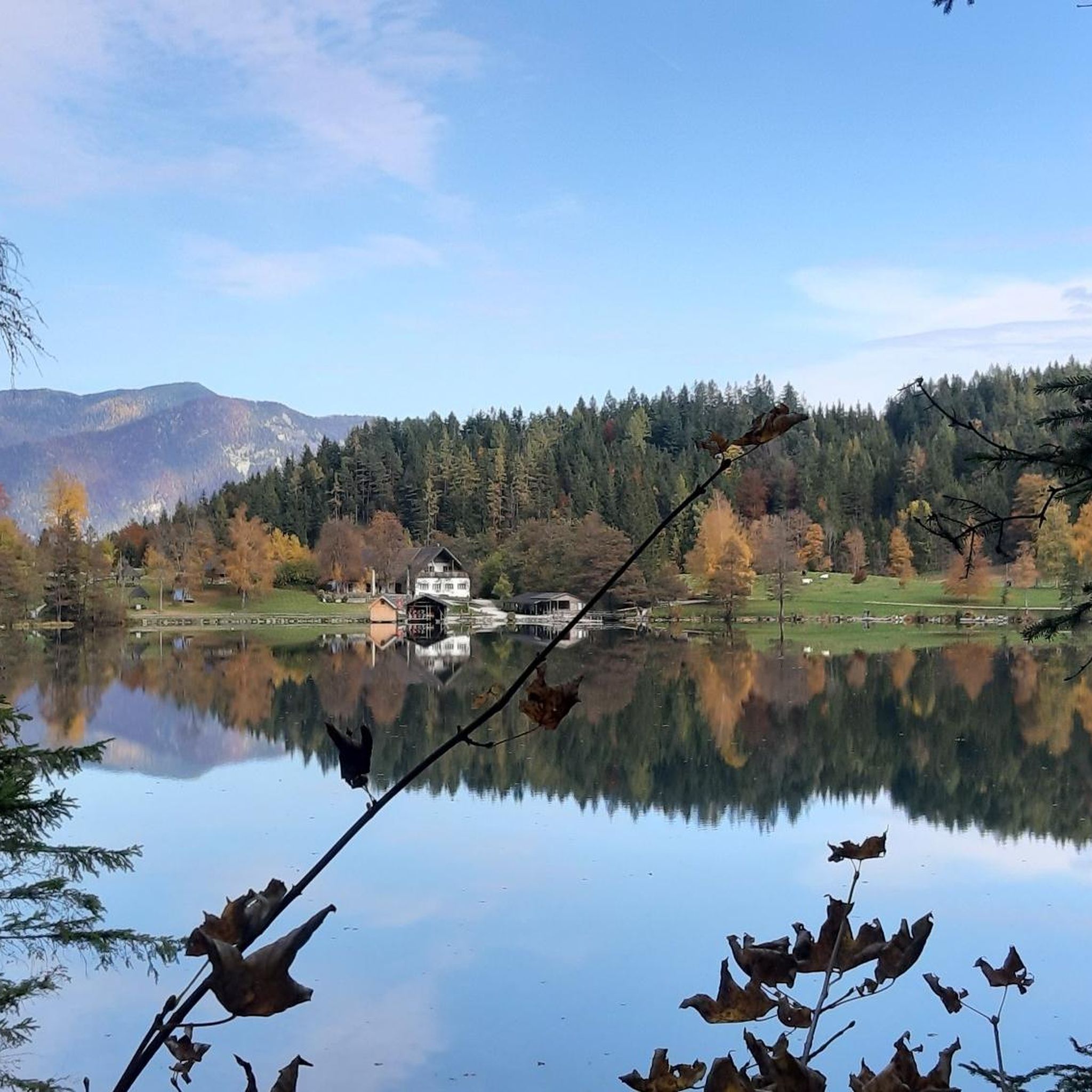
Road Cycling Routes around Roßleithen
Running Trails around Roßleithen
Gravel biking around Roßleithen


Tips from the Community

Water droplets form the snow. Very beautiful!
2
0

This "snow hole" got its name because people used to melt snow there in large copper kettles to water the cows. Most alpine pastures in the Totes Gebirge (hence the name) don't have their own water sources, and the dairymaids used to help themselves by collecting rainwater in large tubs. In dry summers, they melted snow and used mountain pines as firewood. The last time snow was melted this way was in 1937. http://stodertalfreunde.blogspot.com/2013/06/schneeofen-auf-der-ho.html
0
0

Temporary beauty. In the spring, the meltwater seeps through the rock and freezes in the cave, which is still cold in winter. With rising temperatures in early summer, the magic is over.
3
1

Beautiful - but the passage is still closed due to falling rocks.
1
0
About 150m southwest (- 60m height+) you have to look for the safe entrance - NOT down the path from the snow oven - the path leads to ruin, or to extremely dangerous terrain
0
0

An imposing karst spring that you simply have to see!
4
0

This "snow hole" got its name because people used to melt snow there in large copper kettles to water the cows.
0
0

High up in the Bosruck rocks is the entrance to the Wildfrauenhöhle (only accessible via a via ferrata).
0
0
Frequently Asked Questions
What are the most unique caves or natural features to explore near Roßleithen?
Near Roßleithen, you can discover several unique natural features. The Pießling Spring (karst spring) is one of Austria's strongest and Upper Austria's largest karst springs. For a geological marvel, the Kraushöhle (Kraus Cave) in Gams bei Hieflau is renowned for its gypsum crystal columns, a rare formation in Europe. The Ice Chapel (Eiskapelle) in Nationalpark Kalkalpen offers a temporary ice formation created by freezing meltwater.
Are there any caves near Roßleithen with historical significance?
Yes, the Arzberghöhle (Arzberg Cave) near Wildalpen holds significant historical value. It served as a dwelling for hibernating cave bears for thousands of years during prehistoric times. Guided tours provide insights into the lives of these Ice Age creatures and the cave's formation.
What kind of cave tours are available in the Roßleithen area?
You can experience guided tours at the Kraushöhle (Kraus Cave), which lasts approximately 90 minutes and showcases its unique gypsum formations. The Arzberghöhle (Arzberg Cave) also offers guided tours, focusing on its prehistoric cave bear history. For the Arzberghöhle, visitors need to bring their own torches as there is no artificial lighting.
Are there family-friendly caves or natural attractions suitable for children near Roßleithen?
The Pießling Spring (karst spring) is categorized as family-friendly and offers an impressive natural spectacle. While the Kraushöhle has guided tours, access involves a 15-minute walk with a steep uphill section, which might be challenging for very young children. The Wasserlochklamm, while spectacular, is a challenging hike and might not be suitable for all families.
What is the best time to visit the caves and natural features around Roßleithen?
The best time to visit generally depends on the specific cave. The Ice Chapel (Eiskapelle) is a temporary formation best seen in spring when meltwater freezes. The Arzberghöhle is closed during winter months to protect its bat population, so spring to autumn is ideal. For the Wasserlochklamm, warmer months allow for a more enjoyable hike through the gorge and to the spring cave.
What are the hiking difficulties and terrain like for accessing caves near Roßleithen?
Accessing some caves involves challenging hikes. The Kraushöhle requires a 15-minute walk from the parking lot, including a steep uphill section. The Arzberghöhle demands a challenging uphill walk of at least 45 minutes. The Wasserlochklamm features a challenging hike with a 325-meter elevation gain over 1.5 hours, traversing a wooden trail along a steep rock face. The View of Wildfrauenhöhle is only accessible via a via ferrata, making it suitable for experienced climbers.
What natural features can I expect to see in the caves and gorges near Roßleithen?
You can expect diverse natural features. The Pießling Spring is a powerful karst spring. The Kraushöhle showcases unique gypsum crystal columns and other speleothems. The Arzberghöhle features formations and evidence of prehistoric cave bear habitation. The Wasserlochklamm offers five impressive waterfalls, a dramatic gorge, and a spring cave at its summit. The Snow Oven (Snow Cave) is known for water droplets forming snow.
Are there any viewpoints of caves or natural formations around Roßleithen?
Yes, the View benches at Schneeofen offer a vantage point of the "snow oven" cave. You can also find a View of Wildfrauenhöhle, though the cave itself is only accessible via a via ferrata.
What outdoor activities can I combine with a visit to the caves near Roßleithen?
The region around Roßleithen offers various outdoor activities. You can find numerous hiking trails, including easy options like the Pießling Stream and Waterfall loop. For more challenging adventures, there are mountain biking trails and cycling routes available. The Wasserlochklamm itself is a popular destination for scenic hikes with dramatic waterfalls.
What should I wear or bring for cave exploration in the Roßleithen area?
For caves like the Arzberghöhle, which lacks artificial lighting, it is essential to bring your own torches. Given the often cool and damp conditions inside caves, wearing warm layers and sturdy, non-slip footwear is advisable. For challenging access routes like the Wasserlochklamm or the approach to the Arzberghöhle, appropriate hiking gear is recommended.
Are there any hidden gem caves or less-known natural spots worth visiting near Roßleithen?
While not a 'hidden gem' in the sense of being unknown, the Kraushöhle (Kraus Cave) is a truly unique geological site with its gypsum crystal columns, making it a special experience beyond typical cave visits. The Snow Oven (Snow Cave) also offers an interesting natural phenomenon where water droplets form snow.
Most popular routes around Roßleithen
Most popular attractions around Roßleithen

Get inspired with the komoot mobile app


Explore more
Extend your search for the best caves by checking out these guides of the top ones around Roßleithen:
