Top 5 Caves around Klaus an der Pyhrnbahn
Best caves around Klaus an der Pyhrnbahn are found in the surrounding natural landscape, which is characterized by the Pyhrn-Priel region's mountains and outdoor activities. While the municipality itself is known for its reservoir and hiking trails, prominent caves are located in the broader area. This region offers diverse natural features, including significant geological formations.
Best caves around Klaus an der Pyhrnbahn
- The most popular caves highlight is View benches at Schneeofen, a viewpoint that includes a nearby cave.…
Last updated: May 30, 2026
Snow Oven (Snow Cave)
Highlight • Cave
Translated by Google •
Tip by

Shelter Cave at Brotfallscharte
Highlight • Cave
Translated by Google •
Tip by

Sign up now to discover places like this
Get recommendations on the best single tracks, peaks, & plenty of other exciting outdoor places.
Sign up for free
View benches at Schneeofen
Highlight (Segment) • Viewpoint
Translated by Google •
Tip by

Teufelskirche Cave
Highlight • Cave
Translated by Google •
Tip by

Ice Chapel on Schermberg
Highlight • Cave
Translated by Google •
Tip by

Start today with a free account
Your next adventure awaits.
Login or Signup
Popular around Klaus an der Pyhrnbahn
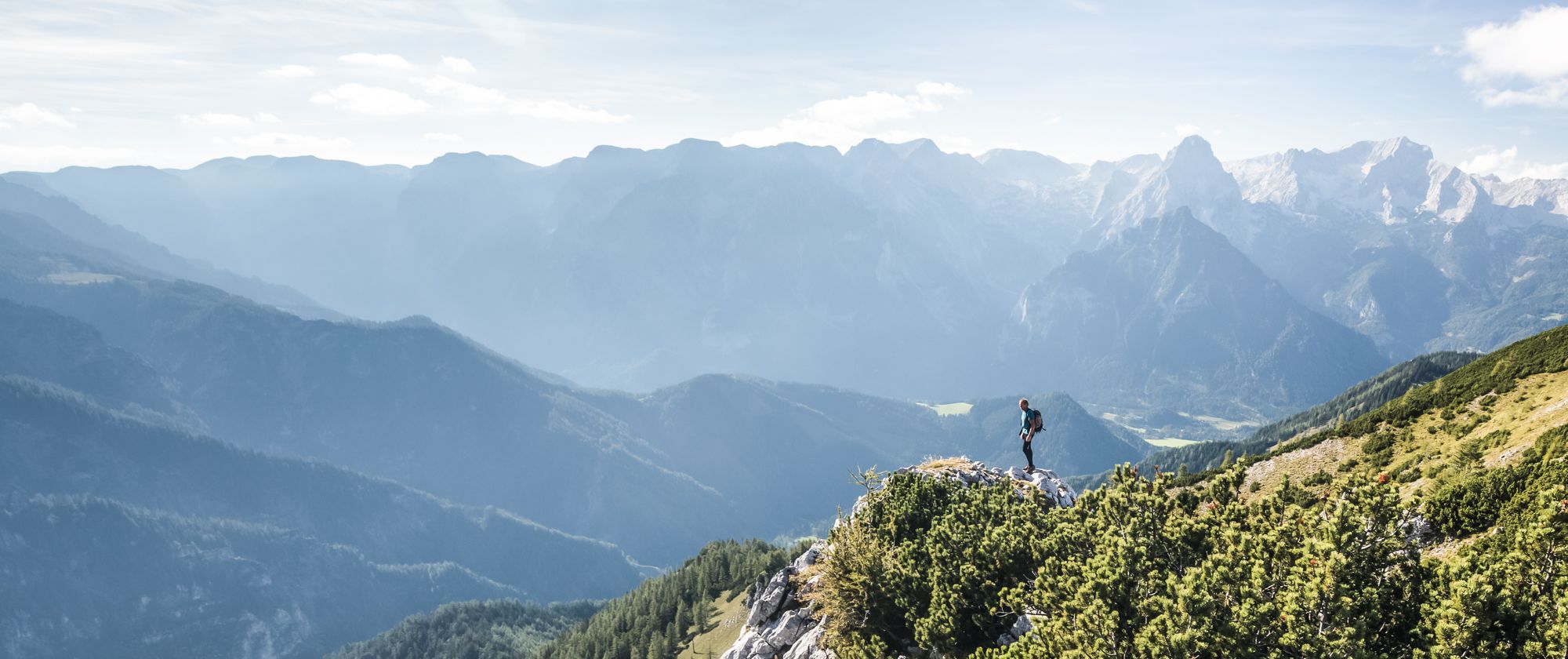
From a family hike to a summit climb – hiking in Pyhrn-Priel

From a family hike to a via ferrata – hiking in Pyhrn-Priel

Where biker hearts beat faster — the Limestone Alps in Pyhrn-Priel
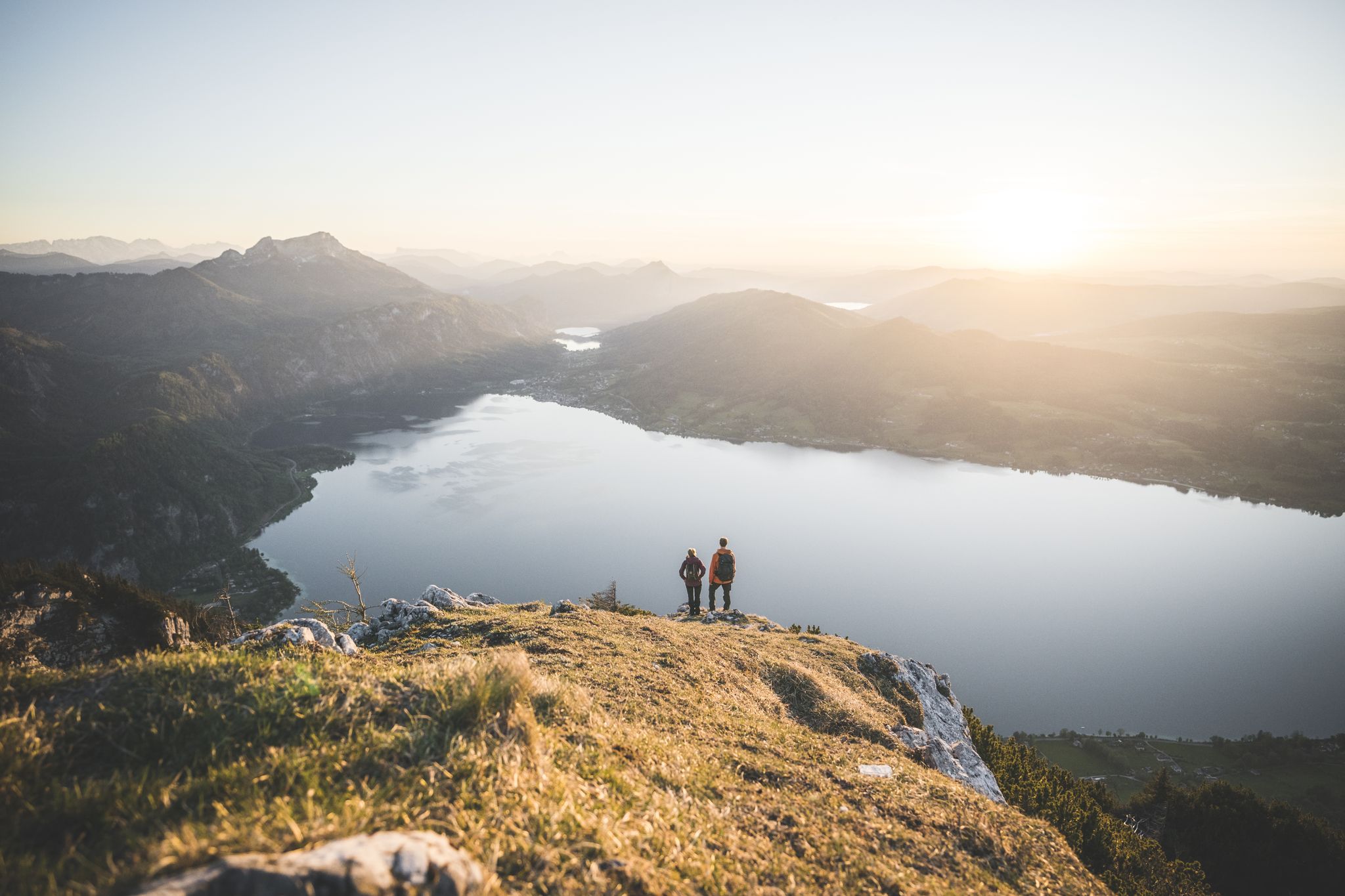
Explore the Salzkammergut on the BergeSeen Trail
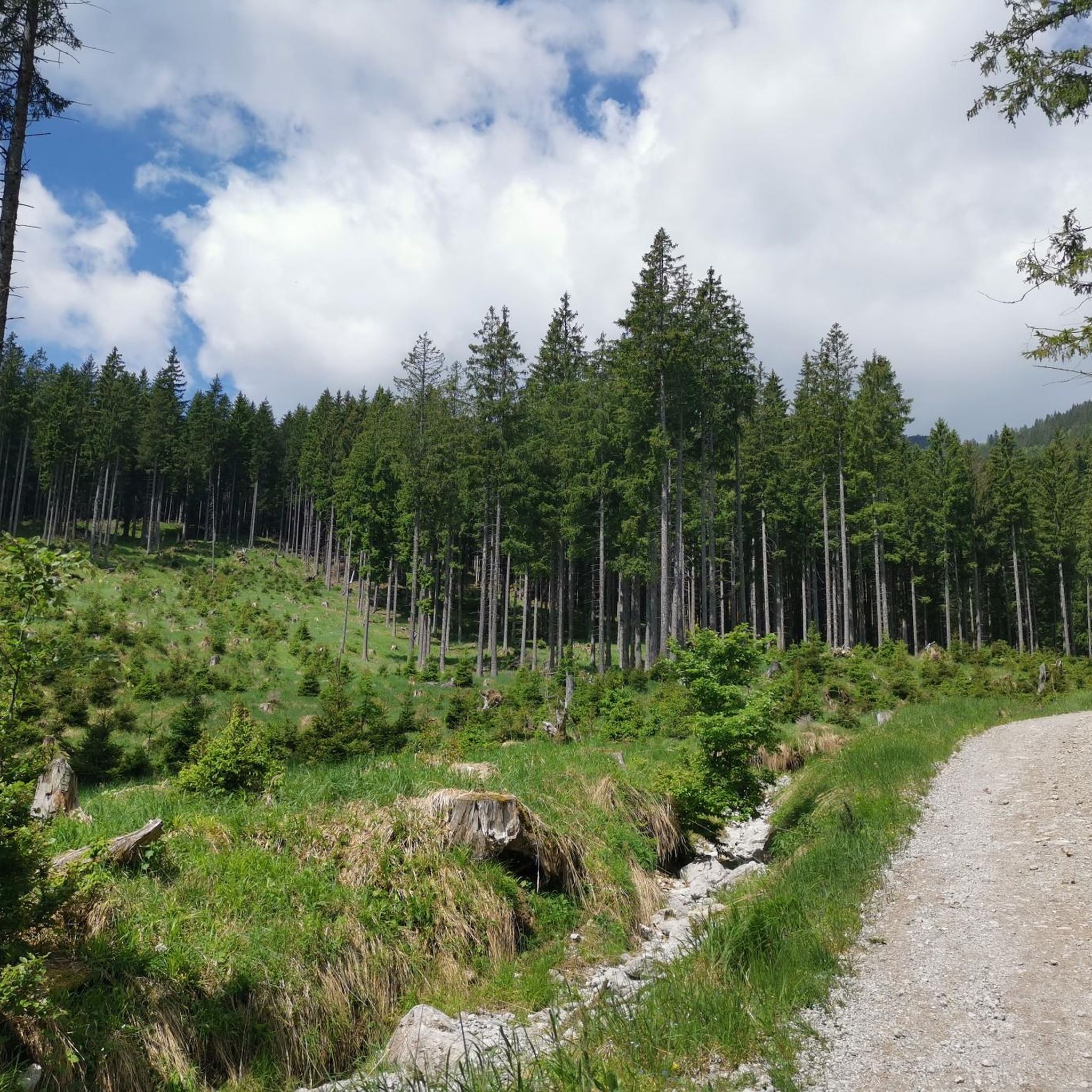
Hiking around Klaus an der Pyhrnbahn
Cycling around Klaus an der Pyhrnbahn

Mountain Hikes around Klaus an der Pyhrnbahn
MTB Trails around Klaus an der Pyhrnbahn
Road Cycling Routes around Klaus an der Pyhrnbahn
Running Trails around Klaus an der Pyhrnbahn
Other adventures around Klaus an der Pyhrnbahn


Tips from the Community


Water droplets form the snow. Very beautiful!
2
0

This "snow hole" got its name because people used to melt snow there in large copper kettles to water the cows. Most alpine pastures in the Totes Gebirge (hence the name) don't have their own water sources, and the dairymaids used to help themselves by collecting rainwater in large tubs. In dry summers, they melted snow and used mountain pines as firewood. The last time snow was melted this way was in 1937. http://stodertalfreunde.blogspot.com/2013/06/schneeofen-auf-der-ho.html
0
0
About 150m southwest (- 60m height+) you have to look for the safe entrance - NOT down the path from the snow oven - the path leads to ruin, or to extremely dangerous terrain
0
0

The Teufelskirche sounds as exciting as it is. In 1984, the Upper Austrian provincial government declared this Dome of the Rock at the foot of the Sensen Mountains a natural monument. A magical place that should be seen!
1
0

This "snow hole" got its name because people used to melt snow there in large copper kettles to water the cows.
0
0
The path to the Brotfallscharte is insured and partially exposed.
0
2
Frequently Asked Questions
What unique natural features can I explore in the caves around Klaus an der Pyhrnbahn?
The region offers several interesting natural features. You can visit the Snow Oven (Snow Cave), known for water droplets forming snow and its historical use for watering cows. Another highlight is the Teufelskirche Cave, a natural monument at the foot of the Sensen Mountains, recognized for its unique rock dome.
Are there any shelter caves for hikers in the area?
Yes, the Shelter Cave at Brotfallscharte provides protection against storms. It's located at the end of a rope-insured ascent from the Kühkar to the Brotfallscharte, making it a valuable refuge for those undertaking challenging routes.
What kind of views can I expect near the caves?
Near the View benches at Schneeofen, you can enjoy scenic views towards Warscheneck. This spot also features a nearby cave, the Snow Oven, where animals find water long after the snow melts.
Are there any ice caves around Klaus an der Pyhrnbahn?
Yes, the Ice Chapel on Schermberg is a notable natural monument. Even in late June, you can often find ice formations on the north side of the mountain.
What outdoor activities can I combine with a visit to the caves?
The area around Klaus an der Pyhrnbahn is excellent for various outdoor activities. You can find numerous hiking trails, including challenging routes like the one to Brotfallscharte. There are also extensive options for road cycling and gravel biking.
How difficult are the cave explorations in this region?
The caves around Klaus an der Pyhrnbahn vary in difficulty. Some, like the Snow Oven (Snow Cave) and Teufelskirche Cave, are rated as intermediate. The Shelter Cave at Brotfallscharte involves a challenging, rope-insured ascent, requiring good shoes and experience.
Are there any family-friendly caves or activities nearby?
While specific caves may require careful assessment for very young children due to terrain, the general area around Klaus an der Pyhrnbahn offers many family-friendly hiking routes and natural attractions. The Snow Oven (Snow Cave), with its unique snow formations and historical context, can be an interesting destination for families with older children capable of intermediate hikes.
What should I wear for cave exploration in this region?
For exploring caves and the surrounding mountainous terrain, sturdy hiking boots with good grip are essential. Layers of clothing are recommended as temperatures inside caves can be cooler, and weather conditions can change quickly in the mountains. For challenging routes like the one to Brotfallscharte, appropriate climbing gear and safety equipment are necessary.
Are there any guided cave tours available in Klaus an der Pyhrnbahn?
The caves highlighted in this guide are generally natural formations accessible to hikers and explorers, rather than commercial show caves with organized tours. Access often depends on hiking to their locations. For specific guided caving experiences, it's advisable to check with local outdoor activity providers or national park information centers, especially for more challenging or remote sites.
What do visitors appreciate most about the caves and natural features in this area?
Visitors frequently appreciate the unique natural phenomena, such as the water droplets forming snow in the Snow Oven (Snow Cave) and the enduring ice in the Ice Chapel on Schermberg. The protective aspect of the Shelter Cave at Brotfallscharte and the stunning views from spots like the View benches at Schneeofen are also highly valued.
Are there any prominent show caves in the broader Upper Austria or Pyhrn-Priel region?
While Klaus an der Pyhrnbahn itself features natural caves, the broader Pyhrn-Priel region and Upper Austria are known for various natural attractions. For dedicated show caves with developed infrastructure and guided tours, you would typically look towards larger, more established cave systems in other parts of Austria, as the caves directly around Klaus an der Pyhrnbahn are primarily natural, undeveloped formations.
Is it possible to visit these caves year-round?
Access to some caves, especially those at higher altitudes or requiring challenging ascents like the Shelter Cave at Brotfallscharte or the Ice Chapel on Schermberg, can be seasonal. Winter conditions, including heavy snow and ice, may make access difficult or dangerous. The best time to visit is generally during the warmer months, from late spring to early autumn, when trails are clear and weather is more stable.
Most popular routes around Klaus an der Pyhrnbahn
Most popular attractions around Klaus an der Pyhrnbahn

Get inspired with the komoot mobile app


Explore more
Extend your search for the best caves by checking out these guides of the top ones around Klaus an der Pyhrnbahn:
