Top 12 Castles around Feistritz im Rosental
Best castles around Feistritz im Rosental offer a glimpse into the region's rich history and architecture. This picturesque market town in Carinthia, Austria, is situated within the Rosental valley, near the Drau River. The area features historic burgs and castles that reflect centuries of strategic importance and cultural development. These landmarks provide insights into the region's past.
Best castles around Feistritz im Rosental
- The most popular castle is Bled Castle, a castle with a history dating back to 1004.…
Last updated: May 13, 2026
Lake Bled
Highlight • Lake
Formation of the Lake
The unique shape of the lake as we know it today is no coincidence. Its location once occupied a tectonic basin, …
Translated by Google •
Tip by

Lake Bled
Highlight • Lake
Translated by Google •
Tip by

Sign up now to discover places like this
Get recommendations on the best single tracks, peaks, & plenty of other exciting outdoor places.
Sign up for free
Bled Castle
Highlight • Castle
Once upon a time there was Bled Castle
The history of the castle dates back to 1004, when the German Emperor Henry II donated the …
Translated by Google •
Tip by
Kamen Castle Ruins
Highlight • Castle
Kamen Castle (German: Burg Stein) was built in the 12th century by the Counts of Ortenburg. It later became the property of the Counts …
Translated by Google •
Tip by
Maria Loretto Peninsula
Highlight • Beach
Translated by Google •
Tip by

Sign up for free to discover even more castles around Feistritz im Rosental.
Sign up for free
Already have an account?
Start today with a free account
Your next adventure awaits.
Login or Signup
Popular around Feistritz im Rosental
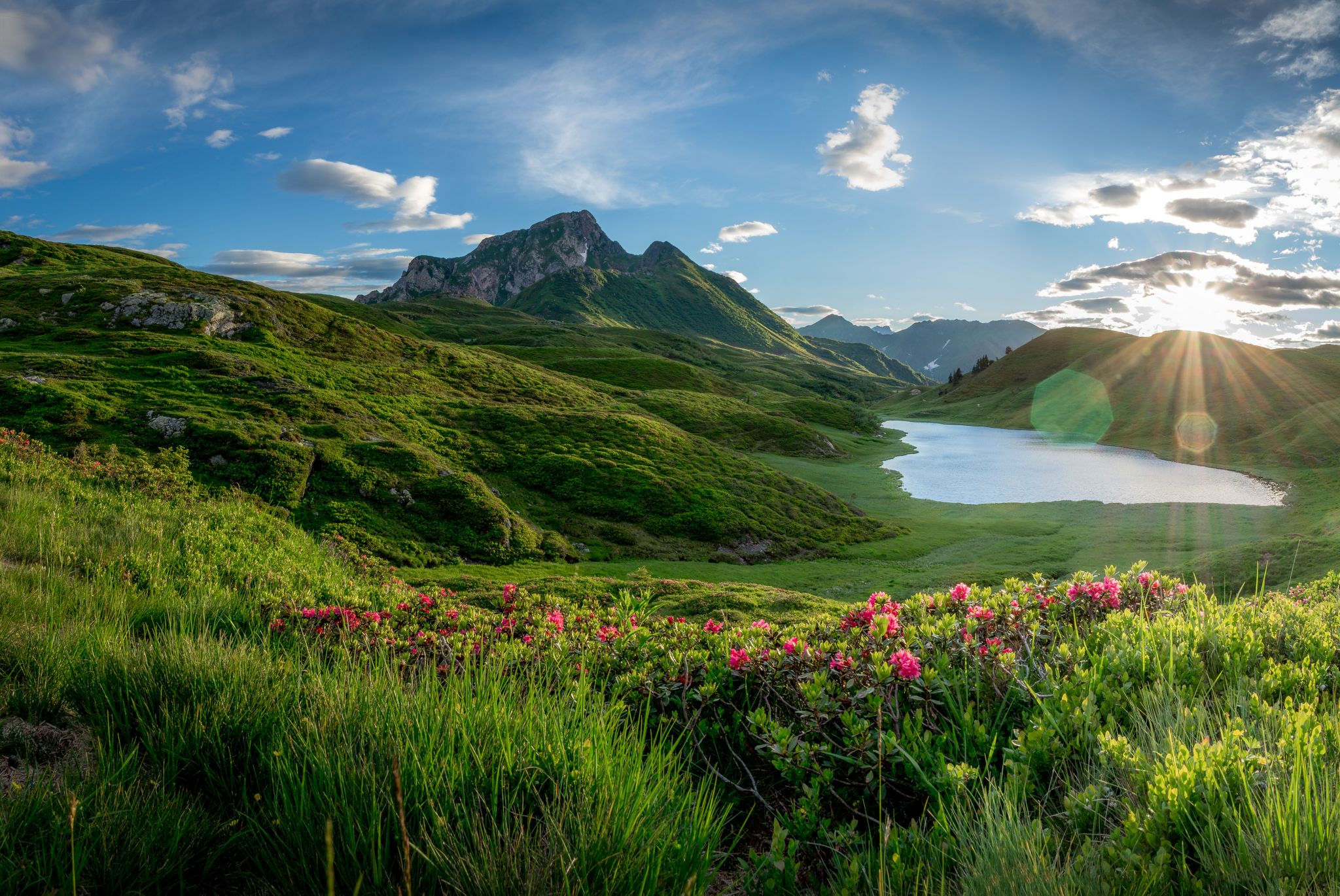
Southern Alpine Trail – Styrian vineyards and the Carnic Alps in Austria
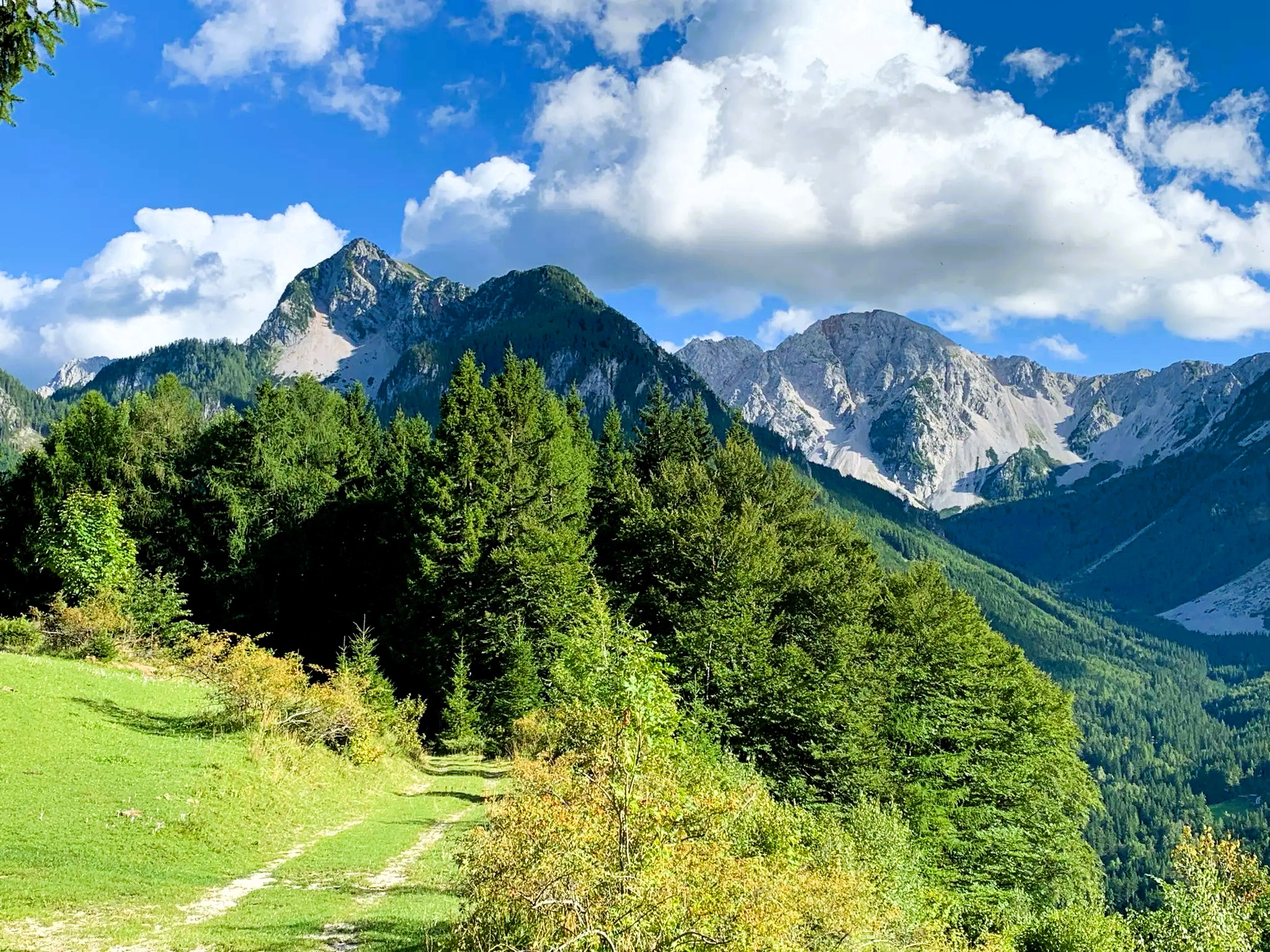
Hiking at Wörthersee – varied trails between lakes and peaks
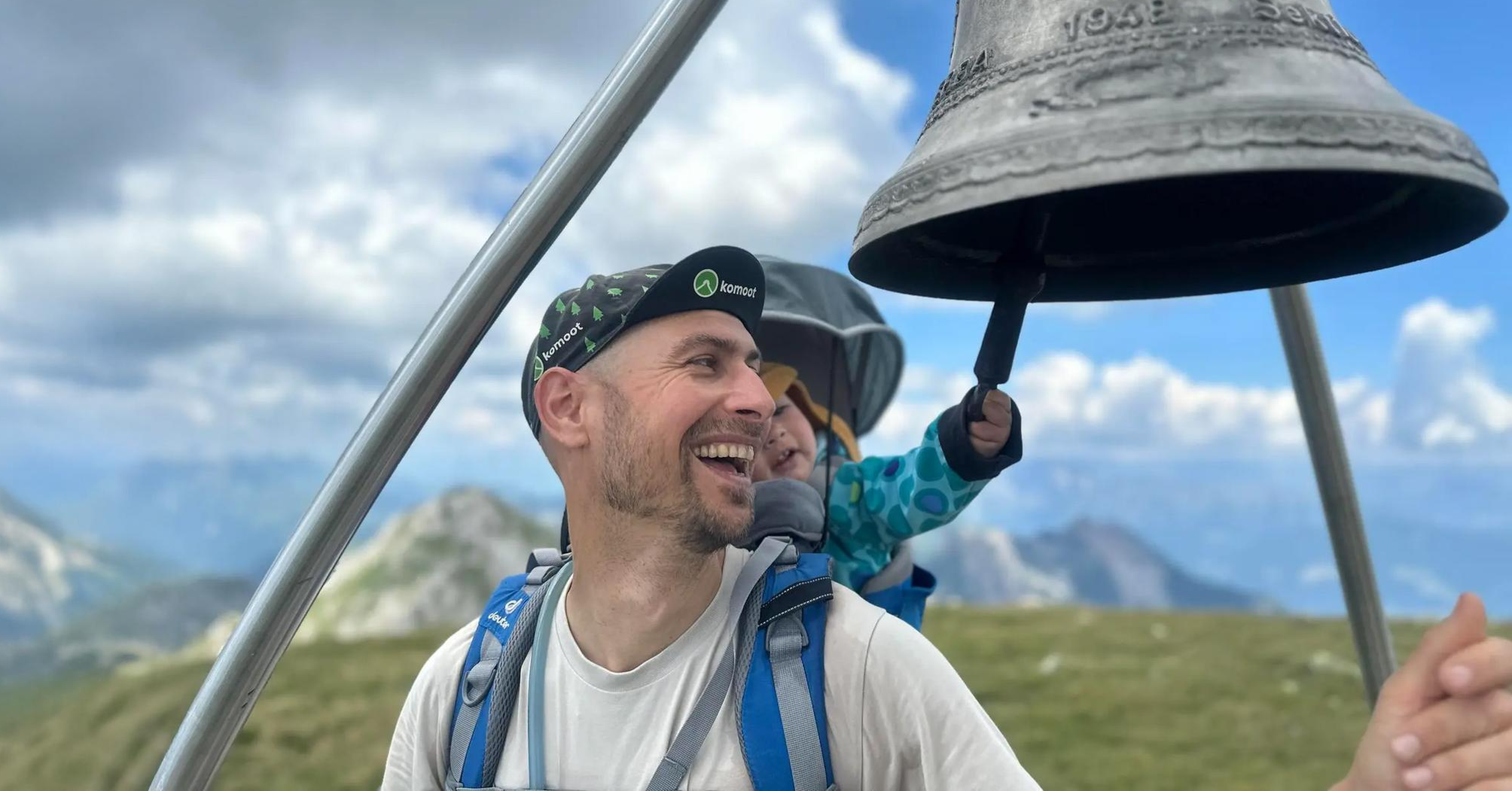
Summit hikes for families – discovery routes with a view in Carinthia
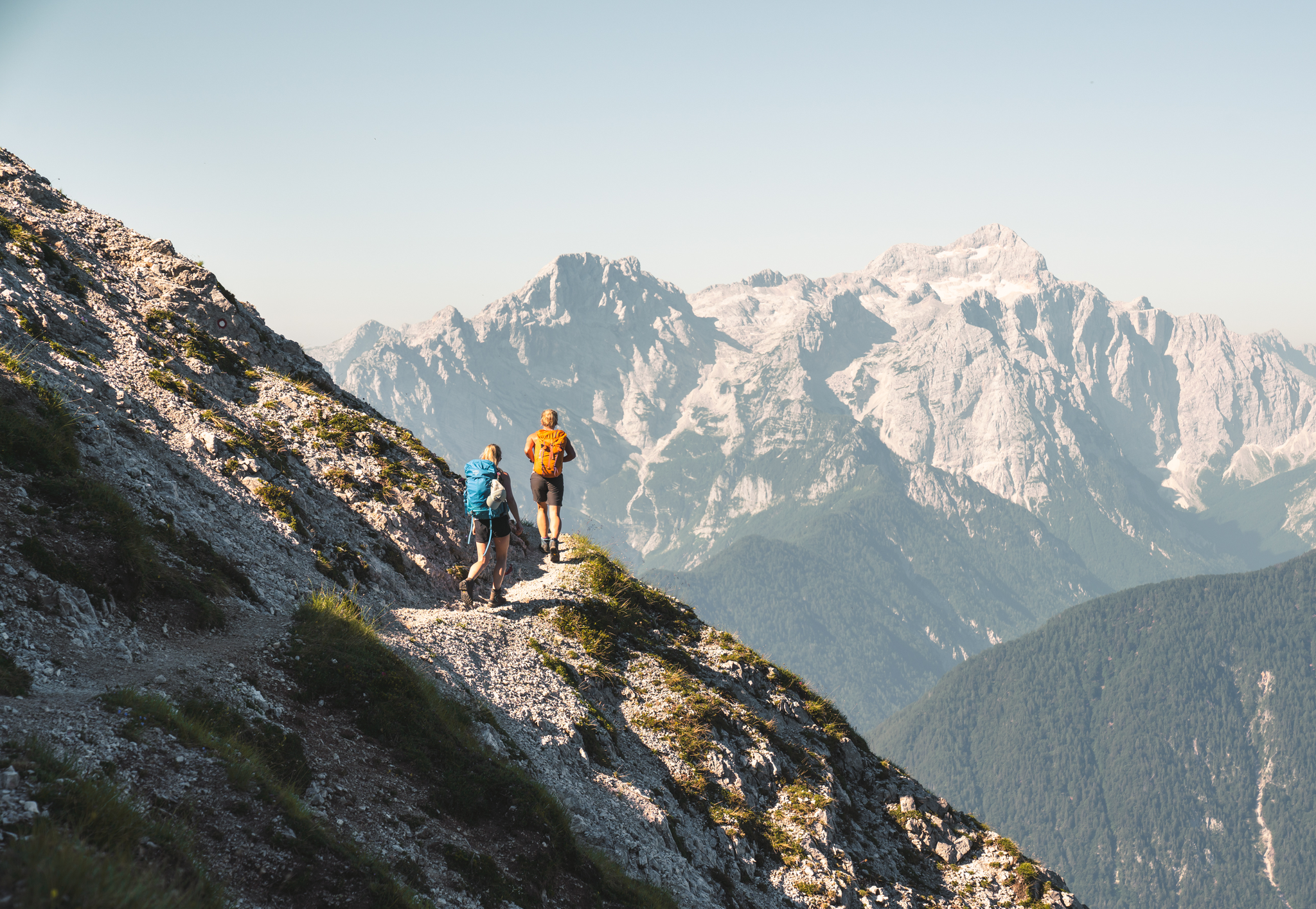
Sunny adventures on the Southern Alps Panorama Trail
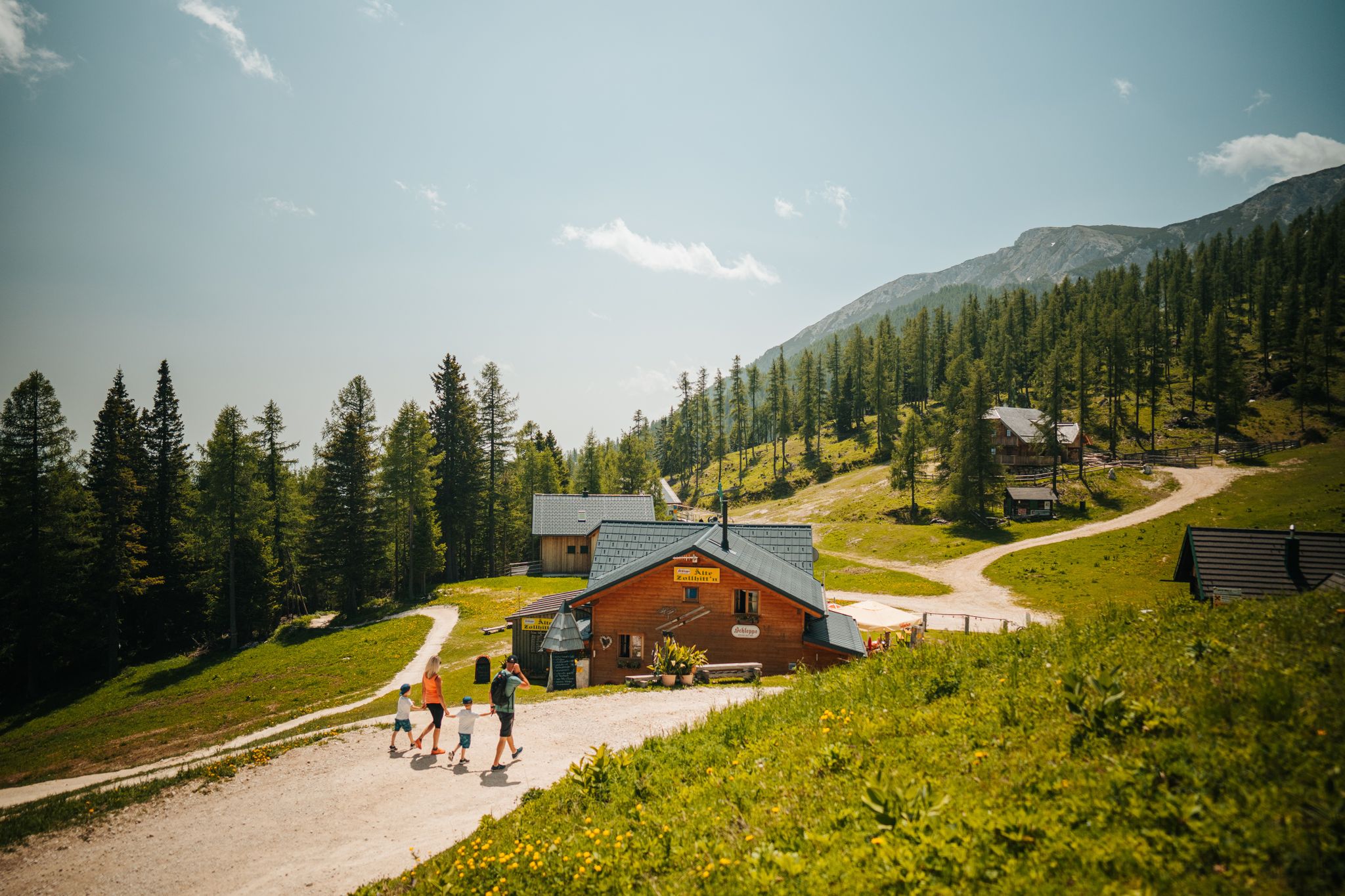
Auszeit auf der Alm – Wandern zu Kärntens schönsten Hütten
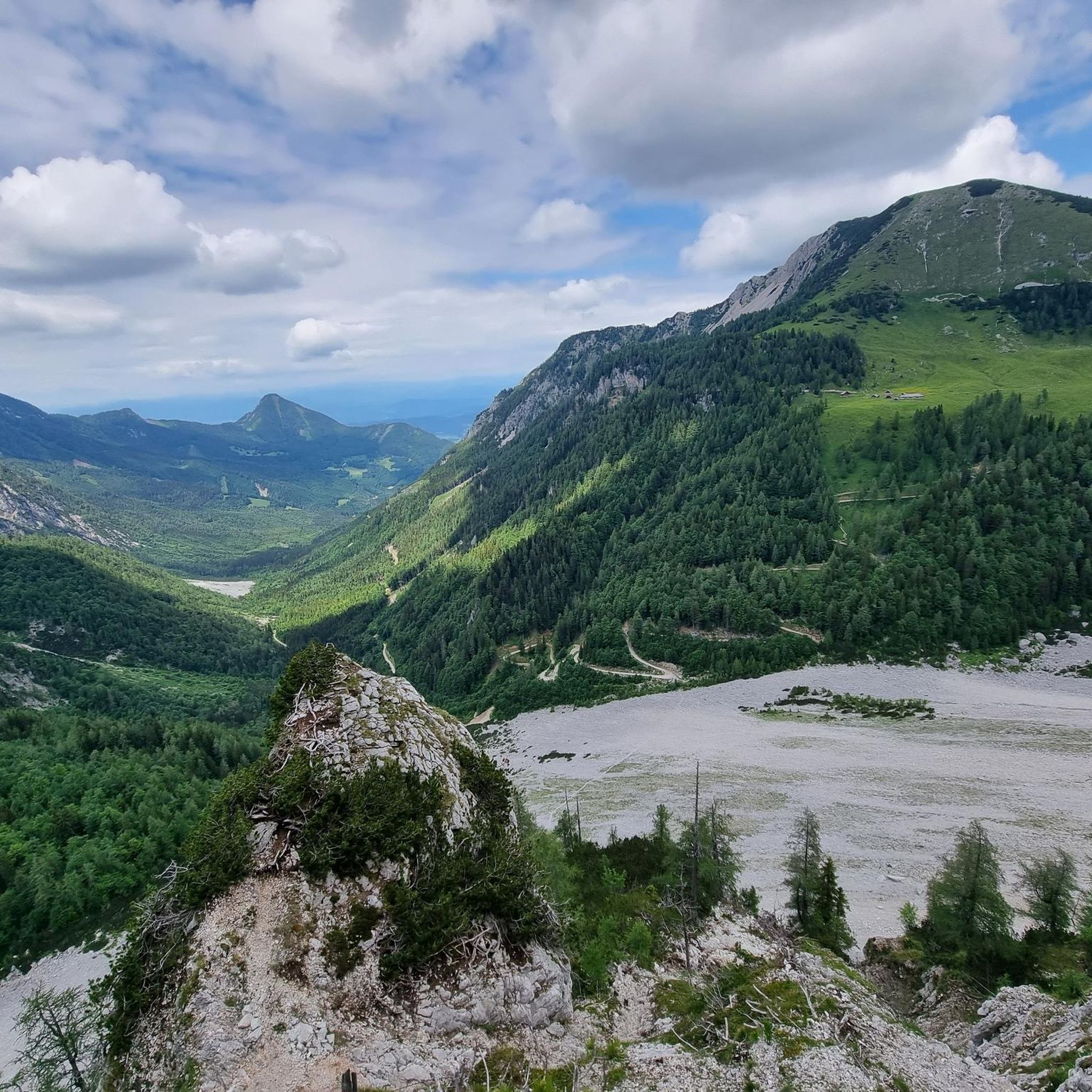
Hiking around Feistritz im Rosental
MTB Trails around Feistritz im Rosental
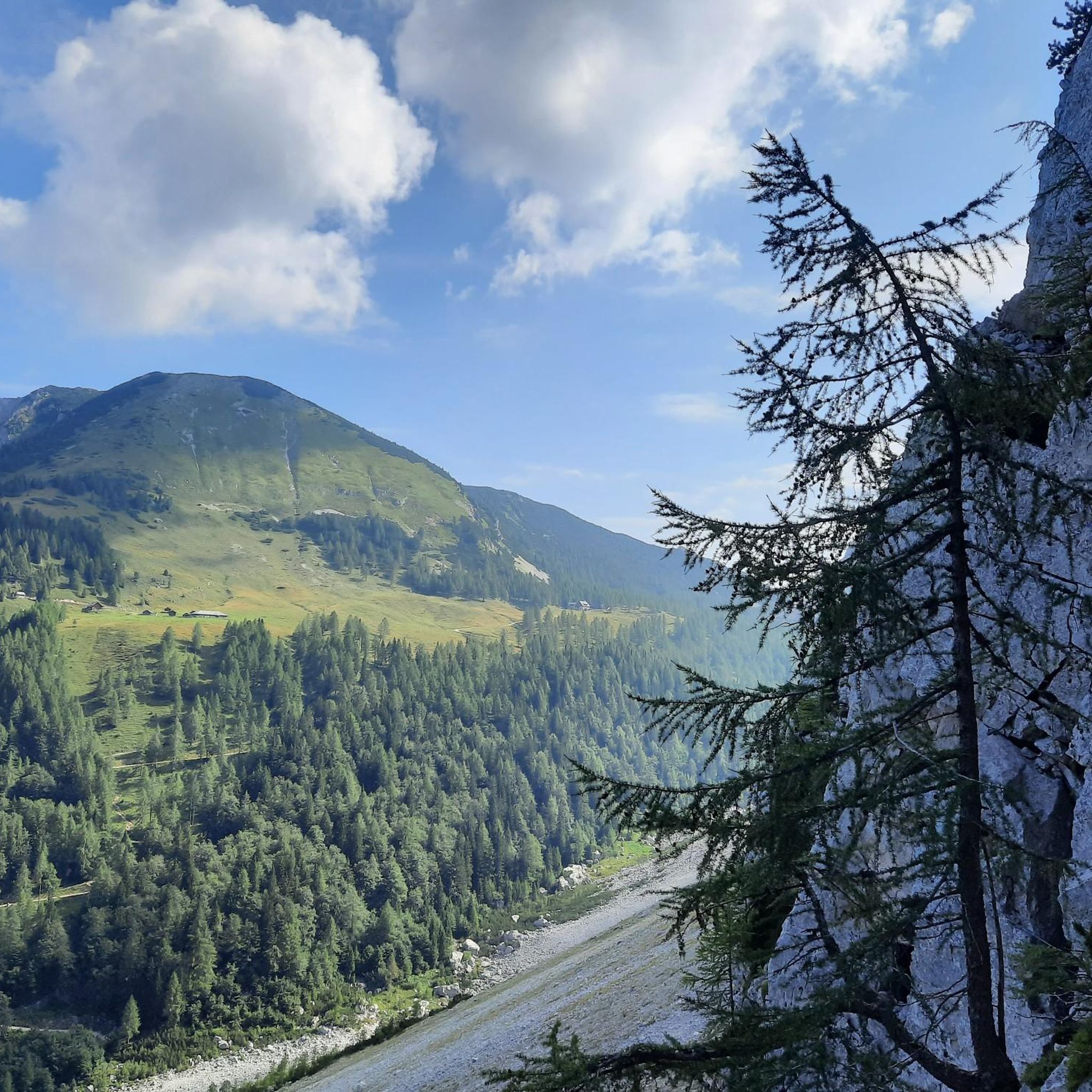
Mountain Hikes around Feistritz im Rosental
Cycling around Feistritz im Rosental
Road Cycling Routes around Feistritz im Rosental
Other adventures around Feistritz im Rosental


Tips from the Community

The most coveted spot on Lake Wörthersee is undoubtedly the Maria Loretto peninsula in Klagenfurt's eastern bay. This magical place manages to bridge the gap between pristine nature and opulent festivities. Anyone who has experienced the Lendspitz nature reserve or witnessed the breathtaking view from Maria Loretto Castle will fall in love with this narrow gem forever. Whether it's a photo spot for a wedding or pure romance away from the crowds – everyone can escape the everyday here. Its high recreational value makes this peninsula the place to be! Anyone who has experienced the Lendspitz nature reserve or seen the breathtaking view from Maria Loretto Castle will fall in love with this narrow gem forever.
2
0

Lake Bled is located in the Upper Carniola region (Gorenjska) near the spa town of Bled at the foot of the Pokljuka Plateau. The lake lies at an elevation of 475 m. It's easy to walk around the lake, and there are plenty of places to stop for refreshments! The cream cakes are an absolute must! During the summer months, it's very busy, especially on weekends! Cycling around the lake is not recommended!
4
1

In this place, you can let go of time. Not because it passes too quickly, but because it ceases to be important. On the Maria Loretto peninsula, the world seems to whisper instead of speak. The water sparkles as reliably as an old poem that you want to reread again and again. Palm trees and plane trees share the view of the shore, while the castle stands discreetly in the background – as if it knew its impact and no longer needed to prove it. Here, you take off your shoes because the gravel path suggests it. You sit down on a marble bench, perhaps drink a glass of wine in the shade of the linden trees, or simply dip your feet in the turquoise water. And suddenly you understand why people used to build avenues to the lake: not out of a desire for representation, but to create a dignified path to happiness. If you're in a hurry, it's best to stay outside. If you have the heart for it, you can enter.
1
0

The oldest part of the castle is the square Romanesque tower in the northwestern part. Later, a Gothic palace with living quarters on four floors was built in the opposite part. In the 16th century, a central Renaissance palace with an inner courtyard was built between the two buildings. The southern slope below the castle was intended for terraced gardens, and in the lower part there was a complex of outbuildings with a mill and sawmill. Text / Source: Radovljica Tourist Information Center: Linhartov trg 9, 4240 Radovljica https://www.radolca.si/de/radovljica-sehenswuerdigkeiten/burgen-und-schloesser/burg-kamen
13
0
Grad Kamen / Kamen Castle, Zijalka Kamen Castle (German: Burg Stein) was built in the 12th century by the Counts of Ortenburg. It later became the property of the Counts of Cilli and in 1469 it passed into the possession of the Counts of Lamberg. In the 18th century, the counts gave up the castle and moved to the more comfortable Katzenstein Castle in the center of Begunje. Text / Source: Radovljica Tourist Information Center: Linhartov trg 9, 4240 Radovljica https://www.radolca.si/de/radovljica-sehenswuerdigkeiten/burgen-und-schloesser/burg-kamen
13
0
Lake Bled / Bled Lake Formation of the Lake The unique shape of the lake as we know it today is no coincidence. Its location once occupied a tectonic basin, carved out over the years by the Bohinj Glacier. Its path was obstructed by an enormous rock, which it eroded so persistently that only the current island remained. The ice melted, the basin flooded with water, and Lake Bled was formed. With depths of up to 30 meters in some places, it is a delight for divers. The lake is home to 19 different species of fish, including carp, catfish, and lake trout, and its surface is home to ducks, swans, and a diverse range of vegetation. Text / Source: Bled Tourism https://www.bled.si/
14
0
Lake Bled / Blejsko jezero The origin of the lake The unique shape of the lake as we know it today is no coincidence. In its place there was once a tectonic basin, which was formed over the years by the Bohinj glacier. On its way it was obstructed by an enormous rock, which it eroded so stubbornly that only the current island remained. The ice melted, the basin was flooded with water and Lake Bled was formed, which delights divers with its depth of up to 30 meters in some places. The lake is home to 19 different species of fish such as carp, catfish and lake trout, and its surface is home to ducks and swans as well as a diverse range of vegetation. Text / Source: Bled Tourism https://www.bled.si/
13
1
Blejski grad / Bled Castle Once upon a time there was Bled Castle The history of the castle dates back to 1004, when the German Emperor Henry II donated the Bled estate to the Bishop of Brixen Albuin. At that time, on the site of the current castle, protected by walls, there was only a Romanesque tower. The first castle was built by the bishops around 1011 and originally had a defensive function. The bishops of Brixen never lived in the castle, so there were no luxurious rooms in it. In the mature Middle Ages, additional towers were added and the fortification system with walls and a drawbridge over the moat was perfected. The moat is now filled in, but the scene still inspires the imagination. The castle is characterized by a double construction - a fortified central part intended for the residence of the feudal lords and an outer part with walls and buildings for the servants. In 1511, the castle was badly damaged by an earthquake, but it was rebuilt and then acquired its current appearance. The castle buildings are decorated with coats of arms painted in fresco technique, some are also carved in stone. Text / Source: Tourism Bled https://www.bled.si/
12
0
Frequently Asked Questions
What are some of the most historically significant castles in the Feistritz im Rosental region?
The region boasts several castles with deep historical roots. Bled Castle, for instance, dates back to 1004 and features a Romanesque tower. Burg Hollenburg, perched on a rocky plateau, has roots in the 12th century and played a crucial role in controlling trade routes. Schloss Ebenau, a Renaissance castle, also has a history stretching back to the early 13th century.
Are there any castles that offer unique cultural experiences or art exhibitions?
Yes, Schloss Ebenau has been transformed into a private art gallery for the Walker family since 1996, showcasing contemporary Austrian and international art. Its picturesque, walled park also features sculptures by artists from the Alpine-Adriatic region.
Which castles offer impressive architectural features?
Schloss Ebenau is an impressive Renaissance castle with a massive, rectangular structure, corner towers, and polygonal bay windows. Burg Hollenburg features a striking five-sided Renaissance arcaded courtyard with Roman stones and a double coat of arms from 1588, along with a Gothic St. Nicholas Chapel containing 14th-century frescoes.
Can I find viewpoints with scenic vistas near the castles?
Absolutely. Burg Hollenburg offers a viewpoint balcony with breathtaking views over the Rosental, the Drau River, and the Karawanks mountain range. Additionally, Lake Bled and the Maria Loretto Peninsula are known for their stunning views and are popular highlights in the wider region.
Are there family-friendly castles or activities for children?
While specific children's activities vary, Ferlach Castle is listed as family-friendly and houses a gunsmith and hunting museum, which can be engaging for older children. The scenic parks and grounds of castles like Schloss Ebenau also offer pleasant spaces for families to explore.
What kind of outdoor activities can I do near the castles?
The area around Feistritz im Rosental is excellent for outdoor enthusiasts. You can find numerous hiking trails, including moderate to difficult routes, as well as mountain biking opportunities. For detailed routes, explore the Hiking around Feistritz im Rosental or MTB Trails around Feistritz im Rosental guides.
Are there any castles that are now used as event venues?
Yes, Burg Hollenburg serves as an exclusive event location, particularly popular for weddings, blending history with elegance. Ferlach Castle also has representative event rooms.
What is the best time of year to visit the castles in Feistritz im Rosental?
The spring and autumn months generally offer pleasant weather for exploring the castles and their surroundings, with milder temperatures and beautiful scenery. Summer is also popular, though it can be warmer. Some castles may have reduced hours or closures in winter, so it's advisable to check specific opening times.
Can I visit castle ruins in the area?
Yes, the Ruins of Hohenwart Castle, also known as the "Black Castle," are freely accessible. Parts of the main tower and walls of a 12th-century chapel still stand, offering a glimpse into a dramatic past. Be aware that the ruins are unsecured and on steep slopes.
How accessible are the castles by public transport or car, and is parking available?
While specific public transport details vary by castle, most are generally accessible by car, and parking is typically available nearby. For Burg Hollenburg, visitors can explore the inner courtyard and battlement walks during office hours, implying some level of public access. It's recommended to check local transport options or driving directions for each specific castle you plan to visit.
What do visitors enjoy most about the castles around Feistritz im Rosental?
Visitors frequently appreciate the rich history and diverse architecture of the castles, from medieval burgs to Renaissance structures. The scenic locations, often with breathtaking views, and the opportunity to explore cultural hubs or historical ruins are also highly valued by the komoot community.
Is Schloss Feistritz (Gößnitzerhof) open to the public?
Schloss Feistritz, also known as Gößnitzerhof, is an 18th-century building with significant local historical importance, particularly tied to the region's industrial past. While it represents a historical landmark, specific public access details for tours or visits are not widely published, suggesting it may have limited public access compared to other sites.
Most popular routes around Feistritz im Rosental
Most popular attractions around Feistritz im Rosental

Get inspired with the komoot mobile app


Explore more
Looking for the best castles somewhere else? Discover other guides around Feistritz im Rosental:
