Top 13 Castles around Nöchling
Best castles around Nöchling are situated within the broader Melk district and the scenic Lower Austria region. This area, known for its tranquil atmosphere and natural beauty, offers a rich historical landscape. While Nöchling itself is a charming market town, the surrounding region features numerous significant castles and ruins. These historical sites are often found in dramatic settings, including along the Danube River and within picturesque valleys.
Best castles around Nöchling
- The most popular castles is View of Persenbeug Castle…
Last updated: October 26, 2026
Grein Marina
Highlight • Settlement
Translated by Google •
Tip by

View of Grein and Greinburg Castle from the Danube Cycle Path
Highlight • Viewpoint
Translated by Google •
Tip by

Sign up now to discover places like this
Get recommendations on the best single tracks, peaks, & plenty of other exciting outdoor places.
View of Persenbeug Castle
Highlight • Viewpoint
Translated by Google •
Tip by

Persenbeug Castle and Ybbs-Persenbeug Hydroelectric Power Plant
Highlight • Monument
Translated by Google •
Tip by
Greinburg Castle
Highlight • Castle
Translated by Google •
Tip by
Sign up for free to discover even more castles around Nöchling.
Already have an account?
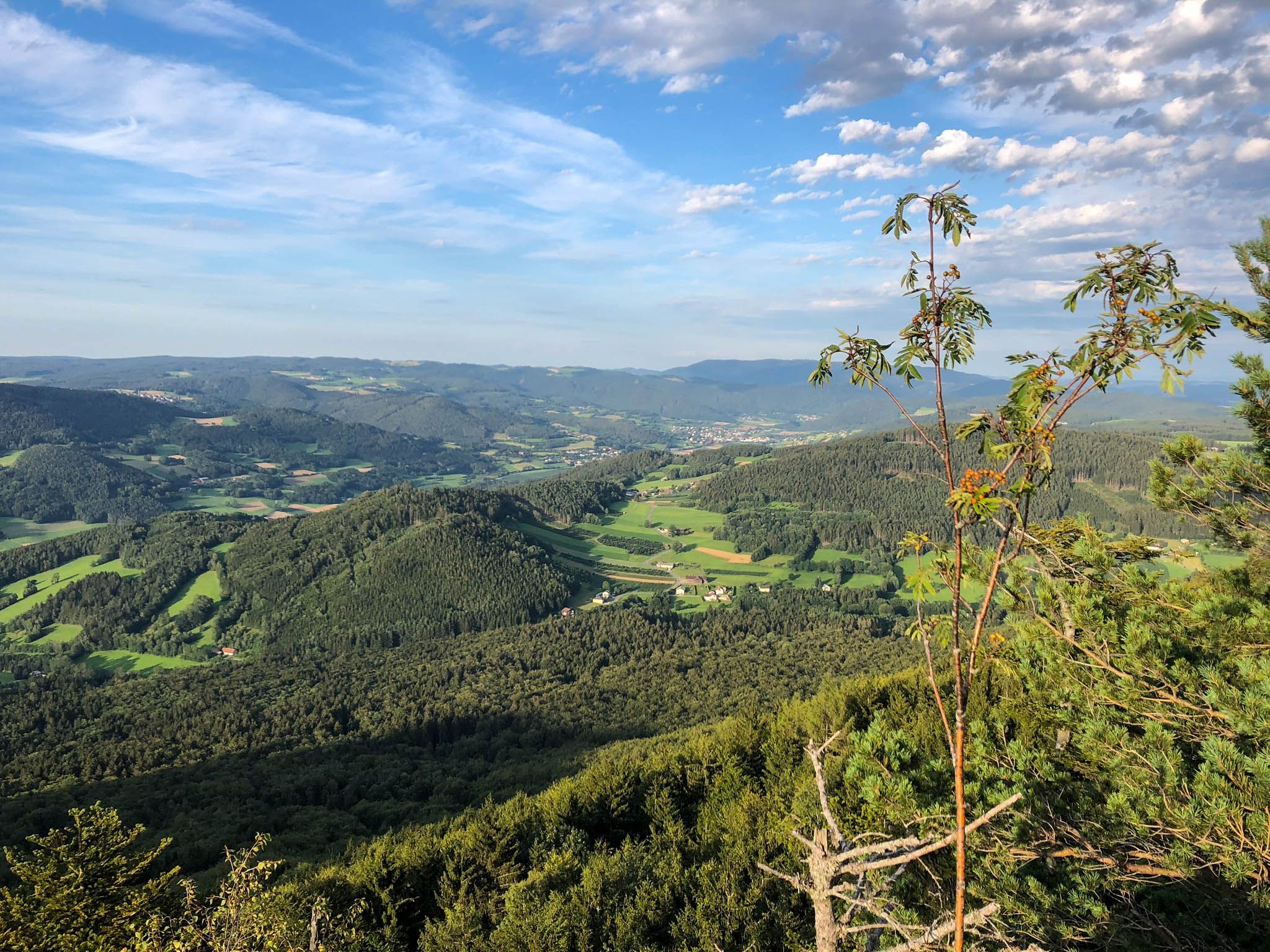
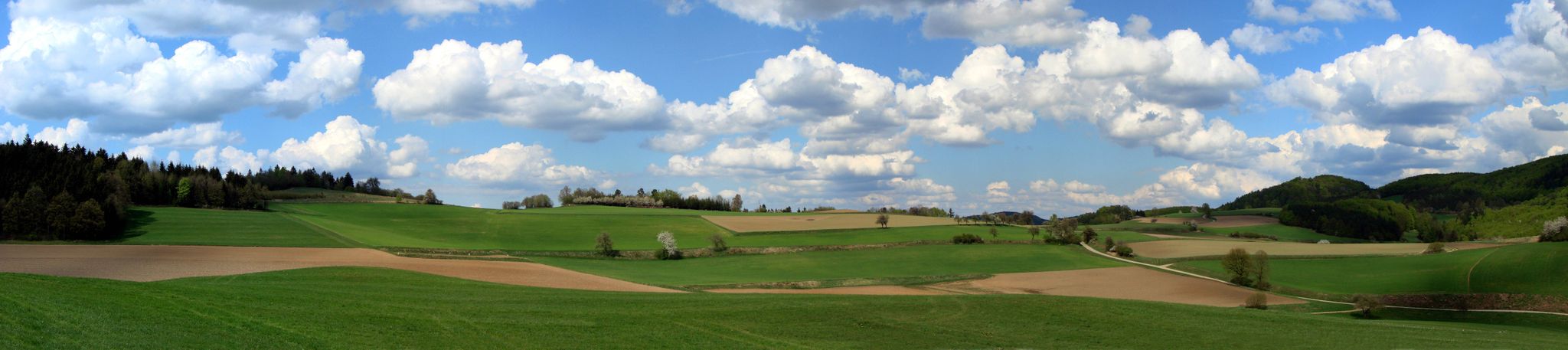
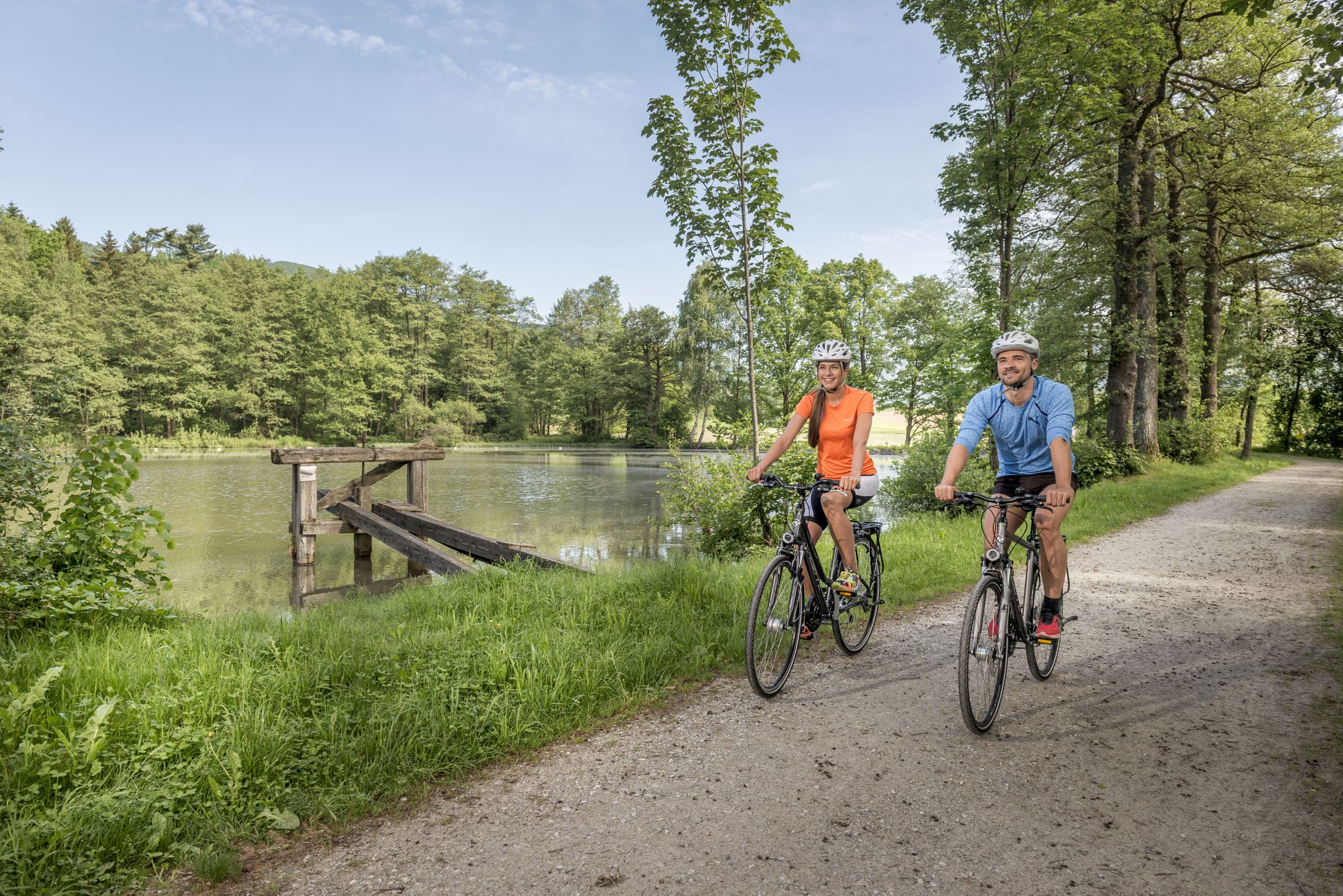


Tips from the Community

The first historical mention of Persenbeug Castle dates back to 970 AD. The Bavarian Sieghart, Count of Semt and Ebersberg, took possession of "Persinpiugun" and fortified it. Over the centuries, the castle changed hands many times. Until 1593, it was also intermittently in the possession of the regional princes. It was then sold to the Hoyos family, who expanded the castle to its present form. On December 3, 1800, Emperor Franz I of Austria purchased Persenbeug Castle and its dominion as free private property. Around the same time, the dominion of Gutenbrunn also came into the possession of Franz I, and was incorporated into his private fund. Through several inheritances, the dominions of Persenbeug and Gutenbrunn came into the possession of Emperor Franz Joseph I, who passed them on to his daughter Marie Valerie in 1916. Some of her descendants form the currently existing family co-ownership community.
0
0

The castle is prominently situated on a rock on the right bank of the Danube, above the municipality of Persenbeug-Gottsdorf, at the transition from the Strudengau to the Nibelungengau.
1
0

Persenbeug Castle is beautifully situated on the Danube bridge and lock of the power plant
0
0

Greinburg Castle is an impressive historical structure that rises majestically above the town of Grein in the Lower Mühlviertel region. Here are some interesting facts about this remarkable castle: 1. Oldest residential castle in Austria: Greinburg Castle is considered the oldest residential castle in Austria and was built between 1488 and 1495 with the approval of Emperor Frederick III. It is a significant example of the architecture of the period. 2. Historical Significance: The castle has a long and eventful history and has been an important residence for the ducal family of Saxe-Coburg and Gotha over the centuries. It reflects the power and influence of the noble families in the region. 3. Architectural Features: The castle's architecture combines various styles and elements added over the centuries. Particularly noteworthy are the impressive towers and well-preserved interiors, which offer a glimpse into life in bygone times. 4. **Location and View**: The castle sits high above the Danube River and offers breathtaking views of the surrounding landscape. Its location makes it a popular destination for tourists and history buffs. 5. **Visitor Information**: Greinburg Castle is open to the public and offers guided tours, allowing visitors to learn more about the castle's history and architecture. There are also events and cultural activities held at the castle. Greinburg Castle is not only an architectural masterpiece, but also a living part of Austrian history. ! 😊
2
0


Greinburg Castle, built between 1488 and 1495, is the oldest residential castle in Austria and is located above the town of Grein on the Danube. It boasts a three-story Renaissance arcaded courtyard, the Knights' Hall, the castle chapel with an early Baroque Christmas altar, the unique diamond vault, and the Sala Terrena decorated with Danube pebbles. The castle has been owned by the Saxe-Coburg and Gotha family since 1823 and today houses the Upper Austrian Maritime Museum. It is open to visitors from May to October. In addition, cultural events such as the Danube Festival Weeks in the Strudengau region are regularly held here.
4
0

Beautiful cycle path along the Danube
2
0
Grein is an Upper Austrian town in the Lower Mühlviertel in the district of Perg. With an area of 18.42 square kilometers and 2,934 inhabitants (as of January 1, 2023), Grein is the fifteenth largest municipality in terms of area and the seventh largest municipality in terms of population in the district. Grein has been the third oldest town in the Mühlviertel and the capital of the Strudengau since 1491.
3
0
Frequently Asked Questions
Which castles are most popular with visitors around Nöchling?
Visitors frequently appreciate View of Persenbeug Castle for its imposing perspective above the Danube, and View of Grein and Greinburg Castle from the Danube Cycle Path, which offers a beautiful vista of the idyllic town of Grein and its historic castle. These spots are highly upvoted and have many shared photos from the komoot community.
Are there any family-friendly castles to visit near Nöchling?
Yes, several castles and viewpoints in the region are considered family-friendly. For instance, the View of Persenbeug Castle and the Persenbeug Castle and Ybbs-Persenbeug Hydroelectric Power Plant are great for families, offering both historical interest and the fascinating operation of the lock for ships on the Danube. Greinburg Castle also welcomes families, with its rich history and impressive architecture.
What historical significance do the castles around Nöchling hold?
The castles in the broader Melk district and Lower Austria region boast significant historical depth. Persenbeug Castle, for example, has origins dating back to 907 and was the birthplace of Emperor Charles I. Greinburg Castle, built between 1488 and 1495, is recognized as the oldest residential castle in Austria. Other notable sites like Artstetten Castle are linked to Archduke Franz Ferdinand, and Aggstein Castle Ruins were once a stronghold of the Kuenringers.
Can I combine a castle visit with outdoor activities like hiking or cycling?
Absolutely. The region around Nöchling is ideal for combining castle visits with outdoor adventures. You can find various hiking trails around Nöchling, including easy, moderate, and difficult options. For cyclists, there are excellent cycling routes around Nöchling, such as those along the Danube Cycle Path that offer views of castles like Greinburg and Persenbeug.
What are some unique architectural features of the castles in this region?
The castles showcase a range of architectural styles and features. Greinburg Castle is known for its three-story Renaissance arcaded courtyard, the Knights' Hall, and a unique diamond vault. Schönbühel Castle, built on a 40-meter-high rock, features imposing towers, rondels, and subterranean passages. Heidenreichstein Castle is a remarkably preserved medieval moated castle, accessible via two drawbridges.
Are there any castle ruins worth visiting for their views?
Yes, the region is home to dramatic castle ruins offering spectacular views. The Aggstein Castle Ruins, perched 300 meters above the Danube Valley, provide panoramic vistas of the Wachau region. Similarly, the Dürnstein Castle Ruins, famous as the prison of King Richard the Lionheart, reward a climb with breathtaking views and a tangible sense of history.
What is the best time of year to visit the castles around Nöchling?
While castles can be visited year-round, spring and autumn are particularly recommended. Spring offers pleasant weather for exploring and lush greenery, while autumn provides stunning colorful foliage, especially in areas like the Wachau Valley where Aggstein and Dürnstein ruins are located. Many castles, like Greinburg Castle, are open to visitors from May to October.
Are there any hidden gem castles or lesser-known historical sites in the area?
While the main castles are well-known, exploring the broader Lower Austria region can reveal less-frequented but equally captivating sites. Heidenreichstein Castle in the mystical Waldviertel region is a remarkably preserved medieval moated castle that offers a unique glimpse into the past with its drawbridges and dark moat. Artstetten Castle, with its museum dedicated to Archduke Franz Ferdinand, also offers a deep dive into specific historical narratives.
What kind of natural features can I expect to see around the castles?
Many castles are set amidst stunning natural landscapes. You'll find them along the Danube River, offering scenic river views, or perched on hills and rocks overlooking valleys. The Wachau region, home to Aggstein and Dürnstein ruins, is a UNESCO World Heritage site known for its picturesque vineyards and river landscapes. The tranquil atmosphere and scenic hiking trails are characteristic of the broader Melk district.
What do visitors enjoy most about the castles and their surroundings?
Visitors frequently highlight the impressive views, the rich history, and the opportunity to explore diverse architectural styles. The dramatic settings of castles like Persenbeug and Greinburg along the Danube, or the panoramic vistas from the Aggstein ruins, are often praised. The blend of historical exploration with the natural beauty of the Lower Austrian landscape is a major draw for the komoot community.
How long should I plan for a visit to a castle near Nöchling?
The duration of a visit can vary. For a viewpoint like View of Persenbeug Castle, a short break of 15-30 minutes might suffice to take in the perspective. For an actual castle like Greinburg Castle, especially if you plan to take a guided tour or visit a museum, allow 1.5 to 3 hours. If you're combining a castle visit with a hike or cycle, plan for a half-day or full-day excursion.
Are there any specific routes that pass by multiple castles or viewpoints?
Yes, the Danube Cycle Path is an excellent option for seeing multiple castles and viewpoints. For example, the route from Grein to Melk offers scenic views of castles along the river. You can find cycling routes like the "Grein Marina – View of Persenbeug Castle loop from Nöchling" which allows you to experience several highlights in one go.
Most popular routes around Nöchling
Most popular attractions around Nöchling

Get inspired with the komoot mobile app


Explore more
Looking for the best castles somewhere else? Discover other guides around Nöchling:
