Top 15 Castles around Fallbach
Castles near Fallbach Austria are situated in the northern Weinviertel region of Lower Austria. While Fallbach itself is a small municipality, it is home to notable castles such as Hagenberg Castle and Loosdorf Castle. The broader Weinviertel region offers a diverse selection of castles and ruins for exploration. This area provides a blend of historical architecture and natural landscapes.
Best castles around Fallbach
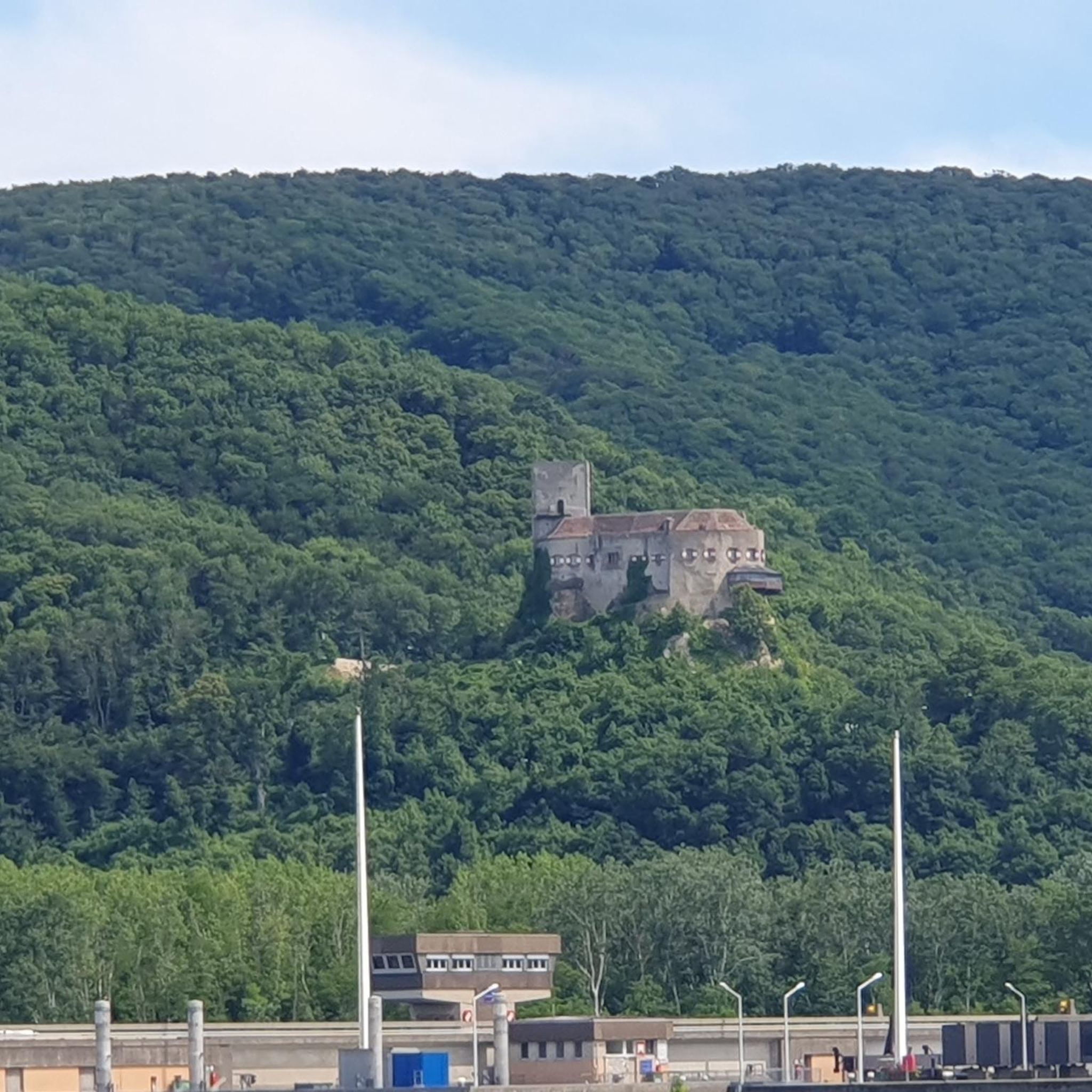
- The most popular castles is Hanselburg Ruins, an artificial ruin that was built as a hunting pavilion. It is located on a wooded hill about 1 kilometer from Loosdorf.
- Another must-see spot is MAMUZ Castle Asparn/Zaya, a castle and museum. It features interactive exhibitions and an archaeological open-air area showcasing 40,000 years of human history.
- Visitors also love Ruins of Staatz Castle, a historical ruin. This site offers far-reaching views from a limestone cliff that rises about 100 meters above the surrounding area.
- Fallbach is known for historical ruins, preserved castles, and museum castles. The region offers a variety of castles to see and explore, from medieval fortresses to Baroque complexes.
- The castles around Fallbach are appreciated by the komoot community, with 4 highlights receiving 80 upvotes and featuring 65 photos.
Last updated: May 13, 2026
MAMUZ Castle Asparn/Zaya
Highlight • Castle
Translated by Google •
Tip by

Hanselburg Ruins
Highlight • Castle
Translated by Google •
Tip by
Sign up now to discover places like this
Get recommendations on the best single tracks, peaks, & plenty of other exciting outdoor places.
Sign up for free
Laa Castle
Highlight • Castle
Translated by Google •
Tip by

Loosdorf Castle
Highlight • Castle
The castle museum is open every 1st Sunday of the month from 2 p.m. to 5 p.m. During this time, the castle can also be visited by appointment.
Translated by Google •
Tip by

Niederleis Castle
Highlight • Castle
Translated by Google •
Tip by

Sign up for free to discover even more castles around Fallbach.
Sign up for free
Already have an account?
Start today with a free account
Your next adventure awaits.
Login or Signup
Tips from the Community

Beautiful castle ruins, which were supposedly built as ruins from the start.
0
0

Admission to the courtyard is free, entry to the observation tower is €2 per person.
0
0

See a beautiful castle in the Weinviertel
0
0

Privately owned by the Schaffgotsch family. Since the 1980s, the castle has been extensively renovated and the historic moat has also been restored. Today the castle's knight's hall is a popular venue for concerts, wedding banquets and balls. The castle museum is also open to visitors by appointment. More about the story: https://de.wikipedia.org/wiki/Schloss_Niederleis
0
0
The Hanselburg is the artificial ruin of a hilltop castle. In 1800, Prince Johann I of Liechtenstein had the romantic artificial ruin built on the remains of an old local mountain complex as a hunting pavilion and snack bar.
0
0

Built by Prince Lichtenstein in the 18th century.
2
1

Laa Castle stands in the northeast corner of Burgplatz. An imposing building made of stone walls with a butter churn tower and a low square battle tower was mainly used to supply and secure the weir. The castle was built in the 13th century. In 1564 almost the entire town and parts of the fortifications and the castle were burnt down by a conflagration. Around 1786 the castle went into private ownership. In 2007, Laa Castle was bought by the municipality of Laa. The castle has been renovated in recent years and since 2018 the butter churn tower and the inner courtyard of the castle have been open to the public daily from 10 a.m. to 6 p.m.
0
0
Laa Castle stands in the northeast corner of Burgplatz. An imposing building made of stone walls with a butter churn tower and a low square battle tower was mainly used to supply and secure the weir. The castle was built in the 13th century. In 1564 almost the entire town and parts of the fortifications and the castle were burnt down by a conflagration. Around 1786 the castle went into private ownership. In 2007, Laa Castle was bought by the municipality of Laa. The castle has been renovated in recent years and since 2018 the butter churn tower and the inner courtyard of the castle have been open to the public every day from 10 a.m. to 6 p.m. In November 2019, the castle hall and the toilet facilities were also presented to the public. The Laaer beer museum can be visited in the south wing.
0
0
Frequently Asked Questions
What types of castles can I explore around Fallbach?
The Fallbach area and the broader Weinviertel region offer a diverse range of castles, from preserved historical buildings and museum castles to dramatic medieval ruins. You can find everything from Baroque complexes like Schloss Hof Palace to unique sites like MAMUZ Castle Asparn/Zaya, which features interactive exhibitions and an archaeological open-air area.
Are there any particularly unique or historically significant castles in the Fallbach area?
Yes, within Fallbach municipality, you can visit Hagenberg Castle, known for its picturesque moat and distinctive exterior paintings, and Loosdorf Castle, which houses a unique collection of pewter figures. In the wider Weinviertel region, Schloss Hof Palace is a significant Baroque complex, and Liechtenstein Schloss Wilfersdorf has been continuously owned by the Princely Family of Liechtenstein since 1440, offering a museum and wine tavern.
Which castles around Fallbach are suitable for families with children?
Several castles in the region are family-friendly. MAMUZ Castle Asparn/Zaya is highly recommended for its interactive exhibitions and archaeological open-air area, making history engaging for all ages. Liechtenstein Schloss Wilfersdorf also features a spacious children's playground in its former moat, and Laa Castle is listed as family-friendly.
Can I find castle ruins to explore near Fallbach?
Absolutely. The region is home to impressive ruins. The Hanselburg Ruins, an artificial ruin built as a hunting pavilion, is located on a wooded hill near Loosdorf. Another notable site is the Ruins of Staatz Castle, which dramatically rises on a 100-meter-high limestone cliff, offering far-reaching views.
What are the best times of year to visit the castles around Fallbach?
The castles around Fallbach are generally enjoyable to visit throughout the warmer months, from spring to autumn (April to October), when the weather is pleasant for exploring both indoor and outdoor areas. Summer offers longer daylight hours, while spring and autumn provide beautiful scenery with blooming nature or colorful foliage. Some castles, like Schrattenthal Castle, also host special events such as a lavender festival during specific seasons.
Are there hiking trails that incorporate castle visits near Fallbach?
Yes, there are several hiking opportunities that allow you to combine nature with historical exploration. For instance, you can find routes like the 'Hanselburg Ruins – Hanslburg Ruins loop from Schloss Loosdorf' which takes you to the Hanselburg Ruins. You can find more details on these trails in the Hiking around Fallbach guide.
What kind of views can I expect from castles in the Fallbach region?
Many castles and ruins in the area offer excellent viewpoints. The Ruins of Staatz Castle, perched on a 100-meter-high limestone cliff, provides magnificent views across the Laa plain and even into the Czech Republic on clear days. The Hanselburg Ruins, located on a wooded hill, also offers scenic forest views.
Are there easy walking paths near the castles for a relaxed visit?
Yes, many castles are situated in areas with accessible paths. For example, a path leads directly from Loosdorf to the Hanselburg Ruins. The broader region also offers numerous easy hikes, which can be found in the Easy hikes around Fallbach guide, allowing for relaxed strolls in the vicinity of historical sites.
Is public transport available to reach castles around Fallbach?
While Fallbach itself is a smaller municipality, public transport options exist to reach some of the larger towns and castles in the Weinviertel region. However, for direct access to all castles, especially those in more rural settings like Hagenberg or Loosdorf, a car is often the most convenient option. It's advisable to check local bus or train schedules for specific destinations.
Are there dining options or cafes near the castles?
Yes, several castles and their surrounding towns offer dining options. Kreuzenstein Castle has a tavern serving local food. Liechtenstein Schloss Wilfersdorf features a castle wine tavern and a wine shop. In the wider Fallbach area, you can find local Gasthäuser (inns) and cafes, particularly in larger villages or towns like Laa an der Thaya, which is home to Laa Castle.
What do visitors enjoy most about the castles around Fallbach?
Visitors frequently appreciate the blend of historical architecture and natural beauty. Highlights like the Ruins of Staatz Castle are praised for their magnificent views, while MAMUZ Castle Asparn/Zaya is loved for its interactive approach to history. The romantic setting of places like Hagenberg Castle and the unique collections at Loosdorf Castle also draw considerable interest.
Can I visit castles that are still privately owned or undergoing restoration?
Yes, some castles in the region are privately owned or in various stages of restoration. Hagenberg Castle, for example, has been under new ownership since 2020 and is undergoing gentle restoration, including frescoes in its ballroom. While some areas might be restricted during restoration, many still offer opportunities for visitors to appreciate their historical significance and ongoing preservation efforts.
Most popular routes around Fallbach
Most popular attractions around Fallbach

Get inspired with the komoot mobile app


Explore more
Looking for the best castles somewhere else? Discover other guides around Fallbach:
