Top 9 Castles around Grünbach am Schneeberg
Best castles around Grünbach am Schneeberg are situated in a region rich with historical sites. This area in Lower Austria is characterized by its mountainous landscape, offering elevated positions for historical fortifications. The natural surroundings provide a backdrop for exploring ancient ruins and historical architecture. Visitors can discover a blend of history and scenic beauty in this region.
Best castles around Grünbach am Schneeberg
- The most popular castles is Schrattenstein Castle Ruins, a castle perched on a rocky outcrop…
Last updated: May 29, 2026
Schrattenstein Castle Ruins
Highlight • Castle
Translated by Google •
Tip by

Losenheim castle ruins
Highlight • Castle
Translated by Google •
Tip by

Sign up now to discover places like this
Get recommendations on the best single tracks, peaks, & plenty of other exciting outdoor places.
Sign up for free
Emmerberg Castle Ruins
Highlight • Castle
Starhemberg Castle Ruins
Highlight • Castle
Driveway from the parking …
Translated by Google •
Tip by

Vöstenhof Castle
Highlight • Castle
Translated by Google •
Tip by

Sign up for free to discover even more castles around Grünbach am Schneeberg.
Sign up for free
Already have an account?
Start today with a free account
Your next adventure awaits.
Login or Signup
Popular around Grünbach am Schneeberg
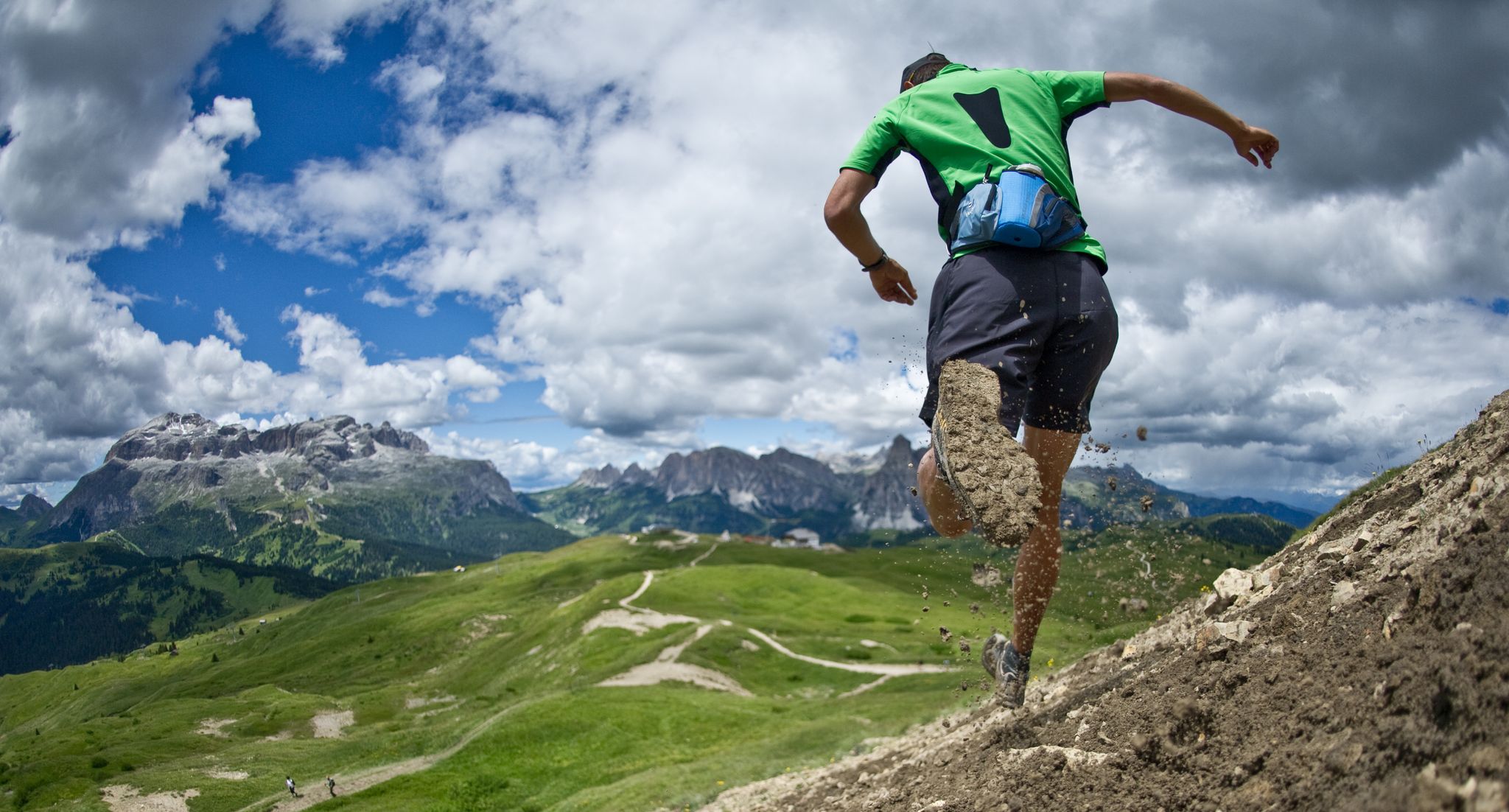
Autumn trail runs
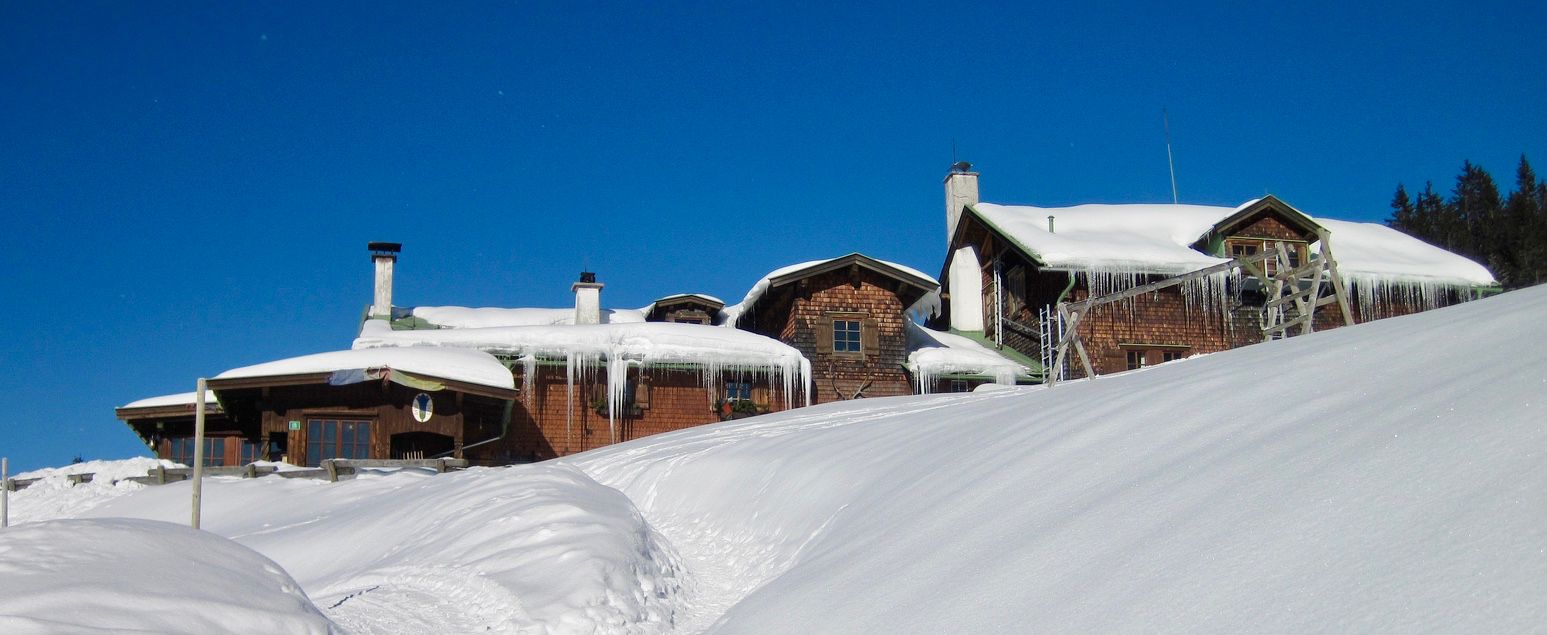
Mountain lodges for the cold season in the Alps
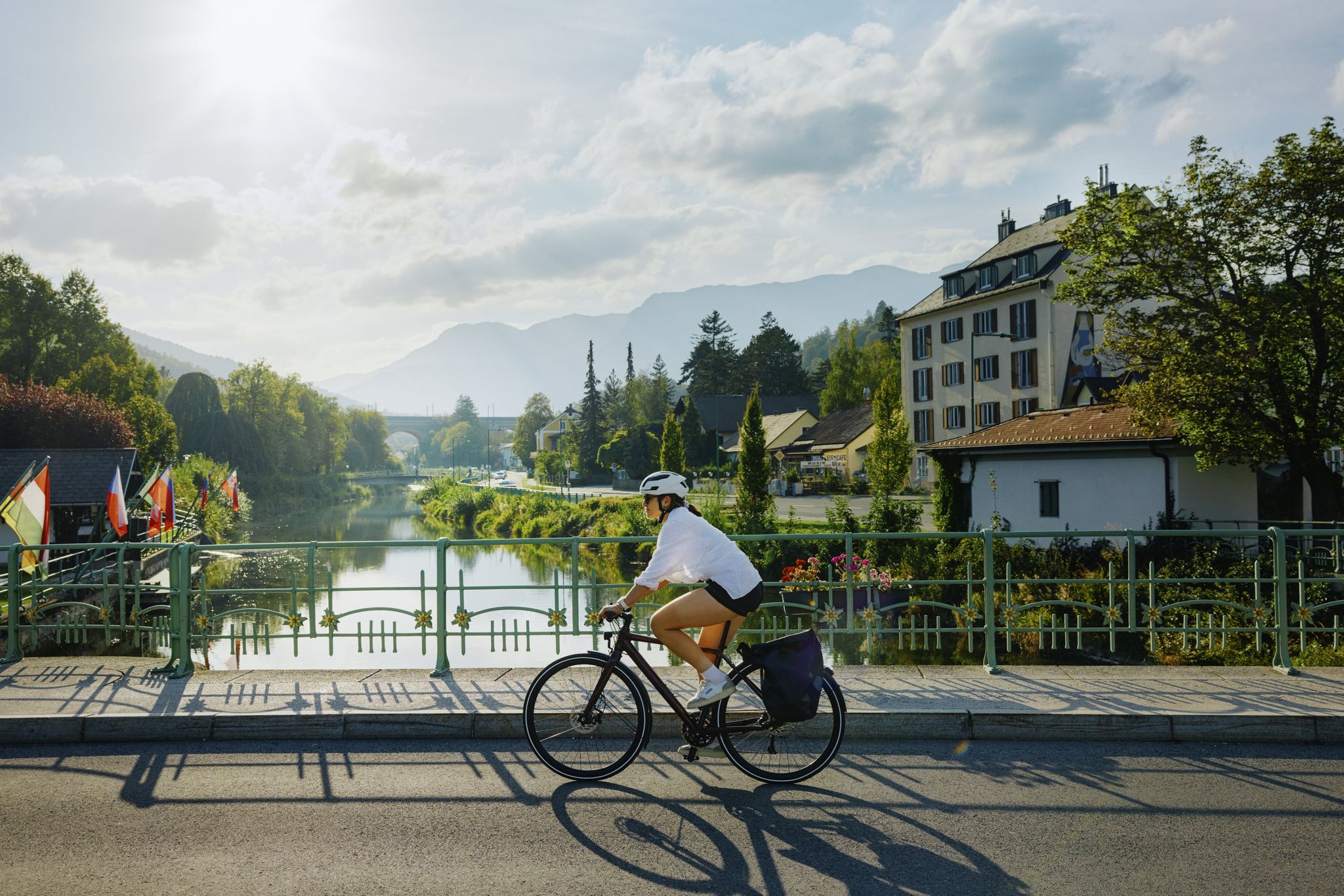
Ride & Relax – Mit dem Rad in den Wiener Alpen
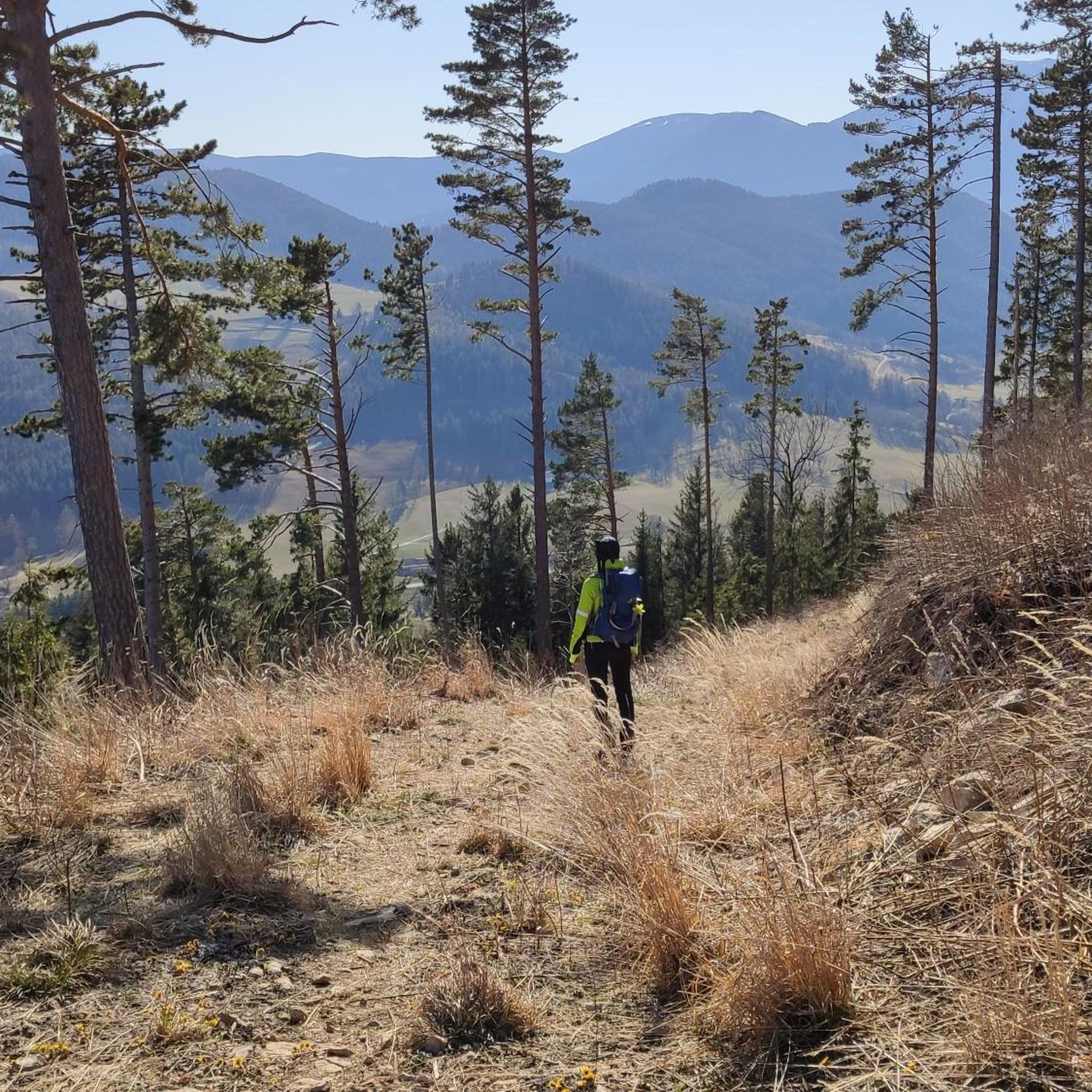
Hiking around Grünbach am Schneeberg
MTB Trails around Grünbach am Schneeberg
Road Cycling Routes around Grünbach am Schneeberg

Mountain Hikes around Grünbach am Schneeberg
Cycling around Grünbach am Schneeberg
Running Trails around Grünbach am Schneeberg
Gravel biking around Grünbach am Schneeberg


Tips from the Community

An actually very interesting ruin with an intact round chapel in the gate tower and an intact smoke kitchen. Unfortunately, the ruin has been closed for some time and left to further decay.
1
0
The name Starhemberg is derived from the original name 'starker Berg' or 'Starkenberg'. The castle is not to be confused with castles of the same name in Upper Austria, Schloss Starhemberg (Haag am Hausruck), the namesake seat of the Starhemberg princely house, and its current seat Schloss Starhemberg (Eferding). The castle ruin discussed here had no connection with the well-known family of apostles.
1
0
In the year 1182, in a deed by Margrave Otakar IV of Styria (also Ottokar), a certain "Chalhoch de Stratensteine" is attested, confirming the freedoms of Seckau Abbey, dedicated by his father. Two years later, his son "Ortolf" also appears in documents. Both names are characteristic of the Lords of Schrattenstein.
1
0

After centuries of decay, the ruins were painstakingly restored thanks to the dedication of Dr. Karl Leitner and today shine in their historic splendor. On the grounds, you'll find remnants of walls, towers with viewing platforms, and insights into the lives of former lords. Further information and fascinating background information on the castle's history can be found on the website of the Friends of Losenheim Castle Ruins Association: http://burgruine-losenheim.at/.
2
0

The Schrattenstein is a wooded mountain near Würflach, crowned by the romantic Schrattenstein ruins. From the summit and around the ruins, there are always magnificent views of the surrounding area and the Hohe Wand mountain. The castle ruins are freely accessible and lend the place a special, historic atmosphere. A worthwhile destination for a leisurely hike – especially beautiful in combination with the Johannesbach Gorge or the Andreassteig Trail.
5
0
The Schrattenstein Castle ruins sit perched on a rocky outcrop above the valley and offer magnificent views over the surrounding hills as far as the Hohe Wand mountain. The remains of the former hilltop castle are now freely accessible and invite exploration – with ancient walls, weathered stones, and a special, almost mystical atmosphere. A worthwhile detour for hikers who appreciate history and views in equal measure. It's particularly beautiful at sunset or as the destination for a circular hike through the Johannesbach Gorge or from the Andreassteig Trail.
6
0
The Emmerberg Castle ruins are located on a ridge near the Prosset Gorge and are among the historic fortresses of Lower Austria. First mentioned around 1170, they served as an important defensive point on what was then the northern border of the Carantanian March. Although they were never militarily tested, they were inhabited until 1760 before they began to decay – triggered by the sale of the roof structure. Although the ruins are now inaccessible for safety reasons, their imposing remains and picturesque location make them a fascinating sight.
4
0
The Starhemberg castle ruins, once a significant site north of Dreistetten, have an eventful history. Originally a Styrian fortress, it fell to the Babenbergs in 1192 and was expanded into a palace under Frederick the Quarrelsome. After his death, the Teutonic Order administered it for a short time before it passed into Habsburg ownership in 1278. In 1482, the castle was captured by King Matthias Corvinus. From 1590, it belonged to the Counts of Heussenstein for over 200 years and survived the Turkish onslaught in 1683. Around 1800, it was covered over to avoid taxes and has remained in ruins ever since. Today, it is owned by the Salvator Habsburg-Lothringen family. Officially, access is prohibited, but the imposing walls and the view make it a popular destination for hikers.
4
2
Frequently Asked Questions
What are the most popular castles to visit around Grünbach am Schneeberg?
The most popular castle is Schrattenstein Castle Ruins, known for its panoramic views and historical ambiance. Other highly appreciated sites include Losenheim castle ruins, which has undergone restoration, and Emmerberg Castle Ruins, noted for its imposing remains and picturesque location.
Are there any castles with particularly good views?
Yes, Schrattenstein Castle Ruins offers magnificent panoramic views over the surrounding hills, extending as far as the Hohe Wand mountain. It's a popular spot for photography, especially at sunset.
Can I explore the castle ruins freely, or are there restricted areas?
Schrattenstein Castle Ruins are freely accessible to the public, allowing you to explore its ancient walls. However, the grounds of Emmerberg Castle Ruins are inaccessible for safety reasons due to dilapidation, though its exterior remains are a fascinating sight.
What kind of historical insights can I gain from visiting these castles?
The castles in the region, such as Schrattenstein Castle Ruins, date back to the 12th century and offer a glimpse into the region's past. At Losenheim castle ruins, you can find remnants of walls and towers with viewing platforms, providing insights into the lives of former lords.
Are there hiking trails near the castles around Grünbach am Schneeberg?
Yes, the region is excellent for hiking. Schrattenstein Castle Ruins can be integrated into circular hikes through the Johannesbach Gorge or from the Andreassteig Trail. You can find many hiking routes in the area, including those like the 'Grafenbergweg to Hohe Wand' or 'View of Schneeberg – Gelände Hut loop', by exploring the Hiking around Grünbach am Schneeberg guide.
What other outdoor activities can I do near these castles?
Beyond hiking, the area offers various cycling opportunities. You can find routes for touring bicycles, such as the 'View of Stixenstein Castle – View of Schneeberg loop', in the Cycling around Grünbach am Schneeberg guide. For mountain biking enthusiasts, there are trails like the 'Root Trail – Mühlriesenangerhütte loop' listed in the MTB Trails around Grünbach am Schneeberg guide.
What do visitors enjoy most about the castles in this region?
Visitors particularly appreciate the blend of history and natural beauty. The dramatic settings of the ruins, like Schrattenstein Castle Ruins, offer a special, almost mystical atmosphere. The opportunity to explore ancient walls and enjoy breathtaking views is a common highlight.
Are there any lesser-known castle ruins worth discovering?
While not as widely known as Schrattenstein, Starhemberg Castle Ruins is an extensive and formerly important castle that guarded the border between Styria and Ostmark. It offers an interesting historical perspective and can be combined with a hike on the Hohe Wand.
Is there a castle that is still relatively intact or has been significantly restored?
Losenheim castle ruins has undergone painstaking restoration thanks to dedicated efforts, allowing visitors to see remnants of walls and towers in a more preserved state.
What is the history behind Vöstenhof Castle?
Vöstenhof Castle, originally known as “Feste zum Hof”, was likely built in the 13th century. It transitioned through various noble families and was converted into a Renaissance castle in 1597. It remained in the ownership of the Count Hoyos family from 1621 to 1912.
What is the best time of year to visit the castles around Grünbach am Schneeberg?
The castles and their surrounding hiking trails are generally best visited during spring, summer, and autumn when the weather is mild and the views are clear. While some trails might be accessible in winter, conditions can be challenging, especially on higher elevations or less maintained paths.
Are the castle walks near Grünbach am Schneeberg suitable for families with children?
Many of the paths leading to the castle ruins are suitable for families, though some moderate hikes may require good fitness and sure-footedness. Schrattenstein Castle Ruins, being freely accessible, offers an engaging historical exploration for children who enjoy outdoor adventures.
Most popular routes around Grünbach am Schneeberg
Most popular attractions around Grünbach am Schneeberg

Get inspired with the komoot mobile app


Explore more
Looking for the best castles somewhere else? Discover other guides around Grünbach am Schneeberg:
