Top 8 Castles around Schrattenbach
Best castles around Schrattenbach are situated in a village known for its natural beauty and cultural heritage in Lower Austria. The area features both historic castles and significant castle ruins. These sites offer insights into the region's past and provide panoramic views over surrounding hills, extending towards the Hohe Wand mountain. Schrattenbach offers a blend of historical exploration and scenic landscapes.
Best castles around Schrattenbach
- The most popular castles is Schrattenstein Castle Ruins, a castle perched on a rocky…
Last updated: November 9, 2026
Schrattenstein Castle Ruins
Highlight • Castle
Translated by Google •
Tip by

Losenheim castle ruins
Highlight • Castle
Translated by Google •
Tip by

Sign up now to discover places like this
Get recommendations on the best single tracks, peaks, & plenty of other exciting outdoor places.
Emmerberg Castle Ruins
Highlight • Castle
Around …
Translated by Google •
Tip by

Vöstenhof Castle
Highlight • Castle
Interesting facts about the complex
• Origin & History: The medieval complex was first mentioned in …
Showing Translation
Tip by

Schloss Pottschach
Highlight • Castle

Sign up for free to discover even more castles around Schrattenbach.
Already have an account?
Start today with a free account
Your next adventure awaits.

Tips from the Community

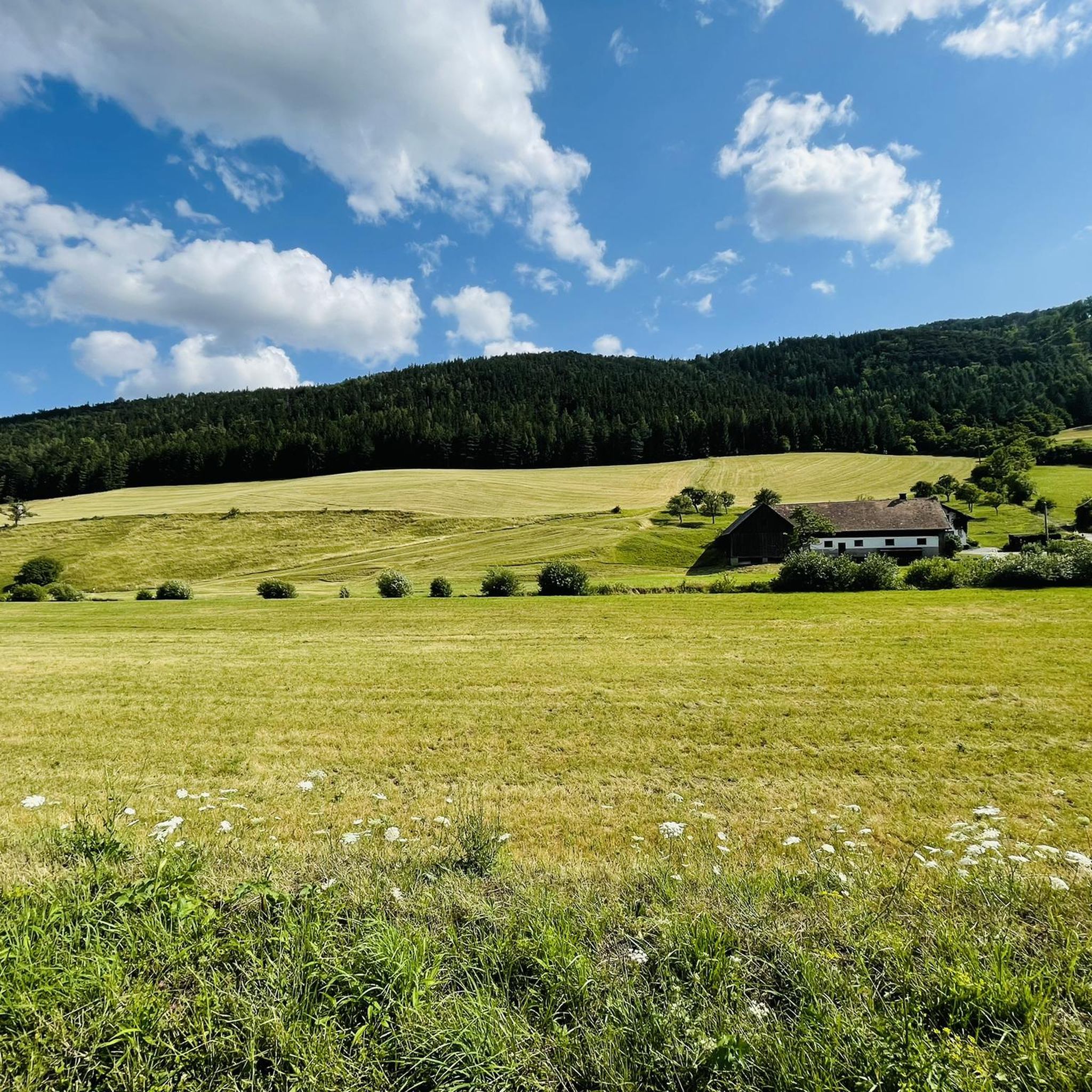
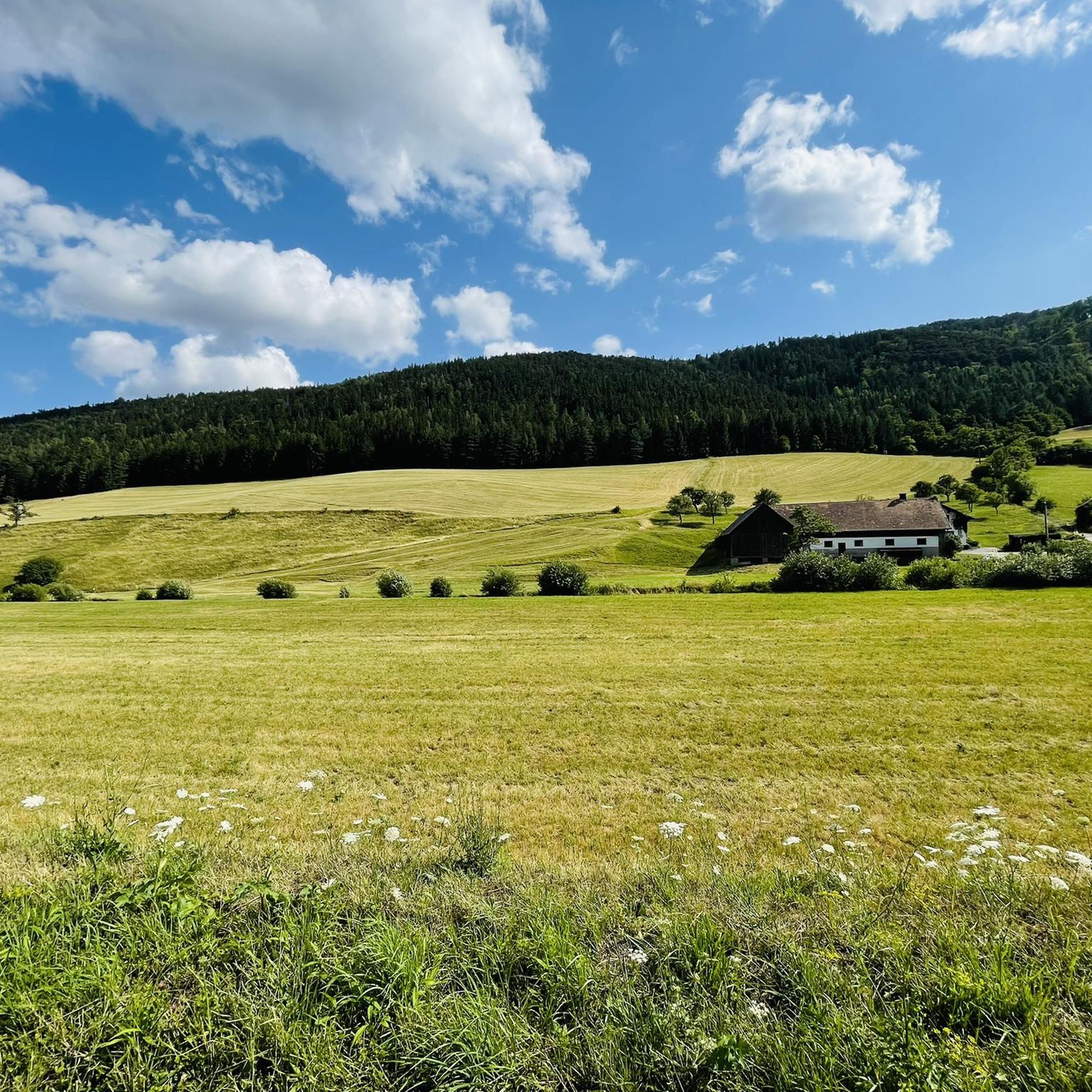
Vöstenhof Castle (historically also known as "Feste zum Hof") is a listed palace complex. Interesting facts about the complex • Origin & History: The medieval complex was first mentioned in documents in 1381. After changing owners – including the Liechtenstein family and the Counts of Hoyos – the Lords of Wurmbrand converted the former castle into a Renaissance palace at the end of the 16th century. • Architecture: It is an almost square complex on a hill north of the Schwarza Valley, which is fronted by a landscaped outer bailey. The high keep, which was heightened at the beginning of the 20th century, is striking. • Visiting: As the carefully restored castle is in inhabited private ownership and the extensive grounds are fenced off, it can only be viewed from a distance.
0
0
Pottschach Castle is a historic Renaissance moated castle. Together with the neighboring Pottschach parish church, it forms a striking, historically developed defensive complex. Things to know about the site • History & Origin: On the site of today's castle, there was originally an old moated castle, which was already mentioned in documents in 1134. In the 16th century, Bernhard Ursenbeck had the castle demolished and built the current Renaissance moated castle in its place. Over the centuries, it changed owners several times and belonged, among others, to the Liechtenstein and Figdor families. • Defensive Architecture: The building presents itself as a rectangular, three-story complex. Witnesses to its defensive past are the small corner watchtowers, observation windows, and a series of loopholes in the attic floor. • Important visitor note: The castle is privately owned and cannot be visited from the inside. However, the historic complex can be well viewed from the outside in combination with the fortified church during a walk.
0
0
The castle ruins of Emmerberg tower over a wooded ridge directly above the entrance to the strategically important Prossetschlucht gorge. The most important milestones in its history: • Founding for border security (around 1160/1170): The castle was built on behalf of the lords of Emmerberg and was first mentioned in documents in 1170. Together with the neighboring Starhemberg castle, it formed an important bulwark on the northern border of the then Carantanian March. • Strategic protective function: In addition to monitoring the passage to the "New World," the facility served as a refuge during enemy incursions and possessed an optical warning system (signal fires) to relay signals as far as Wiener Neustadt. • Change of ownership: After the male line of the Emmerbergers died out in 1455, the fortress changed hands several times and was expanded over the centuries with Gothic and Renaissance additions. • Artificial destruction (from 1760): Its downfall was – similar to Starhemberg – of an economic nature. To avoid the imperial roof tax, the administrator at the time, Heinrich von Heussenstein, had the roof of the fortress demolished in 1760. The structure was thus left unprotected against the elements, decayed rapidly, and was used by the villagers as a quarry. • Modern era and decay: In 1833, Archduke Rainer bought the site. Since then, the area has been owned by the Habsburg-Lothringen family. The condition steadily deteriorated; in the winter of 1997/98, the striking staircase tower in the inner courtyard finally collapsed.
0
0

The Emmerberg castle ruins are a high medieval cliff castle in the market town of Winzendorf-Muthmannsdorf, which was first documented around 1170 and once served as an important fortification point on the northern border of the Carantanian March to guard the Prosset gorge. After more than six hundred years of use, the castle was abandoned at the end of the 18th century, after which the covering of the roofs to save building tax, as well as stone robbery, initiated its decay into ruins. Today, the facility, threatened by collapses, is privately owned and may not be entered for safety reasons.
2
0

In the year 1182, in a deed by Margrave Otakar IV of Styria (also Ottokar), a certain "Chalhoch de Stratensteine" is attested, confirming the freedoms of Seckau Abbey, dedicated by his father. Two years later, his son "Ortolf" also appears in documents. Both names are characteristic of the Lords of Schrattenstein.
4
0

After centuries of decay, the ruins were painstakingly restored thanks to the dedication of Dr. Karl Leitner and today shine in their historic splendor. On the grounds, you'll find remnants of walls, towers with viewing platforms, and insights into the lives of former lords. Further information and fascinating background information on the castle's history can be found on the website of the Friends of Losenheim Castle Ruins Association: http://burgruine-losenheim.at/.
2
0

The Schrattenstein is a wooded mountain near Würflach, crowned by the romantic Schrattenstein ruins. From the summit and around the ruins, there are always magnificent views of the surrounding area and the Hohe Wand mountain. The castle ruins are freely accessible and lend the place a special, historic atmosphere. A worthwhile destination for a leisurely hike – especially beautiful in combination with the Johannesbach Gorge or the Andreassteig Trail.
5
0
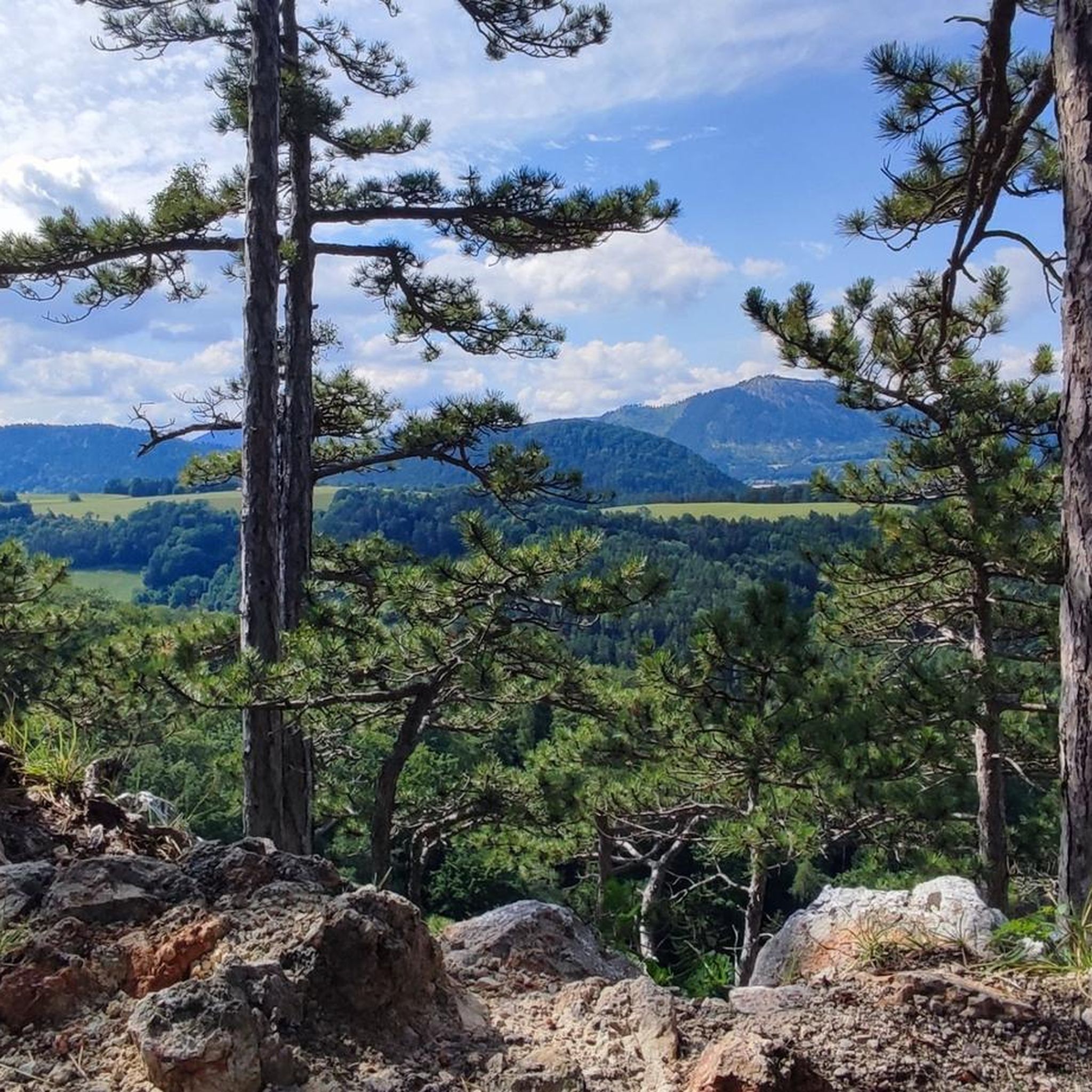
The Schrattenstein Castle ruins sit perched on a rocky outcrop above the valley and offer magnificent views over the surrounding hills as far as the Hohe Wand mountain. The remains of the former hilltop castle are now freely accessible and invite exploration – with ancient walls, weathered stones, and a special, almost mystical atmosphere. A worthwhile detour for hikers who appreciate history and views in equal measure. It's particularly beautiful at sunset or as the destination for a circular hike through the Johannesbach Gorge or from the Andreassteig Trail.
6
0
Frequently Asked Questions
What are the must-see castles and ruins around Schrattenbach?
For a traditional castle experience with rich history and stunning views, visit the Schrattenstein Castle Ruins. Another significant site is Stixenstein Castle, a medieval hilltop castle located above the Sierning valley. Don't miss the Losenheim castle ruins, which have been painstakingly restored and feature viewing platforms.
Are there any castles in the area that offer accommodation?
Yes, Schloss Schrattenbach, a historic castle in the village, has been transformed into a hotel. It offers a unique accommodation experience that combines historical ambiance with modern hospitality.
What kind of views can I expect from the castles around Schrattenbach?
Many of the castles and ruins offer magnificent panoramic views. For instance, the Schrattenstein Castle Ruins are perched on a rocky outcrop and provide extensive views over the surrounding hills, reaching as far as the Hohe Wand mountain. The Losenheim castle ruins also feature viewing platforms.
Can I go hiking near the castle ruins?
Absolutely. The Schrattenstein Castle Ruins are a popular destination for hikers. They can be included in circular hikes through the Johannesbach Gorge or accessed via the Andreassteig Trail. You can find various hiking routes in the area, including loops from Schrattenbach, on the Hiking around Schrattenbach guide.
Are the castle ruins freely accessible?
The Schrattenstein Castle Ruins are freely accessible, inviting exploration of their ancient walls and weathered stones. However, the Emmerberg Castle Ruins are currently inaccessible due to dilapidation for safety reasons, though their imposing remains are still a fascinating sight from a distance.
What is the best time of day to visit the Schrattenstein Castle Ruins?
The Schrattenstein Castle Ruins are particularly beautiful at sunset, offering a special, almost mystical atmosphere with their panoramic views.
Are there any cycling routes that pass by castles in the Schrattenbach area?
Yes, there are several cycling routes in the region. For example, the 'View of Stixenstein Castle – View of Schneeberg loop from Grünbach am Schneeberg' is a moderate cycling route. You can explore more options on the Cycling around Schrattenbach guide.
What historical significance do the castles around Schrattenbach hold?
The castles and ruins in the Schrattenbach area offer a direct insight into the village's history and its medieval past. For example, Schrattenstein Castle was first mentioned in the 12th century and played a role during the Hungarian Wars. The Emmerberg Castle Ruins were an important defensive point on the northern border of the Carantanian March in the 12th century.
Are there any other notable castles or ruins besides Schrattenstein and Stixenstein?
Yes, the Emmerberg Castle Ruins are a significant historical site, though currently inaccessible. Another interesting site is Vöstenhof Castle, a 13th-century structure that was converted into a Renaissance castle in 1597.
What kind of natural features can I explore near the castles?
The region around Schrattenbach is known for its natural beauty. Near the Schrattenstein Castle Ruins, you can explore the scenic Johannesbach Gorge. The ruins themselves are situated on a rugged cliff, offering views towards the Hohe Wand mountain, which is popular for mountain hikes. You can find more details on the Mountain Hikes around Schrattenbach guide.
What do visitors enjoy most about the castles around Schrattenbach?
Visitors particularly appreciate the blend of historical exploration and scenic landscapes. The ancient walls and weathered stones of sites like the Schrattenstein Castle Ruins offer a tangible connection to the past, while their elevated positions provide magnificent views over the surrounding hills. The special, almost mystical atmosphere at these sites is also frequently mentioned.
Most popular routes around Schrattenbach
Most popular attractions around Schrattenbach

Get inspired with the komoot mobile app


Explore more
Looking for the best castles somewhere else? Discover other guides around Schrattenbach:
