Top 13 Castles around Heiligenbrunn
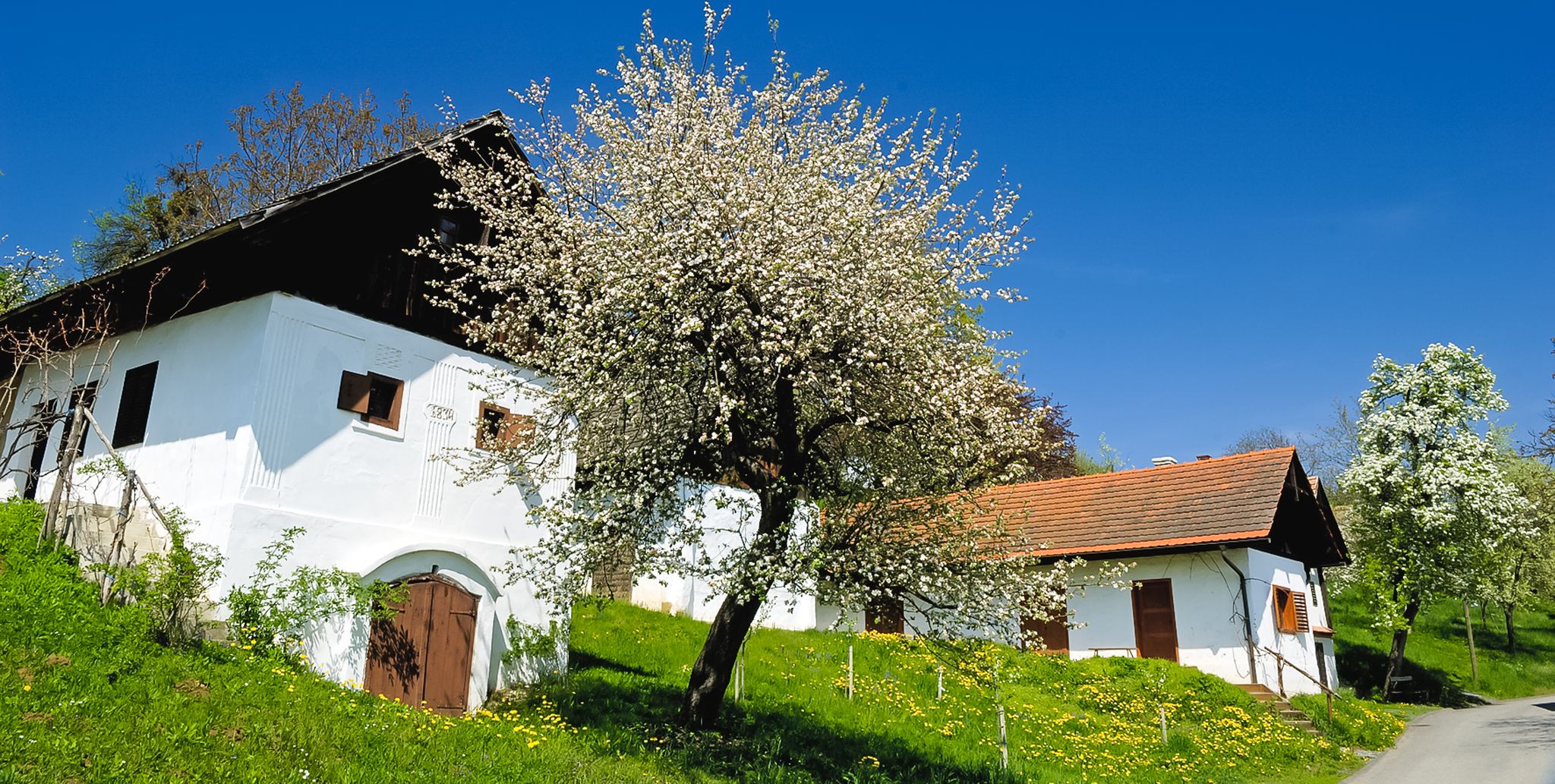
Best castles around Heiligenbrunn Austria are primarily represented by the unique Kellerviertel, a historic cellar district that serves as a significant cultural landmark. This area is renowned for its well-preserved collection of wine cellars, some dating back to the 18th century, showcasing the region's rich wine culture and traditional architecture. While traditional castles are not found directly in Heiligenbrunn, the surrounding Burgenland region offers several historical fortifications and stately homes. The Kellerviertel itself features around 140 cellar buildings, with many designated as protected historical monuments.
Best castles around Heiligenbrunn
- The most popular castles is Güssing Castle, a castle that sits majestically on an extinct volcanic cone. It was built in 1157 and is the oldest castle in Burgenland, offering extensive views of the surrounding area.
- Another must-see spot is Rátót Castle, a historical site that was expanded into a prestigious castle in the 19th century. It has since been converted into a hotel, preserving its historical architecture.
- Visitors also love Kastell Batthyány Güssing, a castle built in the 18th century as a replacement residence for the medieval Güssing Castle. It remains a listed building and is still used by the Batthyány family.
- Heiligenbrunn is known for its unique Kellerviertel, alongside traditional castles and water castles found in the broader region. Visitors can explore historical cellar districts, medieval fortifications, and stately homes.
- The castles around Heiligenbrunn are appreciated by the komoot community, with 56 upvotes and 258 photos shared by visitors.
Last updated: May 13, 2026
Güssing Castle
Highlight • Castle
Translated by Google •
Tip by

Kastell Batthyány Güssing
Highlight • Castle
Translated by Google •
Tip by
Sign up now to discover places like this
Get recommendations on the best single tracks, peaks, & plenty of other exciting outdoor places.
Sign up for free
Old Town Wall Remains at Güssing Castle
Highlight • Historical Site
Translated by Google •
Tip by
Eberau Water Castle
Highlight • Castle
Translated by Google •
Tip by

Rátót Castle
Highlight • Castle
His son, Kálmán, expanded the property into a prestigious castle and ran a model livestock farm ("Simmental breed").
The castle survived the Second World War almost unscathed. In the following years, the castle's extensive library was almost completely lost. For a time, the castle served as a cultural center, then a school. In 2003, it was converted into a hotel and has had four stars since 2011.
Translated by Google •
Tip by

Sign up for free to discover even more castles around Heiligenbrunn.
Sign up for free
Already have an account?
Start today with a free account
Your next adventure awaits.
Login or Signup

Other adventures around Heiligenbrunn

Tips from the Community

Unfortunately, you can't see much of the castle itself. But if you walk around it, you can at least catch a glimpse of some details. You can see more, especially in winter when the leaves have fallen. If you want to see more, you'll have to visit the castle grounds for one of the advertised events with a ticket.
0
0


Rátót was originally a farm belonging to Gasztony and was first mentioned in 1428 as Rathodfolua. In 1865, József Széll purchased an estate here. His son, Kálmán, expanded the property into a prestigious castle and ran a model livestock farm ("Simmental breed"). The castle survived the Second World War almost unscathed. In the following years, the castle's extensive library was almost completely lost. For a time, the castle served as a cultural center, then a school. In 2003, it was converted into a hotel and has had four stars since 2011.
2
0

I love this castle! I am happy that it can be visited freely and there is less interference from posterity than in the case of other larger castles in the area. ... there will be good summer programs for sure and I will also award the creative exhibition... Wheelbarrows!😄👍
0
0

Rátót was originally a farm that belonged to Gasztony and was first mentioned in 1428 as Rathodfolua. In 1865, József Széll bought an estate here. His son Kálmán expanded the property into a representative castle and ran a model farm with livestock breeding (“Simmental breed”). The castle survived the Second World War almost unscathed. In the years that followed, the castle's extensive library was almost completely lost. The castle was temporarily a cultural center, then a school. In 2003 it was converted into a hotel and has had four stars since 2011.
0
0

The castle is very interesting both inside and out - the restaurant was unfortunately closed although it should have been open - the exhibition itself was rather weak - the elevator is very pleasant - a nice trip
8
0
The Güssing Castle is a castle in the town of Güssing in the district of the same name in Burgenland. It is owned by the former noble Batthyány family and is a listed building. The castle, built in the 17th century, was formerly the seat of the Güssing district administration and is now used as a residential and office building.
5
0
The Batthyány Castle is a castle in the town of Güssing in the district of the same name in Burgenland. It is owned by the Batthyány family and is a listed building. Built in the 18th century as a replacement residence for the medieval Güssing Castle, which was considered inconvenient at the time, it is still used by the family for residential purposes today.
8
0
Frequently Asked Questions
What kind of 'castles' can I expect to find in Heiligenbrunn itself?
Heiligenbrunn is renowned for its unique Kellerviertel (cellar district), which serves as its primary historical attraction. While not traditional fortified castles, these are an extensive collection of around 140 historic wine cellars, many dating back to the 18th century. They are considered a unique architectural and cultural jewel, offering insights into traditional viticulture and regional building styles. Two 18th-century straw-roofed cellars have been renovated and are accessible to the public as show cellars.
Which traditional castles are worth visiting near Heiligenbrunn?
Near Heiligenbrunn, you can visit several traditional castles. Güssing Castle is the oldest in Burgenland, built in 1157 on an extinct volcanic cone, offering extensive views. Another notable site is Kastell Batthyány Güssing, an 18th-century residence still used by the Batthyány family. Rátót Castle, expanded in the 19th century, has been converted into a hotel, preserving its historical architecture.
Are there any family-friendly attractions among the castles or the Kellerviertel?
Yes, the Kellerviertel in Heiligenbrunn offers a unique and educational experience for families, showcasing living history and traditional architecture. For traditional castles, Güssing Castle is considered family-friendly, featuring a museum and an elevator for easy access to the top. Rátót Castle is also listed as family-friendly.
What kind of historical significance does the Kellerviertel Heiligenbrunn hold?
The Kellerviertel Heiligenbrunn is of immense historical and cultural significance. It's an almost completely preserved ensemble of wine cellars, with many dating back to the 18th and 19th centuries, and 107 designated as protected historical monuments. These cellars showcase traditional construction methods, ancient wine presses, and unique fall-bolt doors, representing the Burgenland's typical traditional house construction and its rich wine culture, particularly the local Uhudler wine.
What outdoor activities can I do near these castles and the Kellerviertel?
The region around Heiligenbrunn offers various outdoor activities. You can enjoy easy hikes, such as the 'Heiligenbrunn Cellar Quarter – Heiligenbrunn Cellar District loop'. For cycling, there are routes like the 'Heiligenbrunn Wine Cellar Lane – Höll Church loop'. Gravel biking options are also available, including routes that offer views of Güssing Castle. You can find more details on these activities in the easy hikes, cycling, and gravel biking guides for Heiligenbrunn.
When is the best time to visit the castles and the Kellerviertel?
The Kellerviertel is accessible year-round, but the warmer months are ideal for enjoying the scenic beauty and perhaps tasting local wines. For Güssing Castle, the museum and interior are typically open from April to October. Visiting during autumn can be particularly pleasant for experiencing the wine culture and enjoying the changing foliage.
Are there any specific trails or walks around the Kellerviertel?
Yes, the Kellerviertel itself is perfect for leisurely walks, allowing you to explore the unique cellar buildings and enjoy the idyllic scenery of the Stifterberg and Zeinerberg vineyards. There's an 'Heiligenbrunn Cellar Quarter – Heiligenbrunn Cellar District loop' which is an easy hike, perfect for experiencing the area. You can find more information in the easy hikes around Heiligenbrunn guide.
What makes the Kellerviertel unique compared to other historical sites?
The Kellerviertel is unique because it's not a museum but a living historical site where many cellars are still privately owned and serve their original function. Its almost completely preserved ensemble of 18th and 19th-century wine cellars, with their distinctive straw roofs and traditional construction, is considered a rare jewel globally. It offers an authentic experience of historical wine-making practices and regional architecture.
Can I see the interior of any of the cellar buildings in the Kellerviertel?
Yes, while many cellars are privately owned, two 18th-century straw-roofed cellars in the Kellerviertel were renovated in 2001 and made accessible to the public as show cellars. These provide an opportunity to see the traditional interiors and learn more about their history and function.
What do visitors enjoy most about the castles and the Kellerviertel in this region?
Visitors particularly enjoy the unique historical atmosphere of the Kellerviertel, appreciating its well-preserved architecture and the authentic glimpse into traditional wine culture. For traditional castles, the extensive views from Güssing Castle and its historical aura are frequently praised. The blend of history, scenic beauty, and unique regional character is a major draw.
Is there an elevator at Güssing Castle?
Yes, Güssing Castle features an elevator, making it easier to reach the top of the volcanic cone where the castle is located. This is particularly convenient for visitors who prefer not to navigate the steep paths on foot.
What is the Uhudler wine, and how is it connected to Heiligenbrunn?
Uhudler wine is a specialty of the region and is closely associated with the Kellerviertel Heiligenbrunn. It is a unique local wine, and the historic cellars of the Kellerviertel have been instrumental in its production and preservation over centuries, making it an integral part of the area's cultural heritage.
Most popular routes around Heiligenbrunn
Most popular attractions around Heiligenbrunn

Get inspired with the komoot mobile app


Explore more
Looking for the best castles somewhere else? Discover other guides around Heiligenbrunn:
