Top 10 Castles around Großweikersdorf
Castles near Großweikersdorf offer a glimpse into the region's rich history, which dates back to early settlements. While Großweikersdorf is known for its market rights granted in 1636 and significant ecclesiastical architecture, the surrounding area features several historical castle sites. These sites provide historical context to the landscape, complementing the area's cultural significance. The region's historical sites contribute to its overall appeal for those interested in local heritage.
Best castles around Großweikersdorf
- The most popular castles is Juliusburg Castle,…
Last updated: October 13, 2026
Schloss Neuaigen
Highlight • Castle
Translated by Google •
Tip by

Fels am Wagram Castle
Highlight • Castle
Translated by Google •
Tip by
Sign up now to discover places like this
Get recommendations on the best single tracks, peaks, & plenty of other exciting outdoor places.
Schloss Thürnthal
Highlight • Castle
Translated by Google •
Tip by
Juliusburg Castle
Highlight • Castle
Translated by Google •
Tip by

Groß Castle
Highlight • Castle
Translated by Google •
Tip by
Sign up for free to discover even more castles around Großweikersdorf.
Already have an account?
Start today with a free account
Your next adventure awaits.

Tips from the Community

Fels Castle in Fels am Wagram houses the local history museum, which collects and displays historical objects from the everyday lives of previous generations. It is also an important meeting place for local clubs and communities. The history of the town is strongly influenced by viticulture: The Schloss Fels winery, associated with the castle, is one of Austria's largest wineries and boasts a historic wine cellar whose origins date back to the 13th century. This cellar once served simultaneously as a tavern and post station on an important imperial road. The wine country surrounding Fels am Wagram, with its cellar lanes and scenic viewpoints, continues to make the town a popular destination for culture and wine enthusiasts.
3
0

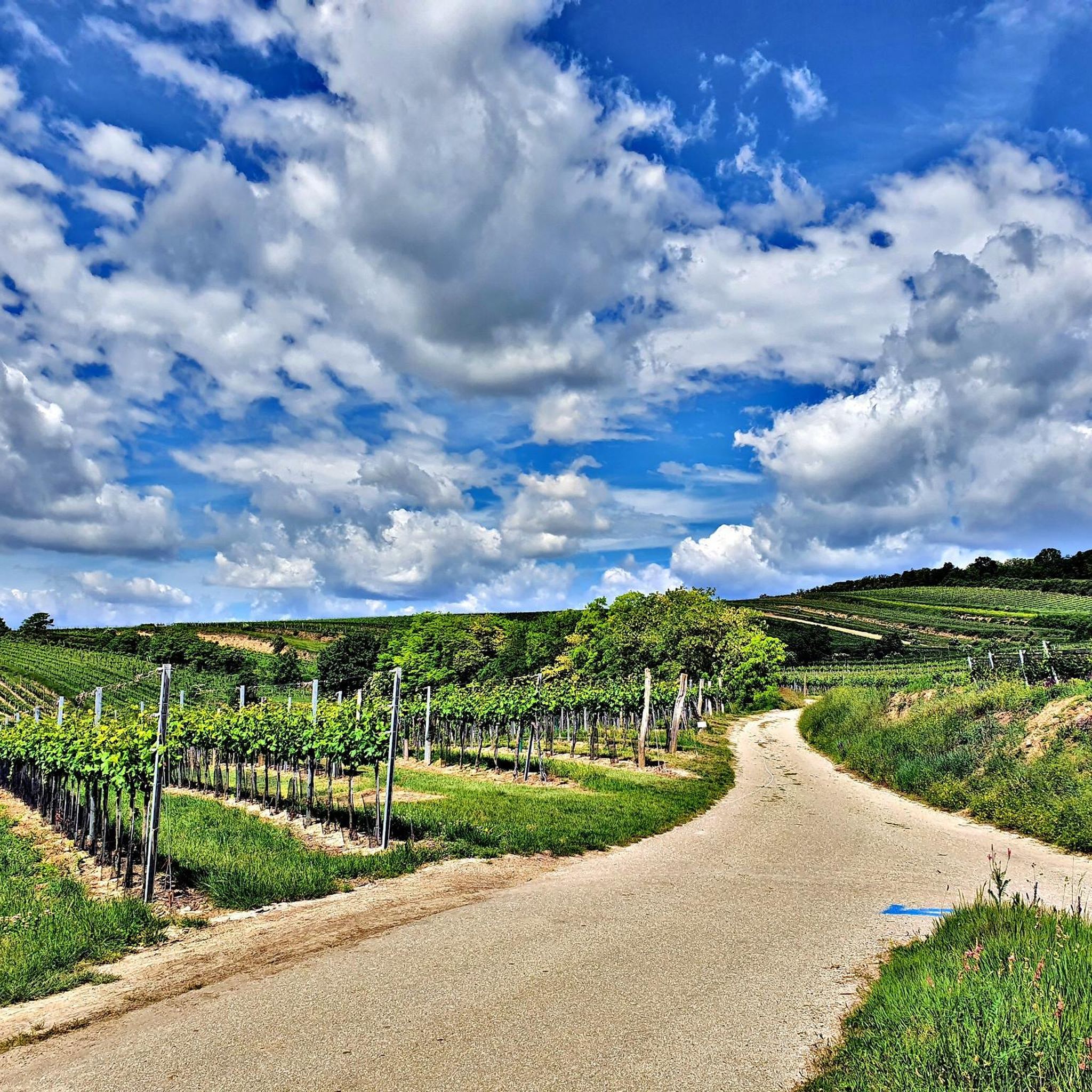
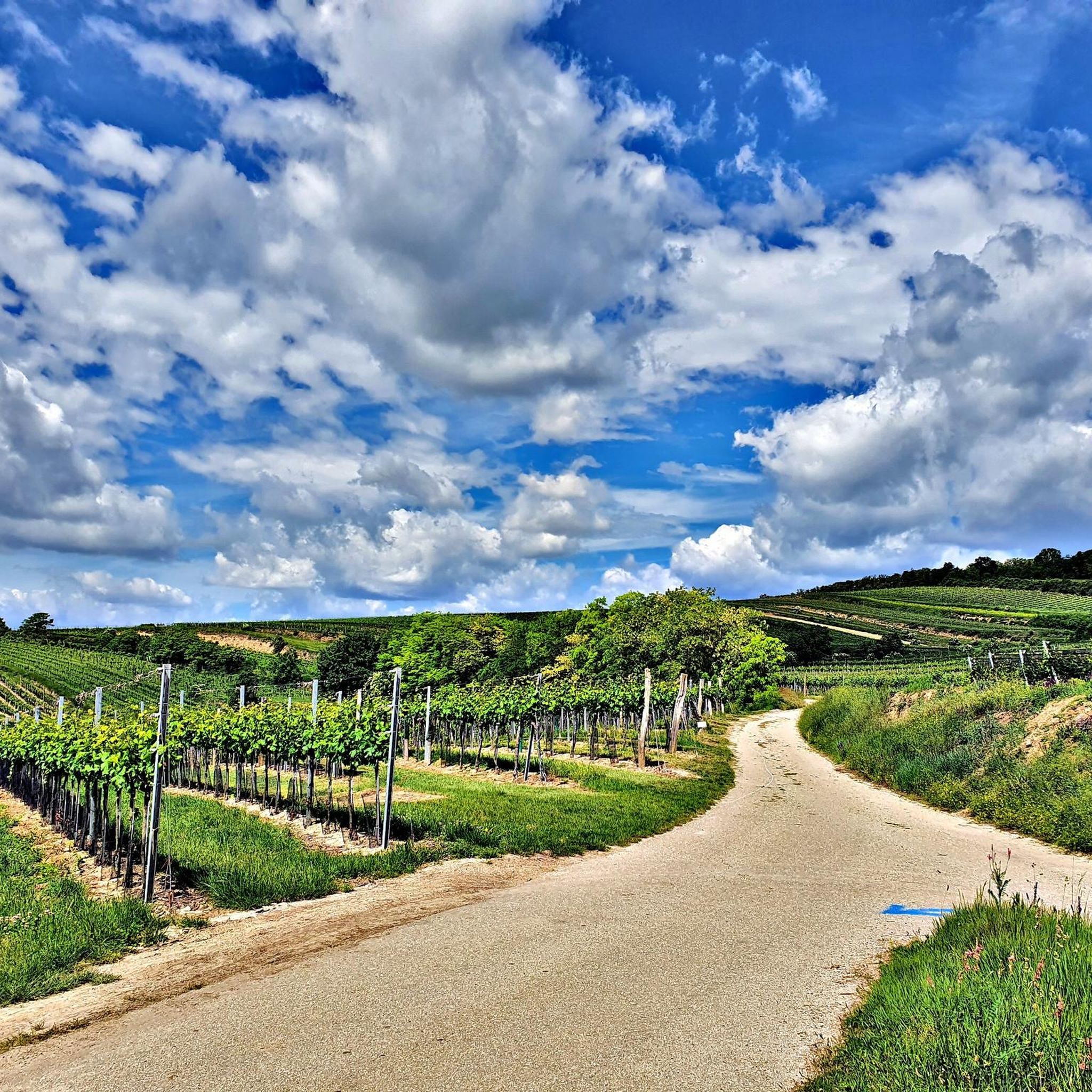
beautiful edullic cycle path
1
0

Thürnthal Castle is a Baroque-Classical building in the Lower Austrian municipality of Fels am Wagram. Its architecture is a blend of High Baroque forms and classical-antique stylistic elements, reminiscent of the Classicism that became widespread around fifty years later.
0
0

Built in the first half of the 17th century, probably on the site of a former castle, first documented in 1160 and rebuilt in the 18th century. Owned by the municipality of Fels am Wagram since 1947. The castle now houses the local museum, the municipal library and various clubs.
4
0
Best seen from a distance. The closer you get, the more the lower parts of the building disappear
2
1

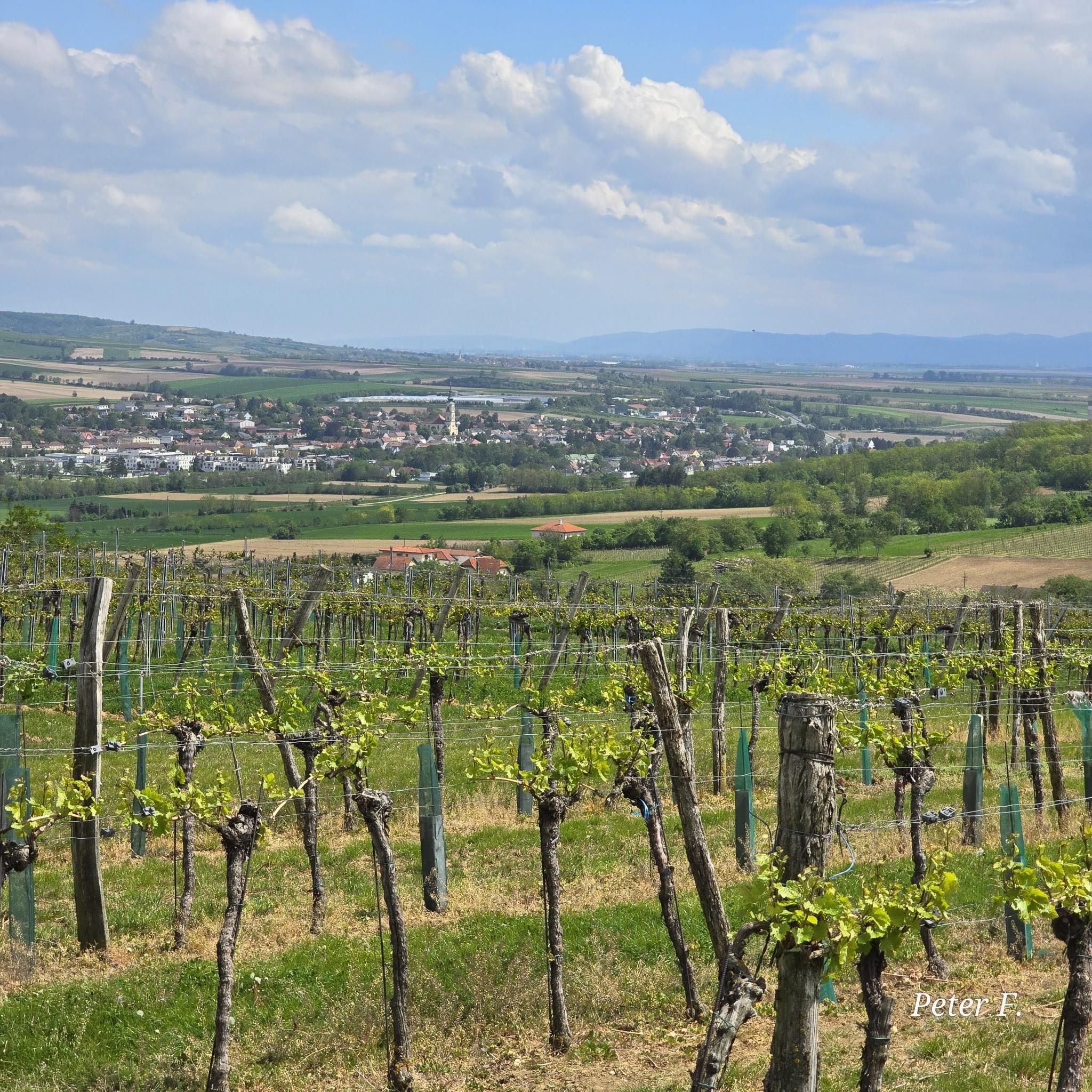
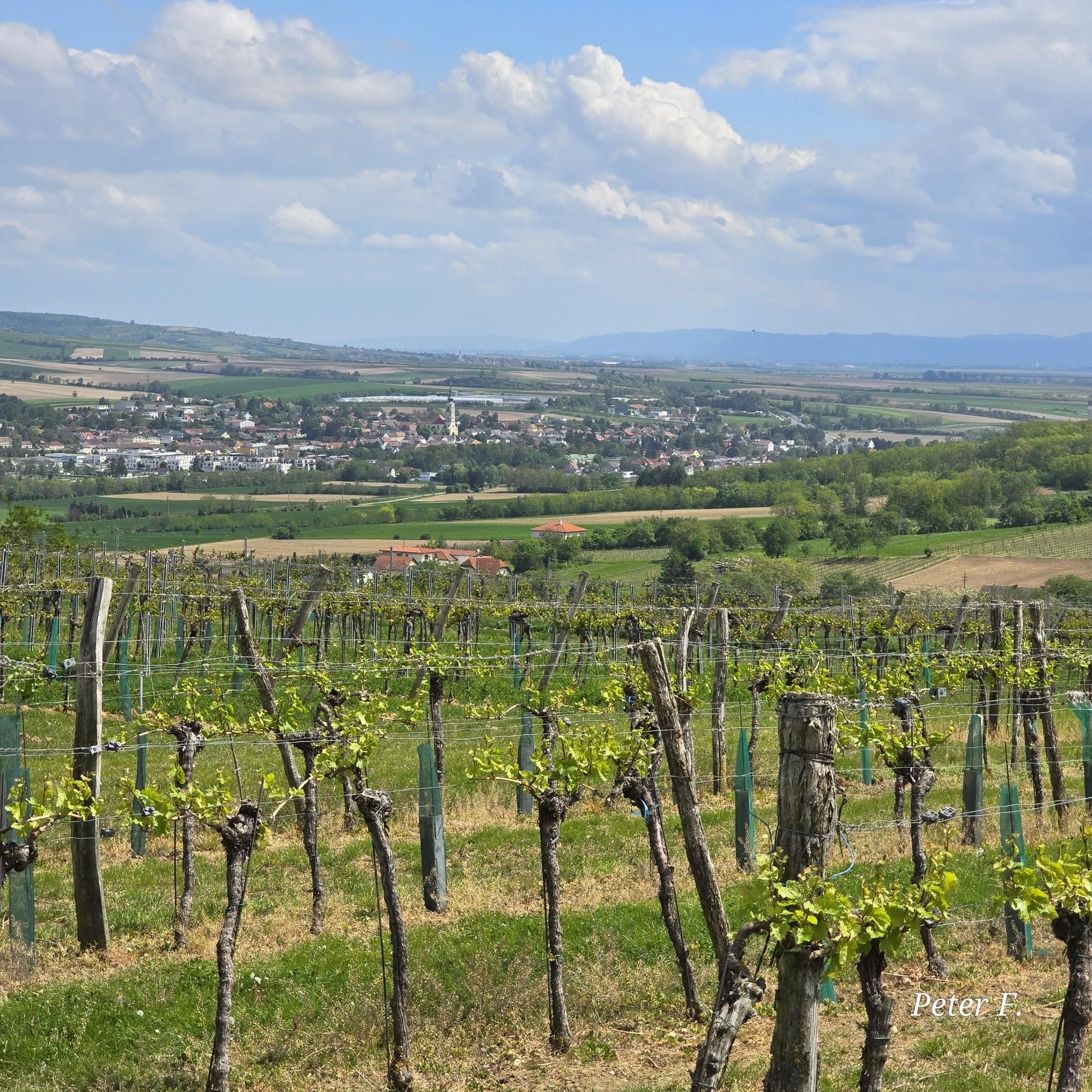
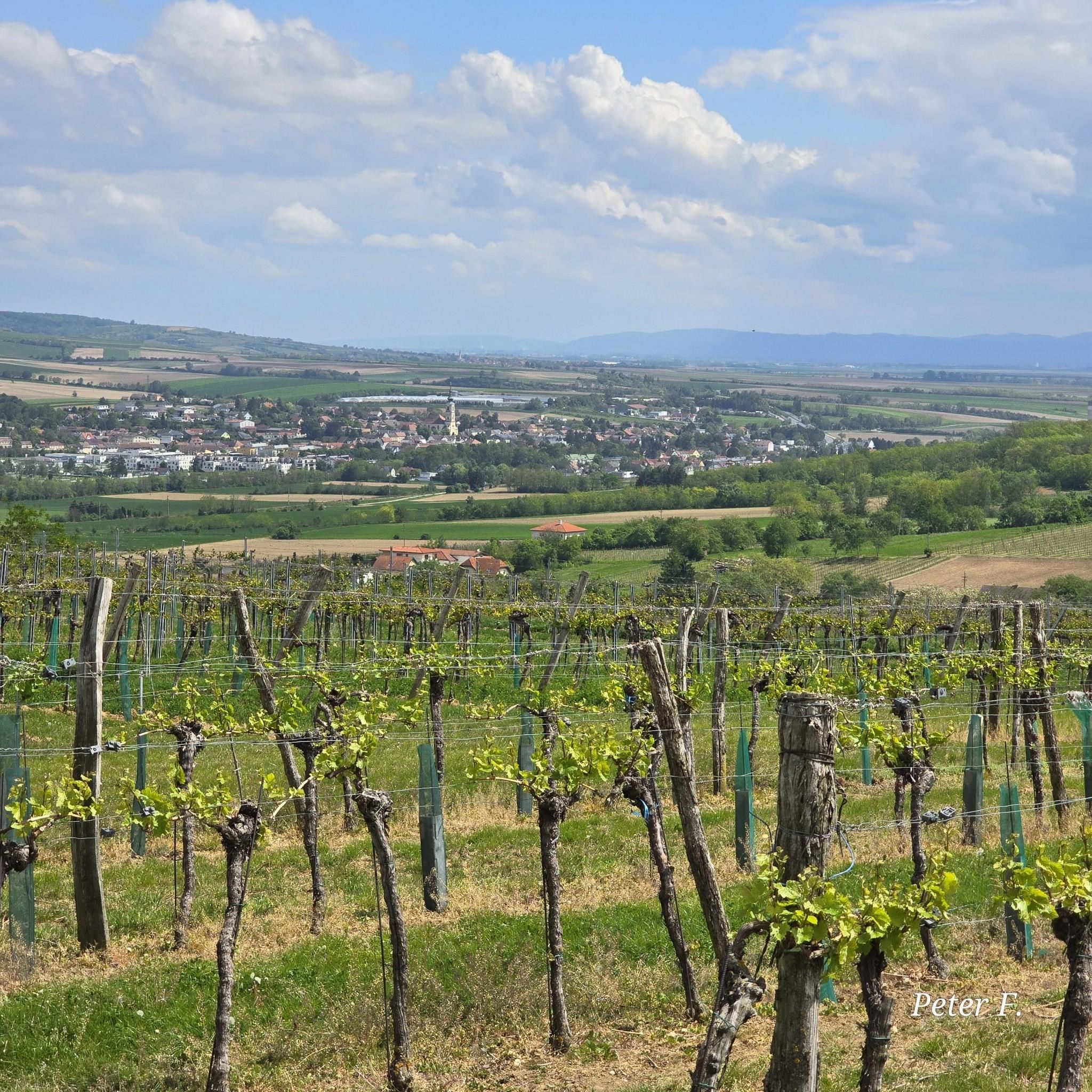
If you do the Wagram bike tour you will pass this castle in this beautiful wine-growing town, which you don't see every day.
0
0

The castle now houses the local museum, the community library and various clubs. More on the history: https://g4v.info/kufe/kufe.info/fels-am-wagram/fels-schloss-fels
3
0

It's properly called "Juliusburg Castle". Building from the 16th century, at the beginning of the 18th century. Expanded in Baroque style by Lukas von Hildebrandt. In 1683, the Polish King Sobieski, Duke Charles of Lorraine and German princes met here to plan the liberation of Vienna (2nd Turkish siege).
3
0
Frequently Asked Questions
What kind of castles can I expect to find around Großweikersdorf?
The castles around Großweikersdorf primarily showcase Renaissance and Baroque architectural styles, reflecting the region's rich history. Many are historical sites that offer a glimpse into past eras, with some having origins dating back to earlier fortified structures.
Which castles near Großweikersdorf are particularly popular or well-regarded?
Among the most popular is Juliusburg Castle, known for its Baroque expansion by Lukas von Hildebrandt and offering excellent photo opportunities. Schloss Neuaigen, a late-Renaissance chateau, and Fels am Wagram Castle, which now houses a local museum and library, are also highly appreciated by visitors.
Are there any family-friendly castles to visit near Großweikersdorf?
Yes, Fels am Wagram Castle is considered family-friendly. It hosts a local museum, a community library, and various clubs, making it a vibrant meeting place that offers more than just historical viewing.
Can I visit the interiors of these castles, or are they privately owned?
Some castles, like Schloss Neuaigen and Groß Castle, are privately owned and generally not open for interior visits. However, Fels am Wagram Castle houses a local museum and library, providing public access to parts of its interior.
What outdoor activities can I do near the castles around Großweikersdorf?
The region around Großweikersdorf offers various outdoor activities. You can explore numerous hiking trails, such as the 'Witches' Trail' or routes around 'Ried Hohenberg'. For cyclists, there are options for gravel biking and road cycling, including routes like 'Pankraz Hill' or 'View of fields and vineyards'. You can find more details and routes in the hiking guide, gravel biking guide, and road cycling guide for Großweikersdorf.
Are there any historical sites in Großweikersdorf itself, beyond the castles?
While prominent castles are found in the surrounding area, Großweikersdorf has its own rich history. Notable historical buildings include the 1733 Fischer-von-Erlach-Kirche (church) on the main square, which features significant artworks by Martino Altomonte and Kremser Schmidt, and a rare 'Heiliges Theater' by Gallo Bibiena.
What is the best time of year to visit the castles near Großweikersdorf?
The castles and surrounding region can be enjoyed throughout the year. Spring and autumn offer pleasant weather for exploring the grounds and nearby trails, while summer allows for longer days. Winter visits can provide a unique, serene atmosphere, though some facilities or outdoor areas might have reduced access.
Are there any castles that offer good viewpoints for photography?
Yes, Juliusburg Castle is specifically noted for offering a very good view from a particular point, making it an excellent spot for photography. Its prominent position high above the Wagram makes it visible from afar.
Are there any lesser-known or 'hidden gem' castles worth exploring?
While not widely publicized, Groß Castle is a Renaissance building from the 16th century with parts dating back to 1231. It's privately owned and not easily found, partly surrounded by hedges, offering a glimpse into a less accessible piece of history for those who seek it out.
What kind of historical significance do the castles around Großweikersdorf hold?
The castles in the area, such as Juliusburg Castle and Schloss Neuaigen, have played roles in significant historical events. Juliusburg Castle, for instance, was a meeting point for Polish King Sobieski and other leaders to plan the liberation of Vienna during the 2nd Turkish siege in 1683. Many castles have also seen multiple owners and architectural transformations over centuries, reflecting regional power shifts and artistic trends.
Are there any castles near Großweikersdorf that are accessible by public transport?
While direct public transport to every castle entrance might be limited, the region is generally served by local buses and trains. It's advisable to check specific routes and schedules to the nearest towns or villages, such as Fels am Wagram for Fels am Wagram Castle and Schloss Thürnthal, and then plan for a short walk or taxi ride to the castle itself.
What should I wear when visiting castles and exploring the area?
Comfortable walking shoes are highly recommended, as you may be exploring castle grounds, walking through historical towns, or even venturing onto nearby trails. Layers of clothing are also practical, as weather conditions can change, especially if you plan to spend time outdoors.
Most popular routes around Großweikersdorf
Most popular attractions around Großweikersdorf

Get inspired with the komoot mobile app


Explore more
Looking for the best castles somewhere else? Discover other guides around Großweikersdorf:
