Top 6 Castles around Purbach
Best castles around Purbach include a range of historical fortifications and ancient defensive sites. Purbach itself features significant prehistoric settlements and well-preserved town walls, offering insights into its past. The region provides a diverse historical landscape, from ancient ramparts to medieval ruins and castles. These sites are integral to understanding the history and development of the area.
Best castles around Purbach
- The most popular castles is Scharfeneck Ruins, a historical site that features large ruins in the middle of…
Last updated: October 12, 2026
Scharfeneck Ruins
Highlight • Historical Site
Translated by Google •
Tip by

Seibersdorf Castle
Highlight • Castle
Read more on Wikipedia: de.wikipedia.org/wiki/Schloss_Seibersdorf_(Nieder%C3%B6sterreich)
Translated by Google •
Tip by

Sign up now to discover places like this
Get recommendations on the best single tracks, peaks, & plenty of other exciting outdoor places.
Trautmannsdorf Castle
Highlight • Castle
burgen-austria.com/article-month.php?id=242
Translated by Google •
Tip by
Tabor Ruin
Highlight • Historical Site
Translated by Google •
Tip by
Thurmhof Castle, Hof am Leithagebirge
Highlight • Castle
Translated by Google •
Tip by

Sign up for free to discover even more castles around Purbach.
Already have an account?
Start today with a free account
Your next adventure awaits.
Other adventures around Purbach

Tips from the Community

Lost place... dilapidated castle in a huge area.
0
1

At the moment the snowdrops are blooming all around. Beautiful :)
0
0


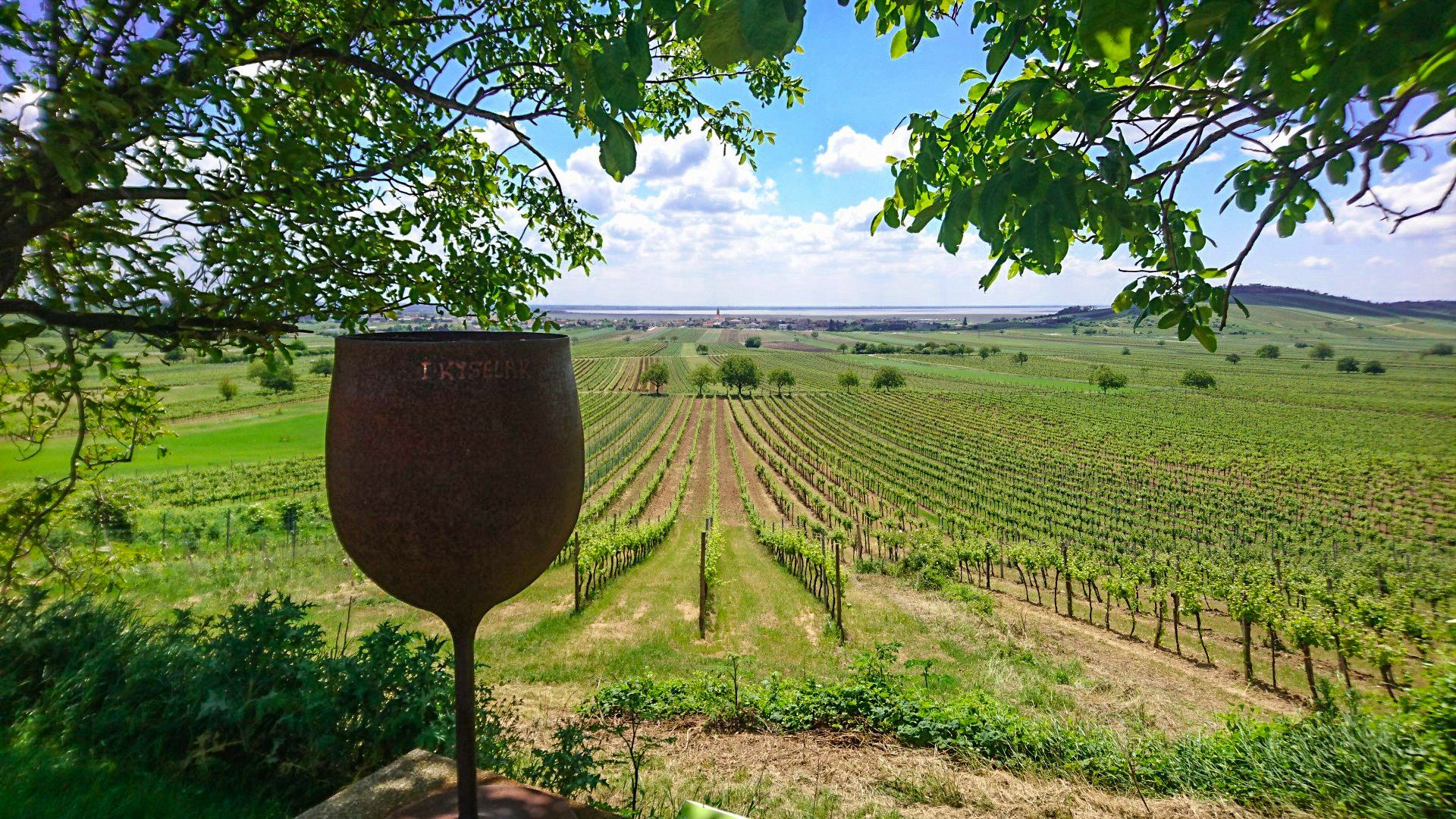
The secret landmark of Neusiedl - cozy up here with a wonderful view over Lake Neusiedl.
4
0

Tabor - ruins are the city's secret landmark For a long time, this castle ruin was thought to be a Roman building. In fact, it dates back to the Middle Ages. Experts have differing opinions about its function: some believe it was a royal residential castle, others a defensive tower. The wall construction suggests that the building was built in the 14th/15th century. In any case, Tabor was later used for defensive purposes. In 1708, it was fortified with palisades and wooden posts, but was still unable to withstand the onslaught of the Kurucs. The Tabor ruins are located on a hill and from the high walls of the ruins you have a wonderful view of the city and the lake.
2
0

Beautiful ruin that creates a very unique atmosphere due to the vegetation.
0
0


The palace has stood empty since the interwar period and has fallen into disrepair. A real estate developer from Vienna acquired it in 2014 in order to renovate it and put it to a new use. This project is controversial. Strict ban on entry and threatened video surveillance - but there is no sign of renovation. Story: The name Trautmannsdorf refers to a Trutman who served under the Babenbergs, acquired land here from the Göttweig monastery around the year 1100 and presumably built a permanent house. In the 12th and 13th centuries, Trautmannsdorf was a link in the chain of fortifications against the Hungarians. The castle as such is first mentioned in 1292. Around 1163/1180 the small castle passed to the noble family of Stuchsen, ministerials of the Styrian margraves, who probably had their ancestral castle in Stixenstein, which was previously called Stuchsenstein. The castle was largely spared during the Kuruzzi invasions and the Turkish wars, as the complex was very well fortified and armed. From 1576 to 1756 the castle and dominion were owned by the Windisch-Graetz family. Under the Protestant, but loyal to the Emperor, Baron Friederich von Windischgraetz, the palace chapel was a center of the Protestants in eastern Lower Austria. Karl Joseph Graf Batthyány acquired the rule in 1756. After 1810, Prince Philipp Batthyány had the old buildings removed and a Classicist palace built. Joseph Kornhäusel is assumed to be the master builder. During the suppression of the revolution in Hungary in 1849, it served as a military hospital for wounded soldiers. After the death of the childless Prince Philip in 1870, the decline continued. In the vacant castle, a sanatorium for lung diseases was set up for a short time and the lands were leased.
0
1
Frequently Asked Questions
What historical fortifications can I explore directly in Purbach?
While Purbach doesn't have traditional medieval castles, it features significant historical fortifications. You can explore the Purbacher Burgstall, a prehistoric fortified settlement with ramparts and moats, offering a glimpse into continuous settlement since the 6th century BC. Additionally, the town boasts a well-preserved Defensive Wall with Three Turkish Gates (Wehrmauer mit drei Türkentoren), built between 1630 and 1634, which includes the Türkentor, Brucker Tor, and Ruster Tor.
Which castles near Purbach offer panoramic views?
For impressive views, visit the Tabor Ruin. This historical site provides a wonderful view over Lake Neusiedl and is considered a landmark of Neusiedl. From its high walls, you can enjoy the expansive scenery.
Are there any castles near Purbach that are currently undergoing renovation or restoration?
Yes, Seibersdorf Castle is currently undergoing renovation. Visitors can observe the ongoing restoration efforts of this old castle, which offers a unique perspective on its preservation.
What are some other notable castles in the wider Burgenland region that are worth visiting?
Beyond Purbach, the broader Burgenland region offers several impressive castles and palaces. These include Forchtenstein Castle, an imposing medieval fortress; Schlaining Castle, one of Austria's best-preserved medieval castles; Lackenbach Palace, a Renaissance castle with a large garden; Güssing Castle, the oldest castle in Burgenland; and Halbturn Palace, a significant Baroque complex that was once an imperial summer residence.
What kind of outdoor activities can I do near the castles around Purbach?
The region around Purbach offers various outdoor activities. You can find numerous routes for gravel biking, road cycling, and mountain biking. For example, explore routes like the 'View of Rust and Lake Neusiedl – Oggau Vineyards loop' for gravel biking, or the 'Purbach Cellar Lane – Neusiedl am See Beach loop' for road cycling. Mountain bikers can enjoy trails such as the 'Pan-European Picnic Memorial – Rest area with a beautiful view loop'. You can find more details on these and other routes in the Gravel biking around Purbach, Road Cycling Routes around Purbach, and MTB Trails around Purbach guides.
Are there any family-friendly castles or historical sites near Purbach?
While specific family-friendly activities vary by site, historical locations like Seibersdorf Castle and Trautmannsdorf Castle are generally suitable for family visits. The prehistoric Purbacher Burgstall and the town's defensive walls also offer an engaging historical experience for all ages.
What do visitors particularly enjoy about the castles and ruins in this area?
Visitors appreciate the historical depth and the scenic beauty. For instance, the Scharfeneck Ruins are praised for their impressive size and location in the middle of the forest. The Tabor Ruin is loved for its cozy atmosphere and wonderful views over Lake Neusiedl.
What is the best time of year to visit the castles and fortifications around Purbach?
The spring and autumn months generally offer pleasant weather for exploring outdoor historical sites and enjoying the surrounding nature. These seasons avoid the peak heat of summer and the colder temperatures of winter, making walks around ruins and town walls more comfortable.
Is there a castle near Purbach that has been converted for public use or events?
Yes, Mannersdorf am Leithagebirge Castle, a late baroque palace, is now community-owned. It serves as the seat of the city office, an event location, and residential building, featuring the Edmund Adler Gallery and a restored Theresiensaal with magnificent ceiling paintings.
Are there any less crowded historical sites or ruins to visit around Purbach?
While popular sites can attract visitors, the prehistoric Purbacher Burgstall offers a unique and often less crowded experience compared to more traditional castles. Its extensive ramparts and moats provide a tranquil setting for historical exploration. Similarly, the well-preserved sections of Purbach's town wall, particularly around the Türkentor, offer a chance to connect with history without large crowds.
What is the historical significance of the Purbacher Burgstall?
The Purbacher Burgstall is a prehistoric fortified settlement, not a medieval castle, and is one of the largest defensive structures of its kind in the region. Archaeological findings indicate continuous settlement since the 6th century BC, serving as a significant fortified position during the Urnfield and Hallstatt periods. It was likely a tribal center and chieftain's seat, protecting inhabitants from invasions.
Can I find any castle ruins that are integrated into hiking trails?
Yes, the Scharfeneck Ruins are a great example, located in the middle of a forest. Exploring these large ruins can be part of a longer walk or hike, offering a blend of historical discovery and natural scenery.
Most popular routes around Purbach
Most popular attractions around Purbach

Get inspired with the komoot mobile app


Explore more
Looking for the best castles somewhere else? Discover other guides around Purbach:
