Top 9 Castles around Wattenberg
Best castles around Wattenberg are found in the surrounding Hall-Wattens region of Tyrol, Austria. This area is characterized by its alpine landscape and historical significance, offering a blend of natural features and cultural landmarks. The region's history is deeply intertwined with its strategic location and natural resources, such as the salt mines of Schwaz. Visitors can explore a variety of historical sites that reflect centuries of Tyrolean heritage.
Best castles around Wattenberg
- The most popular castles is Hasegg Castle,…
Last updated: August 6, 2026
Hasegg Castle
Highlight • Castle
The old town of Hall is the largest preserved medieval old town in North Tyrol: its landmark is the mint tower of …
Translated by Google •
Tip by

Water Wheels at Hasegg Castle (Hall Mint)
Highlight • Monument
The water-powered drive for the cylindrical stamping machine, which was a technical leader …
Tip by

Sign up now to discover places like this
Get recommendations on the best single tracks, peaks, & plenty of other exciting outdoor places.
Sign up for free
Neurettenberg Castle Ruins
Highlight • Castle
Translated by Google •
Tip by

Arnholz Castle
Highlight • Castle
Translated by Google •
Tip by

Schloss Mitterhart
Highlight • Castle
Translated by Google •
Tip by

Sign up for free to discover even more castles around Wattenberg.
Sign up for free
Already have an account?
Start today with a free account
Your next adventure awaits.
Login or Signup
Popular around Wattenberg
Via Venezia Alpina – hiking across the Alps to the Adriatic Sea

The "Dream Path" hiking trail – From Munich to Venice in 28 stages

The most beautiful autumn hikes in Hall-Wattens
For foodies, adventurers and families – MTB Paradise Hall-Wattens
Six stages on the Inntaler High Trail – Great Walks
Nature & hiking – Austria's most beautiful hiking Tours
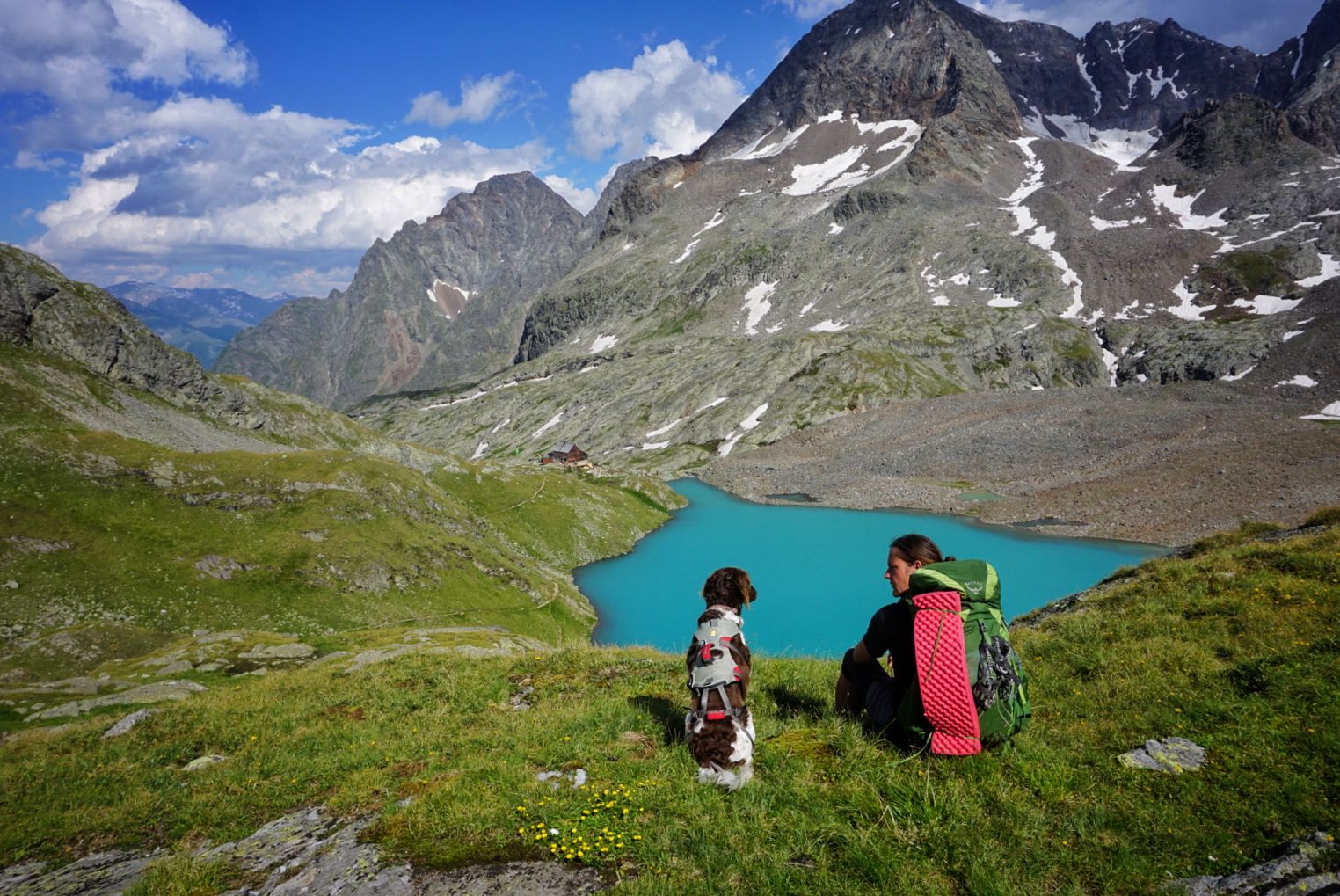
An alpine adventure – from east to west through Austria
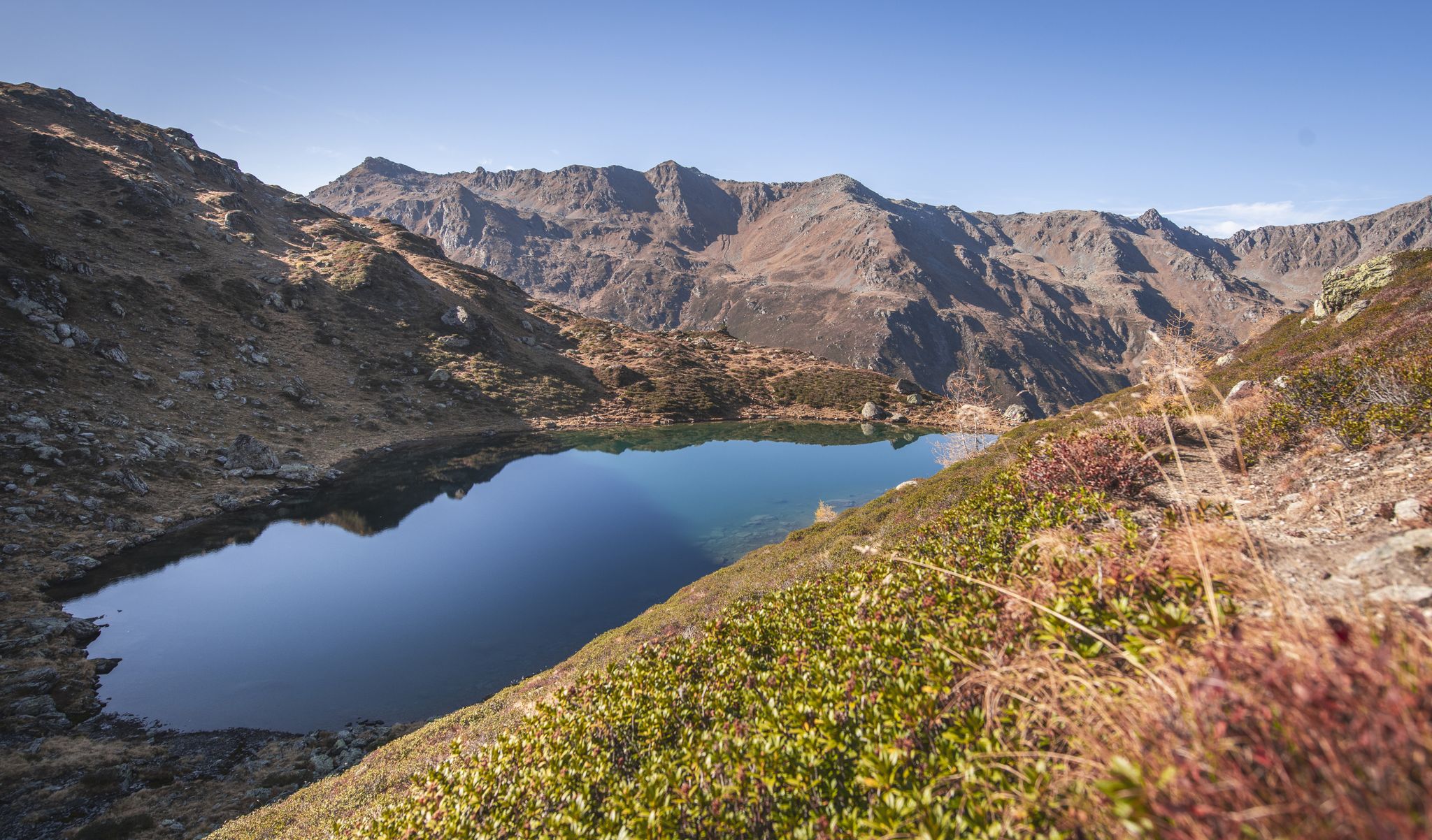
Hikes in Austria’s Hall-Wattens region – discover powerful places

Hike hut to hut in Austria – foodie Tours in the Hall-Wattens region

Mountain pastures and local dishes — hiking to the Tyrolean alpine huts
Other adventures around Wattenberg


Tips from the Community


Interesting architecture
1
0

Hasegg Castle, Hall in Tirol First mentioned in documents in the 13th century, the castle was built to protect the saltworks, shipping, the bridge over the Inn and to monitor the old salt road. The name comes from the Pfannhäuser, in which brine was evaporated and on whose "Egg" (corner) the castle was located. In the 15th century, the castle was expanded into a princely residence. In 1567, Archduke Ferdinand II had the mint moved here. Text / Source: Hall-Wattens Tourism, Unterer Stadtplatz 19, 6060 Hall in Tirol https://www.hall-wattens.at/de/burg-hasegg.html
16
0
Mint tower of Hasegg Castle, Hall in Tirol The old town of Hall is the largest preserved medieval old town in North Tyrol: its landmark is the mint tower of Hasegg Castle. Two special features of this charming little town are its old town and the mint with the mint tower. In 1477, Archduke Sigmund of Tyrol moved the princely mint from Merano to Hall, probably because of its proximity to the silver mines of Schwaz. In 1748, the Maria Theresa thaler was minted over 17 million times here and used as a means of payment all over the world. Today, the coin museum at Hasegg Castle tells of these times, and the associated mint tower offers you a wonderful view of the city. Text / Source: Tirol.tl https://www.tirol.tl/de/tirol/innsbruck-und-umgebung/hall-in-tirol/
16
0

The Münzerturm, the legendary landmark of the city of Hall, can also be visited. There are individual tickets for the museum and tower, as well as a combined ticket for both. Personal tours or tours with audio guides are available in various languages.
1
0

From the Münzerturm, the city's landmark, you have a wonderful view over the medieval town of Hall to the impressive Karwendel massif. The tower is located in the grounds of Hasegg Castle. A visit to the tower is not only worthwhile for the view. There is also an exciting museum here that explains everything about the coin and its production. You can find all the information here: https://www.muenze-hall.at.
1
0

Frequently Asked Questions
What are some of the most notable castles to visit around Wattenberg?
The Hall-Wattens region offers several significant castles. Among the most popular are Hasegg Castle, known for its mint tower and coin museum; the historical Neurettenberg Castle Ruins, a former hunting base for Emperor Maximilian I; and Schloss Mitterhart, appreciated for its architecture and location directly on the Inn Cycle Path.
Are there any family-friendly castles or activities near Wattenberg?
Yes, several castles are suitable for families. Hasegg Castle, with its coin museum and mint tower, offers an engaging historical experience. Additionally, the Water Wheels at Hasegg Castle provide an interesting look at medieval technology. Schloss Mitterhart also welcomes families and features a cafe and restaurant.
What kind of historical significance do the castles around Wattenberg hold?
The castles in this region are deeply rooted in Tyrolean heritage. Hasegg Castle, for instance, was a princely residence and mint, playing a crucial role in the region's economy due to its proximity to the Schwaz silver mines. Neurettenberg Castle Ruins served as a starting point for imperial hunts, reflecting the area's importance to nobility.
Can I combine a castle visit with outdoor activities like hiking or cycling?
Absolutely. The Hall-Wattens region is excellent for combining castle visits with outdoor adventures. For cycling, Schloss Mitterhart is conveniently located directly on the Inn Cycle Path. You can find various cycling routes, including gravel biking and touring options, in the Cycling around Wattenberg guide. For mountain biking, explore trails in the MTB Trails around Wattenberg guide.
Are there any viewpoints or natural features near the castles?
Yes, several castles offer scenic views. The mint tower of Hasegg Castle provides a wonderful panorama of Hall in Tirol. The Neurettenberg Castle Ruins also offer viewpoints. The entire region is characterized by its alpine landscape, providing a beautiful natural backdrop to these historical sites.
What is the best time of year to visit the castles around Wattenberg?
The best time to visit depends on your preferences. Spring and autumn offer pleasant weather for exploring both the castles and the surrounding nature, with fewer crowds. Summer is also popular, especially if you plan to combine visits with hiking or cycling. Winter can be magical for castle walks, though some outdoor activities might be limited by snow.
Are there cafes or restaurants near the castles?
Yes, some castles offer amenities. Schloss Mitterhart has both a restaurant and a cafe on-site. The town of Hall in Tirol, where Hasegg Castle is located, also provides numerous dining options within walking distance.
What are the options for public transport to reach the castles?
While specific public transport details for each castle vary, the Hall-Wattens region is generally well-connected. Hall in Tirol, home to Hasegg Castle, is accessible by public transport. For other castles or ruins, you might need to combine public transport with a short walk or cycle. It's advisable to check local bus schedules for the most up-to-date information.
Are there any less-known or 'hidden gem' castles worth exploring?
Beyond the main attractions, Arnholz Castle is a lesser-known site consisting of the built-up remains of a hilltop castle first mentioned in 1257. While privately owned and viewable only from the outside, its ancient walls offer a glimpse into the region's deep history and Tyrolean fortifications.
What do visitors generally appreciate most about the castles in this area?
Visitors frequently highlight the rich history and unique architecture of the castles. The coin museum at Hasegg Castle and the historical significance of sites like Neurettenberg Castle Ruins are often praised. The blend of cultural exploration with the stunning alpine scenery also receives high acclaim, as evidenced by over 190 upvotes and 230 photos shared by the komoot community.
Are there any easy walks or circular routes around the castles?
Yes, you can find routes that incorporate castle visits. For example, the MTB Trails around Wattenberg guide includes a 'Gartlach snack station – Rettenberg Castle Ruins loop' which is rated moderate and can be adapted for walking. The area around Schloss Mitterhart, being on the Inn Cycle Path, also offers easy walking opportunities along the river.
How long should I plan for a visit to one of the castles?
For a comprehensive visit to a major site like Hasegg Castle, including the museum and mint tower, you should allocate 2-3 hours. For castle ruins like Neurettenberg Castle Ruins, a visit might take 1-2 hours, especially if you combine it with a short walk to and from the site. Schloss Mitterhart can be a quicker stop, perhaps an hour, unless you plan to dine there.
Most popular routes around Wattenberg
Most popular attractions around Wattenberg

Get inspired with the komoot mobile app


Explore more
Looking for the best castles somewhere else? Discover other guides around Wattenberg:
