Top 4 Castles around Jois
Best castles around Jois are found within the Neusiedler See region of Burgenland, Austria, offering insights into the area's history. This region is characterized by its flat to gently rolling landscapes, with Lake Neusiedl as a prominent natural feature. The surrounding area provides a mix of historical sites, from well-preserved fortresses to ancient ruins. These locations contribute to the cultural significance of the Pannonian plain.
Best castles around Jois
- The most popular castles is Prugg Castle (Harrach Castle), Rohrau,…
Last updated: October 12, 2026
Trautmannsdorf Castle
Highlight • Castle
burgen-austria.com/article-month.php?id=242
Translated by Google •
Tip by

Tabor Ruin
Highlight • Historical Site
Translated by Google •
Tip by
Sign up now to discover places like this
Get recommendations on the best single tracks, peaks, & plenty of other exciting outdoor places.
Rohrau Castle
Highlight • Castle
Translated by Google •
Tip by

Prugg Castle (Harrach Castle), Rohrau
Highlight • Castle
Translated by Google •
Tip by

Harrach Castle (Prugg Castle)
Highlight • Castle
Source: Wilipedia
Translated by Google •
Tip by
Sign up for free to discover even more castles around Jois.
Already have an account?
Start today with a free account
Your next adventure awaits.

Tips from the Community

Beautifully preserved castle with open gates for cycling in, there is a restaurant in the first courtyard.
0
0
Lost place... dilapidated castle in a huge area.
0
1

Even more about the history: https://schloss-rohrau.at/geschichte-schloss-rohrau/
0
0

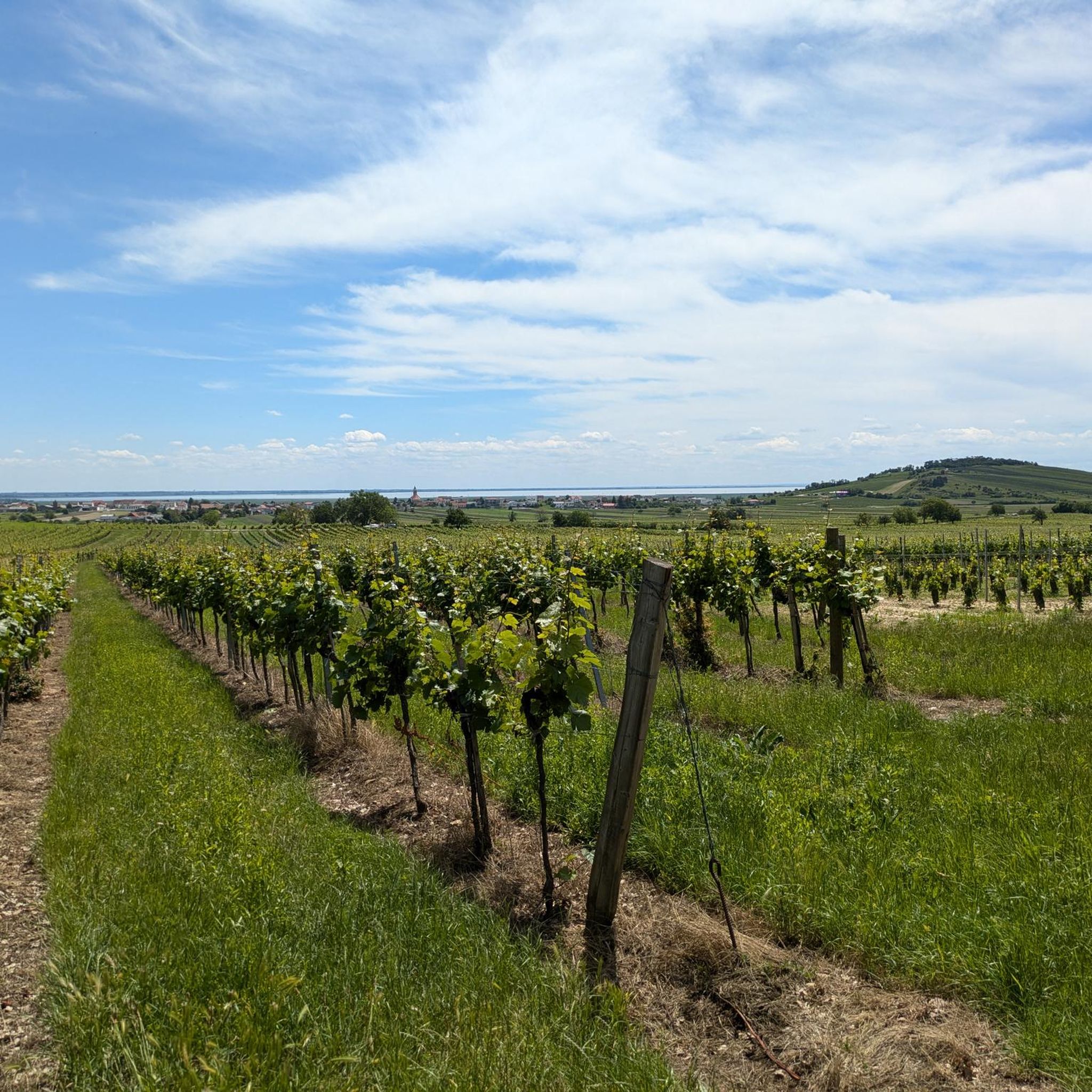
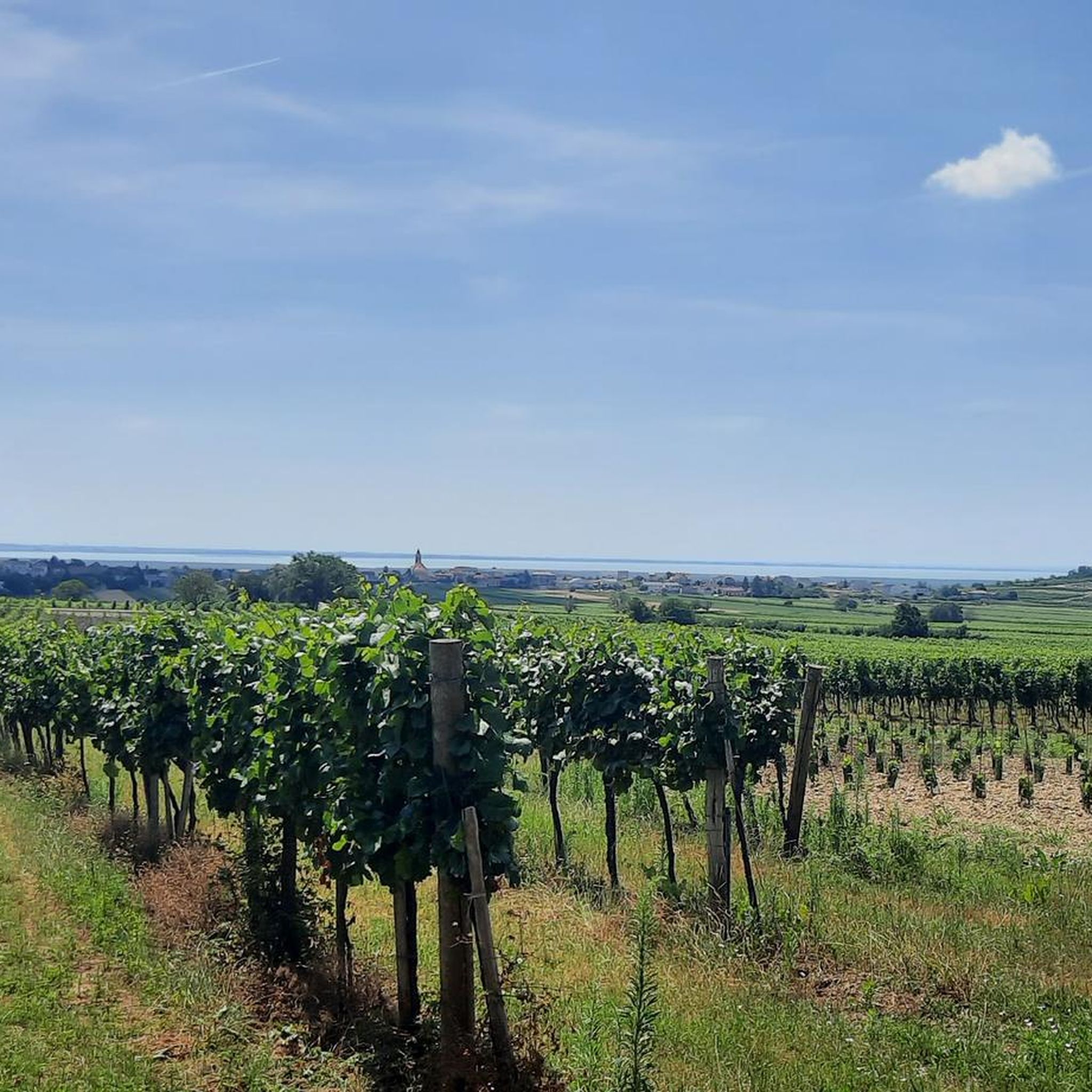
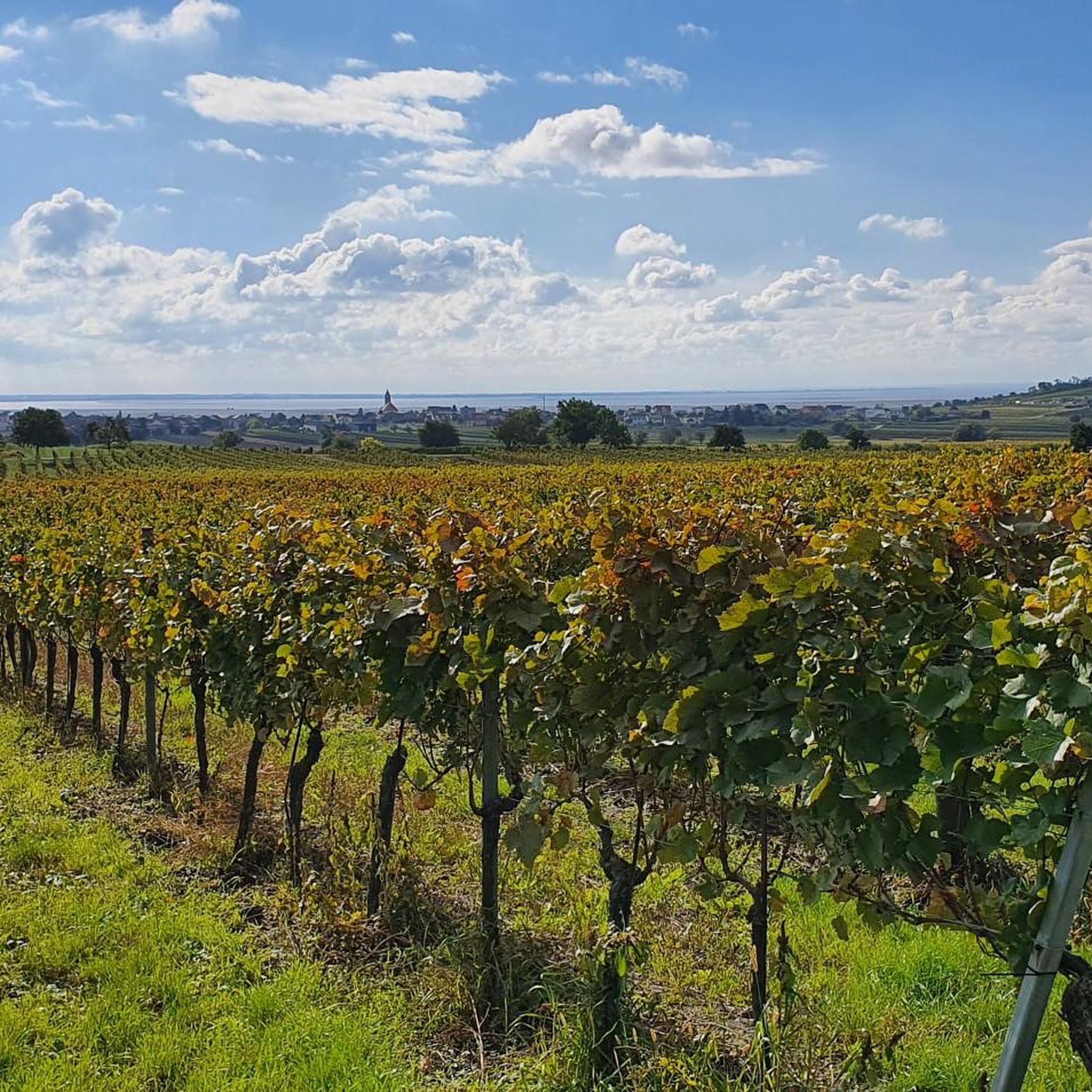
The secret landmark of Neusiedl - cozy up here with a wonderful view over Lake Neusiedl.
4
0

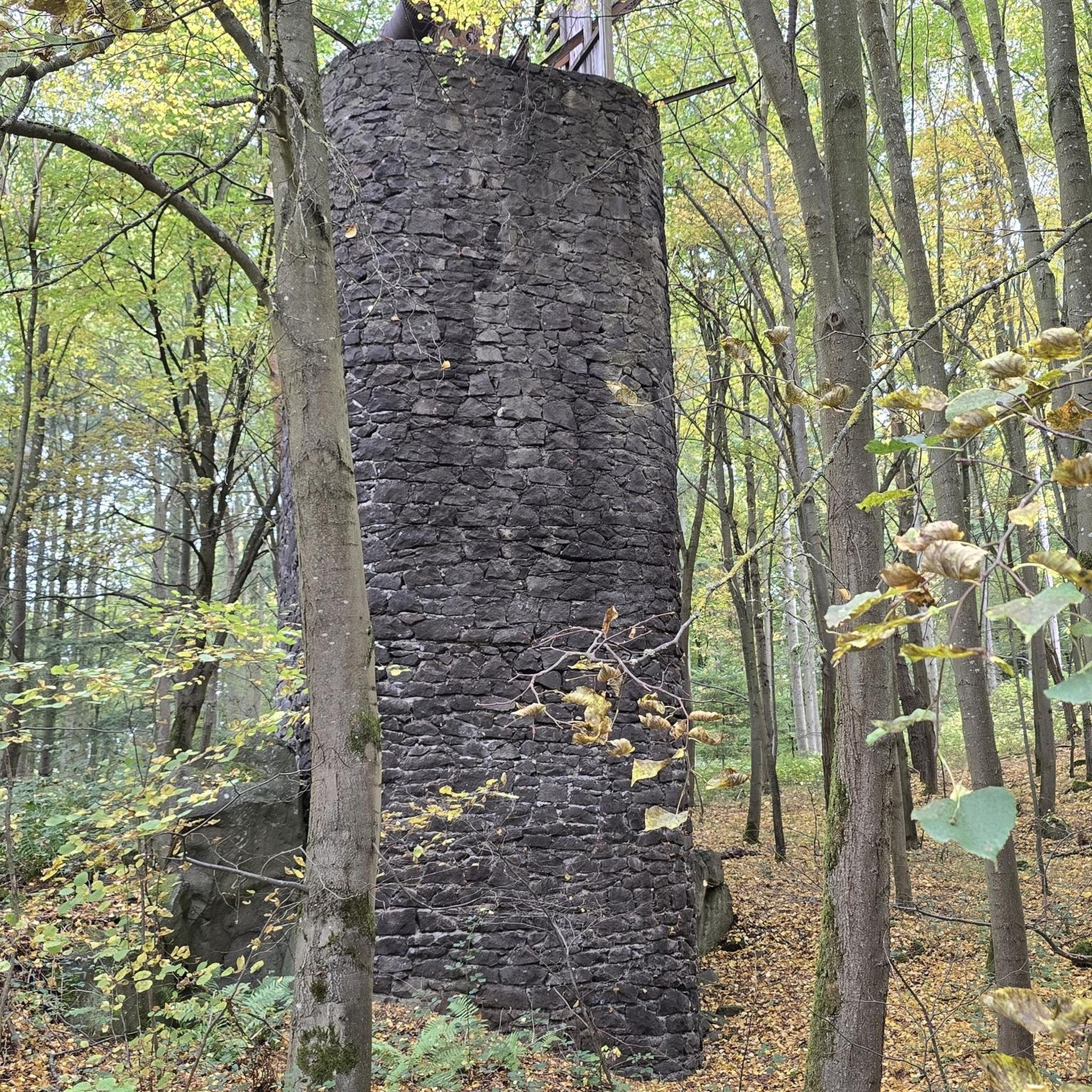
Tabor - ruins are the city's secret landmark For a long time, this castle ruin was thought to be a Roman building. In fact, it dates back to the Middle Ages. Experts have differing opinions about its function: some believe it was a royal residential castle, others a defensive tower. The wall construction suggests that the building was built in the 14th/15th century. In any case, Tabor was later used for defensive purposes. In 1708, it was fortified with palisades and wooden posts, but was still unable to withstand the onslaught of the Kurucs. The Tabor ruins are located on a hill and from the high walls of the ruins you have a wonderful view of the city and the lake.
2
0

Rohrau Castle, whose origins are uncertain and which was first mentioned in 1240, came into the possession of the Harrach family in 1524, who converted it into a Renaissance moated castle. The history of the castle and the Harrach family is closely linked to the Habsburg monarchy, in which the family played an important political role. After destruction in the Second World War and extensive renovation work starting in 1966, the castle was reopened in 1970 and the family collection was presented to the public.
2
0
The palace has stood empty since the interwar period and has fallen into disrepair. A real estate developer from Vienna acquired it in 2014 in order to renovate it and put it to a new use. This project is controversial. Strict ban on entry and threatened video surveillance - but there is no sign of renovation. Story: The name Trautmannsdorf refers to a Trutman who served under the Babenbergs, acquired land here from the Göttweig monastery around the year 1100 and presumably built a permanent house. In the 12th and 13th centuries, Trautmannsdorf was a link in the chain of fortifications against the Hungarians. The castle as such is first mentioned in 1292. Around 1163/1180 the small castle passed to the noble family of Stuchsen, ministerials of the Styrian margraves, who probably had their ancestral castle in Stixenstein, which was previously called Stuchsenstein. The castle was largely spared during the Kuruzzi invasions and the Turkish wars, as the complex was very well fortified and armed. From 1576 to 1756 the castle and dominion were owned by the Windisch-Graetz family. Under the Protestant, but loyal to the Emperor, Baron Friederich von Windischgraetz, the palace chapel was a center of the Protestants in eastern Lower Austria. Karl Joseph Graf Batthyány acquired the rule in 1756. After 1810, Prince Philipp Batthyány had the old buildings removed and a Classicist palace built. Joseph Kornhäusel is assumed to be the master builder. During the suppression of the revolution in Hungary in 1849, it served as a military hospital for wounded soldiers. After the death of the childless Prince Philip in 1870, the decline continued. In the vacant castle, a sanatorium for lung diseases was set up for a short time and the lands were leased.
0
1

Frequently Asked Questions
What types of castles can I explore around Jois?
The region around Jois offers a diverse range of historical structures, including medieval rock castles, baroque palaces, and ancient castle ruins. Each provides a unique glimpse into the area's rich history and distinct architectural styles.
Are there any castles near Jois that offer panoramic views?
Yes, both Tabor Ruin near Neusiedl am See and Forchtenstein Castle provide excellent views. Tabor Ruin offers a wonderful view over Lake Neusiedl, while Forchtenstein Castle, perched on a rock pillar, boasts panoramic views of the surrounding Austrian countryside.
Which castles around Jois are family-friendly?
Forchtenstein Castle is known for being family-friendly, offering interactive exhibits and educational programs about medieval life. Trautmannsdorf Castle and Rohrau Castle are also categorized as family-friendly, providing historical exploration for all ages.
Can I visit a palace with extensive gardens near Jois?
Yes, Halbturn Palace is a baroque palace featuring a magnificent English garden that remains largely in its original 1900 shape. The extensive park is open year-round, perfect for strolls and cycling.
What historical insights can I gain from visiting castles in this region?
Castles like Forchtenstein Castle offer an immersive journey through time with well-preserved medieval architecture and comprehensive museum collections, including weaponry and armor. Rohrau Castle, first mentioned in 1240, showcases its transformation into a Renaissance moated castle and its close ties to the Habsburg monarchy.
Are there opportunities for outdoor activities near the castles?
Absolutely. The region around Jois offers various outdoor activities. You can find numerous cycling routes, including the 'Cherry Blossom Cycle Path' and routes around Lake Neusiedl. For more adventurous options, there are also MTB trails and gravel biking routes available. Explore more options in the Cycling around Jois, MTB Trails around Jois, and Gravel biking around Jois guides.
Which castle offers a significant art collection?
Prugg Castle (Harrach Castle), Rohrau houses the painting collection of the Counts of Harrach. Additionally, Halbturn Palace features a famous ceiling fresco titled 'Triumph des Lichts' by Franz Anton Maulbertsch.
What is the best time of year to visit the castles around Jois?
The region is enjoyable throughout the year, but spring and autumn offer pleasant weather for exploring the castles and their surrounding landscapes, including the gardens at Halbturn Palace and the views from Tabor Ruin. Summer also provides opportunities to combine castle visits with activities around Lake Neusiedl.
Are there any castles that host cultural events or markets?
Halbturn Palace is a cultural center that hosts a variety of events throughout the year, including annual exhibitions, renowned concert series ('Halbturner Schlosskonzerte'), and seasonal markets like 'Gartenlust' and the 'Pannonian Christmas Market'.
Can I visit a castle that is currently undergoing restoration?
Trautmannsdorf Castle, while a beautiful castle, had a new owner in 2014 who intended to restore it completely. Visitors have noted that the magnificent building was in a sorry state, so you might observe ongoing restoration efforts or its current condition.
What do visitors particularly enjoy about the castles around Jois?
Visitors appreciate the historical significance and the scenic beauty. Highlights like Tabor Ruin are loved for their wonderful views over Lake Neusiedl, while the well-preserved architecture and rich history of places like Rohrau Castle are highly valued.
Most popular attractions around Jois

Get inspired with the komoot mobile app


Explore more
Looking for the best castles somewhere else? Discover other guides around Jois:
